
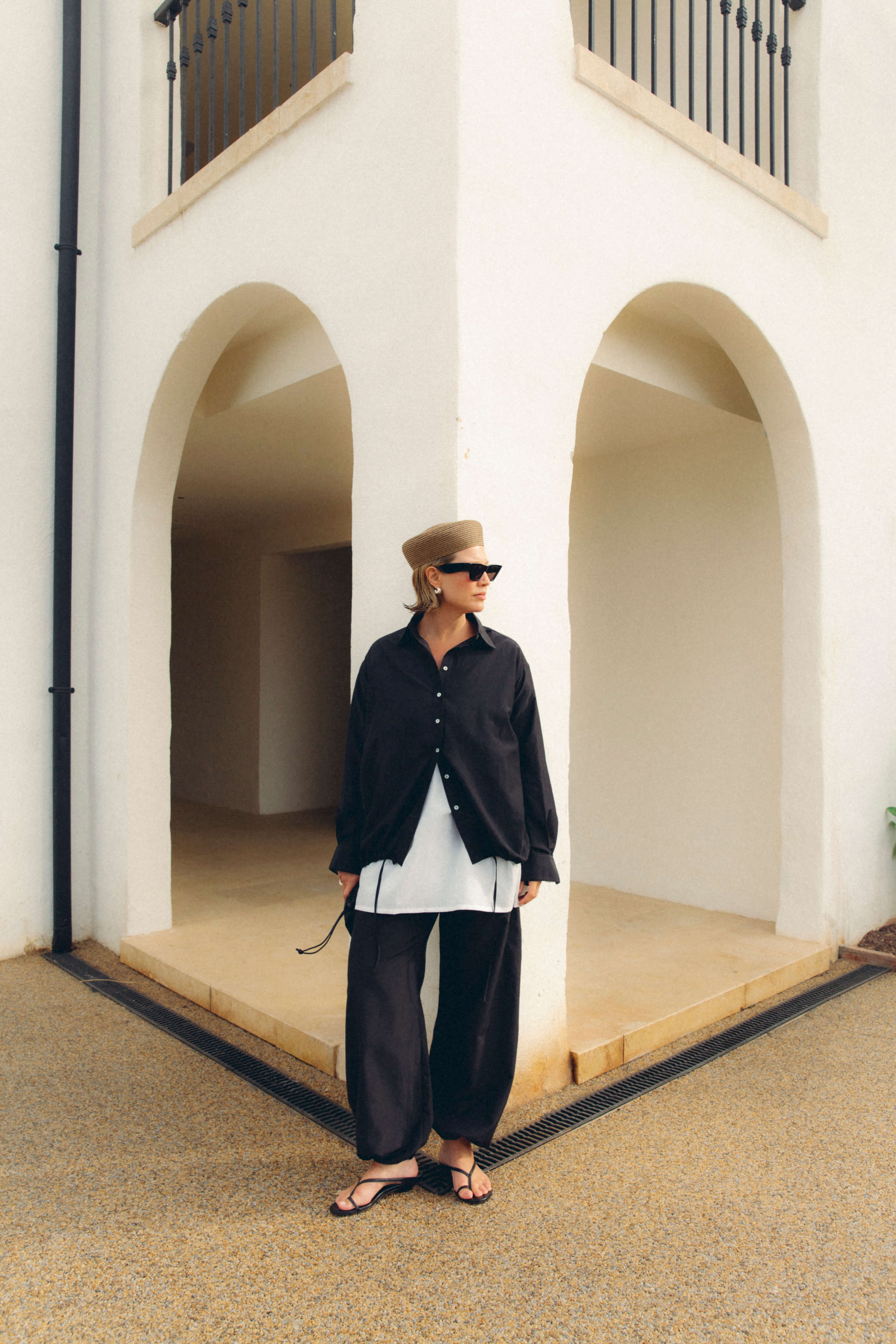


10 Styling Techniques to Enhance a Fabric's Natural Drape
Maintaining the graceful drape of a blouse when layering or tucking calls for subtle, considered adjustments—thoughtful fabric care, carefully chosen base layers, and mindful styling—rather than relying on structured tailoring. These refined touches help preserve the natural elegance of each piece.
This piece explores elegant approaches to preserving the natural drape and graceful movement of your wardrobe favourites. From mindful care rituals—such as gentle washing and steaming—to thoughtful styling touches like artful tucks, subtle belts, or supportive layers, discover how to shape looks with ease while honouring each garment’s inherent fluidity and comfort.
1. Consider the Elegance and Flow of Fabrics
To understand a fabric’s true character, begin by gently holding a corner and allowing it to fall, or drape it elegantly over your forearm. Observe whether it settles into soft, fluid folds or maintains a crisp silhouette that stands away from the body. Fibre composition and construction offer further insight: natural fibres such as silk and viscose often lend a fluid drape, while denser cottons and linens present a more structured finish. Knits are distinguished by their ability to stretch and recover, in contrast to the tailored feel of woven fabrics. Finishes can transform expectations, so it is always wise to handle the actual garment. Explore the difference between weight and stiffness by lightly folding and smoothing sections, noticing how the fabric responds and whether it retains or releases creases. A weighty textile may still possess a gentle suppleness, bringing a sense of subtle luxury to daily wear.
When considering details such as tucks, cinches, or trims, it is essential to honour the natural properties of the fabric. Working with the grainline lends subtle structure, while elements cut on the bias provide gentle stretch and elegant contouring. Preserve the fabric's graceful drape through thoughtful construction methods like slender hems, delicate seam allowances, and soft or minimal interfacing. Rather than relying on bulky fastenings, incorporate discreet techniques such as stay-stitching to maintain fluidity. Place tucks or gathers where the fabric naturally yields, ensuring neighbouring sections remain undisturbed, and introduce bias panels or trims to encourage additional movement and flow. Such considered choices help to retain the garment’s effortless silhouette and luxurious feel, even when layering or styling with added definition.
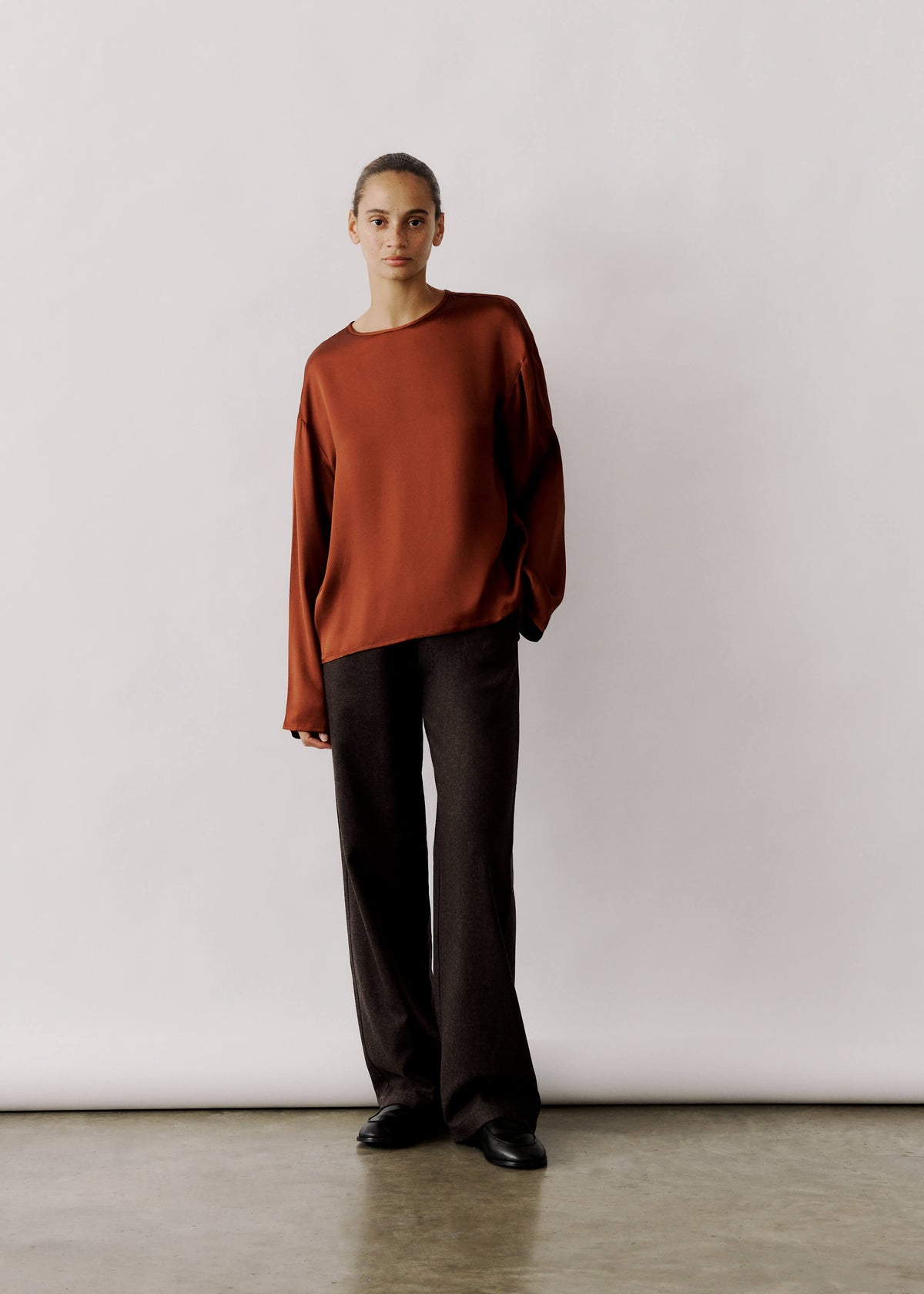
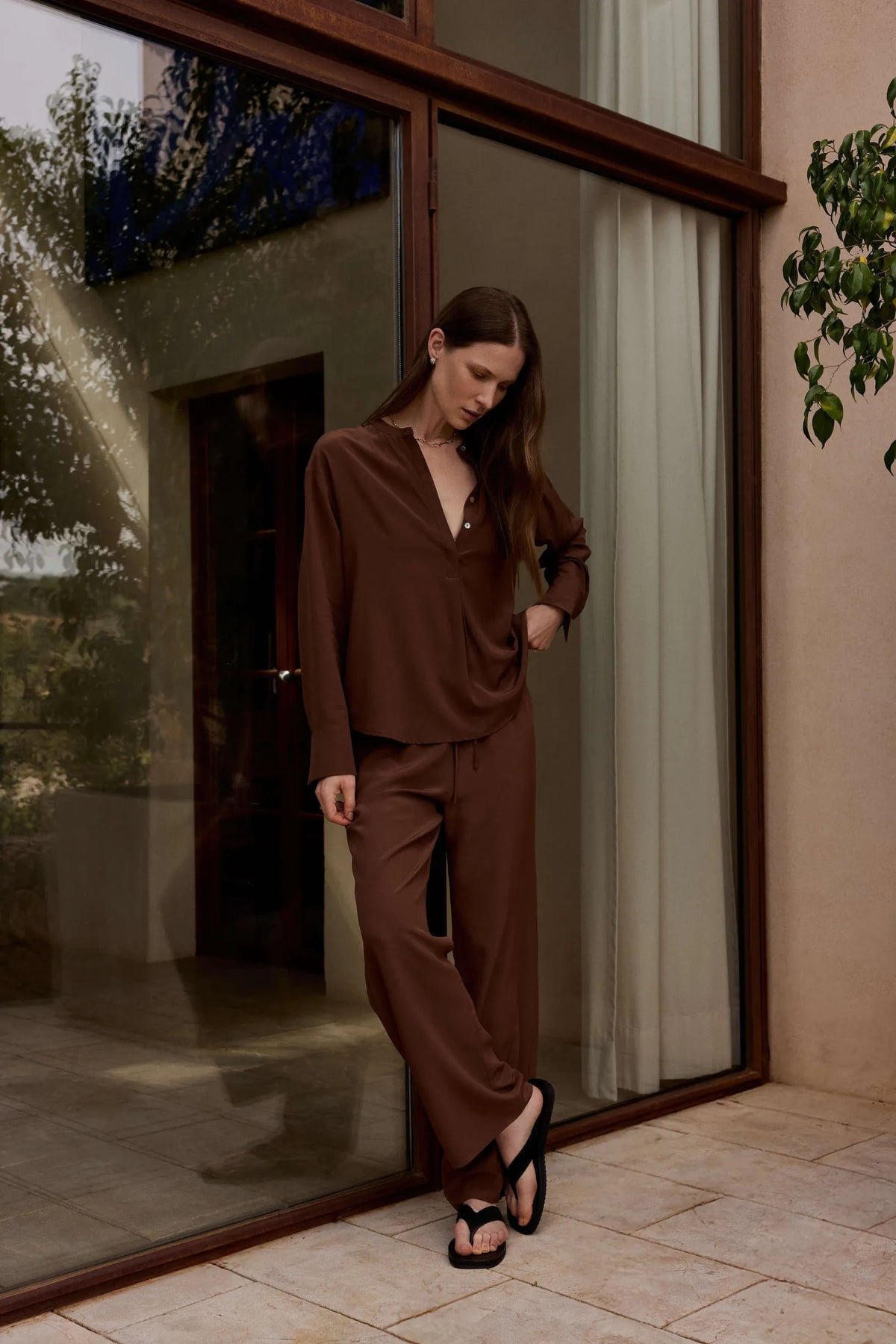
Embrace silk's fluid drape for effortless, luxurious lounging.
2. Prep Fabrics with Care: Gentle Washing and Steaming Tips
Begin by consulting the care label and performing a discreet test along an inner seam or hem to observe how the fabric responds—assessing for colourfastness, potential shrinkage, and the fabric's tendency to relax or tighten when washed or steamed. For laundering, preserve the integrity of each piece by handwashing or selecting a delicate machine cycle with cold or lukewarm water and a gentle detergent. Turn garments inside out, fasten any closures, and place smaller items in a mesh bag to offer further protection. Refrain from using hot water, vigorous spinning or tumble drying, as such methods may disrupt fibres and compromise the graceful drape of the fabric.
Gently press excess water from damp garments using a clean towel, carefully reshaping seams and hems by hand. Lay pieces flat on a rack, away from direct heat, to maintain their original drape. To revive fibres and enhance loft, opt for steaming rather than hot ironing; hold the steamer slightly away and follow the direction of the weave. For delicate silks or intricately embellished fabrics, steam from the reverse or interpose a cloth for added protection. Avoid fabric softeners on lightweight or textured items, as residues may diminish the natural elegance of the fibres. To preserve a pristine appearance, tend to any pilling or loose threads with a fine comb or depilling tool. Store garments on suitable hangers or folded with tissue to support their shape, address marks or spills promptly, and rotate pieces in your wardrobe to ensure lasting beauty and minimise wear.
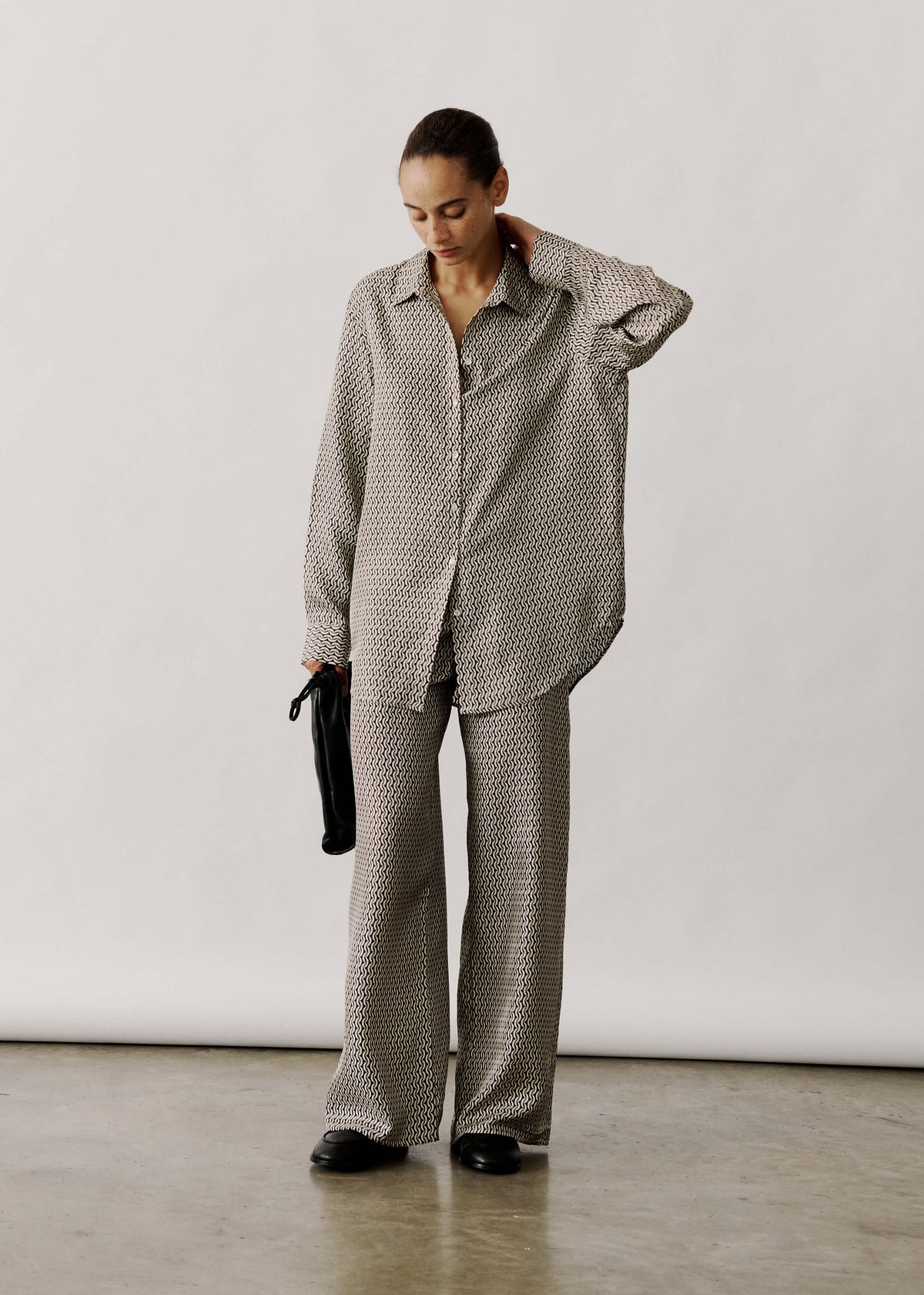
Preserve drape and pair with a coordinating silk shirt.
![{"image_loaded": true, "load_issue": null, "people": {"count": 1, "roles": ["model"], "visible_demographics": "adult female", "attire": "white silk pajama set with black grosgrain ribbon piping, long sleeves, button-up shirt and pants", "pose_or_activity": "sitting on the floor with one arm resting on the edge of a bathtub, looking towards the camera"}, "setting": {"environment_type": "indoor bathroom", "location_hints": "black and white checkered floor tiles, beige carpet, white clawfoot bathtub, dark gree](https://cdn.shopify.com/s/files/1/1327/6929/files/image_loaded_true_load_issue_null_people_count_1_roles_model_visible_demographics_adult_female_attire_white_silk_pajama_set_with_black_grosgrain_ribbon_piping_long_sleeves_button_up_s_e8460036-053a-4126-868f-feb6fadcb599.webp?v=1771759937)
3. Select base layers that enhance natural drape and comfort
Select a base layer crafted from a fabric with a similar weight and fibre to the garment worn above; for instance, a bias-cut slip or a lightweight silk or viscose camisole will contour to the body and allow outer layers to drape with effortless grace. In contrast, heavier cotton or structured underpinnings may interrupt the fluidity of hems and sleeves. Harmonise the stretch of your base layer with the outer garment, as pieces with significant compression can disrupt pleats and gathers, affecting the natural line. Opt for flat, unobtrusive seams and fastenings such as bonded edges, narrow elastics or flatlock stitching. Take a moment to move, sit and bend when assembling your ensemble to ensure seams remain smooth and comfortable. Thoughtful internal support, such as shelf bras, discreet removable cups or gentle panels, can offer subtle lift without bulk, maintaining a fluid silhouette across the shoulders, waist and hips.
When considering a liner for a garment, pay close attention to both length and placement. A shorter liner helps to avoid flicked hems, while a longer option softly prevents clinging at the hips. Deciding where the base layer finishes will influence how gathers and pleats are maintained throughout the silhouette. Before making a final choice, gently pin or lightly tack the base layer to the outer fabric to observe how it shapes the garment’s drape and movement. These thoughtful adjustments allow for subtle refinements, ensuring the piece retains its natural elegance and fluidity.
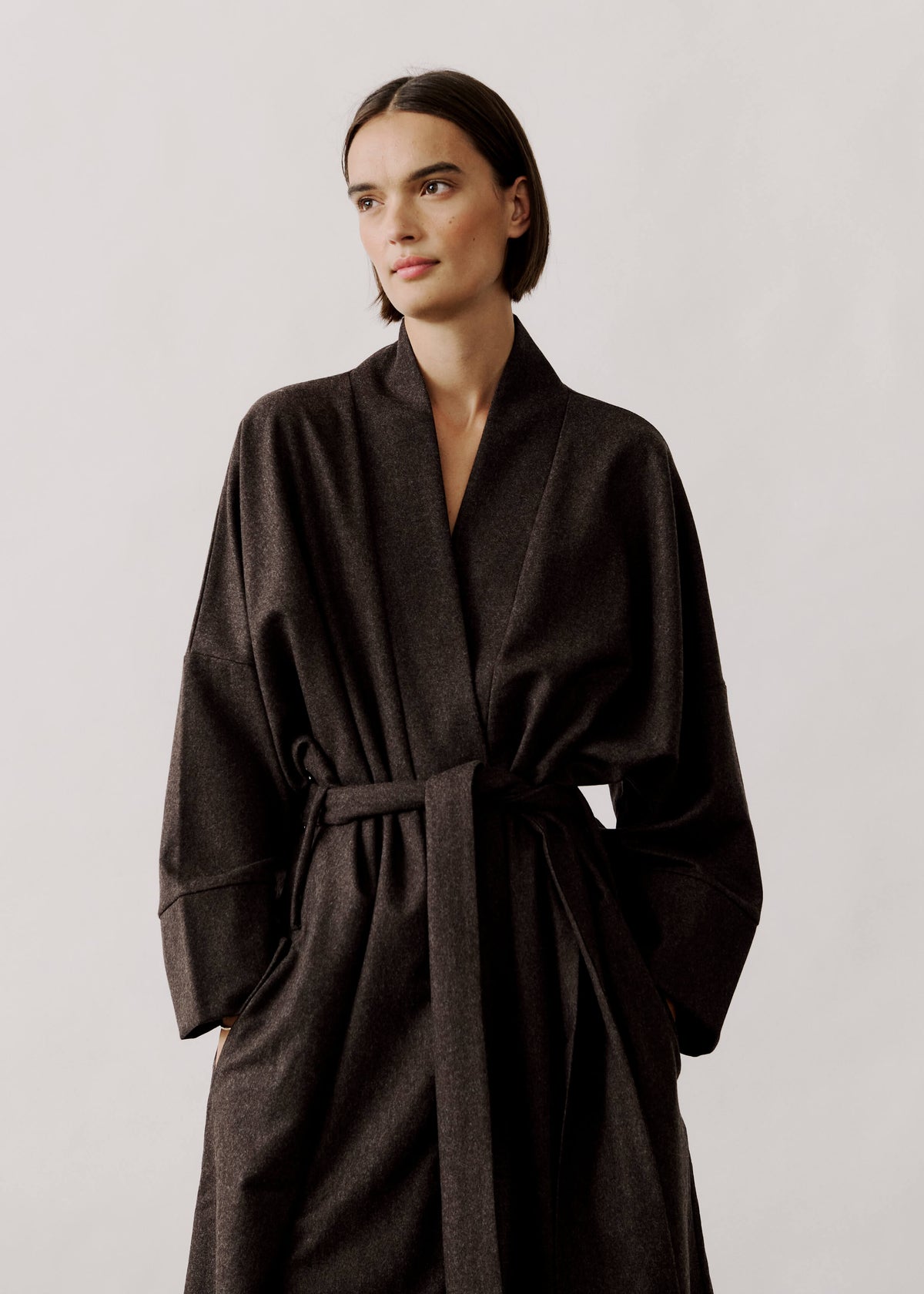
Choose a similarly weighted viscose layer for seamless drape.

4. Choose silhouettes that embrace effortless movement
Opt for silhouettes such as bias-cut, wrap, column, or A-line, as the bias technique gently distributes movement across the fabric, allowing it to contour the body with subtle elegance. Column and A-line shapes offer a balanced drape, ensuring garments flow naturally without gathering. Consider details like raglan, dolman, or softly dropped shoulders and full sleeves, which forgo excess seaming and padding for a more fluid line beneath layers. This thoughtful construction preserves the garment's refined shape, allowing for effortless wear with minimal need for adjustment.
Choose garments with unstructured waists, such as those featuring ties, elastic, or drawcord finishes. Details like side vents or subtle slits allow hems to drape naturally when cinched, avoiding unwanted pleats. Consider asymmetric or gently extended hemlines and varied layering, which allow an underlayer to softly emerge beneath a top, creating fluid lines and graceful movement when tucked or belted. Steer clear of heavy interfacing, rigid linings, or structured belts. Instead, favour soft linings, slender fabric ties, or supple belts that gather the fabric without compromising its natural drape and lustre, allowing the fibres to move beautifully and maintain their sheen.
Lounge in fluid silk that skims the body.
5. Layer with Intention to Preserve Elegant Fluidity
When layering, prioritise weight and movement rather than fibre alone. Place structured, heavier garments over lighter, more fluid layers, opting for open-front coats, longline cardigans, or unbuttoned shirts to allow inner layers to drape naturally. Test your arrangement by moving freely, ensuring comfort and ease. Stagger hems and seam lines so each layer is able to fall independently—consider a slight variation in length to maintain graceful, uninterrupted vertical lines as you move. If fabrics tend to cling, introduce a lightweight, smooth lining or opt for a sleeker underlayer, ensuring all seams are gently aligned to preserve a sense of fluidity throughout your ensemble.
To create a softly defined silhouette while preserving natural drape and movement, consider a partial tuck: gently fold the front centre or one side of the garment, or opt for a subtle French tuck, allowing the back and sides to fall freely. Should any volume appear, ease out some fabric until the garment sits smoothly. Favour delicate cinching techniques in place of structured belts, such as fabric ties, slender flexible straps, or adjustable drawstrings positioned at the natural waist or just above the hips. Adjust only enough to suggest shape, letting the fabric gather fluidly rather than bunch. As a final touch, observe the look in motion, making any subtle refinements to ensure the fabric maintains its graceful sense of ease.
Opt for fluid silk to preserve graceful drape.
![{"image_loaded": true, "load_issue": null, "people": {"count": 1, "roles": ["model"], "visible_demographics": "adult female, light skin tone", "attire": "white loose-fitting long-sleeve shirt and matching loose white pants", "pose_or_activity": "leaning forward with hands resting on a white surface, barefoot"}, "setting": {"environment_type": "indoor", "location_hints": "terracotta tiled floor, arched doorframe, large window with a view of greenery and distant landscape, warm natural light from outside", "d](https://cdn.shopify.com/s/files/1/1327/6929/files/image_loaded_true_load_issue_null_people_count_1_roles_model_visible_demographics_adult_female_light_skin_tone_attire_white_loose_fitting_long_sleeve_shirt_and_matching_loose_white_pa_f7aebfd6-8170-4aa4-9e4f-8958fe99cd70.webp?v=1771759946)
6. Tuck Shirts to Enhance Natural Silhouette and Flow
For a relaxed yet refined silhouette, consider a partial or French tuck by softly easing just a small section of the front hem into the waistband. This technique encourages the fabric to drape with gentle movement, creating a subtle blouson effect. Opting for a smaller tuck allows the material to fall in graceful folds rather than resting flat against the body. To maintain the look, discreetly secure the tucked section with a tiny hand stitch or a touch of fabric tape hidden inside the garment, ensuring the fabric remains free to move without constraint. A single, well-placed stitch at the centre front or along the hip quietly holds the shape, allowing the rest of the fabric to flow effortlessly.
Consider the placement of tucks to enhance the garment's natural silhouette — a gentle tuck at the waist creates a softly cropped effect, while tucking at the hip lends an effortlessly relaxed, low-rise shape. To preserve fluidity, avoid tucking on shaped seams, as this can disrupt the garment's intended movement. Adjust the depth of your tuck according to the fabric: opt for a subtle 1 to 2 centimetres with delicate silks and viscose, and allow 3 to 4 centimetres for more substantial knits, ensuring the fabric settles without bulk. Smooth each fold gently, leaving a touch of ease so the fabric breathes and drapes with authenticity. Before finalising, move naturally — walk, sit, and raise your arms — to ensure the garment's lines fall gracefully. If the tuck hinders the fabric's flow, ease it slightly, shift the placement, or secure with a single understated stitch to maintain movement and shape.
Tuck a fluid silk shirt for effortless drape.

7. Cinch Gently and Position Belts to Enhance Silhouette
Gently fasten a narrow, soft belt so it rests lightly against your silhouette, allowing a slight gap for ease. As you move and sit, observe how the fabric drapes—flowing softly or gathering as intended. Should the line of the fabric shift, adjust the belt’s placement with care rather than increasing the tension, as undue pressure can disrupt the garment’s natural fluidity. To complement the material, pair delicate, supple sashes with lighter, bias-cut pieces, and choose broader, softer belts for more substantial fabrics. Opt for unobtrusive fastenings, avoiding rigid buckles or prominent hardware, preserving the garment’s elegant form and effortless movement.
Position the belt on the garment layer that should remain smooth, or use discreet anchors at the side seams or through existing loops to ensure an even, graceful cinch that avoids any uneven gathering. Subtle adjustments in vertical placement—at the natural waist, just above the hip, or beneath the bust—reshape where gentle folds appear and influence the silhouette, allowing you to define shape without compromising the garment’s elegant drape. To preserve a seamless finish, opt for invisible supports such as a discreet fabric loop within a waistband, a hidden ribbon in the lining, or a carefully placed pin at the side seam to prevent slipping. For a fluid, uninterrupted line, consider internal cinching like a soft elastic or drawstring inside the waistband, a gentle half-tuck to redirect fabric, or a lightweight waist slip beneath the garment.
Choose fluid silk to preserve elegant drape.

8. Embrace Effortless Movement and Lasting Comfort in Every Look
For a relaxed yet polished silhouette, allow a small section of your garment to remain gently untucked or try a casual French tuck to encourage soft draping rather than defined creases. Opt for wide, fabric sashes or softly structured belts, fastening with a loose knot or delicate clasp to distribute pressure and maintain the garment’s natural lines. Introducing a lightweight silk or satin camisole or slip as a smooth underlayer allows outer fabrics to move fluidly, ensuring effortless comfort and grace where layers meet.
Honouring the natural grain of a garment is essential; consider pairing bias-cut or fluid pieces close to the body, positioning any cinches thoughtfully over structural seams or waistbands where the fabric is gently reinforced. This approach helps maintain the garment's elegant drape and prevents unnecessary tension on delicate cloth. When assessing fit, move gracefully—walk, sit, raise your arms, and view the garment from various angles to observe how the fabric responds. Subtle adjustments, such as easing tucks or repositioning cinches, can ensure your ensemble moves in harmony with you, free from unwanted bunching or visible distortion.
Add a silk underlayer for smoother, flowing drape

9. Simple Solutions for Preventing Static and Cling
To gently remedy static in your garments, begin by misting a fine spray of water onto a discreet area, ensuring the fabric's integrity is preserved. A delicate spritz elevates the fabric's natural drape, encouraging each layer to fall gracefully. If static persists, consider discreetly carrying a softener sheet – a gentle sweep over areas prone to static can help ease friction and encourage a smooth silhouette. For an immediate solution, lightly touch a small metal object to both the outer and inner layers of your attire to balance the charge and restore the garment’s effortless finish.
Opt for a lightweight natural fibre layer, such as a cotton camisole or a silk scarf, to wear beneath synthetic garments. Natural fibres are less prone to static, ensuring the outer fabric maintains its graceful drape. To further minimise static, lightly dampen your palms or gently run a metal comb across the fabric; a touch of moisture or metal helps disperse static and preserve the intended silhouette. Adjust these gentle techniques to your needs—a natural fibre barrier for everyday comfort, a softly-scented sheet for persistent cling, or a discreet metal accessory for swift touch-ups. These understated approaches allow each layer to fall beautifully, honouring the garment's original shape and texture without compromise.
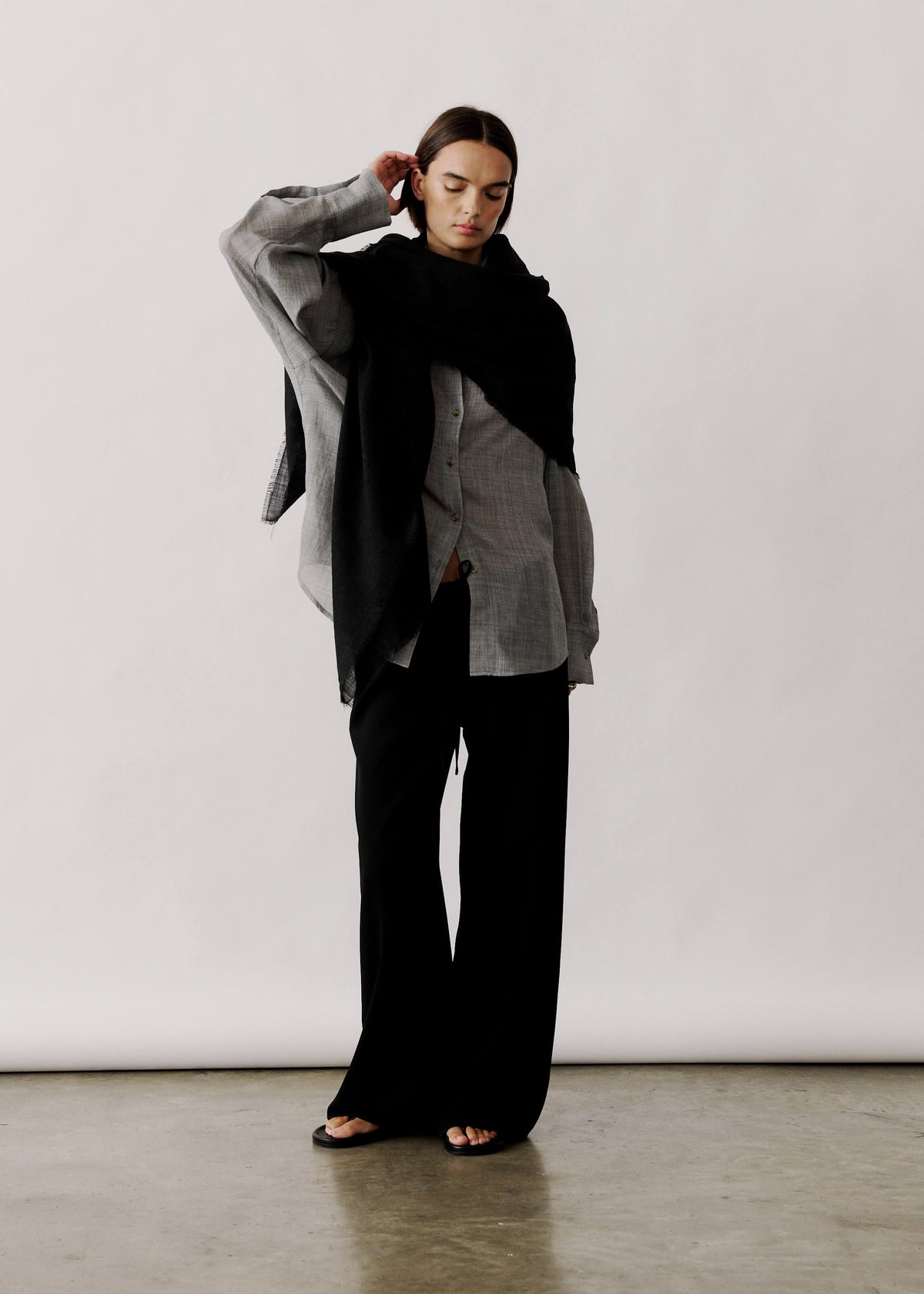
Layer lightweight silk to reduce static and enhance drape
10. Preserve elegant drape with mindful care and considered storage
Before caring for any fabric, consider identifying its fibre composition and, if possible, test a discreet section by gently washing and lightly steaming to observe any changes in texture or drape. Heat and movement may subtly alter the fibres, so exploring care methods on a small area allows you to select the most delicate approach. Opt for steaming and careful reshaping over firm pressing, allowing steam to soften the fabric from a distance and gravity to naturally restore its form as it cools. If pressing is required, use a protective cloth and a low temperature to relax the fibres while preserving the fabric’s natural fluidity.
To maintain a silhouette that drapes with effortless elegance, consider trimming and grading seam allowances and selecting refined finishes such as French or flat-felled seams, particularly for lightweight fabrics. Avoid adding weight at straps, waistlines, or hem bands, allowing the cloth to fold and flow with natural grace. For a seamless layered effect, opt for a lightweight slip or smooth camisole beneath, and choose a single-side or half-tuck rather than a full tuck to prevent excess volume at the waistband. When gentle shaping is desired, favour narrow casings, soft elastic, internal drawcords, or subtle stitched waist details rather than bulky belts or prominent hardware. Position any cinching at seams or natural waistlines so that tension is distributed, preserving the fluidity and natural movement of the fabric throughout the garment.
Mindful styling preserves a fabric's inherent drape, allowing garments to maintain their graceful silhouette and gentle movement whether layered, tucked, or softly belted. By observing how each piece falls, treating fabrics with care, and selecting considered base layers, one encourages natural folds to form, enhancing the fluidity of each design without resorting to rigid structure.
Explore the techniques outlined in this post – from thoughtful fabric care and gentle steaming to the art of the partial tuck, soft cinching, static prevention, and considered storage. Introducing these subtle refinements, one at a time, preserves a garment’s natural drape, enhances longevity, and ensures your wardrobe remains effortlessly elegant.


Leave a comment
This site is protected by hCaptcha and the hCaptcha Privacy Policy and Terms of Service apply.