
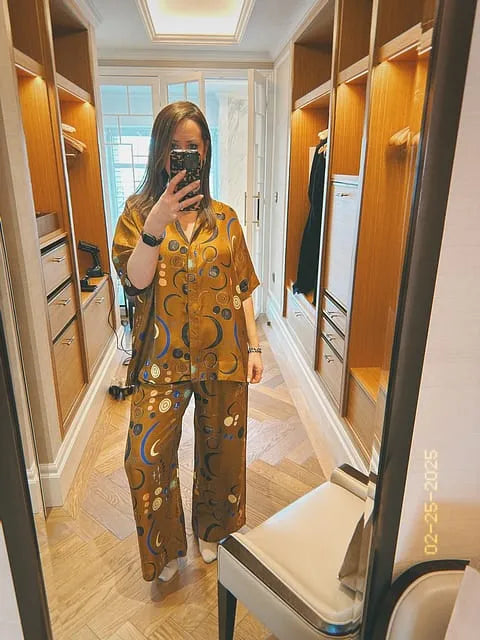
10 Ways to Select the Perfect Relaxed or Tailored Fit
Selecting the perfect relaxed silhouette can sometimes be challenging, with fit, size charts, and fabric drape each playing a subtle yet significant role. This post explores how to interpret these elements, guiding you in choosing garments that achieve either a softly draped or a more tailored relaxed look.
In ten considered steps, this guide explores the art of precise measurement, understanding ease, evaluating fabric weight, and refining length and proportions to achieve a harmonious silhouette. Thoughtful advice on styling, tailoring, and garment care helps maintain fit while preserving the graceful drape and fluid movement that define timeless pieces.
1. What Is a Relaxed Fit and How Does It Differ?
A relaxed fit is characterised by positive ease, where extra centimetres are thoughtfully added to a garment beyond the natural body measurements. Typical interpretations include relaxed fits, offering approximately 4 to 10 centimetres of ease at the chest; oversized styles, which add anywhere from 12 to 20 centimetres; and boxy or slouchy silhouettes, known for their wider cuts, softer fabrics, and gently draped lines. When considering ease, begin by measuring your chest, waist, hips, and rise. Compare these to the garment laid flat and doubled where necessary, with the difference indicating the amount of ease. For shirts and knitwear, focus on chest ease ranges, while for trousers, consider both seat ease and rise, with relaxed fits generally allowing 4 to 8 centimetres of ease and more generous proportions for looser shapes. These thoughtful guidelines offer a more nuanced approach to finding a harmonious fit, moving beyond conventional size labels.
Fabric and construction play a significant role in how ease and silhouette are perceived. Structured cotton or canvas retains its shape, so even a modestly relaxed fit can appear refined, while draped viscose or lightweight knits lend garments an airy volume. Elements like the placement of shoulder seams, the presence of lining, and subtle tailoring details all gently influence how looseness is expressed. When exploring fit, notice where the shoulder seam falls in relation to your own shoulder, the way sleeves and hems move with you, and how trousers rest at the waist and drape at the seat. For a more relaxed silhouette, consider trying a size with a gently defined shoulder. Tailoring, such as subtle adjustments to the side seams, can offer a neater look without sacrificing comfort. Styling techniques like tucking, belting, or thoughtful layering allow relaxed pieces to feel more fitted and personal, all without making permanent alterations.
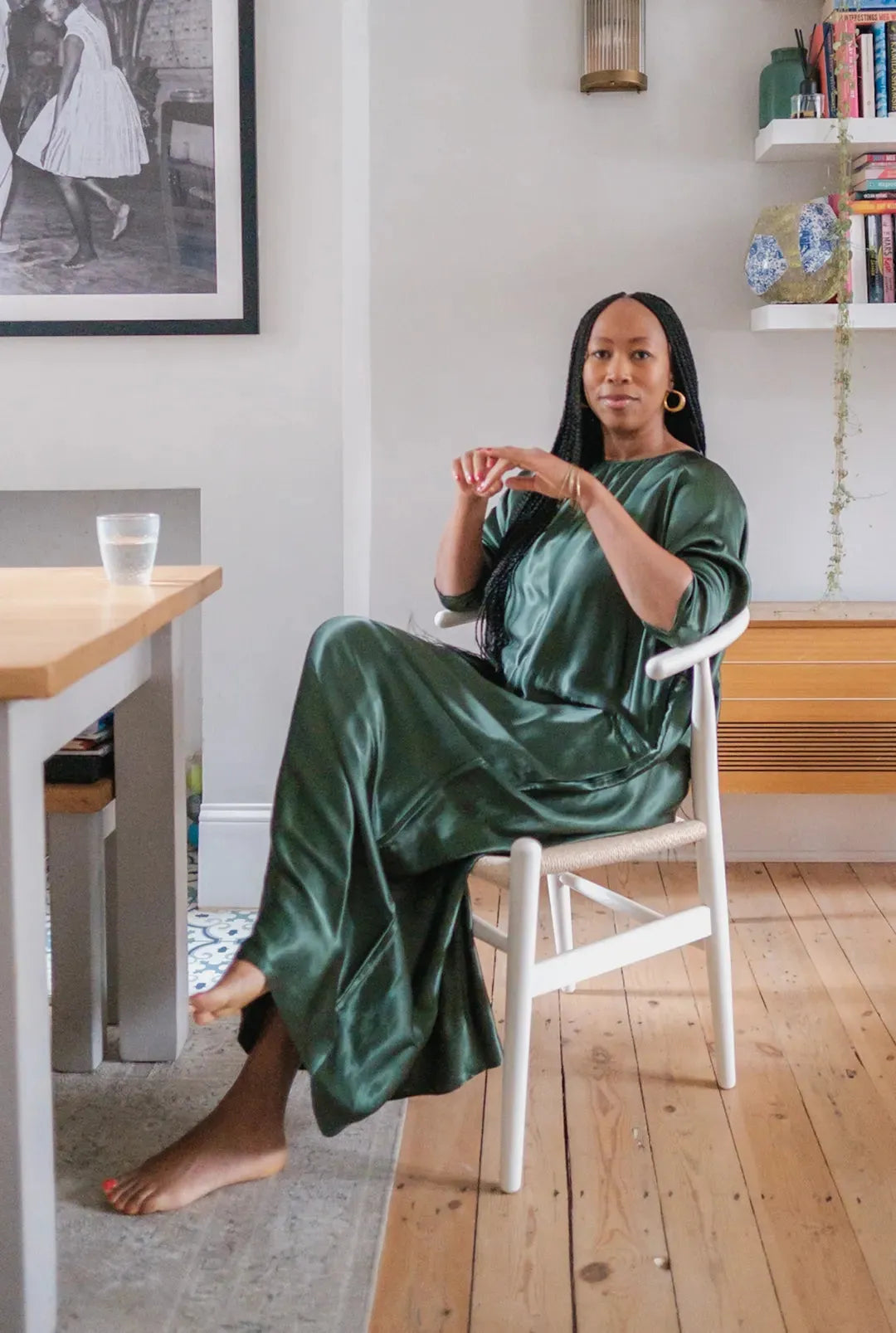
Choose an oversized cotton dress and belt for shape
2. Identify your body shape and proportions
Carefully take key measurements, noting both a comfortable and a more relaxed fit for areas such as the chest at its fullest, natural waist, hips, shoulder width across the back, torso length from shoulder to waist, and inside leg. Compare these to the garment’s measurements to determine your preferred degree of ease. Rather than relying solely on labelled sizes, consider simple visual assessments: stand both front-on and side-on in a close-fitting layer, and photograph each view. Observe the balance of your proportions—compare shoulder width to hips, note the natural definition of your waist, and consider the length of your torso to assess whether a relaxed silhouette will create harmony or feel less flattering to your shape. Use these proportions to guide your choice: if your shoulders are broader than your hips, a relaxed cut through the body with shoulder seams in alignment helps to maintain an elegant line. For wider hips, allow extra room at the hip and thigh for a more relaxed drape, or choose a narrower fit at the waist for a more defined silhouette. Let where the garment falls on your body—at the shoulder seam, waistline, or hem—be your most valuable reference, rather than the number on the label.
Thoughtful shaping and considered detailing can subtly transform a garment’s silhouette: horizontal hems and wide cuffs lend a sense of width, while vertical seams or central panels gently elongate the line. A higher rise can shift the visual waist, allowing you to draw attention where it feels most comfortable. When assessing fit, try sitting, lifting your arms, and strolling to notice how fabric moves—watching for any pulling, gaping, or areas that stray from a relaxed drape. Discreet adjustments—such as refining side seams, shortening a sleeve, or fine-tuning a hem—can help maintain the intended ease or structure, ensuring both elegance and comfort are preserved.
Try an oversized cotton dress for easy, shape-adjustable styling.
3. Ensure an accurate fit with precise body measurements
Begin with key reference points: measure the chest at its fullest, the natural waist where the body gently bends, the hips at their broadest, the high hip just above the pelvic bone, the inseam from the top of the leg to the ankle, and the sleeve from the centre back of the neck to the wrist. Ensure a soft measuring tape remains parallel to the floor, wear a lightweight base layer, and adopt a relaxed standing posture, breathing naturally. Repeat each measurement for consistency. For added precision, use a full-length mirror and, where possible, seek assistance for shoulder or back measurements. Extra fabric can be pinned onto a well-fitting garment, or fabric may be laid flat to visualise additional ease. Record all measurements on a single reference card for easy comparison, and measure both sides to observe any subtle asymmetry.
To achieve a beautifully relaxed fit, consider adding ease to your body measurements: for a fitted, yet relaxed silhouette, introduce 0 to 5 centimetres at the chest and hips; for a more generously draped look, allow for 6 to 12 centimetres. An effective way to assess your preference is by measuring a cherished top or pair of trousers laid flat, then comparing the garment dimensions to your own measurements with your chosen amount of ease. Keep in mind the character of the fabric—high-stretch knits require less ease, while structured wovens may call for more. Allow for subtle differences that come with laundering and consider factors such as shoulder shape and posture, especially if guiding a tailor on how you wish the piece to drape effortlessly.
Try an oversized, relaxed dress for effortlessly draped fit.
4. Navigating Size Charts and Understanding Ease for a Perfect Fit
When selecting the ideal fit, consider finished garment measurements as a starting point. These reflect the actual dimensions of the piece, and comparing them to your own measurements, with your preferred ease in mind, ensures comfort and silhouette. For example, if your bust measures 92 centimetres and you desire a more relaxed shape, adding 10 centimetres of ease means you should look for a garment with a finished bust of approximately 102 centimetres, or the closest size above. The degree of ease subtly transforms the look and feel: a gently fitted style often carries 2 to 6 centimetres of ease, a classic relaxed silhouette 8 to 12 centimetres, while an oversized piece introduces 15 centimetres or more. As these figures refer to circumferences, keep in mind that the same increment will create distinct effects depending on where it is added—whether at the bust, shoulders, or sleeve.
The ease and drape of a fabric influence the final silhouette, so it is important to consider the material's stretch when planning garment construction. For example, a stable woven often requires additional positive ease to achieve a relaxed fit, while a medium stretch knit may suit a closer fit with little to no extra ease. Highly elastic knits can be designed with negative ease, gently contouring the body for a more tailored appearance. When selecting a size, begin by taking accurate measurements at key points and adding your preferred ease for comfort and desired fit, then compare these target measurements to those provided by a size chart. Should your measurements correspond to more than one size, it is advisable to opt for the size accommodating your largest measurement and make subtle adjustments such as refining seams or shaping darts. To ensure the final garment offers both comfort and an elegant silhouette, it may be helpful to reference a well-fitting piece from your wardrobe or create a mock-up before settling on a final size.
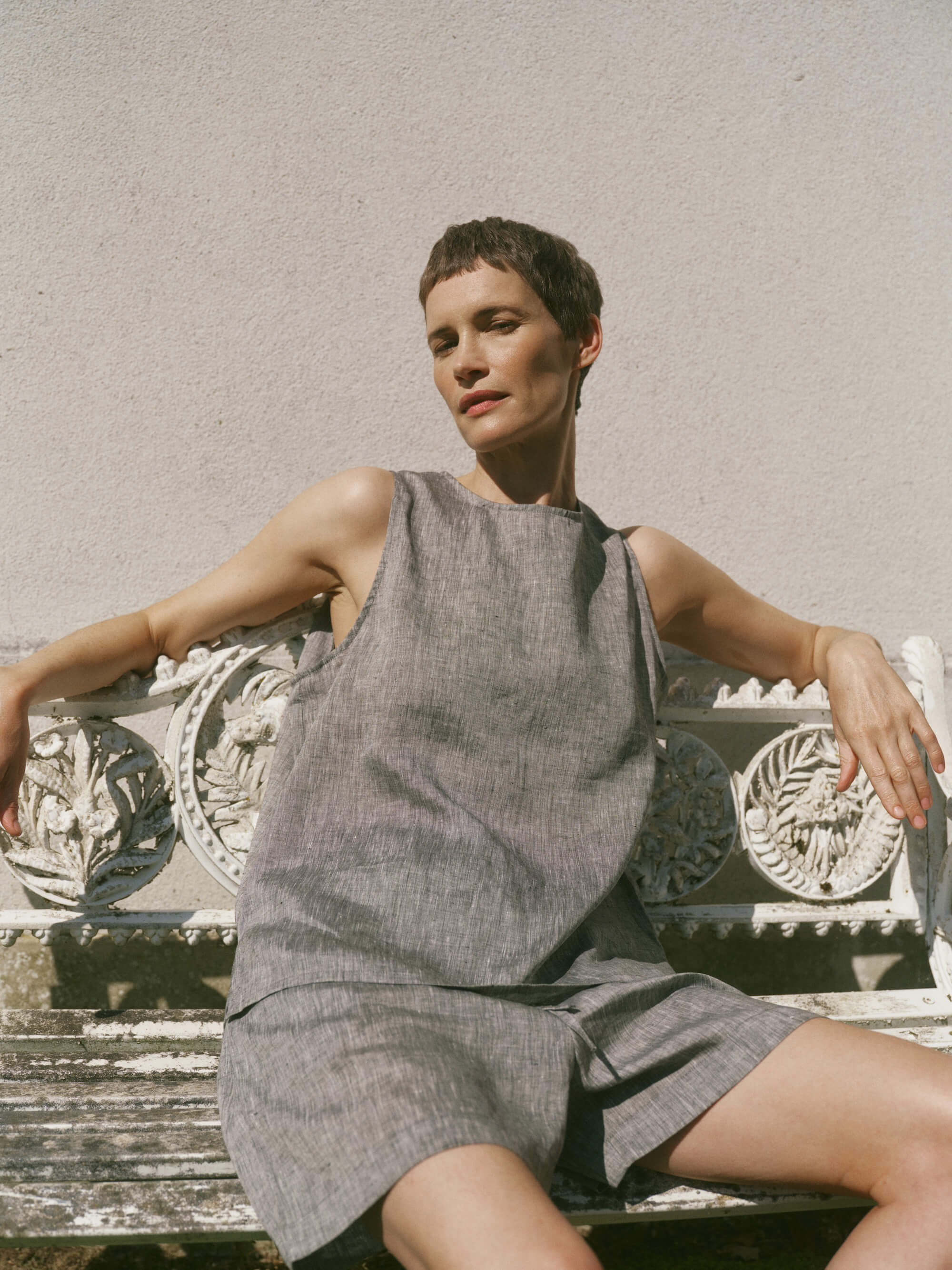
Try an oversized linen shirt for relaxed, breathable ease.
5. Choose a silhouette that flows with graceful movement
Begin by considering how different fabrics interact with the body: lightweight, fluid materials gently skim the silhouette and often benefit from a touch more ease to create a relaxed, elegant drape. In contrast, structured or heavier fabrics tend to hold their shape, offering a more tailored fit in the same size. When selecting garments, move naturally—raising your arms, sitting, and walking—to observe how seams and hems respond, particularly at the shoulders and hips. Notice where the hem falls and whether the fabric sits comfortably without pulling or gaping. Exploring both fabric types allows you to appreciate the unique movement and feel of each, helping guide a choice that balances comfort and refined style.
Consider how layering influences the drape and silhouette of your garments. Opting for a slightly larger size can accommodate sumptuous underlayers and lend an air of intentional volume, while selecting your usual size with finer layers maintains a more streamlined profile. When exploring fit, bring along the undergarments or lightweight knits you favour, to ensure an accurate sense of proportion. For those who prefer understated adjustments, subtle tailoring—such as letting out side seams, lengthening hems, or refining shoulder placement—can enhance ease without compromising balance. Consulting a skilled tailor can provide guidance on preserving the fluidity and intended fall of each piece. Finally, use proportion as your guide: those with longer torsos or taller frames often benefit from added length in sleeves and bodice, while petite silhouettes may find the same style offers a more relaxed fit. Comparing details like cuff placement and hem lines to pieces you already cherish can help refine your final selection.
Choose heavier linen for structured, layered seasonal looks.
6. Consider the feel and flow of fabric before selecting your size
Begin by noticing the interplay between weight and drape: gently lift a corner and let the fabric fall. Heavier textiles will drop with a gentle cling, tracing the body's natural lines, whilst lighter fabrics tend to float, creating a sense of ease and movement. Consider whether you prefer a more billowing silhouette for relaxed refinement, or a closer fit for understated elegance; allow yourself to move and sit to experience how the piece responds. Subtle details such as linings or substantial seams can influence the way the garment settles and subtly shape the overall feel. Take a moment to observe from every angle, noting how seams at the shoulder and sleeves harmonise with your form, ensuring a silhouette that feels both effortless and considered.
Whether browsing in a boutique or selecting pieces at home, thoughtfully drape the fabric over your forearm and allow light to pass through, observing the way it falls and returns to its original form. Consider the grammes per square metre (gsm) when available, as a lower gsm often creates a more fluid, relaxed silhouette. Notice the distinction between knits and wovens: knits gently contour the body and may offer ease in fit, while wovens, with their structured nature, provide a more defined silhouette when worn in a larger size. When trying on a garment, move naturally—lift your arms, take a few steps, and sit—to discern how the seams respond, ensuring you select a size that offers either a relaxed drape or a more tailored feel, according to your preference.
Choose a heavier linen dress for structured, day-to-night ease
7. Achieve a Refined Silhouette Through Thoughtful Length and Proportion
Consider how hem lengths can subtly influence proportions: a top finishing at mid-hip gently shortens the torso, while a cropped silhouette or high-rise bottom naturally draws the eye to the waist, creating the illusion of longer legs. Adjusting sleeve lengths to just above the wrist, rolling to three-quarter length, or turning up trouser hems reveals the body's more delicate points and refines the silhouette, while full-length sleeves and extended hems cultivate a more enveloping effect. Thoughtful tucks or a slender belt offer a way to shape volume gracefully, with fluid fabrics yielding softer, more elegant gathers than structured materials. Observing your overall ensemble in a full-length mirror can offer a serene perspective on these nuanced shifts.
Consider jacket and coat lengths to create a harmonious silhouette: a cropped jacket can subtly offset volume at the hip, while a longline layer that drapes beyond mid-thigh lends a graceful, elongated effect, especially alongside relaxed trousers. Align layers thoughtfully so each piece introduces an intentional break in the outline rather than contributing to an unstructured shape. Subtle tailoring details, such as darts or seams, can refine silhouettes where garments naturally billow. When assembling an ensemble, move naturally—walk, sit, and lift your arms—to observe how hems fall and fabrics respond, making gentle adjustments to lengths or structure to ensure each look remains effortlessly poised.
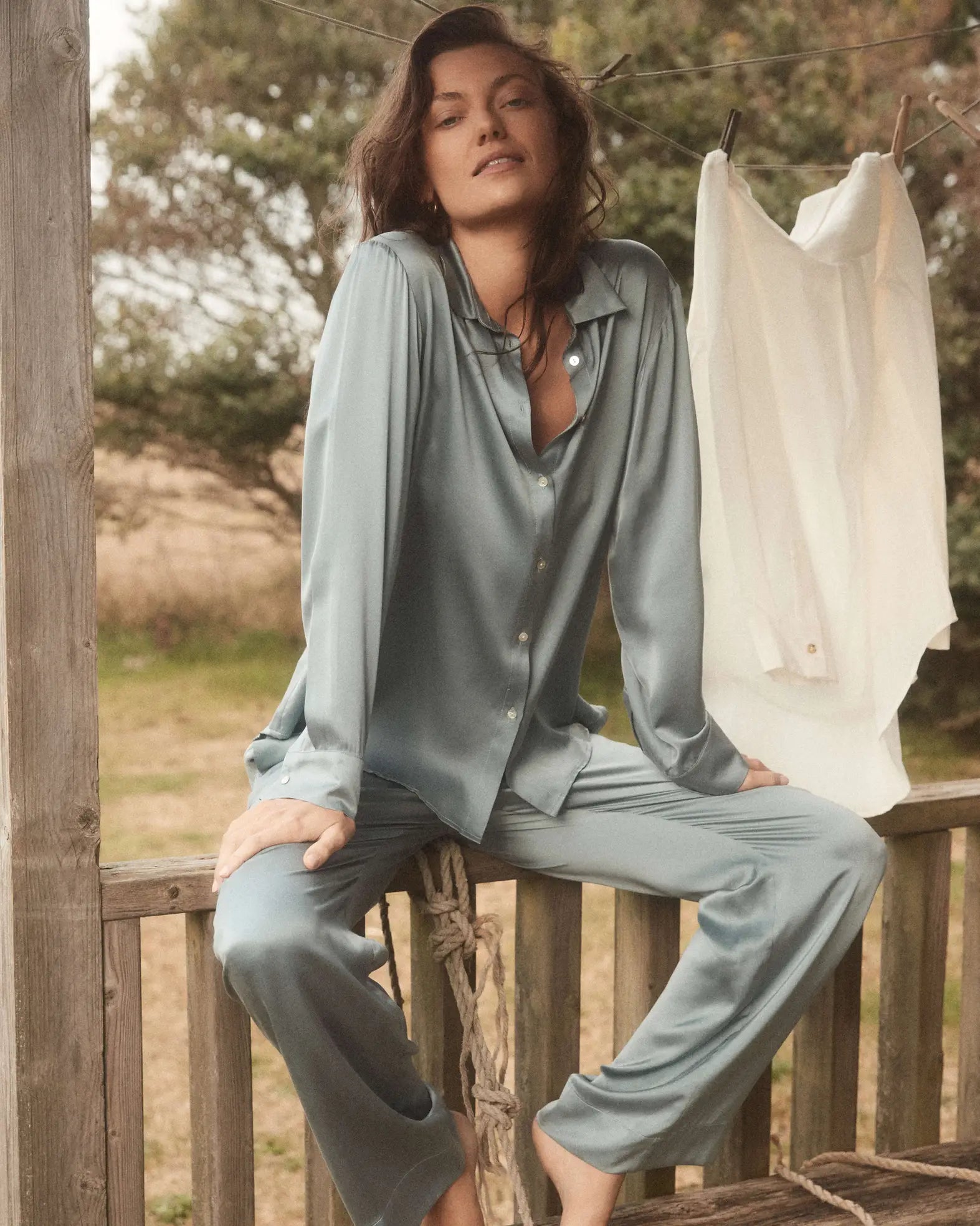
Choose wide-leg silk trousers to elongate and polish proportions.
8. Elevate Relaxed Silhouettes with Refined Proportion Styling
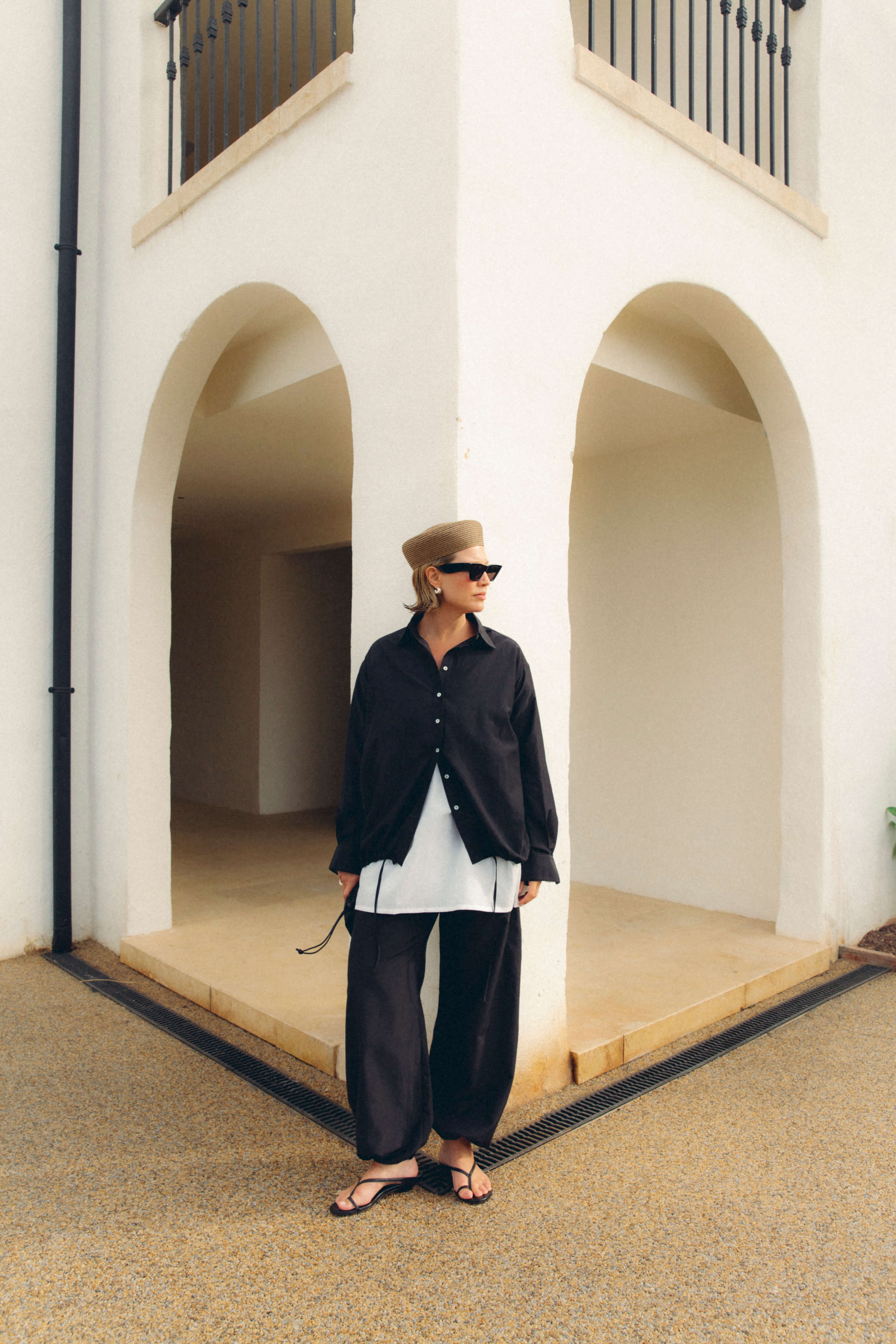
To achieve a harmonious silhouette with voluminous pieces, consider pairing an oversized top with tailored trousers, straight-leg jeans, or a pencil skirt. This balances proportions, ensuring the relaxed fit feels considered rather than overwhelming. Subtle details, such as a partial tuck or a gentle knot at the hem, can softly define the waist while maintaining a sense of ease and elongating the leg, especially when styled with high-waisted bottoms. Strategic layering also enhances the effect: a cropped jacket over a relaxed tee draws attention to the waist, while pairing cropped trousers with a longer top creates movement and an airy, refined finish.
Consider gently rolling or cuffing sleeves and opting for softly dropped shoulders to achieve ease without unnecessary bulk. Select sleeves with a measured width, ensuring the silhouette feels relaxed yet refined rather than overtly oversized. Introducing elongated layers, such as a longline waistcoat or an open cardigan, can create an elegant vertical line. Subtle centre seams or single-breasted styles offer a lengthening effect, enhancing a sense of serene balance while maintaining a leisurely drape. These thoughtful adjustments allow voluminous pieces to feel harmonious and intentional, elevating the overall look with composed elegance.
Pair with fluid silk trousers for effortless, elevated balance
![{"image_loaded": true, "load_issue": null, "description": "A young woman stands against a plain, dark background. She is wearing a sleeveless blue satin dress and is holding a matching blue satin jacket, partially slipping it off her shoulder. Her dark hair is pulled back, and she looks downward with a neutral expression.", "people": {"count": 1, "roles": ["model"], "visible_demographics": "young adult female", "attire": "blue satin sleeveless dress with matching jacket", "pose_or_activity": "standing, look](https://cdn.shopify.com/s/files/1/1327/6929/files/image_loaded_true_load_issue_null_description_a_young_woman_stands_against_a_plain_dark_background_she_is_wearing_a_sleeveless_blue_satin_dress_and_is_holding_a_matching_blue_satin_ja_da4a2095-9cbc-4352-8034-0c23070d567a.webp?v=1771067751)
9. Achieve Effortless Sophistication with Tailored Relaxed Silhouettes
Introduce subtle darts or princess seams to gently contour the torso, maintaining an air of ease throughout the silhouette. Pin approximately 1 cm on each side at the waist, or 2 cm at the centre back, and adjust as needed for a bespoke fit. Consider incorporating a discreet internal tie or drawcord within the lining, or crafting delicate eyelets along a stitched tunnel, allowing the wearer to cinch for a more defined shape or release for relaxed comfort. Vertical tailoring offers refined shaping without affecting the shoulders or hips, preserving the garment's inherent balance while providing graceful control over the final look.
To achieve a softly structured silhouette, consider introducing subtle shoulder definition by integrating refined shoulder pads or light interfacing, securing them gently to evaluate their impact on posture and overall drape. Sleeves and cuffs can be delicately tailored by narrowing the shape below the bicep, incorporating a softly turned cuff, or introducing discreet tucks at the elbow for a more sculpted arm line. Enhancing the fit further, gentle repositioning of seams or the addition of centre-back shaping and understated vents can help the garment rest gracefully over the hips and waist. These thoughtful refinements bring a gentle sharpness to the shoulder and waist whilst maintaining a relaxed, fluid drape and ensuring lasting comfort for the wearer.
Elevate relaxed silhouettes with fluid, ribbon-trimmed silk
10. How to Maintain the Perfect Fit Through Thoughtful Care and Alterations
Begin by noting precise measurements for both the body and the garment, taking care to measure items laid flat and to consider the amount of ease you prefer for comfort. Capture photographs from the front, side, and back to create a visual record—an invaluable reference when considering adjustments. For subtle alterations, experiment with reversible changes such as pinning or basting seams, adjusting buttons, or temporarily shortening hems. For example, taking in 1 centimetre at each side will generally reduce the circumference by 2 centimetres, offering a sense of fit before making permanent changes. Retaining these measurements and images will help communicate your preferences to a tailor or allow you to review the results following any alterations.
Selecting the appropriate stitch and seam finishes to match the fabric—such as overlocking for knits or reinforcing curved openings—can help preserve both the form and longevity of any cherished piece. To maintain the integrity of your wardrobe, consider gentle washing by hand or on a delicate cycle, turning garments inside out and reshaping them while damp. Natural fibres benefit from being dried flat, away from the tumble dryer, and a touch of steam helps restore a garment’s elegant drape. Thoughtful record-keeping of any alterations, including remaining seam allowance, thread shade, and spare details, ensures that future adjustments are effortless. Maintaining such records and supplies not only supports the garment’s journey with you but also helps retain its value should you choose to pass it along.
Selecting the ideal fit for a relaxed garment is best achieved by considering your personal measurements and preferred ease alongside the garment’s finished dimensions and the natural drape of its fabric. Taking care with measurements, observing how the shoulders and hem fall, and gently moving in the piece can help you appreciate how it will flatter and move with your form.
To ensure garments drape with effortless elegance, consider carefully measuring and noting ease allowances, evaluating the weight of the fabric, and thoughtfully adjusting proportions as needed. Subtle alterations can refine the silhouette while helping to preserve both the shape and enduring value of each piece. Document any adjustments you make, and capture photographs to guide thoughtful, measured changes with confidence.

Leave a comment
This site is protected by hCaptcha and the hCaptcha Privacy Policy and Terms of Service apply.