

10 Ways Luxury Sleepwear Can Help You Unwind At Bedtime
If you find yourself scrolling in bed, tossing the covers or waking unrefreshed, the cause may be more than a late-night habit. Research suggests that comfort, temperature regulation and consistent bedtime routines all contribute to deeper, more restorative sleep, so the sleepwear you choose can have a meaningful impact.
This post distils ten practical approaches, from choosing breathable natural fabrics and relaxed cuts to favouring calming colours and soft, understated finishes. It covers layering to regulate temperature and garment care to ensure pieces last. Read on for a simple, easily personalised pre-sleep ritual and gentle tips to make your pyjamas a considered part of winding down rather than an afterthought.

1. Cultivate a simple pyjama routine to improve sleep quality
Select pyjamas in breathable, moisture-wicking fabrics with a relaxed silhouette and smooth, flat seams. These features support thermoregulation and reduce tactile disturbance, and a cooler skin temperature is linked with quicker sleep onset. Develop a short, repeatable ritual for changing into pyjamas: slip into sleepwear, lower the lights, then take a few slow breaths or do gentle stretches. Repeating this sequence trains the brain to recognise a cue to unwind. Practise mindful dressing by moving deliberately as you put on pyjamas and attending to a sensory anchor, such as the softness of fabric or a subtle scent, to invite the parasympathetic response and ease the transition from wakefulness to rest.
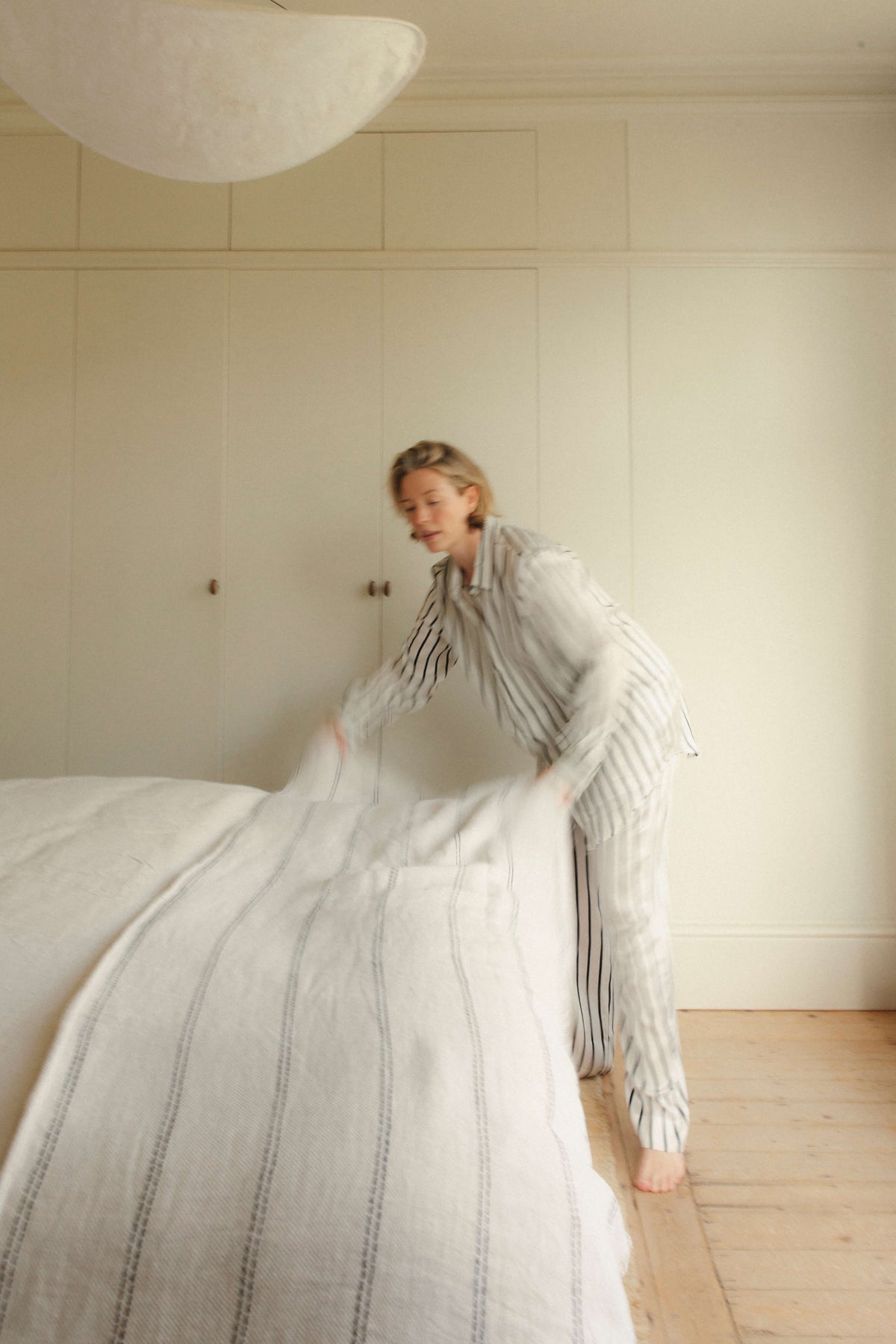
Reserve pyjamas for sleep and quiet relaxation, avoiding work, screen scrolling or eating. These gentle boundaries strengthen context-dependent associations and make it easier to unwind. Reinforce the ritual by keeping the sequence consistent, since repeated pairings of clothing and action make cues more reliable for lowering physiological arousal. Care for and store pyjamas thoughtfully: keep sets clean, mend small tears, and store them apart from daywear so tactile and olfactory signals remain linked to restful use. Paired with suitable fabrics and mindful dressing, these simple habits send a clear, context-specific signal to the brain that reduces arousal and helps you fall asleep more quickly.
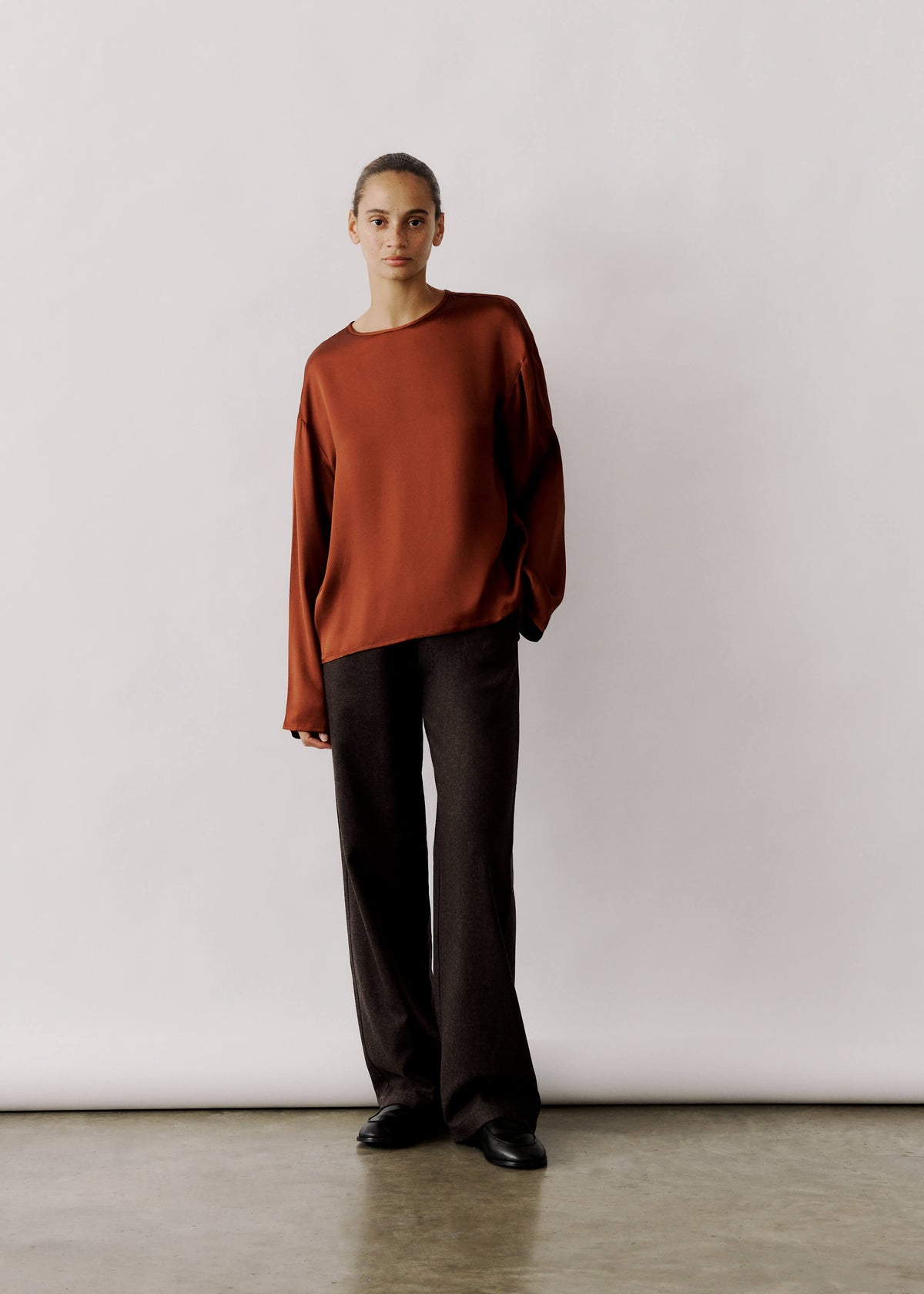
Slip into lightweight organic cotton for breathable, cooling comfort.
2. Choose sleepwear that soothes the mind and invites rest
Choose breathable natural fibres such as cotton, silk and bamboo to help regulate skin temperature and wick moisture, supporting the body’s transition to sleep. Opt for relaxed, non-restrictive silhouettes with flat seams and a gentle waistband to minimise pressure points and reduce micro-arousals. Quiet, low-friction fabrics also lessen night-time rustle and movement that can disturb restful sleep.
Reserve a single set of pyjamas for sleep so that changing into them becomes a gentle, conditioned cue to unwind. Opt for calming colours, matt finishes and soft, quiet textures, and avoid shiny or rustling fabrics that catch the light. Build a brief tactile ritual by laundering your sleepwear in a consistent scent, folding or hanging it where it is easy to reach, and making dressing the final step of your wind-down routine. Those small, repeatable actions lower cognitive arousal and deepen the association between your sleepwear and rest.
Choose breathable organic cotton for a cooler, quieter night's sleep

3. Choose natural fabrics to cultivate enduring, soothing comfort
Natural fibres manage moisture and temperature in different ways. Cotton and linen wick perspiration from the skin and dry quickly through capillary action, while silk and cashmere hold a whisper of insulating air and offer a smooth surface that reduces friction. Regenerated fibres such as lyocell and modal often combine good breathability with a gentle, flowing drape. Choose a weave and weight to suit your bedroom conditions: open weaves and lighter weights encourage airflow for a cooler sleep, whereas tighter weaves and loftier knits help retain warmth. To judge a fabric, hold it against your skin to assess touch and lift it to the light to inspect the weave; and favour slightly looser pyjamas to allow airflow around the body.
Prioritise tactile qualities that minimise irritation. Smoother fibres and finer yarns create less friction against the skin and can reduce micro-arousals during sleep. To assess a fabric, rub it gently against the inner forearm to check for roughness, pilling or a scratchy sensation. Preserve natural performance by washing on a gentle cycle with a mild detergent. Avoid fabric softeners, which can leave coatings that diminish absorbency and breathability, and either air dry or dry flat to maintain fibre structure and shape. For long-term value, favour garments with clear fibre content and traceable provenance, since single, traceable fibres are easier to assess, repair and recycle, and fabrics processed with lower chemical input tend to retain more of their natural properties.
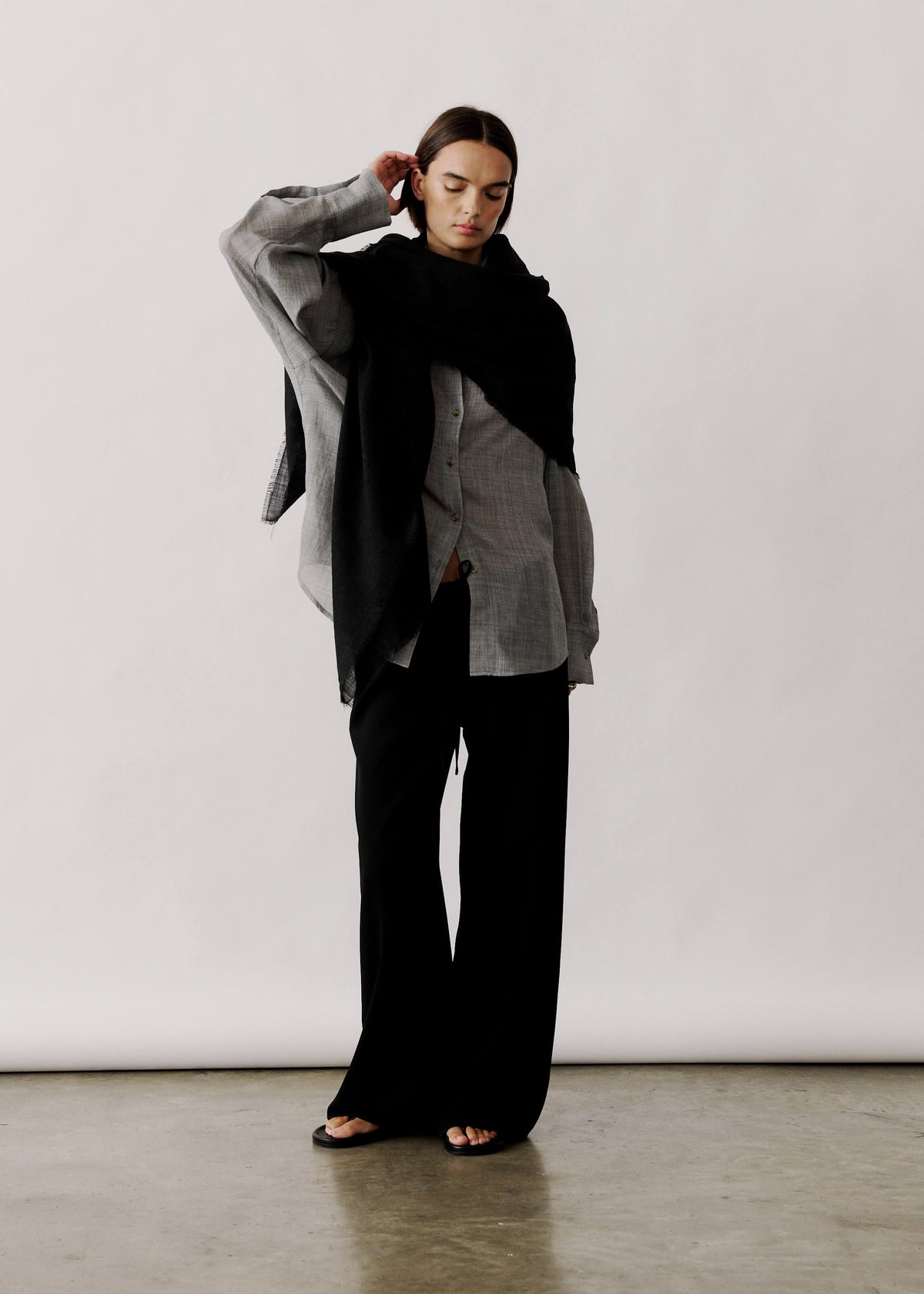
Try breathable, lightweight linen trousers for cooler, airy sleep.
4. Prioritise a cut that allows effortless, natural movement
Opt for relaxed, non-restrictive silhouettes such as wide-leg bottoms, A-line tops and drop-shoulder sleeves to relieve pressure across the shoulders, hips and waist and reduce points of discomfort that can disturb sleep. Look for movement-friendly details: elastic or drawstring waistbands that avoid pinching, crotch gussets, side slits or back vents to allow hip rotation, and soft, low-profile cuffs that do not dig into the skin. Prefer bias-cut silk or stretch jersey for their natural drape and give, rather than structured, darted shapes that may limit movement.
Try on pyjamas with a few gentle movement checks: raise both arms overhead, sit cross-legged, then lie on your side and roll. Note any pulling at the seams, fabric riding up, or a tight waistband. If movement feels constrained, try a different cut or size until you can change position without tugging or bunching. Match the silhouette to your sleeping habits: choose roomier bottoms and relaxed tops for side sleepers, shorter or sleeveless styles for those who move frequently at night, and avoid high-rise, stiff waistbands that press on the abdomen and hinder comfortable breathing. These simple adjustments help your nightwear move with you, making it easier to relax and enjoy uninterrupted sleep.
Opt for silk trousers with an elastic waist.

5. Manage body temperature with breathable natural pyjamas
Choose fibres to suit your level of perspiration. Linen and lightweight cotton percale wick moisture and dry quickly; silk, with its low thermal conductivity, feels cool against the skin; technical blends actively draw moisture away from the body. Inspect the weave and construction: favour open weaves, mesh panels or loose knits, and hold a garment up to the light to assess porosity and airflow. Opt for relaxed, slightly loose pyjamas to encourage air circulation around the torso, and layer with thin, removable pieces to fine-tune warmth without trapping moisture.
To preserve a garment's breathability, avoid fabric softeners, launder with a gentle detergent and either air-dry or tumble on low, since coatings and high heat can impede moisture wicking. Test pyjamas laid flat to see how quickly dampness evaporates and whether any damp patches remain, as this practical check is more revealing than labels. Consider moisture-wicking finishes or phase change treatments to enhance comfort, and favour lighter colours to minimise heat absorption under indoor lighting. Thoughtful fibre choice, construction, fit and attentive care allow you to regulate body temperature overnight without adding bulk.
Opt for lightweight cotton to stay cool overnight.

6. Choose calming colours, soft textures and subtle finishes
Low-arousal colours such as muted blue, sage green, soft grey, warm beige and lavender reflect less light and create lower visual contrast with bedding. Research suggests these tones are associated with reduced physiological arousal compared with bright, high-contrast hues, making it easier to wind down visually. When paired with soft, low-friction fabrics such as silk, modal, fine-knit jersey or brushed cotton, these colours enhance skin comfort, reduce micro-arousals and help maintain an even skin temperature.
Choose quiet finishes: matte surfaces, covered seams, fabric-covered buttons, concealed fastenings and soft elastics. These details reduce rustling and avoid pressure points that can wake you or distract as you settle. Preserve those textures by washing gently with a mild detergent, avoiding over-drying, and storing pyjamas folded. Note that pre-washed or garment-washed pieces often feel softer from the first wear. For a simple personal test, wear a soft, low-sheen set for several nights and compare how quickly you relax with a crisper, higher-sheen option. Such subjective comparisons will reveal whether visual calm, tactile softness or discreet detailing makes the biggest difference in helping you unwind.
Slip into soft, low-sheen silk for calmer relaxation
7. Layer sleepwear for a calmer, more restful bedtime ritual
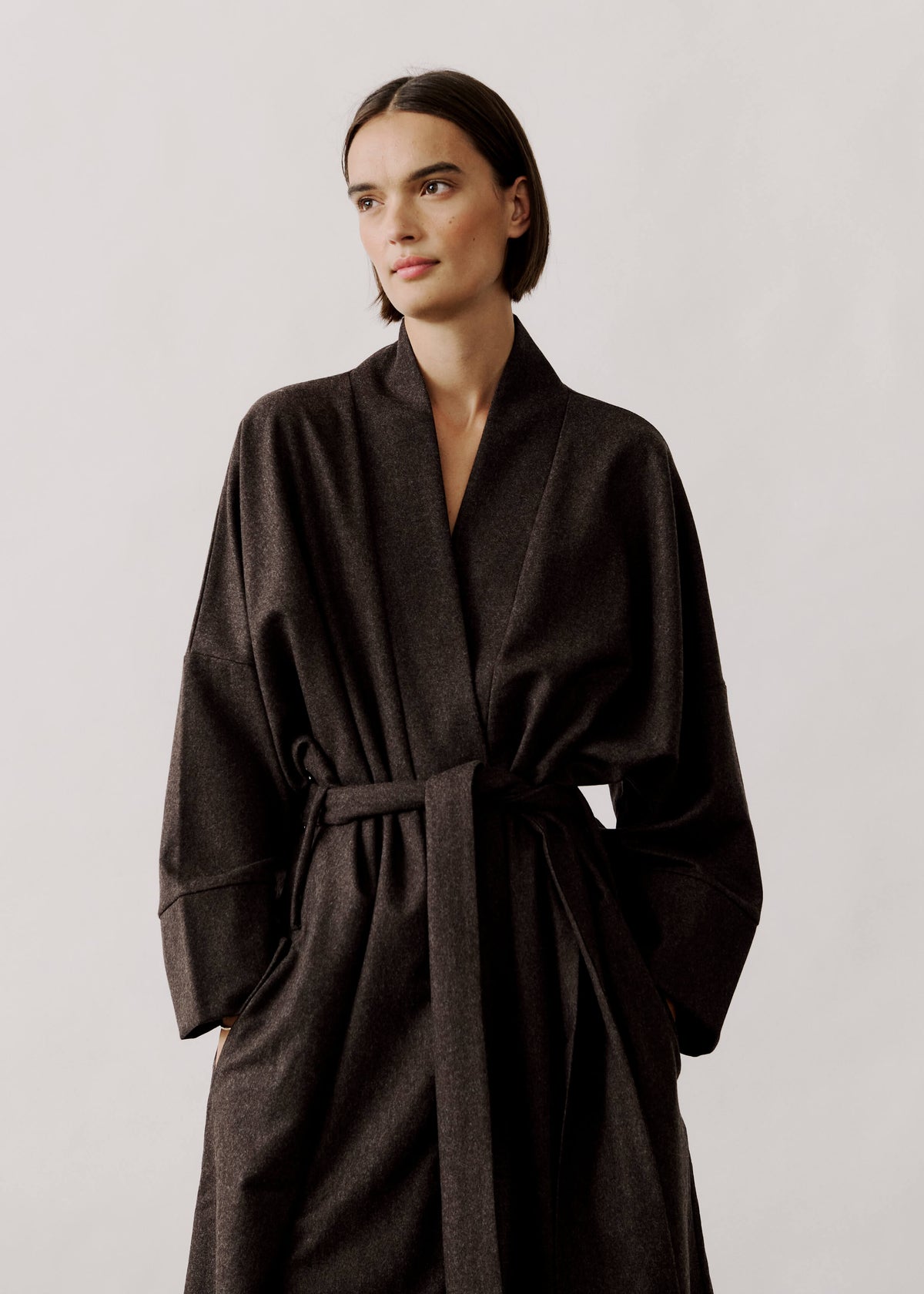
Consider pyjamas as a thoughtful three-layer system: a moisture-managing base layer against the skin, a light insulating mid layer for cosy warmth, and an easy-to-remove outer layer such as a robe. Opt for moisture-wicking base fibres such as merino wool, silk or contemporary performance fibres. Pair these with a mid layer in brushed cotton or fine wool, then finish with a loose outer robe you can slip off in bed. This order draws moisture away from the skin, holds a thin insulating layer to stabilise temperature, and lets you make small adjustments without overheating or cooling too abruptly.
Warming the hands and feet with socks or a soft top improves peripheral blood flow and can help you fall asleep more quickly. Keep extremities cosy while ensuring the core remains breathable so excess heat can escape. Add a single layer with a comforting feel, such as brushed cotton, fine wool or silk, and explore different textures to find the tactile quality that soothes you. Choose slightly loose silhouettes that do not compress the chest, waist or joints, and avoid tight elastics at the wrists and ankles. Make dressing in layers a simple, consistent ritual, keeping the top layer within easy reach for a quick re-warming if you wake.
Add breathable organic cotton trousers for effortless layering.

8. Choose versatile pyjamas that transition from home to social occasions
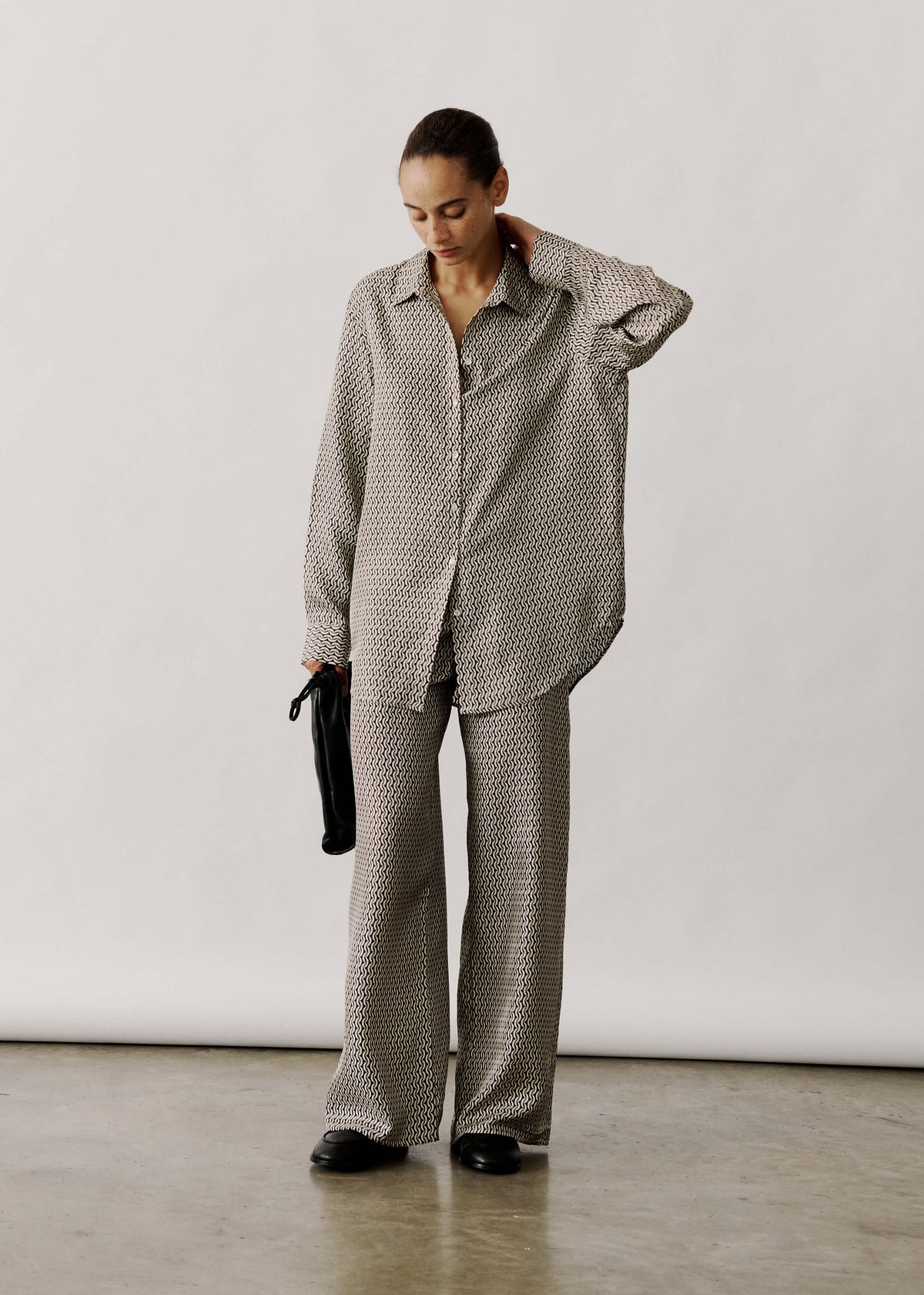
Choose a tailored cut: a defined shoulder, neat collar, and straight or tapered trousers help pyjamas read as intentional clothing rather than nightwear, while a shirt-style top with a collar and cuffs mirrors classic shirting. Prioritise fabrics that balance comfort and polish, such as breathable cottons or silk blends that hold a refined silhouette and show a soft sheen in evening light, or opt for matte weaves if you prefer a more relaxed look. Select versatile colours and small-scale patterns so the set mixes easily with existing wardrobe pieces.
Design with layering and swift swaps in mind. Choose tops that sit neatly beneath a blazer, cardigan or structured coat, and trousers that tuck into ankle boots or loafers without adding bulk. Small styling gestures, such as half-tucking a shirt, rolling the sleeves or replacing slippers with smart shoes, can transform pyjamas into an off-duty ensemble in moments. Check practical details such as secure stitching, reinforced hems and full button fronts, which make garments easier to wear outside the home. Prefer fabrics and finishes that are machine-friendly and colourfast so the set retains its drape and polished appearance wash after wash.
Choose flannel trousers for a refined, off‑duty look.

9. Care for sleepwear to preserve craftsmanship and extend its longevity
To preserve the shape and lustre of pyjamas and robes, begin by checking care labels and then sort items by fabric and colour so each load receives the appropriate treatment. Hand-wash silk and delicate lace in cool water with a neutral detergent, and launder cottons and linens on a gentle cycle. Use a mesh laundry bag and a low spin to reduce fibre stress and prevent colour transfer. Reshape garments while damp: lay knits flat to dry and hang silks on padded hangers to avoid shoulder marks. Where possible, avoid tumble drying, and when smoothing, use low-heat steam or place a cloth between iron and fabric to restore smoothness without stripping sheen.
Treat stains promptly by blotting oils and spills rather than rubbing. Use a mild spot-cleaning solution or plain soap, then rinse until the water runs clear. For greasy residues, absorb excess with a dry powder before laundering to lift oil without aggressive scrubbing. Store garments to protect their shape and colour: fold heavier items, hang delicate pieces on padded hangers, keep items in breathable cotton bags rather than plastic, rotate pyjamas to spread wear and avoid prolonged exposure to direct sunlight to prevent fading and fibre breakdown. Inspect and maintain pyjamas regularly by trimming snags, reinforcing weakened seams with matching thread, replacing stretched elastics and seeking specialist restoration for embroidered or embellished pieces so small problems do not become irreparable.
Choose breathable cotton for easy, gentle-care sleepwear

10. Create a personalised pre-sleep ritual centred on your pyjamas
Begin by choosing pyjamas that suit your sensory and thermal preferences. Test natural fibres such as cotton, silk or bamboo against the skin, and favour looser cuts to reduce pressure points. Prioritise breathable, moisture-wicking fabrics and garments that move with you so you can add or remove lightweight layers, socks or a robe to maintain an even body temperature throughout the night. Make dressing a simple, repeatable ritual: change into your pyjamas, dim the lights, smooth the bed linen and perform a brief sequence of slow movements or breathing exercises to signal the body that it is time to unwind. Anchor the ritual with a consistent sensory cue — for example, scenting a pillowcase or a pyjama sleeve, choosing a plush texture, or playing the same quiet music while you dress — to help the nervous system associate the sequence with relaxation.
Keep the ritual effortless by storing freshly aired, neatly folded pyjamas in a single, dedicated place and by choosing gentle laundry methods that preserve softness and texture. These small, considered habits reduce friction at the moment of dressing and strengthen the sensory cues you have established. Over time, the combined attention to fabric, fit, layering, consistent cues and predictable placement helps body and mind settle more readily into a calmer pre-sleep state.
Thoughtful sleepwear can aid better rest when breathable, natural fabrics are paired with relaxed silhouettes, soft textures and a gentle, repeatable bedtime ritual that signals the body to unwind. Research links comfort, thermoregulation and consistent routines with quicker sleep onset and fewer night-time disruptions, so considered choices in material, fit and layering can bring measurable improvements to sleep quality.
Consider the following ten approaches, including fabrics, fit, layering, colour and care, as a checklist to personalise a wind-down routine that suits your sleeping habits. Begin simply: select one pyjama set that meets your thermal and tactile needs, make dressing a brief, predictable ritual, and allow each adjustment time to settle so you can observe whether it consistently helps you fall and remain asleep.

Leave a comment
This site is protected by hCaptcha and the hCaptcha Privacy Policy and Terms of Service apply.