



3 Ways to Identify the Most Elegant Silk for Flowing Resort Dresses and Kaftans
Selecting the right silk is essential for achieving garments that gently skim and flow, rather than falling without shape. While many silks may appear similar at first glance, understanding how fibres, weaves, and tailoring influence the drape ensures that kaftans, cover-ups, and resort dresses move gracefully with the body and photograph with timeless elegance.
Explore the nuances of comparing fibres and weaves, discover the distinctive drape and comfort properties of silk, and consider how to match various silk qualities to styling preferences, occasions, and care considerations. With thoughtful insights into the fundamentals of silk and the art of layering, it becomes possible to curate selections that embody fluid movement, enduring comfort, and lasting durability, perfectly suited to refined, versatile wardrobes.
1. Exploring the Distinctions Between Silk Fibres and Weaves
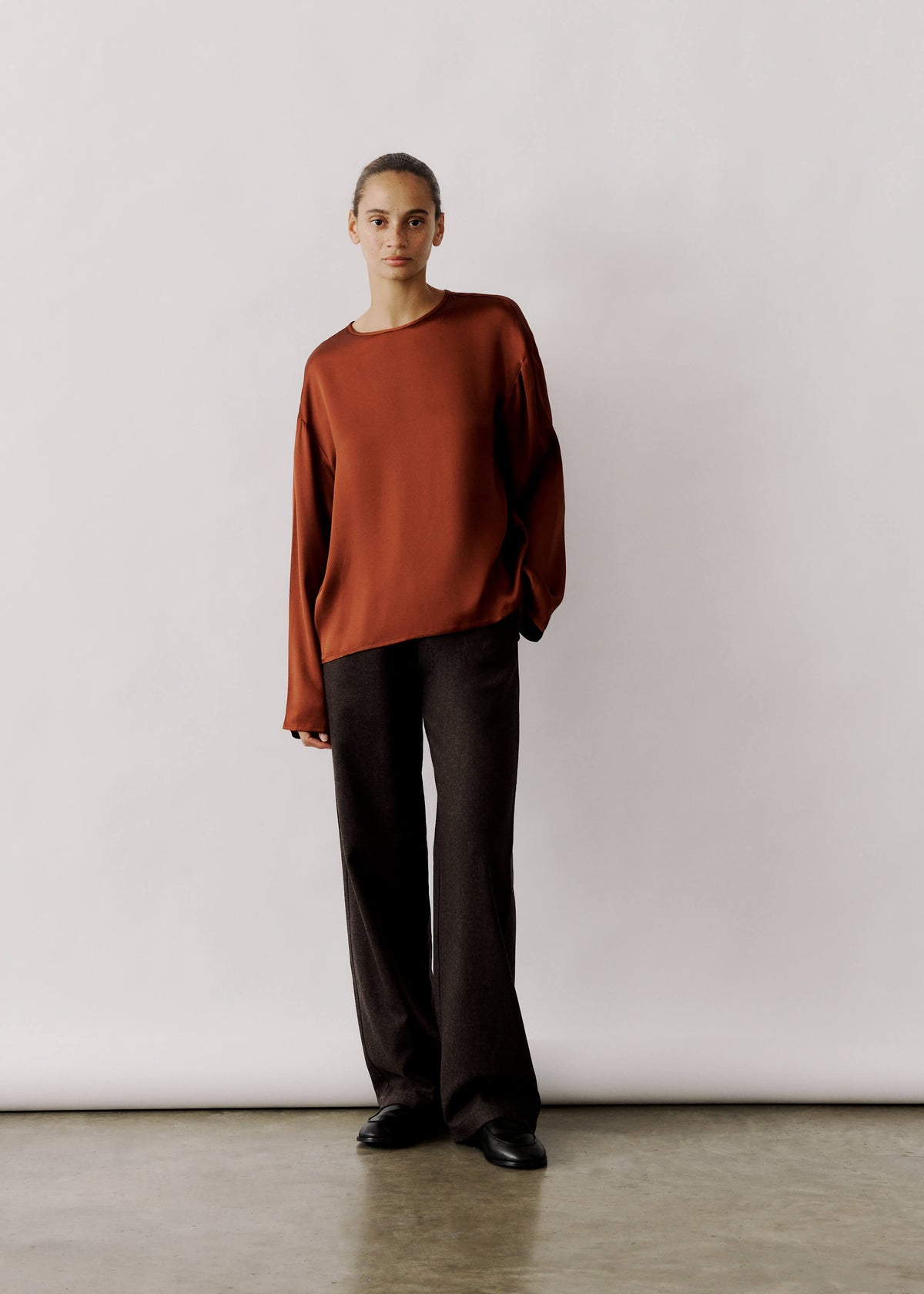
Begin by considering both the type of silk and its weave: long filament silk offers a smooth, glossy finish and a fluid drape, evoking a sense of effortless luxury. In contrast, silk noil, crafted from shorter fibres, presents a matte surface with a touch more substance and subtle texture. The weave is equally essential; warp-faced satins and charmeuse create luminous fabrics that catch the light and move gracefully, while crepe, woven from highly twisted yarns, achieves a textured, softly matte appearance. For flowing resort dresses or elegant kaftans, satin or charmeuse lends a refined, graceful silhouette, whereas crepe provides a gentle, opaque drape. If shopping from afar, look for details such as 'filament' or 'noil' on labels, or request a swatch to appreciate the fabric's touch firsthand.
The weight and thread density of silk influence how the fabric drapes gracefully against the body and glides in the breeze. Midweight silks offer an ideal balance, creating cover-ups with fluid movement that neither cling nor flutter excessively. When considering fabric, observe how it folds or falls over the hand or a mannequin to appreciate its natural drape. Gently scrunching and releasing the material can reveal its resilience, while holding it to the light allows subtleties in weave to emerge. Delicate touches along the grain can help determine the smoothness and composition of the yarn. Certain traditional finishing techniques, such as the use of metallic salts or calendaring, may enhance lustre or body but can also affect the integrity and feel of the silk. It is thoughtful to seek information regarding these processes and recommended care, selecting fabrics where quality and construction enhance both movement and touch, rather than relying on appearance alone.
2. Observe How Fabrics Drape and Flow on the Body
Stroll, turn, and settle into the garment as you would whilst on holiday, observing where the silk drapes, gathers, or skims the body. Pay attention to how the fabric moves with a gentle breeze, noting if it glides effortlessly or catches at the hips. Watching the skirt or kaftan from various perspectives—perhaps with a soft air current—reveals the subtleties of its movement, from the lingering trail of the hem to the way it folds or flutters. Experiencing the garment in motion provides a nuanced sense of its elegance and comfort, often missed when viewed solely in stillness.
To evaluate the drape and quality of silk, gently lay the fabric on the bias across the body to observe how it softly follows the natural curves, offering a graceful, cling-free silhouette. Along the straight grain down the front, silk typically hangs with a gentle, vertical flow. Lightly pinch and release sections of the fabric to explore its ability to recover; silks that spring back tend to retain a refined, crease-resistant finish, while those that hold folds may interrupt the intended line. Layer the piece with your preferred undergarments—perhaps a slip, swimwear, or your favourite pyjamas—and move naturally to assess transparency and the way seams respond to motion. These thoughtful observations can help determine whether a lining or alternative cut might better preserve a seamless, elegant drape, especially when dressing for leisurely days on holiday.

3. Choosing Silk: Style, Occasion and Care Considerations
When selecting silk for a garment, consider how the weight and weave influence its movement and appearance. Featherlight silks lend an ethereal quality, perfect for a beach cover-up that gently drapes as a single layer. By contrast, medium to heavier weaves impart structure, allowing resort dresses and kaftans to hold their sculpted lines with poise. To appreciate the nuances of a fabric, gently pinch and let it fall to observe its response, or hold a swatch against the light to contemplate its opacity and whether a lining may be desired. The finish and sheen also play an important role; a high sheen catches the evening light and highlights every fold, while a matte or subtle lustre offers a more understated elegance, ideal for layering or daytime occasions. A softly lustrous silk, especially when cut on the bias, creates beautiful fluidity without overwhelming shine—effortlessly refined for tranquil holiday moments.
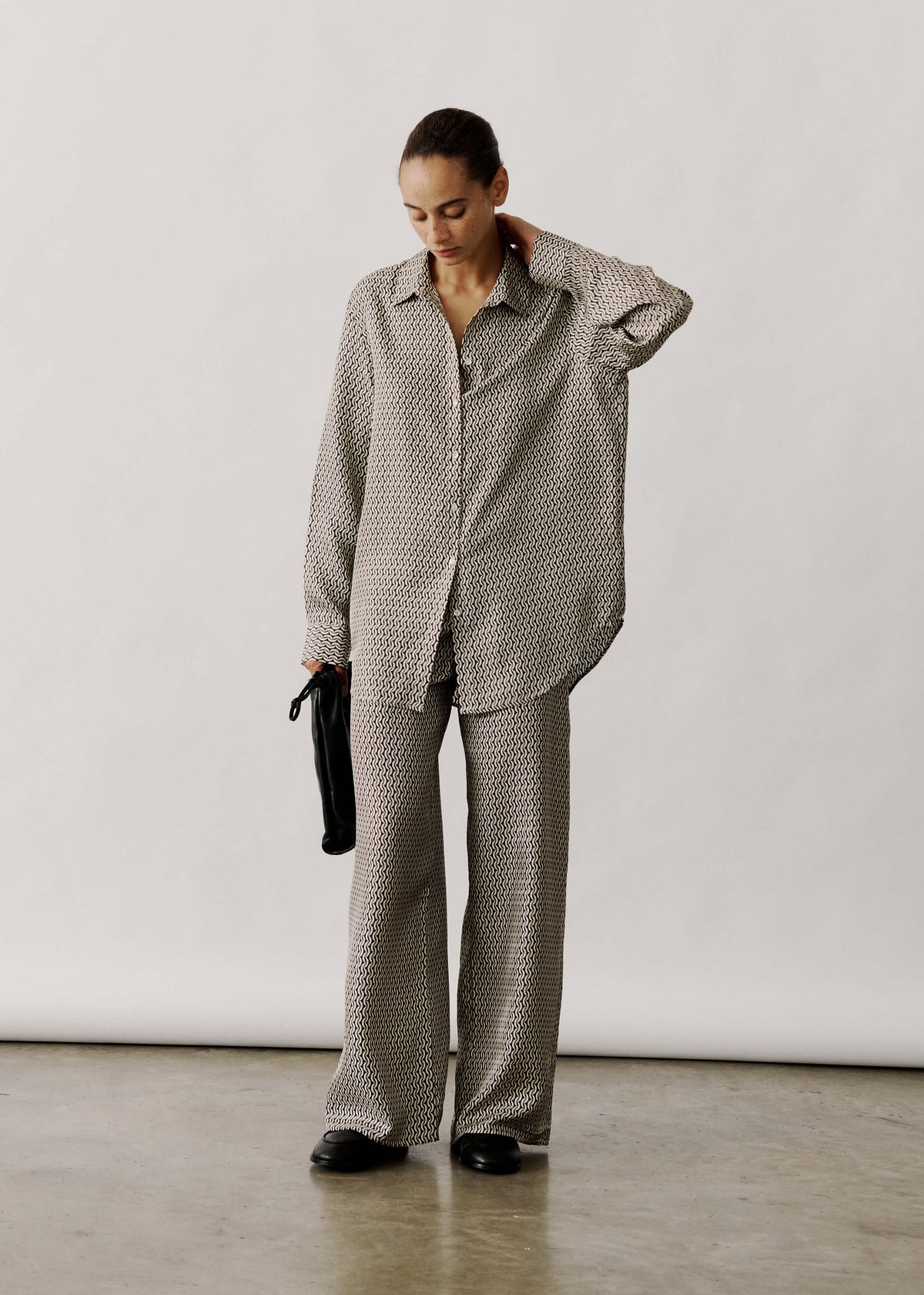
For warm, humid climates, opt for open-weave or slubbed fabrics to enhance breathability while remaining mindful that delicate silks may benefit from gentle care or professional cleaning. When selecting patterns, consider the scale—larger motifs complement flowing kaftans, while smaller prints suit more fitted dresses. Maintain the elegance of a continuous drape by thoughtfully aligning vertical designs along central and side panels. To preserve both comfort and longevity, look for bias-cut panels, softly structured linings, and discreet fastenings that simplify care. It is best to avoid heavy embellishments or rigid trims, as these can compromise the natural beauty and ease of silk.
The choice of silk and its cut play a pivotal role in how a kaftan or cover-up drapes, whether it glides effortlessly or holds a more structured silhouette. Observing the fibre composition, weave, weight, and finish provides valuable insight into a fabric's character. Engaging in tactile exploration, gentle draping on the bias, and observing the fabric in motion can reveal subtleties such as resilience, opacity, and fluidity, allowing you to appreciate a textile’s true nature beyond its surface appearance.
Return to foundational considerations: evaluate fibres and weaves, observe how fabrics drape on the body, and align silk with both styling and care preferences. By assessing these qualities thoughtfully, one ensures that linings, bias panels, and delicate laundering methods enhance the natural flow of each garment. Such mindful examination prior to selecting a fabric helps maintain clean silhouettes and allows clothing to move elegantly, whether at home or away.



Leave a comment
This site is protected by hCaptcha and the hCaptcha Privacy Policy and Terms of Service apply.