



10 Elegant Ways to Identify Timeless Pieces That Endure
Seeking out vintage treasures offers its own quiet excitement, yet a garment’s true nature can be concealed beneath the surface. A careful consideration of seams, linings, fabric composition, provenance, and any signs of restoration will help to discern whether a piece is poised to endure as a timeless addition to your wardrobe.
This guide presents ten thoughtful considerations, beginning with clarifying your intentions and concluding with care and preservation, to support your appreciation of quality and enduring appeal. By reflecting on each of these steps, you can better understand authenticity, evaluate the potential for thoughtful adjustments, and ensure each piece will remain a cherished part of your wardrobe for years to come.
1. Refine Your Style Vision and Identify Wardrobe Essentials
Begin by considering your wardrobe intentions: reflect on the occasions you wish your collection to embrace, the qualities each piece should embody, and essential factors such as longevity, ease of care, and the enduring appeal of the design. Capture your current wardrobe by photographing each item, keeping a gentle record of favourites, and noting recurring silhouettes, hues, and functions to reveal both repetition and genuine need. Translate these observations into a thoughtful framework, weighing each new addition for its versatility, suitability to your lifestyle, care requirements, and potential for thoughtful tailoring. This approach allows you to discern where lasting, versatile pieces will truly elevate your selection, ensuring your wardrobe remains elegant, purposeful, and enduring.
Begin by mapping out the five ensembles you reach for most frequently, noting any essential pieces that would elevate each look or fill practical gaps. When considering a potential addition to your wardrobe, envision at least three distinct ways it could be styled, ensuring it offers true versatility and layers seamlessly with your existing collection. Favour garments crafted in neutral hues that complement your personal palette, with timeless silhouettes amenable to subtle tailoring. Prioritise natural fabrics and refined finishes that wear beautifully over time and can be cared for with ease. By choosing pieces that simplify the art of dressing while expanding your styling possibilities, you invest in a wardrobe that reflects enduring elegance and effortless sophistication.
Add a pale silk shirt for effortless layered versatility
![{"image_loaded": true, "load_issue": null, "people": {"count": 1, "roles": ["model"], "visible_demographics": "adult female, light skin tone", "attire": "white long-sleeve button-up linen shirt and matching white linen pants", "pose_or_activity": "sitting on a wooden table with one leg on a wooden chair, barefoot, looking to the side"}, "setting": {"environment_type": "indoor", "location_hints": "rustic room with wooden furniture including a large dark wooden cabinet, wooden table and chair, and possibly a](https://cdn.shopify.com/s/files/1/1327/6929/files/image_loaded_true_load_issue_null_people_count_1_roles_model_visible_demographics_adult_female_light_skin_tone_attire_white_long_sleeve_button_up_linen_shirt_and_matching_white_linen.webp?v=1768841209)
2. Consider the Origins and Integrity of Your Source
When seeking assurance of an item's history, it is wise to request original provenance documents and supporting records, such as bills of sale, accession labels, exhibition catalogues, or conservation reports. Carefully compare names, locations, and inventory numbers across these materials to establish a continuous chain of ownership. Supplement this review by consulting independent sources, including public auction and museum catalogues, digitised archives, and library collections, retaining any citations or evidence that lend support to the provenance. Should discrepancies arise between the paperwork and the object's current state, such inconsistencies may suggest gaps in the ownership narrative or treatment history, warranting further consideration.
When considering an acquisition, take time to explore the seller’s reputation by seeking references and reviewing their previous listings and public feedback, as well as confirming membership in recognised professional organisations. Transparency regarding returns, shipping, and insurance arrangements is often a reassuring indicator of reliability. Request a comprehensive history of the item’s condition and any specialist treatments it may have received—dated photographs and details of restorative work can be especially valuable. Where material composition is integral to authenticity, laboratory test results may also offer peace of mind. If uncertainties linger, consider enlisting an independent expert or conservator for objective authentication. Ensure all agreed details are captured in a written agreement, recording provenance, any assurances made, and recourse should information later prove incomplete. For the transaction itself, opt for secure payment avenues and ensure shipping is properly insured. Retain all related documentation should you need to refer to it in the future.
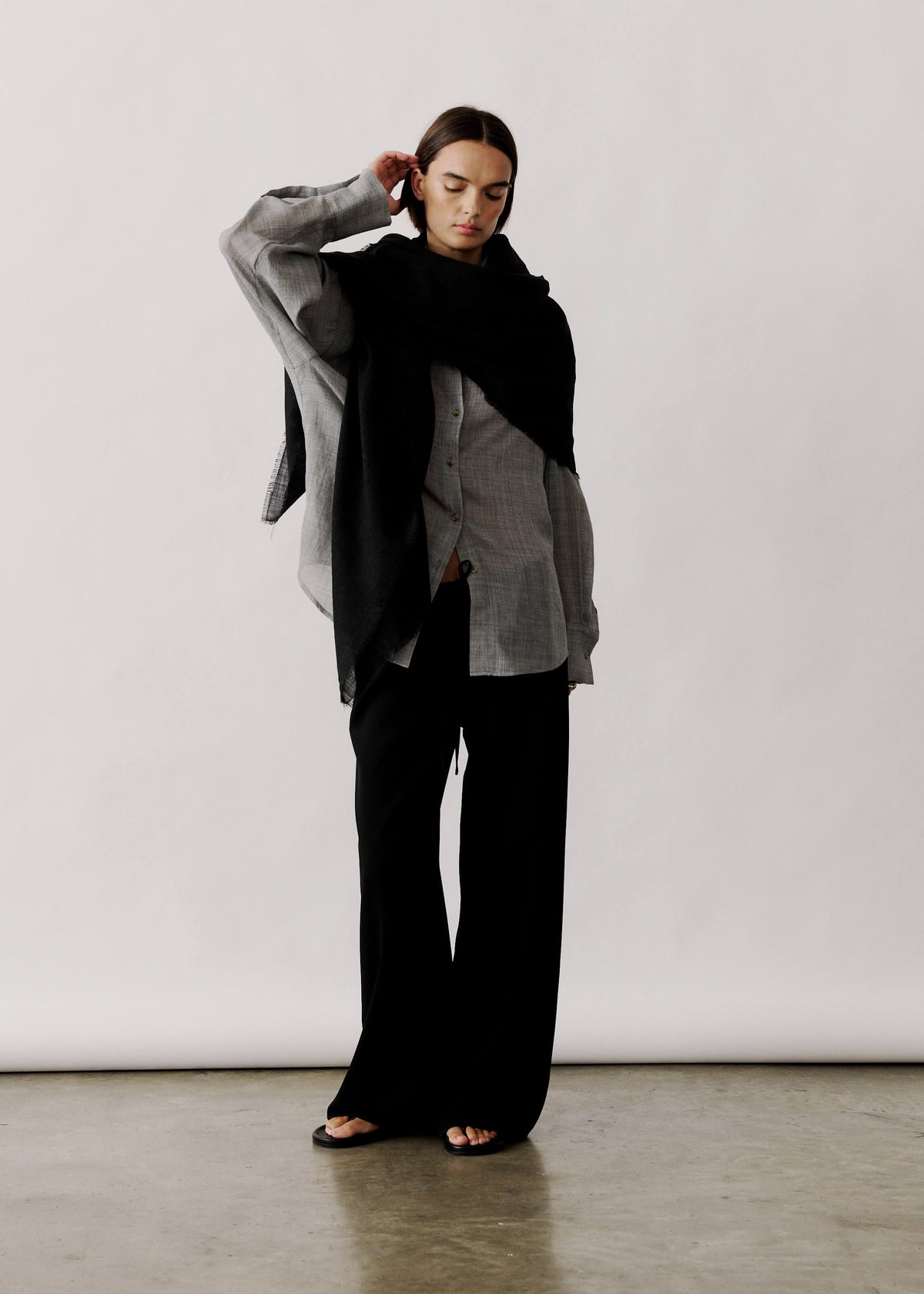
Wear a polished black shirt to professional viewings.
3. Opt for natural fibres that promise lasting elegance
Choose fabrics renowned for their enduring strength and refined finish. Linen and hemp are celebrated for their remarkable tensile strength, while long-staple or combed cotton offers resilience and a smoother texture that resists breakage. Worsted wool, with its sleek and robust yarn structure, ensures lasting durability, and silk is prized for its impressive strength relative to its delicate weight. When selecting garments, explore the yarn and finishing details—opt for long-staple, combed, or worsted yarns, and seek out finishes that enhance smoothness and reduce pilling, such as mercerisation. A subtle, dense yarn often signals longevity over a fluffier alternative. Finally, always consult the composition label to ensure the primary fibre is truly present in a meaningful proportion, supporting both durability and timeless appeal.
When considering fabrics for garments, the structure of the weave and the weight of the cloth serve as subtle indicators of durability. Robust choices such as twill, canvas, or tightly woven plain weaves often lend themselves well to outerwear and pieces designed for longevity, while looser weaves may offer a gentle drape and a lighter touch, ideal where softness and movement are prized. A thoughtful handling of the fabric—rubbing it gently between your fingers to sense for early signs of pilling, or stretching a seam with care to observe its resilience—can offer insight into its character. Examining details such as reinforced cuffs and hems or fine double stitching may also suggest mindful construction. While these observations provide a sense of the garment’s lasting quality, truly long-wearing pieces often reveal their enduring nature over time. Fibre choice is equally significant; consider how your care routine aligns with the material’s needs. Linen and cotton, for example, are well-suited to frequent laundering and often become softer with age, while wool and silk reward attentive, gentle care. Some fibres, like hemp, bring natural resistance to the elements, strengthening the garment’s appeal for certain lifestyles. Ultimately, the right fabric will complement both your personal habits and your appreciation for the evolving beauty of well-chosen natural materials.
Opt for heavy linen for durable, city-ready layering.
4. Examine the Details: Seams, Linings, and Craftsmanship
Begin by observing the finesse of the stitching and the tension throughout, seeking even, closely placed stitches without missing threads. Reinforcement at points of strain and a harmonious consistency in thread colour and thickness are hallmarks of considered construction. Gently run your fingers along a seam; a well-made garment will feel secure, with no puckering or loose threads. Examine the inside finishes, appreciating generous, neatly pressed seam allowances and edges that are bound or overlocked to prevent fraying and allow for future adjustments. These details reflect a dedication to longevity and craftsmanship.
Consider the internal structure of a garment by observing details such as flat felled or French seams on lightweight fabrics, or hand-finished pad stitching and canvassing within tailored pieces, which suggest enduring shape and gentle support. A subtle layering of canvas or visible hand craftsmanship often points to a silhouette that maintains its form beautifully. Examine the lining by moving the sleeves and body; a full, independently shifting lining minimises abrasion and ensures graceful ease, while linings that pull or bunch may indicate less considered construction. Discreet reinforcements and careful pattern matching at seams—such as bartacking or additional stitching at pockets, underarms, or joins—demonstrate thoughtful attention to durability. Finally, the alignment of stripes, checks, or plaids across seams is a quiet mark of meticulous tailoring.
Choose a silk shirt finished with tailored ribbon piping.
5. Evaluate Garment Condition and Noted Restoration
When considering a potential acquisition, it is prudent to request comprehensive documentation, including the original condition report, detailed treatment records, before-and-after images, and the name of the conservator. Confirm the nature of any repairs, the materials and methods employed, and whether the restoration is reversible. Subtle inspection techniques may offer further insight: viewing under raking light can reveal surface infills and fine cracks, while a 10x loupe assists in examining stitching or paintwork for consistency. Holding delicate textiles or paper to the light may uncover discreet patching or replaced threads. Thorough records and reversible methods not only inform future conservation decisions but also support assessments of authenticity.
When evaluating the materials and craftsmanship of a vintage or period piece, observe for consistency with original construction methods. Look for any mismatched threads, the presence of modern synthetic fibres, non-period hardware, or areas where machine stitching appears in place of traditional hand stitching. Pay close attention to the overall quality of stitching and finishing. Beyond surface appearance, gently test the joints, seams, and structural elements to assess integrity, noting internal repairs such as glue or splints that may indicate an alteration of the original structure. Be mindful of restoration techniques that may compromise longevity, such as glossy fills, overpainting, excess adhesive, visible corrosion, or the telltale glow of newer varnish or fabric under UV light. If provenance or the history of repairs is incomplete, it is wise to seek a professional conservator’s assessment, ensuring you have comprehensive care guidance for the piece before making any decisions.
Wear soft silk when handling delicate textile pieces.
6. Consider Whether the Silhouette Embodies Timeless Versatility
To assess whether a piece embodies enduring style, compare its lines to classic silhouettes such as a tailored blazer, an immaculate trench, or a straight skirt. Noting where the shoulder, waist, and hem fall on your frame can reveal if the design resonates with a sense of timelessness. Explore the garment’s versatility by layering it over a knit or beneath a coat, and pair it with both slim and relaxed pieces—from boots to refined flats—to observe whether the overall shape maintains its elegance across different settings. Pay attention to how the silhouette responds to movement; walk, sit, and turn to see if the lines remain poised, as pieces that retain their structure through wear often promise lasting appeal. Subtle adjustments—a gently cinched belt, a half-tucked shirt, rolled sleeves, or softly cuffed trousers—can offer further insight into how the piece adapts without disrupting its effortless balance.
When assessing a garment’s construction, consider the thoughtful details that define its silhouette, such as shoulder seams, darts, waist seams, and pleats. Observe any internal elements—like discreet interfacing or precisely finished seams—that help the piece retain its graceful proportions. Turning the item inside out allows you to appreciate the quality of the stitching and the care taken in its assembly. Gently moving in the garment can reveal how well it holds its shape, ensuring enduring structure and versatility. These mindful observations help determine whether a garment can adapt elegantly to a range of settings and seasons, reflecting timeless style.
Layer elegantly in ribbon-piped silk for refined structure.
7. Ensure authenticity through careful documentation and expert insights
Begin by seeking provenance records, such as original paperwork or photographs that document a piece's history within past collections. Gently trace the continuity of ownership by observing details in descriptions, names, and locations, noting any inconsistencies that may surface. Examine maker's marks, hallmarks, serial numbers, labels, and signatures, thoughtfully comparing them with trusted reference sources. Attention to elements such as font, placement, and punctuation can reveal subtle alterations. When reviewing stamps and marks, ensure they appear authentically integrated with the material rather than applied at a later stage.
Consider seeking a detailed condition and restoration report from a qualified conservator, ideally accompanied by high-resolution and microscopic imagery. Assess whether elements such as ageing patterns, threads, joins, and patina reflect the piece’s purported history, and confirm that any repairs have been carried out using period-appropriate materials and techniques. Independent scientific analysis—such as pigment, fibre, or material identification—can provide further insight, helping to establish whether the materials and construction methods align with the claimed provenance. Written evaluations from independent experts, detailing their methodologies and research sources, may be cross-referenced with available documentation and public records, including catalogue references and exhibition histories. Ultimately, weaving together documentary, physical, and scientific findings helps to create a comprehensive narrative that either supports or questions the authenticity of the piece.
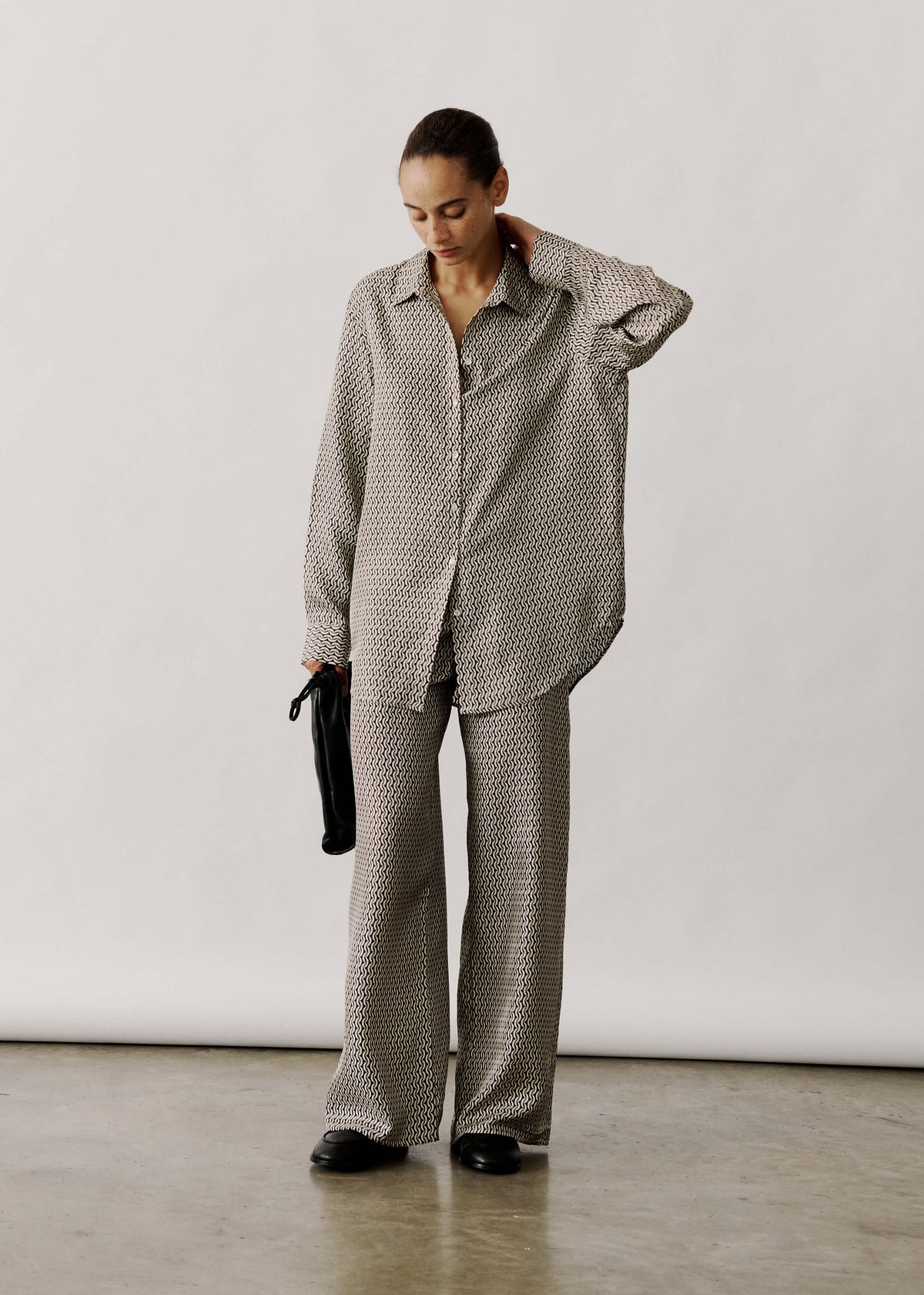
Choose silk that reveals craftsmanship under close inspection
8. Ensure an Impeccable Fit with Thoughtful Measurements
For a truly personalised fit, carefully record key measurements such as chest, waist, hips, shoulder width, sleeve, and overall length, noting both on-body and flat garment details to discern subtle variations. It is helpful to photograph the piece, paying close attention to the arrangement of patterns, stripes, seam lines, and closures—a thoughtful approach ensures any adjustments maintain the garment’s natural balance and elegance. These notes serve as an invaluable reference, allowing for clear communication with a skilled tailor when planning considered refinements.
Consider the internal structure of a garment to discover where fabric may be adjusted, carefully assessing seam allowances along the sides, waist, and hems. If present, a discrete opening in the lining can help confirm how much fabric is available to be let out and reveal any previous alterations. Take note of the garment’s construction details—such as fused interfacing, canvas, structured elements, or decorative quilting—as well as features like darts, princess seams, or panels that might accommodate symmetrical adjustments while preserving the intended silhouette. Assessing the fit while wearing layers you would typically pair with the piece, make gentle pin adjustments whilst standing and seated, ensuring ease of movement and comfort. These adjustments can then be translated into precise measurements and annotated on reference photographs, allowing for thoughtful and accurate alterations that respect the garment’s original design.
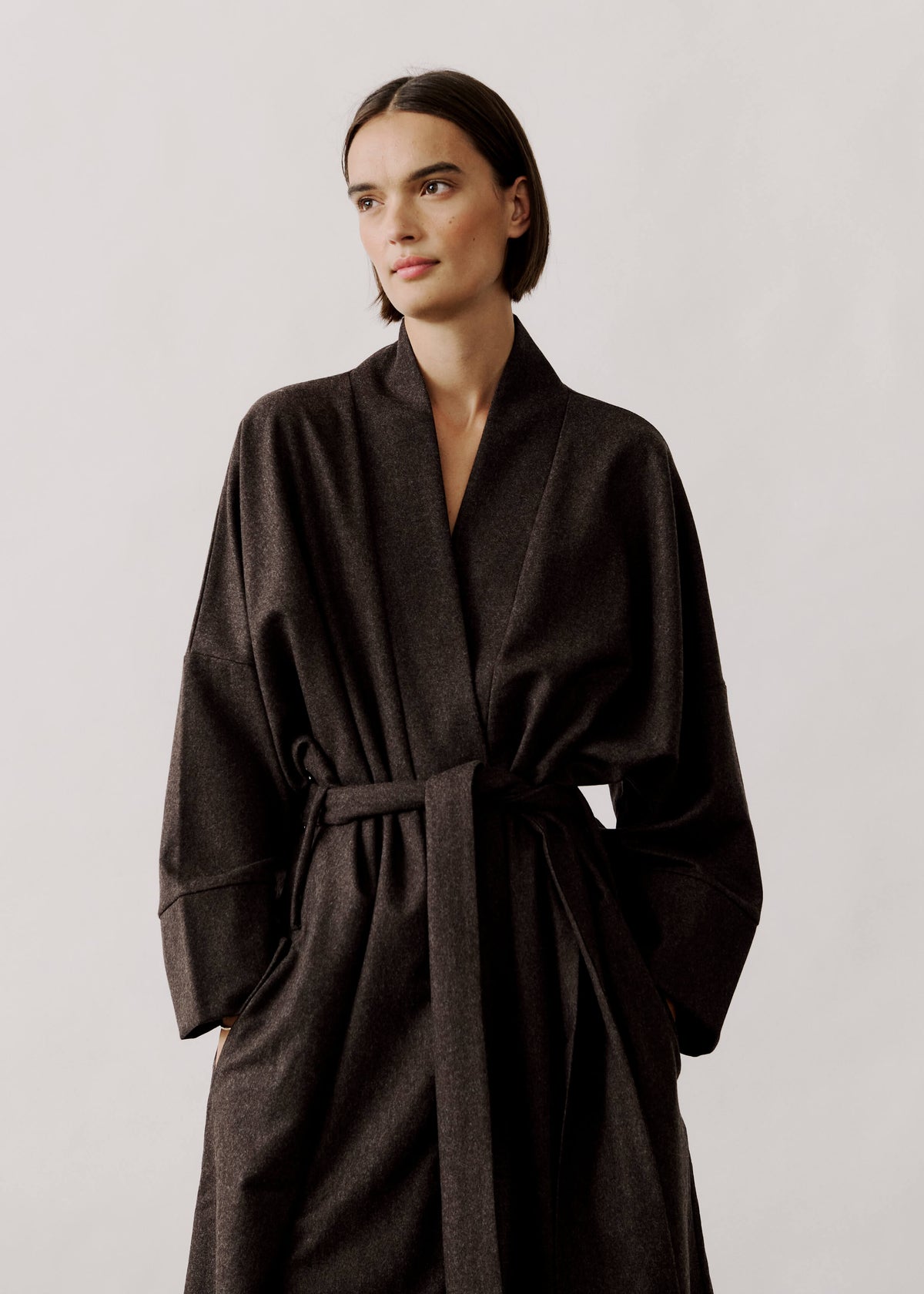
Try a cinchable silk dress for tailored daytime-to-evening fit
9. Assess Future Appeal and Potential for Resale
When considering timeless pieces for your wardrobe, look for consistent appreciation within reputable circles, as steady interest and minimal disparity between desired and acquired items often reflect enduring appeal. Provenance and care documentation, such as certificates or detailed histories, can provide reassurance and insight into the life of a garment, highlighting its reliability and continued allure. Examine the quality of materials and craftsmanship—features such as original metalwork, artisan joinery, classic stitching, or robust natural fibres allude to garments designed for longevity, ensuring they can be cherished and maintained for years to come.
Consider how a design speaks to timeless appeal, practical versatility, or adaptable motifs when evaluating its long-term desirability. Reflect on whether a piece transitions effortlessly between interiors, wardrobes, or curated collections. Insights from seasoned experts such as auction specialists, conservators, and discerning collectors can offer valuable perspectives, especially when there is a consensus or enduring interest in certain styles. Provenance, meticulous care histories, and evidence of enduring craftsmanship often serve as reliable indicators of a piece’s resilience and future potential. In moments of uncertainty, prioritise items with thorough documentation and clear evidence of repairability; such tangible details offer reassurance and help future custodians assess their choices with confidence.
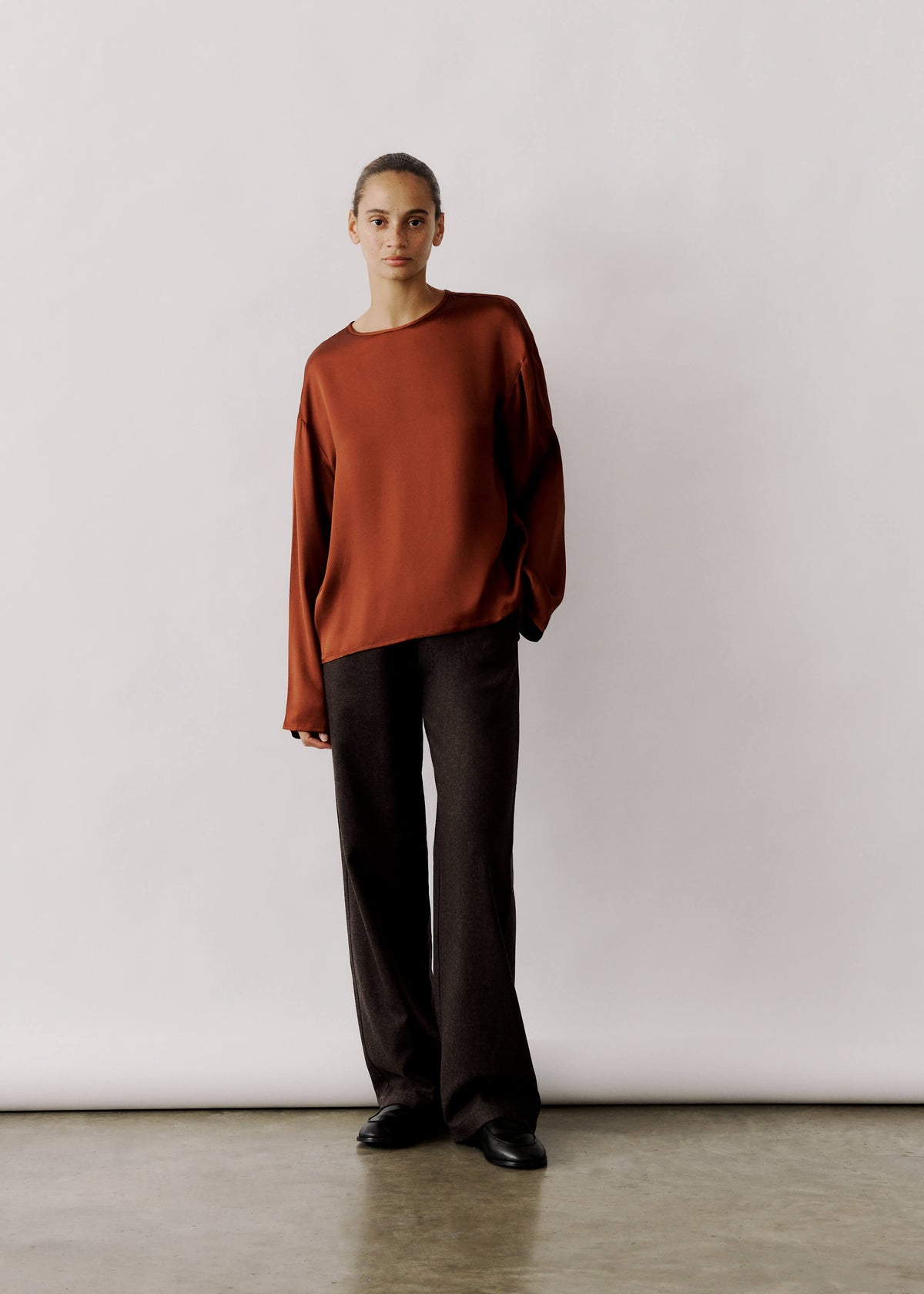
Choose silk crepe trousers for timeless, versatile dressing.
10. Ensure Lasting Elegance: Tips for Care and Preservation
To thoughtfully care for cherished belongings, begin by observing the materials and noting any delicate nuances or areas of vulnerability. Carefully record construction details and use photographs to capture the character of each piece, which assists in tailoring preservation approaches. Understanding whether an item is crafted from paper, textile, leather, metal or photographic emulsion will offer insight into how it may change over time; for example, paper rich in lignin may deepen in tone, while metal elements can be sensitive to moisture. Select storage methods that respect the unique requirements of each object, such as acid-free supports for fragile papers, upright shelving for bound volumes, protective inert sleeves for photographs, or softly padded storage for textiles that welcome gentle curves. Ensuring a stable, calm environment—using cool, dim spaces and buffered containers—helps protect against shifting humidity, which may otherwise encourage warping or mould. A considered approach to preservation extends the life and elegance of treasured pieces for years to come.
Handle cherished pieces with care, ensuring hands are clean and dry or protected as appropriate for delicate fabrics. Establish gentle routines for inspecting collections, remaining mindful of subtle signs of wear or environmental changes. Maintain thoughtful records that discreetly track condition, helping to preserve the enduring beauty of treasured garments with timely, sensitive attention.
A considered assessment of fibre composition, craftsmanship, provenance, and the history of gentle repairs helps determine which cherished archive garments possess enduring strength and which may benefit from thoughtful restoration. Through attentive observation and an understanding of each piece's unique journey, you can appreciate the potential for mindful alterations, ensuring authenticity and longevity remain at the forefront of your collection.
Thoughtfully consider each element of a garment, from its provenance and materials to its construction, silhouette, and care requirements, ensuring every decision is grounded in careful observation and knowledge. Document your findings, seek expert guidance from a conservator or tailor when in doubt, and develop a care and storage approach that preserves the piece’s enduring beauty and purpose.



Leave a comment
This site is protected by hCaptcha and the hCaptcha Privacy Policy and Terms of Service apply.