


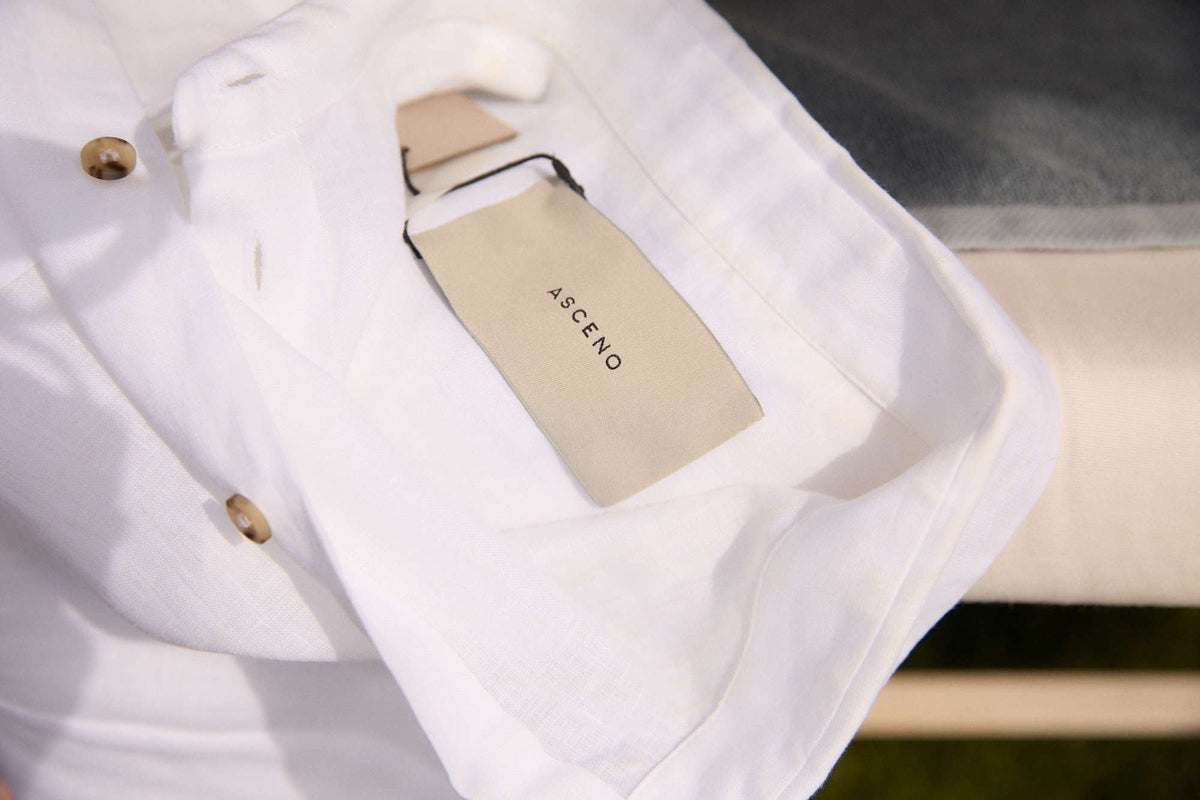
What are three touch-and-drape checks to identify premium fabric?
Have you ever bought a garment that looked perfect on the rail but lost its shape after only a few wears? Three simple touch and drape checks will reveal a fabric's quality at a glance, helping you choose pieces that will stand the test of time.
Begin by feeling the weave and surface texture, looking for tight, even yarns that resist snagging and pilling. Next, assess the weight, hand and drape to judge how the garment will hang and move, and inspect the finishes, edges and construction for neat stitching and secure hems, all signs of lasting quality.

1. Examine fabric weave and surface texture to assess quality and feel
Hold the fabric up to the light or view it with a magnifier to study the weave and thread density. Consistent, closely spaced threads reduce weak points and indicate stable construction. Brush the surface with and against the nap and perform a gentle fingertip rub to reveal any loose fibres or early pilling; a smooth hand with minimal fibre lift suggests finer finishing or higher-twist yarns. Pinch a small section and let it fall to observe whether the cloth forms soft, fluid folds or stiff, angular pleats, as a fluid drape often signals finer yarns and lower stiffness. Finally, inspect the yarns for slubs, uneven thickness or excess fuzz and check for an even sheen, since tightly twisted, uniform yarns create a smoother finish and help the fabric hold its shape.
Run your fingertips along the cut edge and selvage to check for fraying, loose threads or curling, which indicate how the fabric will behave when cut and sewn. Gently tug the seam allowance or a small swatch and watch how the fabric recovers; a balanced weave lies flat and resists distortion in use. Taken together, these tactile and visual checks reveal construction quality, yarn uniformity and the fabric’s likely performance in wear.

2. Assess the fabric's weight, feel and drape
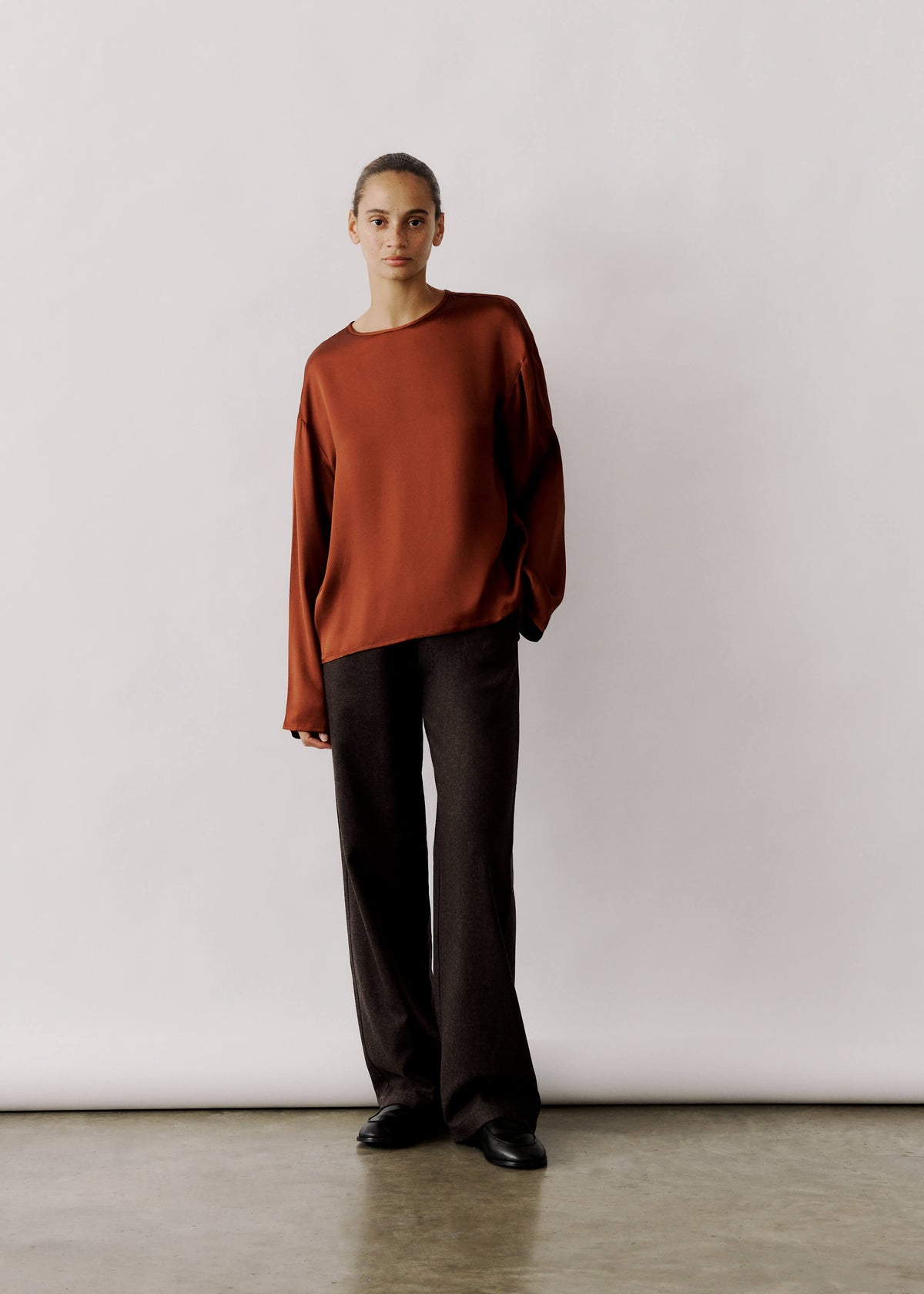
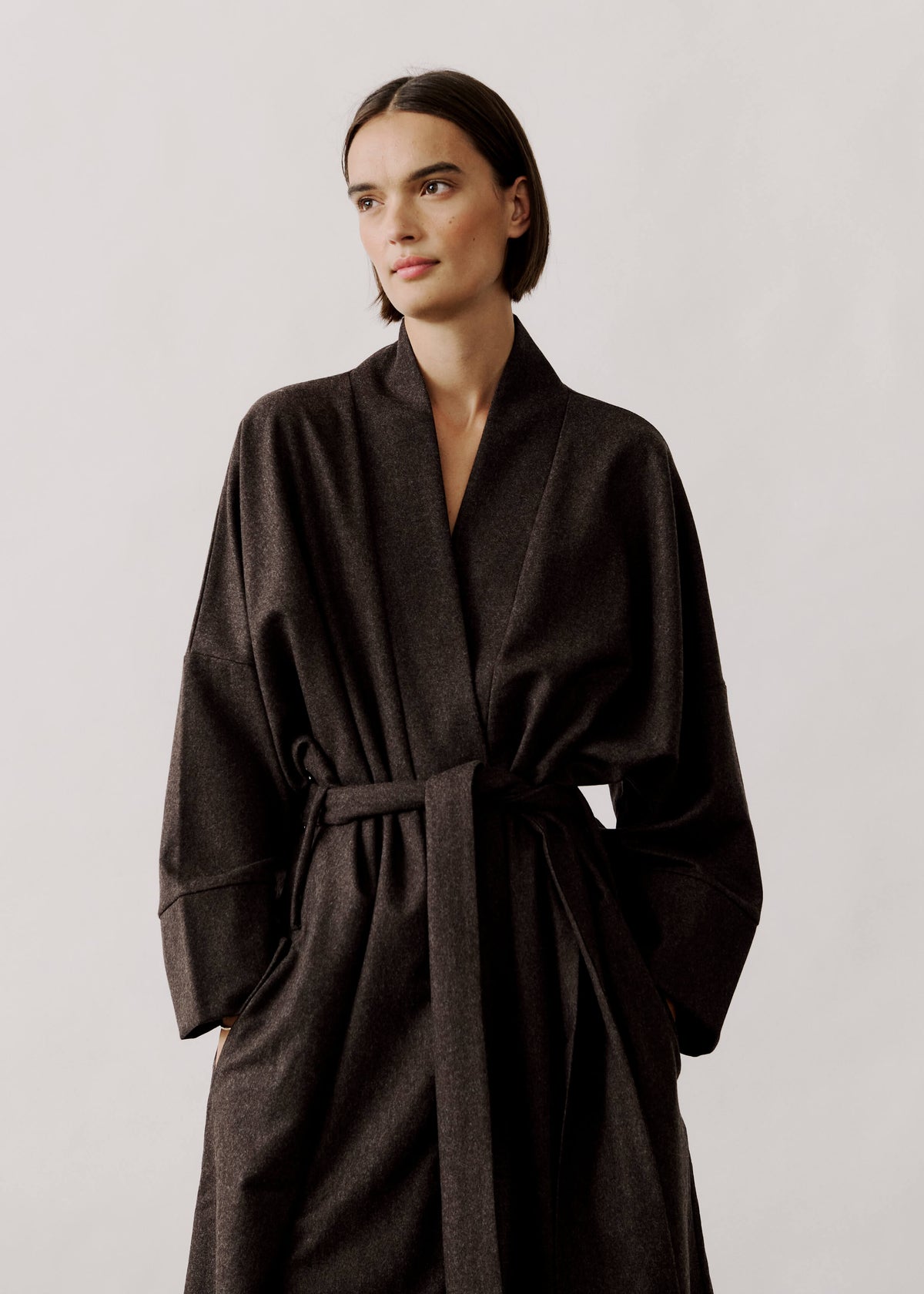
Begin by pinching the cloth between thumb and forefinger and lifting a small patch to assess compression and recovery, as fabrics that resist compression and spring back usually have tighter yarn packing or a more effective finish. Next, drape a length over your wrist or shoulder from a single point and watch whether it forms narrow, graceful folds that follow the contours, or whether it flares into a rigid profile; smooth, continuous folds indicate fluidity, while stiff, boxy pleats suggest a heavier hand or tighter weave. Finally, hold a corner or hang the sample and set it in motion by moving it briskly by hand, or by attaching a panel and walking a few paces. Observe how it flutters, how quickly creases settle, and whether the fabric returns to smooth lines.
Gently fold a section to form a sharp crease, release it and smooth the surface with your hand. If the fold rebounds quickly, the fabric is likely to resist bagging and creasing in everyday wear. Hold the fabric up to the light and glide your hand across its face to assess yarn distribution, twist and any slubs or sticky finishes. Even yarns and a consistent weave will produce an even drape, whereas irregular slubs or heavy sizing will alter how the fabric hangs. Taken together, these simple tactile and visual checks reveal how a material will hold its shape, respond to movement and age in daily use, allowing you to judge performance rather than rely on labels.

3. Assess finishes, edges and construction for enduring craftsmanship and quality
Examine the interior seams of the garment: count the stitches per centimetre and check that they lie flat and even. Narrow or uneven stitches and visible gaps suggest rushed construction, while consistent, closely spaced stitches indicate strength. Take note of the seam allowance, since generous allowances provide room for alterations and reduce strain on raw edges. Inspect the edge finish too, as overlocked edges, bound or Hong Kong finishes, and French seams each offer differing levels of protection against fraying. Finally, check that stripes or plaids align across seams and that topstitching runs parallel and even; these are clear signs of careful cutting and precise assembly.
Test reinforcements at stress points by gently pulling at pockets, cuffs and strap attachments to feel for bartacks, backstitching or dense stitching at the corners. Flex collars and cuffs to reveal any uneven stiffness or bubbling from fused interfacing, and check linings are neatly bagged or slip-stitched rather than glued. Finally, inspect hems for a consistent turn and buttonholes for neat, secure stitching with no loose threads. These small details are reliable indicators of how well a garment will wear over time.
Three quick touch and drape checks, which examine weave and surface, assess weight and hand, and evaluate finishes and construction, will reveal how a fabric will wear. Seek tight, even yarns that resist snagging and pilling, fluid folds that suggest finer yarns, and neat stitching with secure hems that indicate a fabric's ability to recover from creasing and stress.
Try these checks on the rail or with a fabric sample at home: note how the fabric hangs, whether it springs back into shape, and how seams and hems are finished. A few simple tests reveal a garment's likely longevity and fit, helping you choose pieces that hold their shape and wear gracefully.


Leave a comment
This site is protected by hCaptcha and the hCaptcha Privacy Policy and Terms of Service apply.