
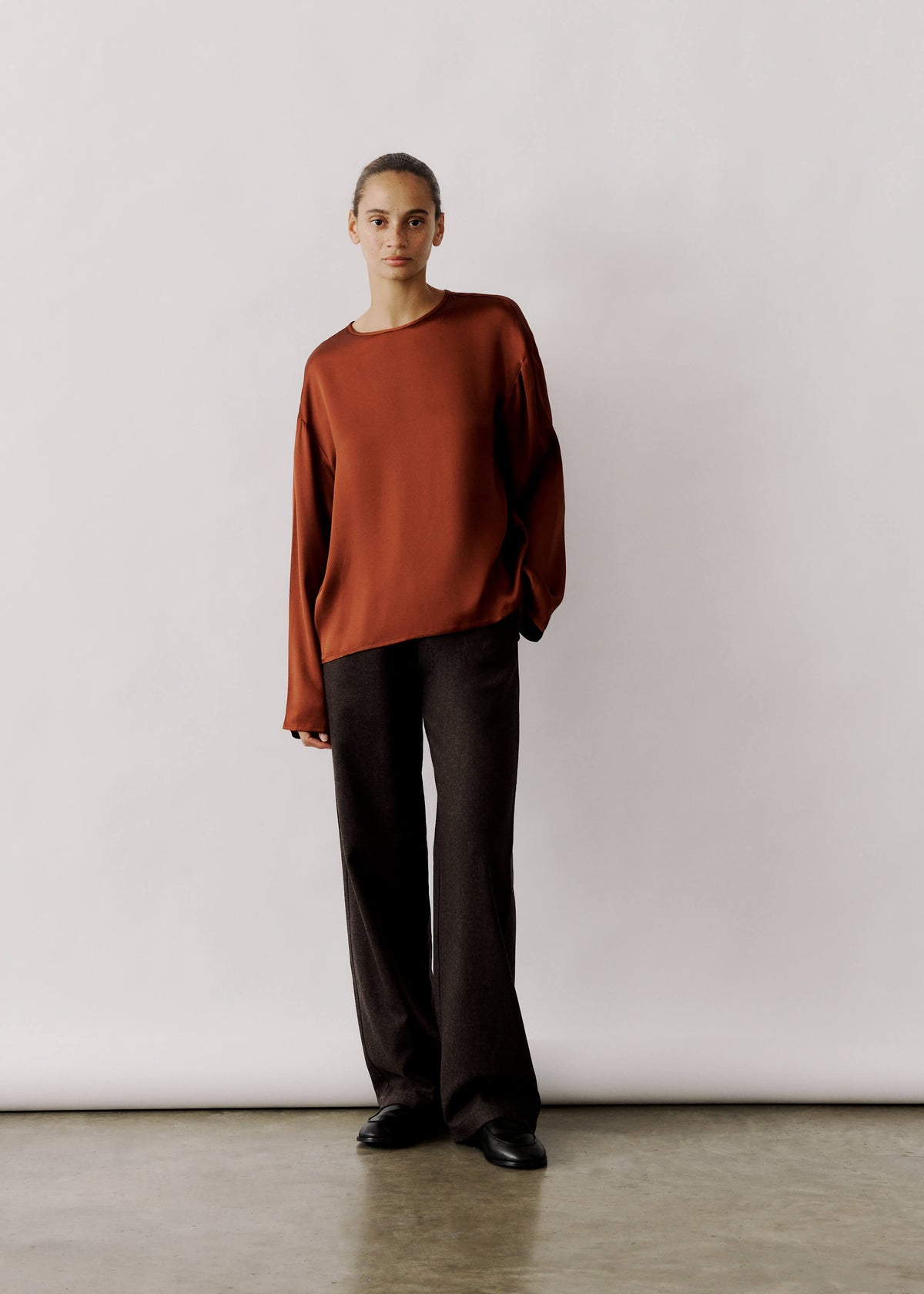
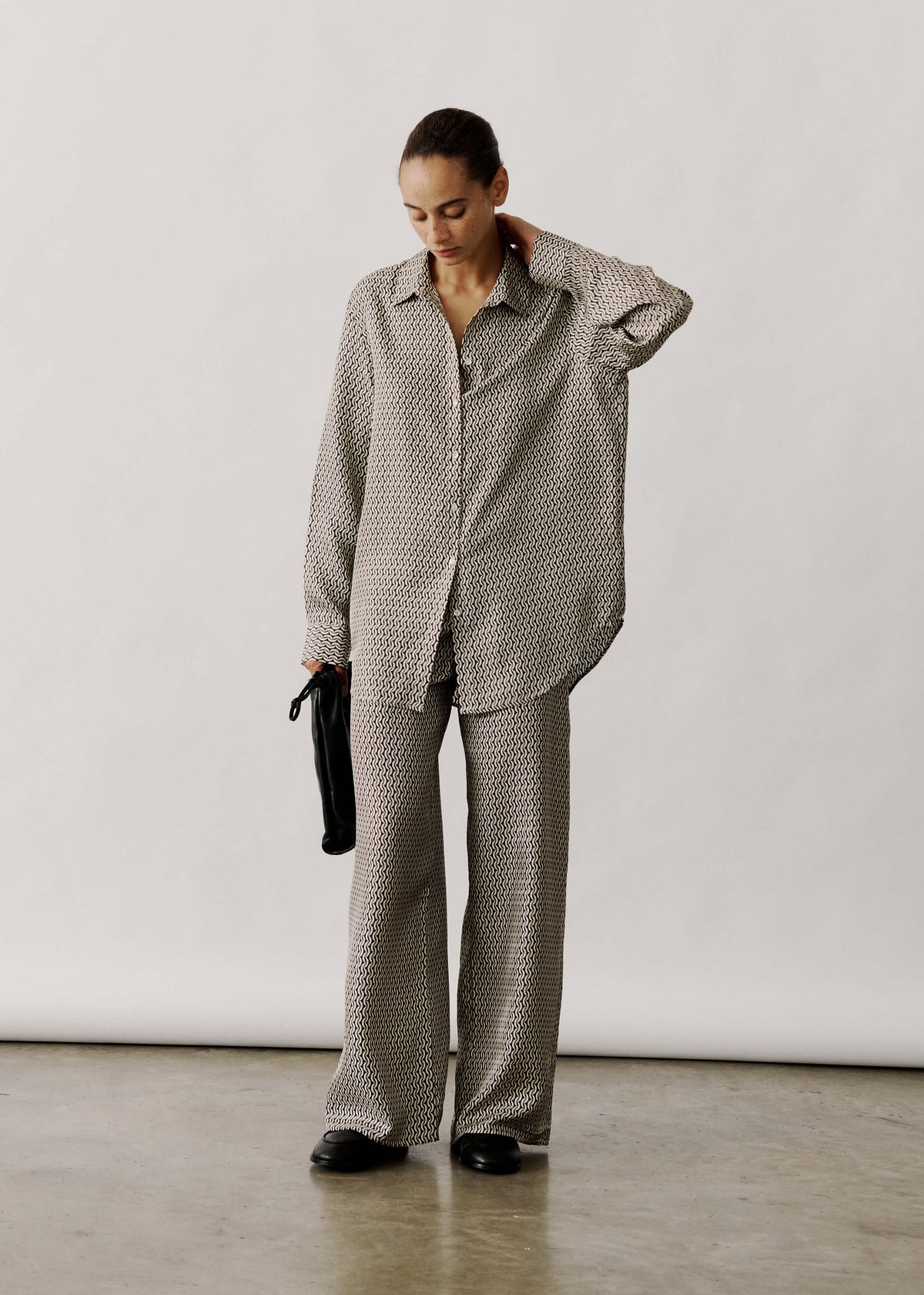
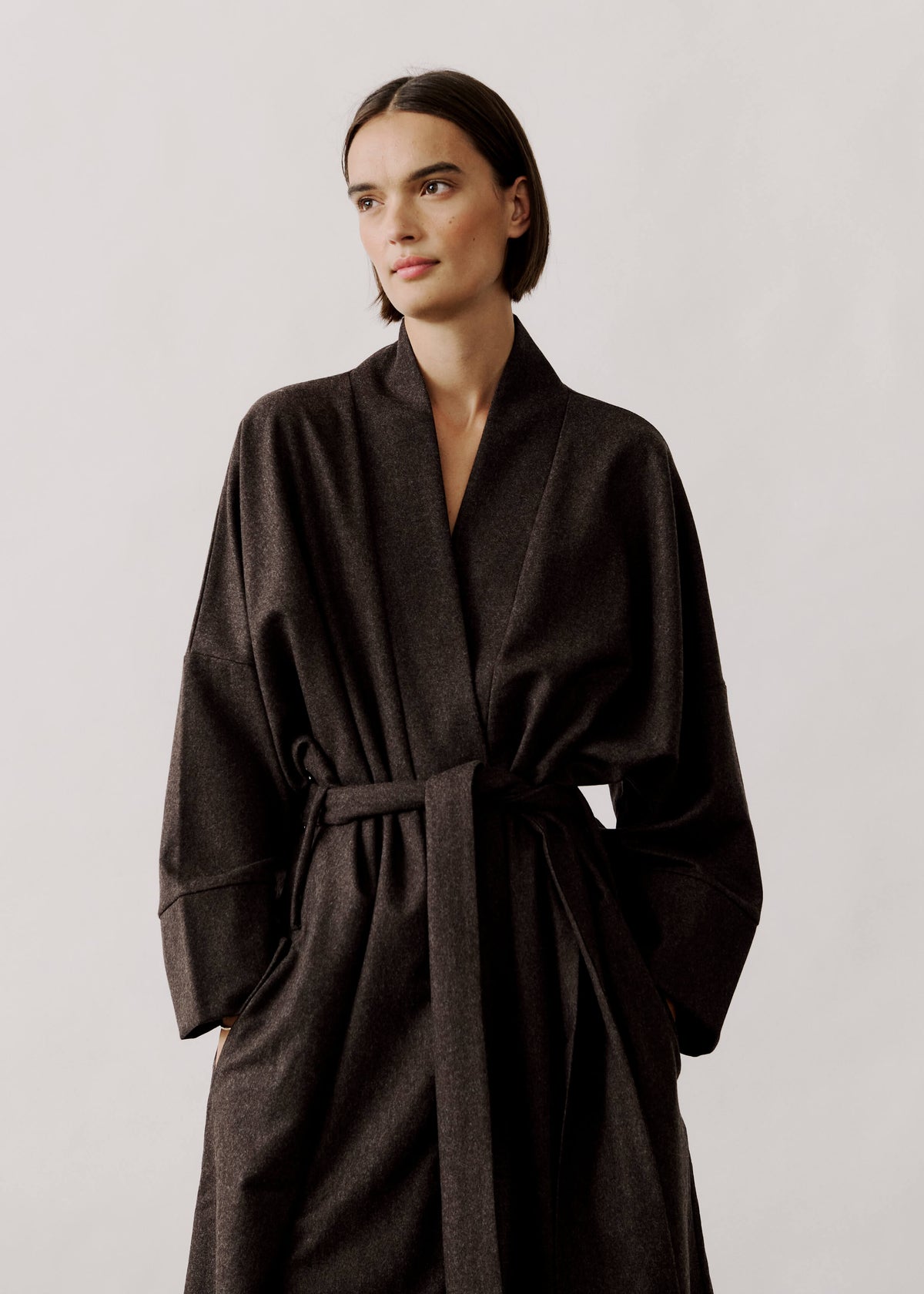
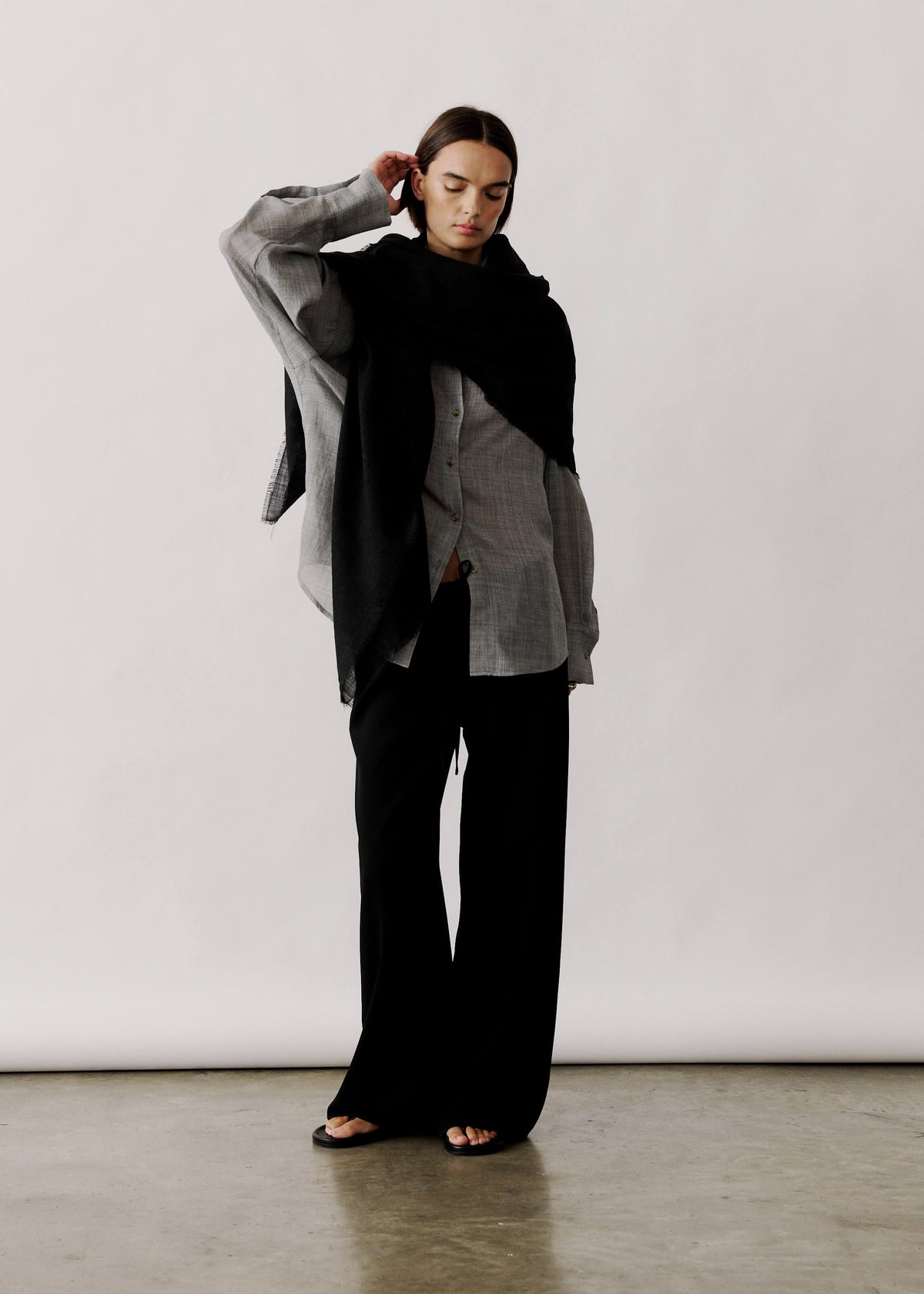
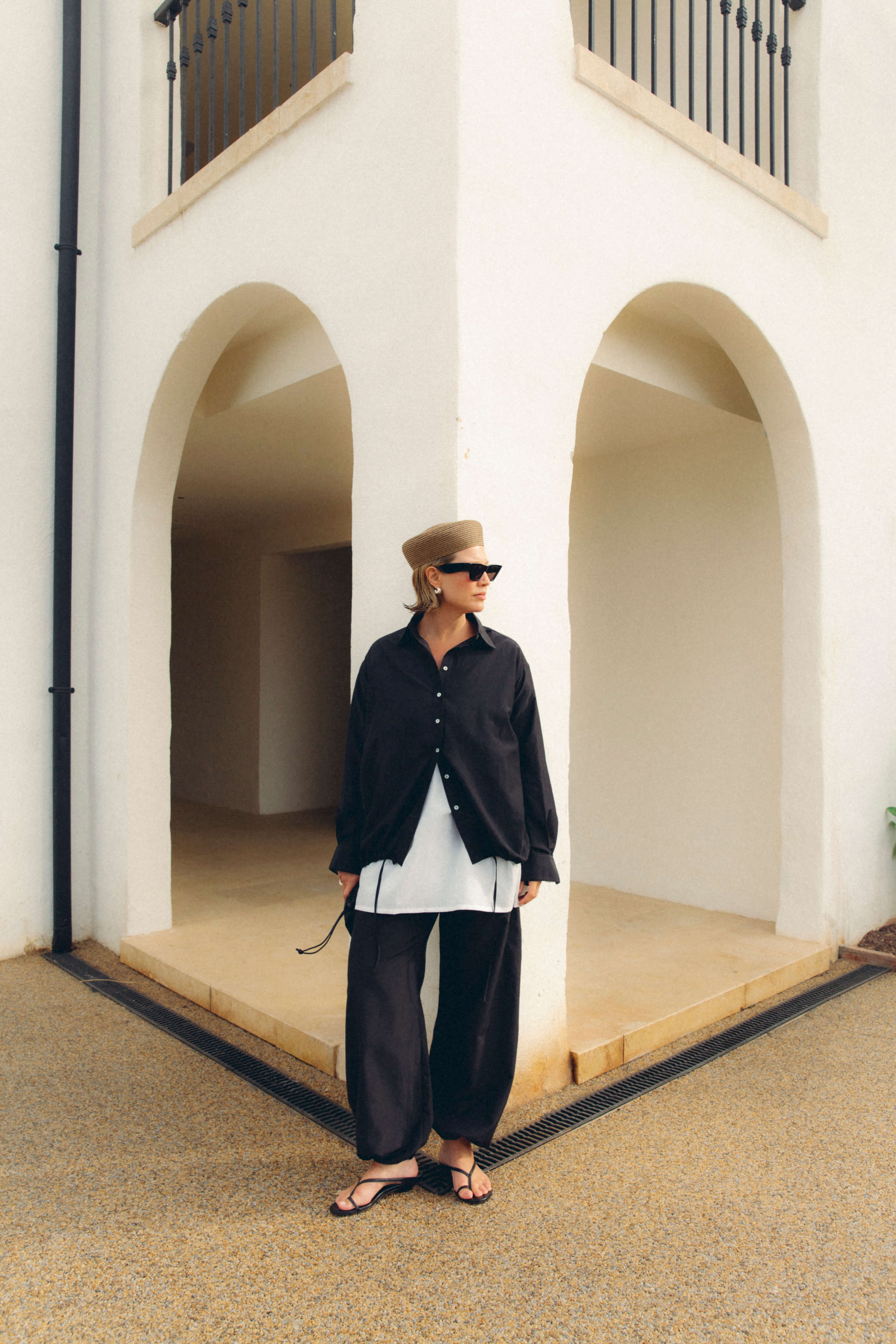

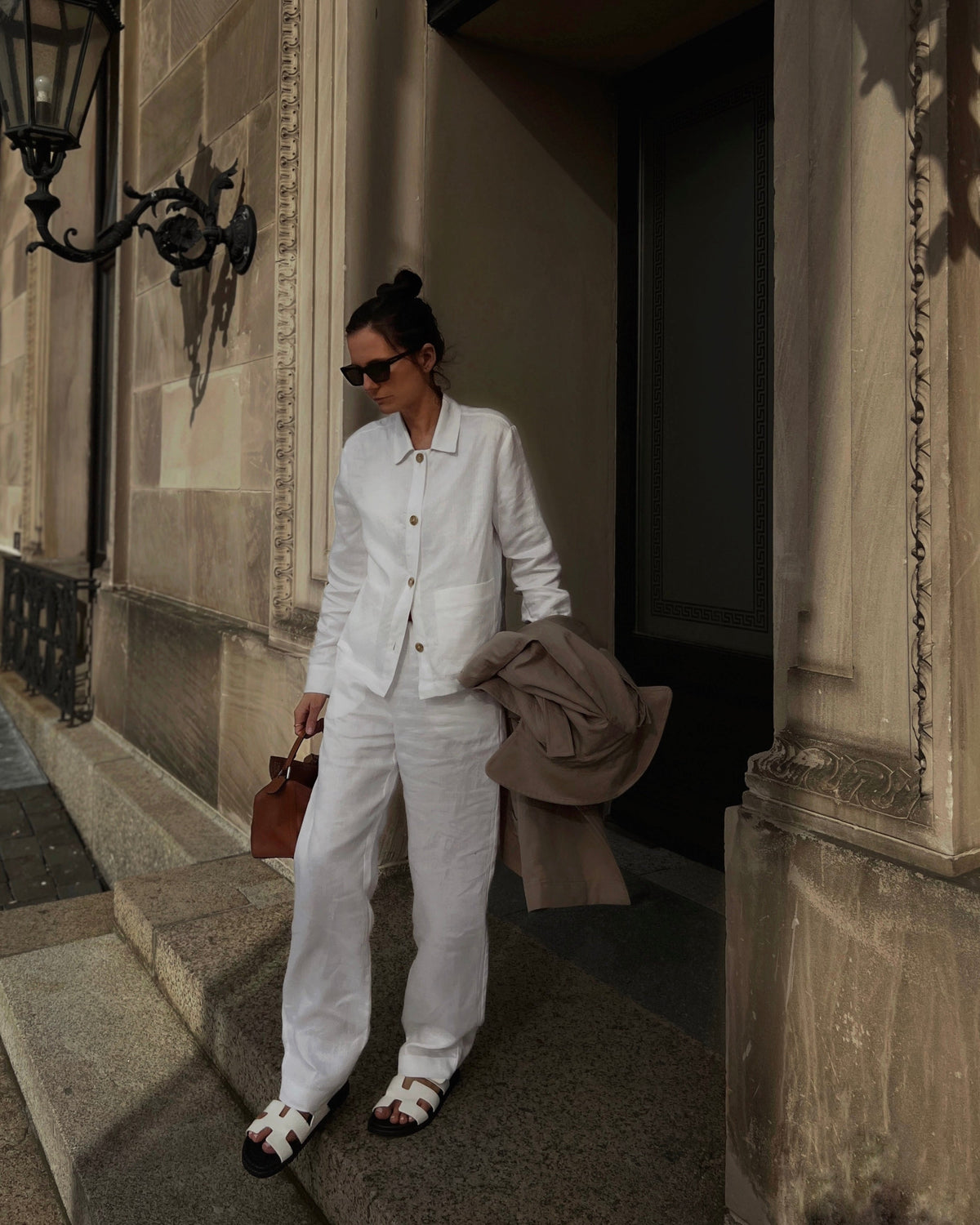
Embrace linen's natural creases for a purposeful, elegant look
Linen epitomises relaxed luxury, yet its natural creases can sometimes read as rumpled. How can you ensure those folds appear purposeful and elegant rather than neglected?
Discover how linen's characteristic wrinkles reveal its breathability and slubby texture, and why these qualities are celebrated in considered design. This guide offers refined styling suggestions and simple care tips to preserve the fibre's drape and purposeful creasing without compromising comfort.

Recognise the natural character and enduring benefits of linen
Linen owes its distinctive character to flax fibres. Low elasticity and a rigid cell structure mean creases appear readily and tend to linger, yet the fabric's high tensile strength and the gentle softening that comes with each wash often make those wrinkles a sign of durability rather than poor quality. To encourage a purposeful, relaxed texture, launder gently with a mild detergent and avoid over-agitation. Remove garments while still slightly damp, then shake, scrunch or smooth selected areas to set the desired finish. Air drying or hanging helps preserve that lived-in texture, and a light steam will relax the fibres without wiping away the subtle rumple. Practically speaking, linen breathes, wicks moisture and dries quickly, and its natural hypoallergenic and antimicrobial properties assist comfortable temperature regulation between warm and cool conditions.
Pair linen with tailored or structured pieces, layering varied textures and complementary colours. Treat pressing as a deliberate design choice by reserving ironing for collars and hems so the fabric's relaxed creases read as intentional rather than neglected. Linen's long-wearing fibres and biodegradable nature underpin its low-impact credentials, so mend small tears promptly, rotate wear to reduce stress, avoid harsh chemical finishes, and store garments loosely to preserve shape and texture. These styling and care practices help maintain performance and appearance, allowing linen to age with a relaxed, purposeful character.
Opt for tailored linen that softens with wear.

How to style linen for purposeful, relaxed luxury
Understand linen by its fibre and weave. Linen is formed from long, low-elasticity flax fibres that crease rather than stretch, so a loose, lightweight weave will rumple more while a heavier, tighter weave drapes and carries fewer creases. Try two swatches: scrunch each and watch how they recover to choose the desired look. To set considered wrinkles, pre-wash on a gentle cycle to soften the fibres, remove items while still slightly damp, then shake or lightly scrunch to encourage natural folds. Finish by hanging to dry or a brief spell in the tumble-dryer, and steam or iron only the panels you wish to smooth to preserve the contrast between smoothed and rumpled areas.
Embrace gentle creasing as a mark of considered luxury by pairing rumpled linen with smooth, structured pieces or polished accessories to frame the texture. For bedding, lay a smoothed layer beneath a casually rumpled top sheet to suggest effortless, deliberate ease. In tailoring, favour relaxed cuts, minimal interfacing, sewn pleats or tucks, rolled cuffs and soft shoulder seams so creases settle into elegant lines rather than random folds. Perfect the look with small experiments: finger-press seams, use a steam iron or hand steamer to soften and shape folds, test a light water spray or a diluted fabric conditioner on a scrap, and add discreet weights to hems or corners to refine the drape.
Choose a relaxed linen dress for elegant, intentional rumpling.

How to Preserve Fabric Drape and Intentional Creasing
Linen fibres have low elasticity and are held by a network of hydrogen bonds, so the fabric creases readily yet relaxes when gently warmed and dampened. Applying steam or a fine mist loosens those bonds, allowing the garment to be reshaped while damp and to set with a smoother drape or a deliberately defined fold. This fundamental fibre behaviour explains why steaming, careful reshaping and gentle drying create wrinkles that appear intentional and elegant.
Machine wash on a gentle cycle with a mild detergent and choose a low spin. Reshape garments while still damp: hang lighter pieces and lay heavier ones flat so gravity helps set a smooth fall. Avoid aggressive agitation and high heat, which can lock in random creases or shrink and stiffen the fabric; refrain from tumble drying and hard spins. For crisper lines, press on the reverse with a damp pressing cloth and give short bursts of steam, testing first on an inconspicuous seam. Apply targeted pressure to form a neat cuff or a soft crease down trouser fronts. Store garments on shaped or padded hangers and air between wears. Roll loose items for travel, and favour looser silhouettes or small fibre blends when you want creases to read as intentional rather than accidental.
Linen's low elasticity and open weave mean creases are an honest sign of the fabric's durability and breathability. Embracing wrinkles as a considered detail allows them to read as relaxed luxury rather than neglect. Gentle washing, reshaping while damp, light steaming where necessary, and pairing softly rumpled linen with tailored or smooth pieces will help preserve the drape and create purposeful texture.
By understanding a fibre's behaviour and tending folds with deliberate care, you can control where creases fall and how they shape the silhouette. Try simple fabric checks, considered styling techniques and gentle maintenance rituals from this guide to make creases intentional, preserve the fibre's performance and achieve an easy, considered elegance you can rely on.

Leave a comment
This site is protected by hCaptcha and the hCaptcha Privacy Policy and Terms of Service apply.