






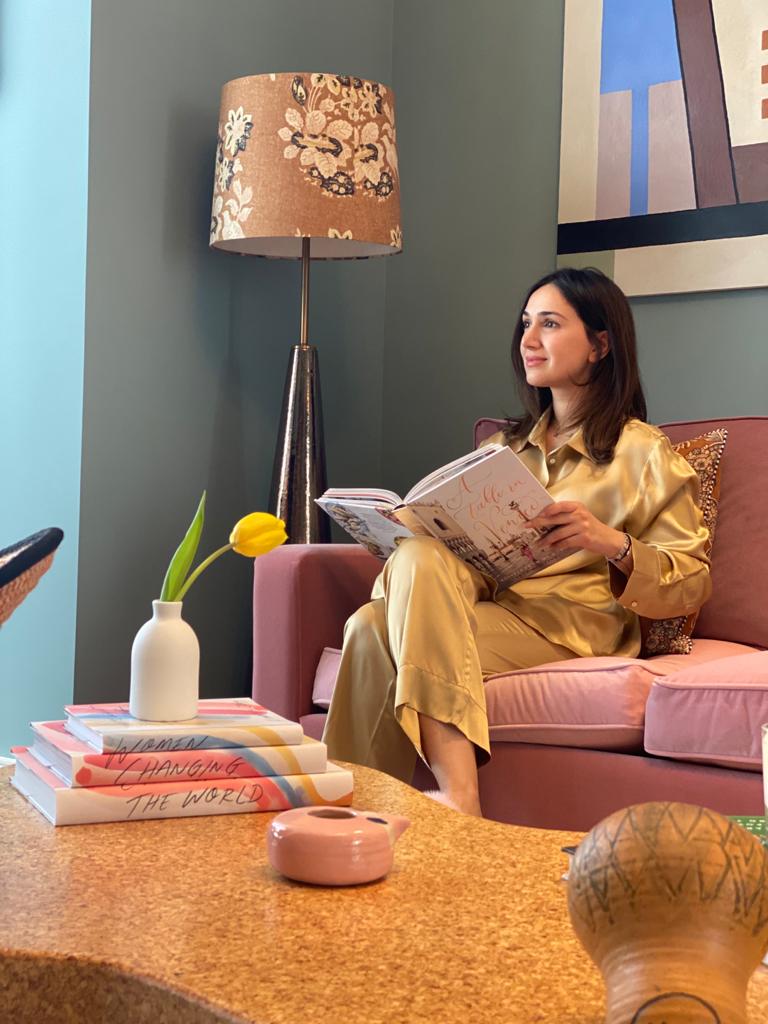
3 Ways to Minimise Distractions and Turn Reading into a Daily Ritual
Do books pile up as your attention fragments between screens, household tasks and ceaseless notifications? Restoring reading to your daily life depends less on willpower and more on curating your surroundings, establishing a gentle routine and embracing the small comforts that invite focus.
Consider three thoughtful approaches: cultivate a distraction-free reading nook, adopt a simple, sustainable reading ritual, and curate tactile comforts with considered lighting and soft pyjamas or loungewear to make relaxation purposeful. Each step uses unobtrusive environmental cues and easy habits you can introduce to deepen focus, enhance enjoyment and make reaching for a book a quiet, everyday pleasure.

1. Create a serene, distraction-free reading sanctuary at home
Choose a single, dedicated spot for reading and return to it regularly. Research shows that consistent contextual cues, such as the same chair and lamp, help the mind move from intention to action by linking environment to behaviour. Minimise sensory distractions by softening sound and refining sightlines: introduce soft furnishings, sit away from busy walkways and use shelving or a screen to block motion that might draw the eye. Optimise lighting and contrast to reduce eye strain and preserve focus by favouring even, flicker-free illumination, placing a lamp to avoid glare and ensuring strong contrast between text and background. These considered adjustments make longer sessions more comfortable and increase the likelihood that a reading habit will endure.
Manage digital distractions proactively by removing devices from the immediate space, silencing notifications and placing a modest charging station just outside the reading area so the temptation to check screens fades. Keep practical reading aids and visual cues within easy reach, such as a modest stack of recent reads, a simple bookmark and a notebook and pen for jotting quick notes. Visible, easy-to-reach tools become gentle prompts, increasing the likelihood you will pick up a book each day.

2. Craft a simple, sustainable reading ritual for mindful evenings
Choose a compact, repeatable reading ritual: a single cue, a consistent place and a modest starting target, for example one chapter or a set number of pages. Short, regular sessions build momentum more reliably than rare, longer ones. Use one simple action as your cue, such as placing a bookmark, pouring a cup or slipping into comfortable pyjamas, to mark the start and finish and make the ritual unmistakable. Commit to paper or to a single digital device for each session to reduce choice friction, and silence notifications or use full-screen reading modes to minimise interruptions. Keeping the ritual simple and predictable lowers the effort required to begin, and that reduced friction makes it more likely you will read consistently.
Create a calm reading nook by removing visual clutter, optimising the lighting and choosing comfortable seating. Keep your book, a simple notebook and any reading aids within easy reach so physical ease lowers the barrier to beginning. Make progress visible by marking sessions on a pared-back calendar, keeping a list of completed books or noting one key takeaway from each session. Over time, these small, consistent gestures compound, sustaining motivation without large demands on willpower.

3. Curate tactile comforts, ambient lighting and elegant loungewear for serene relaxation
Begin by selecting a few tactile comforts: a soft throw, a supportive lumbar cushion and a lap pillow made from breathable fibres such as cotton or fine merino, chosen for their temperature-regulating qualities and gentle texture that make holding a book feel effortless. Designate a set of loungewear for reading only, favouring loose sleeves, airy fabrics and garments without restrictive fastenings, so that changing into them becomes a simple physical cue to settle into the ritual. Anchor your hands and body with a weighted lap blanket or a soft wrist rest when you annotate, and keep a small tray close to hold bookmarks, a notebook and a drink to reduce micro-movements. Together, these tactile choices lessen fidgeting and extend comfortable, focused reading time.
Layer lighting to create a gentle, well-lit space without glare. Pair a directional task lamp with softer ambient light, and choose an adjustable lamp whose angle and brightness can be tuned to suit whether you wish to stay alert or unwind. Reduce tactile irritants by smoothing or replacing scratchy fabrics, placing devices face down in a nearby basket, and keeping frequently used items within easy reach to avoid unexpected sensory interruptions. Thoughtful lighting and an organised, irritation-free immediate space minimise distractions and make the reading ritual easier to sustain.
Regaining reading as a daily habit depends less on willpower and more on gently shaping your surroundings and rituals to reduce friction and invite focus. Steady context cues, short repeatable sessions and tactile comforts all lower the effort of beginning, making it easier to settle into longer, more pleasurable reading by aligning physical signals with the brain’s habit systems.
Create a dedicated reading spot, establish a simple compact ritual, and choose soft lighting, tactile textures and comfortable pyjamas or loungewear so your surroundings quietly signal it is time to read. Begin with one small change, notice how it gently shifts your focus and enjoyment, and allow those subtle improvements to build into a dependable reading habit.



Leave a comment
This site is protected by hCaptcha and the hCaptcha Privacy Policy and Terms of Service apply.