







10 Ways to Create a Simple, Luxurious Reading Ritual at Home to Unwind
When the hours blur and screens demand your attention, settling into a book can feel like a luxury rather than a habit. What if you could craft a simple, repeatable reading ritual that feels indulgent, calms the mind, and reliably helps you unwind?
This post outlines eight practical, sensory-led ways to slow your pace, deepen focus and finish with a calming, seasonal ritual: set a clear intention; curate an indulgent reading list; choose elegant pyjamas and cosy textiles; create a distraction-free nook; layer warm, adjustable lighting with a subtle scent, gentle sound and a mindful drink; then close with a soothing ritual to rest and refresh.

1. Set a mindful reading intention for the evening to unwind and centre yourself
An evening reading intention is a simple, purposeful aim set before you open a book: to unwind, to learn or to escape. Saying it aloud or noting it on a bookmark makes that aim more tangible. Choose one reliable ritual cue, such as changing into pyjamas, dimming the lights or preparing a warm drink, and repeat it consistently so your mind links the cue with reading time. Keep a short, reusable phrase, for example 'I read to relax and stay present', on a bookmark or your device lock screen to centre your attention before you begin.
Align your surroundings with your chosen intention by selecting seating, lighting and textures that support it. For focused study, opt for a firmer seat and brighter lighting; for gentle escape, favour a cosy armchair and softer, warmer lighting. Remove digital distractions that might pull you away, and maintain the same cue and setup so the ritual becomes reliable. Finish each session with a one-sentence reflection on a bookmark or in a notebook, noting a feeling, an insight or a favourite line to strengthen your recollection and to clarify what to choose next time.
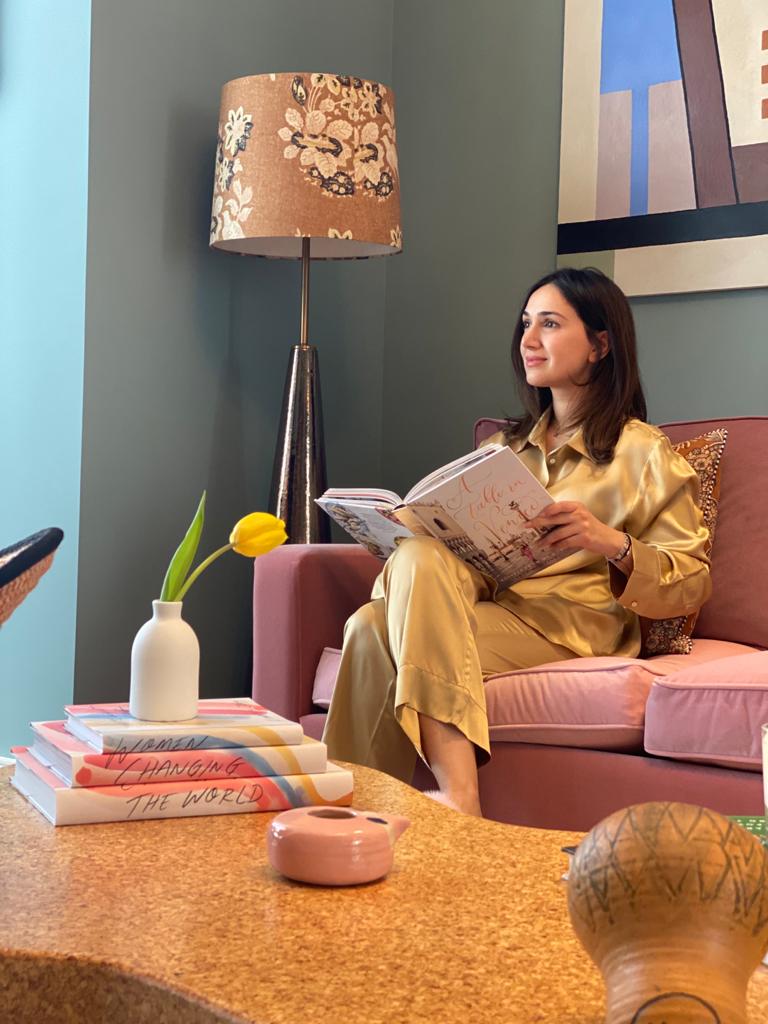
Slip into breathable linen to signal reading and wind-down.

2. Curate an indulgent reading list for quiet, restorative evenings
Curate a three-tier reading list of comfort reads, challenge reads and mood-boosters so you can decide with ease. Comfort reads are the familiar plots or favourite authors you return to; challenge reads stretch your thinking and invite fresh perspectives; mood-boosters are short, sensory pieces such as essays or poetry that shift atmosphere without a heavy time commitment. Choose editions that appeal to the senses: paper, typeface and bindings that feel pleasant to hold, with clear print to reduce eye strain. Include short-form options — essays, novellas, short story collections and lyrical poetry — so there is always something you can finish in a single sitting and savour the satisfaction of completion.
Keep a dependable reread shelf of favourites for instant comfort alongside a rotating pile of new authors or genres, so you alternate familiarity with fresh perspectives and avoid decision fatigue. Note sensory pairings for each selection, such as soft lighting, a favourite armchair, a warm drink or a carefully chosen playlist, to create consistent cues that help the mind settle into the ritual. These small, deliberate choices transform reading into a repeatable, luxurious practice without adding complexity.
Wear a soft, drapey layer for cozy reading.

3. Choose elegant pyjamas in cosy, natural fabrics
Choose natural fibres such as cotton, linen, silk and wool. They wick moisture, allow airflow and adapt to body temperature, keeping garments comfortable without the need for extra layers. Opt for a relaxed, well cut silhouette with room to move and adjustable details such as elastic waists or wrap fronts. A slightly looser fit reduces pressure points, supports easier breathing and signals rest. Assemble a small, complementary set: comfortable pyjamas, a longer robe, a chunky throw and cosy socks. Layering lets you fine tune warmth and makes dressing a deliberate, sensory pause.
Combine contrasting textures — for example silk pyjama tops, brushed-flannel bottoms, nubby knits and soft low-pile throws — to invite touch and slow the body's reactivity, making the ritual of settling down more satisfying. Layering allows you to fine-tune warmth without overheating, so you can adjust comfort gradually through the evening rather than adding or removing bulky garments. Care for textiles by washing according to fibre content, using gentle detergents, avoiding over-drying, reshaping items while damp, and rotating sets to prevent uneven wear. Well maintained fabrics remain softer, drape more gracefully and retain the tactile qualities that turn getting ready for bed into a calm, luxurious routine.
Add breathable organic cotton for effortless cool-night comfort.

4. Design a distraction-free reading nook for calm and concentration
Position your seat to maximise natural light, sitting side-on to the window to avoid glare. Add an adjustable lamp fitted with a warm-coloured bulb and a dimmer to ease eye strain and signal the shift towards relaxation. Layer lighting to provide bright, focused illumination for reading and softer pools of light for winding down. Choose a chair with supportive lumbar shaping and include a footstool to vary leg position. Layer tactile throws and cushions in natural fabrics, and keep a small side table within easy reach for a drink and a tray for used bookmarks so you minimise movements that interrupt concentration.
Keep the nook visually calm by limiting what is on show to reading essentials: one current book, a bookmark, reading glasses and a small tray for a drink. Tuck all spare items into closed storage or a neat basket to maintain a sense of effortless order. Adopt a device-free habit by placing chargers and phones in a small box beyond the nook before you settle, and use a paper bookmark or an analogue timer rather than screen alarms to avoid notification-driven interruptions. Soften the soundscape with rugs, curtains and cushions to absorb sudden noise, or introduce a gentle, consistent background—such as instrumental music or the low hum of a fan—to mask disruptions. For intermittent household noise, keep a pair of simple earplugs or comfortable over-ear headphones to hand to preserve continuity.
Block stray light and deepen focus with a silk mask.

5. Layer warm, adjustable lighting to craft a cosy, elegant ambience
Layer three types of lighting: ambient, task and accent. Together they softly fill the room, illuminate the page and create pockets of warmth that reduce harsh contrast and ease eye strain. Opt for warm-coloured, dimmable bulbs in the 2700 to 3000 Kelvin range, and place them on separate circuits or dimmers so you can lower light levels as you unwind, supporting natural melatonin production and a calmer mood. Position a task lamp just behind and slightly above your reading shoulder, and add shades or diffusers to soften hotspots and prevent glare reflecting into your eyes.
Create layered lighting so you can alter the atmosphere without moving fixtures: group lamps on separate switches, fit a rotary dimmer, or programme simple scenes to move from bright, attentive light to a low, cosy glow. Lower light levels gradually rather than abruptly for a more relaxing transition. Choose low-heat accent sources such as flameless candles or firmly placed tealights, taking care not to leave fabric near open flames, and introduce a small lamp with a warm, diffused glow to provide gentle peripheral light and greater visual depth. Position lights to avoid direct reflections in your line of sight and to optimise reading comfort. Together, these choices create a warm, safe ambience that encourages unwinding and sustained reading comfort.
Block stray light for deeper, undisturbed sleep

6. Infuse a Subtle Fragrance and Calming Soundscape
Choose a scent to suit the reading you intend: lavender, chamomile or sandalwood to unwind; citrus or mint to sharpen focus and alertness. Research links lavender with reduced anxiety, which can help you settle into a book. Use fragrances sparingly and keep the source at arm's length to limit olfactory fatigue. Patch-test concentrated oils on a scrap of paper and a small area of skin to check for staining or sensitivity, keep sources placed away from shelving, and ensure good ventilation. Pair scent with gentle instrumental soundscapes, for example solo piano, soft ambient textures or recorded rain, and keep volume below conversational level so the sound supports focus rather than competes with the text.
Programme diffusers and audio players to rise and fall gradually so the atmosphere arrives and departs with ease, avoiding abrupt shifts in energy and ensuring a calm close to the session. Protect books and wellbeing by placing scent sources away from pages to prevent staining and residue, and by allowing gentle ventilation to clear lingering particles and reduce sensitivity. Foster sensory cohesion by repeating a signature scent or soundtrack during reading sessions; this subtle cue deepens relaxation through association. Rotate the signature occasionally to prevent habituation and keep the ritual feeling fresh.
Wear silk to deepen your evening reading ritual

7. Curate mindful refreshments and delicate light bites for relaxed entertaining
Choose calming, low-caffeine drinks such as chamomile, rooibos, a warm glass of milk with a pinch of cinnamon, or decaffeinated tea, and use their aroma to anchor your attention. Make the preparation part of the ritual: warm the mug, steep until the scent unfurls, strain if desired, and pour slowly, noticing the temperature and fragrance. Opt for snacks you can eat with one hand — roasted nuts, a few squares of dark chocolate, thinly sliced apple or pear, or small cubes of cheese — and pre-portion them into a small bowl so you can nibble without losing your place.
Balance textures and flavours by pairing creamy yoghurt or a soft cheese with toasted oats or crunchy seeds, or by matching tart fruit with a square of dark chocolate to create a satisfying contrast that sustains interest. Introduce small, mindful cues to slow the pace: present your snack on a neat tray with a napkin and spoon, take a sip between paragraphs and set the book down between bites. Only refill when you genuinely want more; this preserves focus, reduces distraction and prolongs the quiet pleasure of reading.
Slip into relaxed layers for cosy reading moments

8. Craft a simple ritual to unwind before reading
Stow digital devices out of sight and silence notifications to remove temptation and quiet the mind, allowing your attention to rest on the page rather than on interruptions. Change into pyjamas or a soft jumper, then perform a brief sensory ritual, such as washing your face or smoothing your hands with a familiar scent, to create a bodily cue that marks the transition to rest. Introduce a single, repeatable sensory signal, for example a chosen scent, a dimmed warm lamp or a favourite blanket, and keep it consistent; the brain will come to associate that combination with calm, making it easier to settle into reading.
Begin with a brief body check: roll your shoulders, unclench your jaw and take a few slow, even breaths to draw attention inward and ease physical tension. Gentle, paced breathing lowers physiological arousal and steadies concentration, helping you arrive at a calmer mental state. Prepare your reading space by straightening the chair and nearby surfaces, placing a cushion and a light throw, and choosing a soft, warm lamp to foster a consistently inviting atmosphere. Select the next chapter or a clear stopping point before you start; reducing decisions and visual clutter removes friction and makes a sustained, uninterrupted reading session far more likely.
Slip into breathable cotton for immediate evening comfort.

9. Pace your reading with gentle rhythms to savour every page
Set clear stopping points, such as finishing a chapter, reaching a chosen page count, or pausing at a natural narrative beat. After each pause, either jot a single sentence to capture what you have read or close the book and take a deliberate breath to let the material settle and resist the urge to rush. Use punctuation and breath as pacing cues: let commas be short pauses and full stops longer ones; soften your inner voice and slow your cadence so breath and text align, calming the nervous system and deepening attention. Introduce tactile markers, such as slotting a slim bookmark, tucking a ribbon, or folding a corner, to signify micro-goals and diminish the impulse to hurry.
Align your reading rhythm with the material and your mood: slow down for dense arguments and lyrical passages, skim predictable plot stretches, and shorten sessions when mental fatigue appears. Observe how comprehension and calm shift as you vary the tempo, and personalise the length and intensity of each sitting. Introduce small transition rituals between sections, such as dimming a lamp, stretching your shoulders, preparing a warm drink or playing soft ambient soundscapes; repeating these micro-actions trains the mind to enter and leave a relaxed state. Paired with physical markers and paced breathing, these steps create a measured, restorative routine that supports memory consolidation and makes reading feel intentionally unhurried.
Slip into soft silk for calmer, more attentive evenings.

10. Close with a calming ritual and seasonal refresh
Before you leave your reading spot, power down screens and leave devices outside the room. Removing bright displays and potential interruptions reduces stimulation and helps the mind shift from attention to rest. At the end of your session, write a two-line note in a dedicated notebook: one sentence about what you enjoyed and one action or idea to follow up. This brief ritual consolidates memory and turns passive reading into something you can easily return to. Refresh textiles and bedding to suit the season, swapping a lightweight throw for a warmer blanket or changing pillowcase fabric to adjust tactile comfort. These small adjustments create immediate cosiness and quietly signal a change in routine.
Conclude with a brief sensory cue, such as spritzing linen with a seasonal fragrance, lighting a candle, gently warming a scented oil, or opening a window to welcome fresh air, so the same smells and sensations become familiar signals for relaxation. Tidy the space for next time: return the book with a single-line note tucked between the pages, straighten cushions and clear mugs and dishes. These small gestures reduce mental clutter and make it easier to slip back into the ritual. Taken together, they form a calm end-of-session rhythm that helps consolidate what you have read and quietly signals the mind to rest.
A simple sensory reading ritual can transform how you unwind by aligning intention, surroundings and a few gentle, repeatable actions. Thoughtful cues such as curated books, cosy pyjamas, warm adjustable lighting, a subtle scent and a mindful drink focus attention, reduce interruptions and guide the body toward rest.
Treat the headings above as a guide: set a clear intention, curate a dependable reading list, create a distraction-free nook and layer gentle lighting, scent, sound and tactile comforts to foster a consistent routine. Begin with one manageable change and repeat it each session until the cue and the action become linked. Over time this will form a quietly restorative habit you can return to whenever you need.


Leave a comment
This site is protected by hCaptcha and the hCaptcha Privacy Policy and Terms of Service apply.