


Which Ten Natural Fibres Offer the Best Breathability and Moisture Management for Restful Sleep?
If you wake feeling hot, clammy or chilled, it is often because bedding traps heat and does not draw moisture away from the skin. Choosing between ten natural fibres for pyjamas and sheets can make a marked difference to breathability and moisture management, yet the range of options and technical terms can feel overwhelming.
This post examines plant, regenerated cellulosic and animal protein fibres, and considers fabric construction, seasonal considerations, skin sensitivity, laundering and sustainability to show how each fibre performs. Using evidence-led comparisons and practical guidance, it will help you choose breathable bedding that wicks moisture, controls odour and maintains performance night after night.

1. How fabrics influence your sleep microclimate and overnight comfort
A restful night's sleep is shaped by four fabric properties: hygroscopicity, wicking, thermal conductivity and porosity. Together they determine how a textile exchanges heat and moisture with the skin. Different fibres show distinct moisture-regain levels: cotton around 8 per cent, linen and target="_blank">silk roughly 10 to 12 per cent, and wool closer to 14 to 18 per cent. Hygroscopic fibres act as a near-skin buffer, absorbing and releasing moisture, while low-regain fibres move moisture to outer surfaces where it can evaporate. Wicking, driven by capillary action, draws sweat away from the skin. Porosity and weave density set airflow and the rate of evaporation, and thermal conductivity governs conductive heat loss. Each property influences skin temperature and local humidity in specific ways rather than being captured by the single term breathable. Understanding these mechanisms helps you choose textiles that favour cooling, humidity buffering or rapid drying.
Fabric construction matters as much as fibre. Loose weaves and open knits, finer yarns and lighter weights increase airflow, while midweight constructions offer a considered balance of insulation and ventilation. Absorption, transport and evaporation play distinct roles: absorbent fibres reduce surface wetness, wicking moves moisture to where it can evaporate, and fast-drying surfaces speed overall drying. You can test these qualities at home with a simple water-drop absorbency test and a breathability check. Fit, layering and the mattress and pillow surfaces also affect how heat and moisture accumulate, so avoid tight-fitting pyjamas or duvet covers, favour thin layers and leave a small air gap to encourage gentle convective cooling. Preserve a fabric's performance by rinsing thoroughly, avoiding fabric softener, reshaping items while damp and following fibre-appropriate drying to maintain porosity and wicking.
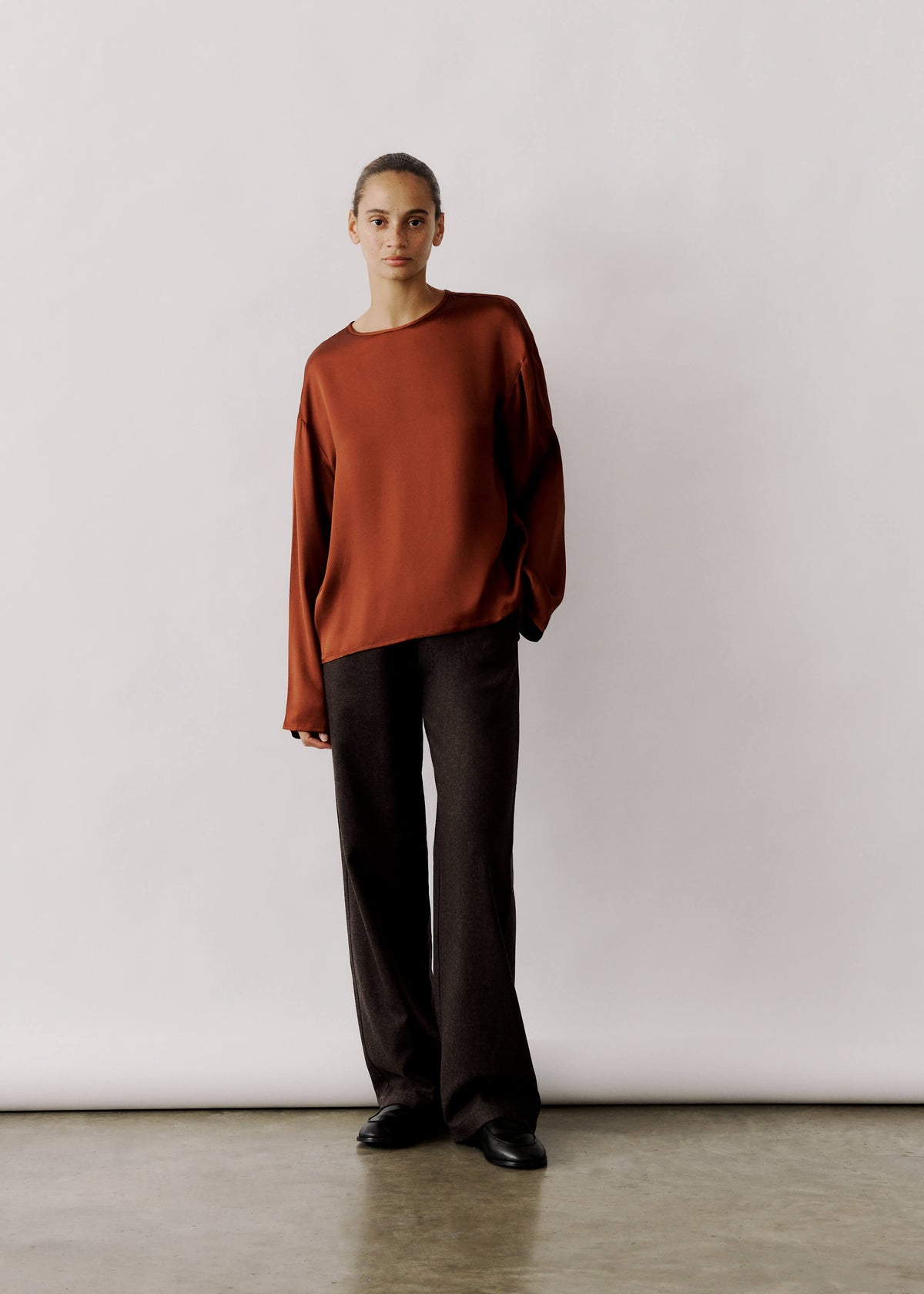
Choose lightweight silk for humid, breathable nightwear.

2. Opt for breathable, moisture-wicking fabrics to stay comfortably dry
Natural moisture management in fabrics depends on three complementary processes. The first, hygroscopic absorption, occurs when fibres such as wool and certain cellulosic fibres take moisture into the fibre itself, moderating humidity rather than feeling wet against the skin. The second, capillary wicking, draws liquid along fibre surfaces and between yarns so perspiration is moved away from the skin. The third, surface evaporation, allows moisture that reaches the outer layers to turn to vapour and pass into the air. Each process produces a distinct result: hygroscopic fibres help even out night-time humidity, strong wicking structures move perspiration from the skin for quicker drying, and open, evaporative constructions allow moisture to escape into the air. The same fibre can therefore behave very differently depending on how the yarn is spun and the fabric is finished. When choosing bedding or pyjamas, consider which moisture-management mechanism best suits your needs — whether you favour humidity buffering for steady comfort, rapid drying after activity, or breathability for an airy feel. Remember that a textile’s overall performance is shaped as much by its construction and finish as by the raw fibre itself.
The way yarns are spun and fabrics are constructed governs how air and moisture move through cloth. Open plain weaves and loose knits encourage airflow and evaporation, while tight weaves and smooth sateen finishes can trap humidity and reduce permeability. For enhanced breathability, favour fabrics with visible porosity and a pleasing textured hand. A few simple at-home tests will reveal a fabric’s behaviour. Place a single drop of water on a swatch to see whether it absorbs or beads, and gently stretch a knit to make any capillary channels visible. Rapid absorption points to good internal buffering, whereas visible surface spread is a sign of strong wicking. Bear in mind that finishes and laundering will alter a fabric’s natural performance. Durable-press and water-repellent coatings can inhibit transfer, and fabric softeners or inadequate rinsing may clog capillaries. Check care labels, avoid products that leave residues, and pair an absorbent next-to-skin layer with a more evaporative outer layer. Finally, test these combinations in your bedroom microclimate to discover what works best for you.
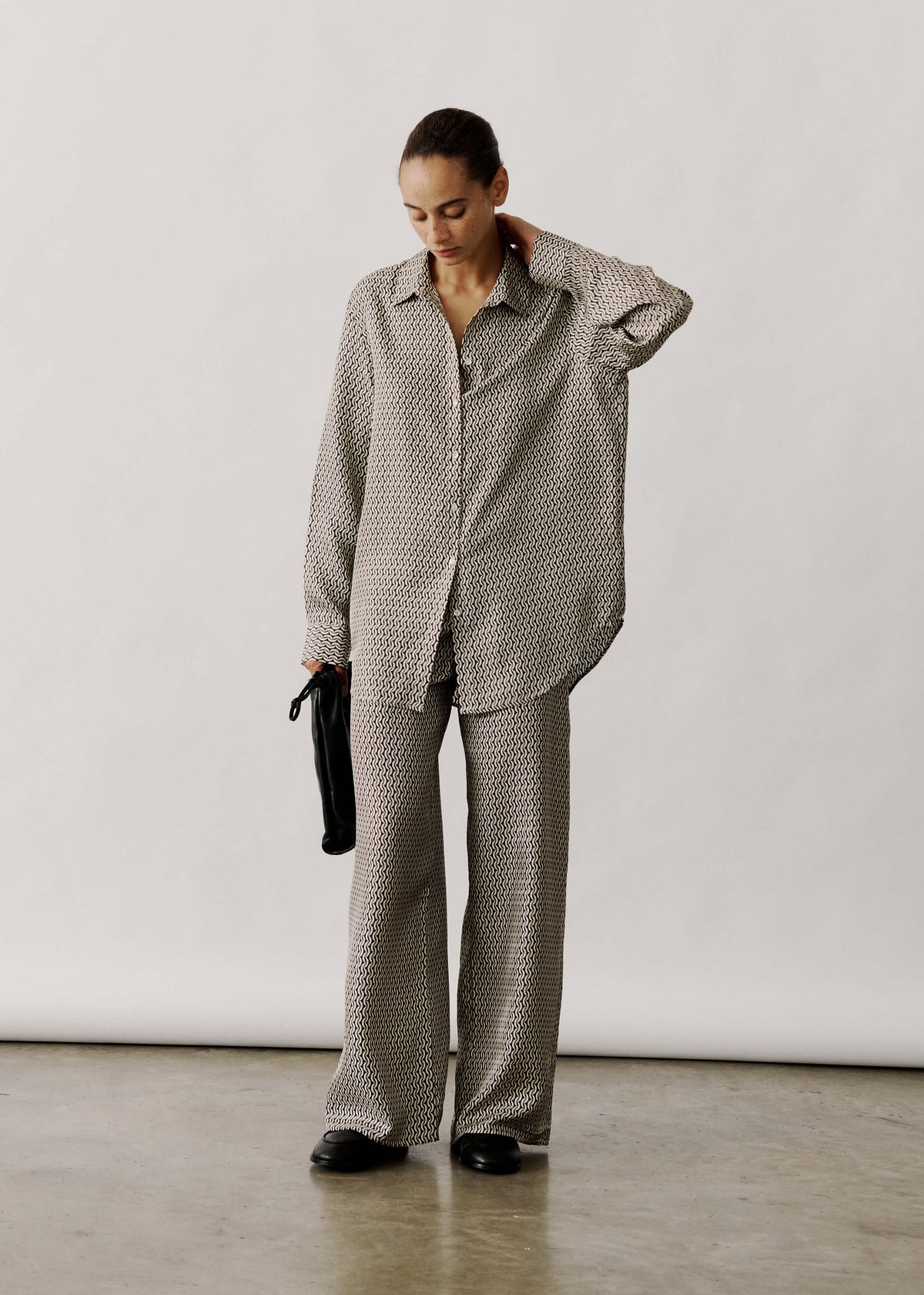
Favor breathable linen for airy, quick-drying sleep.

3. Choose natural plant fibres for cool, breathable bedding
Each natural fibre performs differently. Linen and hemp draw moisture away and dry quickly; lyocell and modal pull moisture from the skin and resist odour; cotton soaks up moisture but can feel clingy when damp; and ramie combines strength with good breathability. If you tend to sleep hot or perspire, favour linen, hemp, lyocell or modal. Cotton or ramie are better suited to cooler bedrooms when paired with insulating layers. The weave and staple length also shape comfort and performance. Opt for open weaves such as percale or a lower thread count to encourage airflow. Prefer long-staple fibres for durability and a smoother hand, and avoid tightly woven sateen when maximum cooling is the priority.
The finish and care of textiles determine how well they perform. Choose minimally finished, pre-washed fabrics and avoid fabric softeners or detergents that leave a residue, which can reduce absorbency. Follow the care labels when washing bedding to preserve its moisture-managing qualities. Pair plant-fibre sheets with a breathable duvet or natural fills rather than synthetic layers next to the skin; use lightweight plant-fibre blankets for summer and rely on removable layers to regulate warmth and airflow through the night. Linen and hemp soften and become more breathable with time, so mend or reinforce seams where needed, and target="_blank">store bedding dry and lightly aired to prevent lingering dampness that can undermine moisture management.
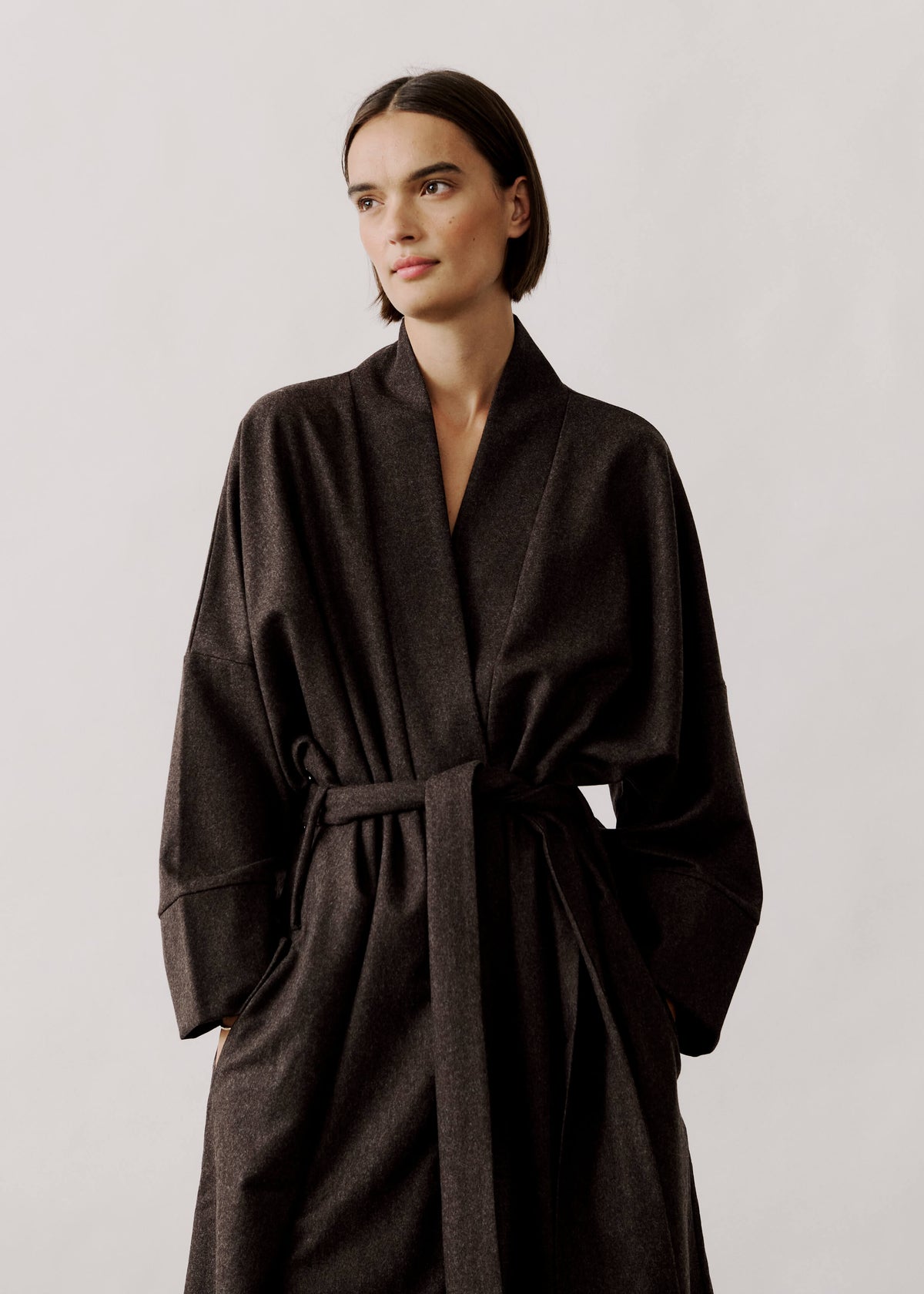
Sleep cooler in lightweight, breathable linen.

4. Assess moisture management of regenerated cellulosic fibres in textiles
At a microscopic level, regenerated cellulosic fibres manage moisture in different ways. target="_blank">Lyocell and modal develop fine microfibrillar structures that encourage capillary wicking and faster drying, while classic viscose soaks up moisture readily yet can retain it at the surface. Fabric construction and weight influence moisture performance as much as the fibre itself: tight weaves and heavier fabrics (higher grams per square metre, GSM) trap moisture and slow drying, whereas open weaves, lighter weights and breathable knits promote airflow and quicker evaporation. Blending with linen or wool, introducing a small proportion of water-repellent fibres, or using moisture-management finishes can accelerate drying without sacrificing absorbency. Many finishes diminish with washing, so check fibre composition and care instructions to understand how performance may change after repeated laundering.
Prioritise objective measurements such as moisture regain, moisture vapour transmission rate, capillary action and drying rate when comparing fibres, rather than relying on labels alone. Bear in mind that a textile's processing history, including closed-loop manufacturing and solvent recovery, alters fibre structure and can influence both moisture performance and environmental footprint. Carry out a few simple at-home tests to confirm performance: observe how quickly a few drops spread across a swatch, gently press a damp sample to the forearm to assess surface feel, and compare drying times with samples laid flat or hung under identical conditions. Record your findings and choose the fibre, construction and care combination that feels driest and most comfortable against the skin when worn.
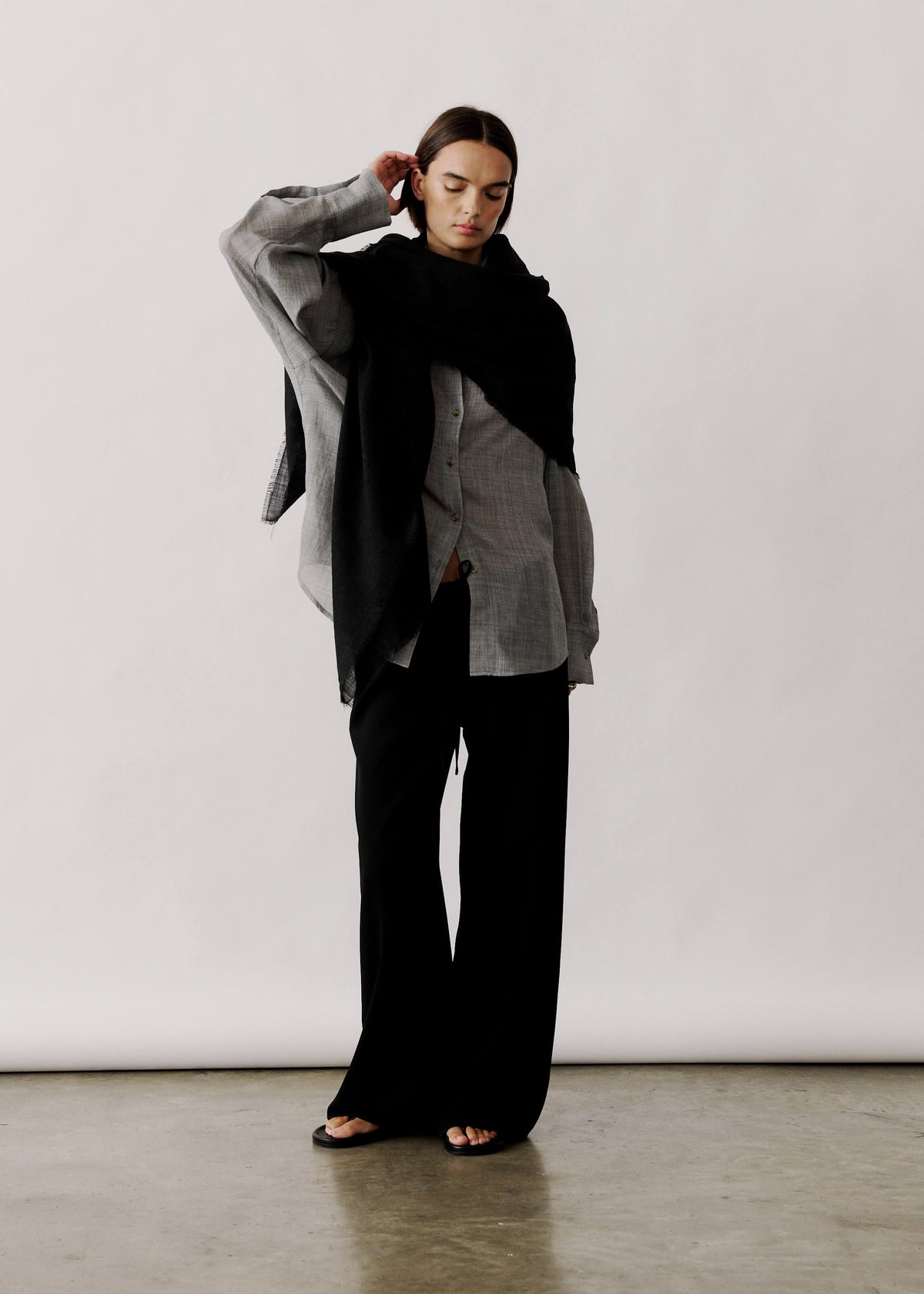
Choose lightweight linen for quicker drying and breathability.

5. Choose animal-derived protein fibres for natural warmth and moisture regulation
Keratin-based animal fibres such as wool, cashmere, alpaca and mohair have a hygroscopic microstructure and a natural crimp that trap tiny pockets of air, providing effective insulation. target="_blank">Silk, by contrast, is composed chiefly of the protein fibroin and forms a smooth filament that insulates through its continuous structure rather than crimp. All of these natural protein fibres also wick moisture away from the skin, helping to moderate temperature and humidity. They can absorb moisture without feeling damp and then release it back into the surrounding air, creating a gentle buffering effect that reduces clamminess during sleep.
When selecting bedtime textiles, consider breathability, moisture absorption, warmth-to-weight ratio and drying behaviour. target="_blank">Silk and lightweight cashmere are well suited to hot sleepers, while medium-loft wool or alpaca perform better in cooler, damper conditions. Fabrics blended with cotton or linen tend to dry more quickly. Choose open weaves and a lower grams-per-square-metre weight (GSM) to encourage airflow, and check fibre percentages on care labels to match a sleeper's level of perspiration. Favour blends when faster drying is more important than extra loft. To preserve a fabric's performance, launder gently or by hand with a wool-safe detergent, avoid fabric softeners, gently reshape garments and lay them flat to dry, and air items between uses. Simple at-home checks are helpful: a quick absorbency dab reveals moisture wicking, a cupping test (hold a small swatch close to the mouth and breathe through it) indicates breathability, and a one-night trial shows how a fabric performs in practice. For comfortable layering, wear silk next to the skin and top cotton pyjamas with linen sheets or a wool blanket.
Slip into breathable silk for cooler, moisture-wicking sleep.

6. Optimise fabric construction for natural airflow and effortless comfort
Rather than relying on headline thread-count figures, assess a fabric's porosity by holding it up to the light and noting how much passes through. Cooling through airflow and convective exchange depends more on the gaps between yarns than on inflated thread counts. Look for openly woven constructions such as percale, gauze, seersucker, waffle and open knits; their channels and puckered textures increase surface area, create gentle airways and encourage evaporation. A simple breath test, or timing how quickly a water droplet is absorbed, offers a swift, practical indication of a textile's porosity and wicking performance.
Consider fabrics at the yarn level. Thicker, slub or loosely twisted single-ply yarns leave larger gaps and encourage faster wicking, while finely spun, high-ply yarns sit closely together and restrict airflow. Lighter-weight fabrics with smooth, unbrushed surfaces promote rapid air exchange and evaporation; napped or heavily compacted finishes, by contrast, tend to trap air and moisture and reduce cooling. To preserve porosity, avoid fabric softeners and vigorous tumble-drying, which can coat fibres or compact the weave, and favour gentle washing with minimal finishing. Used alongside simple checks, such as the light-through test, a breathability check and the water-drop test, these considerations will help you choose and care for bedding and pyjamas that move air and moisture for a cooler, more comfortable night.
Choose linen for natural breathability and cooling.

7. Harmonise your thermal comfort with seasonal changes and sleep stages
During REM sleep the body’s ability to target="_blank">regulate temperature declines, making rest susceptible to sudden fluctuations. Rather than relying on a single heavy duvet, layer to create a steady microclimate: a moisture-wicking base next to the skin, a breathable mid layer for balanced insulation, and a removable outer cover you can add or remove as your core temperature changes overnight. For practical use favour breathable sheets and a lighter duvet, and fine-tune warmth by adjusting a single outer layer rather than switching target="_blank">pyjamas during the night.
Choose fibres according to season and function. Open-weave, highly conductive fibres such as target="_blank">linen and cotton encourage airflow and absorb moisture on warm nights, while fine, hollow or crimped fibres like merino wool trap insulating air yet continue to wick moisture for target="_blank">cooler evenings. To assess a fabric’s suitability, hold it up to the light to judge weave openness, check the weight in grams per square metre (GSM) to gauge density, and hold a swatch to your mouth and breathe through it as a simple breathability test. Bear in mind that a higher GSM or a tighter weave usually increases insulation, and that thread count alone is not a reliable indicator of breathability. If you tend to perspire, favour moisture-wicking fibres, use breathable mattress and pillow protectors, and improve room ventilation or lower humidity to restore evaporative cooling and reduce night-time awakenings.
Opt for lightweight cotton pyjamas to stay breathable overnight

8. Prioritise comfort against the skin, reduce sensitivity and manage odour
Natural fibres influence both how a fabric feels against the skin and how it manages odour. Silk offers a very smooth, low-friction surface that helps reduce abrasion. Ultrafine wool with a fibre diameter below 19 micrometres is unlikely to cause itch and resists bacterial odour thanks to its moisture-sorption properties and naturally occurring lanolin. Linen and hemp wick moisture and dry quickly, which limits bacterial growth, while cotton is soft but tends to retain moisture against the skin and may need more frequent washing. Try a couple of simple at-home checks to assess sensitivity and moisture handling. For a patch test, place a pre-washed swatch against the inner forearm for several hours to check for irritation. For moisture testing, drop a small amount of water on the fabric: rapid absorption indicates an absorbent fabric, whereas slow absorption combined with quick surface drying suggests effective wicking and airflow. Use these observations alongside the care label and fibre content to shortlist fabrics that suit your sensitivity and odour-control needs.
Deliberate care choices help preserve comfort and minimise odour. Pre-wash new items to remove processing residues, choose a fragrance-free, pH-neutral detergent and avoid fabric softeners that can coat fibres and reduce breathability. Rinse thoroughly and ensure items are completely dry before storing to prevent bacterial or fungal growth. Fabric construction and yarn quality also affect performance. Favour looser weaves and lighter-weight fabrics for bedding and pyjamas, and select long-staple or combed fibres for a smoother surface with fewer loose ends. Where finishes are necessary, opt for mechanical or enzymatic treatments rather than heavy chemical coatings. When reading labels, check fibre percentages and look for terms such as pre-washed or ultra-fine. Consider fibres with inherent antimicrobial qualities, such as wool or hemp, for improved odour resistance. Combine label information, construction details and simple home tests to make a practical choice that balances comfort, skin sensitivity and odour control.
Choose lightweight organic linen for breathable, quick-drying comfort.

9. Maintain garments' longevity with considered laundering and fabric care
Care for garments according to their fibre chemistry. Wash protein fibres such as wool and silk in cool water with a neutral, enzyme-free detergent, using a gentle machine cycle or hand wash. Reshape while damp and dry flat to prevent felting and weakening of the fibres. Cellulosic fibres such as cotton, linen and lyocell tolerate warmer water and detergents that contain enzymes, which help lift starch and body soils; however, those enzymes will damage protein fibres. Avoid fabric softeners and excess detergent, as hydrophobic residue reduces absorbency and undermines moisture-wicking. Use the manufacturer's recommended dose and, if needed, run an extra rinse or a final white vinegar rinse to restore absorbency.
Turn garments inside out before washing. Group items by similar weight and use mesh laundry bags for lightweight pyjamas and for pillowcases. Choose a gentle or low-heat cycle; repeated friction causes pilling, the tiny breaking of fibres that reduces a fabric's breathability and moisture management. Air-dry in the shade and lay wool flat to dry to protect its structure. Reserve tumble-drying only for pieces whose care labels permit it, testing a spare garment first if you are unsure. Between washes, air garments outside and spot-clean stains as they occur. Refresh with steam or a cool iron, and store textiles in breathable bags or on open shelving with natural moth deterrents to help preserve the fibres' natural oils, which support odour control and moisture management.
Choose lightweight organic cotton for easy, low-heat washes.

10. Choose sustainably: sourcing, certifications and informed buying guidance
Seek independent third-party certification that verifies organic farming, limits on chemicals, animal welfare standards and recycled content, and review each certifier’s scope to understand precisely what the label covers. Verify certificate numbers via the certifier’s online database or request compliance documentation from your supplier, and ask for traceability details such as country or farm of origin, the names or locations of processing mills and dyehouses, and batch or lot codes. Where available, consult published supply-chain maps or audit reports to assess whether claims are supported by verifiable evidence.
Farming and sourcing choices determine a fibre's performance: soil health, grazing management and crop rotation shape its strength, uniformity and next-to-skin comfort. When assessing materials, consider whether they originate from regenerative, low-input or conventional systems to understand the likely trade-offs. Where possible, favour single-source natural fibres or mechanically separable constructions to simplify recycling and composting, and avoid chemical finishes that impair breathability and biodegradability. Choose designs with removable covers and repairable details to extend a garment's life and improve end-of-life options. Before purchasing, request fabric swatches to assess weave and weight for breathability, check care instructions for clues to durability, seek third-party certification, and regard vague labels such as "eco" or "sustainable" without documentation as an invitation to request clarification.
Natural fibres and the way a fabric is constructed determine how heat and moisture move across the skin, so choosing the right fibre and weave influences whether you sleep cool, dry or shielded from humidity. Simple measures, such as moisture regain (the amount of moisture a fibre can hold), capillary wicking (how readily it draws moisture away) and visible porosity, assessed with a straightforward water-drop or breath-through test, reveal which materials will wick, absorb or dry most quickly in your bedroom microclimate.
Consult the guide's checklist to assess performance features, plant and protein fibres, construction, seasonal suitability, skin sensitivity, laundering and sourcing. Shortlist the most suitable fabrics and carry out a few simple tests at home before you commit. Matching a fabric's function to your sleep habits will reduce night-time disturbance and help preserve its performance through considered care and responsible sourcing.



Leave a comment
This site is protected by hCaptcha and the hCaptcha Privacy Policy and Terms of Service apply.