
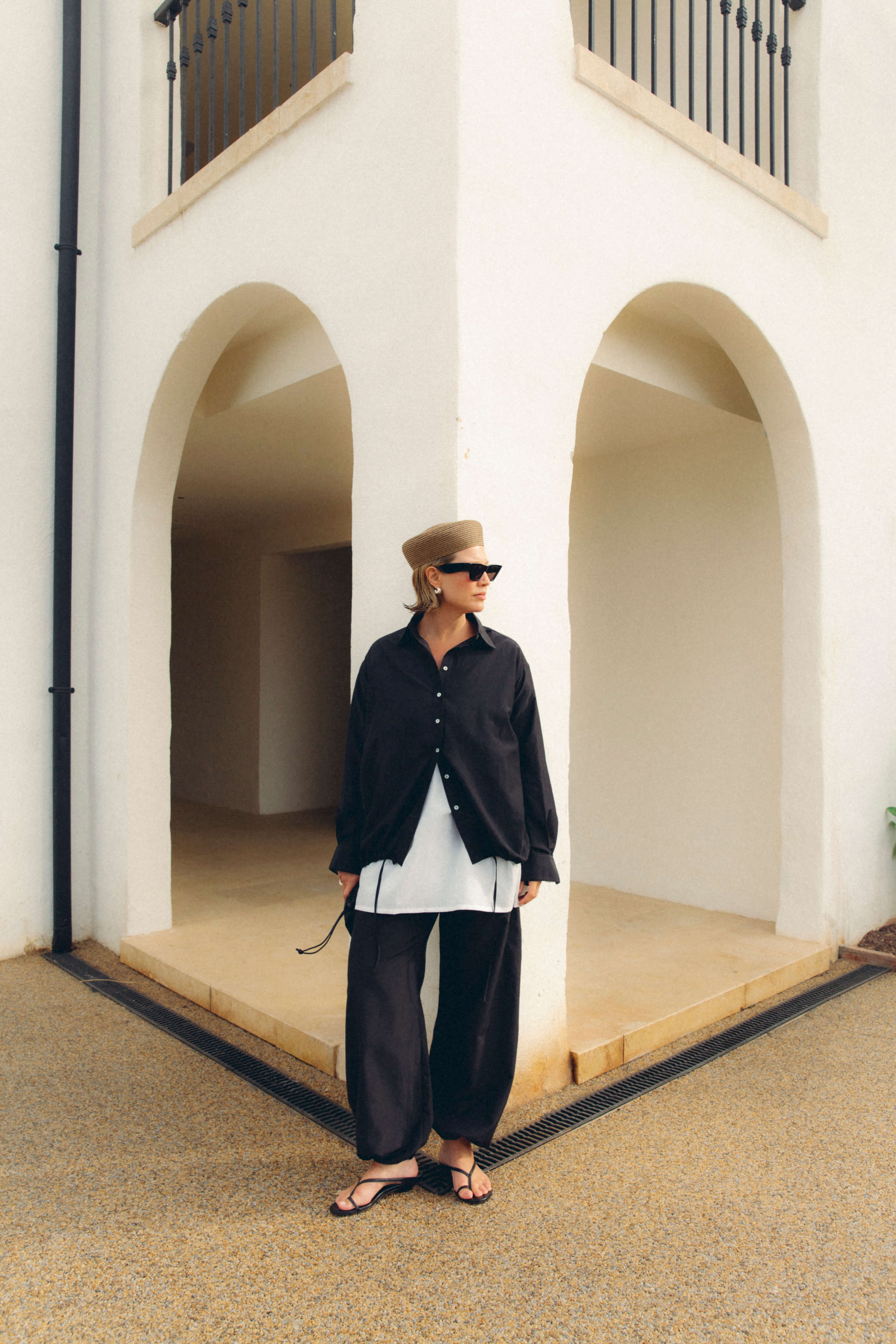

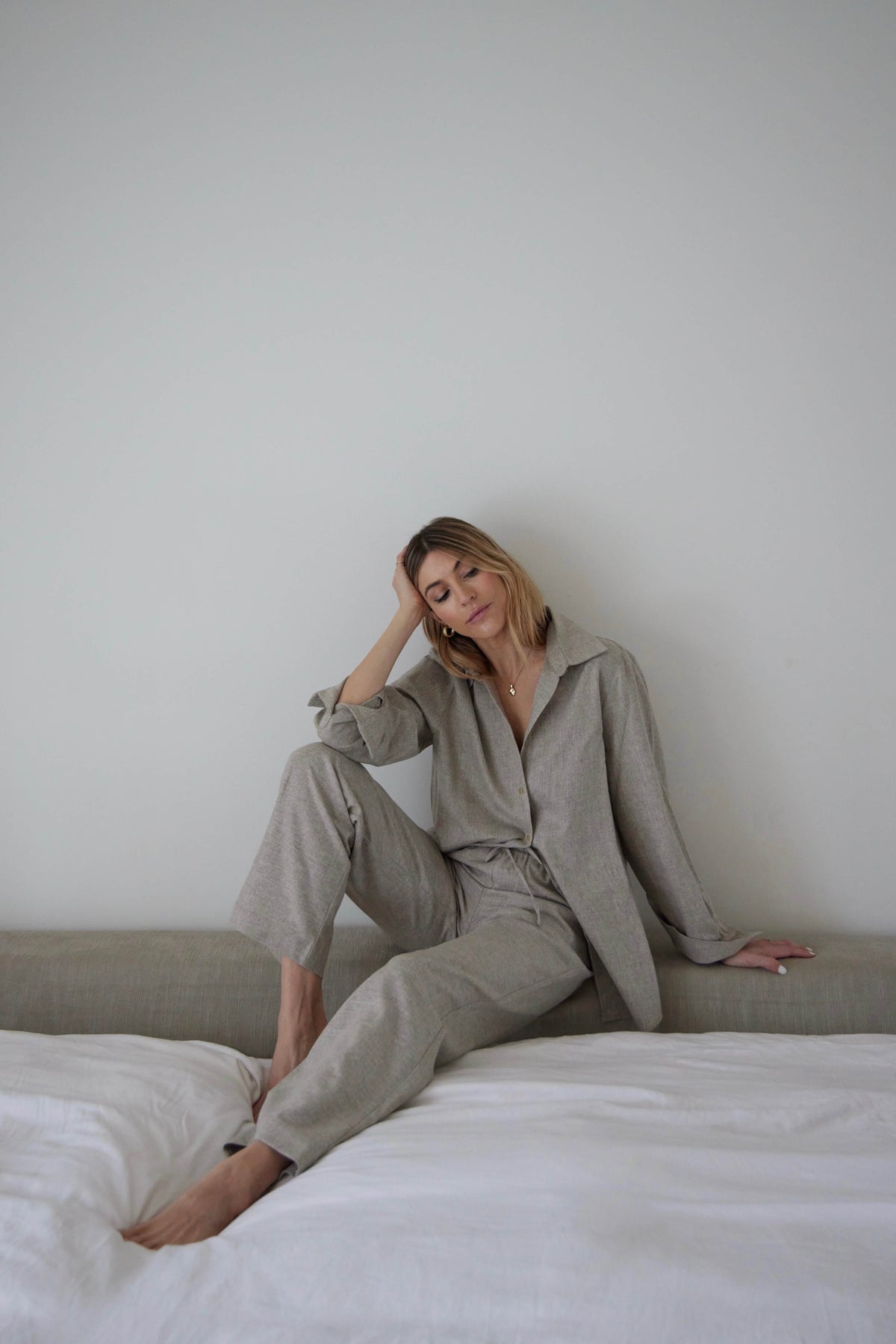
10 Ways to Achieve the Perfect Pyjama Top Fit Under a Blazer
A pyjama top worn beneath a blazer can feel effortlessly chic, yet when the fit is wrong it can look unpolished. Do you find yourself facing gaping fronts, bulky shoulders or mismatched proportions when you try this pairing?
This guide covers ten practical areas, from selecting the right silhouette and fabric weight to checking shoulder, bust and length, so your layers sit cleanly and flatter your shape. Use these steps and subtle tailoring adjustments to minimise bulk, preserve drape and ensure the pyjama top reads as a considered layer rather than a wardrobe afterthought.

1. Choose your look for the occasion and setting
Begin by deciding the occasion and the message you wish to convey. A neatly buttoned pyjama top beneath a structured blazer reads professional, while a relaxed silk top paired with an unstructured blazer reads evening social. Consider the relationship of silhouettes: with a tailored blazer, tuck the top or choose a slimmer cut to avoid bulk; with an oversized blazer, let the top sit slightly looser or half-tuck to preserve proportions. Allow those choices to inform fabric, finish and fastening so the ensemble feels deliberate and harmonious rather than accidental.
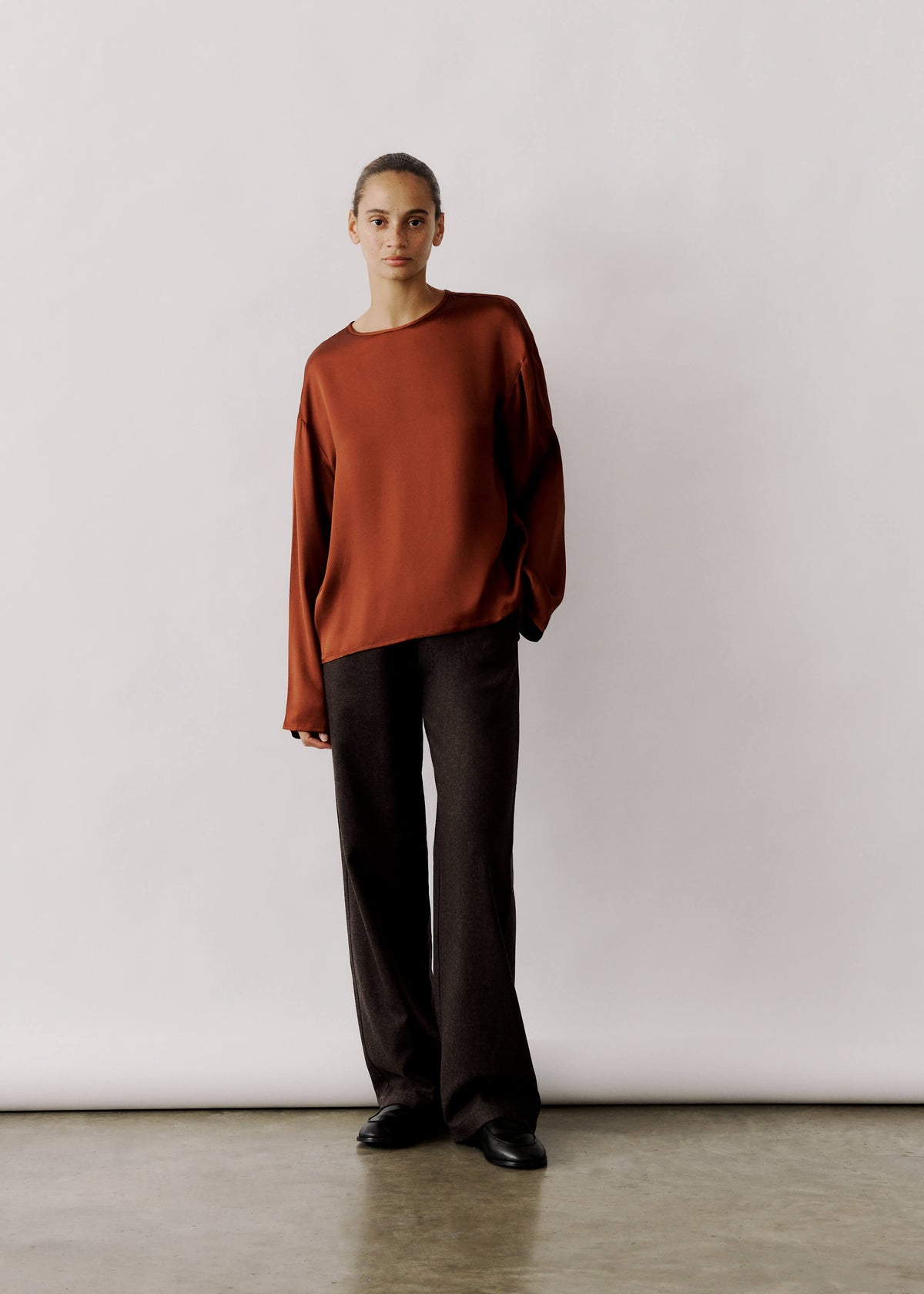
Consider fabric weight, drape and opacity. Heavier, more fluid fabrics sit smoothly beneath a blazer to create a dressier line, while crisper or textured weaves lend a more casual structure. Address transparency with a fine camisole or by choosing a lined piece so the silhouette remains intact. Choose neckline and fastening for both coverage and practicality: a fully buttoned front offers neat control, a deep V or camisole base produces a relaxed opening, and adjusting a single button can shift the look from the office to evening. Plan colour, pattern and texture so the pieces read as a cohesive outfit — opt for tonal matches for subtlety, contrasting textures for interest, and keep pattern scale compatible with the blazer’s proportions, then finish with a single accessory to tie the elements together.
Choose a relaxed linen top to balance structured blazers

2. Assess the blazer's structure and proportions
Begin by examining the blazer's shoulder construction and how it shapes the upper frame. Pronounced shoulder pads or a defined seam will widen the silhouette, so opt for a slimmer, non-bulky pyjama top and lift your arms to check for any pulling or gathering. Button the blazer and note where the hem falls in relation to the pyjama top. A top that extends below the blazer hem will visually lengthen the torso, while a tucked or cropped top creates a cleaner waistline. Experiment with half-tucks and shortened lengths to refine proportions. Finally, consider lapel width and how the neckline interacts with the pyjama top. Wide lapels or a deep V reveal more of the top and shift the visual centre, so choose a placket or neckline that lies flat to avoid competing focal points.
Assess sleeve width and cuff details by moving your arms through a few natural motions. If the fabric gathers, narrow the upper sleeve, roll the cuff neatly, or push blazer sleeves to three-quarters to create a deliberate layered cuff. Balance the silhouette by pairing volumes thoughtfully: boxy blazers with streamlined pyjama tops, and tailored blazers with slightly relaxed tops. If volumes still compete, cinch with a belt or fasten a single button to redefine the waist and restore cleaner lines. Throughout the fitting, move and pose to ensure the combination does not pull, gap or bulk; a comfortable, unfettered silhouette is the clearest sign of a harmonious layered fit.
Try a cropped linen jacket to refine blazer-to-top proportions.

3. Choose a pyjama top silhouette to flatter your figure
Common pyjama-top silhouettes, including camisole, button-through, wrap, oversized and cropped, each interact differently with a blazer's structure. A lightweight camisole minimises shoulder bulk beneath a fitted blazer; a button-through sits neatly under classic tailoring; a wrap defines the waist; and an oversized top introduces intentional volume best paired with a relaxed blazer. When trying tops on, align the pyjama top shoulder seams with your natural shoulders, check the sleeve width within the blazer armhole and fasten the blazer to reveal any pulling or gaping at the chest and hips. These simple checks will show whether a silhouette complements your blazer or if you should adjust proportions or choose an alternative style.
Balance proportions by tucking a longer pyjama top into tailored trousers to define the waist, leaving a tunic-length top untucked beneath a longline blazer to create an elegant column, or pairing a cropped top with high-waisted bottoms to avoid a top-heavy silhouette. Mind necklines and lapel width: deep V and camisole necklines sit neatly within narrow lapels; high necks work best with an open blazer to prevent crowding; soft or collarless tops help maintain lapel shape. Consider fabric drape and structure, favouring fluid, low-bulk fabrics under structured blazers and choosing slightly structured tops for relaxed jackets so layers hold their intended silhouette. Always raise your arms and move through typical gestures to check for tightness at buttons and cuffs, as a static fit can fail once you bend or reach.
Tuck into tailored trousers to define your waist.

4. Prioritise fabric weight and drape for lasting elegance
Assess weight and drape at home by lifting the pyjama top from one shoulder and allowing it to fall. Notice whether it skims your frame, settles into soft ripples or holds a defined shape; these visual cues will show how it is likely to sit beneath a structured blazer. Rely on what you see rather than fabric labels, and opt for a top whose silhouette complements the jacket to create a coherent line. This simple check will help you shortlist pieces that layer with ease.
Try a movement and sitting test while wearing the blazer: fasten a button, raise your arms and sit. Observe any straining at the seams, visible lumps or billowing at the hem, as these are signs of incompatible weight or stiffness. Match the fabric's behaviour to the look you want. Fluid, slippery textiles such as light silk or viscose create a sleek, uninterrupted line with fitted blazers, whereas crisp, mid-weight weaves like cotton poplin or crepe lend structure and a defined edge to open or relaxed jackets. Check surface friction by feeling how the layer beneath the blazer slides against the lining; smooth, low-friction finishes tend to stay neatly tucked, while textured knits are more likely to catch and bunch. Pre-wash or steam a sample and reassess it under the blazer, since laundering and humidity can soften or stiffen fabrics and alter their long-term performance.
Choose lightweight organic cotton for smooth under-blazer drape

5. Check the fit at shoulders, chest and overall length
Begin by aligning the pyjama top's shoulder seam with the natural edge of your shoulder. If the seam sits forward it will add bulk beneath a blazer; if it droops it will pull fabric across the chest and create horizontal lines as you move. Fasten the top, then do up the blazer and examine the fit around the buttons and darts for pulling, gaping or diagonal creases. Subtle horizontal folds indicate sufficient ease, whereas taut lines suggest you may need a larger cup or a different cut. Sit, stand, reach forwards and lift your arms to the side to assess movement. If the top rides up, binds at the shoulder or causes the blazer to crease, the restriction is likely at the sleeve head, the armhole or the back yoke.
Check how the pyjama top's hem sits against the blazer. If it falls well below the jacket it will peek out awkwardly, while a hem that finishes at the blazer waist can create an unflattering double-waist. Aim for a length that either tucks cleanly into the blazer or sits neatly beneath it without bunching. Inspect sleeve and shoulder construction, favouring smooth sleeve heads and narrow shoulder seams over bulky seams or pads, since a slim sleeve cap layers without distorting the blazer's lines. If the pyjama top has heavy seams or excess fabric at the shoulder, consider a gentle tailoring adjustment or choose a style with a neater sleeve cap to preserve the blazer's silhouette.
Choose a straight-cut shirt for smooth blazer layering

6. Adjust sleeve length and refine cuff fit for comfort and drape
Measure sleeve length with the blazer on and aim for a discreet reveal of around half to one centimetre of pyjama cuff beyond the blazer sleeve. A modest cuff peek suggests intentional layering; excess length will bunch and restrict movement, so measure and adjust rather than guessing. Match cuff style to the blazer: narrow, buttoned or plain cuffs sit neatly beneath a tailored armhole, while wide, ruffled or deep cuffs create bulk. If a pyjama cuff overwhelms the blazer, reduce its depth by folding the cuff back, removing surplus fabric, or opting for a slimmer closure.
For a smooth, elegant layered look, taper pyjama sleeves at the underarm. This can be achieved with a small lengthwise tuck or by asking a tailor to make a neat alteration. Silk and satin are naturally slippery and benefit from narrower cuffs or internal stops; jersey stretches and may need a more pronounced taper, while heavier fabrics can create bulk beneath the elbow. Choose discreet, reversible fixes to prevent slipping—hand-tack the pyjama sleeve to the blazer lining at a few inconspicuous points, add small snaps inside the cuff, or insert a slim elastic loop; each method can be removed for washing or different outfits. Select the cuff finish and any modifications with both friction and drape in mind so the layered silhouette remains smooth in motion.
Choose lightweight cotton pyjama trousers for neater cuffs.

7. Harmonise collar and lapel with your pyjama top
Begin by aligning the collar scale with the lapel width. Stand before a mirror and note where the collar points sit against the blazer: narrow lapels are best paired with slim, flat collars, while broader lapels are balanced by wider, more open collars. If the collar projects beyond the lapel, tuck it under or opt for a smaller collar to preserve a clean line. Let the neckline echo the blazer opening: unfasten one or two buttons to create a V that nestles within the lapel, or fasten a band collar when the blazer is closed so collar and lapel form a continuous, flattering line towards the face.
To reduce bulk and keep soft fabrics sitting where you want, press silk or viscose collars and add lightweight interfacing or stays. Anchor them with discreet tacking stitches or a small safety pin hidden inside the shoulder seam. Consider pattern scale and colour at the collar: small prints read as texture beneath plain lapels, while larger motifs can compete. Step back an arm's length to judge whether the collar draws the eye or distracts from the blazer's silhouette. Match collar shape to lapel style for visual cohesion by pairing shawl or open lapels with smooth, rounded camp collars, notched lapels with classic notched pyjama collars, and peak lapels with sharper spread collars. Photograph the combination to check whether the collar edges echo the lapel lines and create a balanced frame for the face.
Wear silk to achieve sleek, shapeable collars.

8. Balance proportions with considered layers for a refined silhouette
Choose a fitted or semi-fitted pyjama top, or tuck a slightly longer one into high-waisted trousers, to create a defined waist and prevent a blazer from appearing boxy or adding bulk under structured shoulders. Match the blazer length to the top and trousers: with a shorter blazer, tuck in or opt for a cropped pyjama top to accentuate the waist; with a longer blazer, leave the top untucked or try a subtle front tuck to preserve a long, uninterrupted line. Contrast fabric weight and silhouette by pairing a billowy silken top with a structured blazer and slim trousers, or balance an oversized blazer with a close-fitting top so the ensemble does not look overwhelmed.
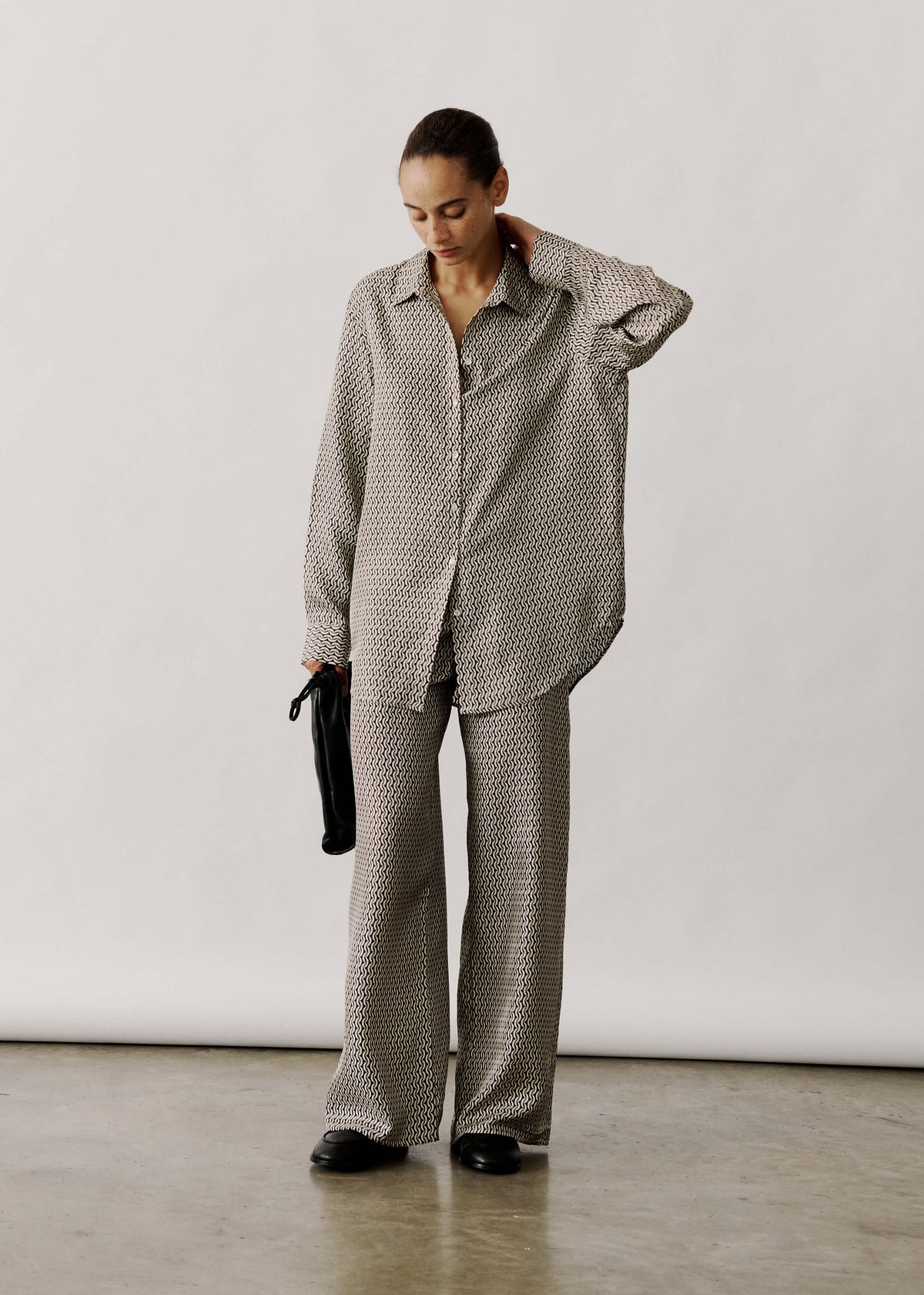
Soften sleeve and shoulder proportions by sliding blazer sleeves to three-quarter length to reveal pyjama cuffs and wrists; this subtly lightens the upper arm. Alternatively, choose a top with shorter sleeves to avoid layered bulk at the elbow. Manage print scale and colour to control visual weight: opt for small-scale prints or tonal palettes to allow the pyjama top to recede beneath a long blazer, or pair a bolder print with a neutral blazer to anchor the look. Aim for print motifs approximately the size of the palm to keep proportions balanced and protect the blazer's tailored lines from feeling overwhelmed.
Anchor bold prints with tailored charcoal trousers.

9. Fine-tune the fit with subtle tailoring and minor alterations
Take the pyjama top to the fitting with the blazer and the undergarments you would normally wear. Button the blazer and test arm movement and seated posture, marking any places where the fabric puckers, gaps or bunches so you capture fit issues beyond a static pose. Before committing to permanent alterations, preview changes with quick, reversible adjustments such as basting pinches, hand-stitched tucks, discreet snaps or reduced shoulder padding to see how the top behaves beneath the blazer. From those trials, specify targeted alterations: take in the side seams or add darts to remove excess volume through the torso, narrow the sleeve seams to avoid bulk at the cuff, shorten the hem to ease gathering at the waist, or reposition fastenings to prevent gaping at the front.
Before committing to permanent alterations, examine the fabric and construction carefully. Check seam allowance, linings and weave stability, since slippery silks, heavy embellishment or garments with minimal allowance often require stabilising or will limit what a tailor can achieve. Ask the tailor to leave extra seam allowance for future letting out, and reinforce high-stress points such as buttonholes and underarm seams to ensure longevity. Once altered, test the top with the blazer through the full range of your normal movements, and put the garments through a gentle wash or steam to confirm the new fit holds. These precautions help turn trial results into dependable, long-lasting alterations that reflect how the blazer will actually be worn.
Pair with a lightweight cotton shirt for smoother layering.

10. Preserve shape and drape with gentle home care
Begin by sorting pyjama tops by fibre, separating silk, viscose, satin, cotton and synthetics. Handwash where possible or choose a gentle machine cycle with cool water and a mild detergent, since hot water, strong detergents and chlorine bleach can break down fibres and stiffen the drape. Reduce mechanical stress by placing delicates in a mesh laundry bag, selecting a low spin speed and removing items promptly to minimise friction and pilling that sap a garment's fluidity and alter its silhouette. Turn pieces inside out to protect finishes, and finish with steam or a low iron through a press cloth to relax fibres without compressing the yarns that give the fabric its natural fall.
Reshape pyjama tops while still damp, easing seams and collars back to their intended lines before drying. Lay knits and silks flat to dry where possible, and hang lightweight woven tops on padded hangers to protect the shoulders, since gravity and prolonged hanging can cause permanent stretch. For a quick refresh, use steam rather than direct heat, which can flatten yarns and alter the drape. For long-term storage, fold garments into a breathable cover, rotate wear to avoid set creases, and tend to small pills or snags promptly with a fabric comb or gentle stitching to preserve the original silhouette.
Layering a pyjama top under a blazer works best when silhouette, fabric weight and proportion are carefully balanced, as these determine whether layers sit smoothly or add unwanted bulk. Pay attention to shoulder alignment, chest ease, sleeve length and how the collar moves with each turn; small, considered adjustments will transform a mismatched pairing into an elegant, well-composed outfit.
Refer to the ten focused checks for silhouette, drape, tailoring and care to identify the single alteration that will transform the fit. Make small, reversible changes, assess the blazer as you move, and look after pyjama tops so layered outfits retain their shape and read as deliberately styled.

Leave a comment
This site is protected by hCaptcha and the hCaptcha Privacy Policy and Terms of Service apply.