
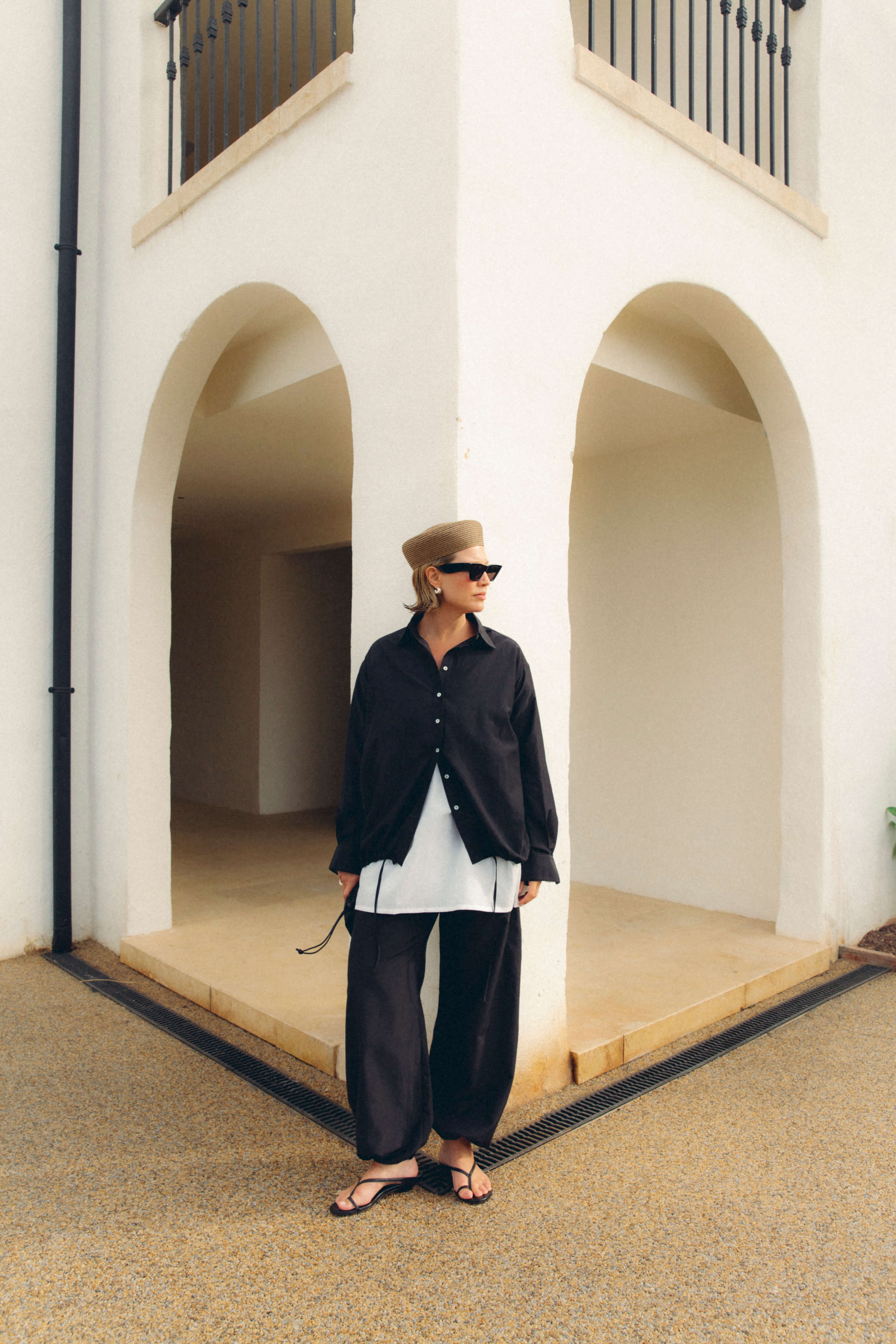
5 Fit and Proportion Rules for a Polished Blazer and Pyjamas Look, Not Costume-like
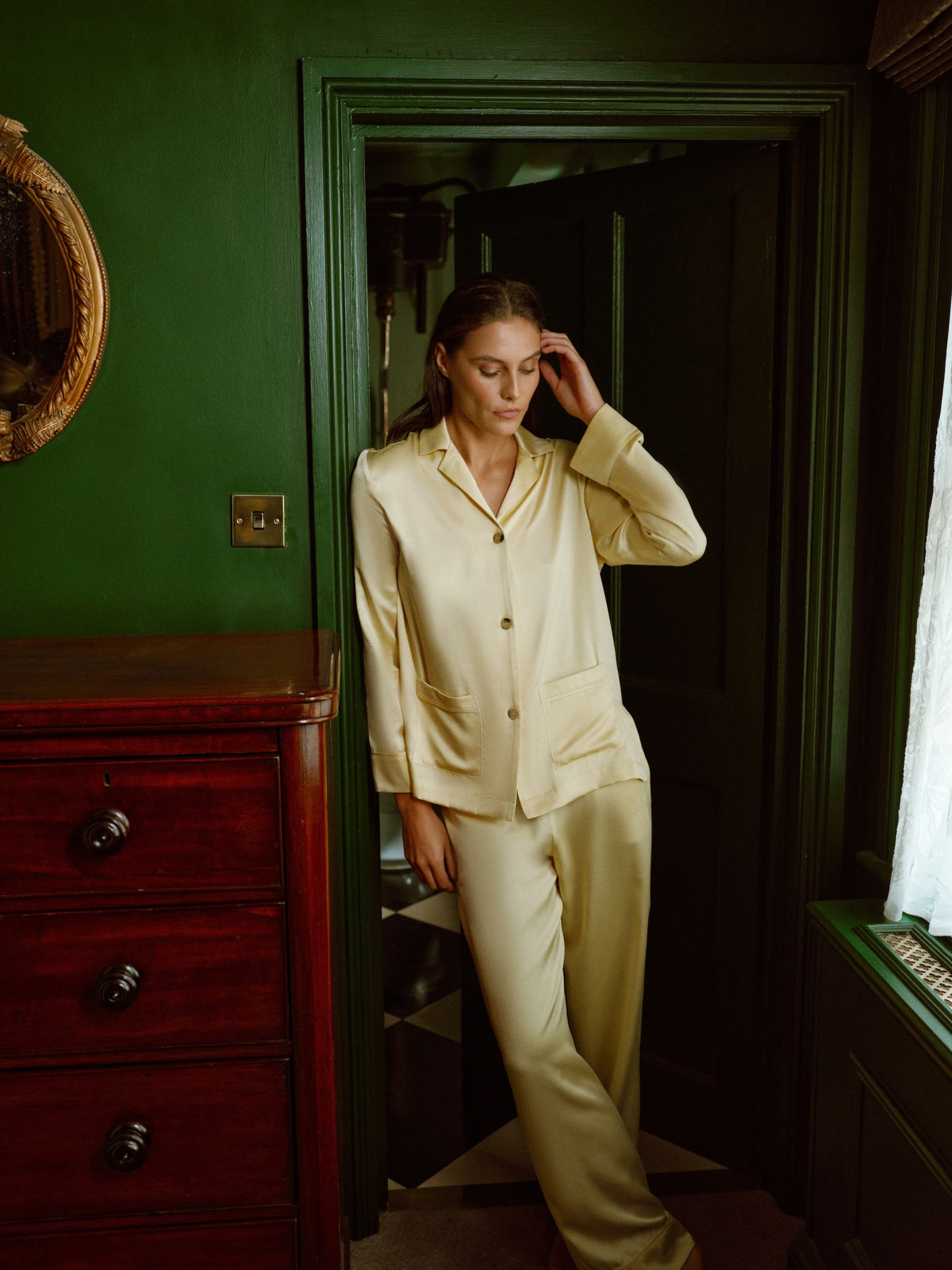
Pyjamas worn as outerwear can read as effortlessly chic or verge into theatricality. How do you retain relaxed comfort without losing a sense of considered polish?
This post sets out five practical rules for fit and proportion: choose a structured blazer to ground pyjamas; refine the silhouette through considered waistline and closure choices; ensure jacket length complements trouser proportions; attend to print scale, colour palette and fabric weight to create overall harmony; and finish with thoughtful tailoring, footwear and accessories. Apply these subtle, actionable refinements to ensure the ensemble reads as intentional, elegant dressing rather than a costume.

1. Pair pyjamas with a structured blazer for polished daywear
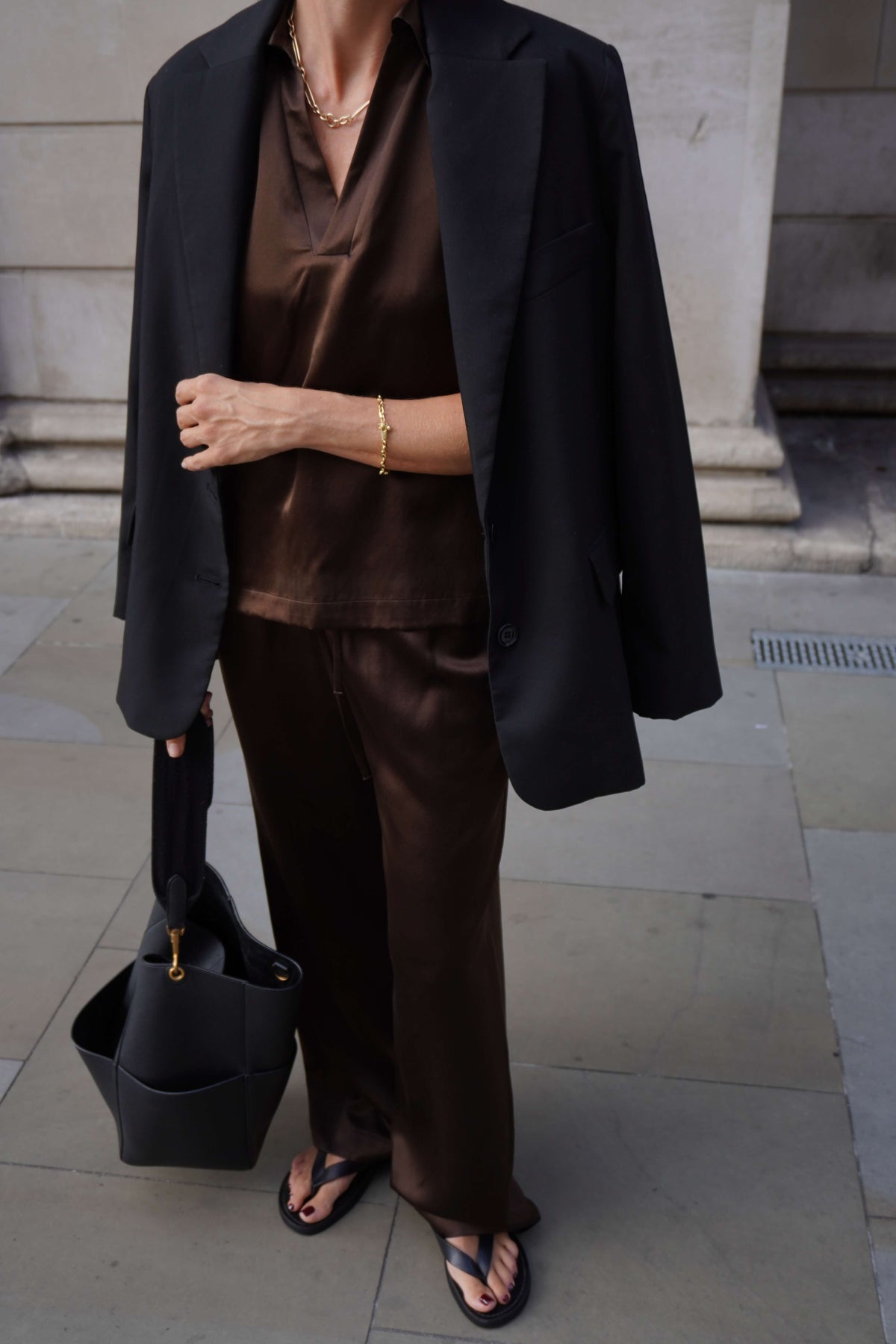
Choose a blazer with defined shoulders and light internal shaping so the shoulder line creates a clear frame and lifts the jacket away from fluid pyjama fabrics, allowing the ensemble to read as styled rather than sleepwear. Introduce waist definition by nipping in the jacket or adding a slim belt when wearing loose pyjama trousers; this prevents the silhouette from feeling boxy and keeps top and bottom in harmonious proportion. Pair firmer weaves such as wool, linen or cotton with silk or satin pyjamas to contrast weight and finish, so the heavier pieces hold their shape and establish a deliberate, considered separation.
Consider blazer length carefully: a hip-length jacket or one that falls just below the hip complements tapered pyjama bottoms, while cropped or overly long styles can shorten or overwhelm the silhouette. Check the hem as you walk to judge its balance. Pay equal attention to sleeve length, lapel scale and closure: sleeves should finish at the wrist bone, lapels should be proportionate to the chest, and a single-breasted jacket with a slight nip at the waist tends to read more polished than exaggerated shapes. Try combinations in the mirror and move around to see how proportions shift with posture and motion. Small tailoring adjustments, such as shortening sleeves or altering the hem, will refine the proportions and ensure the ensemble feels purposeful rather than costume-like.
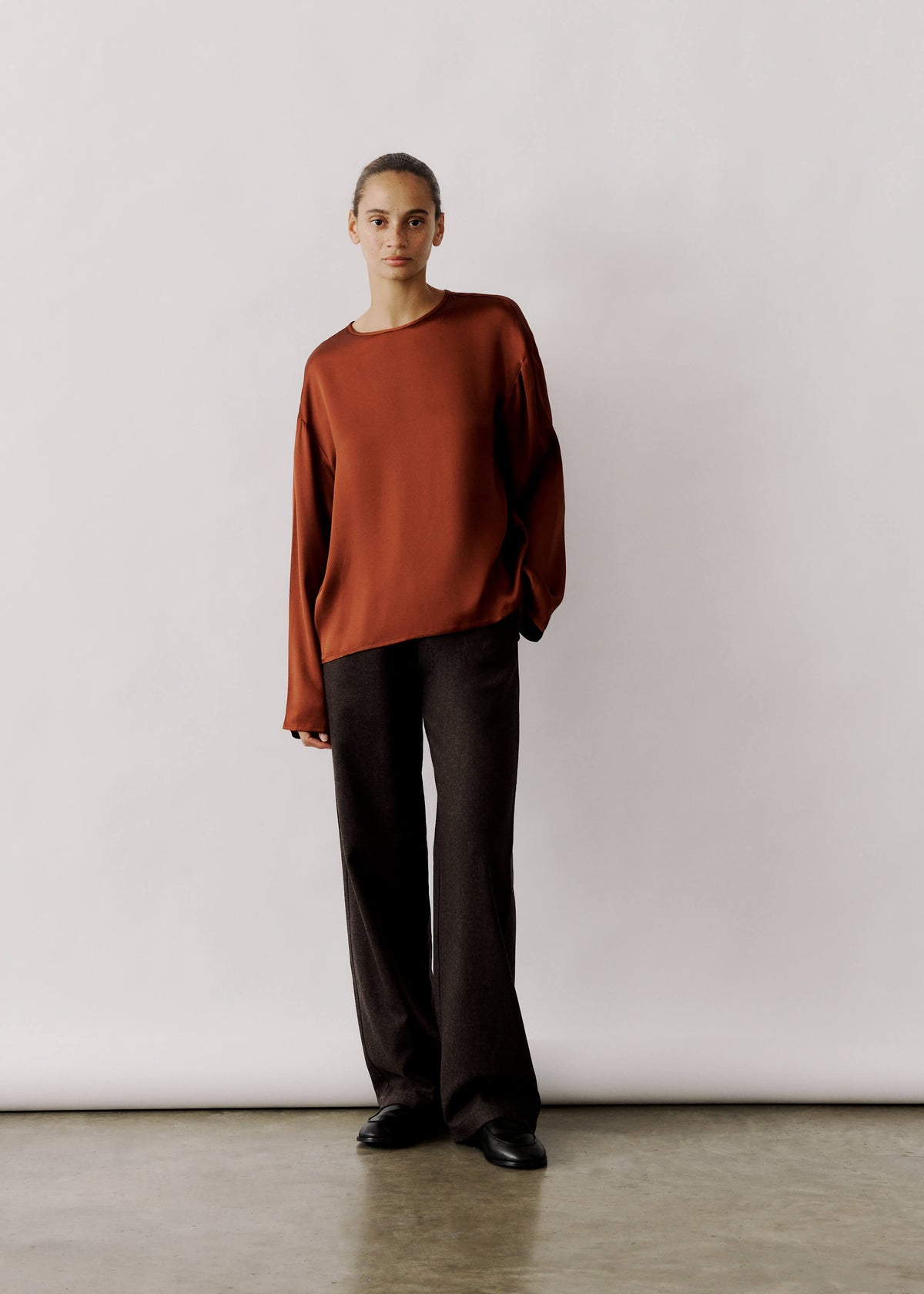
Anchor silk pyjamas with structured wool trousers.

2. Balance proportions with considered waistlines and closure options
Match the blazer hem to the rise of your pyjama bottoms. When a blazer falls below the waist, balance it with higher-rise pyjama bottoms or partially tuck the top to restore leg length. Cropped blazers sit better with mid- or low-rise trousers so the silhouette reads balanced rather than top heavy. Use the blazer fastening to control shape: a single central button or a narrow belt at the natural waist creates an hourglass silhouette, while leaving the blazer open preserves a long vertical line. Assess each option in a mirror to see which shortens or lengthens your torso. Tucks and partial tucks let you fine tune proportion too: a full tuck gives a tailored waist beneath a longer blazer, a half tuck suggests shape without breaking the relaxed pyjama aesthetic, and an untucked top suits blazers that sit above the hip or when you add a waist-defining accessory.
Double-breasted or heavily structured jackets can add horizontal weight through overlapping panels, so balance them with slim pyjama trousers or a defined, cinched waist to avoid a boxy silhouette. Conversely, when wearing wide or voluminous bottoms, favour softer, unstructured blazers so the overall line remains fluid. Finish the look with considered accessories and footwear: a narrow belt or single-button fastening draws the eye to the centre, long lapels or a pendant establish a vertical axis, and heel height or toe shape will lengthen or shorten the leg, so match your shoe choice to trouser length for a coherent silhouette.
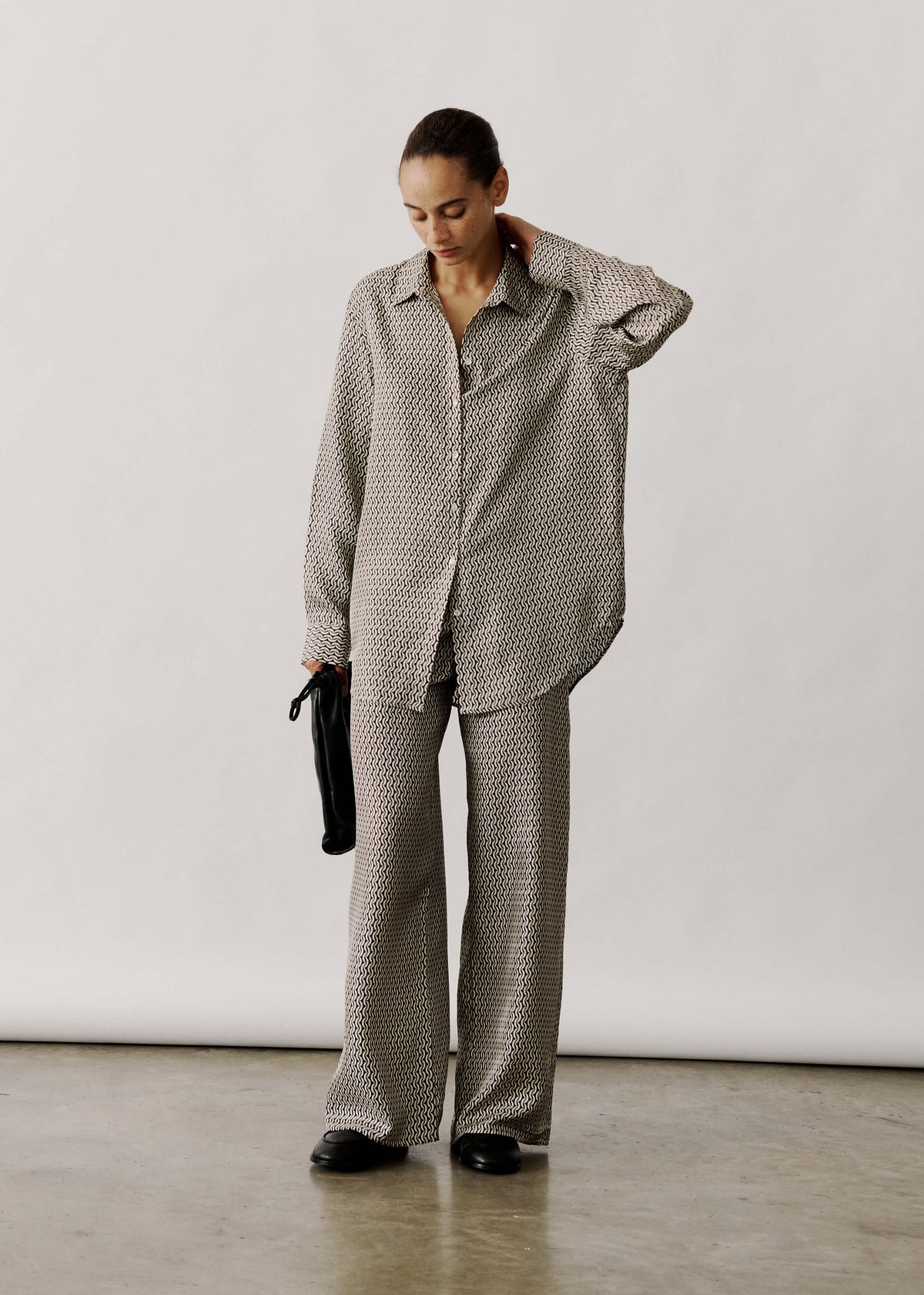
Wear a cropped linen blazer with mid-rise pyjama trousers.

3. Match jacket length to the proportions of the pyjama trousers
Let the blazer hem act as your proportional anchor. For wide, full-length pyjama trousers, allow the jacket to fall to the top of the thigh to stabilise volume. For tapered or cropped pyjama trousers, choose a shorter jacket that ends around the waistband to reveal the waist and lengthen the leg line. Match blazer length to the pyjama rise rather than the leg length: a shorter jacket with high-rise trousers highlights the waist, while a slightly longer jacket that overlaps the waistband creates a relaxed, cocooned silhouette. Consider footwear when deciding how short or long the jacket should be, since flats and loafers shorten the perceived lower leg while heels and platforms extend it and can accommodate a longer hem. Try combinations in front of a mirror to see which proportions accentuate or conceal the midsection, then choose the silhouette that best suits your intention.
Refine the relationship between pyjamas and tailoring with subtle alterations. Raise or lower the buttoning point, shorten or lengthen the hem, or adjust the trouser rise to reveal more or less waistband. Align horizontal lines so the blazer hem meets a natural feature on the trousers, such as the pocket line or the top of the hip, or let the lapels form a continuous vertical line to balance a longer hem. These modest changes redirect where the eye rests and help the outfit read as a single, considered look rather than mismatched pyjamas and suiting.
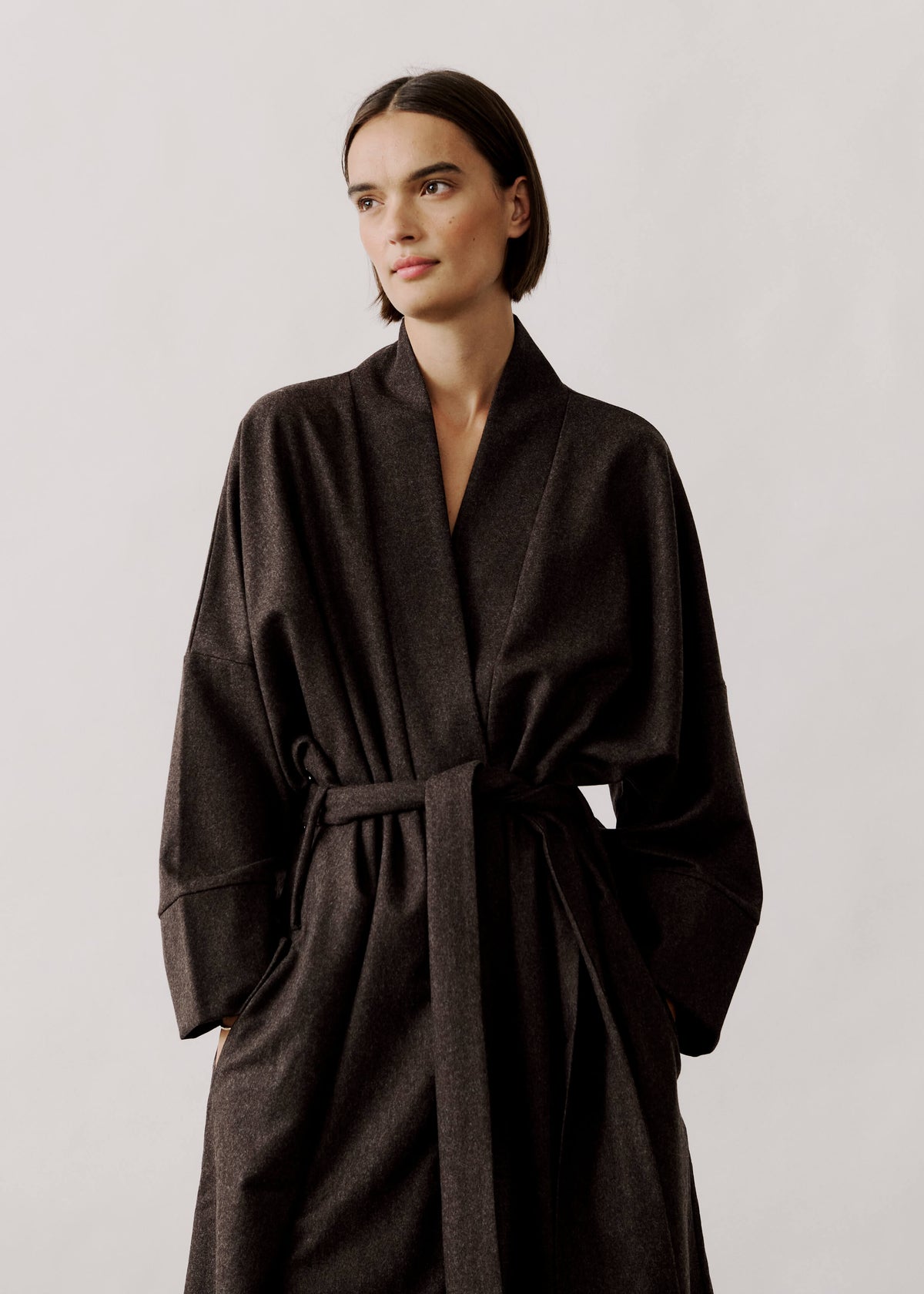
Balance blazer volume with a wide wool trouser.

4. Harmonise print scale, colour palette, and fabric weight
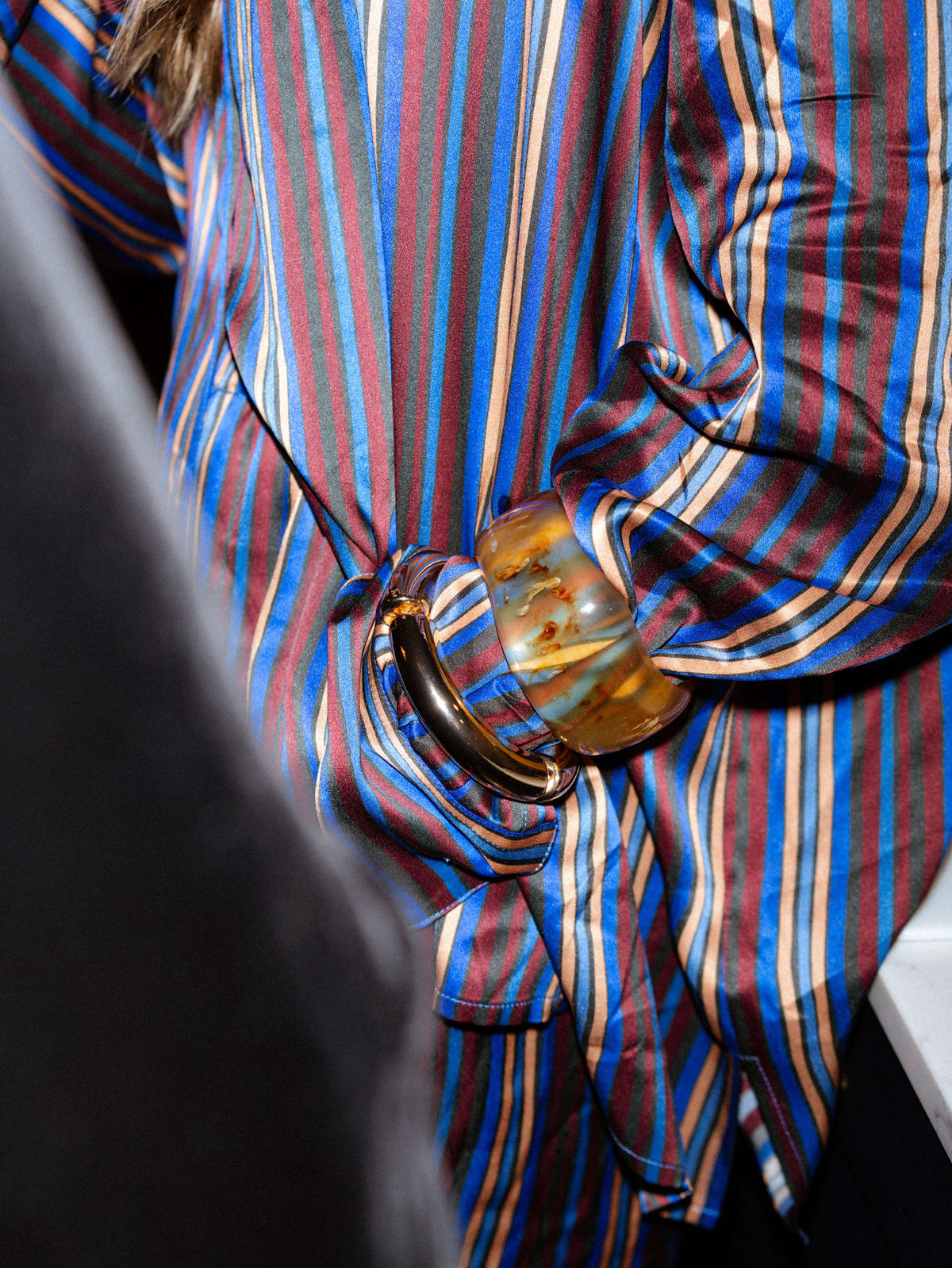
Create a clear hierarchy of print scale by pairing a large, statement print pyjama with a smaller-scale pattern or a solid blazer, giving the eye a considered resting point. Echo one colour from the pyjama print on the blazer and limit the palette to two dominant tones plus a neutral so the combination reads as a thoughtful set. Align warm or cool undertones across fabrics so textures feel intentionally harmonious. Treat fabric weight and drape as part of the visual language: anchor fluid silk or satin pyjamas with a structured, lined blazer to preserve shape, or opt for a wholly fluid silhouette by choosing blazer fabrics with comparable drape and minimal internal structure for cohesive movement.
Adjust blazer proportions to your frame and the pyjama silhouette. A shorter, nipped waist balances wide-leg pyjamas, while a longer, straighter blazer complements tapered pyjama trousers. Check proportions both standing and seated, and observe movement in natural light — walking, sitting and raising your arms — to reveal any pattern breaks, fabric bunching or transparency. Address small issues with subtle details: a plain camisole to smooth the line, a belt to define the waist or sleeves slightly rolled to reveal a lining that echoes the pyjama pattern.
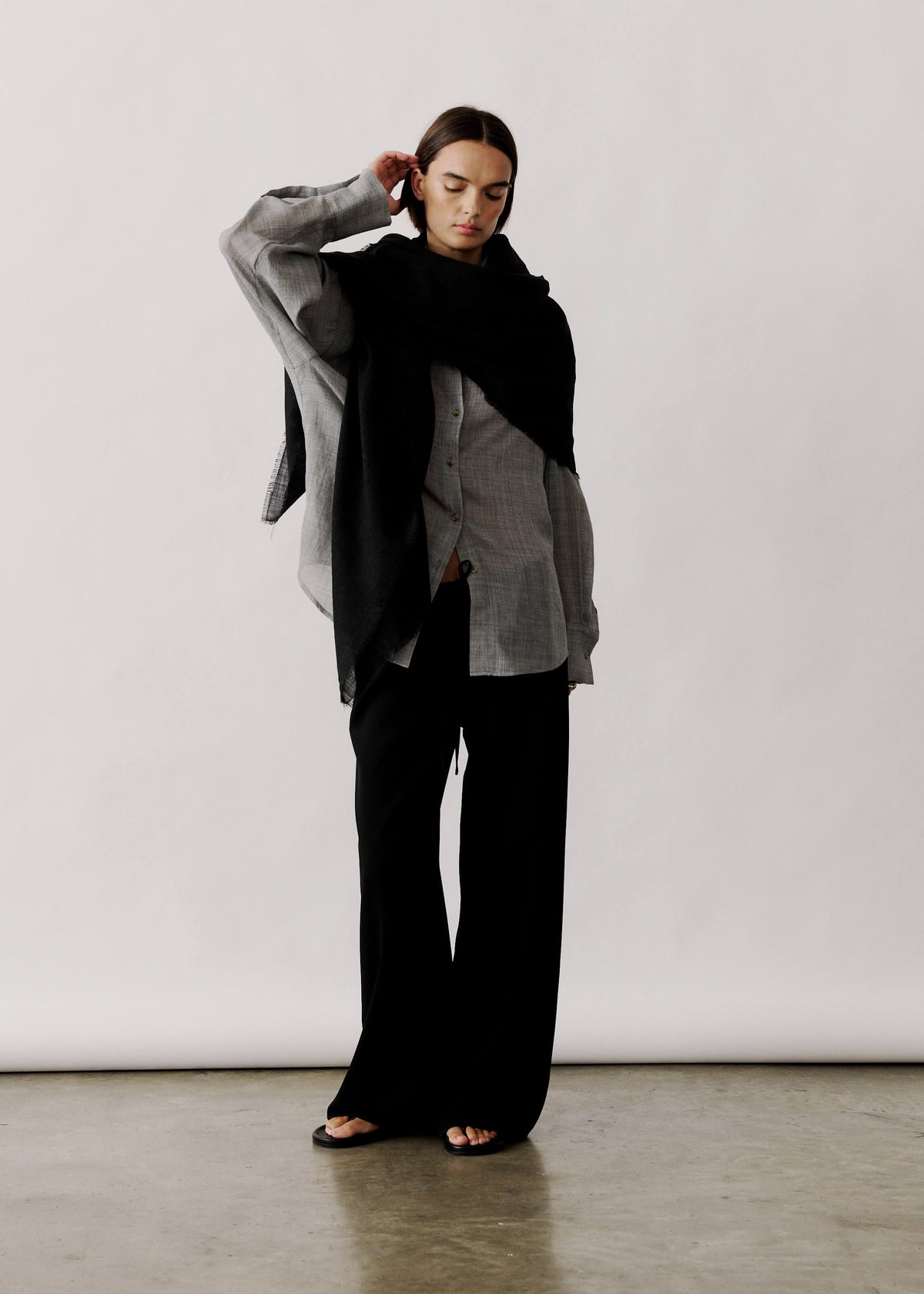
Anchor wide-leg pyjamas with a luxe, structured trouser.
5. Refine the look with tailored pieces, considered footwear and accessories
Attend to three pivot points to ensure a blazer-and-pyjamas pairing feels intentional. Shoulders should lie flat without puckering, the blazer can be gently nipped at the waist to avoid a boxy silhouette, and the trousers should skim the shoe with a minimal break to lengthen the leg. Signal intent by contrasting fabrics and finishes, for example pairing a matte, structured blazer with a silk or satin pyjama top, and vary pattern scale so smaller prints sit near the face while larger motifs appear lower to keep proportions flattering. These subtle adjustments help the ensemble read as considered dressing rather than costume-like.
Choose shoes that anchor an outfit and refine its proportions. Pointed or almond toes create a continuous line; flat loafers or polished trainers offer a grounded feel; a subtle heel provides a gentle lift to the waist and improves the drape. Match the scale of the shoe to the volume of the trouser to avoid visual imbalance. Use accessories to introduce discreet structure: a narrow belt or concealed waist adjuster tidies loose pyjama trousers, a single pendant complements a low neckline, and a small-print pocket square adds polish without fuss. For quick proportion tweaks while wearing the outfit, half-tuck a pyjama shirt, roll or push sleeves back to reveal the cuff, and fasten the blazer at its narrowest point to create an immediate hourglass line.
Pyjama dressing depends on careful proportion, subtle fabric contrasts and anchoring details that distinguish sleepwear from tailoring. A considered balance of structure and effortless fluidity, together with refined closures and the right hemlines, elevates relaxed pieces into thoughtful, versatile outfits.
Use the five headings as a practical checklist: structured blazers; waistline and closure choices; jacket length; print, colour and fabric weight; and tailoring, footwear and accessories. Experiment with combinations to see how small refinements shift the overall impression. Subtle visible adjustments, such as nipping in at the waist, altering a hem, or selecting harmonious colours, make an outfit feel considered and refined rather than theatrical.

Leave a comment
This site is protected by hCaptcha and the hCaptcha Privacy Policy and Terms of Service apply.