
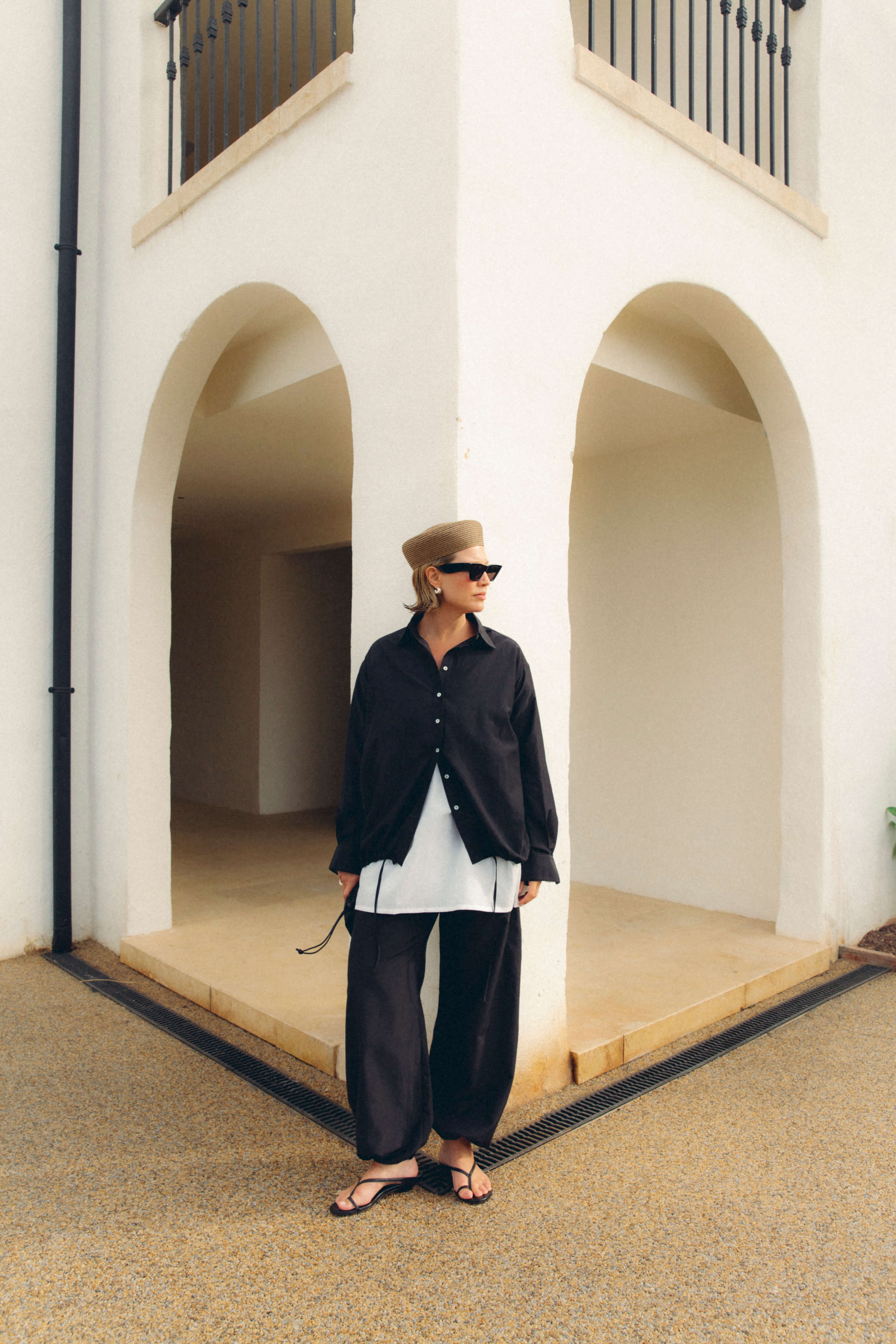


3 Subtle Adjustments to Wear One Belt with a Blazer and Pyjama Top
Have you ever tried to wear a single belt over a blazer and a soft pyjama top, only to find the fabric puckers or the silhouette feels uneven? Small, considered adjustments to the belt style, its placement and how tightly it is fastened can protect delicate fabrics and restore a clean, balanced proportion.
This post explains how to choose a versatile belt by width, material and fastening; how to position and protect a belt when worn over a pyjama top; and how to nip in a blazer to balance proportions and refine the silhouette. Follow these three practical steps to wear the same belt with both pieces confidently, comfortably and with a tailored finish.

1. Choose a versatile belt: consider width, material and fastening
Treat belt width as a way to harmonise silhouette and fabric tension. Narrow belts (around 1.5 to 2 cm) flatter delicate pyjama fabrics without overpowering their drape, medium widths (2.5 to 3.5 cm) are versatile all-rounders, and wider belts (4 cm or more) help stabilise a structured blazer but can cause puckering on silk tops. Match materials to those effects: smooth leather or coated finishes retain their shape under tailoring, while suede or textured leather softens the line. Elasticated inserts or fully elasticated straps accommodate movement and extra layers without digging into delicate fabric. Bear in mind that non-stretch constructions can create unwanted folds, whereas stretch components preserve a top's fluidity.
The choice of fastening determines how a belt sits beneath a lapel and how comfortable it remains when you are seated. Low-profile buckles and concealed clasps lie flat against the body, D-rings or sliding buckles allow fine adjustment, and ties or sashes offer complete customisation of length and tension. Opt for neutral or tonal colours and matte hardware to harmonise with both tailored and relaxed pieces, or match the metal tone to the blazer buttons or pyjama trims to avoid visual clash. Test the pairing in practice by belting the pyjama top, layering the blazer over it and checking hole placement, tail length and whether the strap tucks neatly when the blazer is fastened. Move, sit and lift your arms to ensure the belt preserves the intended silhouette and remains comfortable in real wear.

2. Layer a belt over a pyjama top, gently adjust tension and protect fabric
Experiment with the belt at the natural waist, just above the hips, and at the empire line, watching in a mirror how each placement sculpts your silhouette and alters the way the blazer's lapels fall. For tension, use a simple finger test: tighten until you can comfortably slip one or two fingers between belt and body, then move and sit to ensure seams do not pull and the top does not gape. Centre the buckle and refine the fit so the blazer maintains clean lines while the belt defines shape without adding bulk.
Protect delicate pyjamas where a belt meets the fabric by slipping a narrow strip of lightweight cotton, a length of lightweight interfacing or a folded ribbon beneath the belt, testing the solution first on an inconspicuous area. Keep the belt aligned and the top unharmed with removable anchors such as a few small hand stitches, clear fashion tape, a tiny safety pin or adhesive non-slip dots. Manage excess volume before belting by smoothing, tucking, knotting or doing a partial front tuck so the fabric sits evenly and the belt does not ride up, and allow a little ease for sitting and arm movement so the blazer's drape and the pyjama top's seams remain intact.

3. Cinch a blazer with a belt to balance proportions and refine the silhouette
Position the belt at the natural waist, or a touch higher on longer blazers. Lean gently to one side to find the narrowest point and, if needed, fasten a button to stabilise the fabric. Wrap and tighten the belt until the front panels lie flat without puckering, checking for signs of over-tightening such as gaping at the button, pulled lapels or visible strain lines. Ease the belt until seams lie smooth and the silhouette appears balanced. Align the cinch with existing darts, seams or the waist seam so the shaping feels intentional, and on double-breasted styles place the belt below the front overlap. Finally, sit and raise your arms to test movement and confirm the fit remains comfortable in motion.
Match the belt width to the blazer’s scale and lapel: opt for a narrower strap with structured, tailored jackets and a wider one for oversized silhouettes. Hold the belt against the lapel as a quick proportion test. Fasten the belt over the jacket for a clean external cinch, or secure it internally using loops, a slim elastic keeper or a discreet safety pin to prevent twisting and stabilise the strap. Take fabric weight into account when setting tension: heavier suiting tolerates a firmer pull, while lightweight linen or silk blends require a gentler touch. Choose a neutral texture and low contrast so the same belt shapes the blazer yet sits comfortably over a pyjama top.
Small, considered adjustments to a belt's width, choice of material and fastening will protect delicate pyjama fabrics while gently shaping a blazer's silhouette. Test the belt in motion, shield contact points with a strip of cotton or lightweight interfacing, and set tension with a gentle finger test to avoid puckering and retain comfortable movement.
Choose an adaptable strap, place and anchor it over the top of the jacket, then cinch the garment in line with its seams. These three actions correspond to the headings and work together to balance support, protection and proportion. Test the adjustments on a single outfit to confirm the fit, note which changes preserve clean lines, and use the same checklist whenever you want one belt to translate from relaxed to tailored silhouettes.


Leave a comment
This site is protected by hCaptcha and the hCaptcha Privacy Policy and Terms of Service apply.