
How to Choose the Perfect Print Scale for Pyjamas and Jacket Pairings
Choosing the right print scale when pairing pyjamas with a jacket can transform a casual look into a considered outfit. Should delicate pyjama patterns be paired with subtler jacket motifs, or might bold prints overwhelm a fine silhouette?
This post explores how scale and proportion shape visual balance, how to harmonise print scales between pyjamas and jackets, and how considered silhouette adjustments can resolve common clashes. Use these practical rules and simple styling refinements to pair prints with confidence, whether you favour subtle patterns or striking motifs.

How to master scale and proportion for balanced, elegant interiors
Print scale governs visual weight: at arm's length, delicate prints read as texture, while larger motifs become the focal point. View swatches at arm's length or photograph them to understand how a pattern settles on the body and at typical viewing distances. When pairing pyjamas with a jacket, favour prints at contrasting scales or balance a printed piece with a solid to anchor the look, and keep at least one shared colour to maintain a quiet cohesion.
Match motif scale to silhouette and proportion: choose larger prints for longer garments and relaxed cuts, and finer motifs for tailored shapes and petite frames. Try pieces on and note where principal pattern elements fall so a motif does not land across a focal point. Decide which item should draw the eye, using a bolder, larger print as the dominant element and a subtler print or a solid to support it. Inspect repeat, placement and movement by observing how patterns align over seams and pockets and how they settle when you sit or move, favouring repeats that preserve the motif's integrity and avoid awkward visual interruptions.
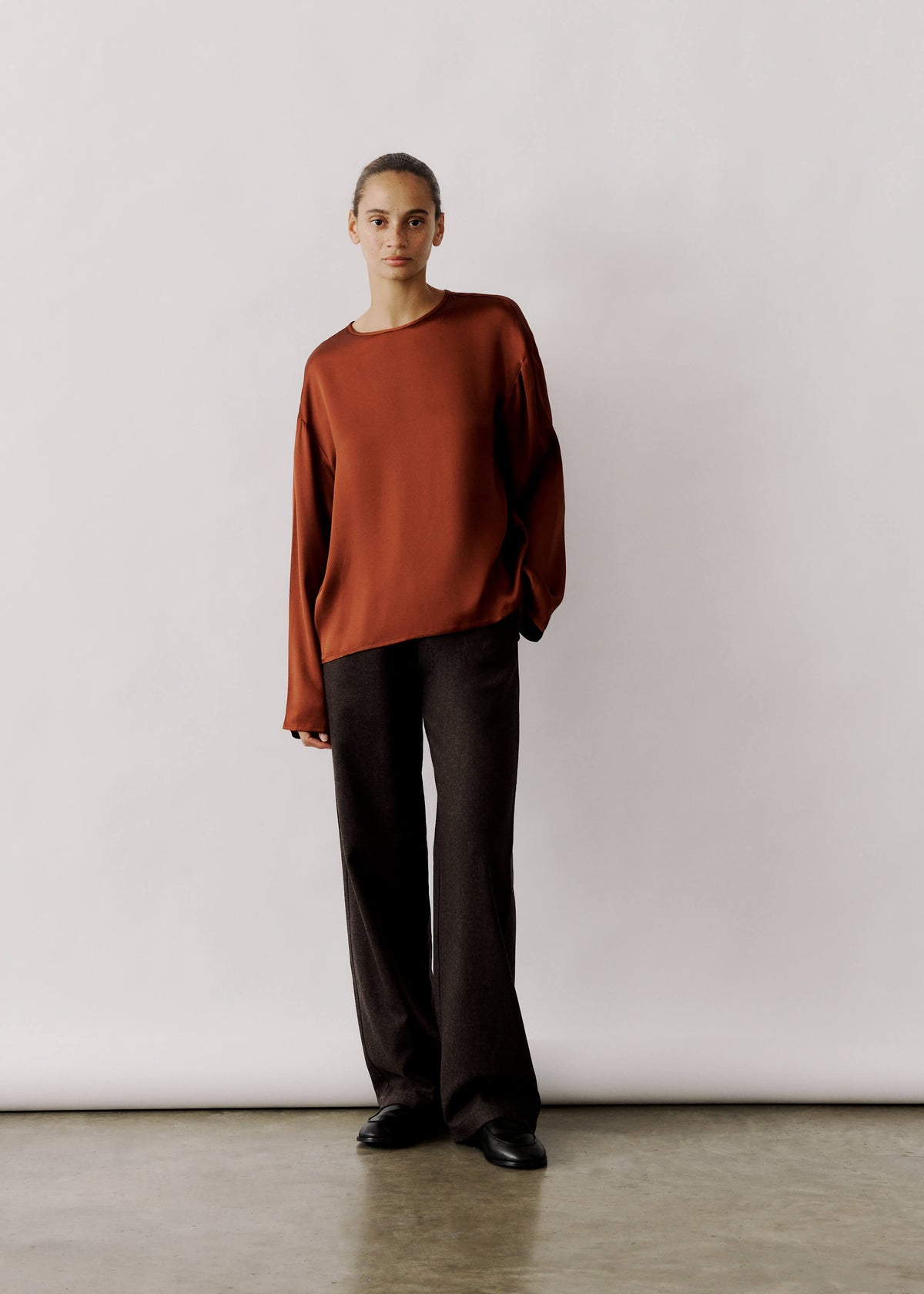
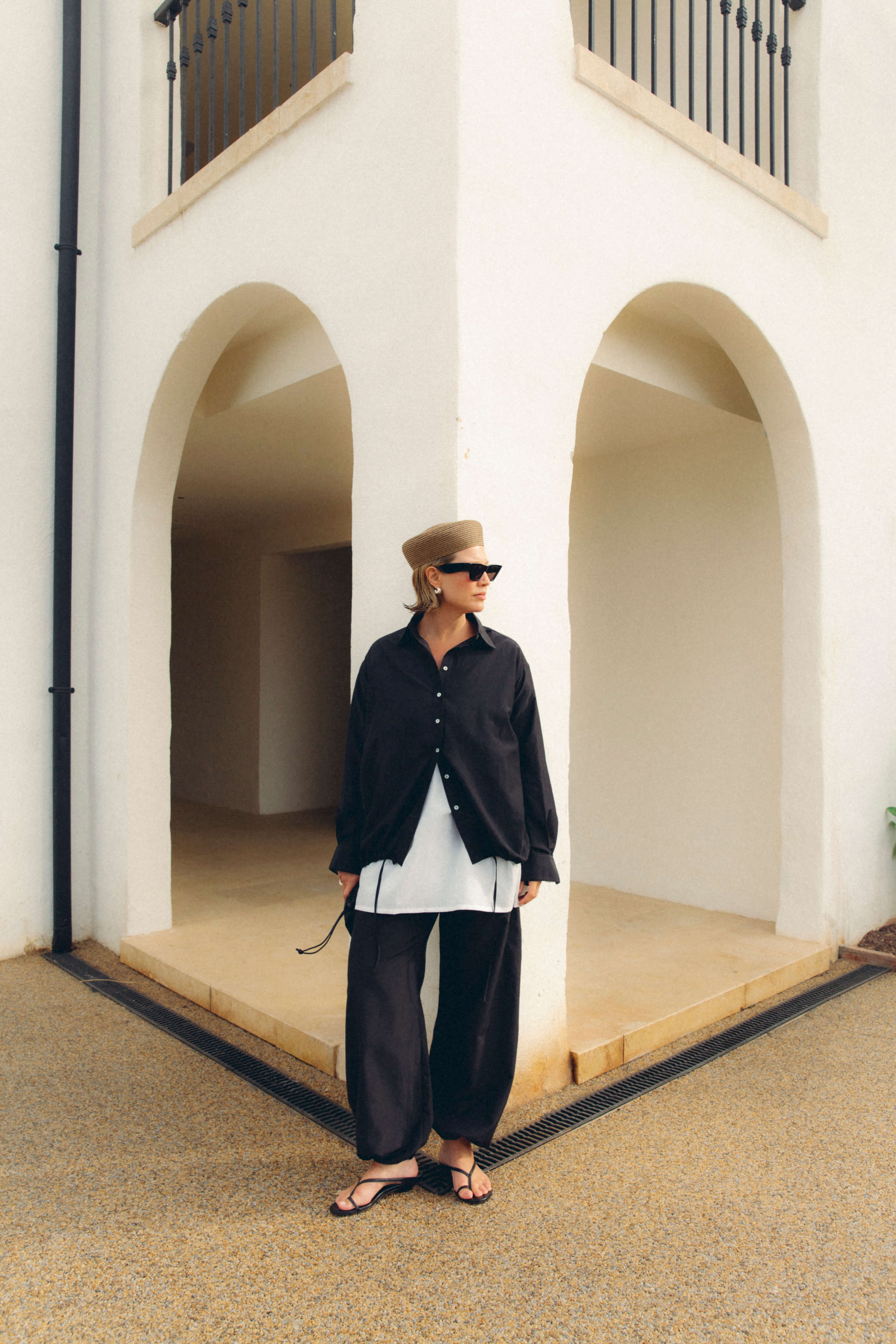
Anchor prints with a crisp white trouser

How to harmonise print scales between pyjamas and jackets
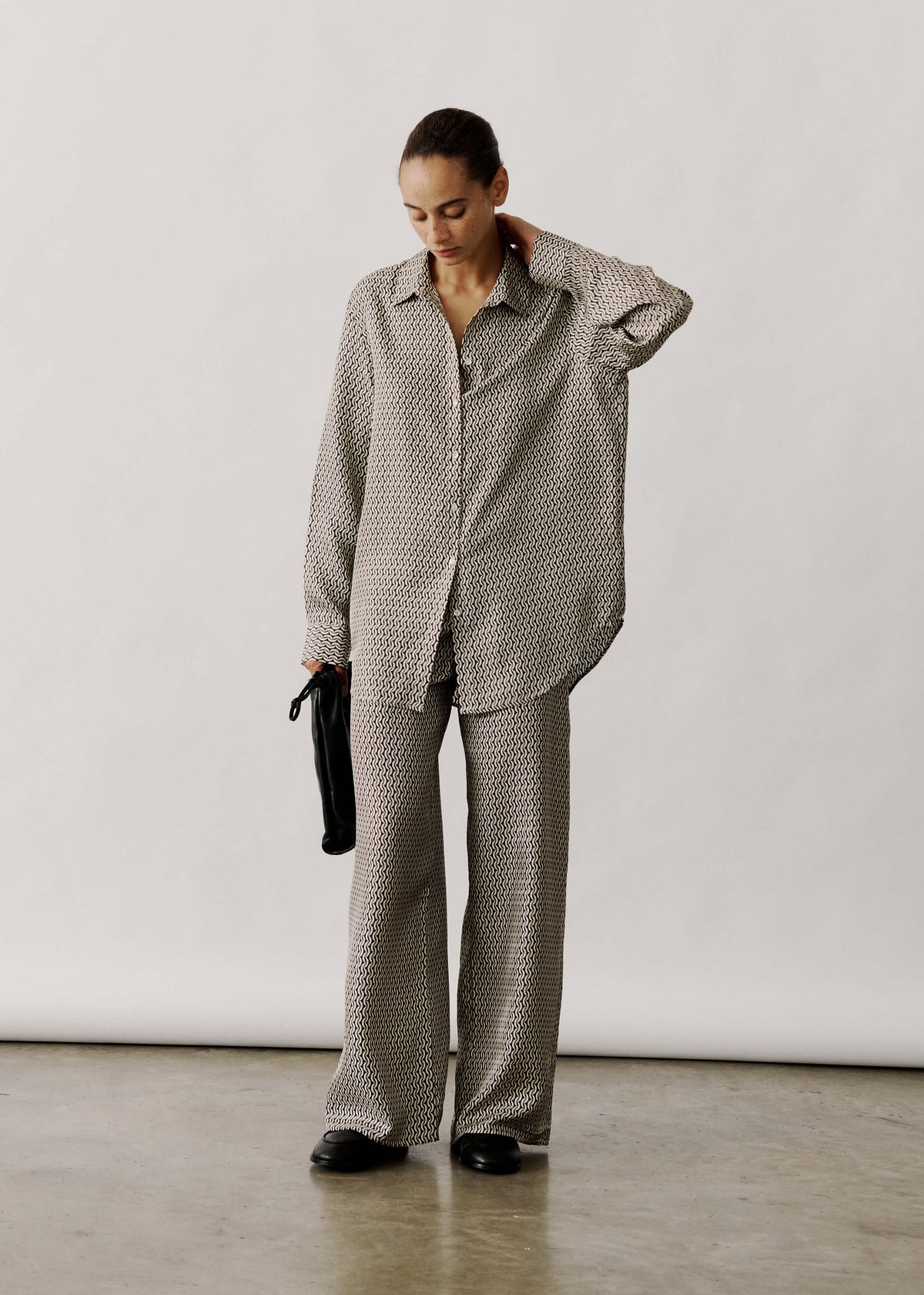
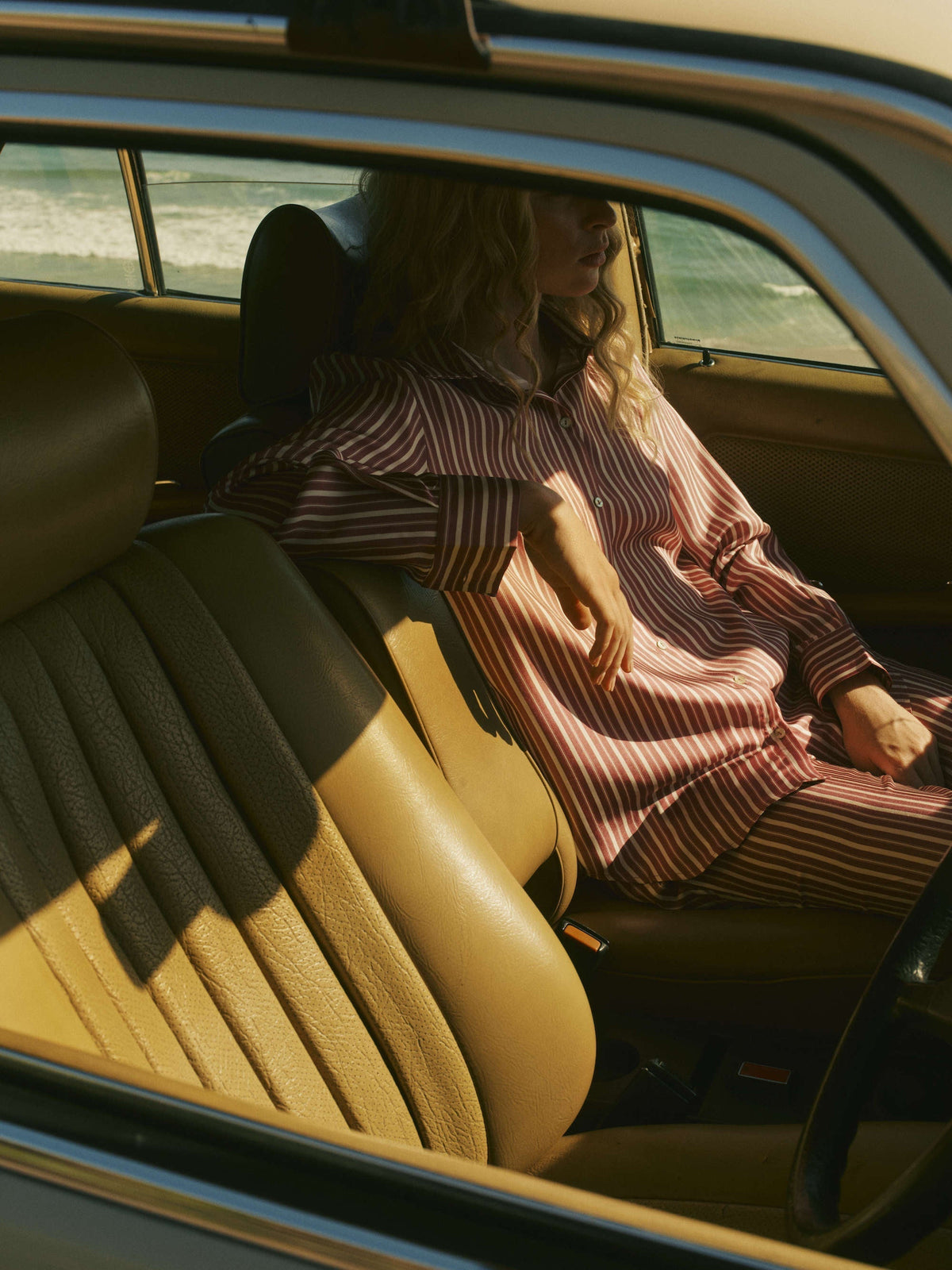
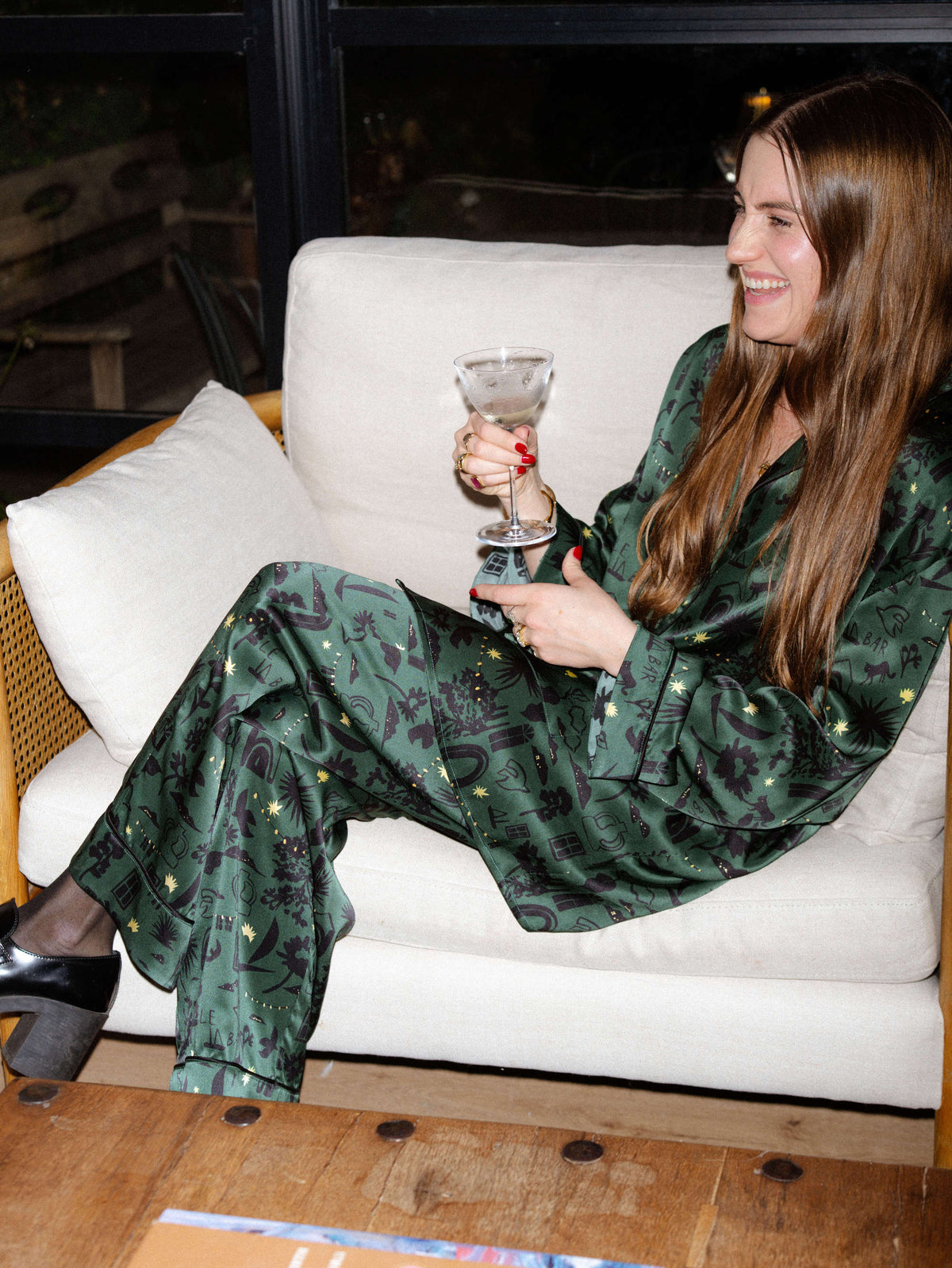
Pair a large-scale, bold jacket print with a small, dense pyjama print so the jacket reads as the focal piece while the pyjamas provide a textured backdrop. Step back or view the look in a photograph to judge which pattern dominates. Decide which garment you want to lead, then choose a supporting print that shares at least one colour, motif shape, or tonal value to avoid visual competition and create a harmonious whole. That contrast in scale allows one piece to guide the eye without demanding an exact match.
Treat the garment as a canvas when positioning repeats: place smaller motifs close to the face or on narrow panels, and reserve larger motifs for broad surfaces such as a long jacket front or roomy pyjama trousers to preserve pleasing proportion. Manage perceived scale through contrast and spacing, since high-contrast motifs read larger, tone-on-tone repeats sit softer, and tightly spaced motifs feel denser than those set widely apart. Before committing, run simple tests by photographing pairings in varied light, and try tucking or layering a neutral piece to settle a busy repeat. Keep one unifying element, such as a shared colour, a recurring motif or a consistent scale, so the look remains cohesive while letting the dominant piece remain the focus.
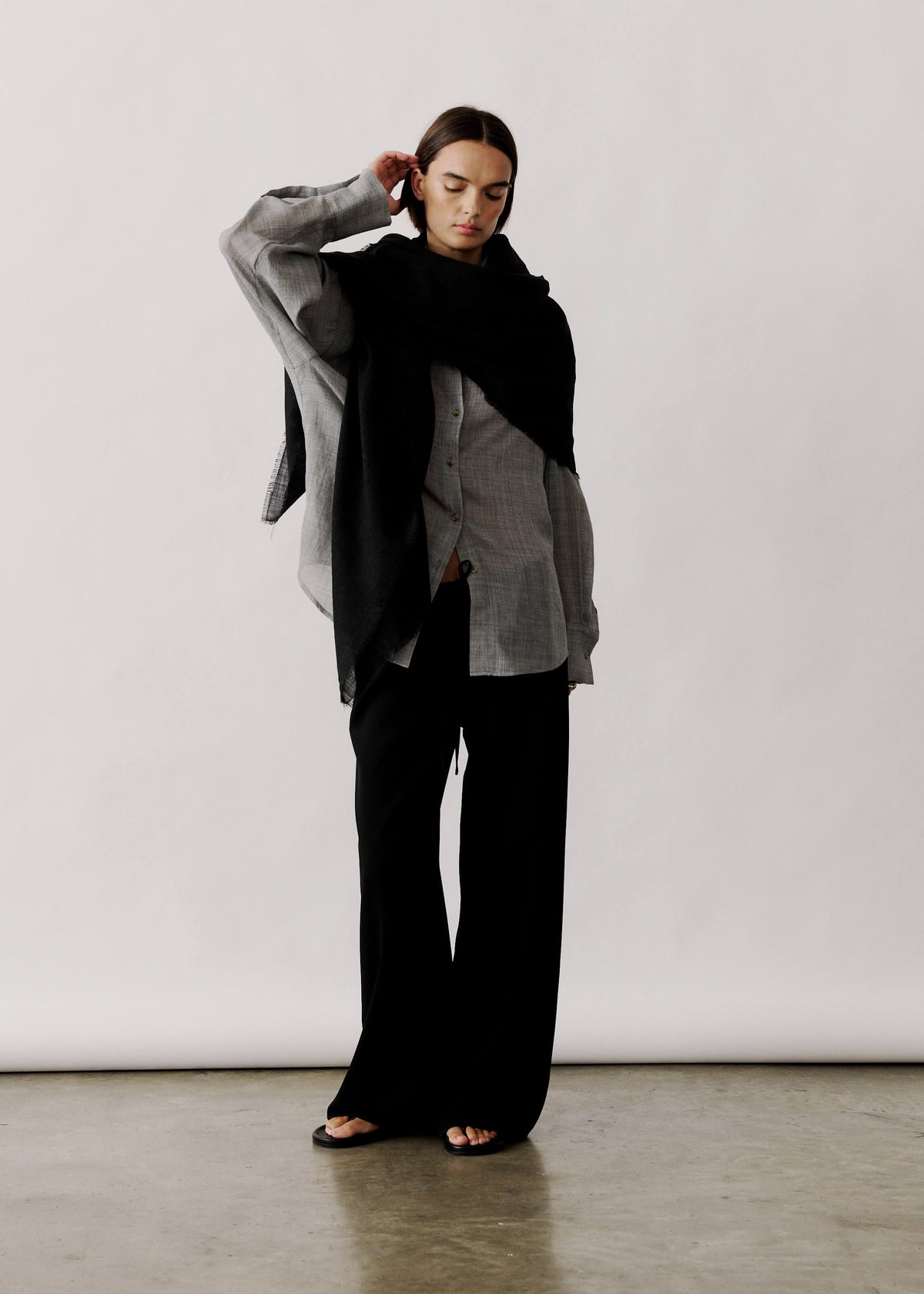
Use lightweight cotton trousers to ground bold patterned layers.

Refine silhouettes and styling to achieve balanced proportions
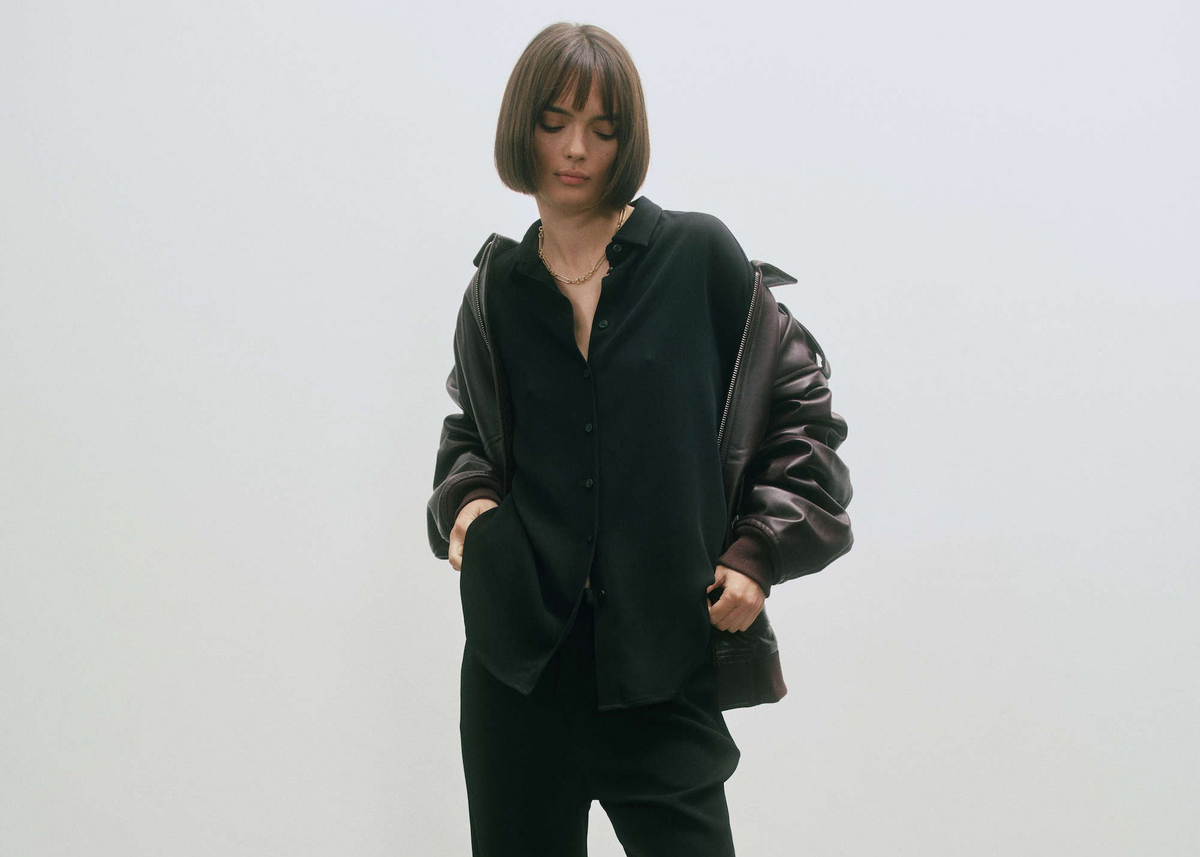
Balance loose and fitted pieces by pairing a roomy pyjama top with a structured, fitted or cropped jacket to define the waist. Slim pyjama trousers work well with an oversized or boxy jacket to introduce volume and sculpt the silhouette. A cropped jacket over high-waisted pyjama trousers can lengthen the leg line, whereas a long, straight jacket may visually shorten the torso, so try pins or a temporary hem to test lengths before making alterations. Consider belts, half-tucks and waist ties to create a focal point and manage volume; choose narrow belts for subtle definition on smaller frames and wider belts to break up large prints and establish a deliberate waistline.
Pair wide-leg pyjama trousers with jackets that have slimmer sleeves and defined shoulders to avoid a boxy silhouette. Conversely, team slim pyjama bottoms with jackets that feature fuller sleeves to introduce visual interest. Roll or cuff sleeves to reveal the wrist and create a tapered line that visually slims the arm. Introduce vertical lines through lapels, seams, piping or long jewellery to lengthen the silhouette. When mixing prints, keep one piece in a larger-scale print and the other in a smaller print or a solid to prevent competing focal points. Reserve large prints for outerwear on petite frames, and use them thoughtfully on broader frames to balance proportions.
The right print scale and proportion allow one piece to lead while the other supports in pyjamas and jacket pairings. Small motifs read as texture, while larger motifs command attention from a distance. Look for contrast in scale, a shared colour and considered placement. Test combinations by photographing them and observing how repeats fall as you move.
Apply the three practical focus areas from this post, scale and proportion, matching print scales and silhouette adjustments, to decide which piece should take centre stage and which should play a supporting role. Try simple refinements such as tucks, belts or a neutral layer, and check the look in photographs and through movement to ensure it reads as deliberate, so you can wear it with quiet confidence.

Leave a comment
This site is protected by hCaptcha and the hCaptcha Privacy Policy and Terms of Service apply.