
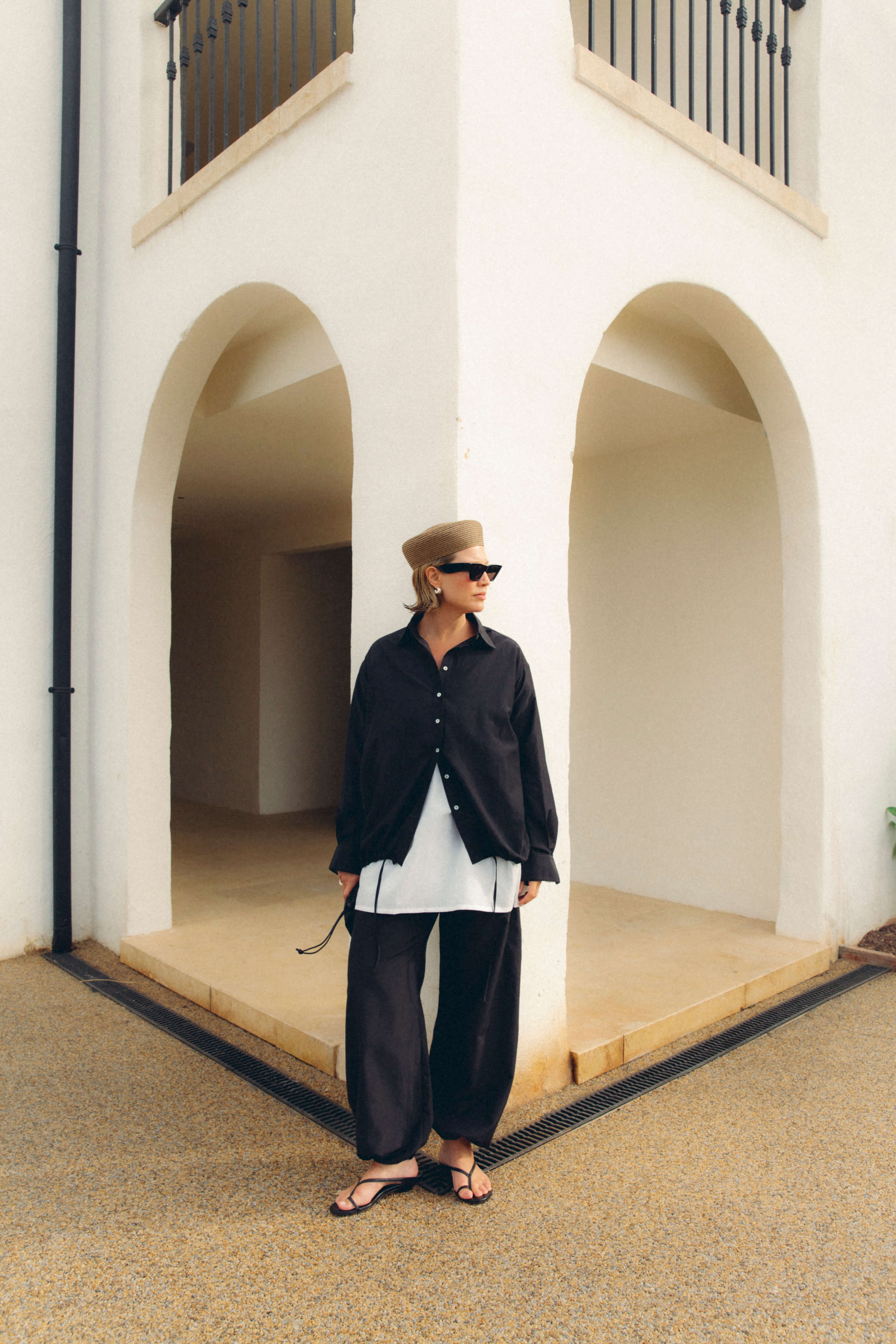


10 Fit Rules: Allowing Ease in Shoulders, Chest and Sleeves for Blazers Over Pyjamas?
Wearing a blazer over pyjamas may seem unconventional, yet the right amount of ease can elevate an improvised outfit into a considered, comfortable look. Too little allowance tugs at the shoulder seams, creates gaps at the chest and limits sleeve movement; too much will soften the blazer's silhouette. How much extra should you allow at the shoulders, chest and sleeves?
This guide sets out practical measurement techniques, how to assess fabric and which alterations to prioritise. It includes clear rules for shoulder width, chest ease, sleeve circumference and sleeve length, a ten-step checklist for measuring pyjamas accurately, guidance on adapting allowances for garment structure and styling intent, and final fit tests that replace guesswork with reliable measurements.

1. Clarify the purpose of any additional allowance
When fitting a blazer to wear over pyjamas, allow enough ease to raise your arms comfortably, let the chest expand for breathing, prevent seam strain when sitting and preserve the blazer's intended silhouette. Simple movement checks are to raise both arms above your head, reach forward as if for a high shelf and sit down; note any pulling or restriction in each position. Pyjama fabrics are often bulkier, have a looser drape and can be more slippery than daytime shirts or knitwear, so introduce a little extra ease where the fabric feels thick, stiff or shifts against the body. Assess both visually and by touch: look for folds, observe fabric thickness at seams and feel how the material slides over your skin. A small amount of additional room reads as tailored; more generous ease creates a relaxed, layered appearance. Use horizontal pull lines at the chest and shoulders to indicate tightness, and billowing at the sleeves or chest to signal excess.
Allowing the right amount of ease protects a blazer by reducing stress on seams, shoulder pads and buttons, helping to prolong the garment's life. When you lift your arms or sit, watch for seam puckering or buttons pulling. To measure with intention, put on your pyjamas and mark the shoulder points, then measure chest circumference and sleeve length both at rest and while repeating the movements that felt restrictive or produced excess fabric. Note the locations and the distances where fabric pulls or billows so you can provide precise instructions to a tailor or confidently adjust a pattern.
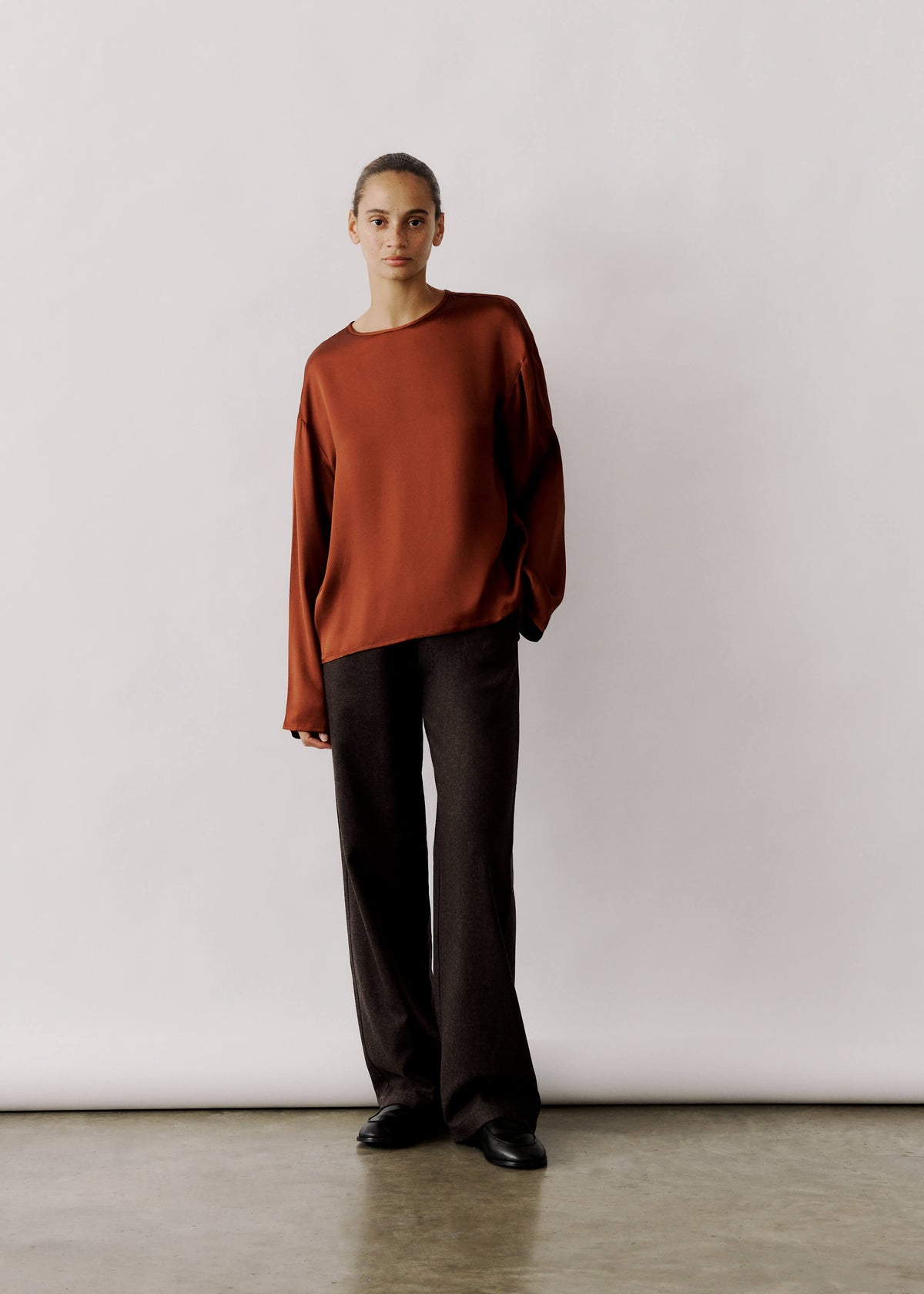
Choose lightweight cotton pyjamas for cleaner blazer layering

2. Assess pyjamas' fabric and silhouette for drape and volume
Hold the pyjama fabric up to the light and run your fingers over the surface to judge thickness, weave and any pile. Lightweight silk or satin will drape close to the body, whereas brushed flannel or heavier cotton adds bulk and may need extra ease. Try the pyjama top on to see whether the fit is slim, relaxed or oversized, and perform simple movement tests such as reaching forward and crossing your arms to reveal any pulling or binding. These checks indicate where the top might require more room in the shoulders, chest or sleeve cap.
Catalogue any construction that sits beneath blazer seams, such as substantial cuffs, piping, pocket flaps and button plackets. Measure their combined thickness so you can add targeted seam allowance where ridging might occur. Use simple fit tests: stand naturally and have an assistant place two to five flat fingers between the outer garment and your chest at the armpit, fold the pyjama sleeves as you would when seated, then raise your arms to check for pulling at the blazer sleeve cap. These checks quantify the ease required. Translate the results into fit decisions: slippery, low-profile fabrics generally need minimal negative ease (a closer fit), while bulkier materials benefit from greater positive ease, and unstructured jackets accommodate added volume more readily than heavily padded styles. If necessary, plan to let out seams, specify blazers with roomier sleeve heads or higher armholes, or choose patterns with less armhole restriction to prevent riding up or binding.
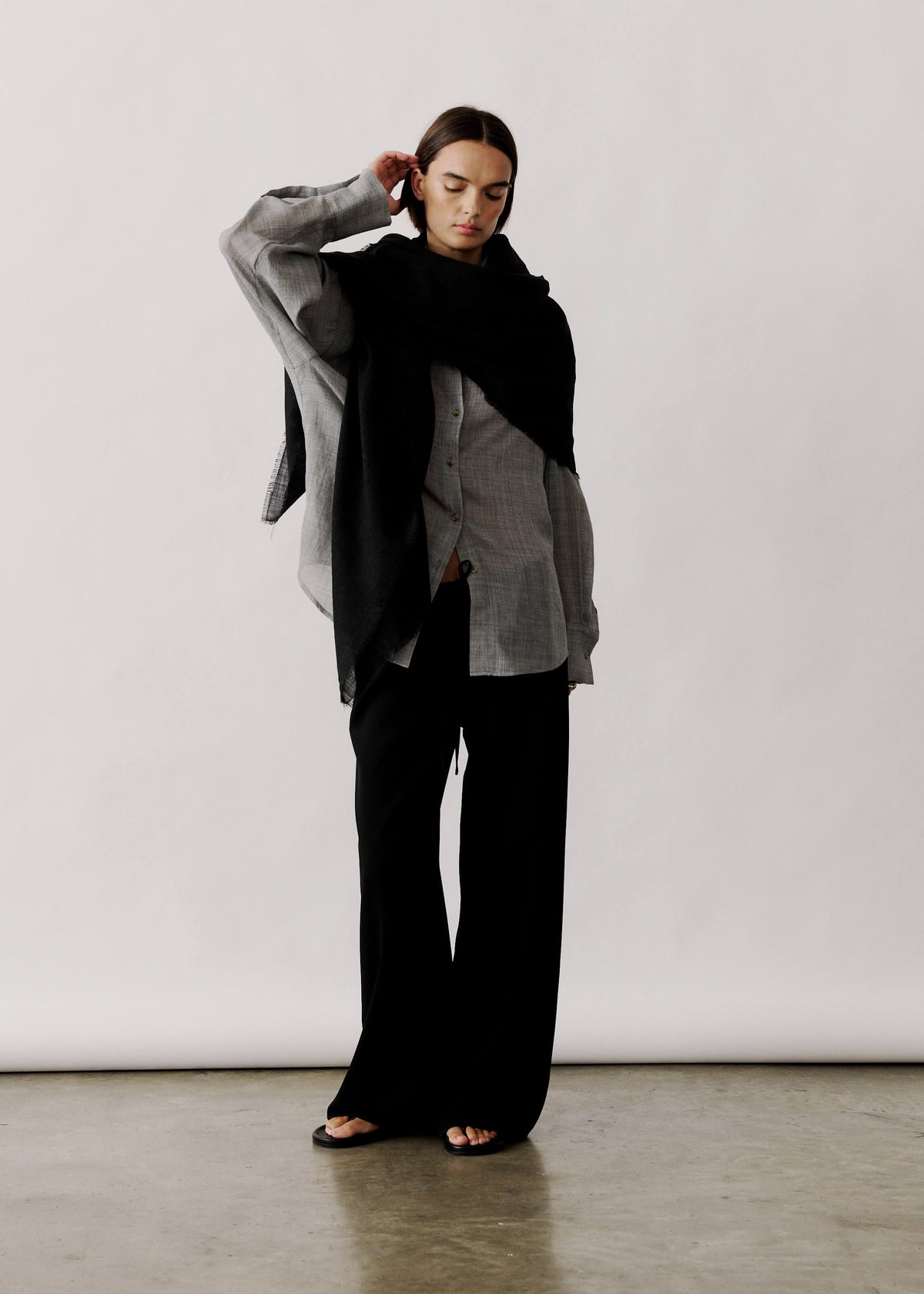
Layer warmly with a relaxed wool-cashmere shirt.

3. How to Measure Accurately While Wearing Your Pyjamas for the Right Fit
Stand naturally in your pyjamas with your arms relaxed at your sides. With the assistance of another person, place the tape at the bony point of each shoulder and measure shoulder to shoulder across the back, recording the measurement in centimetres and inches. Take two chest measurements by wrapping the tape around the fullest part of the pyjama top once at normal breathing and again after a deep inhalation; keep the larger figure to allow for expansion when moving or sitting. Measure sleeve length from the natural shoulder point to the wrist with the elbow slightly bent, then raise the arm forwards and out to the side to verify sleeve length and mobility, noting any mismatch with a pin or washable pen.
When measuring for a blazer, allow for the pyjamas' fabric and cut by taking measurements while wearing the exact set you plan to pair with it. Repeat the process for both thin and bulky pyjamas, since fabric compressibility and thickness affect how much ease you will need. Compare your figures with a well-fitting blazer laid flat, or try on a trial blazer and photograph yourself from the back and the side to check shoulder seam placement and sleeve fall. Record all readings in centimetres and inches, and keep the photos and notes together so you can match, order or alter with confidence.
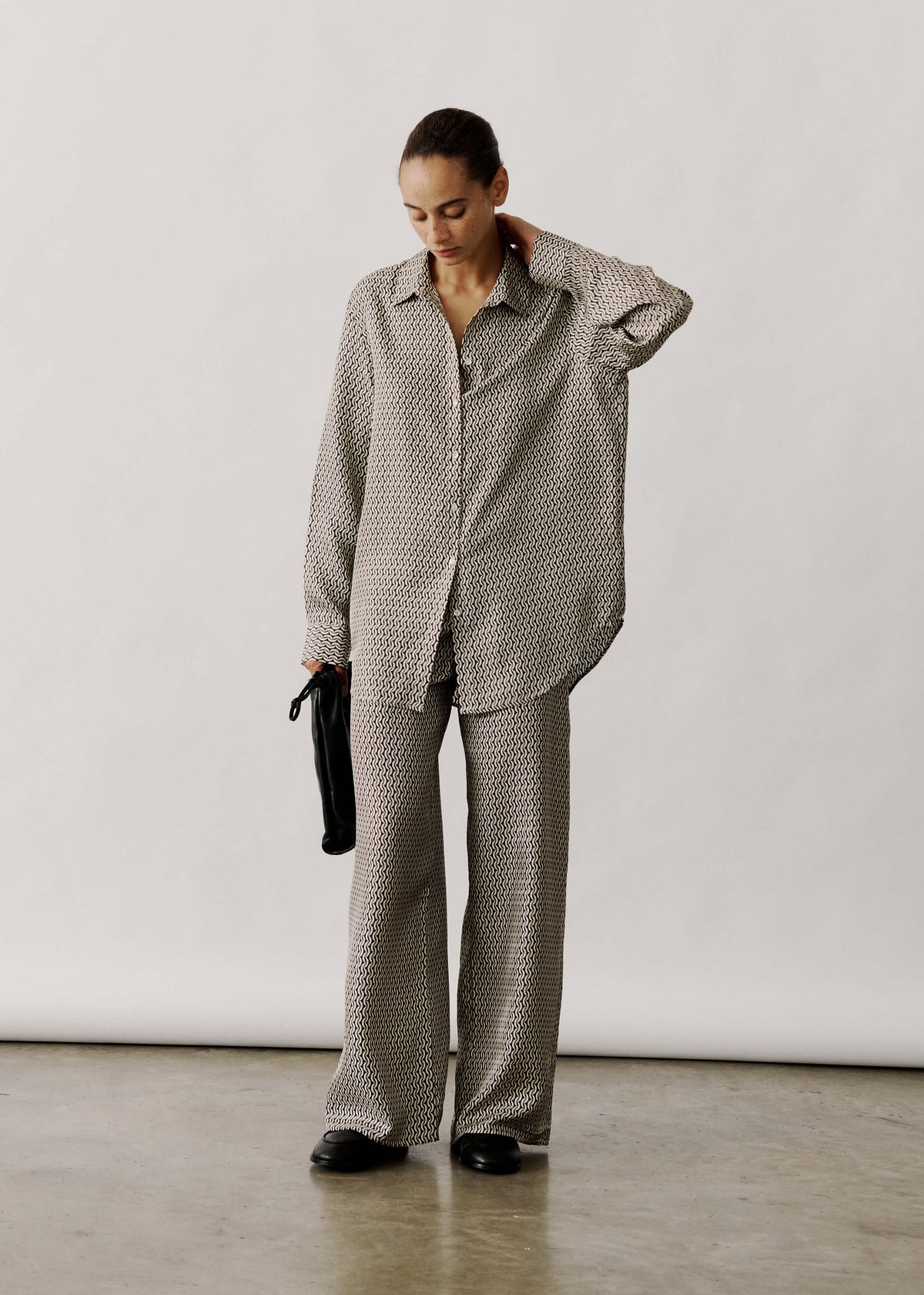
Choose lightweight cotton pyjamas for accurate blazer fitting

4. Allow for shoulder ease and check seam alignment
Find the natural shoulder by feeling the outer end of the collarbone where it meets the arm and noting the edge of the deltoid. Compare that point with the blazer's shoulder seam; when they align, the sleeve will hang smoothly and avoid diagonal pulling from the shoulder to the chest or sleeve head. Test the fit in motion by raising the arms forward, lifting them above shoulder height and reaching across the body. If the shoulder seam rides up, digs in or the sleeve twists, the blazer lacks sufficient shoulder ease to accommodate pyjamas. Observe where fabric tension and creasing appear to determine whether the issue is seam placement or inadequate ease. Because altering a shoulder seam is a complex adjustment, use seam alignment as a primary fit criterion rather than relying on major tailoring.
For layered dressing, allow about one centimetre of extra shoulder ease at the seam when wearing a thin pyjama top, and increase this to around two centimetres for thicker or multiple layers. For very bulky layers, consider an unstructured cut or sizing up rather than forcing a structured shoulder. Bear in mind the structural differences: soft, unstructured shoulders accommodate extra bulk, whereas canvassed or heavily padded shoulders will feel stiff and show pronounced pulling. Minor adjustments to padding or the armhole are usually the quickest tailoring fixes. If the shoulder seam sits too far out you can expect a boxy shoulder and diagonal tension lines; if it sits too far in you may notice sleeve drag and chest pulling. Simple remedies include choosing an unstructured blazer, swapping to a thinner pyjama layer, or asking a tailor to make small pad or armhole alterations.
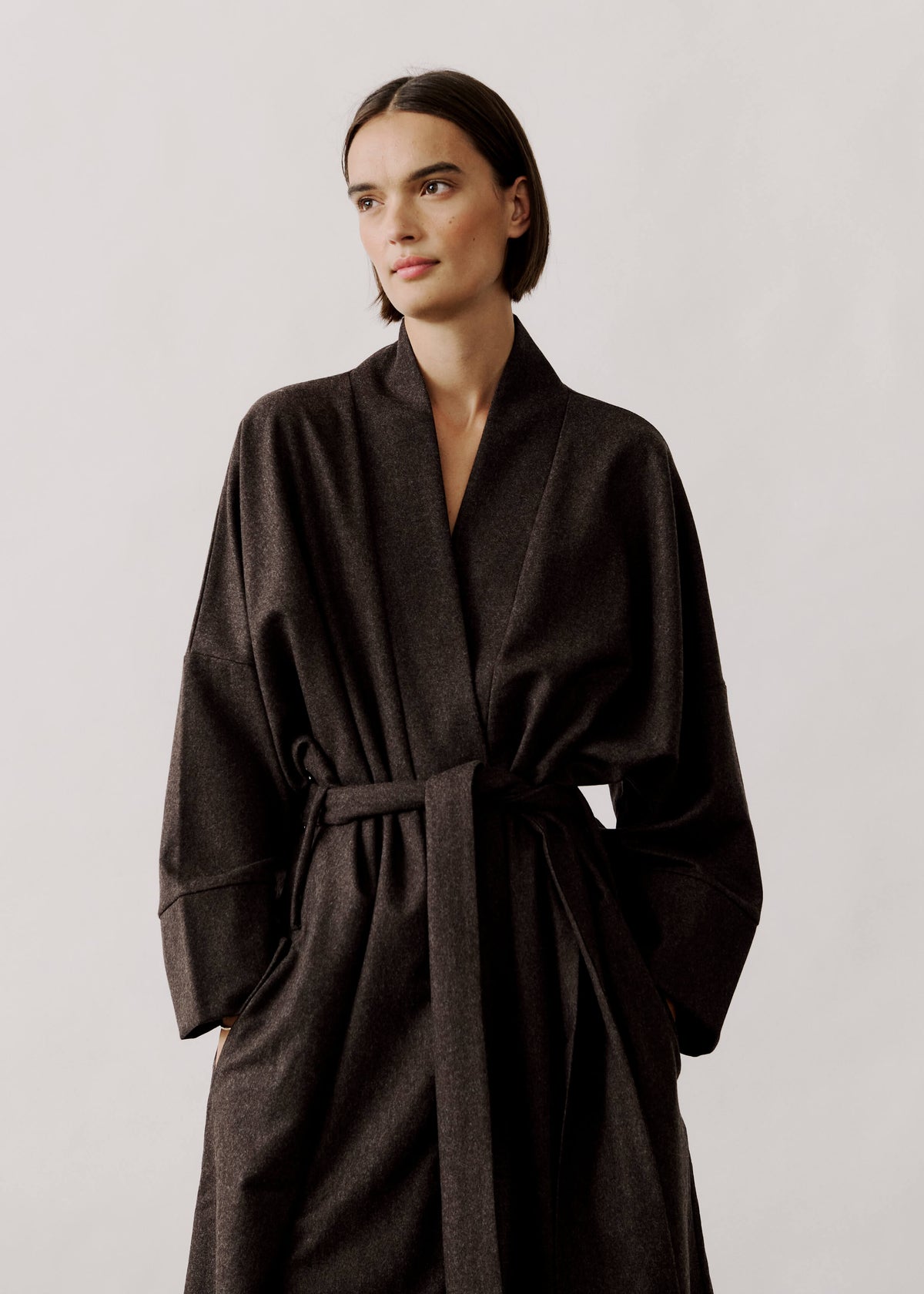
Choose an unstructured linen jacket for effortless layered comfort

5. Allow chest and torso ease for effortless layering
Measure over your pyjamas at the fullest part of the chest and compare this measurement with the blazer's chest measurement. Allow approximately 3 to 5 centimetres (1 to 2 inches) for lightweight pyjamas, and 5 to 8 centimetres (2 to 3 inches) for thicker, insulating styles so the blazer sits comfortably without strain. Try simple movement tests while wearing both garments: button the jacket, raise your arms, sit and lean forward, and take a full breath. Diagonal pull lines at the button, visible gaping, or any feeling of restriction indicate you need additional chest or torso ease. Consider the blazer's construction and fabric: add about 1 to 2 centimetres for a heavily canvassed, structured chest, and reduce the recommended ease if the fabric contains mechanical stretch.
When you sit or bend, observe how the torso behaves. If the front of the garment lifts or the back pulls down, allow an extra 2 to 4 cm at the waist and lower chest, as this indicates insufficient length or torso ease rather than a shoulder problem. If the measured chest over your pyjamas exceeds the blazer measurement by more than the intended ease, choose the next size and plan alterations rather than forcing the fit. A tailor can open side seams, adjust back panels or move the button stance to create more room; altering the shoulders is complex and often impractical. Prioritise freedom across the chest and torso when selecting a size to avoid strain and preserve comfortable movement.
Layer a relaxed wool shirt for comfortable chest movement.

6. Allow extra sleeve circumference for effortless cuff movement
Wear the pyjamas and blazer, then measure around the widest part of the forearm close to the cuff. Allow an additional 2 to 4 centimetres for lightweight fabrics, or 4 to 6 centimetres for heavier fabrics, so the sleeve will pass over the pyjama cuff without pulling. Check movement by bending the elbow, reaching forward, lifting the arms and sitting. If you notice pulling at the shoulder seam, the sleeve riding up or fabric bunching at the cuff, you will need more circumference or a longer sleeve. Consider cuff closure and sleeve vents: a functional cuff with working buttons or a larger placket offers adjustability, while a fixed cuff requires extra built-in ease. Rather than simply widening the sleeve, consult your tailor about moving or enlarging the placket to preserve a neat silhouette.
Consider tailoring options and their limits. Letting out seams offers only a modest increase; adding a triangular gusset or re-cutting the sleeve will create more room, while switching to a sleeve with a softer head can reduce shoulder pull. Check the seam allowance before committing, as some jackets allow only modest enlargement without more extensive reconstruction. Aim for sufficient extra circumference to permit easy movement, while avoiding pronounced horizontal folds at the bicep that read as bulky. Visually, the sleeve should fall cleanly from the shoulder with a gentle, even blousiness at the cuff when layered over pyjamas. Use photographs or a mirror to compare and decide how much ease looks intentional rather than accidental.
Layer with a lightweight jacket to test sleeve ease.

7. Adjust sleeve length to suit arm position and proportions
To wear pyjamas beneath a blazer with comfort and polish, confirm freedom of movement by raising your arms, bending at the elbow, reaching forward and sitting. The sleeve should fall to the wrist bone with minimal pulling at the shoulder seam; adjust the length or ease until movement feels unrestricted and the fabric does not bunch. To allow for sleeve ride-up, add around 1 to 2 centimetres to the sleeve length or alter the sleeve pitch so the cuff still covers the wrist bone when the arm is bent. Verify this by simulating a wave, slipping your hands into pockets and leaning forward. For circumference, measure the bicep and forearm over the pyjama sleeve and allow roughly 2 to 3 centimetres of ease so the blazer does not bind when you bend your arm.
Allow a little extra width at the cuff opening when the pyjama top has a bulky cuff. Consider a working vent or a slightly wider finished cuff so the sleeve can peek through without distortion. If you prefer a visible cuff, aim for roughly 5 to 10 millimetres showing for a balanced proportion. Bring your pyjamas to the fitting and demonstrate the arm positions you use most, drawing attention to any binding or excessive ride-up so the tailor can make targeted alterations. Request specific adjustments such as letting out the sleeve head, adding sleeve pitch or increasing cuff circumference, and remember that shortening is straightforward while letting out depends on available seam allowance. Communicate the actions you perform most often so the tailor can prioritise mobility where you need it.
Try lightweight cotton pyjamas for easier sleeve fit.

8. Tailor seam allowances to blazer shape and styling intent
Begin by trying a blazer on over your pyjama top and observe the shoulder seam. If it sits off the shoulder bone and the sleeve droops, the blazer has too much ease; if the seam pulls inward and creates tension lines, it has too little. Structured, padded shoulders normally need only a small amount of extra room, while soft, unstructured shoulders benefit from a little more allowance to preserve a relaxed drape. Fasten the blazer and check for gaping or horizontal pull lines across the chest to judge chest ease. For a tailored silhouette allow just enough ease to breathe comfortably; for a relaxed, pyjama-as-daywear look leave extra room so the pyjama fabric lies smoothly without bunching or showing through seams.
Slide your hand through the sleeve and raise your arms to check for any bunching at the armhole and sleeve head. Decide whether to allow a touch more circumference and a slightly longer hem to reveal a pyjama cuff, or to keep the sleeve cleaner and neater. Sit, reach forward and twist to observe the behaviour across the back and at the vents, noting any pulling or climbing that signals insufficient ease. Factor in fabric weight and stretch, then simulate typical movements, pin or clip temporary allowances and refine until the blazer moves without distortion while preserving the silhouette you want.
Complete the look with matching lightweight cotton pyjamas.

9. Prioritise tailoring and arrange alterations for an impeccable fit
Start by checking the shoulders, because they set the jacket's structure; have the wearer put on the shirt and stand naturally to see where the shoulder seam sits. If the seam sits more than a finger's width past the shoulder bone, prioritise alternatives rather than extensive reconstruction, since shoulder work is complex and alters the jacket's balance and canvassing. Adopt a staged alteration order: stabilise the shoulders first, then address the chest and upper back, follow with sleeve width and length, and finish with side seams and vents, asking the tailor to baste key seams so you can try incremental changes.
Bring the actual pyjamas to every fitting and perform simple movement checks: raise your arms, sit, reach forward and cross your arms to reveal any tightness or sleeve pull lines. Photograph or lightly mark those stress points so the tailor can prioritise where to add ease, and request a trial fitting after each substantial adjustment. Be aware of structural limits, as canvassed or padded shoulders, heavy linings and narrow seam allowances will restrict how much fabric can be let out or taken in. When core alterations are impractical, consider reshaping sleeves, inserting gussets or altering the waist and vents to create the impression of extra room. Ask the tailor to explain what basting can achieve, which changes require full reconstruction and which will permanently alter the silhouette before you agree the sequence of work and the final test fitting.
Bring the matching cotton set for precise fitting checks.

10. Final try-on checklist to ensure impeccable fit and comfort
Fasten the blazer over your pyjamas, stand naturally and inspect the shoulder seam. If the seam sits forward or extends beyond the shoulder bone, note whether the shoulder feels tight or has excess fabric. Take a side photograph or video to check alignment you might miss in a mirror. Move through a few natural motions, such as reaching overhead, reaching across your chest, lifting your arms to shoulder height and sitting down and standing up. Observe any diagonal pull lines across the back or chest, sleeves that ride up or a hem that lifts as you move. These distortions indicate restricted mobility or insufficient wearing ease with the pyjama layer.
Assess chest fit with the button test while standing and then sitting. If fabric puckers in horizontal lines at a fastened button, or the jacket gaps when you sit, the chest needs more room. Check sleeve length and cuff behaviour by bending the elbow, placing your hands on your hips and then extending your arms forward. Note any excessive forearm exposure, sleeves that consistently ride up, or wrinkling at the sleeve head. Conduct practical scenario checks and record front, back and side photographs or brief clips. Sit in different chairs, lean forward, reach into pockets and give yourself a light hug to reveal collar gaps, lapel distortion or flare at the back vent. Use this visual evidence to decide whether to adjust proportions, add a half size or alter the tailoring to accommodate the pyjamas layer.
Allowing the right ease in the shoulders, chest and sleeves transforms an improvised blazer-over-pyjamas look from uncomfortable to deliberately styled. Thoughtful allowances prevent seam strain, preserve the silhouette and maintain freedom of movement. Take measurements over the pyjama layer, consider fabric bulk and drape, and perform movement tests to determine how many centimetres to add at each point.
When planning fittings, consult the ten-step checklist and the sections on measurement, fabric assessment, shoulder alignment, chest and sleeve allowances, and the recommended order of alterations. Bring the pyjamas to each fitting, photograph and note any stress points, and observe how the garment behaves during movement. Ask your tailor to baste and trial adjustments so the final fit honours both comfort and the silhouette you intend.



Leave a comment
This site is protected by hCaptcha and the hCaptcha Privacy Policy and Terms of Service apply.