
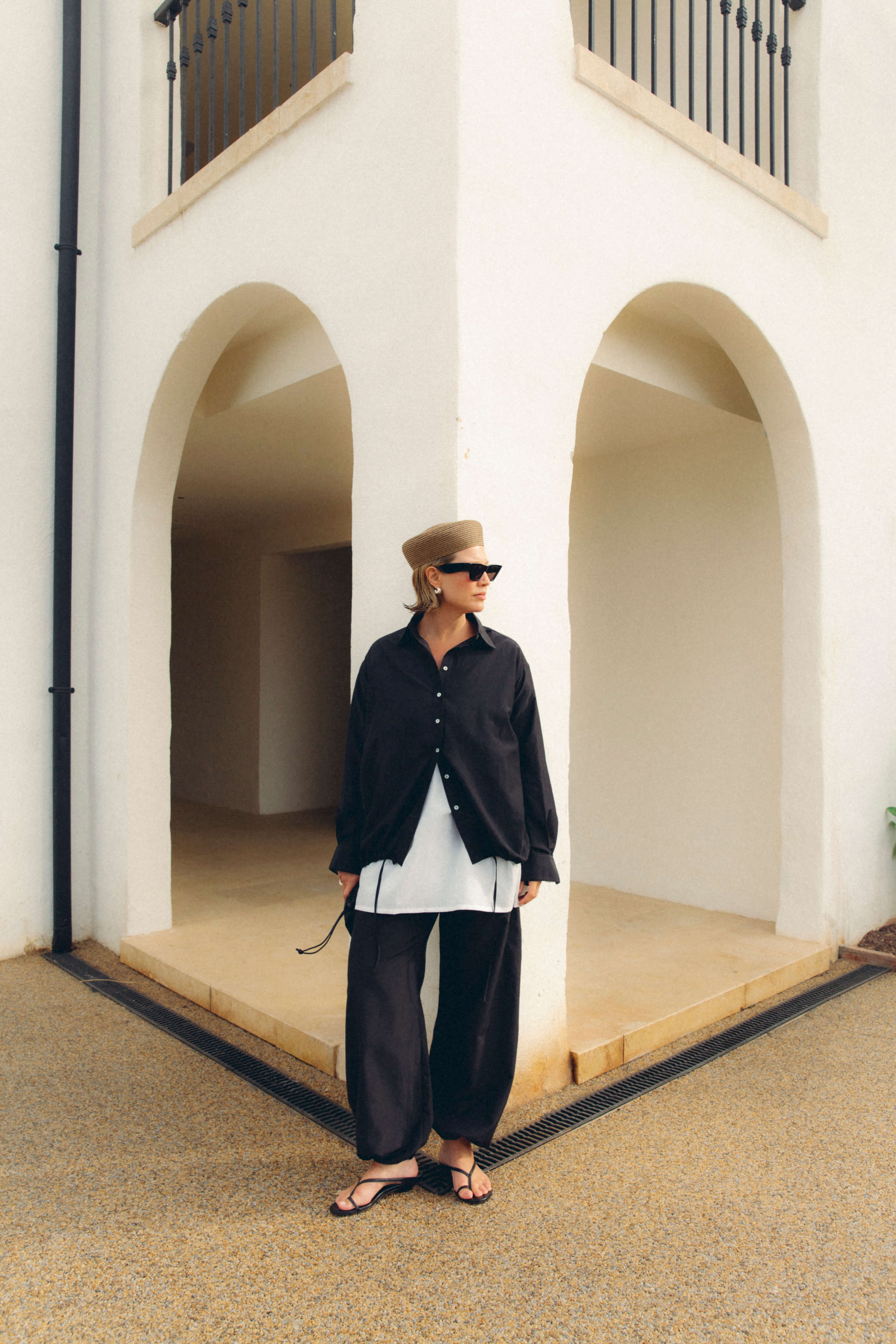

10 Ways to Blend Satin, Linen and Knits for Effortless, Polished Style
Mixing satin, linen, and knits promises outfits that feel chic, relaxed, and cosy, but it is easy to end up looking mismatched. How do you combine glossy sheen, natural texture, and soft structure without turning an intentional look into something fussy?
This guide offers ten practical tips to inspire elegant, considered outfits. Explore ways to pair textures, harmonise colours, balance proportions and layer with ease, alongside straightforward guidance on choosing fabric weight, anchoring looks with neutrals, introducing a single statement piece and caring for mixed fabrics, all to help you compose ensembles that feel thoughtful rather than overdone.

1. Pair textures deliberately to create a refined tactile contrast
Choose a principal texture and allow the others to play supporting roles: pick satin for a luminous centrepiece, linen for relaxed structure, or a knit for a cosy silhouette. Make the shiniest fabric the focal point, since sheen draws the eye while matt surfaces recede. Match weight and drape to preserve clean lines by pairing fluid satin with a fine-gauge knit or lightweight linen, and avoid bulky, heavy knits against slippery satin to prevent excess bulk or sagging. Test combinations by moving and sitting in them; if layers pull or cling, opt for a lighter or more stable alternative.
Use colour, tone and scale to harmonise contrasts. Keep textures within the same colour family, or introduce a single contrasting hue as a considered accent so the eye reads texture rather than noise. Control proportion with a simple 60, 30, 10 split: assign the largest area to one texture, the mid area to another and reserve the smallest for accents; for example, a linen blazer, satin trousers and a knit scarf or gloves. Bridge textures and resolve fit with subtle finishing touches such as a narrow belt to define where satin meets linen, a half tuck to soften a satin waistband, or structured shoes to anchor a softer mix. Preserve appearance and ease of wear by adding linings or a lightweight slip to prevent satin clinging to knits, and where possible favour natural fibres such as linen and silk for a more sustainable finish.
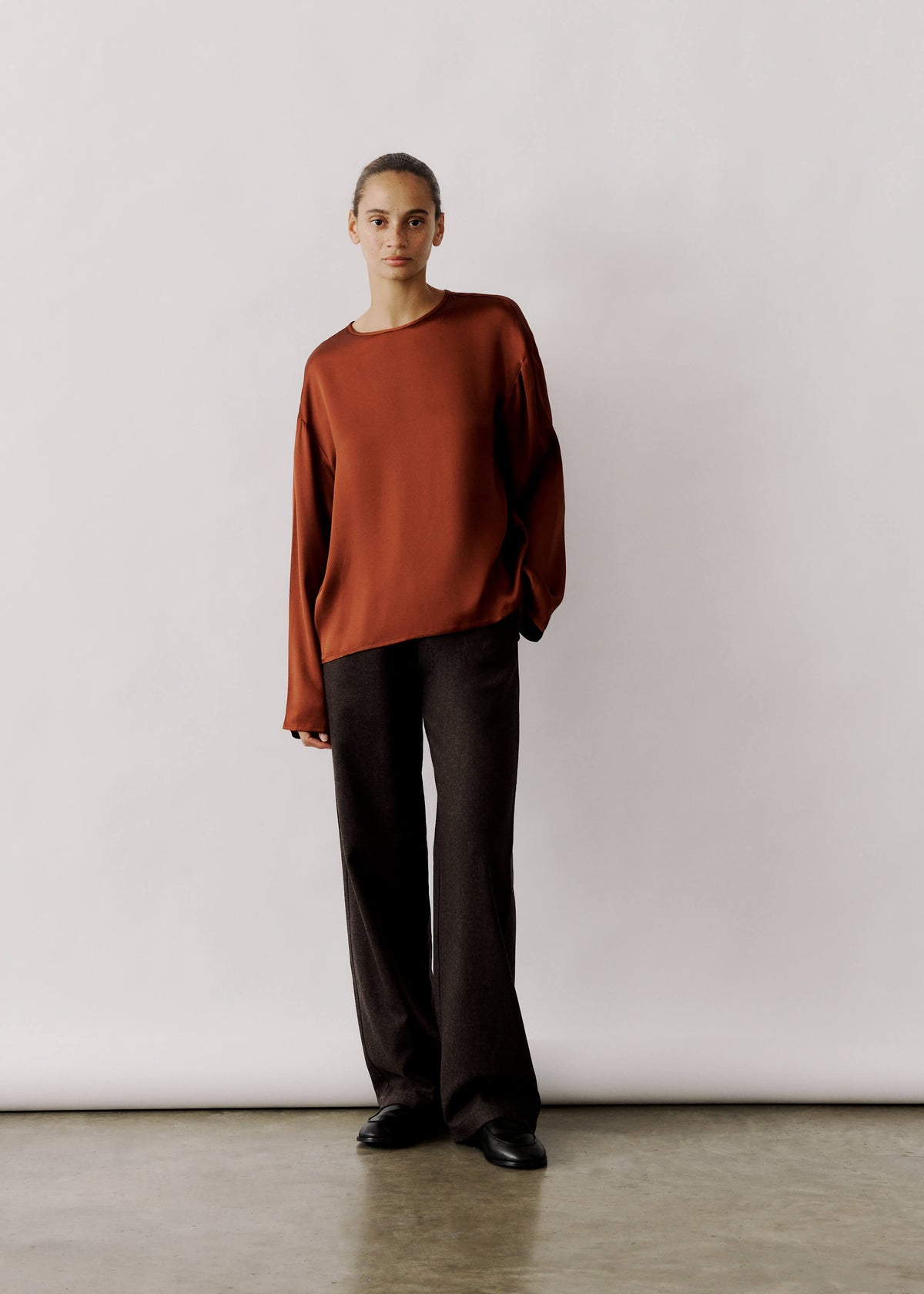
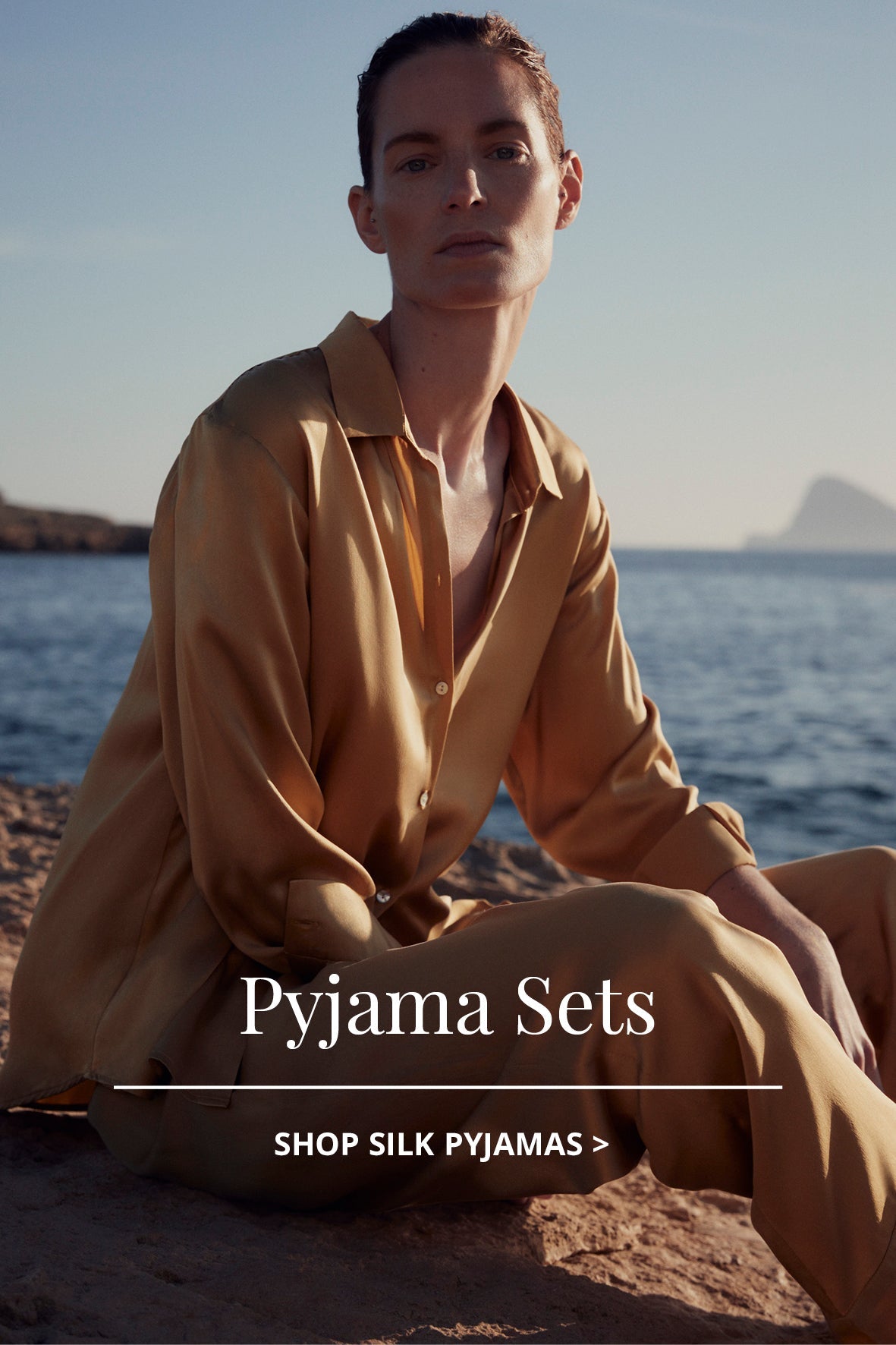
Anchor your look with lustrous silk trousers.

2. Choose a harmonising colour palette for serene, timeless cohesion
Match undertones and sheen. Satin catches the light and reads brighter, knits absorb light and read deeper, while linen sits between with a softly muted surface. Choose warm, cool or neutral undertones across pieces so those differences feel intentional rather than clashing. Establish a three-part hierarchy with a dominant neutral base, a secondary mid tone for contrast and a single accent, allocating roughly 60, 30 and 10 per cent of visual weight so the eye can settle. Keep highly saturated colours to one garment or a small accessory, and repeat that hue elsewhere to create a deliberate link between satin, linen and knits. Use matte textures to temper reflective fabrics, or slubby linen to soften vivid shades.
Use texture thoughtfully: matte knits will soften a shiny satin, while slubby linen will gently mute bright tones. Position the most reflective fabrics away from the face for a subtler overall effect. Keep saturation restrained by choosing one high-intensity colour as the focal piece and echoing it in a smaller detail to tie the look together. Rely on simple colour-wheel principles, favouring analogous shades for a harmonious palette or soft complementary tones for refined contrast. Always assess combinations in natural light by draping fabrics side by side and photographing them to observe how sheen and weave alter perceived colour.
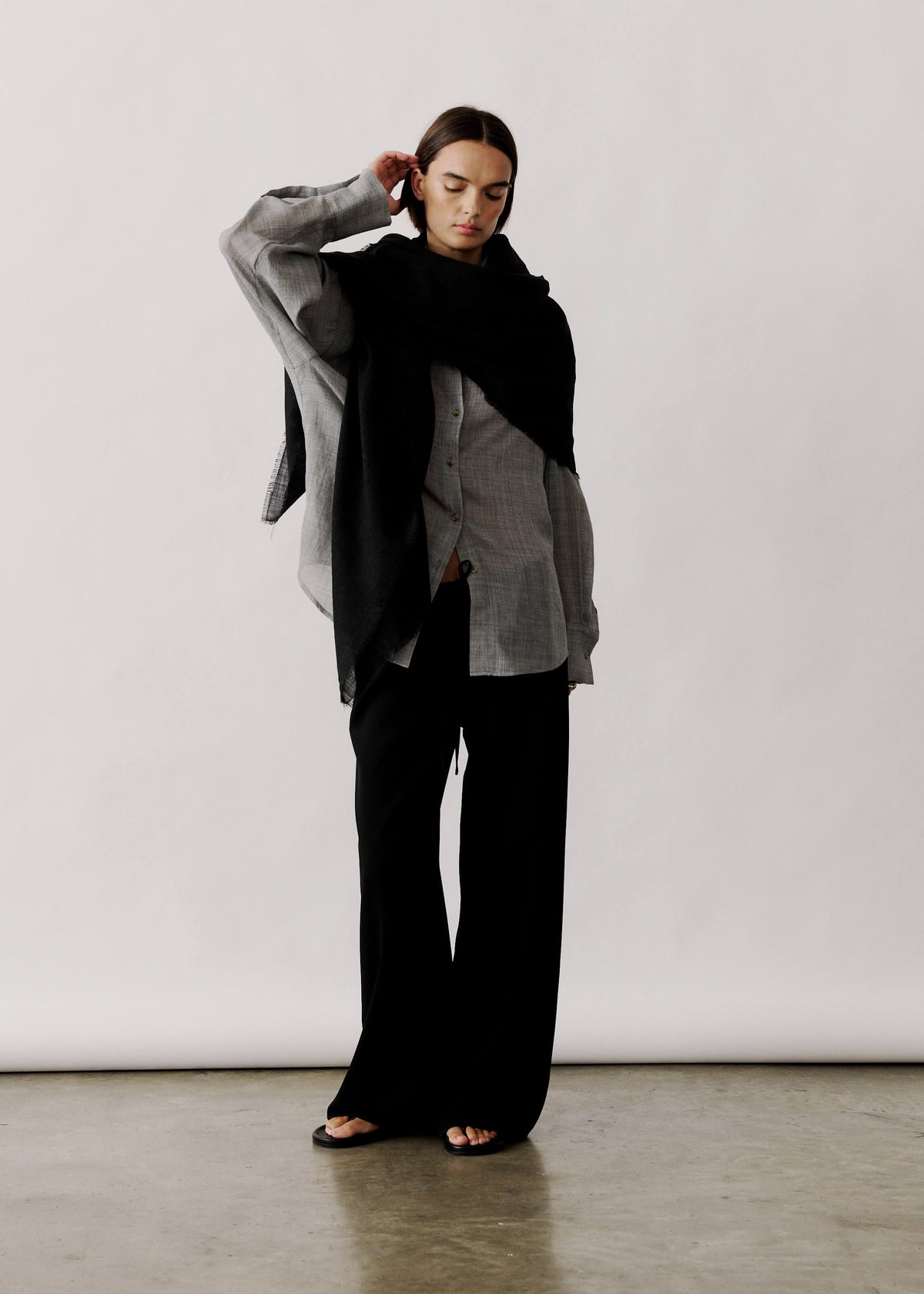
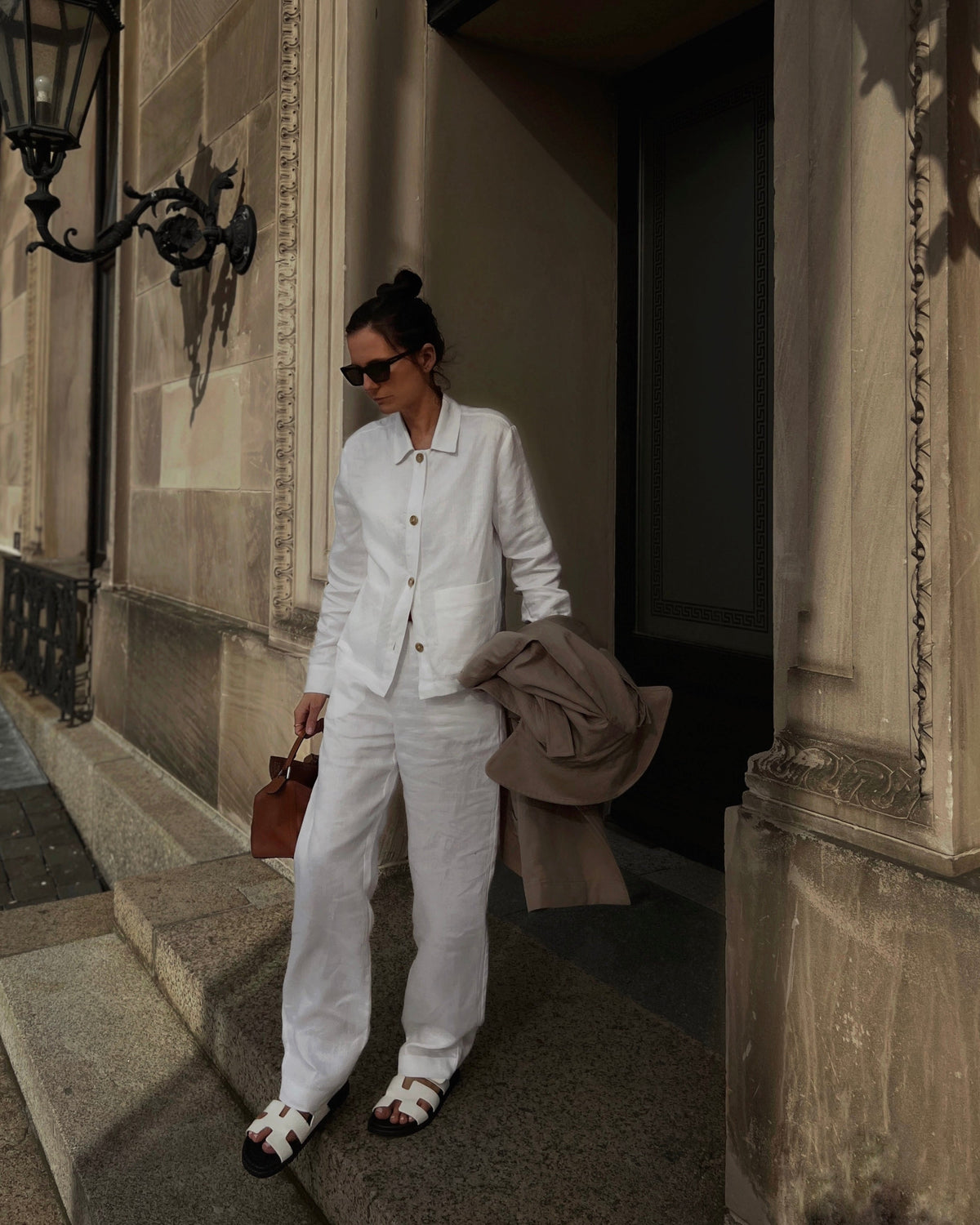
Anchors the look with a weighty linen neutral.

3. Balance proportions by pairing fitted and relaxed silhouettes
Balance one fitted piece with one relaxed piece to maintain a clean silhouette and prevent fabric gathering at the waist or hips. For example, pair a slim satin slip with an oversized linen blazer, or a high-waisted satin skirt with a cropped, close-fitting knit. When refining the fit in front of a mirror, start with the fitted base layer, add the relaxed layer, then tuck, half-tuck or introduce a lightweight belt. Step back to check the profile for unwanted bulk and to ensure lines remain vertical or are intentionally broken. Choose medium-weight ribbed or fine-gauge knits that hold their shape at the hem and cuffs, or opt for a structured linen to counterbalance fluid satin. A stable knit next to flowing satin reads considered rather than accidental.
Let length create balance. Limit an outfit to two dominant hems, for example a cropped knit with a midi satin skirt or a long linen coat over ankle-grazing satin trousers, as multiple competing hems can fragment the silhouette. Manage perceived volume by adjusting sleeves and hems: pair wide linen sleeves with a fitted knit beneath, roll and secure cuffs to reveal a slimmer forearm, or tuck a full satin skirt into a slightly cropped jumper to preserve a clean waistline. Taken together, these tactics clarify upper-to-lower proportions and ensure the contrast between fluid and structured fabrics feels purposeful.
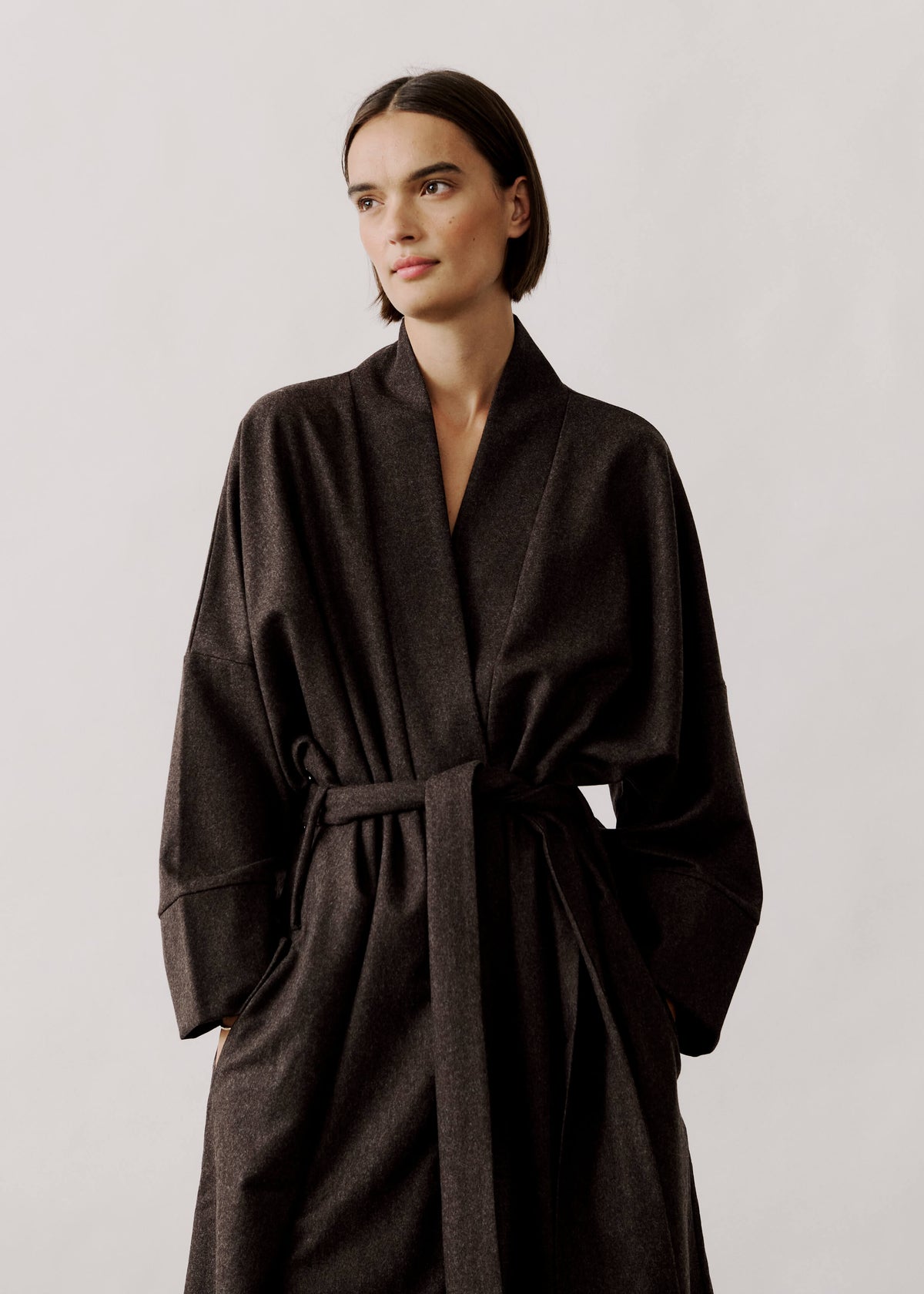
Layer with a structured heavy linen for tailored contrast

4. Consider fabric weight for drape and graceful movement
Begin with two simple tests to assess a fabric's weight and drape. Hold a garment at the shoulder seam and let it fall to see whether it pools or retains its shape, then move around briefly to check for cling, bounce and recovery. These behaviours reveal how a fabric will sculpt a silhouette: a fluid satin will lengthen the line, a crisp linen will hold its structure, and a dense knit will either compress or support surrounding layers. Use those observations to balance visual mass through thoughtful placement. For example, pair a lightweight satin skirt with a cropped chunky knit so the knit does not overwhelm the satin. Alternatively, layer a structured midweight linen jacket over a satin slip to introduce deliberate shape and prevent the satin from billowing.
You can alter a fabric's drape as much through construction as through fibre: add a lining to satin, choose a finer or coarser knit gauge, or opt for a heavier linen weave. Small tailoring decisions will change how fabrics sit together. Control proportion to harmonise different drapes. Long, flowing satin benefits from boxy or cropped knits to anchor the silhouette, while short or tailored linen pairs best with fine-gauge knits tucked in to preserve clean lines and avoid excess bulk. Before you commit to a piece, rub fabrics together and move in them to reveal pilling or snags. Test for static by walking or sitting, and note where linen creases or satin clings so you can select smoother knits, add a slip, or choose finishes that reduce friction.
Choose heavy linen for structured, crease-resistant layering

5. Anchor every outfit with a neutral foundation for timeless elegance
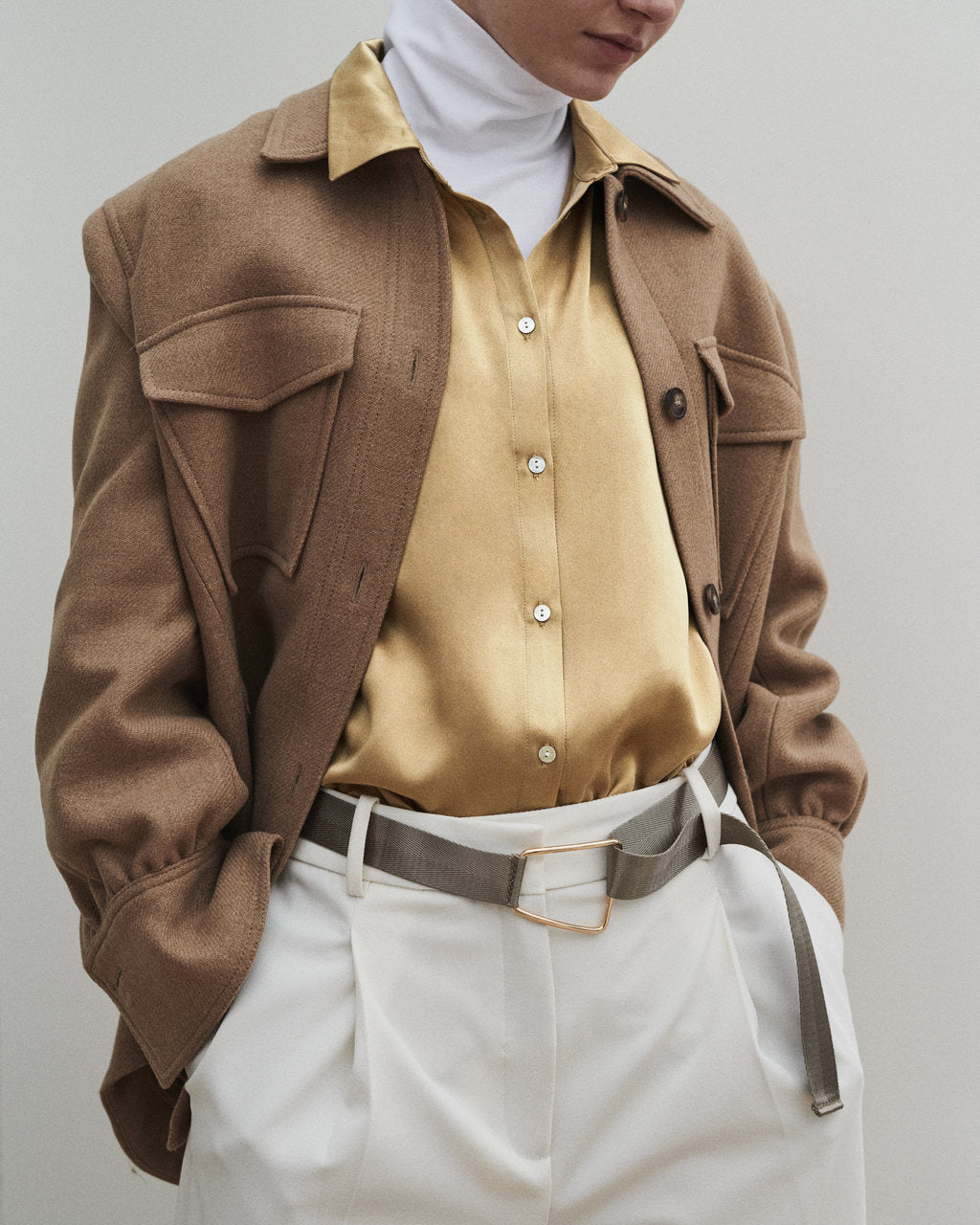
Begin with a single neutral base and let texture do the talking. Choose one neutral piece to form the majority of the outfit, such as trousers or a dress in navy, cream, charcoal or camel, then introduce satin, linen or knit accents so the ensemble feels considered rather than cluttered. Align undertones by comparing garments side by side in natural light, and use a small neutral accessory, like a belt or scarf, to reconcile any subtle shifts. Use tailored neutrals as an anchoring layer to control drape and movement; a structured blazer, a midweight linen shirt or a long coat will tame a glossy satin skirt or a slouchy knit.
Anchor bolder colours or patterns with neutral accessories and footwear, allowing texture and silhouette to take centre stage rather than competing hues. Balance the weight of different fabrics with neutral layers to create a clear visual hierarchy: pair a lightweight satin blouse with a heavier knit and a midweight linen outer, or tuck a satin top into structured neutral trousers and finish with a cropped knit. Consider proportion so each fabric has room to breathe and contributes to the overall look without overwhelming it.
Add a heavy linen layer to anchor textures.

6. Introduce one standout piece, used sparingly, to elevate an outfit
Choose a single focal piece with a clear defining trait, such as a bold colour, a high-shine finish or an unusual silhouette, and keep every other item pared back so the contrast reads as intentional rather than fussy. Consider proportion deliberately; if your statement piece is oversized or voluminous, counter it with a cropped or fitted companion, or use a belt or a tuck to restore shape and maintain a clean line. Limit visual complexity by giving the statement piece one role, whether colour, texture or form, and pair satin, linen and knits so they complement one another rather than compete.
Create cohesion by echoing a single detail from a statement piece elsewhere in the outfit, such as a trim colour, a metallic tone or a subtle texture in an accessory, rather than repeating the entire look. Think about placement to control focus: wear the statement piece near the face to draw attention to your features, or choose a piece on the lower half to anchor the silhouette. Pare back the remainder of the outfit to support that focal point, removing visual clutter and simplifying lines so the eye is guided where you intend. Take, for example, a satin blouse paired with matt linen trousers and a simple knit layer — differing textures and finishes sit together without competing, while one repeated detail pulls the ensemble into a coherent whole.
Add a satin blouse to anchor the outfit.

7. Layer textures with considered subtlety for an elegant finish
Begin with a clear order of weight: the lightest layer closest to the skin, followed by a mid-weight piece and finished with the heaviest outer layer. For example, a satin cami beneath a linen shirt, topped with a fine or medium-weight knit, helps control volume, prevents satin from clinging and preserves the natural drape of each fabric. Use sheen and matte to balance texture: let matte knits or textured linen absorb light and temper satin's shine. Choose a single tonal bridge colour that appears in at least two layers to harmonise textures without matching them exactly.
Explore proportion by pairing a fluid, long satin slip with a cropped knit, or a boxy linen jacket with a slim satin blouse to create deliberate contrast. Layer for function as well as form: wear breathable linen next to the skin to aid ventilation, reserve knits for warmth and structure, and add a lightweight camisole to reduce static between satin and knit. Finish with one unifying detail, such as a belt, scarf, or a recurring accessory colour or stitch motif, so the overall look feels cohesive rather than fussy.
Anchor looks with a substantial linen layer.

8. Pair subtle prints with textured fabrics to create depth
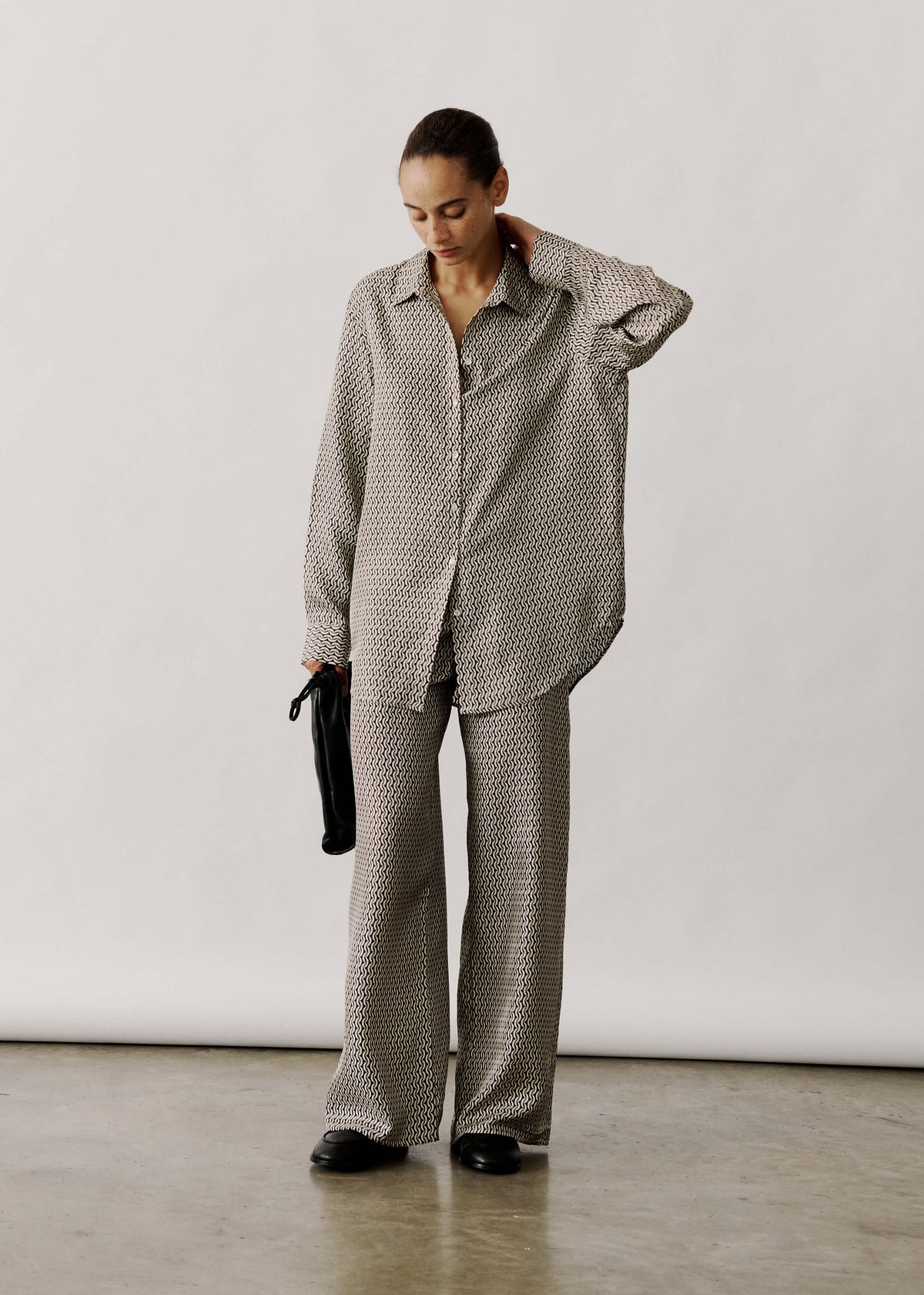
Pair a small, subtle print in satin with a coarser knit so the print reads as pattern rather than an isolated detail, and allow the knit to lend visual weight that grounds the ensemble. Treat satin as the highlight and matte fabrics as the backdrop, placing satin in smaller areas such as a blouse tucked into linen trousers or a scarf peeking from an open knit jumper so the sheen catches the eye while linen and knits absorb light. Consider scale alongside texture, and echo one or two colours from the print in the textured piece to create cohesion without introducing another competing pattern.
Anchor your look with texture by allowing the textured piece to occupy the largest area and keeping printed satin to a single blouse, skirt or accessory. For instance, a printed satin skirt paired with a pared-back textured jumper gives the eye a clear focal point. Check combinations in natural light and while moving, since small prints can read as solids and satin shifts with motion, revealing whether texture and print sit in harmony or if one overpowers the other. If a print still feels busy, temper it with a coarser knit or a more matte linen in a shared tonal colour. These small adjustments build depth and ensure each element contributes to a considered, cohesive outfit.
Anchor looks with a satin-wool trouser.

9. Accessorise to harmonise fabrics and complete the look
Repeat a single metal tone across earrings, bag hardware and belt buckles so satin's sheen reads as an intentional counterpart to a knit's matte texture. Use proportion to balance opposing weights: anchor a floaty satin blouse with a chunky belt or chunky-sole shoes, or soften a bulky knit with a fine silk scarf tied at the neck or to a bag handle. Choose footwear in suede, polished leather or mixed materials to sit between linen trousers and satin tops, grounding the ensemble. Small, considered swaps such as these help texture contrasts feel deliberate rather than fussy.
Introduce a focal accessory that echoes a fabric's qualities: pin a brooch to a cardigan to reflect satin's sheen, or add a woven bag strap to reference knit texture. Use a leather trim, or repeat a single colour or motif across accessories, to draw out linen's natural tone and give the combination a considered, cohesive feel. Be mindful of proportion and placement so these linking elements unite different fabrics gracefully rather than competing for attention.
Ground satin blouses with rich brown silk-wool trousers.

10. Gentle, sustainable care for garments made from mixed fabrics
Sort mixed fabrics by texture and weight rather than by colour. Wash lightweight satin with other delicates in a mesh bag or by hand, and launder heavier linens and woven cottons together. Put knits of a similar gauge through a gentle cycle with a low spin to reduce abrasion and distortion, using cool water and a mild liquid detergent formulated for delicates. Avoid fabric conditioner on satin and many knits, as it can coat fibres and dull their sheen. Add a splash of white vinegar to the rinse to remove residue and reduce static without introducing synthetic additives.
Preserve each fibre by drying it in the way best suited to its construction. Roll knits in a towel and lay them flat on a breathable surface to dry; hang or drape satin to maintain its fluid, elegant fall; give linen a good shake before line-drying so the fibres can relax. Use a tumble dryer only on a very low heat and only if the care label permits, as heat can shrink linen and felt knits. Finish garments with gentle attention: steam knits from a distance to ease fibres and remove creases; press linen while slightly damp for a crisp result; protect satin with a press cloth and test a very low iron setting on a hidden seam first. Extend a garment's life by airing items between wears, addressing stains promptly, mending pulls, removing pills with a fabric comb, and washing full, efficient loads on lower temperature programmes to conserve energy and reduce fibre wear.
Mixing satin, linen and knits creates chic, relaxed ensembles when you prioritise a single focal texture, harmonise colour and keep proportions balanced. Take simple, considered steps: match weight and drape, anchor the look with neutrals and test combinations by moving in them. These practical gestures transform contrast into seamless cohesion.
Treat the guide's headings as a checklist: pair textures with intention, balance silhouettes, layer by weight, introduce a single statement piece and care for mixed fabrics. Try one new combination, observe it in natural light and on the move, and keep the rest pared back so texture, colour and proportion can take centre stage.

Leave a comment
This site is protected by hCaptcha and the hCaptcha Privacy Policy and Terms of Service apply.