

Curate a Cohesive Pyjama Wardrobe with a Simple Base and Accent System
Do your pyjamas and loungewear read as a considered, cohesive collection or as a pile of mismatched pieces? A pared-back base-and-accent system helps create ranges that combine with ease, clarifies purchasing decisions and ensures every garment is designed with the wearer and the occasion in mind.
This post guides you through identifying customer needs and key occasions, assembling a restrained base palette, selecting a pared-back accent set, designing coordinating prints at a consistent scale, and unifying fabrics, finishes and production specifications. You will come away with practical colour recipes, mix-and-match strategies and specification checks that ensure pyjamas and separates feel considered both on the rail and in the wardrobe.

Pinpoint your customer, the occasion and purchase motivations
Start by defining a concise set of customer archetypes drawn from order histories, review text, customer service logs and onsite search terms. For each archetype, record the typical occasion, preferred fabrics, silhouette, sizing concerns and purchase triggers. Construct an occasion-to-attribute matrix that maps moments such as sleep, lounging, travel, holiday, gifting and maternity to considerations like fabric weight, drape, closures, wash care and packability, and use this to surface gaps such as a need for quick-dry or crease-resistant pieces. Analyse basket composition, repeat purchases, abandoned cart notes, onsite search phrases and return reasons to uncover recurring patterns, then translate those patterns into clear decision criteria. For example, prioritise easy-care fabrics for frequent travellers and softer elastics where fit-related returns are common.
Translate insights into a clear assortment framework that supports a base-and-accent approach: define a limited set of core base fabrics and neutral silhouettes, and select a controlled number of accent colours, prints, trims and textures that mix across those bases. Measure success through attachment rates of accents to base items, cross-sell uplift, conversion, customer feedback and return rates to ensure the rules are encouraging the desired behaviour. Develop a small capsule, create focused product pages or bundles, and run simple A/B tests on imagery and copy to identify which combinations perform best. Follow up with a brief post-purchase question about the intended occasion to validate assumptions and refine the system based on observed behaviour.
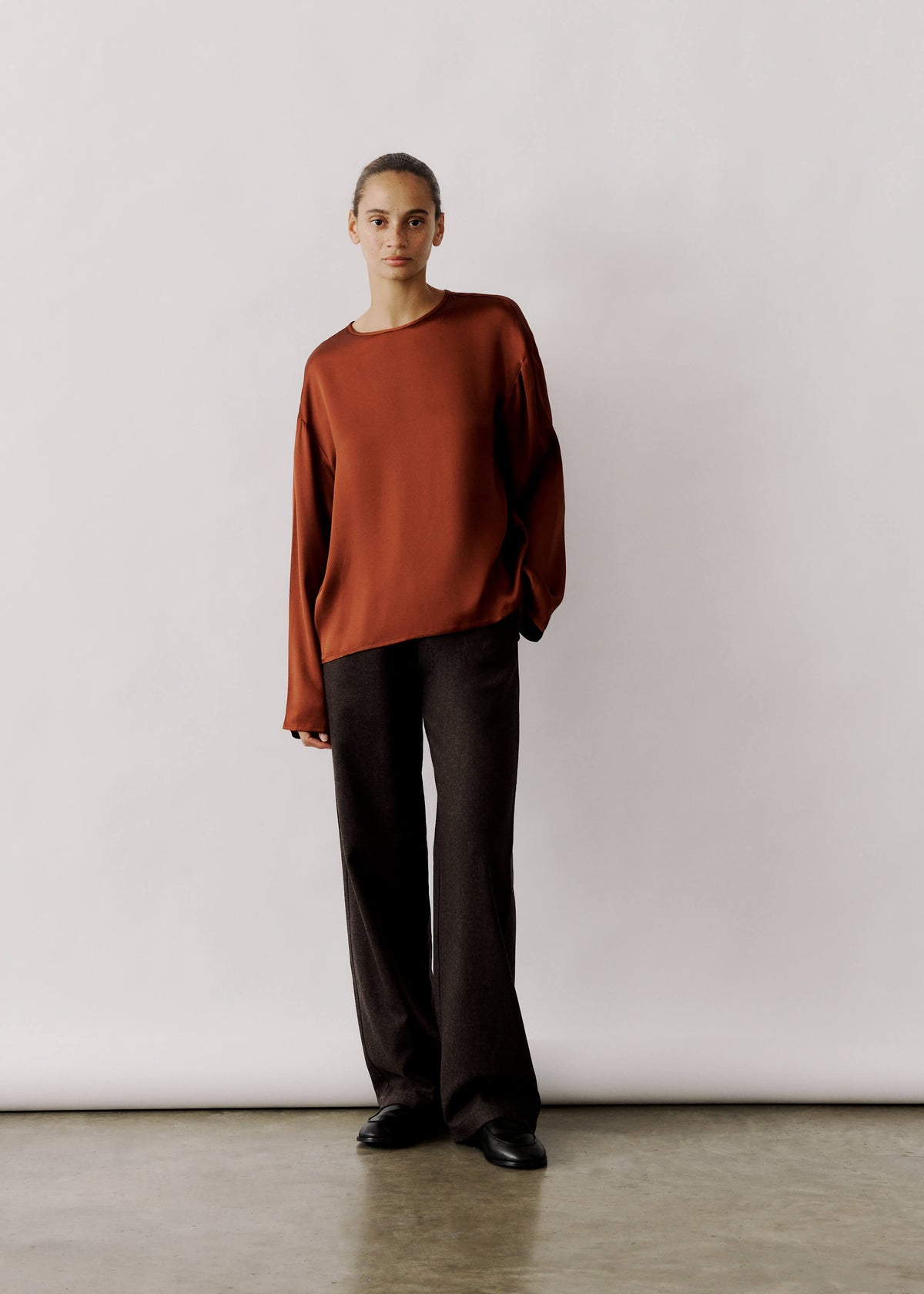
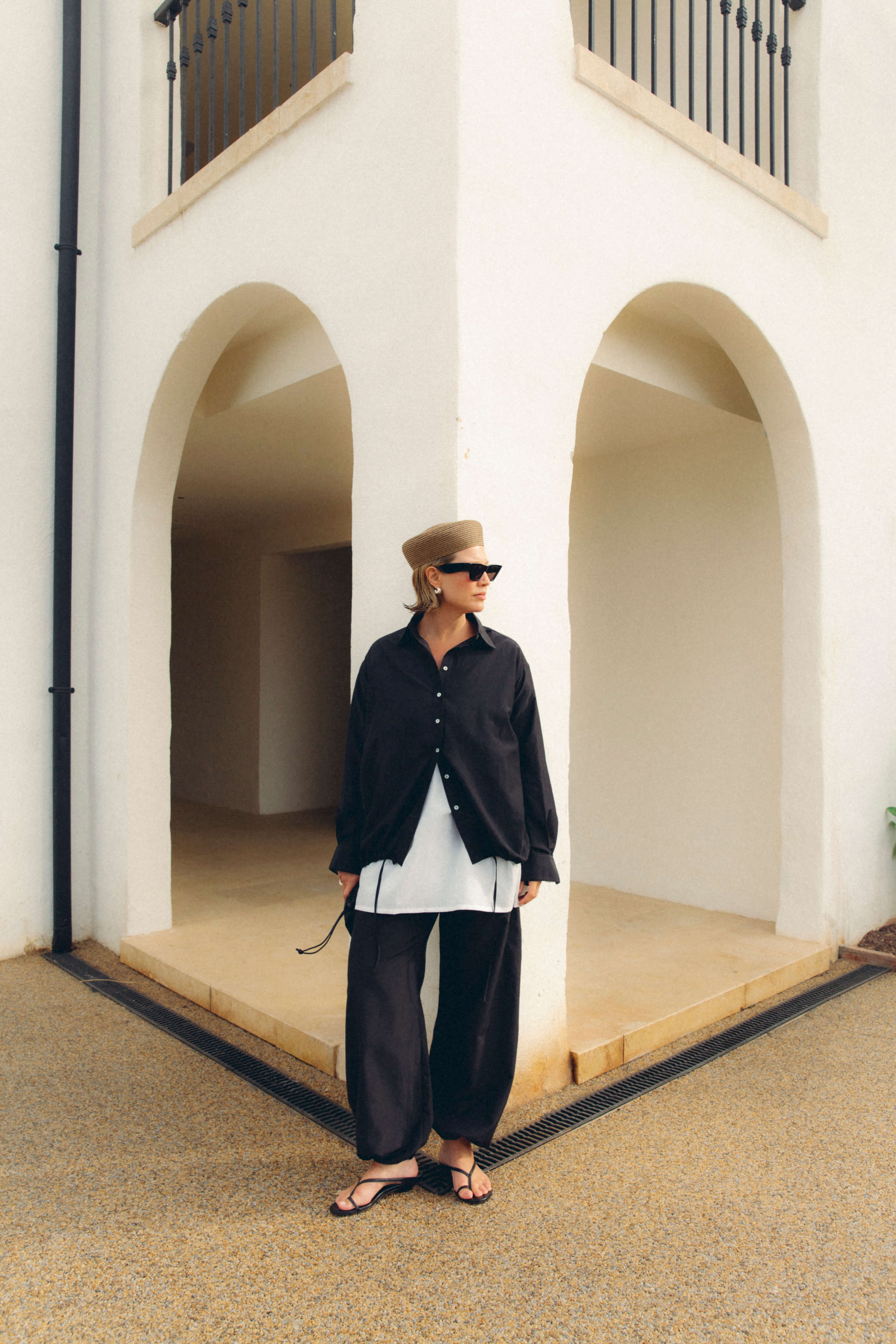
Choose a lightweight Tencel dress for effortless travel.

create a restrained base palette for effortless outfit combinations
Start with a restrained base palette of three or four neutrals: a warm tone, a cool tone and a mid tone. Designing tops and bottoms in these hues allows them to be mixed and matched effortlessly. Three base-colour tops paired with three base-colour bottoms already yield nine neutral combinations before any accents are introduced, expanding outfit possibilities with minimal fuss. Maintain consistency in fabric weight and hand by choosing a primary weight for most pieces, then testing one lighter and one heavier option to ensure elegant drape and to prevent bulk when garments are layered.
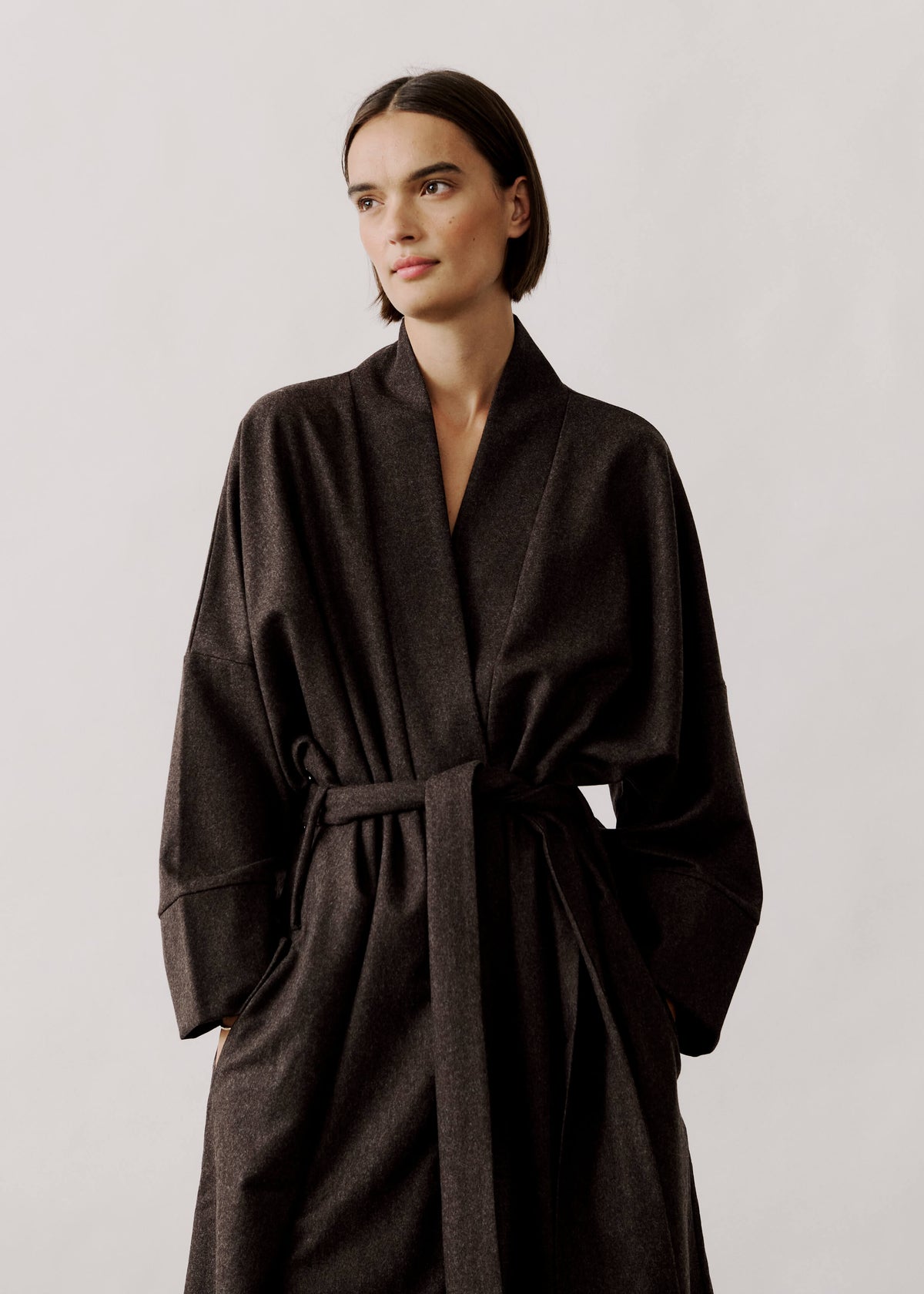
Keep patterns and textures understated, favouring tone-on-tone pinstripes, micro-checks or gently brushed finishes that read as neutral and increase mixability. Standardise trims, button colours, piping and label placement so differing silhouettes read as a cohesive set when worn together. Begin with a five-piece capsule of tops, bottoms and a lightweight robe or pyjamas set; lay the pieces together and photograph every pairing to reveal any unanticipated mismatches. Use the images to note colour or texture combinations that feel discordant, refine fabric and trim choices, and iterate until the collection mixes effortlessly.
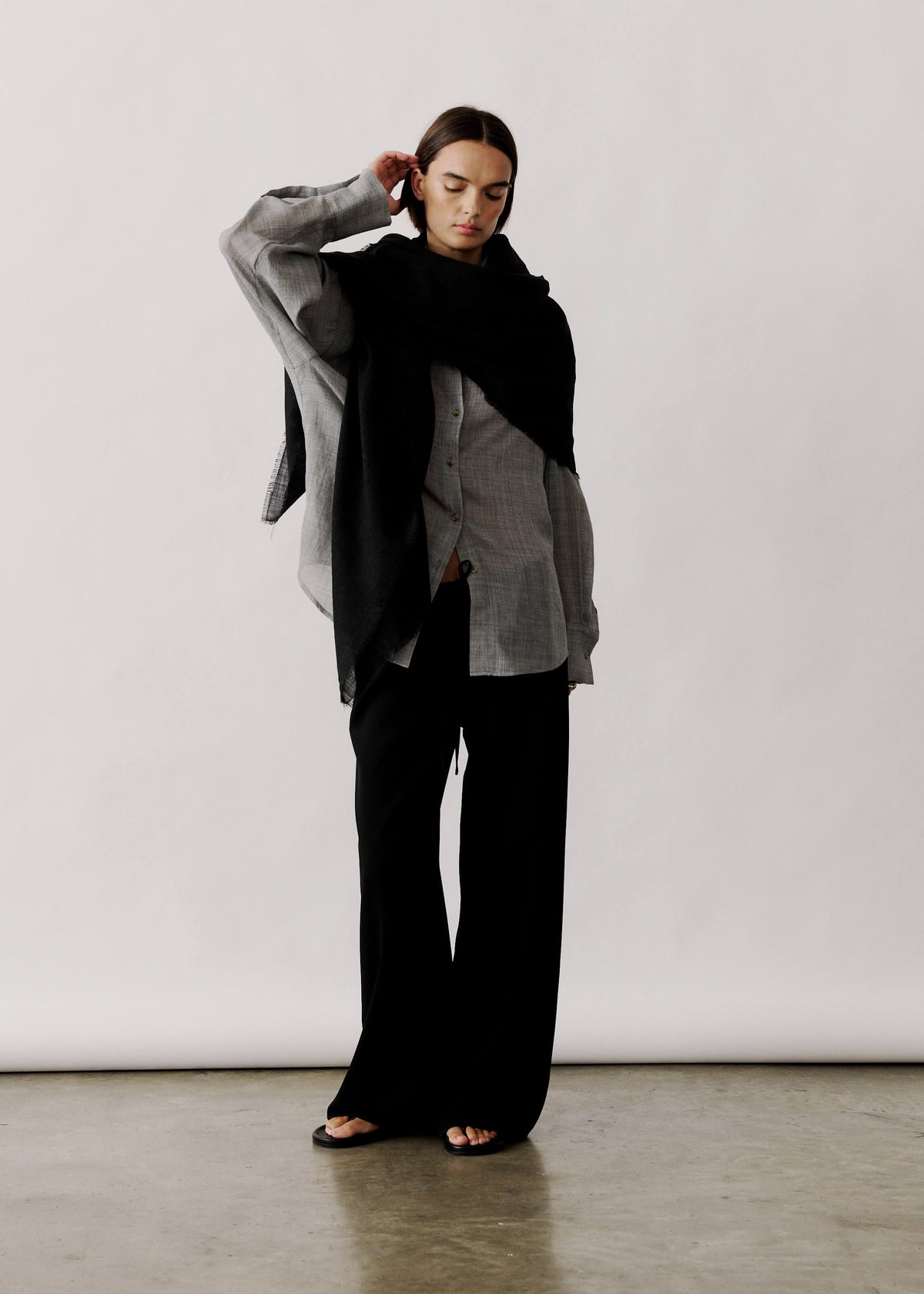
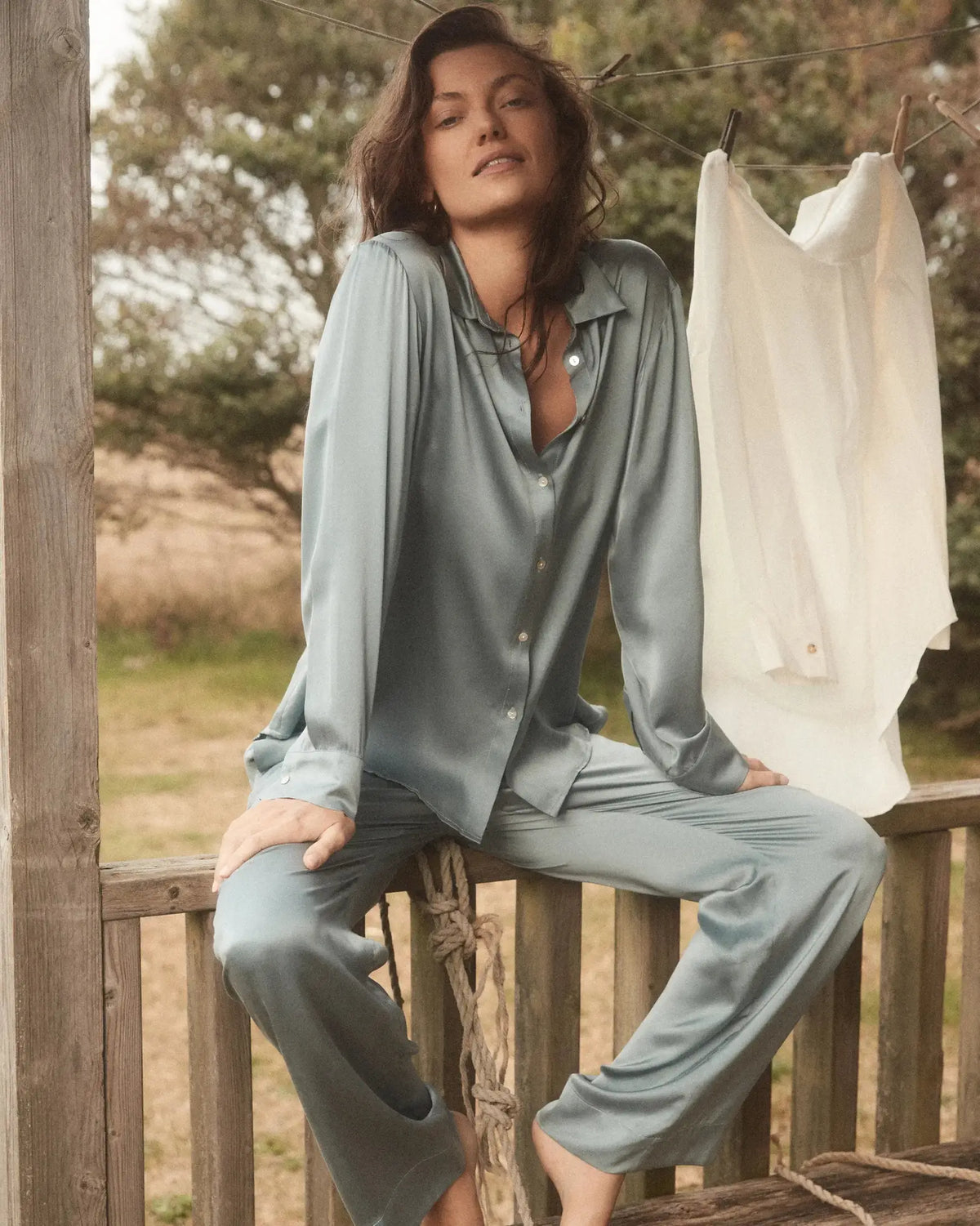
Add a sandwashed silk shirt for effortless mixability.

Choose a curated accent-colour palette to elevate your looks
Build a compact palette of two to three accent colours using the colour wheel: choose analogous hues for a calm, harmonious feel or a complementary pair for a bolder contrast. Anchor these with three neutral bases to create many effortless pairings. Apply accent shades sparingly and with intent rather than evenly across a look; reserve them for trims, piping, buttons, drawstrings, robe belts or an eye mask so a small detail reads as considered styling. Test placements by pinning swatches to garments and photographing them near your face to judge balance. Finally, match accent shades across different textures so the same navy or blush in a satin trim, a cotton print and a knit scarf reads coordinated, while tactile variety alters the perceived intensity of the colour.
Curate a compact capsule by selecting three neutral base pieces to form the foundation of your rotation, then introduce two accent-led items as focal points and one accessory in an accent colour to lift simpler pyjamas. This approach keeps the collection cohesive while allowing standout moments across varying textures and silhouettes. Use a brief evaluation checklist: view fabric swatches in natural light, photograph complete outfits laid out together to confirm cross-piece harmony, and ensure care instructions are compatible so pieces can be laundered and stored together. Finally, verify each accent pairs with at least two base pieces to ensure genuine versatility before committing to a shade.
Practical steps to choose, test, and place accent colours
- Intentional placement ideas: reserve small accents for trims, piping, cuffs, buttons, drawstrings, robe belts, eye masks, socks, or a single statement seam so a little colour reads as design rather than randomness. Repeat the same accent shade across two or three items, for example a navy trim, a knit scarf, and a printed cuff, to read coordinated while letting texture change visual weight.
- Swatch testing ritual: view swatches in natural light, pin them to the actual garments, photograph them near your face and laid out with your neutrals, then evaluate whether each accent complements at least two base pieces. Photograph on a phone and compare images side by side to spot clashes you might miss in the mirror.
- Compact palette recipes: pick analogous hues for a calm look or a complementary pair for stronger contrast, then pair these with three neutral bases to create dozens of combinations. Build a capsule by choosing three neutral backbone pieces, adding two accent-led focal items, and including one accent-coloured accessory to lift simpler pyjamas.
- Fabric and care considerations: match the same shade across different textures so a satin trim, a cotton print, and a knit scarf read like one palette, remember sheen increases perceived intensity, check dye-lot variation, and verify laundering instructions so accents do not demand separate care that breaks rotation. Pre-wash swatches where possible to confirm colour fastness before committing.

Design coordinating prints and varying motif scales across the collection
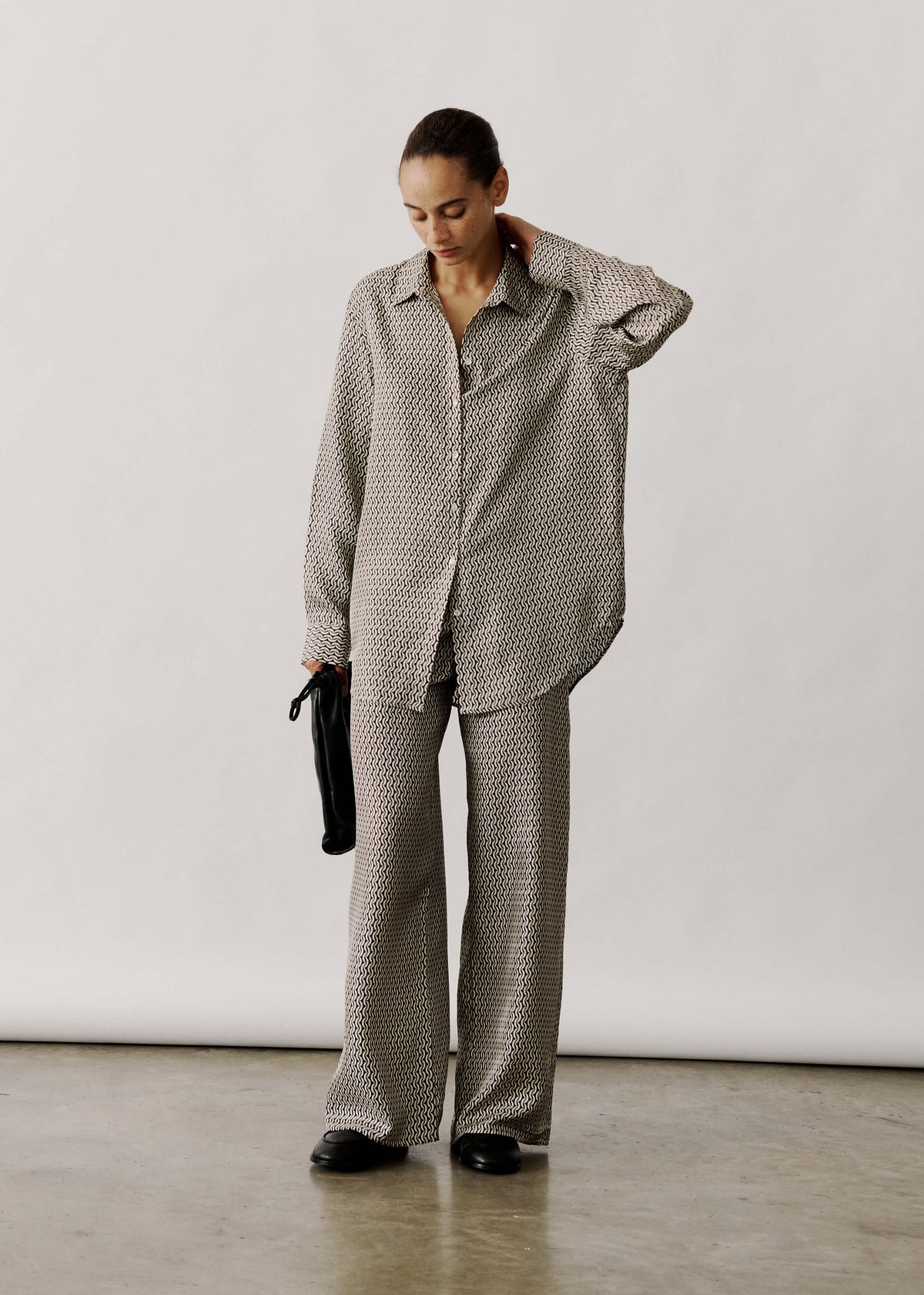
Begin with a pared-back base-and-accent palette: select one or two neutral bases and two or three accent colours, and ensure at least one accent appears in every print so the collection reads as a cohesive family. Reserve a solid base for pieces intended to mix and match with multiple prints. Map a three-scale motif hierarchy across garment panels so motifs remain legible at small scale and striking at large scale. For example, assign micro motifs to trims and cuffs, medium motifs to the main bodies of pyjamas and shirts, and macro motifs to robes and nightdresses, and always test each scale against actual pattern pieces before finalising repeats.
Derive companion prints from a single hue by varying saturation or value to create harmonious tonal relationships that mix seamlessly. Consider reversible styles or contrast panels where an accent is inverted against a base to increase outfit permutations. Regard sampling and placement as essential: produce flat-lays and on-body mock-ups, print swatches to check colour and scale, align repeats across seam lines, and photograph samples on a diverse range of body shapes so alignment and proportion issues are caught early. These practical checkpoints allow a single accent to suggest variety without adding complexity, while safeguarding motif legibility and the garment’s drape.
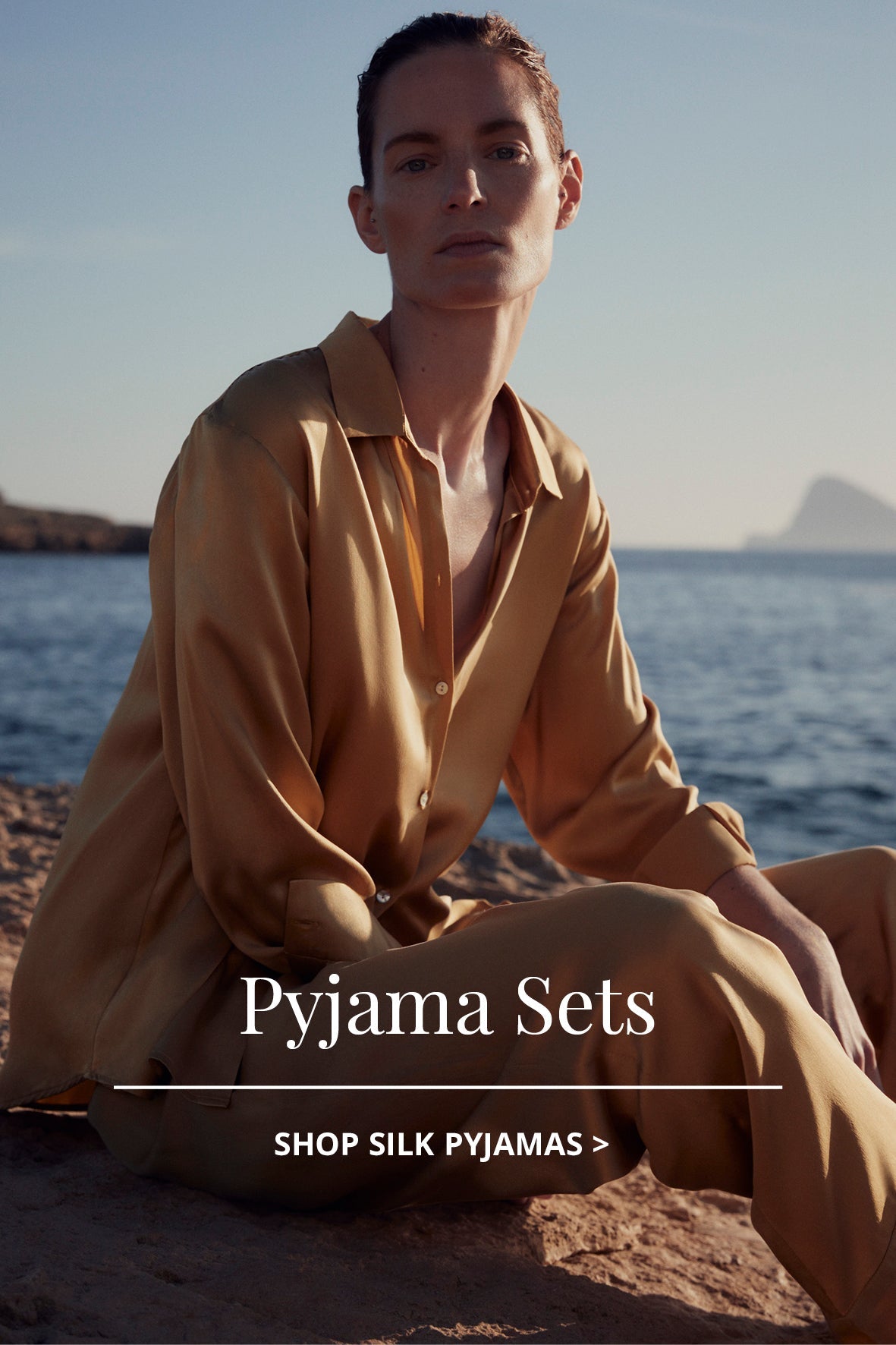
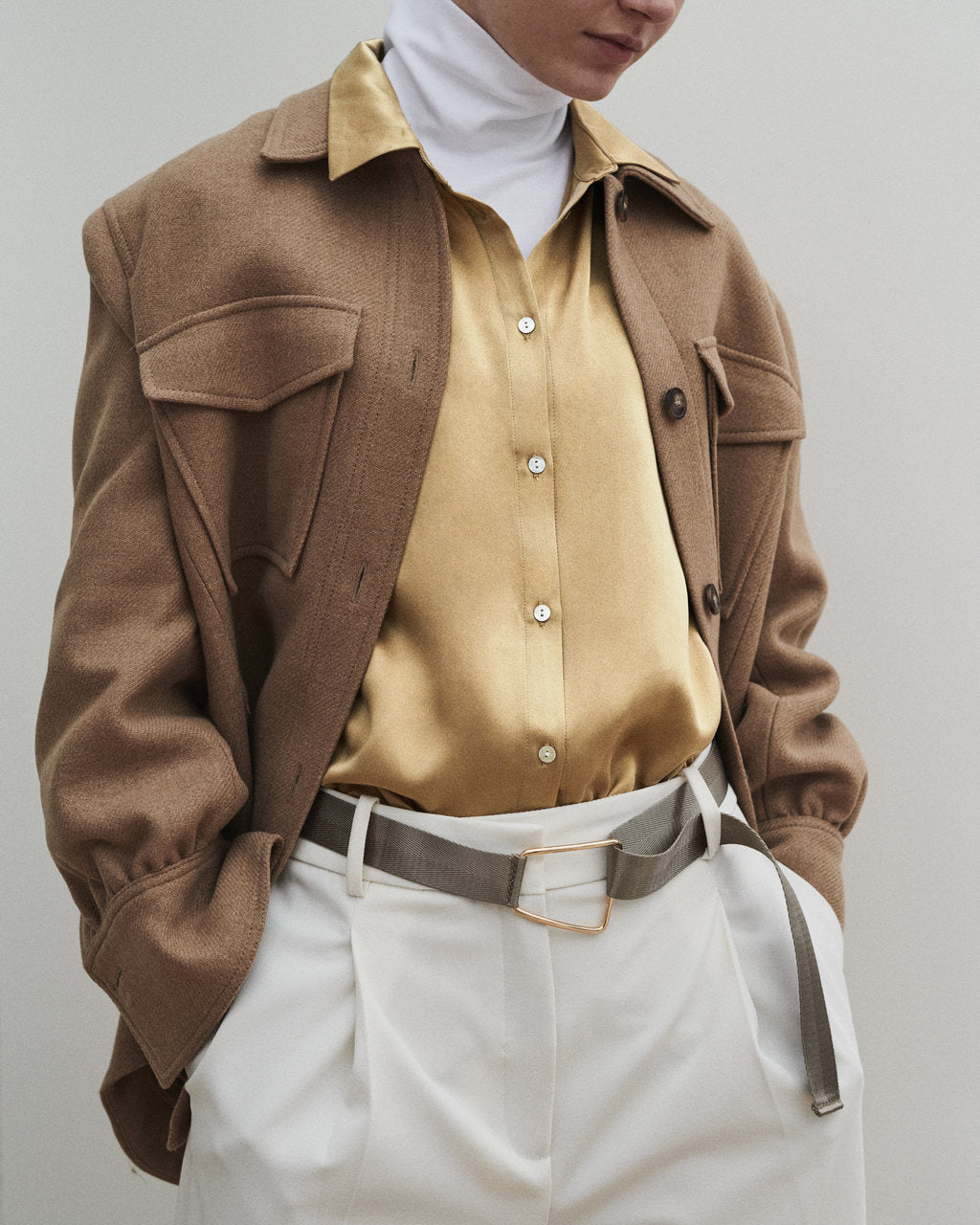
Pair a solid silk base to anchor bold prints.

Unify fabrics, finishes and production specifications for a cohesive feel
Begin by selecting a single fibre family and two complementary weights within your target fabric weight range in grams per square metre. Pre-wash prototypes and record the percentage change in dimensions, then set an acceptable shrinkage tolerance for manufacture. Choose a single finishing route, for example mercerisation to increase lustre and dye uptake, or an enzyme wash to soften the handle and reduce pilling, and document measurable outcomes such as pilling rating from abrasion testing, concise hand-feel notes, and any change in drape. Keeping these records ensures drape, shrinkage and finish are aligned across sleepwear and complementary pieces so samples can be reliably matched at scale.
To achieve consistent quality across a collection, define a limited trim vocabulary and set fixed placement rules so accents remain harmonious. Specify items such as button material and size range, piping width and elastic finish, and restrict their placement to agreed locations, for example cuffs, pocket welts and waistbands. Provide a standard tech pack template that lists essential construction details. Include fibre content, grams per square metre (GSM), stitch type and density, needle size, seam allowance, topstitch width, grading increments and size tolerances so factories can faithfully reproduce fit and finish. Require a short test panel for every fabric and finish. Run representative wash and dry cycles, measure colourfastness to perspiration, test seam strength and record dimensional stability. Finally, embed clear pass criteria within the spec sheet so buyers and production teams can make objective decisions about whether a sample meets the collection brief.
A disciplined base and accent system transforms disparate pyjamas and loungewear into a cohesive, mixable collection that meets clearly defined customer needs and occasions. Begin with a restrained base palette and a considered set of accent colours, then validate combinations with small capsule collections, paired photography and straightforward A/B tests to observe preference and fit decisions.
Work through the principal steps: identify the customer and the occasion; define your base palettes; select coordinated accents; scale motifs across panels; and unify fabrics and technical specifications so decisions become repeatable. Build a five-piece prototype capsule, track attachment rates and cross-sell lift, and require wash-tested panels that meet explicit pass criteria. Use these findings to refine the collection before committing to production.

Leave a comment
This site is protected by hCaptcha and the hCaptcha Privacy Policy and Terms of Service apply.