
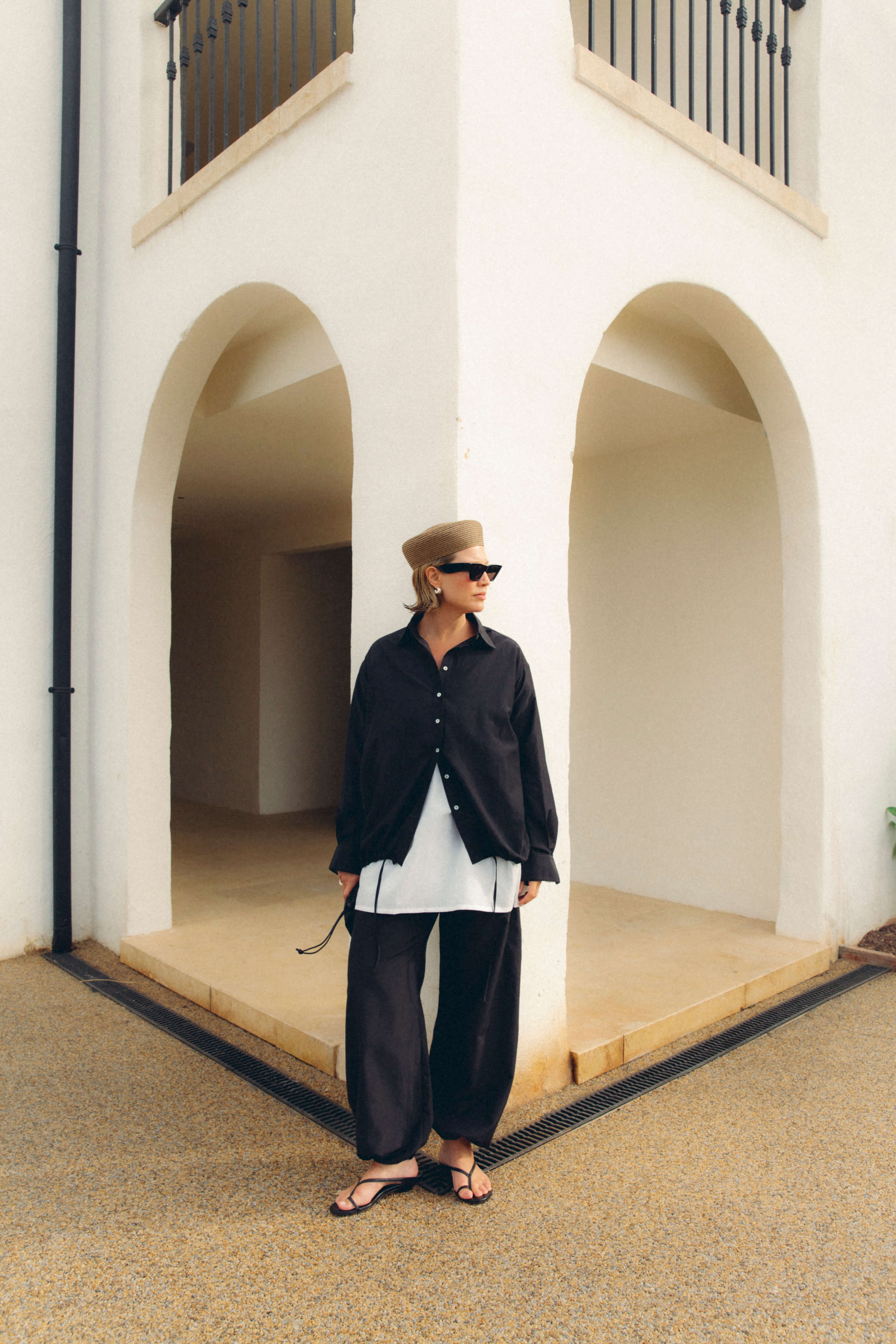


A Practical Guide to Curating a Compact, Timeless Wardrobe
A pared-back wardrobe that feels dependable yet remains effortlessly stylish streamlines mornings, minimises waste and highlights the pieces you truly love. This guide will help you define your priorities, assess fit and function, assemble a versatile capsule of considered fabrics and silhouettes, and establish care routines so garments endure.
Practical guidance on sourcing lasting quality spans mindful new purchases and secondhand finds, together with straightforward tailoring and simple repair and storage routines that keep garments well cared for. Use these steps and examples to curate a compact, dependable wardrobe that complements your body, lifestyle and evolving taste.
![{"image_loaded": true, "load_issue": null, "description": "A young woman with medium-dark skin and curly hair stands barefoot in front of a mirror inside a room with wooden floors and ceiling beams. She wears cream-colored pajamas and holds two dresses on hangers: one black with a floral pattern and one white with a colorful floral pattern. The room has a partially open white door and some furniture including a dark wooden chair. The image captures her reflection in the mirror from head to feet.", "people": {"count": 1, "roles": ["individual choosing clothing"], "visible_demographics": "One young adult woman, medium-dark skin tone, curly hairstyle.", "attire": "Cream-colored pajama set.", "pose_or_activity": "Standing barefoot, holding two dresses on hangers, looking at herself in the mirror."}, "setting": {"environment_type": "indoor", "location_hints": "Wooden floors and ceiling beams, partially open white wooden door, some furniture visible including dark wooden chair, soft natural lighting.", "depth_scale": "medium", "lighting": "Natural light from an unseen source illuminating softly.", "temperature": "neutral"}, "objects": {"primary_objects": ["two floral dresses on hangers"], "secondary_objects": ["mirror with wooden frame", "door", "dark wooden chair"], "object_interaction": "The woman is holding both dresses in front of her while looking in the mirror."}, "composition": {"subject_focus": "Centered in mirror reflection", "relationships": "The woman is reflected straight-on while holding dresses, background details are behind her in the room.", "depth_structure": "Clear foreground (mirror and woman) and background (room interior) separation.", "camera_angle": "Eye-level", "cropping": "Full body reflected in mirror, framed by door and wall edges."}, "motion": {"motion_type": "static", "motion_direction": null, "energy_level": "low", "sequence_implied": "single moment"}, "aesthetic": {"medium": "photograph", "style_subtype": "naturalistic, candid", "color_palette": "muted neutrals with pops of color in dresses", "contrast_level": "moderate", "texture_and_grain": "smooth, natural indoor lighting texture", "postprocessing": "minimal, natural color grade"}, "tone": {"visual_mood": "calm, contemplative", "lighting_influence": "soft, natural light creating a neutral tone", "camera_distance_effect": "intimate, personal"}, "confidence": {"demographic_confidence": 0.8, "activity_confidence": 0.9, "setting_confidence": 0.85}}](https://cdn.shopify.com/s/files/1/1327/6929/files/woman_choosing_outfits_reflected_in_a_home_mirror_during_morning_routine_SP5A7n2Qks.72l6pxaYP9.webp?v=1771501520)
Prioritise what matters: embrace slow, sustainable fashion choices
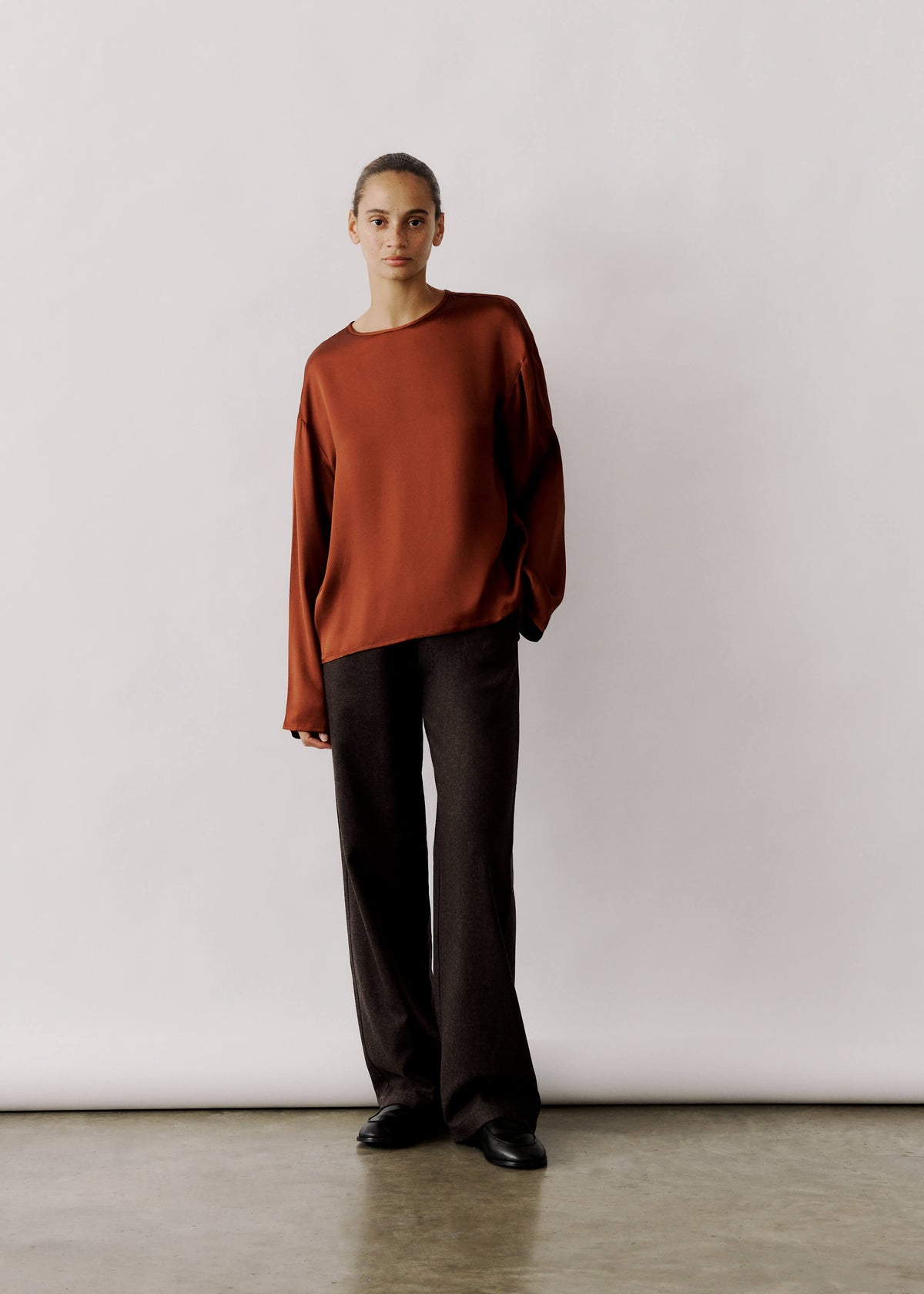
Begin by defining three guiding priorities: fit, durability and versatility. Evaluate each garment against these standards, retaining pieces that meet at least two, mending items that can be rescued, and donating or recycling those beyond repair. Choose a restrained colour palette of three neutrals and two accent shades, then photograph a few representative outfits to ensure the combinations work in practice. Favor fabrics that balance resilience with ease of care, such as tightly woven cotton, merino wool and stable blended knits, and test any fabric by stretching it gently to confirm it returns to shape.
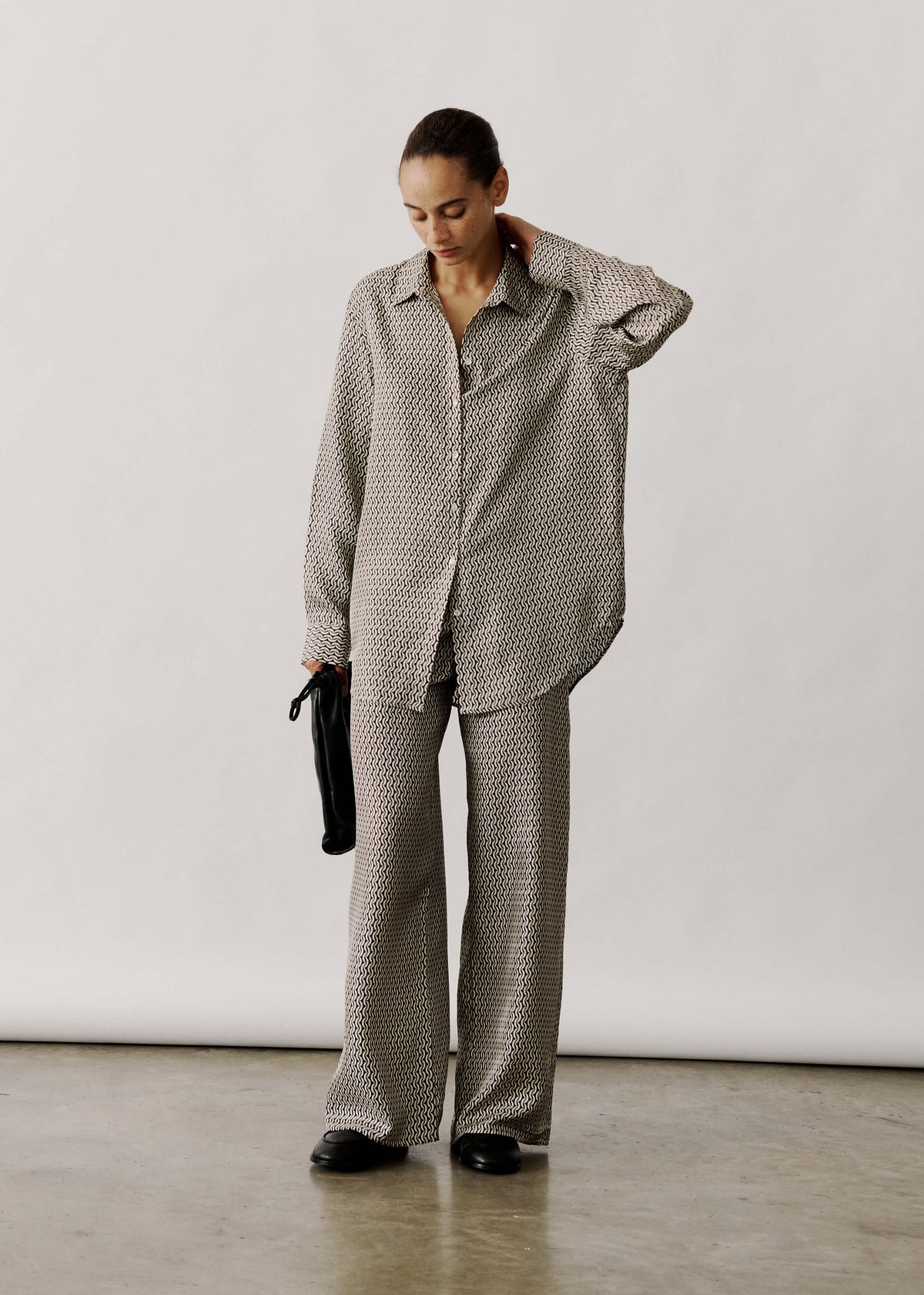
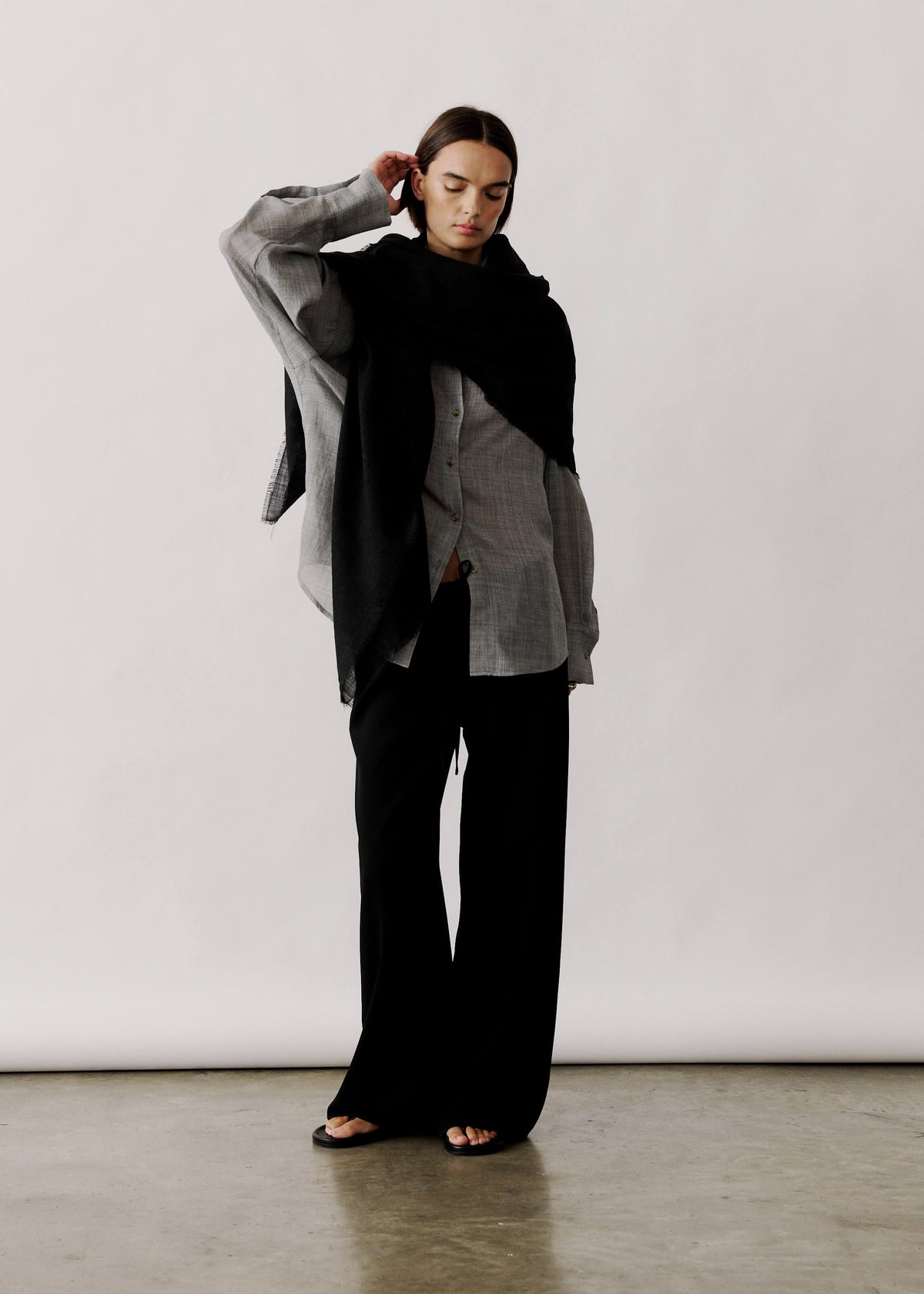
Begin with a considered capsule wardrobe that balances everyday ease with refined versatility: several everyday tops, two smart layers, a tailored jacket, one pair of smart trousers, one pair of casual trousers, a versatile dress or skirt and two pairs of shoes. Rotate these pieces through your routine to reveal any gaps in function or fit. Adopt a simple care and repair ritual: learn two basic mending techniques, check garments regularly for signs of wear and store items by shape and fabric to prevent distortion. When a piece needs attention, favour alterations that restore fit rather than replacing it. These small practices prolong a garment's useful life and keep a wardrobe feeling cohesive and purposeful.
Add a versatile dress for day and night
![{"image_loaded": true, "load_issue": null, "description": "The image is split into two vertical halves. The left half shows a woman seated on a beige cushioned armchair with wooden armrests. She wears a matching cream pajama set with a black leaf pattern and is seated against light beige cushions with a yellow accent pillow visible. The right half is a close-up of a person's torso and hands wearing a rust-colored textured jacket with a single button fastened and matching pants, standing against a plain white background. Both halves focus on the clothing worn rather than showing faces or full bodies.", "people": {"count": 2, "roles": ["model"], "visible_demographics": "Adults, likely female, light skin tones visible on hands and neck", "attire": "Left: cream pajama set with black leaf pattern; Right: rust-colored jacket and matching pants", "pose_or_activity": "Left: sitting relaxed on armchair; Right: standing with one hand held near chest and other by side"}, "setting": {"environment_type": "Indoor", "location_hints": "Left side shows a beige armchair with cushions and wooden elements, light neutral wall and baseboard; Right side plain white background", "depth_scale": "medium", "lighting": "Soft natural lighting on left, even artificial or diffused lighting on right", "temperature": "neutral"}, "objects": {"primary_objects": ["armchair", "clothing"], "secondary_objects": ["pillows"], "object_interaction": "Woman on left is seated on armchair; right image focuses on clothing worn by person standing"}, "composition": {"subject_focus": "Half images each focus on clothing; left image captures seated model in profile, right image is close-up mid torso crop", "relationships": "Side-by-side vertical division of two different clothing-focused compositions", "depth_structure": "Left image has depth with background cushions; right image is flat with plain backdrop", "camera_angle": "Eye-level", "cropping": "Left half shows full body seated; right half is close-up of jacket and hands"}, "motion": {"motion_type": "static", "motion_direction": null, "energy_level": "low", "sequence_implied": "single moment"}, "aesthetic": {"medium": "Photographic", "style_subtype": "Realistic, editorial fashion", "color_palette": "Muted neutrals with cream, black, rust tones", "contrast_level": "moderate", "texture_and_grain": "Smooth, natural fabric textures visible", "postprocessing": "Minimal, natural color grading"}, "tone": {"visual_mood": "Calm, sophisticated, clean", "lighting_influence": "Soft, diffused, natural lighting enhances fabric textures", "camera_distance_effect": "Combination of medium and close-up views creates both contextual and detailed perspectives"}, "confidence": {"demographic_confidence": 0.9, "activity_confidence": 0.95, "setting_confidence": 0.9}}](https://cdn.shopify.com/s/files/1/1327/6929/files/ss22_homepage_banner.png?v=1648052710)
Audit your wardrobe for fit, function, and joy
Begin with a fit audit by trying each piece on over a simple base layer. Photograph from the front, side and back, and note three positive fit points alongside three areas of concern. Measure shoulders, chest, waist and sleeve length to create an objective reference you can consult when buying or altering garments. Score every item for fit, comfort and joy, then add the totals to convert impressions into clear decisions: keep, alter, repair or remove. Keeping a written record of these details builds an archive you can revisit, making future wardrobe choices faster and more confident.
Begin by organising garments according to their purpose — for example: work, leisure, exercise, travel and special occasions. Mark any items that fulfil more than one role to reveal true overlap and genuine gaps. Inspect seams, fastenings, linings and fabric for signs of wear; record care instructions and set aside pieces that require repair before judging their usefulness. Finally, assemble and photograph five complete outfits that meet your everyday needs, note any components the combinations reveal as missing, and save the images as a compact wardrobe blueprint to avoid unnecessary, duplicate purchases.
Add an airy shirt dress to fill outfit gaps
![{"image_loaded": true, "load_issue": null, "description": "Two women are in a sewing or tailoring room. One woman, wearing a loose green garment, is standing still while the other woman, dressed in a white shirt with rolled-up sleeves, is adjusting the collar of the green garment. A black dress form with a yellow measuring tape draped over it stands on the left side. There is a sewing machine on a table in the foreground left, and behind the women, a shelf holds folded fabric and a small lamp with dried floral decor providing warm lighting.", "people": {"count": 2, "roles": ["seamstress", "client/model"], "visible_demographics": "Two adult women with light skin. One with light brown/blonde hair, the other with dark brown hair tied in a ponytail.", "attire": "The woman being adjusted wears a loose green garment. The other woman wears a white shirt with sleeves rolled up and a measuring tape around her neck.", "pose_or_activity": "The woman in green stands still, while the other woman adjusts the garment collar on her shoulder."}, "setting": {"environment_type": "indoor tailoring or sewing room", "location_hints": "Black dress form, sewing machine, folded fabrics on shelving, wooden furniture, lamp with dried floral arrangement, beige walls.", "depth_scale": "medium", "lighting": "warm artificial light from lamp and ambient lighting", "temperature": "warm"}, "objects": {"primary_objects": ["green garment", "sewing machine", "dress form"], "secondary_objects": ["yellow measuring tape", "folded fabrics", "wooden shelving", "lamp with dried floral decor"], "object_interaction": "The seamstress uses her hands to adjust the green garment's collar worn by the other woman."}, "composition": {"subject_focus": "primary focus on two women centrally placed in frame; slight left focus on sewing machine and dress form", "relationships": "Seamstress to right adjusting garment on client to left; dress form in background left; sewing machine foreground left; shelf background right", "depth_structure": "layered depth with foreground sewing machine, midground people, background furnishing and dress form", "camera_angle": "eye-level", "cropping": "medium framing capturing two women from waist up and surrounding work space"}, "motion": {"motion_type": "implied", "motion_direction": null, "energy_level": "low", "sequence_implied": "single moment"}, "aesthetic": {"medium": "photograph", "style_subtype": "realistic", "color_palette": "muted, warm earth tones", "contrast_level": "moderate", "texture_and_grain": "smooth", "postprocessing": "natural lighting with warm highlights"}, "tone": {"visual_mood": "professional, calm, focused", "lighting_influence": "warm, soft lighting creates inviting atmosphere", "camera_distance_effect": "intimate but not close-up"}, "confidence": {"demographic_confidence": 0.8, "activity_confidence": 0.9, "setting_confidence": 0.85}}](https://cdn.shopify.com/s/files/1/1327/6929/files/description_the_image_shows_two_women_in_a_sewing_workspace_one_woman_stands_wearing_a_green_jacket_facing_slightly_away_from_the_camera_while_the_other_woman_dressed_in_a_white_blous.webp?v=1767976799)
Create a timeless capsule wardrobe of essential pieces, fabrics and silhouettes
Begin with seven versatile pieces: a crisp white shirt, a navy blazer, tailored trousers, dark jeans, a mid-weight knit, a versatile dress and a classic coat. Pair three tops, four bottoms and two outer layers to demonstrate the combinatorial payoff. Three tops, four bottoms and two layers produce 24 distinct outfits, showing how a small, well chosen edit can create considerable variety. Keep each outfit balanced by working within simple silhouette rules: include one tailored piece, one relaxed piece and one mid-fit piece. To multiply a garment's usefulness, prioritise a few precise alterations: ensure jackets sit correctly at the shoulders, adjust trousers at the waist and rise, and tailor hems on trousers and sleeves.
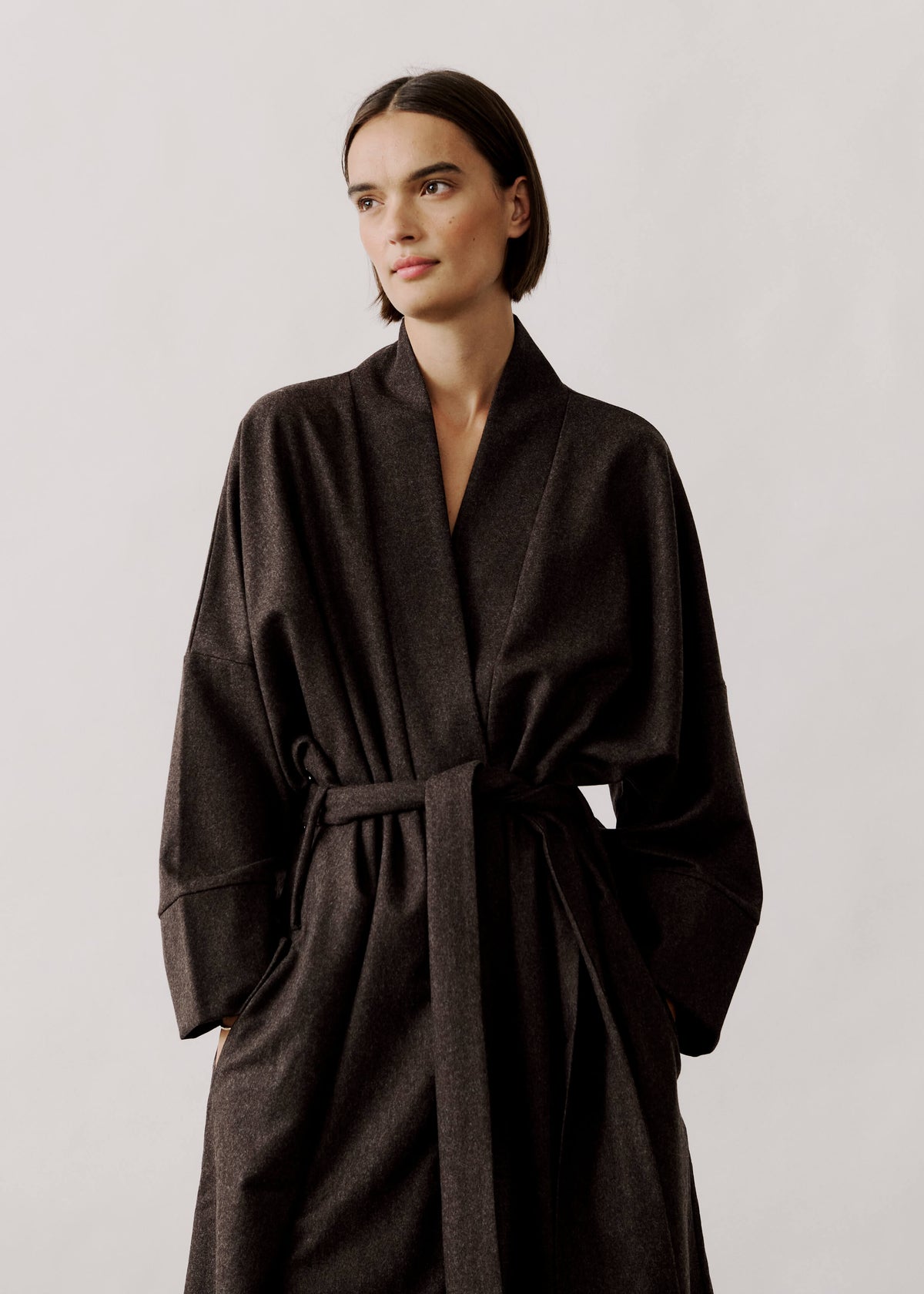
Choose fabrics for function and longevity. Opt for wool or wool blends for structure and warmth, cotton poplin for crisp shirts, linen for breathability in warm weather, and silk or modal for an elegant drape. Assess quality by touch and finish: a tight weave, consistent stitch density and smooth seams indicate durability, while visible pilling or an uneven weave suggests a garment will age faster. Adopt a compact colour strategy of three neutrals and one or two accents, for example navy, cream and grey with olive or rust. Follow simple care habits to prolong a wardrobe: rotate wear, heed care labels, mend small issues promptly, reproof outerwear and store garments on shaped hangers to preserve fit, drape and colour.
Capsule cheatsheet: outfits, fabrics, fit
- Mix-and-match outfit formulas that show the 24‑outfit payoff: start from the seven core pieces — crisp white shirt, navy blazer, tailored trousers, dark jeans, mid-weight knit, versatile dress, classic coat — and rotate three tops, four bottoms, and two outer layers to make variety. Ready formulas you can copy: day office: white shirt + tailored trousers + navy blazer, swap the coat for outdoors; smart casual: mid-weight knit + dark jeans + blazer, or mid-weight knit + tailored trousers + coat for a sharper look; easy travel: versatile dress worn alone or layered with the mid-weight knit and the coat; weekend elevated: white shirt tucked into dark jeans with the blazer or the coat. Each combination follows the 3 × 4 × 2 structure, so small swaps multiply into 24 distinct looks.
- Fabric selection and care cheat-sheet, tuned to longevity and function: choose wool or wool blends for structure and insulation, cotton poplin for crisp shirts, linen for warm-weather breathability, and silk or modal for elegant drape. Spot quality by feel and finish: a tight, even weave, consistent stitch density, smooth seams, and clean interior finishes indicate durability; visible pilling, loose threads, or an uneven weave predict faster wear. Care actions that preserve value: rotate pieces to reduce stress, follow care labels, mend small snags or seam splits immediately, reproof outerwear when needed, launder delicates sparingly and use shaped hangers and cool, dark storage to protect fit and colour.
- Fit, tailoring, and silhouette rules that make every combo balanced: require one tailored piece, one relaxed piece, and one mid-fit piece in each outfit group to keep proportions intentional. Prioritise alterations that multiply usefulness: fit jackets at the shoulders first, adjust trousers at the waist and rise next, then set hems on trousers and sleeves. Practical proportion hacks: pair a slim, high-rise trouser with an oversized knit to balance volume, counter relaxed jeans with a structured blazer to maintain polish, and shorten or lengthen hems to preserve leg proportion. Shoulders are hardest to change, so buy to shoulder fit, and invest small alterations at waist and hem for the largest everyday payoff.
![{"image_loaded": true, "load_issue": null, "description": "A woman with dark hair tied in a messy bun is seen from behind, selecting a blue garment on a hanger from a clothing rack or closet. She wears a black sleeveless top with thin straps. The setting is indoors with framed pictures on the wall in the background and other clothes, including a cream and striped jacket, hanging next to the blue garment. The lighting is soft and natural or diffused, and the camera captures a medium-close view focusing on her upper body and the clothes.", "people": {"count": 1, "roles": ["customer or individual choosing clothes"], "visible_demographics": "adult female, likely Asian descent based on hair and skin tone", "attire": "black sleeveless top with thin straps", "pose_or_activity": "reaching to select or remove a garment on a hanger"}, "setting": {"environment_type": "indoor", "location_hints": "clothing rack or closet with jackets and garments, framed pictures on wall", "depth_scale": "medium", "lighting": "soft, natural or diffused lighting", "temperature": "neutral"}, "objects": {"primary_objects": ["blue garment on hanger", "cream jacket with stripes on hanger"], "secondary_objects": ["black hanger"], "object_interaction": "woman holding black hanger with blue garment"}, "composition": {"subject_focus": "woman centered, upper back and arm in focus", "relationships": "woman close to clothing rack selecting garment", "depth_structure": "foreground woman in focus, background clothing and framed pictures slightly blurred", "camera_angle": "eye-level", "cropping": "medium shot focusing on upper body and arm"}, "motion": {"motion_type": "implied", "motion_direction": null, "energy_level": "low", "sequence_implied": "single moment"}, "aesthetic": {"medium": "photograph", "style_subtype": "realistic", "color_palette": "muted, natural colors", "contrast_level": "moderate", "texture_and_grain": "smooth", "postprocessing": "minimal, natural color grading"}, "tone": {"visual_mood": "calm, contemplative", "lighting_influence": "soft and diffuse", "camera_distance_effect": "intimate"}, "confidence": {"demographic_confidence": 0.7, "activity_confidence": 0.8, "setting_confidence": 0.75}}](https://cdn.shopify.com/s/files/1/1327/6929/files/description_a_young_woman_with_dark_hair_tied_up_in_a_loose_bun_is_seen_from_behind_reaching_with_one_hand_towards_a_dark_hanger_on_a_clothing_rack_she_is_wearing_a_black_sleeveless_s.webp?v=1771501564)
Caring for, repairing and storing garments to prolong their life
Care for your pieces with intention: sort by fabric and colour, and turn garments inside out before washing. Choose lower temperatures and gentle cycles, and protect delicates in mesh bags to reduce surface abrasion, pilling and colour loss so items retain their shape and hue for longer. Refresh between washes by airing garments after wear, blotting stains before treating them, and testing any cleaning method on an inconspicuous seam to avoid damage. Use steam or fresh air to lift creases and odours, which lets you wash less often and helps prolong the life of the fibres.
Attend to the first sign of wear: reinforce seams with backstitching, patch or darn holes in knitwear, and secure loose buttons with a few neat stitches. Early repairs stop small faults becoming irreparable. Store garments thoughtfully by folding knitwear flat to avoid shoulder stretch, hanging structured coats and dresses on shaped hangers, and keeping items in breathable containers away from direct sunlight and damp to prevent fading and mildew. Keep a compact care and repair kit with needles, assorted threads, spare buttons, small scissors, fabric patches, a lint remover and natural sachets to deter insects, so prompt mending and de-pilling becomes an easy, habitual practice.
Prefer silk; steam and air to extend wear.

Curate a lasting wardrobe through mindful shopping, second-hand finds and tailoring
When assessing a garment, examine the construction closely: even stitching, single-needle or chain stitching, consistent seam allowances, neatly finished seam edges, a proper lining and reinforced stress points—most often at sleeves, collars and inside jackets. Choose fabrics for performance rather than labels, favouring medium-weight wools, densely woven cottons and stable blends that drape well, recover their shape and resist creasing. To test a fabric’s resilience, fold a panel to see if it springs back and hold it up to the light to judge weave density; these simple checks provide a reliable indication of longevity.
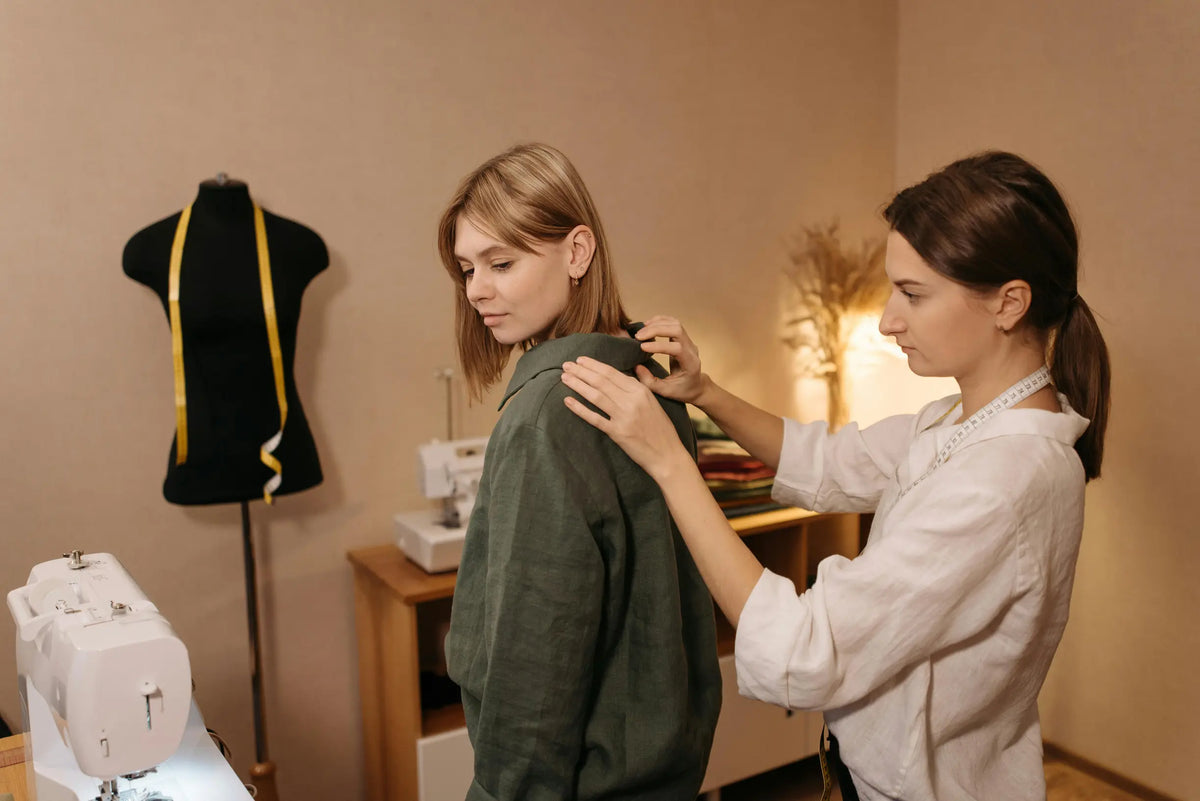
When buying secondhand garments, take a considered approach. Run your hands along seams and collars to check for wear, gently feel the underarm and crotch for thinning, and inspect the insides of pockets for mending or repairs. Test zips and buttonholes to ensure they move smoothly. Ask about any previous alterations so you understand what can be adjusted, as modest tailoring often alters a piece's silhouette more than a full remake. Prioritise structural adjustments that preserve fabric while improving fit: align the shoulders, take in the waist, shorten hems and sleeves, and reset the collar, since these interventions require minimal fabric change and help garments sit with a bespoke feel. Build a mixing strategy from a short palette, two reliable neutral silhouettes, and three accent pieces. Photograph complete outfits and note which combinations you reach for most so future purchases extend outfit possibilities.
Curating a small, dependable wardrobe centres on three priorities: fit, durability and versatility. Each piece should earn its place through mindful selection and careful wear. A pared-back capsule, regular wardrobe audits and prompt mending multiply outfit options; three tops, four bottoms and two layers alone can produce 24 distinct combinations.
Treat the following headings as practical checkpoints: define priorities, audit fit and function, assemble a versatile capsule and care for garments. Measurements, photographs, gentle test washes and modest tailoring will quickly reveal what to keep, alter or retire. Begin with a single edit: photograph outfits and mend items early to discover how fewer, better-chosen pieces save time, reduce waste and make daily dressing feel more intentional.

Leave a comment
This site is protected by hCaptcha and the hCaptcha Privacy Policy and Terms of Service apply.