

10 Ways to Style Pyjamas for Daytime Wear
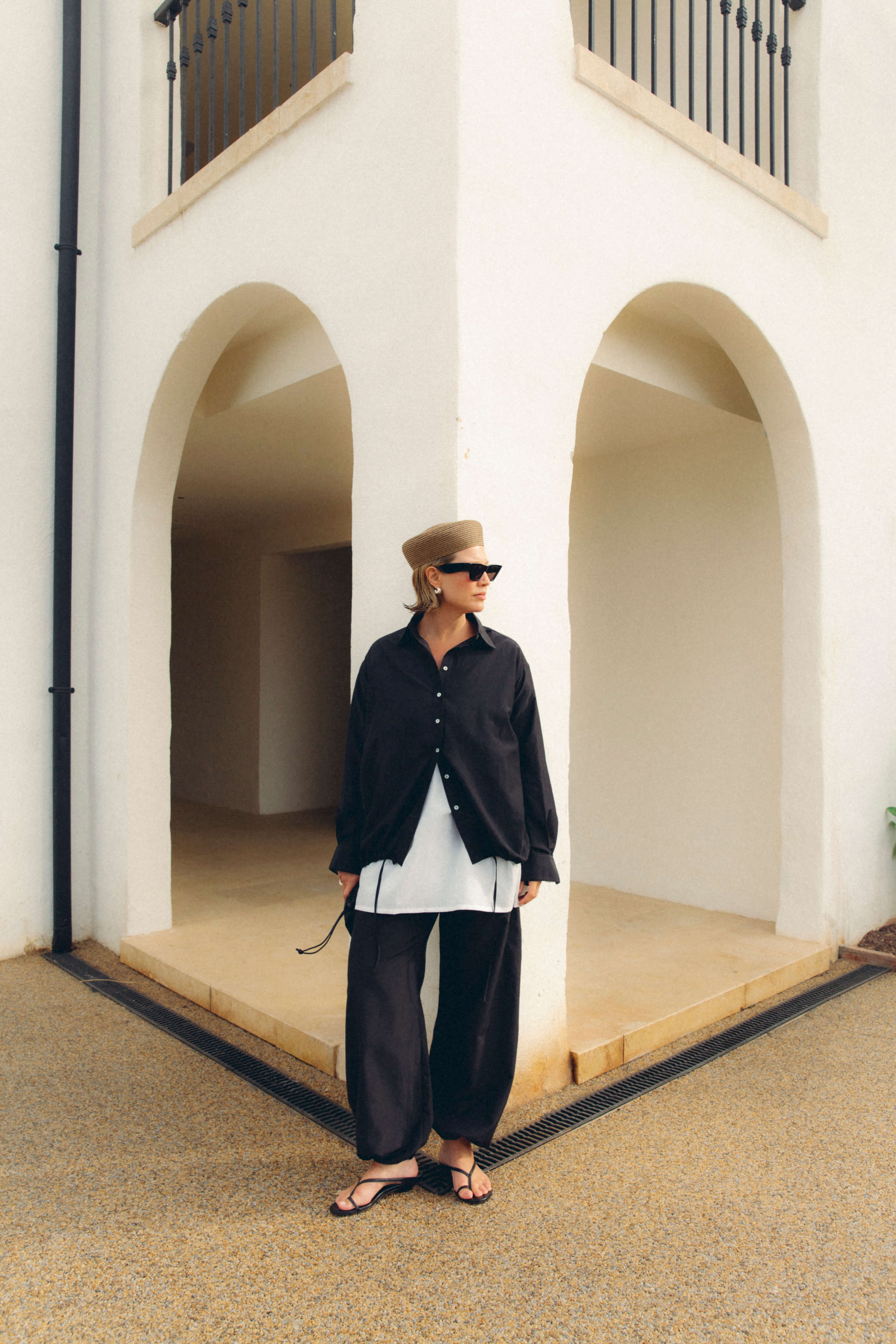
Have you ever wanted to wear pyjamas out without looking as though you have just rolled out of bed? This guide explains how subtle choices in fabric, colour, fit, layering and grooming can elevate pyjamas into polished daytime outfits.
In ten considered tips, we explore luxurious fabrics, precise tailoring, thoughtful layering, footwear, accessories, grooming, occasion-specific styling and care practices that enable pyjamas to be worn confidently during the day. Discover how small adjustments lend an intentional air to outfits, prolong a garment's life and help reduce wardrobe waste.

1. Choose luxurious fabrics and refined silhouettes for timeless elegance
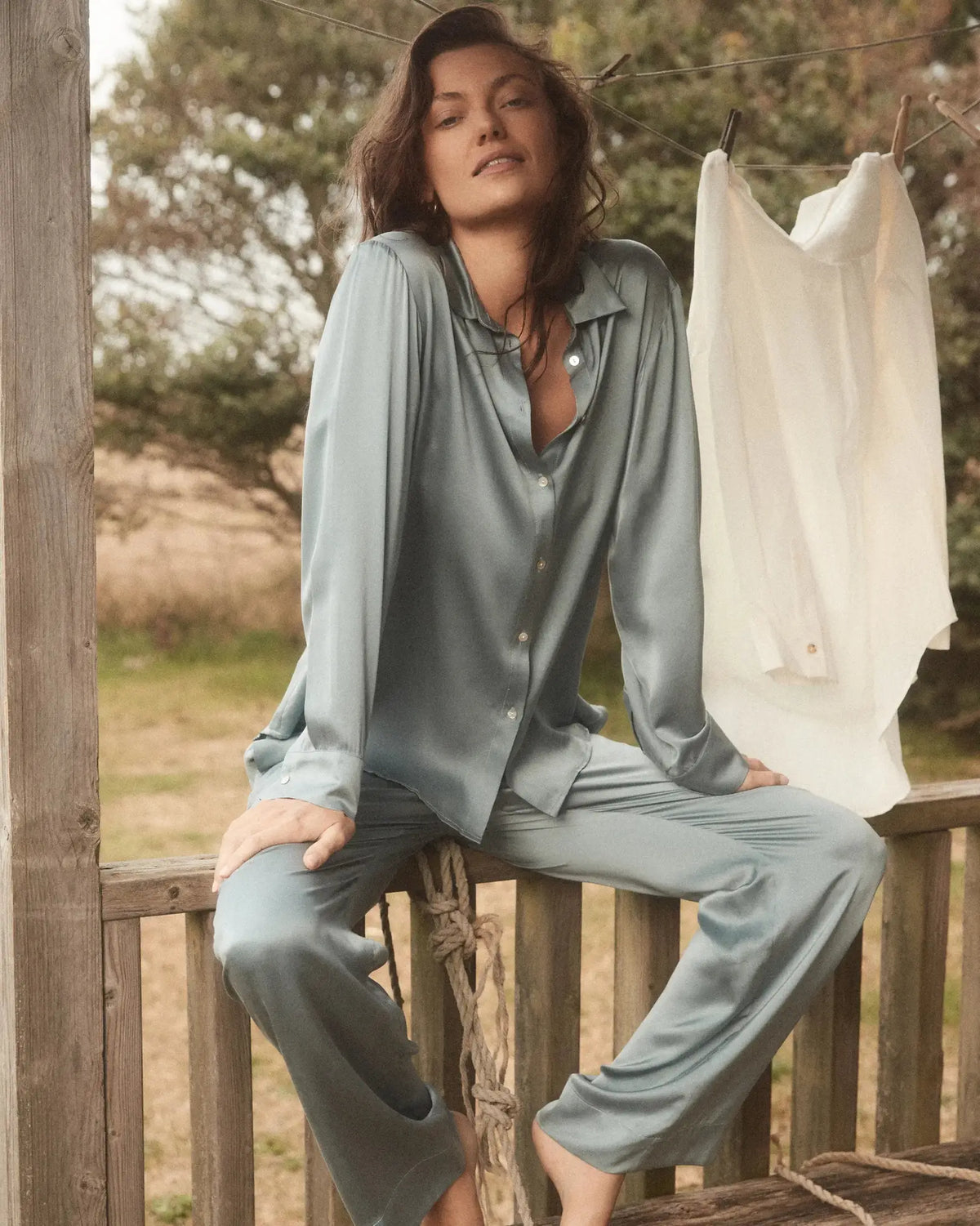
Choose fabrics that offer a controlled drape and a subtle sheen, such as silk, satin, cupro, Tencel or crisp cotton poplin. These sit smoothly under tailoring, reduce bulk and read as deliberate daywear rather than sleepwear. Select clean, structured silhouettes, for example straight-leg or gently tapered pyjama trousers, shirts with defined shoulder seams and narrow cuffs, and flat-front waists to create clear daytime proportions. Prioritise restrained finishing: tonal buttons, concealed plackets, neat hems and minimal piping allow details to register as considered design rather than bedtime trimming, while a longline collar or single-breasted closure helps pieces appear composed.
Balance relaxed pieces with structured layers: pair a fluid pyjama top with a tailored blazer or coat, or style pyjama trousers with a crisp button-up to create contrast and anchor the ensemble. Preserve a polished finish with simple care: steam or press garments before wearing, hang them to retain shape, and attend to small alterations as required. Shorten or taper hems to sit at the ankle, replace bulky elastic with a flat waistband or a discreet belt, and consider minor tailoring to refine proportions. These considered adjustments help the outfit read as intentional daytime dressing rather than sleepwear.
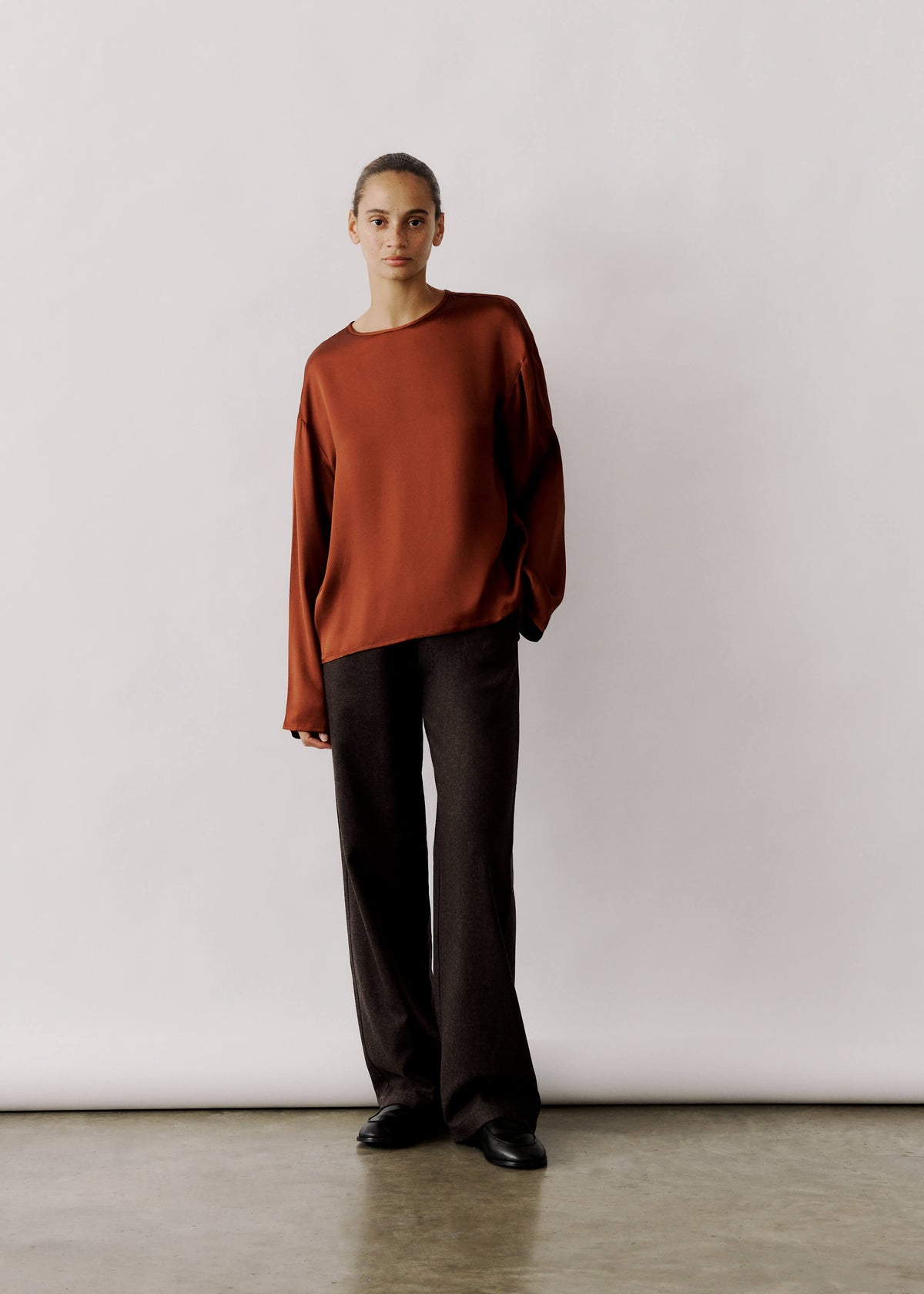
Anchor pyjama silhouettes with a tailored charcoal wool trouser.

2. Choose daytime-friendly colours and sophisticated prints
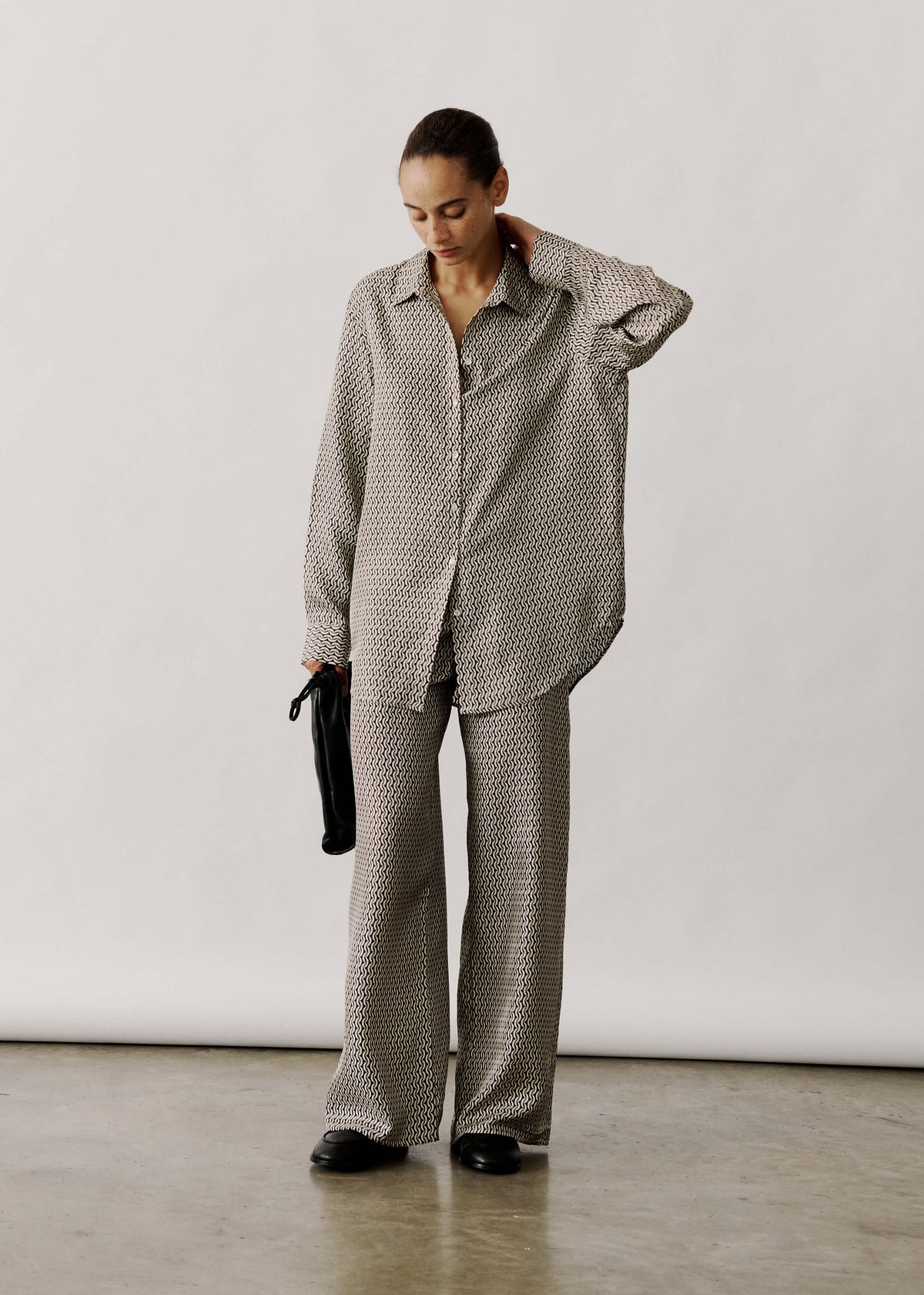
Choose a neutral, muted palette such as ivory, stone, navy, or soft pastels so pyjamas read like wardrobe staples and pair easily with tailoring and outerwear. Opt for small-scale, refined prints, such as micro-stripes, pinstripes, or ditsy florals, which behave like texture and integrate smoothly with shirts, blazers, and knitwear. Keep patterns low contrast and match trims and buttons to create a cohesive, subtle effect.
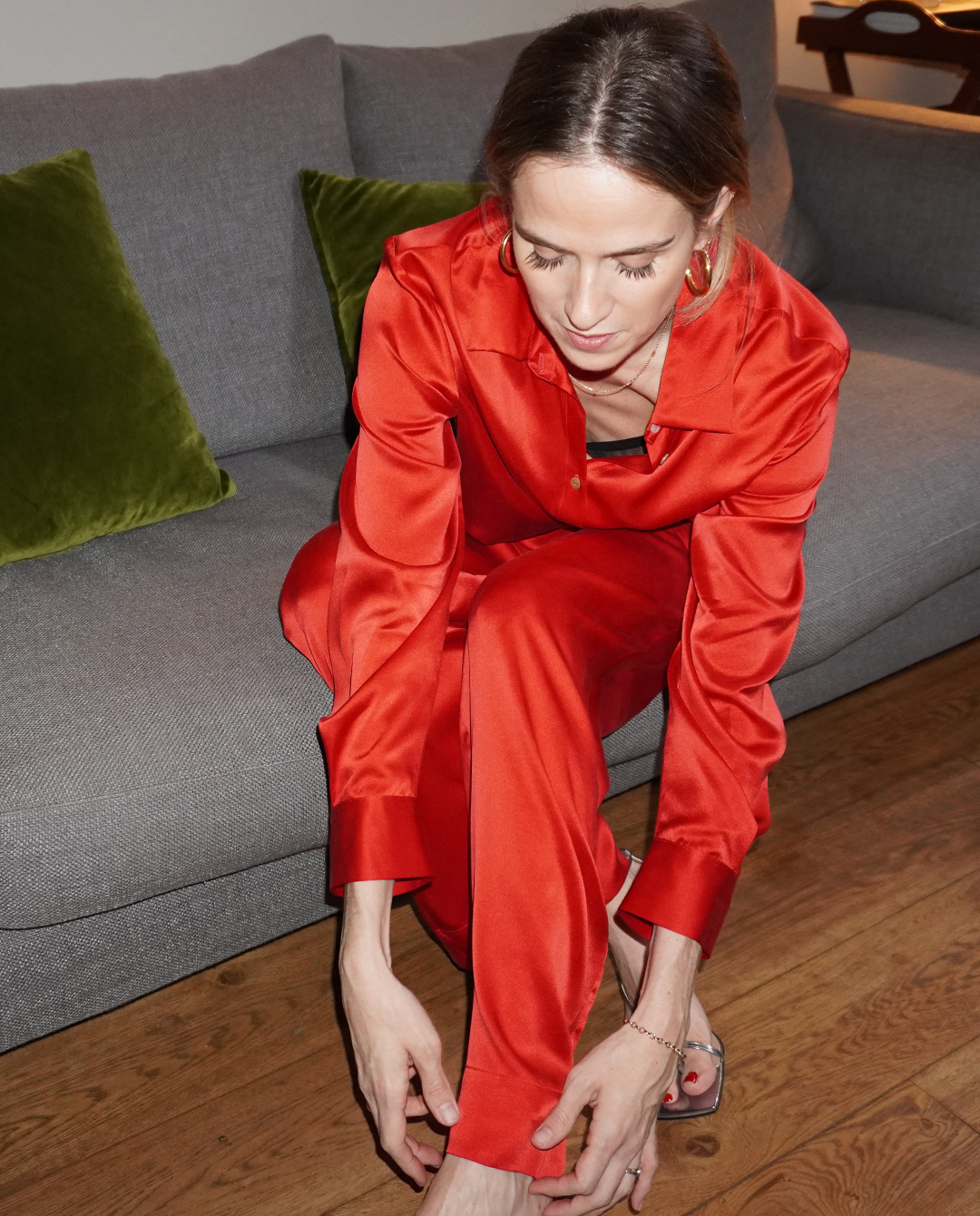
Consider the fabric finish: matte and brushed surfaces absorb light and soften colour, while high-sheen fabrics amplify vibrancy. View pieces in natural light to judge how colour and intensity change beyond bedroom lighting. Favour tone-on-tone or low-contrast repeats so prints read as subtle texture rather than novelty. Introduce a single, considered accent on a trim, pocket or accessory rather than an all-over loud print; that small pop of colour can be echoed elsewhere in your wardrobe to create a composed, intentional look that links pyjamas to daytime outfits.
Choose organic cotton trousers for daytime-ready loungewear.

3. Tailor the fit to flatter your natural proportions
To make a piece read less like nightwear and more like daytime wear, take in the side seams to define the waist and add darts to sculpt the bodice. Raise the shoulder seam to sit on the shoulder bone and refine the neckline, or shorten sleeves to reveal the wrist for a sleeker profile. Balance wide pyjama trousers with a cropped or tucked top to create a clear waistline, choose trousers that graze the ankle to elongate the leg, and, if necessary, taper excessively wide legs gradually from the knee to the hem to remove bulk without restricting movement. Before committing to permanent alterations, pin side seams and hems while wearing the shoes you plan to pair with the garment, experiment with a belt or a half-tuck to preview the silhouette, and photograph front and profile views to judge whether the proportions read as daytime-ready.
Small, targeted tweaks flatter different shapes. For shorter torsos, raise the waistline by a few centimetres to visually lengthen the leg. For broader shoulders, ensure the shoulder seams sit on the bone and reduce sleeve cap volume to avoid excess bulk. For pear shapes, retain ease through the hip while gently tapering the lower leg to balance the silhouette. Fabric and construction determine what tailoring can achieve: slippery, lightweight materials benefit from internal stabilising measures such as stay tape or a light lining to support seams and darts, whereas medium-weight fabrics take well to tapering and clean hems. Prints and strong colours can emphasise altered lines, so make adjustments on the garment's actual fabric rather than on a sample. Measure changes in centimetres and observe the visual effect: a slight waist intake adds definition, a raised shoulder seam sharpens the neckline, and an ankle-grazing hem creates the impression of a longer leg.
Opt for silk trousers to refine daytime silhouette.

4. Introduce tailored pieces for an effortlessly polished finish
Hemming pyjama bottoms so they finish at the ankle or the top of the foot, and tapering excess width through a seam, prevents fabric pooling and reveals footwear. The result is a refined silhouette that reads as considered daywear. Replacing a full elastic with a shaped waistband, finished with partial elastic and a discreet hook or button, and adding waist darts, reduces bunching. A controlled waistband allows the garment to lie flat against the body rather than billow.
Adding a thin interfacing to the collar and lapels, refining the shoulder line and setting sleeve length to the wrist bone introduces a subtle structure that allows a pyjama jacket to layer neatly over a shirt or under a coat. Reworking proportions with vertical darts, taken-in side seams or a centre back seam removes excess fabric and refines the drape; photograph the wearer before and after alterations to assess balance and movement. Upgrading finishes and hardware, such as neatly turned hems, proportionate buttons and careful topstitching to keep plackets flat, produces crisp edges that signal considered construction and support a daytime appropriate look.
Choose a tailored trouser to refine relaxed dressing.

5. Layer with effortless polish to stay warm and refined
Pair a fluid pyjama top with a structured, single-breasted blazer in a heavier fabric, cropped at the hip or thigh to contrast the pyjama drape and create an instantly polished silhouette. Half-tuck the front to define the waist, and cuff the blazer sleeves to reveal the pyjama cuffs for a tailored, intentional finish. Under a lightweight pyjama shirt, layer a fine-gauge roll-neck or a fitted camisole to add warmth, streamline the silhouette and reduce transparency so the pyjama remains the visual focus. Keeping one layer close-fitting and the other relaxed ensures the ensemble reads as a considered outfit rather than loungewear.
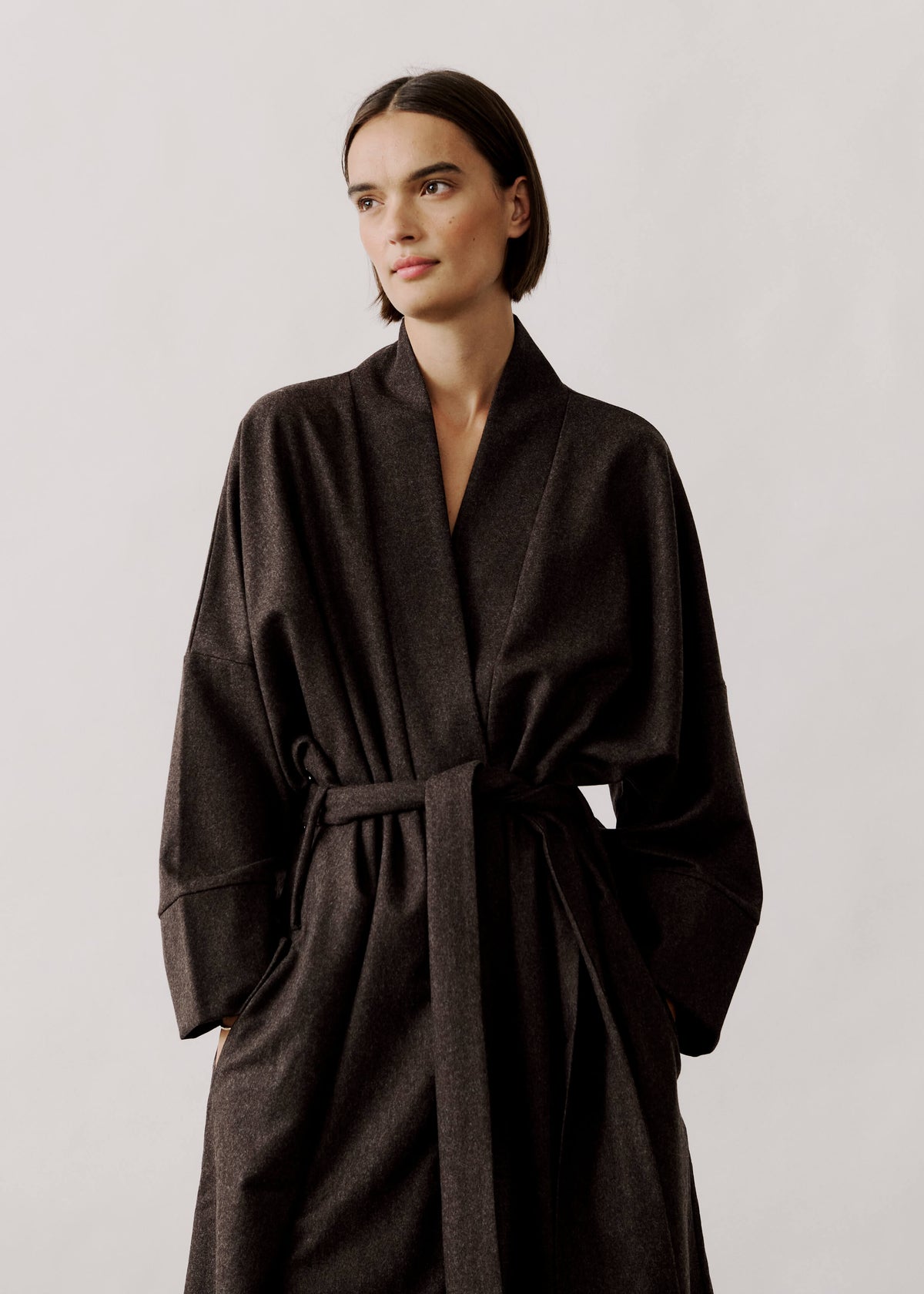
Pair wide pyjama trousers with a longline coat, duster or chunky cardigan to lengthen the frame. Opt for a straight, unstructured outer layer to balance volume and ensure the look feels deliberate. Define the waist with a belt worn over a robe-style top, across a blazer or at the trousers waistband to break up excess fabric. Combine glossy silk with matte knits or wool, limit the colour palette to two or three tones, and keep proportions considered so the outfit appears cohesive and refined.
Ground silk pyjamas with charcoal wool-cashmere trousers.

6. Anchor the look with polished, versatile footwear for effortless elegance
Opt for structured footwear such as loafers, brogues or Chelsea boots to contrast soft pyjamas. A defined sole and heel create a more considered silhouette and lend a tailored, daytime sensibility in photographs and in person. Match the shoe texture to the pyjama fabric: smooth leather or suede complements plain silk or satin, while a matte or textured sole helps balance patterned pyjamas so the overall look remains cohesive. Consider heel height in relation to the trouser hem and choose a shoe that reveals a sliver of ankle or gently lifts the hem to prevent bunching. A low block heel or modest platform preserves comfort while creating a cleaner leg line.
Control formality through your choice of socks and fastenings, favouring invisible or sheer ankle socks, or going sockless, which read as smarter than thick lounge socks. Choose neat buckles, slender straps or refined lace-up details to add polish without overwhelming the relaxed pyjamas. Consider proportion and weight: when a pyjama top is long or voluminous, a slightly heavier sole will ground the look, while close-fitting shoes prevent the ensemble from feeling accidental. Small adjustments in sole weight, texture, heel height and sock choice create a considered silhouette that translates equally well in photographs and in person.
Ground wide silk trousers with structured shoes

7. Use accessories to refine and define your outfit
Layer a single-breasted blazer or cropped jacket over a pyjama top to introduce tailored lines; the contrast of structured outerwear against soft fabrics creates a defined silhouette that reads as daytime ready. Cinch a loose top or the waist of trousers with a narrow or wide belt, tucking the fabric in to turn volume into a sculpted shape and refine proportions. Choose shoes with a solid sole and a defined toe, such as loafers or ankle boots, to anchor the ensemble and signal that the look is intended for wearing beyond the home.
Choose minimal jewellery and a single watch to draw the eye to your face and hands. Delicate hoops, a slim pendant and a single watch or cuff create clear focal points without overwhelming delicate pyjama fabrics. Pair these with a structured bag to introduce an architectural contrast to the softer silhouettes. Finish with a silk scarf or headband to tie colour and texture and to add a neat, considered touch. Together, these accessories anchor the look and help it read as a purposeful daytime outfit rather than loungewear.
Pair pyjama tops with wool trousers for daytime polish

8. Finish with polished hair, refined make-up and effortless grooming
Begin by preparing the skin: cleanse and moisturise, then apply a tinted moisturiser or a light-coverage base, and spot-conceal sparingly to even the tone while allowing natural texture to show. Gently dab a cream blush onto the apples of the cheeks for a soft, natural flush that keeps the look relaxed yet considered. Define brows with clear gel, using short, feathery strokes to fill sparse areas, then lift the eyes with a soft shadow or a single coat of mascara. These subtle refinements frame the face so relaxed pyjamas read as effortlessly styled.
Soften second-day hair with a dry shampoo or a fine mist to absorb oil and add texture, then sweep it into a low bun, ponytail or loose twist, securing with pins or a silk scarf to maintain a neat silhouette. Attend to small grooming details: file and buff nails or apply a neutral tint, gently push back cuticles and smooth hands with moisturiser so they look cared for. Remove stray hairs and any lint from clothing, blot excess shine from the skin and tame flyaways with a brush or lightweight serum to keep the look intentional. Finish with a light mist of fragrance on hair or clothes and a final once-over for creases and loose threads so the overall appearance feels polished without effort.
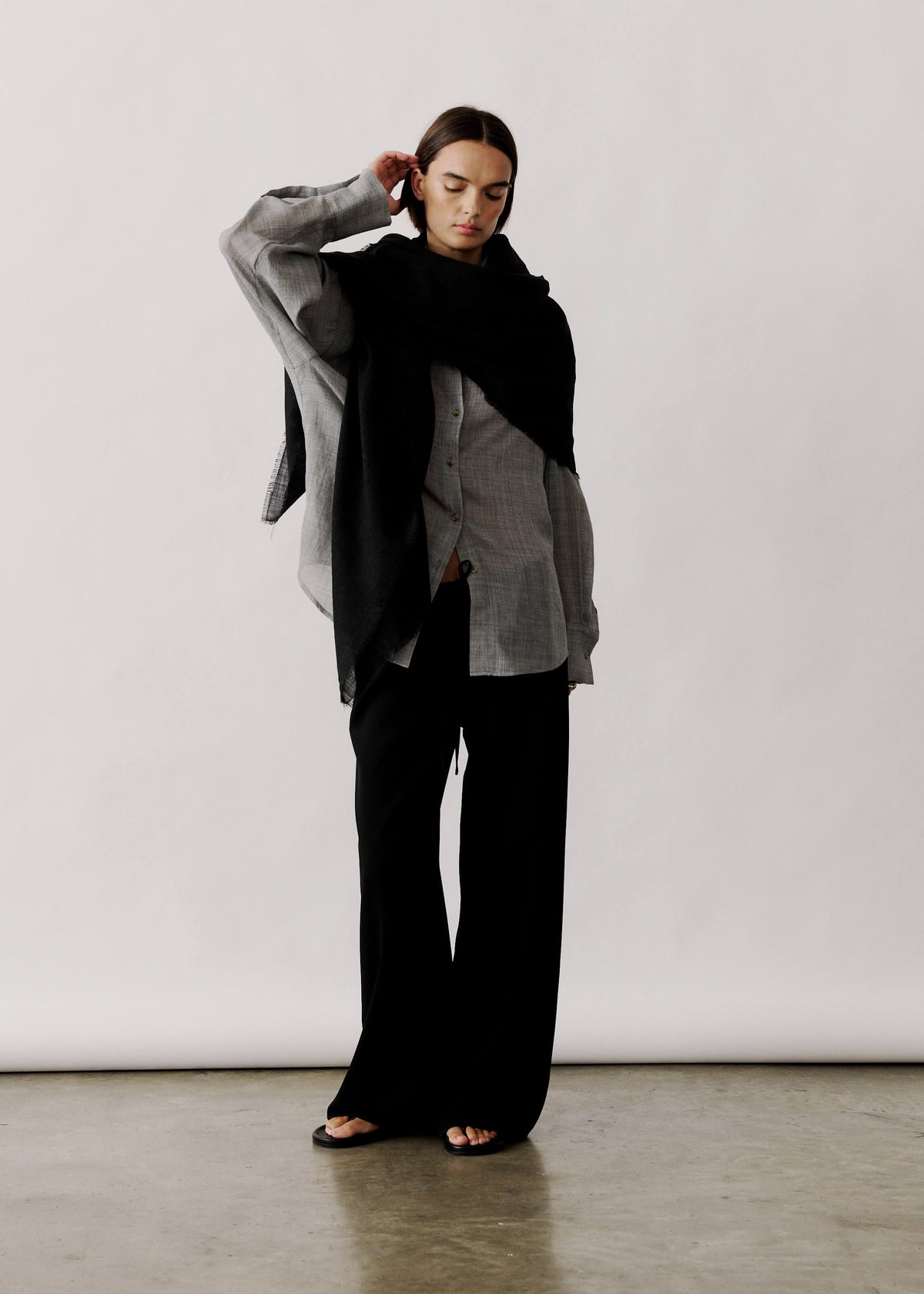
Complete the set with lightweight organic cotton trousers.

9. How to style pyjamas for any daytime occasion
Layering and considered structure can lift pyjamas from loungewear into daywear. A tailored blazer, cropped jacket or longline waistcoat worn over a silk or satin pyjama top refines the silhouette while retaining the pyjama aesthetic. Play with proportion: tuck the top into high-waisted trousers, knot the hem or cinch with a belt to define the waist and alter how the outfit sits. These subtle adjustments make it easier to pair pyjama pieces with daytime staples, so they read as polished separates rather than merely relaxed homewear.
Anchor an ensemble by pairing pyjama separates with contrasting textures and silhouettes. For example, a printed pyjama shirt sits beautifully beside denim, tailored trousers, or a flowing midi skirt to temper sheen and change the mood. Choose footwear and accessories to suit the occasion: smart loafers or ankle boots will elevate formality, while clean trainers or flat sandals keep the look relaxed. A structured bag, delicate jewellery or a silk scarf will nudge the outfit towards smart-casual. Pay attention to fit, print scale and finish; opt for smaller prints and muted colours in conservative settings and bolder patterns in creative environments. A well-cut, pressed garment with tidy hems, neat sleeves and crisp creases reads intentional rather than unkempt, helping a pyjama-inspired look pass for daytime wear.
Anchor pyjama separates with a charcoal wool trouser.

10. Maintain garments and integrate them into a sustainable wardrobe
Keep a simple mending kit to hand: matching thread, spare buttons, needles and small patches so you can repair holes and restitch seams before fraying spreads. Wash pyjamas inside out with a mild detergent, opting for a gentle cycle or a hand wash, and avoid high heat when drying. Reshape garments while damp to preserve fibres and minimise pilling. Small alterations — shortening hems, adding darts, removing elastic or sharpening a collar — can transform a relaxed pyjama shirt into a structured top that layers neatly under blazers and knitwear. Make these little tasks part of your routine to extend each piece's life and retain a daytime-ready appearance.
Transform worn or mismatched pyjamas into shorts, culottes, camisoles or lightweight overshirts, or refresh colour and pattern with dye or simple trims to create fresh daytime silhouettes. Streamline your wardrobe by organising swaps, consigning or loaning pieces you no longer wear, and keep a small capsule of versatile pyjamas in neutral tones and subtle prints. This approach makes it effortless to style a single piece across multiple daytime looks without expanding your wardrobe.
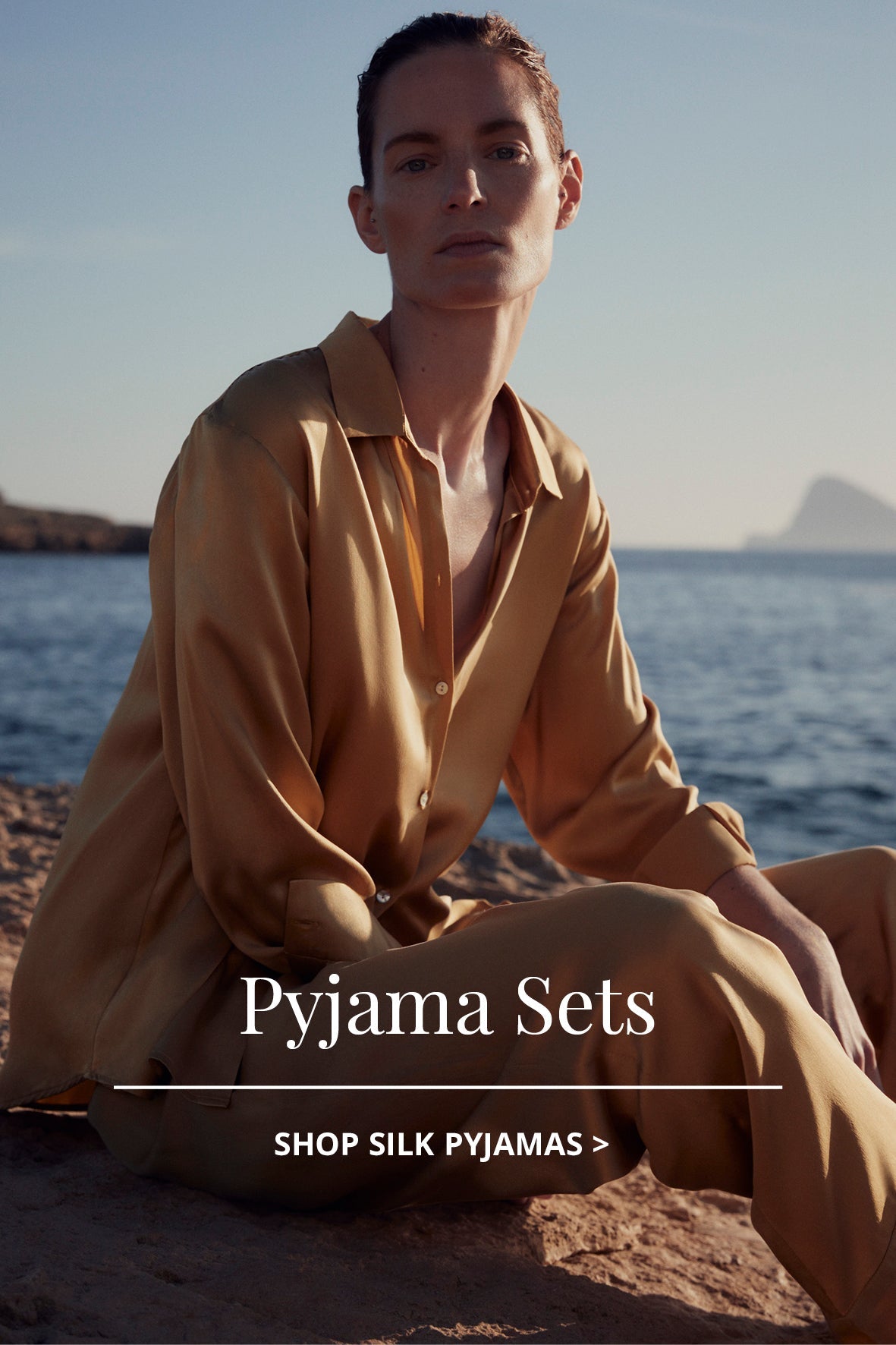
A few thoughtful choices in fabric, fit, tailoring, layering, footwear, accessories and grooming can elevate pyjamas into considered daytime outfits. Prioritising luxurious finishes, a refined palette, precise tailoring and polished grooming allows the same garment to transition from bedroom to street, maintaining comfort while minimising waste.
Treat the ten headings as a practical checklist: favour matte or low-sheen fabrics, refine proportions at the waist and hem, introduce a structured layer and anchor the ensemble with smart shoes and considered accessories. Make small alterations where needed, care for garments diligently and finish with polished grooming so your pyjamas work harder, last longer and slip seamlessly into everyday outfits.

Leave a comment
This site is protected by hCaptcha and the hCaptcha Privacy Policy and Terms of Service apply.