
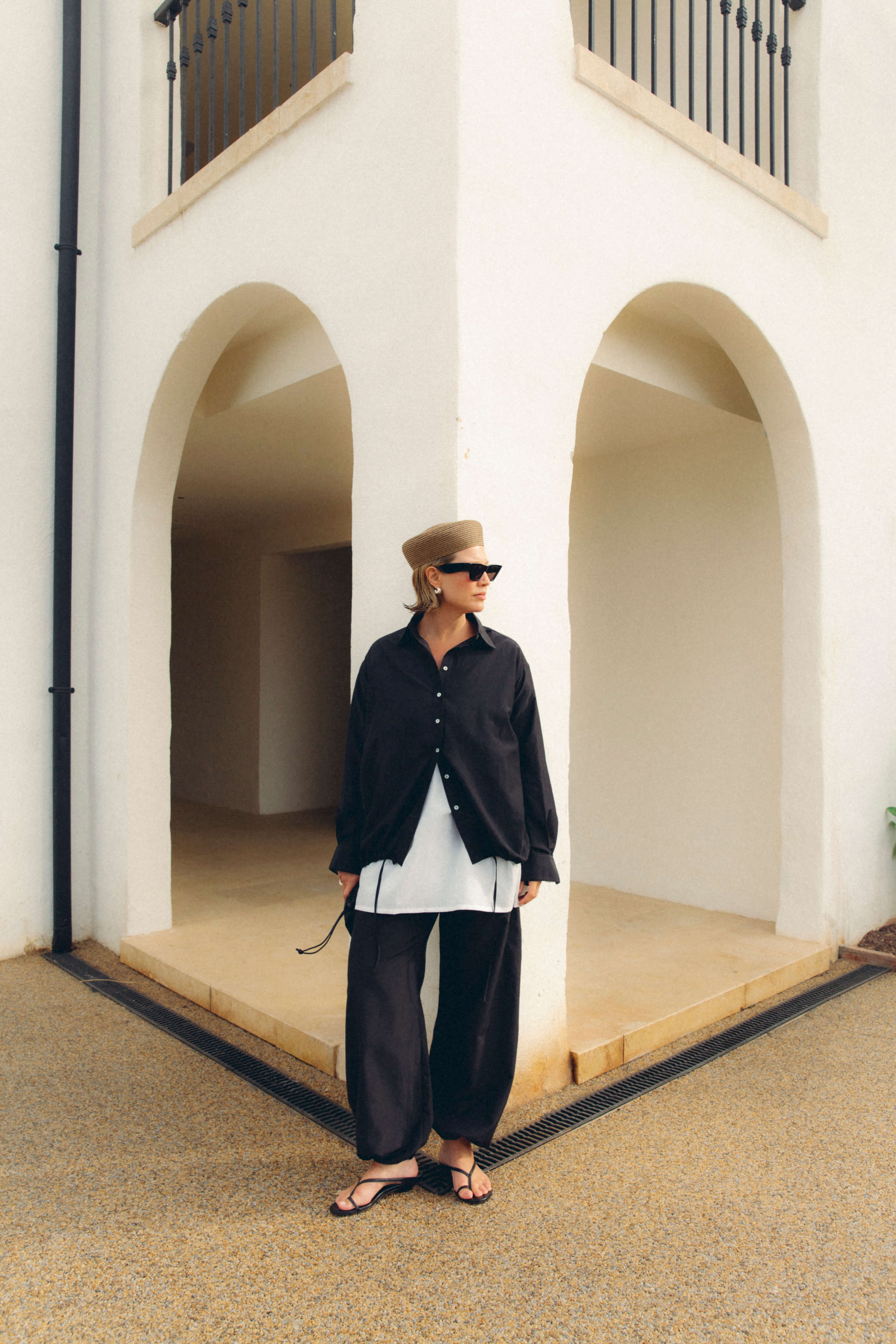


How to Transition Your Wardrobe to Ethically Made Small-batch Pieces Without Creating Waste
Looking for an ethical wardrobe that does not add to textile waste while reflecting your lifestyle and taste? Small production runs and transparent supply chains, paired with intentional purchasing, reduce overproduction and yield fewer, better-made garments that become enduring wardrobe staples.
This guide outlines how to audit your wardrobe to uncover a versatile core, choose durable fabrics with considered construction and transparent provenance, and introduce small-run pieces to maximise outfit options. It also covers practical care, simple repair techniques and routes to a circular end-of-life, helping garments last longer and reduce waste.
![{"image_loaded": true, "load_issue": null, "description": "Two women are in a sewing or tailoring room. One woman, wearing a loose green garment, is standing still while the other woman, dressed in a white shirt with rolled-up sleeves, is adjusting the collar of the green garment. A black dress form with a yellow measuring tape draped over it stands on the left side. There is a sewing machine on a table in the foreground left, and behind the women, a shelf holds folded fabric and a small lamp with dried floral decor providing warm lighting.", "people": {"count": 2, "roles": ["seamstress", "client/model"], "visible_demographics": "Two adult women with light skin. One with light brown/blonde hair, the other with dark brown hair tied in a ponytail.", "attire": "The woman being adjusted wears a loose green garment. The other woman wears a white shirt with sleeves rolled up and a measuring tape around her neck.", "pose_or_activity": "The woman in green stands still, while the other woman adjusts the garment collar on her shoulder."}, "setting": {"environment_type": "indoor tailoring or sewing room", "location_hints": "Black dress form, sewing machine, folded fabrics on shelving, wooden furniture, lamp with dried floral arrangement, beige walls.", "depth_scale": "medium", "lighting": "warm artificial light from lamp and ambient lighting", "temperature": "warm"}, "objects": {"primary_objects": ["green garment", "sewing machine", "dress form"], "secondary_objects": ["yellow measuring tape", "folded fabrics", "wooden shelving", "lamp with dried floral decor"], "object_interaction": "The seamstress uses her hands to adjust the green garment's collar worn by the other woman."}, "composition": {"subject_focus": "primary focus on two women centrally placed in frame; slight left focus on sewing machine and dress form", "relationships": "Seamstress to right adjusting garment on client to left; dress form in background left; sewing machine foreground left; shelf background right", "depth_structure": "layered depth with foreground sewing machine, midground people, background furnishing and dress form", "camera_angle": "eye-level", "cropping": "medium framing capturing two women from waist up and surrounding work space"}, "motion": {"motion_type": "implied", "motion_direction": null, "energy_level": "low", "sequence_implied": "single moment"}, "aesthetic": {"medium": "photograph", "style_subtype": "realistic", "color_palette": "muted, warm earth tones", "contrast_level": "moderate", "texture_and_grain": "smooth", "postprocessing": "natural lighting with warm highlights"}, "tone": {"visual_mood": "professional, calm, focused", "lighting_influence": "warm, soft lighting creates inviting atmosphere", "camera_distance_effect": "intimate but not close-up"}, "confidence": {"demographic_confidence": 0.8, "activity_confidence": 0.9, "setting_confidence": 0.85}}](https://cdn.shopify.com/s/files/1/1327/6929/files/description_the_image_shows_two_women_in_a_sewing_workspace_one_woman_stands_wearing_a_green_jacket_facing_slightly_away_from_the_camera_while_the_other_woman_dressed_in_a_white_blous.webp?v=1767976799)
Why small-batch, transparent production underpins timeless, sustainable fashion
Ask brands to publish their production run sizes, cutting yield and policies for unsold stock, and to provide fabric swatches and construction photographs so you can assess the risk of overproduction. Prioritise demand-led models such as made-to-order, pre-order windows and small capsule drops, and when evaluating a brand enquire about pre-order minimums, lead times and cancellation terms. Inspect materials and manufacture by requesting details on fibre origins, dyeing methods, chemical management records and laboratory test results, and compare traceability information, such as batch IDs or certificate references, with the garment care instructions. Use a concise checklist for fibre longevity and end-of-life options to judge durability and recyclability before committing.
Seek supply chain transparency by requesting factory names, worker testimonies, audit summaries and third-party verification reports. These documents make it easier to verify working conditions and to distinguish genuinely small, local production from large batches presented as small-run. Choose waste-minimising design features such as zero-waste cutting, modular or multiway garments, standardised spare parts and reinforced stress points. Look for repair guides, spare buttons, take-back schemes and visible seam allowances as practical indicators of repairability. Prioritise versatile pieces that integrate with a capsule wardrobe, and insist on specific, documented answers rather than vague sustainability claims to reduce turnover and the risk of creating unnecessary waste.
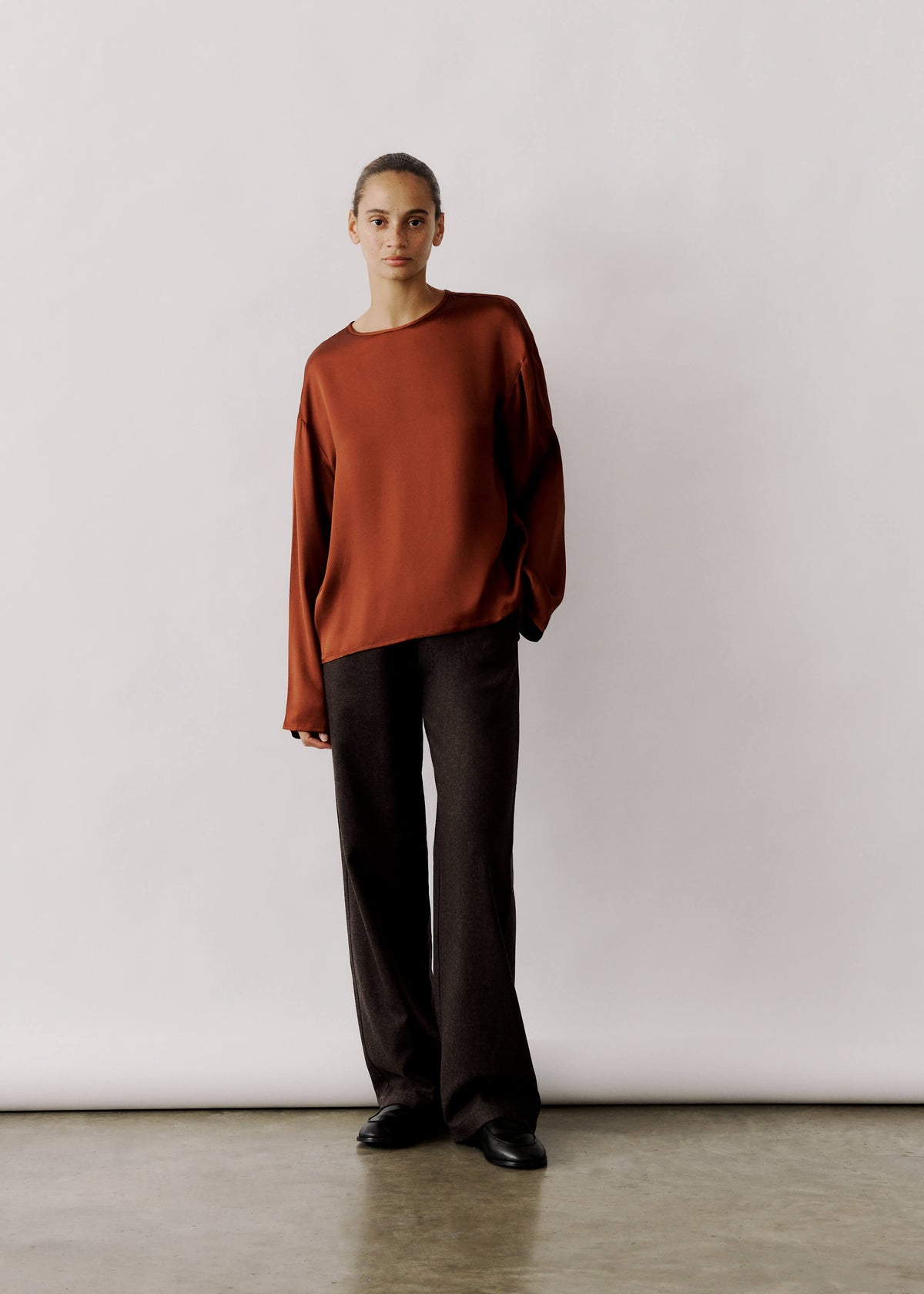
Adds polished versatility to a capsule wardrobe.
![{"image_loaded": true, "load_issue": null, "description": "The image shows the interior of a clothing wardrobe with two sections. On the left, there are various garments hanging on wooden hangers, including dresses, blouses, and jackets in colors such as black, gray, blue, olive green, orange, and patterned black and white. On the right, another set of clothes is hanging, including shirts and blouses in green, blue, mustard yellow, pink, white, and burgundy. Below the clothes in the right section, a circular woven straw bag with handles is placed. The wardrobe has a neutral beige background and lighting appears even and natural. The image is cropped to show only the wardrobe contents from a frontal eye-level perspective.", "people": null, "setting": {"environment_type": "indoor", "location_hints": "clothing wardrobe with wooden hangers, beige neutral background", "depth_scale": "medium", "lighting": "natural, even", "temperature": "neutral"}, "objects": {"primary_objects": ["clothes (dresses, blouses, jackets, shirts)", "wooden hangers", "woven straw bag"], "secondary_objects": null, "object_interaction": "clothes hanging neatly on hangers, bag placed below"}, "composition": {"subject_focus": "centered on hanging clothes and bag below", "relationships": "clothes are organized side by side on two sections of a wardrobe rod with the bag under the right section", "depth_structure": "shallow depth of field with wardrobe interior in focus", "camera_angle": "eye-level", "cropping": "medium shot framing wardrobe contents vertically"}, "motion": {"motion_type": "static", "motion_direction": null, "energy_level": "low", "sequence_implied": "single moment"}, "aesthetic": {"medium": "photograph", "style_subtype": "realistic", "color_palette": "muted with pops of saturated colors", "contrast_level": "moderate", "texture_and_grain": "smooth", "postprocessing": "natural with slight enhancement"}, "tone": {"visual_mood": "calm, organized", "lighting_influence": "soft and even lighting enhances clarity", "camera_distance_effect": "neutral, straightforward view"}, "confidence": {"demographic_confidence": null, "activity_confidence": 0.9, "setting_confidence": 0.95}}](https://cdn.shopify.com/s/files/1/1327/6929/files/Photo_11-08-2022_12_02_34_6.jpg?v=1660227111)
Curate your wardrobe to reveal a versatile core
Begin by cataloguing and photographing each item in your wardrobe, noting its category and how often you wear it so duplicates and overlooked combinations become clear. Try each potential core piece on with other tops, bottoms and layers, counting the distinct looks it creates; keep items that form three or more useful outfits and set the rest aside for repair, alteration or rehoming. As you try pieces on, inspect seams, fastenings and fabric integrity to confirm fit, and note whether the care instructions suit your routine. Prioritise garments that are straightforward to mend and launder, as they will last longer and reduce waste.
Begin by defining the activities you most often dress for, then distil them into a capsule list of versatile silhouettes and a restrained palette of neutral colours so each kept piece serves multiple purposes. Map the dominant colours and textures across your wardrobe, consolidating them into a complementary palette and a short list of preferred fabrics that balance durability, breathability and ease of repair. A considered palette and thoughtfully chosen fabrics multiply outfit options without adding items and make any gaps immediately obvious.
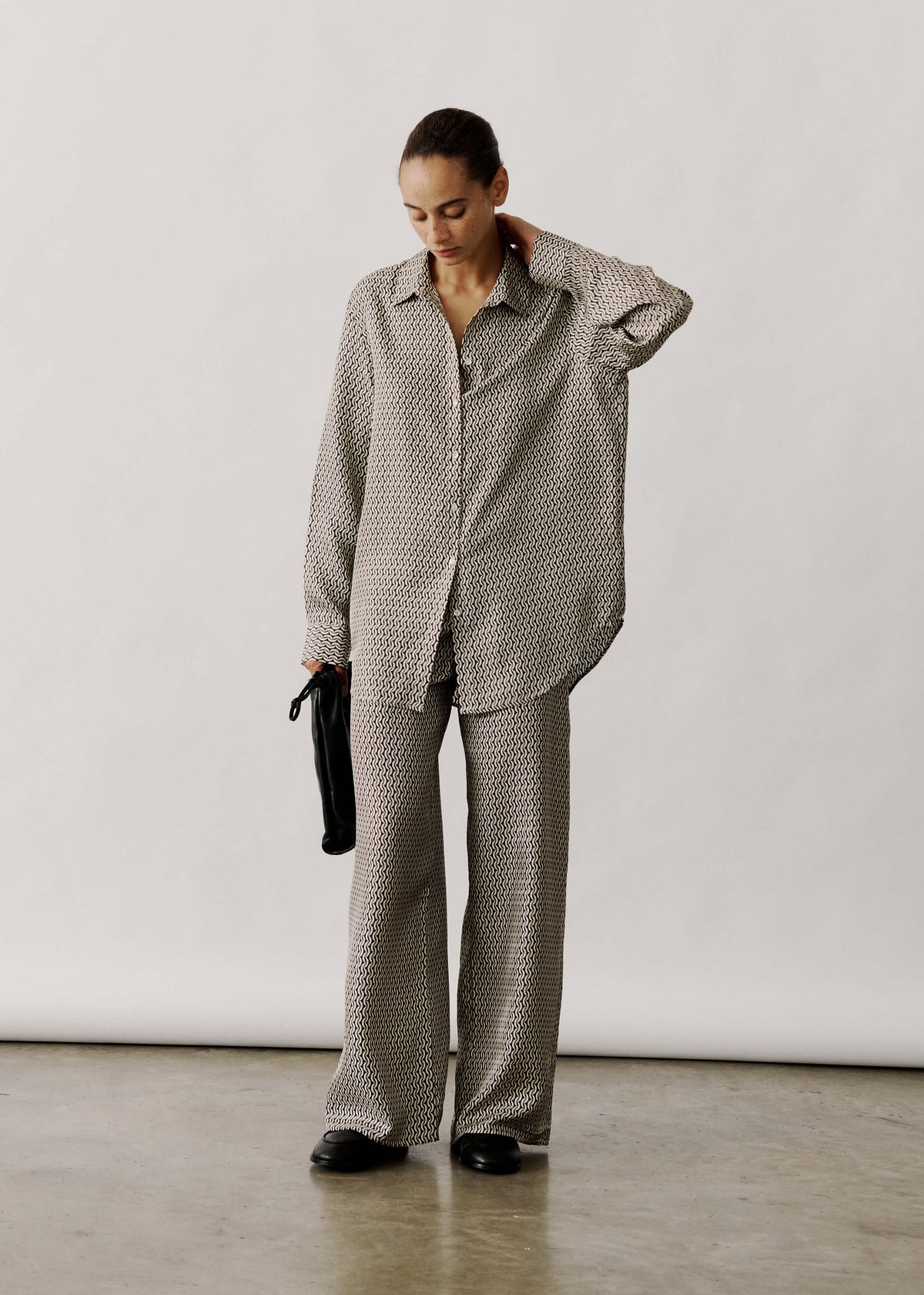
Choose a fitted, adjustable dress for day-to-night versatility.

Choose durable fabrics, considered construction and transparent provenance
Opt for long-staple natural fibres such as linen, hemp or lyocell and single-fibre constructions, as these tend to increase strength, reduce pilling and biodegrade more readily than many synthetic blends while lowering microfibre release. Assess construction as a proxy for longevity by requesting close-up photographs or an inspection of inside seams, stitch density and reinforcement at stress points, for example bar tacks or backstitching. Details such as set-in sleeves, gussets and neatly finished seam allowances are reliable indicators of considered craftsmanship. Ask makers for clear provenance statements that specify where the fibre was grown, where the yarns were spun and where the garment was made, and verify chain of custody information or certification codes to judge transparency in small-run production.
Prioritise repairability and standard components when selecting garments. Look for replaceable buttons, accessible seams and simple linings, and ask for spare parts or pattern pieces so local repairs remain practical. Choose designs that can be easily taken apart, since replaceable components and straightforward construction make local repair and remanufacturing more feasible and help prevent premature disposal. Request care instructions that reduce mechanical stress and temperature exposure to prolong a garment's useful life, and favour fabrics that tolerate gentle home repairs or are suitable for local recycling streams. Where possible, opt for items that include take-back, repair or remanufacturing programmes to keep materials in circulation rather than creating waste.
Durability, provenance and repair checklist
- Inspect construction in close-up photos or in person: request images of inside seams, finished seam allowances of at least 1 cm, stitch density (many small stitches rather than wide gaps), bar tacks or backstitching at stress points, and the presence of set in sleeves or gussets as proxies for robust assembly.
- Prefer long-staple, mono-fibre fabrics: ask whether the piece uses linen, hemp, lyocell, or single-fibre cotton, check fabric weight and staple length where possible, and favour mono-fibre constructions that biodegrade more readily and release fewer microfibres than synthetic blends.
- Ask makers for a clear provenance statement and verifiable details: request where the fibre was grown, where yarns were spun, where the garment was made, who sewed it, and any chain-of-custody information or certification codes you can verify.
- Prioritise repairability and circular outcomes: choose garments with replaceable buttons and accessible seams, ask for spare buttons, thread, or pattern pieces, request simple linings and standard components to enable local repair, ask for care instructions that minimise mechanical stress and heat, and confirm take-back, repair, or remanufacturing options and stated recyclability routes.
![{"image_loaded": true, "load_issue": null, "people": {"count": 1, "roles": ["model"], "visible_demographics": "adult female, light skin tone", "attire": "white loose-fitting long-sleeve shirt and matching loose white pants", "pose_or_activity": "leaning forward with hands resting on a white surface, barefoot"}, "setting": {"environment_type": "indoor", "location_hints": "terracotta tiled floor, arched doorframe, large window with a view of greenery and distant landscape, warm natural light from outside", "d](https://cdn.shopify.com/s/files/1/1327/6929/files/image_loaded_true_load_issue_null_people_count_1_roles_model_visible_demographics_adult_female_light_skin_tone_attire_white_loose_fitting_long_sleeve_shirt_and_matching_loose_white_pa_d4574752-1ca1-4086-bcc0-c0c8e0c72412.webp?v=1769530847)
Buy with intention and integrate new pieces to maximise wardrobe versatility
Begin with a wardrobe audit: list the garments you wear most, note recurring colours and silhouettes, and write down the ten outfits you rely on to reveal your true needs. When choosing new pieces, favour items that will pair with at least three things already in your wardrobe so each purchase multiplies combinations. Prioritise versatile silhouettes and a compact colour palette by selecting two or three neutrals that already appear in your wardrobe, introducing one or two accent colours, and favouring cuts that layer cleanly.
Choose pieces that add function rather than novelty: a top that dresses up jeans, a jacket that layers over dresses, or trousers that move easily between leisure and smarter occasions. Use tailoring and small alterations to harmonise proportions and extend the life of older items: shorten hems, adjust shoulders, add or remove buttons to change how garments combine and lessen the impulse to discard. Plan sensible exit routes that keep fabric in use by repairing or repurposing, swapping and circulating items within your networks, or photographing and listing promising pieces for resale. Record condition and fibre content before you pass items on so recipients can assess likely lifespan and garments are kept out of landfill.
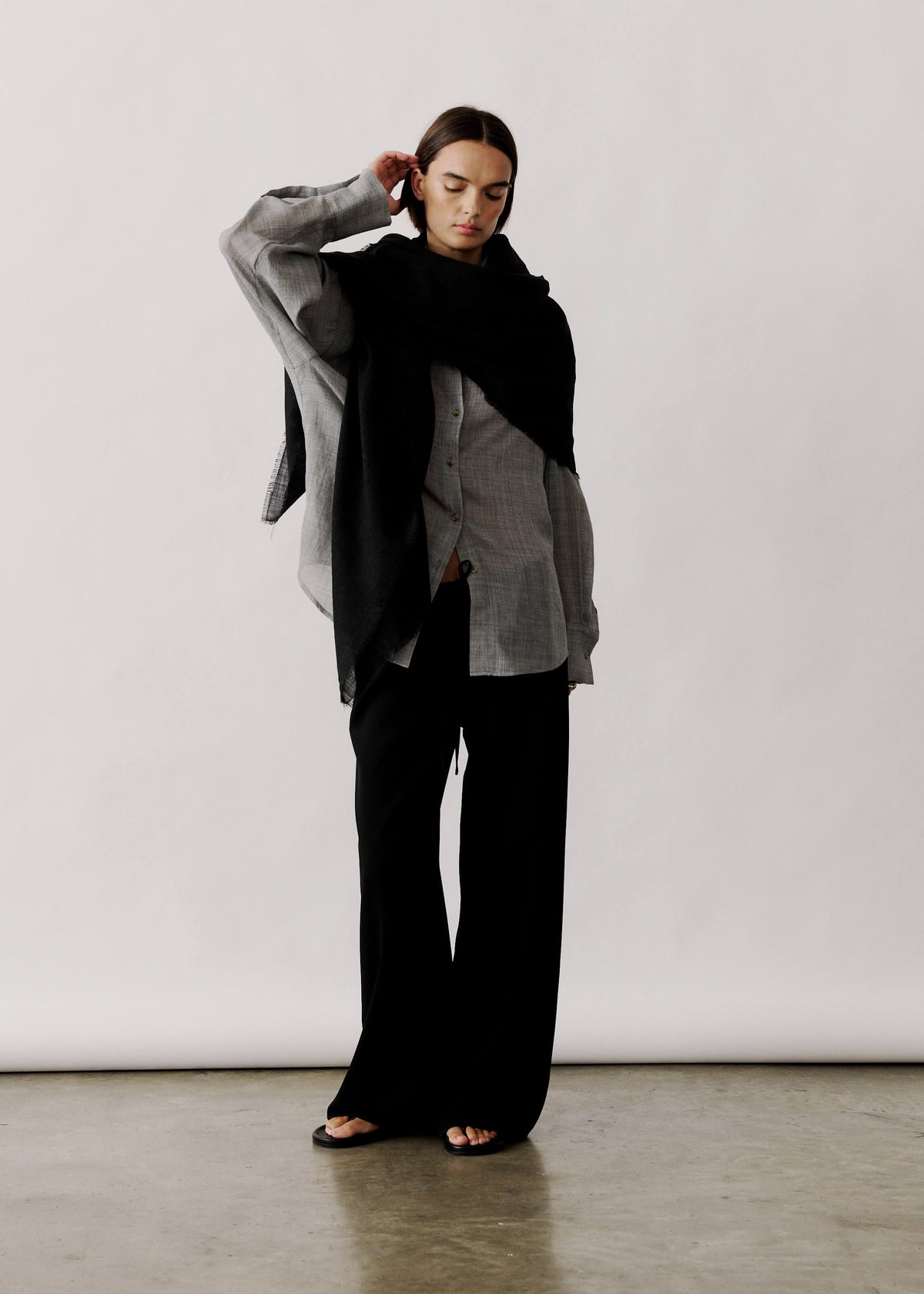
Add a heavy linen dress to simplify seasonal layering.

Care for and repair garments to ensure a circular life cycle
Include clear, fabric-specific care labels alongside a concise one-page care guide stating fibre content, recommended washing and drying methods, ironing settings and common stain treatments. Clear guidance reduces inappropriate washing and mechanical stress that shorten a garment’s usable life. Provide repair-first resources, using step-by-step photography and short films that show how to resew seams, replace buttons, darn and patch. Pair these with a small repair kit of thread, needles and spare fastenings to make mending straightforward and accessible. Design garments to be repairable and easy to disassemble: use replaceable fastenings, stitched rather than glued joins, and minimise mixed-fibre constructions to make maintenance, refurbishment and mechanical recycling more feasible.
Establish clear end-of-life pathways and labelling that outline options such as returning garments for repair or refurbishment, donating for reuse, suggesting upcycling approaches, composting natural fibres or directing blended textiles to specialist recyclers. Include fibre composition tags to aid sorting. Clear, well labelled routes make it more likely garments are recovered rather than landfilled; this can be evidenced by case studies and simple longevity metrics, for example repairs per garment. Document and publish before-and-after repair case studies alongside concise care guidance that demonstrably extends a garment's life, and share these insights with owners to clarify recovery options and inform future design decisions.
Small-batch, transparent production, an intentional wardrobe audit and durable, repairable fabrics reduce overproduction and yield fewer, better-made pieces that are worn more often. Scrutinising fibre origins, construction and repairability, and favouring mono-fibre garments with replaceable components help keep items serviceable and reduce textile waste.
Put the headings into practice: photograph and catalogue your wardrobe, request fibre and construction records from makers, and establish clear pathways for repair, resale or take-back. These practical steps translate principles into measurable results, helping garments last longer, improving wardrobe functionality and keeping more textiles out of landfill.


Leave a comment
This site is protected by hCaptcha and the hCaptcha Privacy Policy and Terms of Service apply.