



5 Rituals to Prevent Shrinkage and Preserve Drape in Silk and Linen
You may lift a silk blouse from the wash to find it limp, misshapen or seemingly shrunken. Silk and linen behave very differently when exposed to water, agitation and heat, so everyday choices about drying and pressing have a direct effect on a garment's fit, hand and drape.
This guide outlines five practical rituals: assessing fabric behaviour, preparing garments, controlling drying, pressing and steaming, and maintaining storage. Each step is designed to prevent shrinkage and preserve the natural drape of silk and linen. Follow these methods to reduce distortion, protect fibres, and restore the smooth, graceful fall that makes these fabrics so exceptional.

1. Assess fabric behaviour and shrinkage risk for informed garment care
Begin by reading the fabric label and visually inspecting the cloth. Record the fibre composition, note whether the yarns are single or plied, and identify any finishes or coatings that might wash out. Perform a swatch shrinkage test. Cut two identical squares from a discreet area, mark exact measurements, and launder or wet them using the method you intend for the finished piece. Dry them as you will finish the garment, then re-measure to calculate the percentage change along the warp and the weft to quantify likely shrinkage. Record any directional differences so you know which edges will relax most, and test bias behaviour, since small dimensional changes can noticeably alter drape.
Begin by assessing the weave, weight and yarn character to judge drape and the potential for mechanical shrinkage. Loose, open weaves and slubby yarns relax and distort more readily than tightly woven, finished cloth. Carry out a drape test by folding a swatch over a ruler and comparing the fold radius before and after gentle moistening; this reveals both loss of fluidity and any dimensional change. Allow extra seam or hem on the axis that relaxes most, and give bias-cut pieces particular care, as they are disproportionately sensitive to shrinkage. Finally, trial finishes and post-treatments such as steaming, gentle pressing or a single pre-wash, document which stabilises dimensions while preserving drape, and reproduce that treatment for the whole piece.
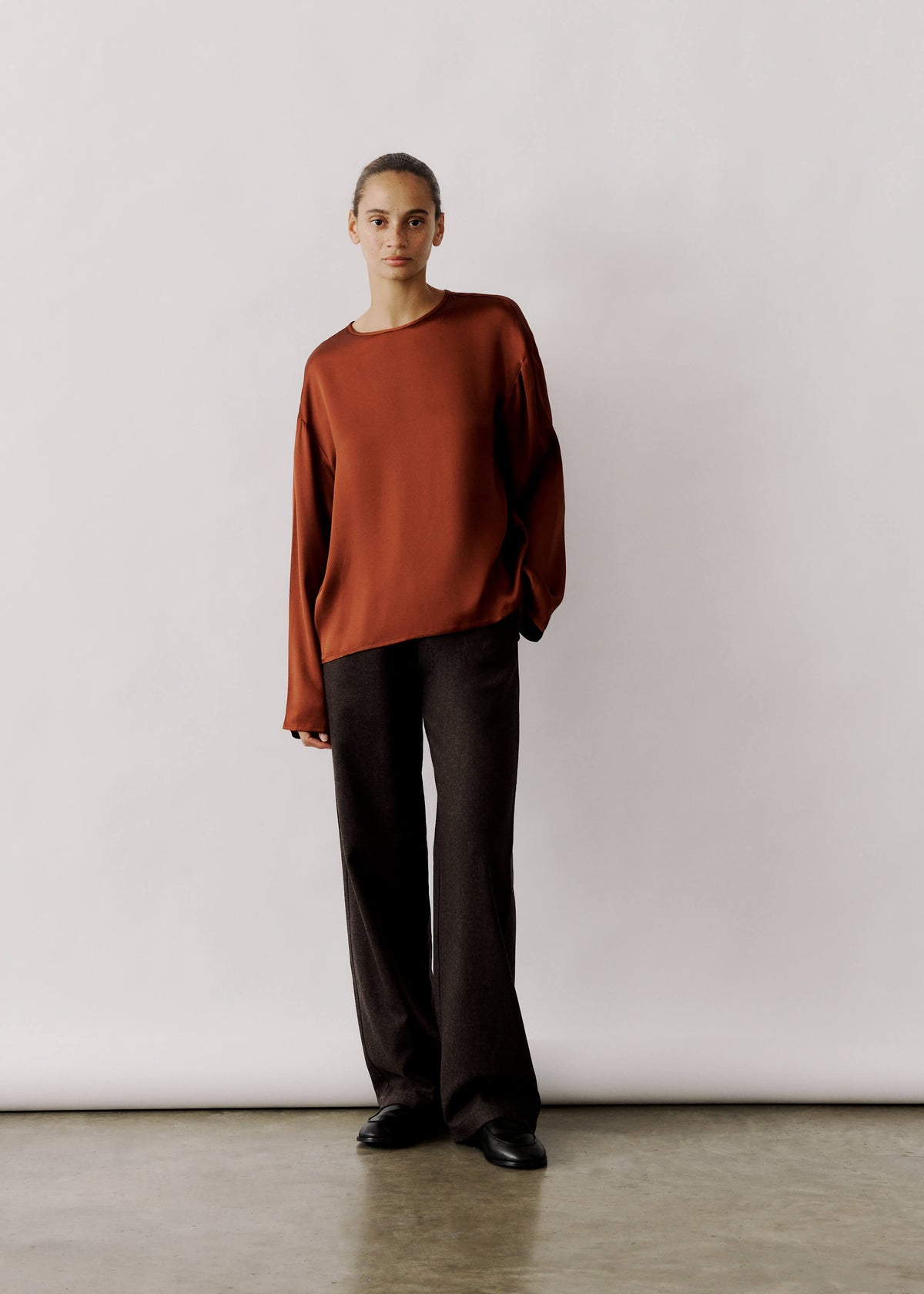
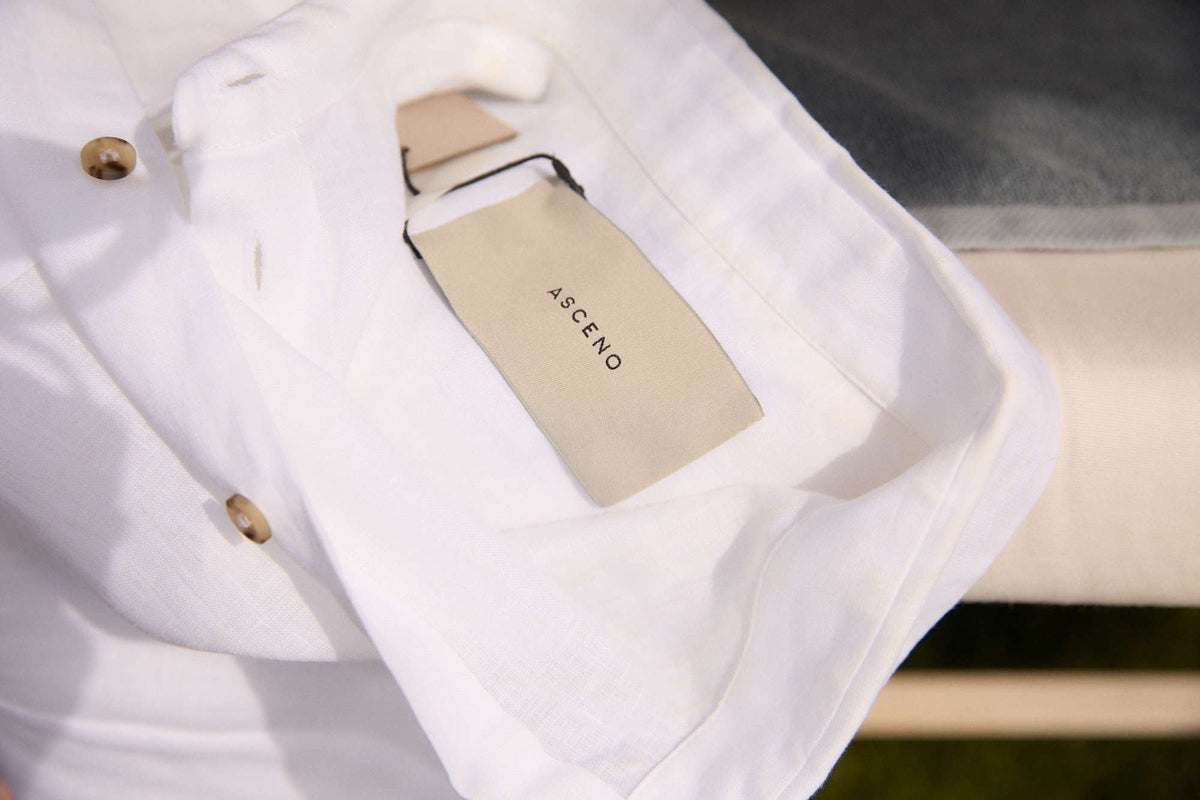
Pre-wash to preserve linen-blend drape and fit.

2. Prepare garments with gentle care to preserve fabric integrity
Begin by checking the care label and the garment's fibre content. Test colourfastness on an inside seam or hem by dabbing with water; this will help you choose a drying or pressing method that avoids dye transfer and unexpected shrinkage. Empty pockets, fasten buttons and close zips. Turn garments inside out to reduce surface abrasion and to preserve the fabric's face and natural drape while you handle them. Remove excess water by laying the garment flat on a clean, absorbent, lint-free towel and rolling gently to blot. Avoid wringing or twisting, as this stresses fibres and can distort the shape.
Gently reshape damp silk to its original dimensions, smoothing seams and hems by hand. Allow silk to lie flat on a breathable surface to dry, which helps preserve its fluid drape. Hang linen garments from reinforced seams or on padded hangers to prevent shoulder bumps and sagging, and gently reshape them as they dry. Before pressing, remove any jewellery, smooth the fabric and place a clean press cloth over the fibre to protect it. Always test heat and steam on an inconspicuous area first to avoid shine, scorch marks or excessive moisture in delicate fibres.
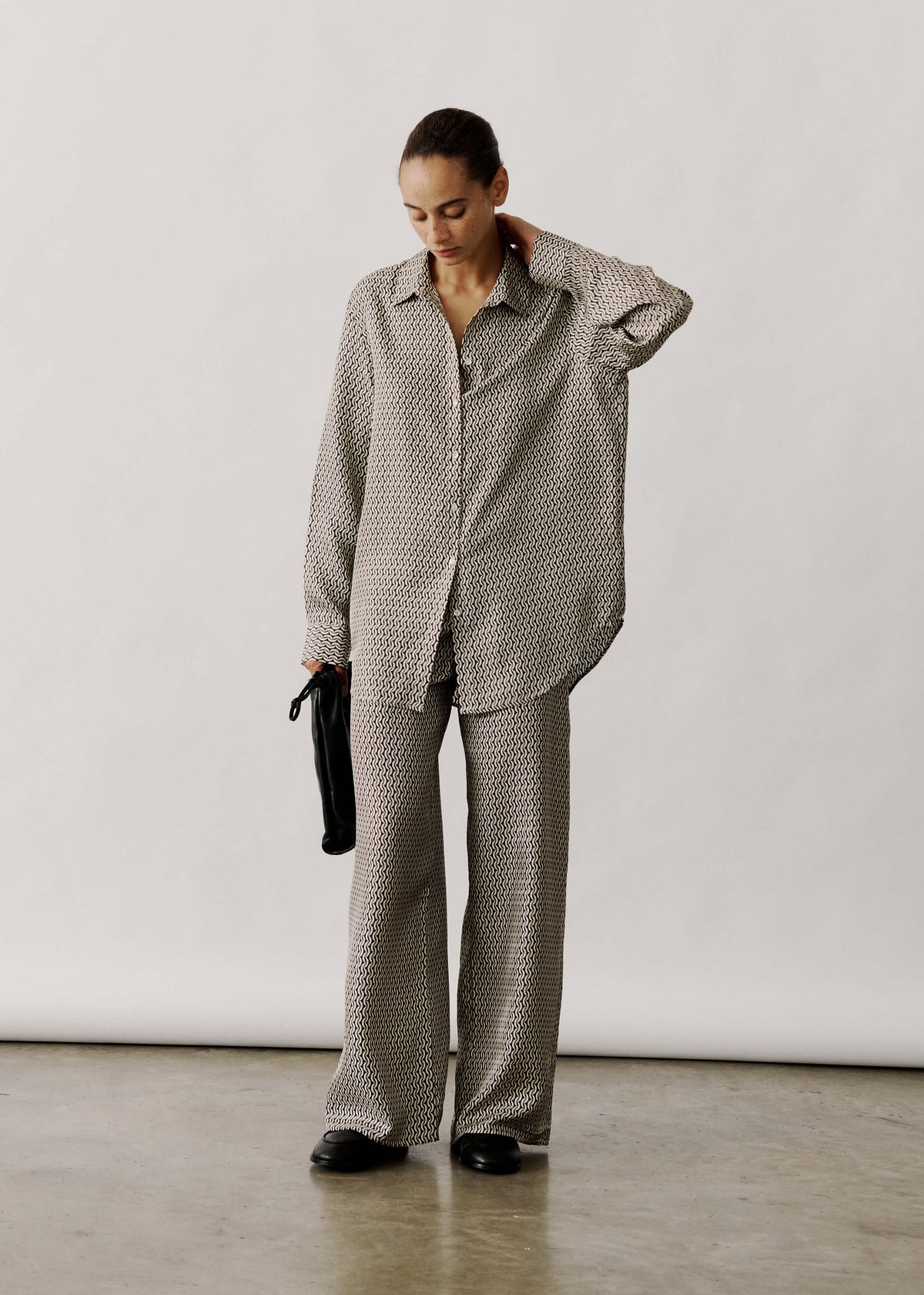
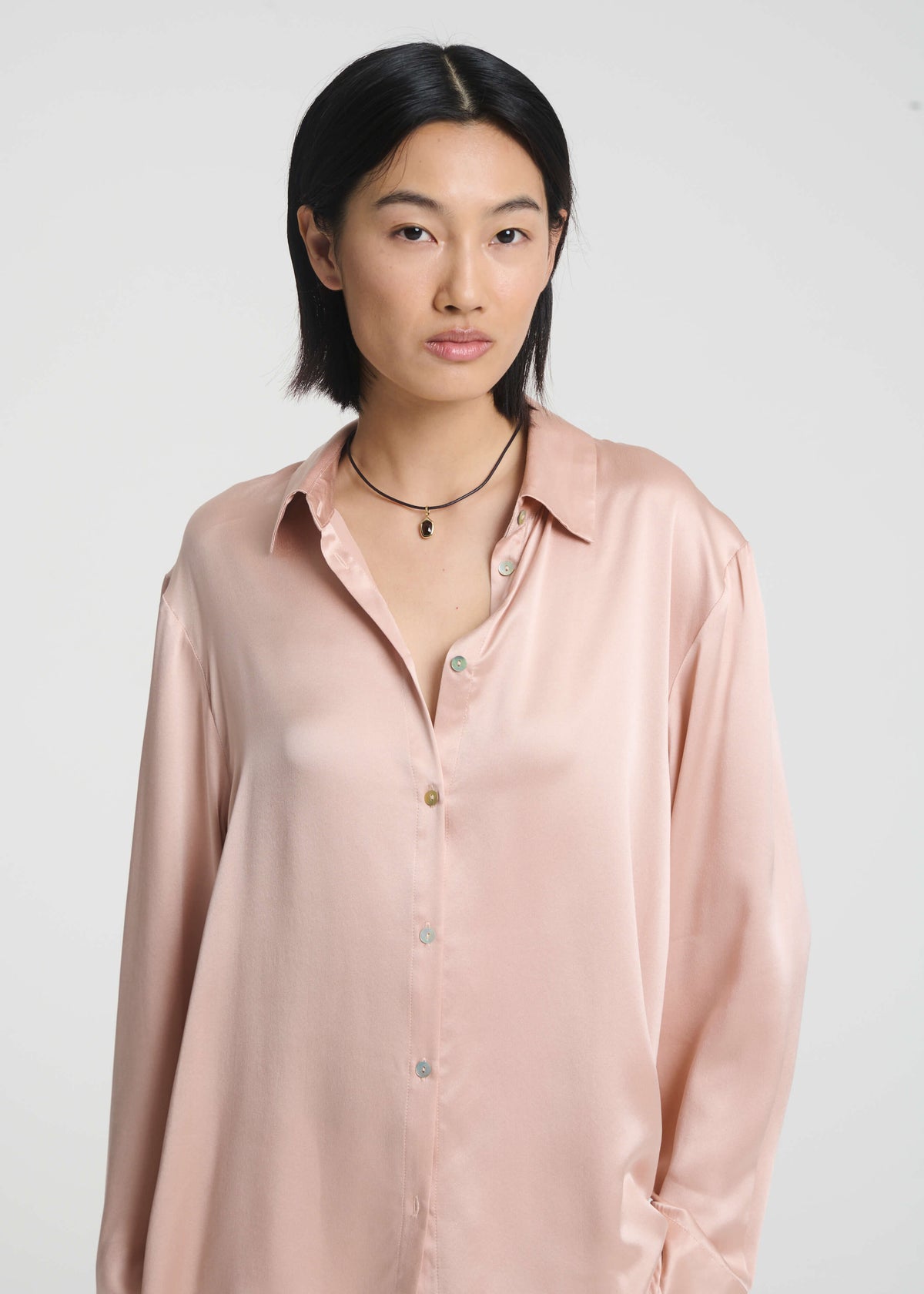
Choose a sandwashed silk shirt to preserve fluid drape.

3. Control the drying process to preserve your garments' natural drape
After washing, press excess water gently with a clean towel, then lay the garment flat on a second dry towel. Smooth seams, hems and pleats into their intended shape to prevent gravity from stretching silk and to keep linen fibres aligned. Avoid direct heat and strong sunlight by choosing a shaded, well ventilated spot. Rapid, high-temperature drying can leave fibres brittle, increase stiffness and cause uneven shrinkage. For heavier pieces, support stress points: use wide, padded hangers for delicate silks, or drape linen over a rail so the weight is distributed along a seam. Roll a small towel inside sleeves and collars to preserve their volume while the rest of the garment dries.
Control the drying speed to refine the hand and drape of natural fabrics. Allow silk to dry slowly to preserve its softness, and let linen remain slightly damp before finishing it flat or with a light steam, as a slower, even dry reduces fibre set and yields a more natural, flowing drape. When finishing, use a low-temperature iron with a pressing cloth or a gentle steam to relax the fibres and set the final shape without overstretching. Rotate garments periodically as they dry to equalise exposure and shrinkage so the drape develops evenly.
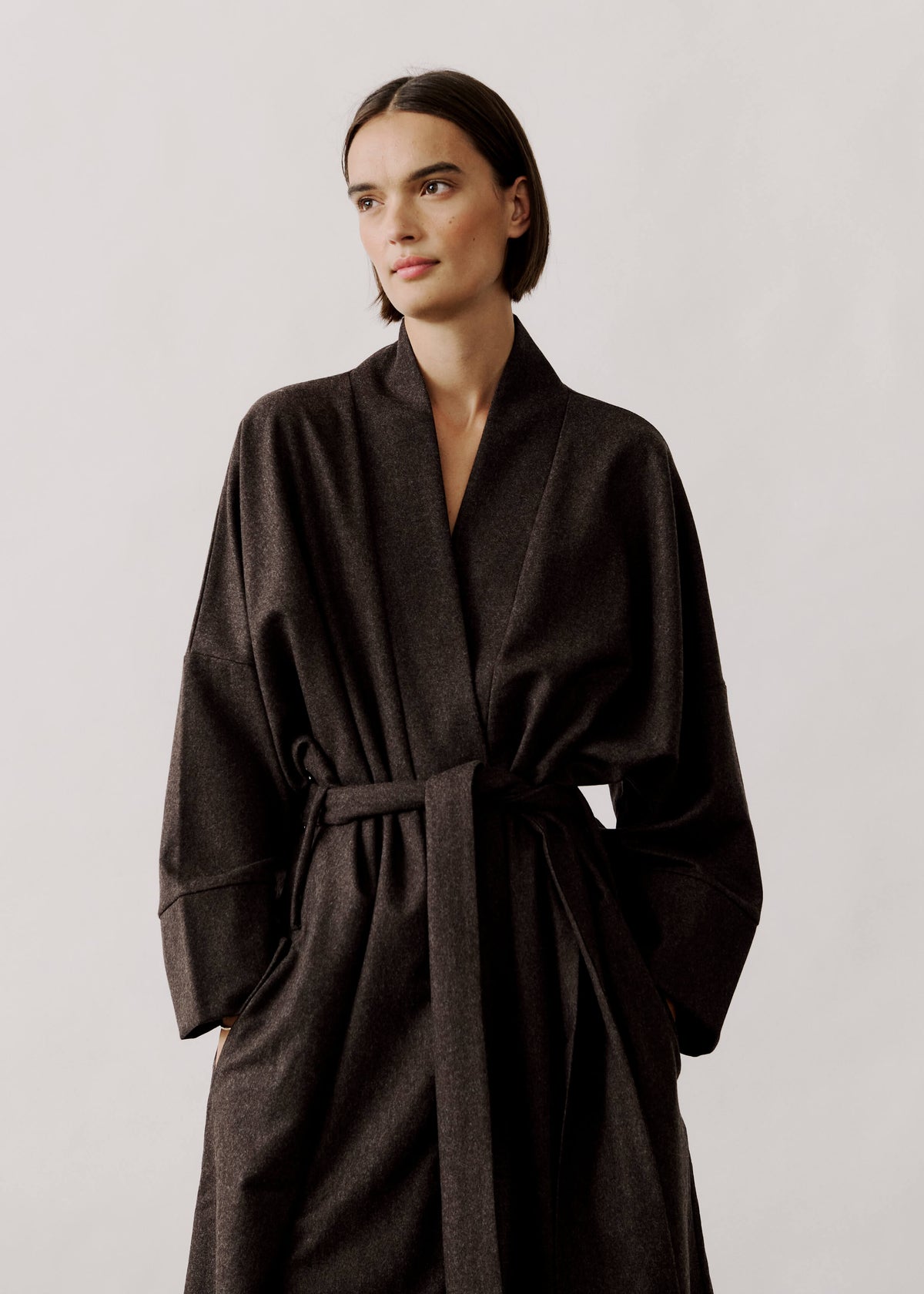
Preserve silk’s fluid drape with a lightweight silk shirt.

4. Press and steam for a polished, lasting finish
Always test on an inside seam first. Silk is composed of protein fibres that can develop water spots and a shine if overheated, so work with the iron on its lowest setting. Place a thin, lint-free pressing cloth over the garment and use a lift-and-set motion rather than sliding to avoid flattening the yarns. For linen, dampen the fabric slightly, since cellulose fibres form hydrogen bonds when wet; apply steam and a hotter iron along the grain, using firm, short presses to lock creases and preserve the intended drape. Relax fibres beforehand by holding the iron or steamer a short distance away and using vertical steam, then pat with a soft cloth to disperse surface moisture and reduce spotting or over-shining. Support collars, shoulders and sleeves with a rolled towel or tailor’s ham, turn items inside out when pressing seams, and cover any embellishments to maintain contours and avoid distortion.
Allow pressed areas to cool and stabilise on shaped hangers or laid flat on a breathable surface. Open out bulky seams and press them gently to reduce weight so the fibres set in their intended shape and future shrinkage is minimised. Ensure seams, hems and any embellishments are completely dry before storing, as residual moisture can re-form bonds and cause distortion. When in doubt, repeat the hidden-seam test and work in small, careful steps to preserve the garment's sheen, hand and drape.
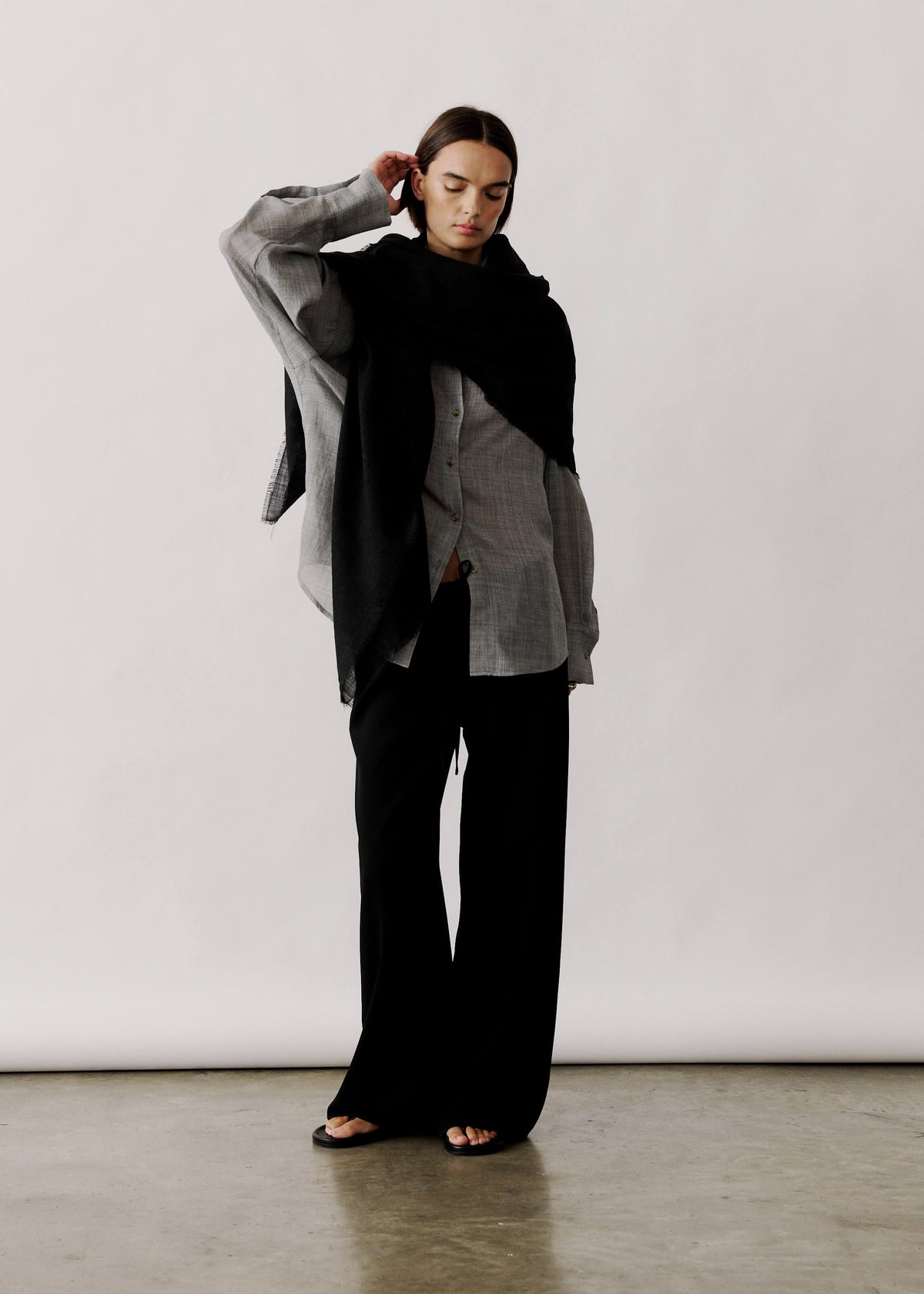
Choose a lightweight silk shirt to preserve fluid drape.

5. How to maintain, store and restore a garment's natural drape
Hang silk on wide, padded hangers that support the shoulders and avoid clips; allow gravity to help the fibres settle back into their natural fall. For heavier linen garments, store flat or fold loosely to prevent shoulder distortion and seam stress that can flatten the drape over time. Relax fibres with gentle, targeted moisture before reshaping: mist silk sparingly or apply steam from a safe distance, then hang to set. For linen, dampen evenly and block on a flat surface to restore the weave and secure the intended silhouette. Moisture temporarily swells natural fibres and makes them more malleable, so work while the fabric is still damp for the best results.
Press gently to set the drape without flattening texture. For silk, press through a clean damp cloth on a low heat to smooth and encourage the fabric's natural fall. For linen, press from the inside on a slightly higher heat while the fabric remains a little damp to avoid surface shine. Where appropriate, add discreet weighting at hems and seams using tiny flat weights or removable hem tape to encourage a vertical fall and reduce springiness. Store garments in breathable covers or roll them with acid‑free tissue, avoiding airtight plastic for long-term storage. Maintain stable ambient humidity where you can, as natural fibres absorb moisture and repeated swings will alter ease, hang and the perception of drape.
Gentle, measured routines, including assessing fabric behaviour, preparing garments, controlling drying, precise pressing and considered storage, preserve the fit, hand and graceful drape of silk and linen while limiting shrinkage. Simple tests, such as swatch shrinkage measurements and drape comparisons before and after wetting, reveal directional change and guide the selection of treatments that stabilise dimensions without stiffening the cloth.
Treat the five headings (assess, prepare, control drying, press and steam, and maintain) as a reproducible checklist when laundering or restoring garments. Repeat cautious, incremental treatments, noting results to build dependable routines that protect fibres and preserve the intended drape of each piece.

Leave a comment
This site is protected by hCaptcha and the hCaptcha Privacy Policy and Terms of Service apply.