
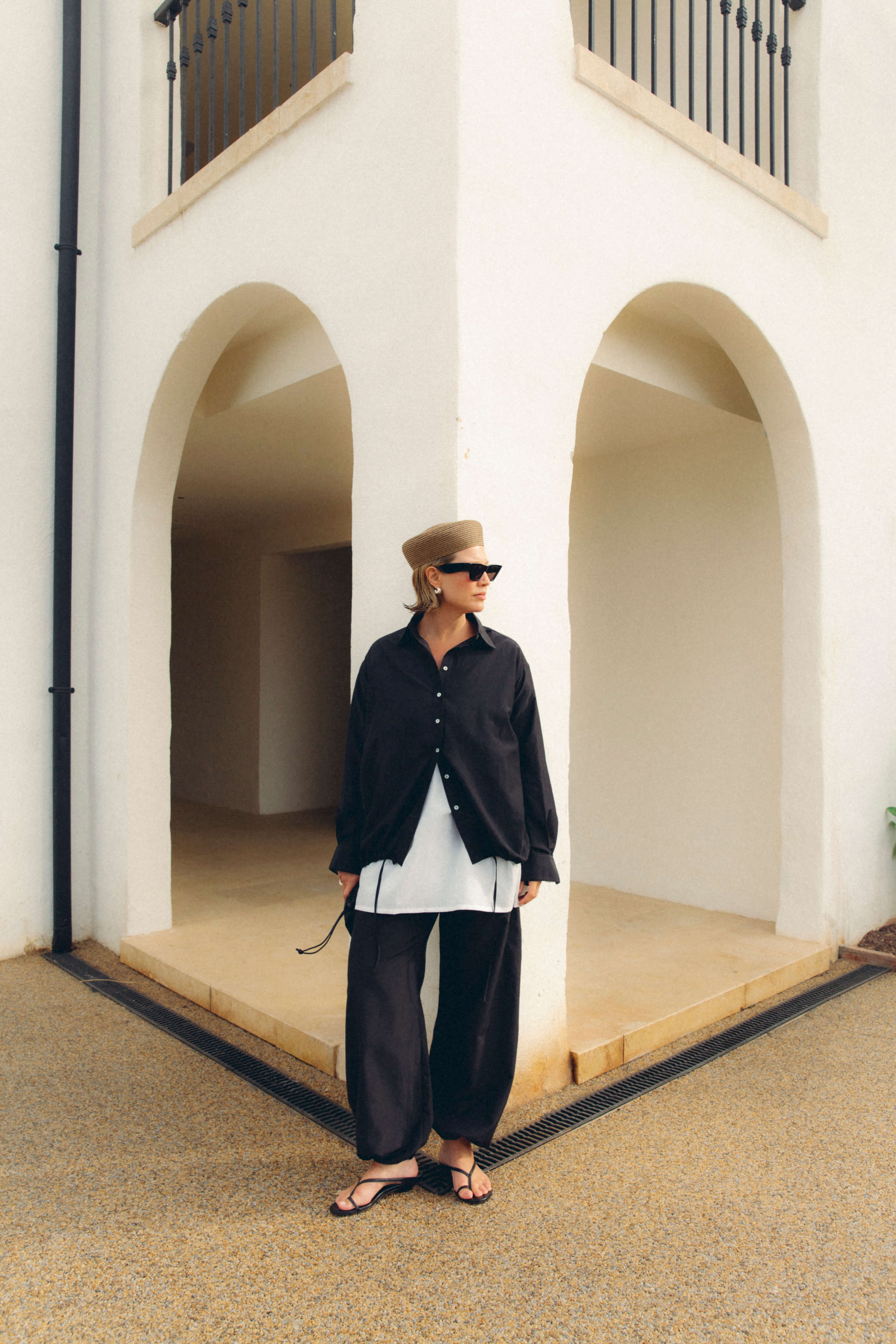

Top 5 Tailoring Adjustments to Preserve a Relaxed Pyjama Silhouette and Add Structure
If you love the effortless drape of pyjamas but want your relaxed pieces to read as more intentionally styled beyond the bedroom, small, considered tailoring adjustments, such as refined shoulders, subtle darts and neater hems, can introduce definition without sacrificing comfort.
This post outlines five practical adjustments to refine relaxed tailoring: balancing ease with tailored lines; choosing supportive fabrics and constructions; refining shoulder, sleeve and armhole fit; introducing discreet shaping through darts and tucks; and optimising finishes and fastenings to preserve drape. It offers fit-first, actionable techniques for shirts, jackets and pyjama-inspired pieces that maintain movement, enhance silhouette and extend wear, ensuring a relaxed look reads composed rather than sloppy.
1. Balance relaxed ease with refined tailoring for timeless, flattering silhouettes
Subtle tailoring preserves the relaxed pyjamas aesthetic while removing bulk: taper the trouser leg by approximately 2 to 4 cm from the knee, shorten the break so the hem just skims the shoe, and retain a comfortable rise to preserve a soft drape. Introduce gentle waist definition with two small back darts, a centre-back seam taking 2 to 3 cm, or a waistband with a narrow elastic panel to create shape without restricting movement. Keep generous ease through the chest, seat and thigh, focusing shaping at the waist, cuffs and hem so the piece remains effortless, comfortable and composed.
Introduce subtle structure to the top by stitching a small sleeve head, tacking a slim shoulder pad, or topstitching the collar and front opening to gently lift the silhouette and refine the lines. Reinforce high-stress points with stay stitching at pocket openings and shoulder seams, use narrow facings at hems, and press seam allowances flat for a neater finish. These discreet interventions read as deliberate tailoring rather than formal alteration, preserving movement and the relaxed silhouette. Together, the finishes prevent sagging over time and keep the pyjama-inspired piece looking sharp and considered.
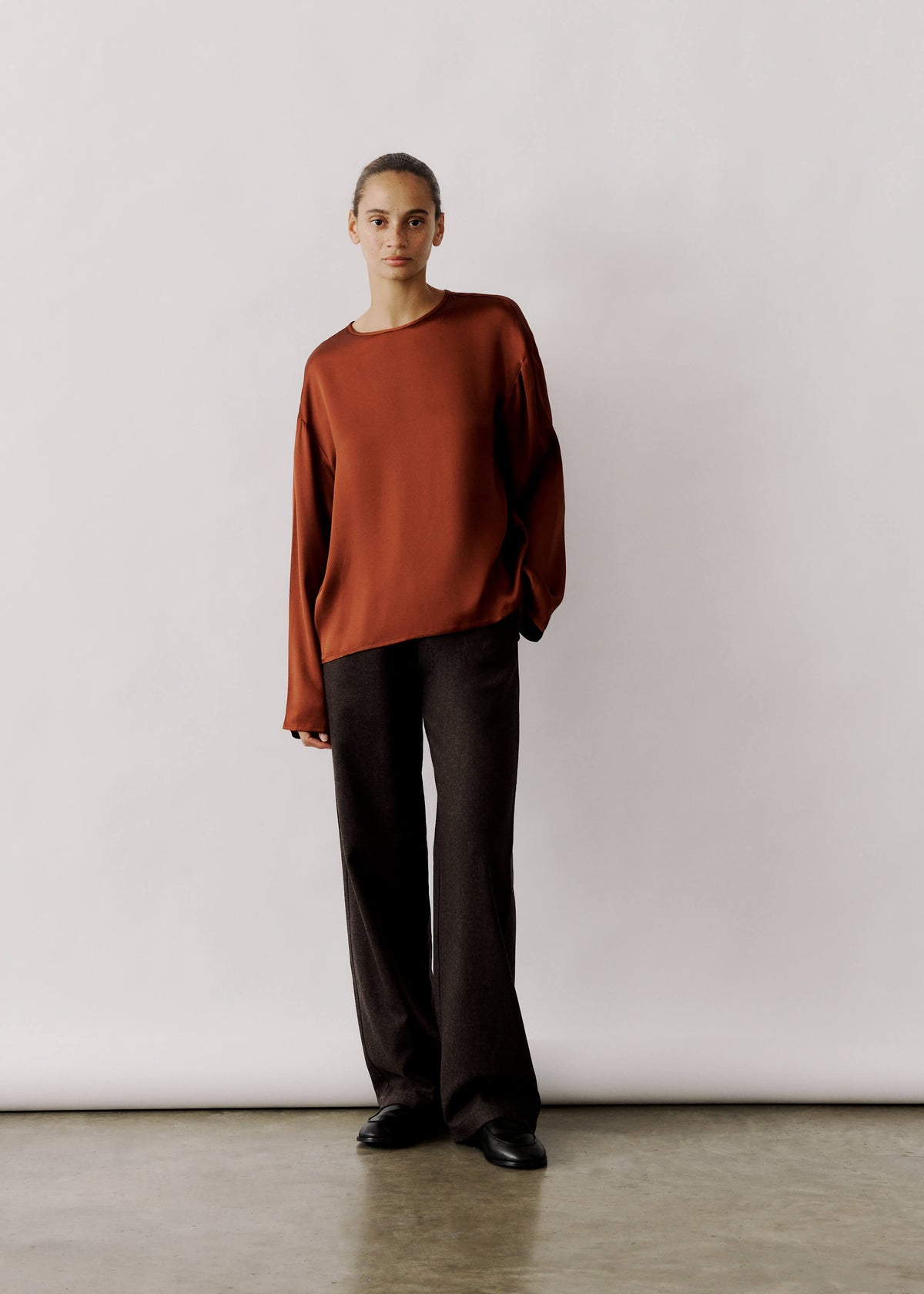
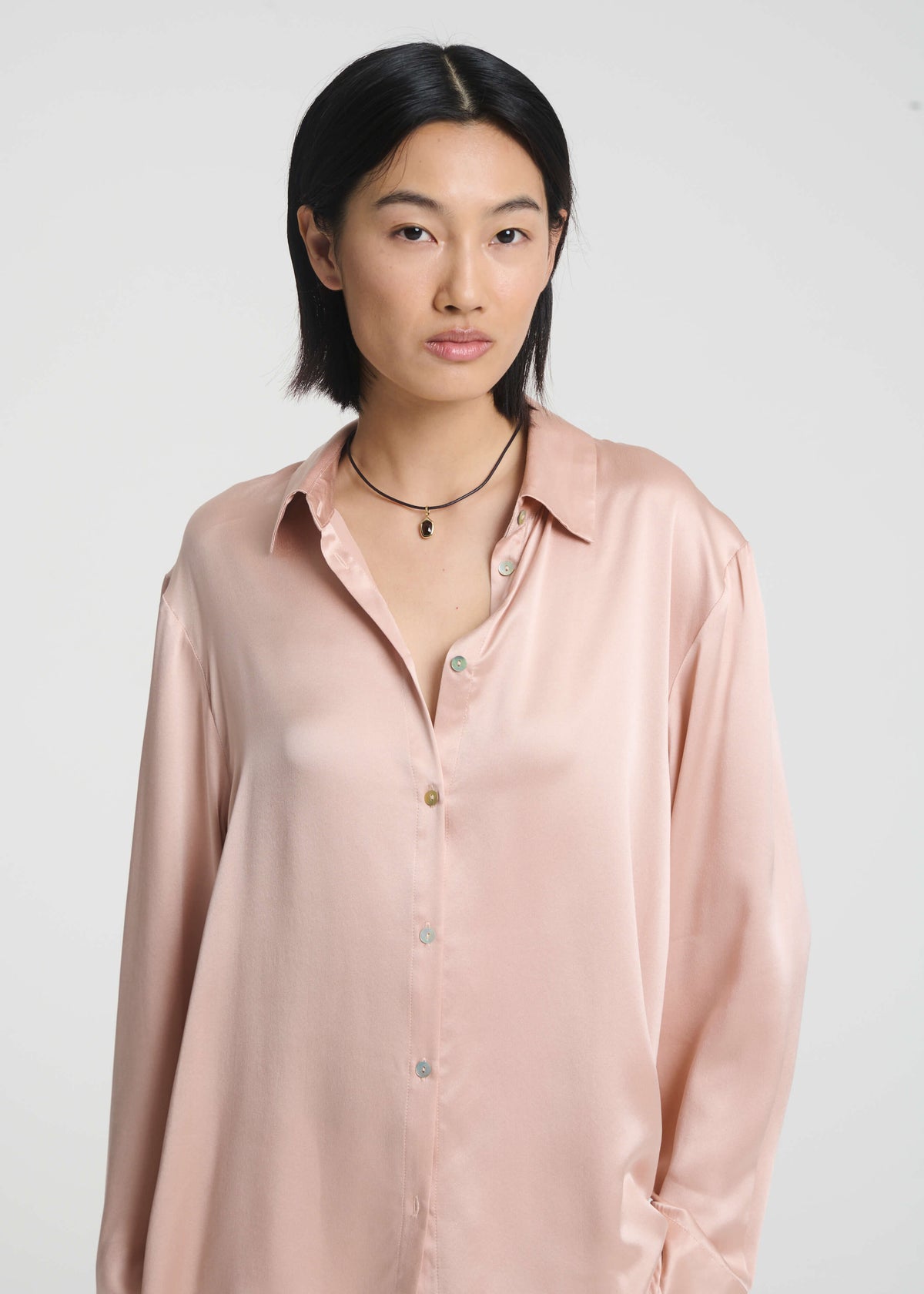
Refine relaxed trousers with silk tailoring for effortless polish

2. Choose fabrics and construction that preserve the silhouette
Choose mid-weight fabrics that drape yet retain a subtle structure, such as cotton poplin, cotton-sateen, linen blends or cupro. These cloths resist bagging at seams and keep collars and cuffs looking crisp while preserving a relaxed silhouette. Prefer soft, targeted interfacing and partial linings over full stiffening: fuse lightweight interfacing to collars, cuffs and waistbands, or add a half-lining to jackets to sharpen key edges without making the whole garment rigid. Employ unobtrusive stabilising techniques, such as stay-stitching at necklines, topstitching along plackets and hems, and French or flat-felled seams in high-stress areas. These considered details prevent distortion and prolong a tidy drape, allowing a relaxed pyjama aesthetic to read as deliberately finished.
Introduce subtle shaping through concealed details, such as small waist or bust darts, a single centre back tuck, a gently shaped waistband or a slight taper to the trouser leg. Anchor soft fabrics with internal supports and discreet closures, add a lightweight sleeve head or soft shoulder pad, insert twill tape at shoulder seams and pocket openings, and reinforce button plackets and drawcord channels so pyjamas sit correctly and move cleanly. Together these techniques refine key lines while preserving the relaxed silhouette, enhancing fit and longevity without visible tailoring.
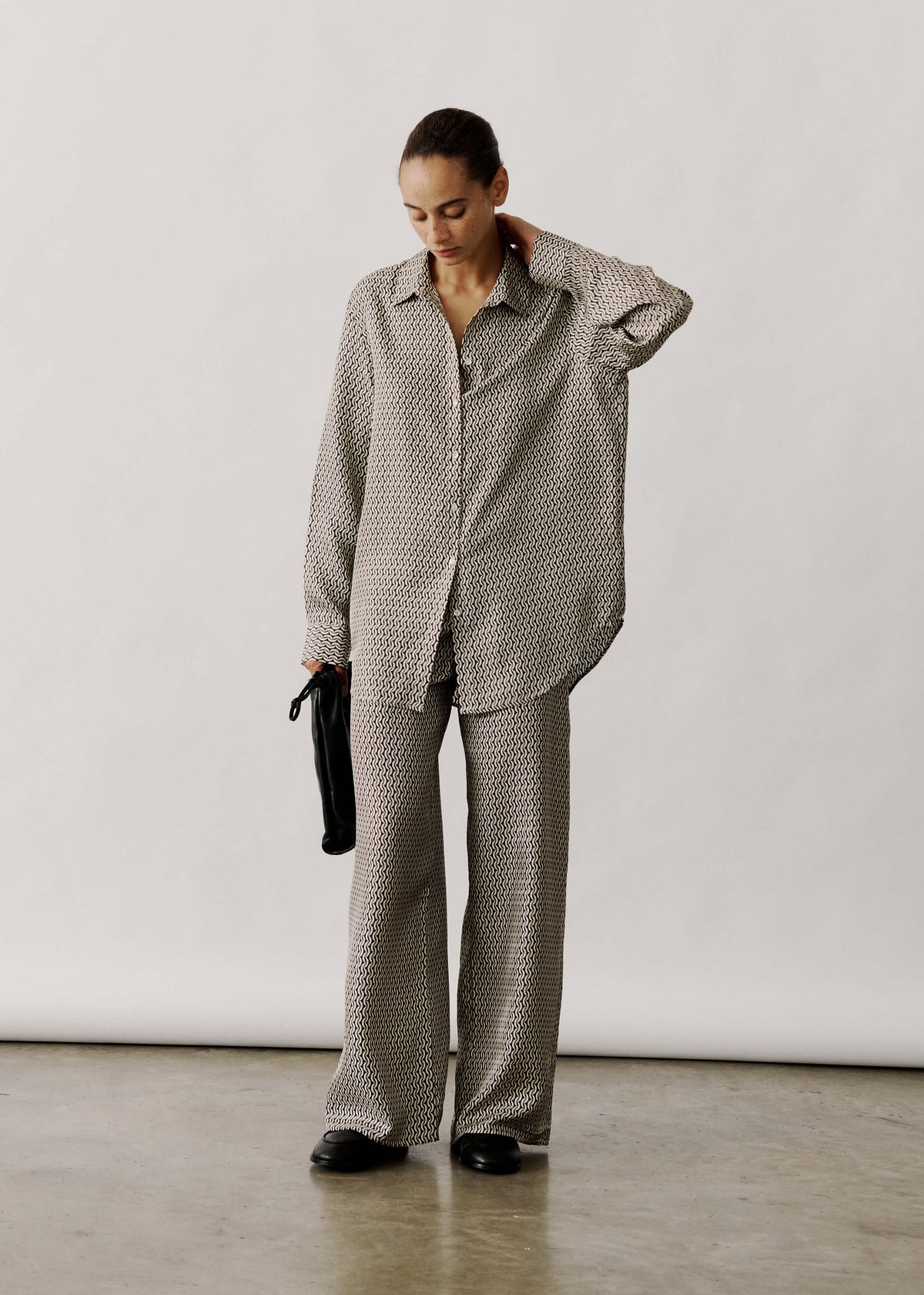
Pair with lightweight cotton trousers for crisp, relaxed shaping.

3. Refine shoulder, sleeve and armhole fit for a sleeker silhouette
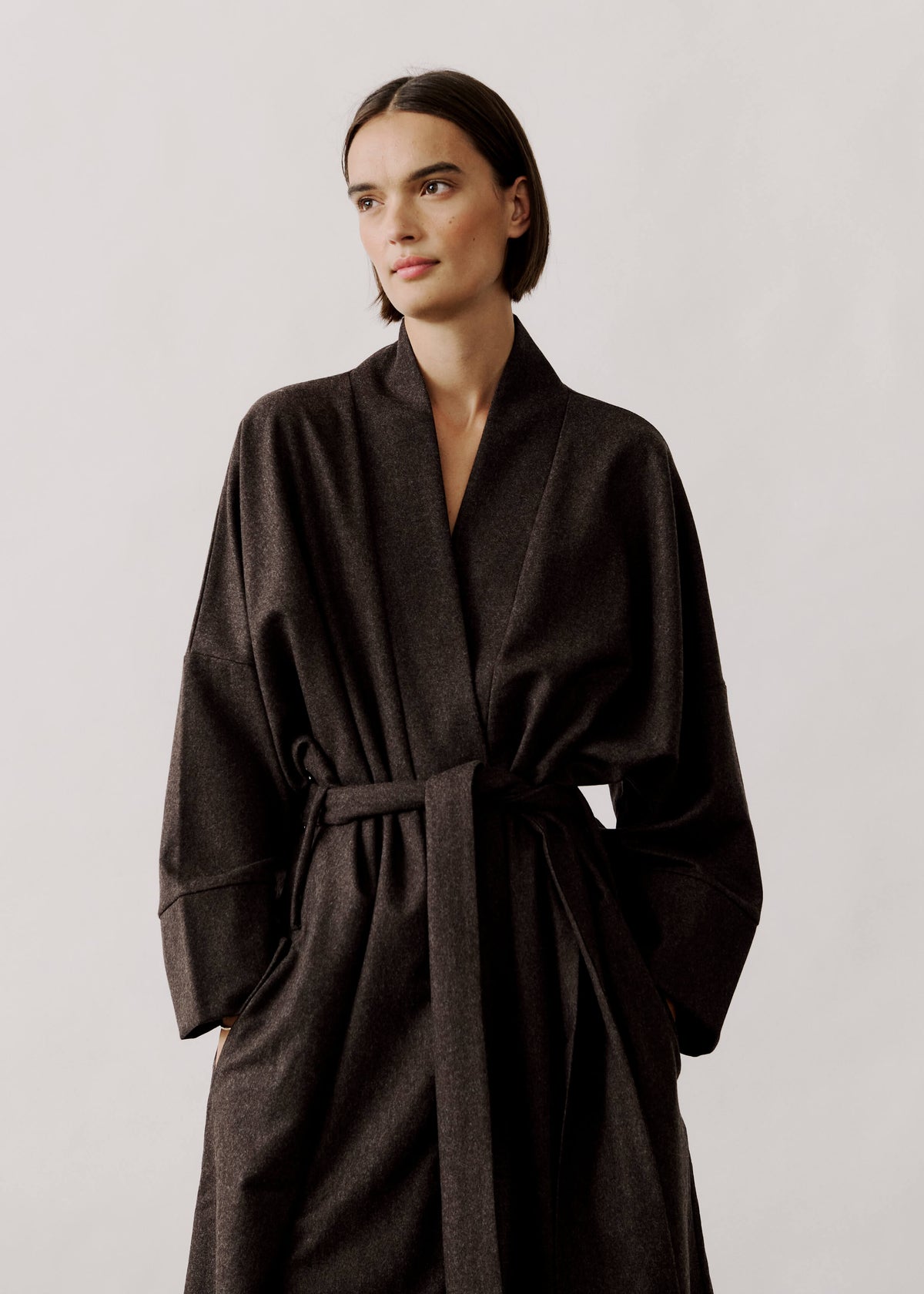
Reposition the shoulder seam so it sits on the natural shoulder bone. Mark the correct point and move the seam in small increments until the sleeve aligns with the arm joint, removing any droop. Reduce excess at the sleeve cap with small, evenly spaced tucks or a slight trimming of the sleeve head to smooth puffing and minimise creasing across the upper arm, while preserving the garment's full range of movement. These subtle refinements sharpen the silhouette while maintaining overall ease.
Taper the sleeve gently from bicep to cuff, leaving a couple of centimetres of ease at the fullest point so the line stays neat and a soft billow forms above the cuff when the arm is bent. Adjust the armhole in small increments, raising it slightly to prevent gaping and excess fabric beneath the sleeve or lowering it a touch if the garment feels restrictive, testing everyday movements as you go. Introduce minimal internal shaping, such as a thin, soft shoulder pad, a light canvas stay or a stitched shoulder roll, to add lift without creating a rigid structure. Choose removable or lightly stitched options so the garment can revert to its original relaxed drape when required.
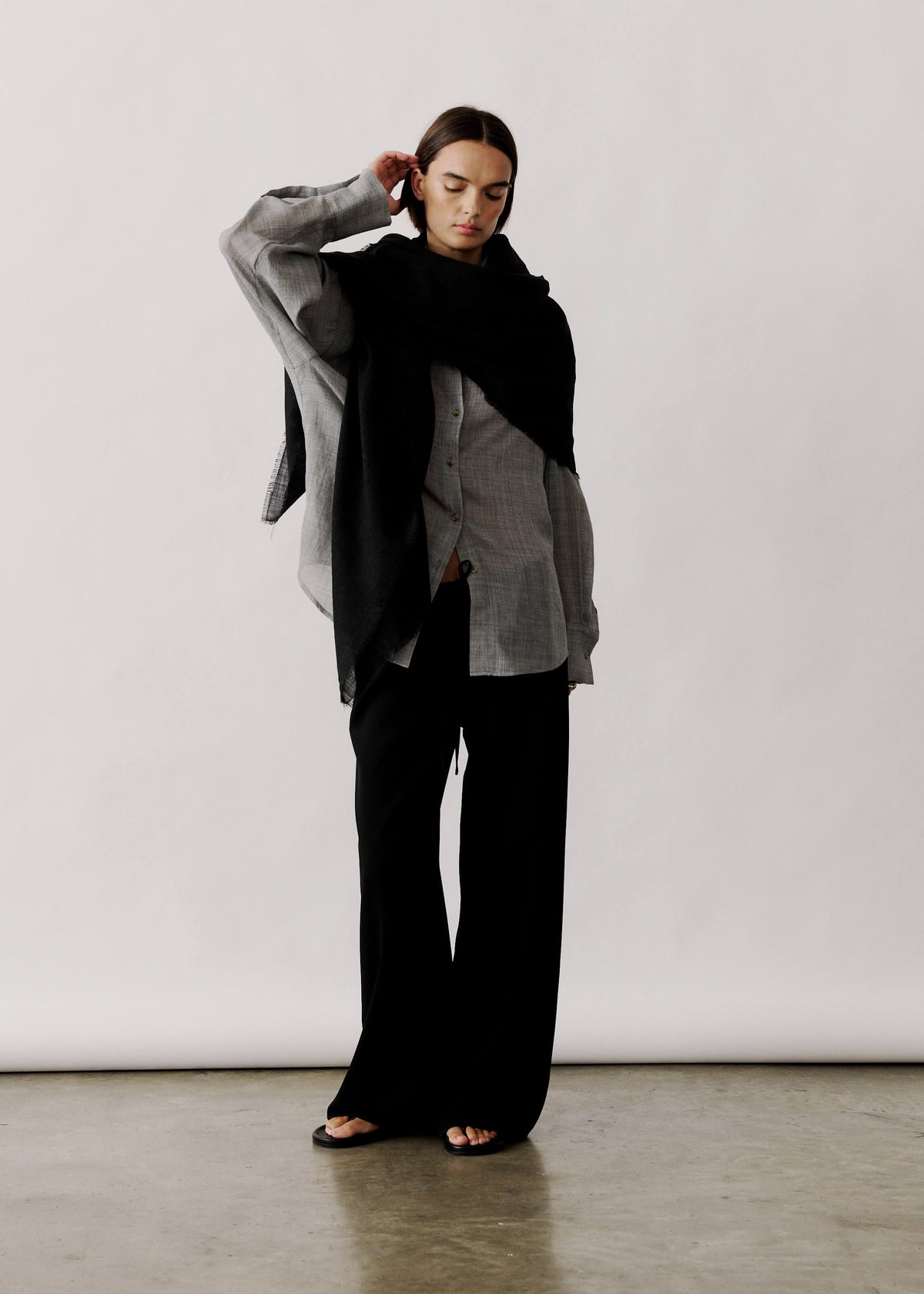
Choose a relaxed linen top to preserve shoulder drape.

4. Introduce subtle shaping with darts, tucks and hems
Add subtle shaping without stiffness by inserting a single back waist dart. Pinch out approximately 2 to 3 centimetres at the centre back and taper the dart to nothing at the bust line or shoulder blades, then baste and assess by sitting and raising your arms to check comfort and silhouette. Convert straight side seams into shallow princess seams by redrawing them with a gentle inward curve of 1 to 2 centimetres from underarm to hem, keeping small seam allowances and pressing seams open so fullness redistributes along the body. Introduce soft pin tucks of 2 to 4 millimetres, spaced 2 to 3 centimetres apart on the front bodice or sleeve crowns, and baste these first so the linear texture imparts structure without restricting movement.
Refine the hem with a narrow 6 to 10 mm finish or introduce short side vents of around 6 to 8 cm to preserve ease of stride and seated comfort. Use bias binding on curved edges to prevent pulling while maintaining a fluid drape. Reinforce key stress points with lightweight techniques, for example small underlay strips at dart points, collar tips and pocket openings, or discreet hand stitching in place of heavy interfacing. Always test any reinforcement on a scrap to ensure the pyjamas retain a soft hand while holding their shape. These considered adjustments preserve the relaxed pyjama silhouette while giving the garment a cleaner, more intentional finish.
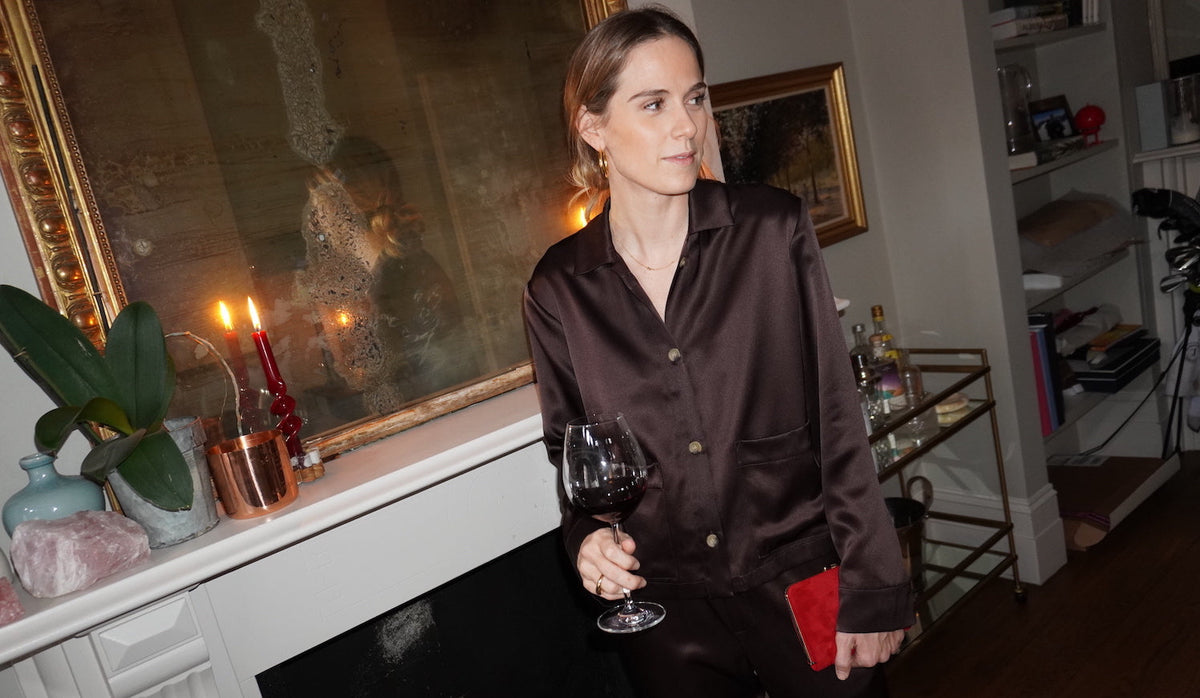
Choose relaxed silk trousers for effortless, refined lounging.

5. Optimise finishes, fastenings and fit for graceful movement and lasting wear
Specify seam finishes such as French seams or narrow-felled seams on lightweight pyjama fabrics to encase raw edges, reduce fraying and distribute stress so panels remain smooth and resist puckering over time. Reinforce high-stress points discreetly with bar tacks at pocket corners, strengthened stitch lines at the crotch and underarm, and small gussets at the side seams so the garment accommodates movement without altering its relaxed silhouette. Choose fastenings that read soft but perform: fabric-covered buttons, concealed press studs or neat flat plackets. Internal stays or closer button spacing at the front help prevent gaping while preserving the gentle pyjama aesthetic.
Build measured ease through the seat, thigh and sleeve cap, leave longer seam allowances and include subtle vents so the garment moves with the body and can be taken in later without losing its intended shape. Use robust construction details and materials, such as high-tenacity wrapped thread for strength and slightly longer stitch lengths to suit a soft drape, and finish hems with blind or single-needle techniques to maintain clean, uninterrupted lines. Pre-wash fabrics to prevent post-construction shrinkage and distortion, and match finishing methods to the fabric’s behaviour to avoid puckering. Together these steps preserve the relaxed silhouette of pyjamas, protecting the drape while allowing comfortable movement and future alterations.
Small, targeted tailoring preserves the relaxed drape of pyjamas while introducing intentional shape through subtle tapering, delicate waist darts, tidied sleeve heads and cleaner hems. These interventions rely on selective structure, such as soft shoulder pads, lightweight interfacing at collars and cuffs and stabilising seams, allowing garments to retain movement while resisting sagging in wear.
Work through the five focus areas as a checklist: balance of ease and tailored lines; supportive fabrics and considered construction; a refined shoulder and sleeve fit; discreet shaping; and neat finishes with reliable fastenings. Make one measured change at a time. Baste each alteration and wear the garment to assess the fit, pre-wash fabrics and leave generous seam allowances for future adjustments. These thoughtful steps help a relaxed pyjamas silhouette feel composed, perform better and be refined over time.

Leave a comment
This site is protected by hCaptcha and the hCaptcha Privacy Policy and Terms of Service apply.