
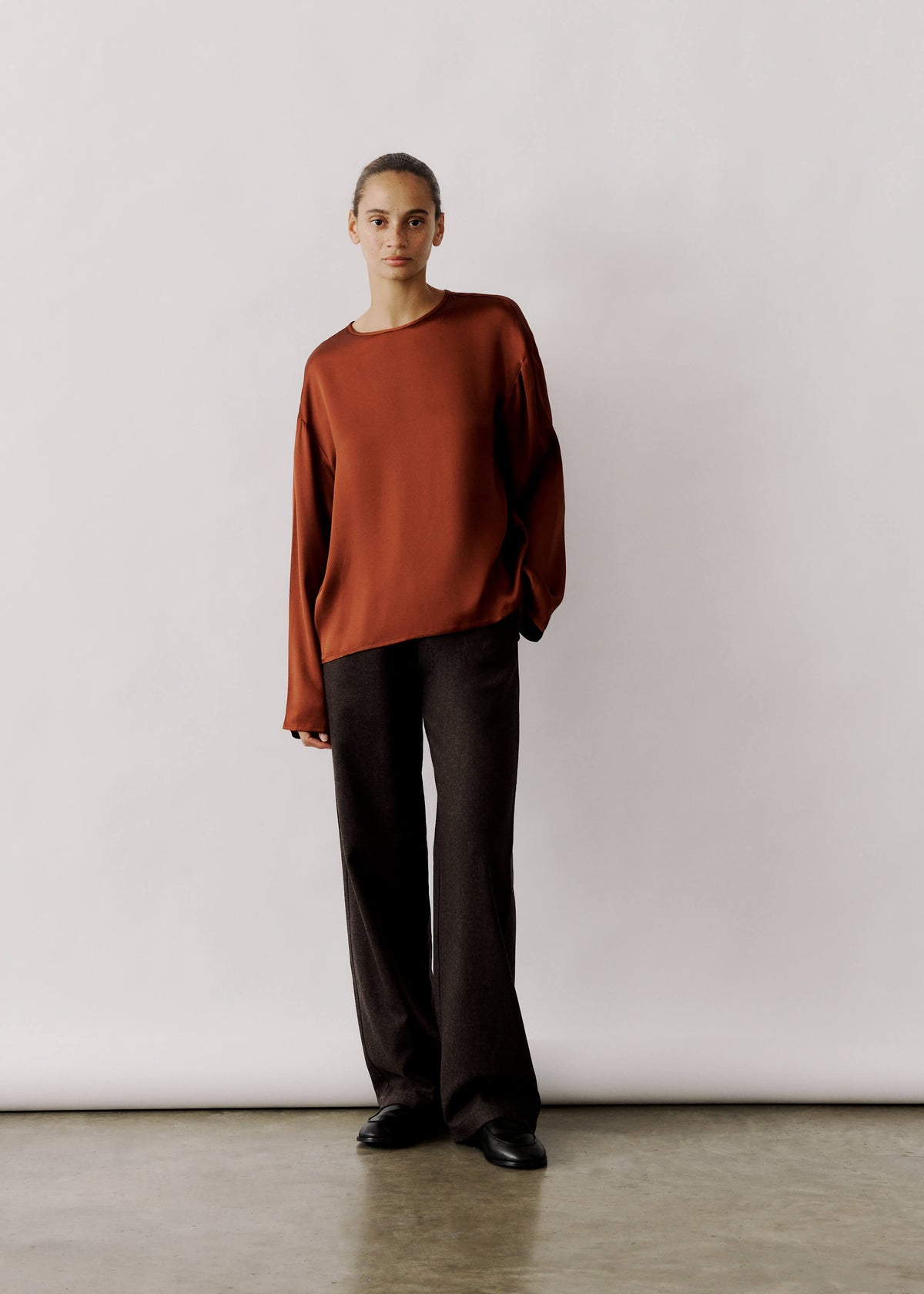
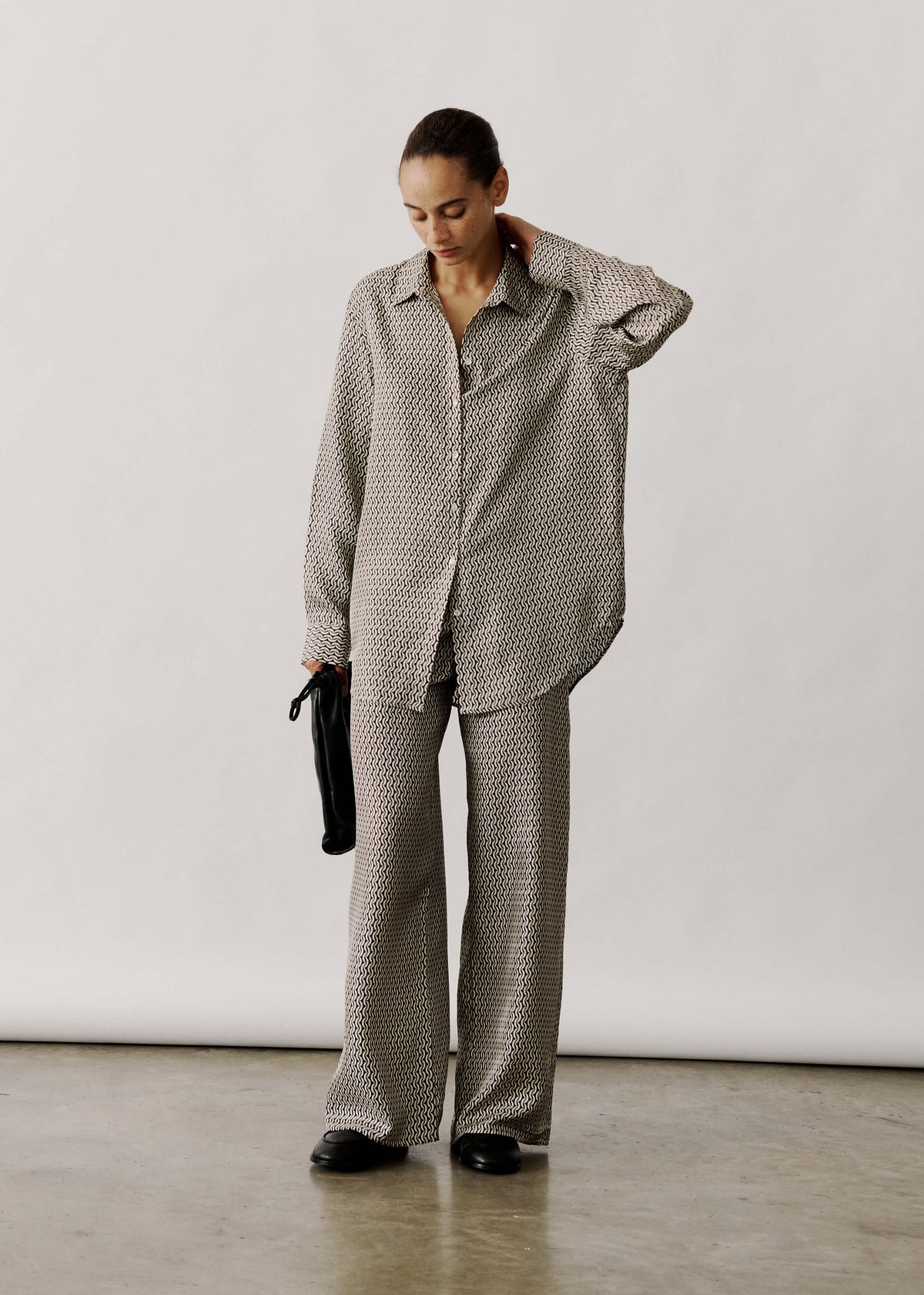


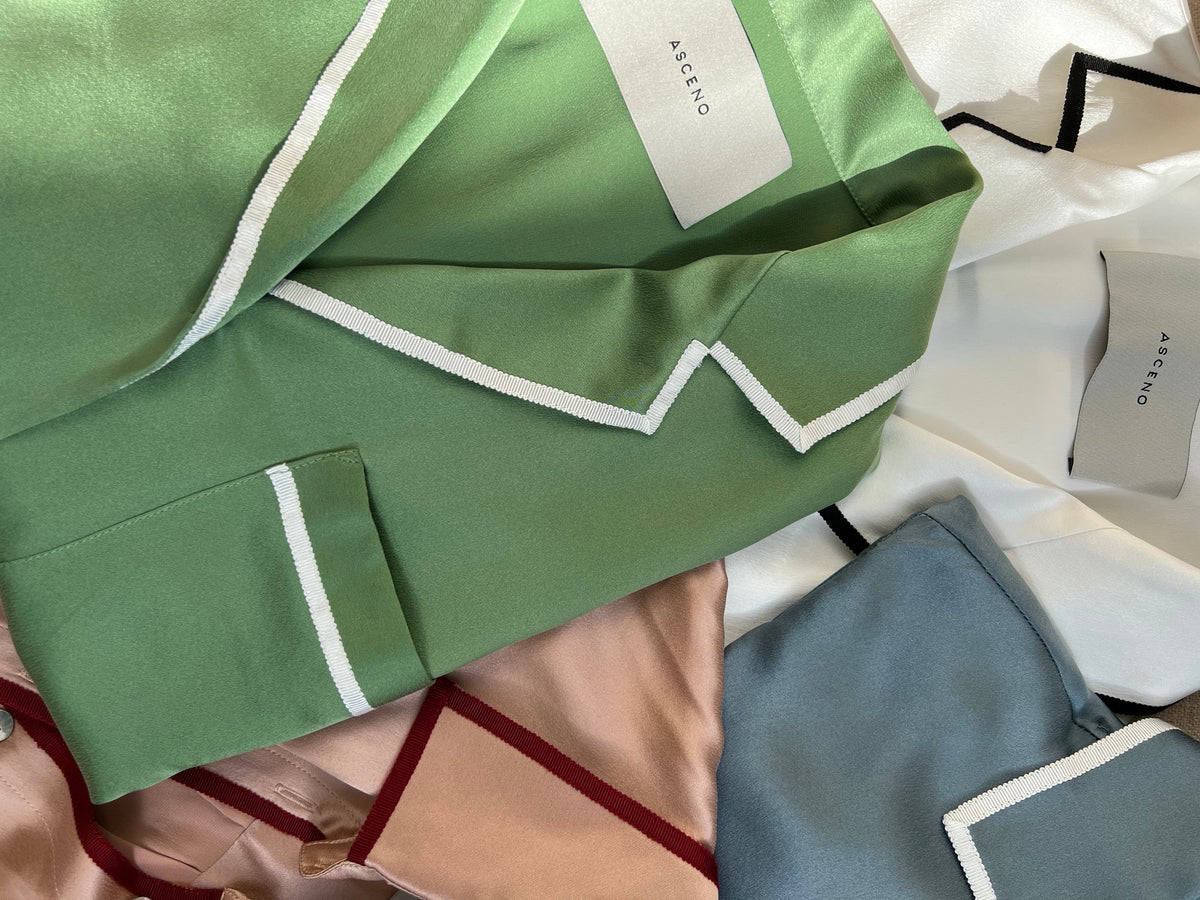
3 Elegant Ways to Pack Silk and Delicates to Prevent Creases
Silk and other delicate fabrics are prone to creasing, snagging and losing their shape if packed carelessly. What practical steps can you take to keep them smooth and unmarked?
This guide sets out three practical steps: preparing fabrics correctly; packing to prevent creasing and abrasion; and safeguarding items in transit, with advice on managing emergencies and unpacking with care. Apply these techniques to minimise creases, avoid snags and restore garments swiftly should a mishap occur.

1. Preparing silks and delicate garments for effortless packing
Treat stains promptly, laundering or spot-cleaning in accordance with the garment care label, as heat and delay can set grease and dye and increase the risk of permanent discolouration. Turn garments inside out and secure hooks, buttons and zips to protect the outer fabric from snags caused by metal fastenings or loose jewellery. Before packing, make sure each item is completely dry and give it a brief airing, since silk retains moisture and trapped dampness can encourage yellowing and mildew.
Gently pad folds and fill sleeves with acid-free tissue or soft cotton to cushion pressure points and preserve the garment's shape. Lightweight padding prevents creasing and helps structured pieces retain their form during handling or transit. Inspect garments for loose threads, missing buttons or weak seams, and make simple repairs or secure vulnerable areas with small tacking stitches. Taking these steps before packing prevents snags and seam failures from worsening in storage or movement, ensuring each piece arrives ready to wear.

2. Pack silk carefully to avoid creases and abrasion
Silk is a protein filament that creases when compressed fibres reform hydrogen bonds. Surface friction also abrades the smooth filament, gradually dulling its lustre and weakening the fibres. Before packing, always follow the care label and ensure garments are completely dry. Fasten buttons and zips, turn items inside out and smooth them flat, then pad collars and sleeves with acid-free tissue or a soft cotton scrap to preserve their shape. These simple measures prevent residues from setting and reduce internal creasing, helping to maintain silk's natural sheen and strength.
Fold structured pieces flat along their natural seams, placing a sheet of tissue between layers to prevent sharp fold lines. Roll looser items such as camisoles and pyjamas loosely so pressure is distributed evenly; for small pieces, roll them inside a soft fabric to form a cushioned bundle. Interleave each silk piece with breathable cotton, linen or packing tissue, and store delicates in a breathable pouch or garment bag to protect them from rough fastenings and jewellery, keeping metallic items separate to avoid snags. Pack silk on top of other items or over a rigid flat surface to minimise concentrated pressure. Unpack and hang or lay garments flat as soon as possible so gravity and a little bathroom steam can relax minor creases, then smooth remaining lines by hand along the grain rather than across the weave.

3. Protect silk during transit, address emergencies and unpack gently
Fold silk along natural seams and place each item between layers of acid-free tissue or a soft cotton garment, stuffing sleeves and collars to retain shape and positioning silk near the top of your bag so heavier items do not crush it. Rolling lighter silk garments can reduce sharp fold lines, but avoid tight rolls because silk can develop stubborn creases if dried under pressure that may require steaming or a gentle press to remove. By distributing pressure and avoiding sharp folds, you reduce the chance of creases that are difficult to remove.
Keep a small emergency kit: clean, absorbent cloths, a spray bottle of plain water and a small amount of neutral pH detergent for spot testing. Always test any solution on an inside seam before treating a visible area. For stains, blot rather than rub, support the wet area from underneath to avoid stretching, and air dry flat; oil or perfume marks usually require professional attention. To relax fibres, introduce gentle humidity by hanging silk in a steamy bathroom or using a handheld steamer held at a distance. If you need to iron, test a hidden area first and press gently through a clean cotton cloth on the lowest safe setting. Store silk separately from toiletries, jewellery and rough fabrics, and favour breathable covers over sealed plastic to prevent trapped moisture and discolouration. When unpacking, unbutton fastenings, reshape collars and hems while the garment is slightly damp, then hang inside out on a padded hanger to let it settle.
Silk and other delicates travel well when kept dry, gently cushioned at stress points and protected from friction, since pressure and abrasion set creases and dull the fibres. Prepare garments by treating stains promptly, fastening closures and lightly stuffing collars and sleeves to preserve shape, and make sure items are completely dry before packing. Place acid-free tissue or a breathable layer near the top of your bag to reduce creasing, prevent snags and guard against mildew.
Prepare, pack and protect with simple, considered habits to keep garments looking their best. Treat stains promptly to prevent them setting; use padded folds and interleaving to avoid sharp creases and abrasion; and when unpacking, handle items gently or use a light steam to relax fibres without stretching. Adopted before travel or long-term storage, these practices help preserve sheen and shape, so pieces are easier to wear and quicker to restore if creasing occurs.

Leave a comment
This site is protected by hCaptcha and the hCaptcha Privacy Policy and Terms of Service apply.