


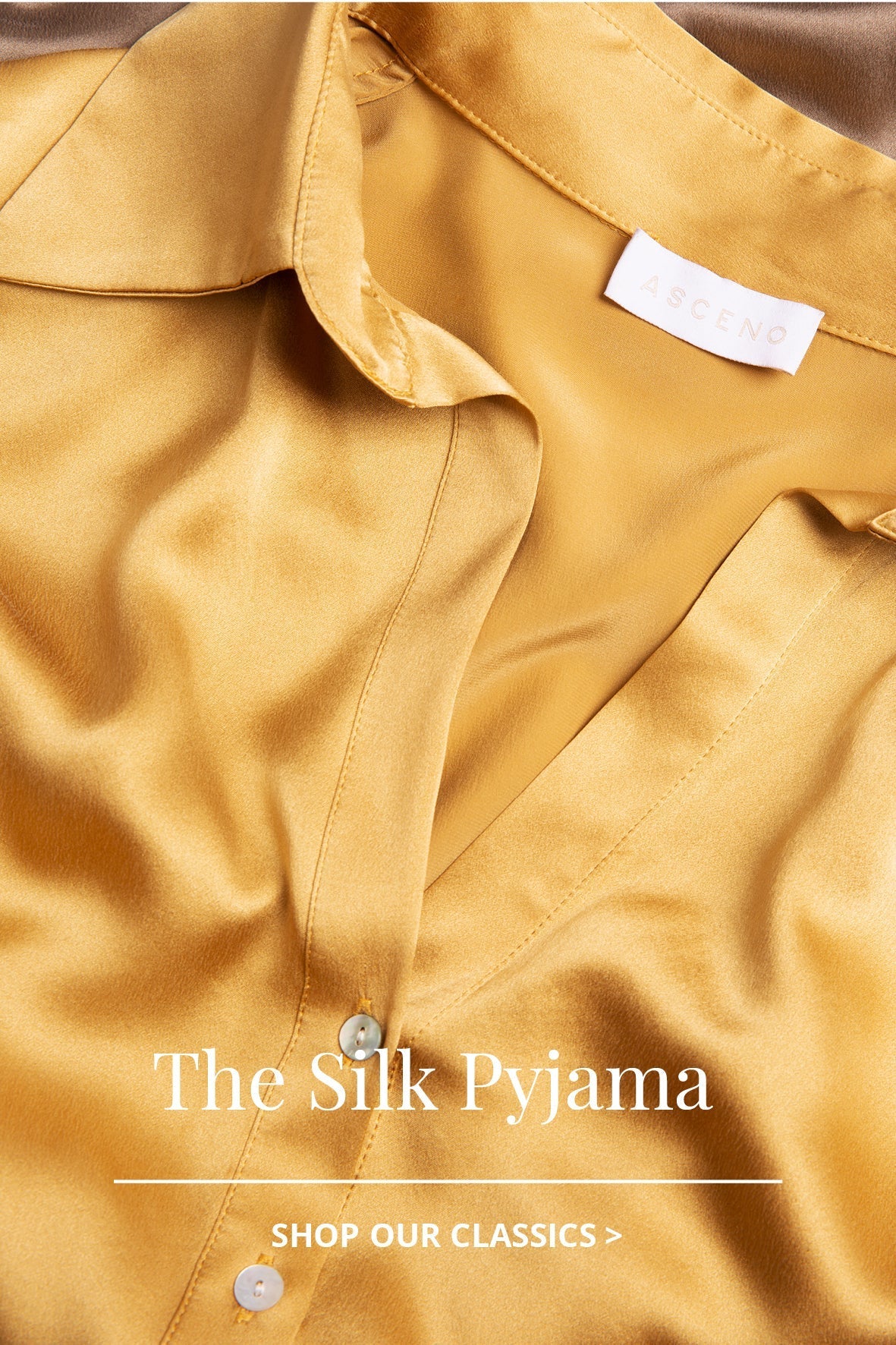
Gentle home washing rituals to preserve silk pyjamas
Silk pyjamas have a luminous sheen, but a single rough wash can dull that finish and weaken the fibres. To keep them looking and fitting beautifully for years, without shrinkage, staining, or snags, adopt a simple, gentle care routine.
This post guides you through inspecting and preparing silk pyjamas, handwashing or using a delicate cycle, and drying, pressing, and storing them to preserve shape and sheen. Follow these evidence-based checks and straightforward techniques to minimise damage, maintain a smooth finish, and make laundering a reliable, repeatable routine.

How to inspect and prepare silk pyjamas for safe, gentle washing
Begin by reading the garment care label and inspecting the fabric and trims to establish whether the pyjamas are pure silk, a silk blend, or a delicate weave. Fibre content and weave density determine how vigorously you can wash them. Check for stains: remove any solids, blot liquid spills with a clean, white cloth, and lift greasy marks by sprinkling an absorbent powder, leaving it to settle briefly before brushing it away. Before using any wet cleaning solution, test it on an inside seam to check colourfastness, as silk can discolour or weaken with unsuitable products.
Because silk is a protein fibre, avoid alkaline cleaners, bleach, and enzyme stain removers; these agents can weaken fibres and alter colour. For any pre-treatment, use a very mild, pH-neutral detergent and test on an inconspicuous area first. Before washing, turn pyjamas inside out, fasten buttons and other closures, and tuck in loose ribbons or trims. Secure tiny snags with a few discreet stitches to prevent runs during agitation. Sort garments by colour and by fabric weight, keeping very delicate pieces together. Remove jewellery and empty pockets, then place each item in a mesh laundry bag or a pillowcase to reduce friction and protect shape during a gentle machine wash or a hand wash.
Wear a relaxed silk-cotton layer after careful cleaning.

Caring for silk pyjamas: hand wash or delicate machine cycle
Before choosing a cleaning method, check the care label, inspect seams, and test dye stability: dab a discreet area with diluted detergent and blot to see if any colour transfers, and note any dry-clean-only symbols. Silk is a protein fibre; exposure to high pH and heat weakens its structure, increasing the risk of colour bleed and irreversible damage. Hand-wash in cool water with a mild, pH-neutral detergent, gently swirl and avoid prolonged soaking. If you use a machine, place pyjamas in a fine-mesh bag and select the most delicate cycle with a low-speed spin to minimise friction and abrasion.
Blot stains rather than rubbing. For spot treatment, dilute a mild detergent and dab gently; avoid enzyme-based stain removers, as proteases are enzymes that break down protein fibres and can damage silk. Finish with a dilute white vinegar rinse to neutralise alkaline residues and help restore the fabric’s sheen. Remove excess water by rolling the pyjamas in a clean towel and pressing gently—do not wring. Reshape cuffs and seams while the garment is still damp, then dry flat or on a padded hanger away from direct sunlight and heat to prevent shrinkage and discolouration. To refresh between washes, air the pyjamas, spot-clean, or steam them inside out. If you need to press, use a low-heat iron with a pressing cloth. Store folded in breathable materials, or on padded hangers, to avoid creases and trapped moisture.
Opt for sandwashed silk to maintain softness and sheen.

Dry, press, and store silk pyjamas to preserve their appearance
After washing, place silk pyjamas flat on a clean, absorbent towel and blot gently to remove excess water rather than wringing. While still damp, smooth and reshape the seams, cuffs, and collar to preserve the original fit and minimise fibre distortion that causes bagging. Do not tumble dry or expose to direct, hot sunlight, as heat and vigorous tumbling can shrink fibres and dull the fabric’s natural sheen. Finish drying in a shaded, well-ventilated spot, or relax the fibres with a gentle hand steamer held at a distance.
Press silk gently on the wrong side with a cool iron, using a plain cotton pressing cloth. Alternatively, steam from a short distance; direct heat can flatten silk fibres and leave shiny marks. Test your chosen setting on an inside seam first to confirm it is safe for that garment. Fold pyjamas and store them in breathable cotton or muslin bags, placing acid-free tissue between layers. Avoid plastic storage, and in humid conditions include a moisture absorber to reduce the risk of mould and yellowing. Before storing, fasten buttons and ties, treat stains, and ensure items are completely dry. Check stored silk periodically for pests, discolouration, or lingering odours, and address any issues early to prevent permanent damage.
A simple, repeatable routine of inspection, gentle washing, and considered drying and storage preserves the natural sheen and silhouette of silk pyjamas more effectively than occasional heavy laundering. Silk is a protein fibre that weakens when exposed to high pH, heat, and abrasive agitation. To reduce fibre damage and colour loss, use a pH-neutral detergent, avoid bleach and enzyme stain removers, check colourfastness on an inconspicuous seam before washing, and remove excess water by rolling the garment in a towel rather than wringing it.
Before laundering, inspect and prepare, wash gently, then dry, press, and store. This sequence neutralises stains without harming fibres, reduces abrasion, and prevents shrinkage. Make these checks and techniques part of your routine to keep fabrics smooth, avoid irreversible damage, and preserve the pyjamas' appearance and fit.

Leave a comment
This site is protected by hCaptcha and the hCaptcha Privacy Policy and Terms of Service apply.