
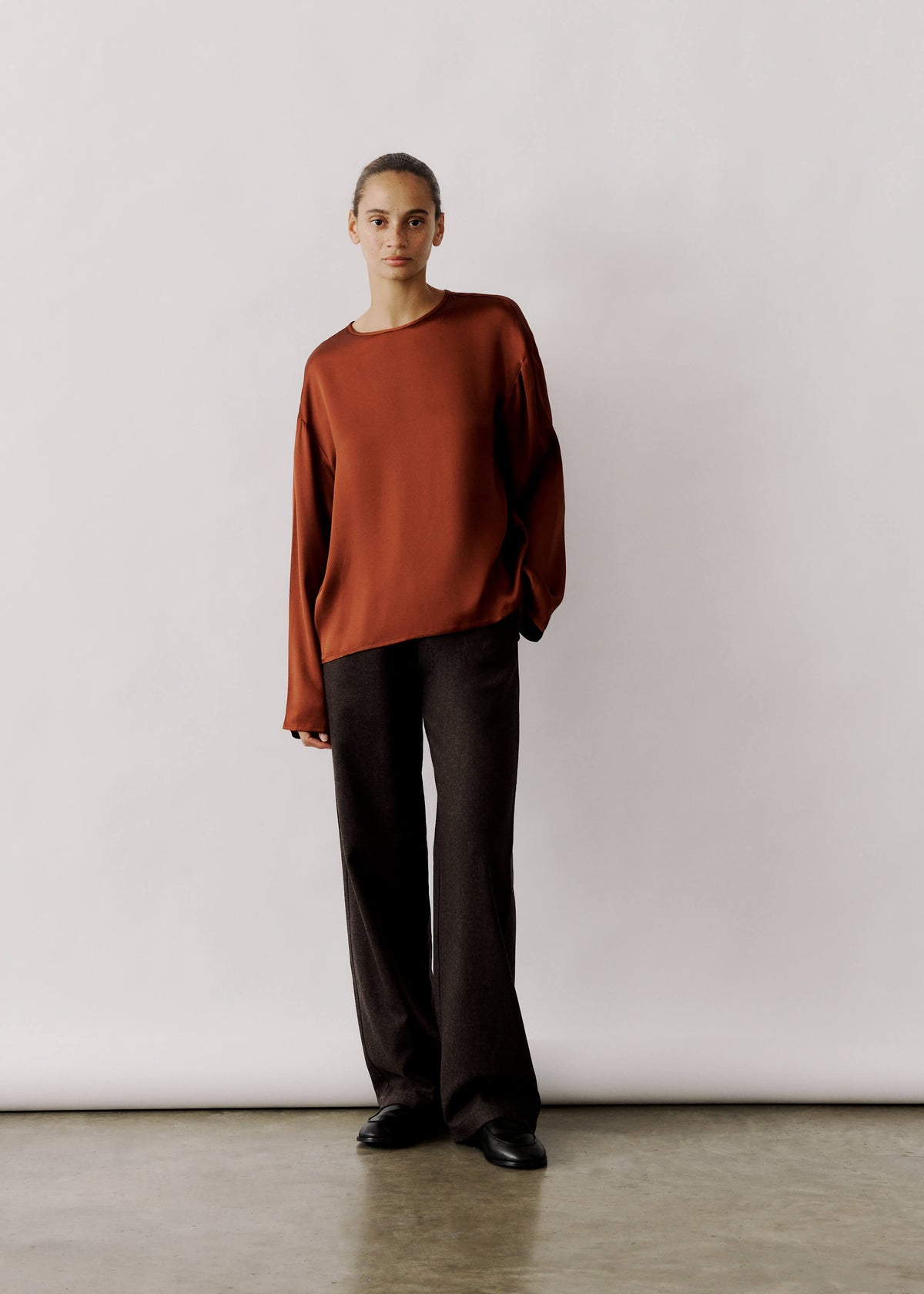
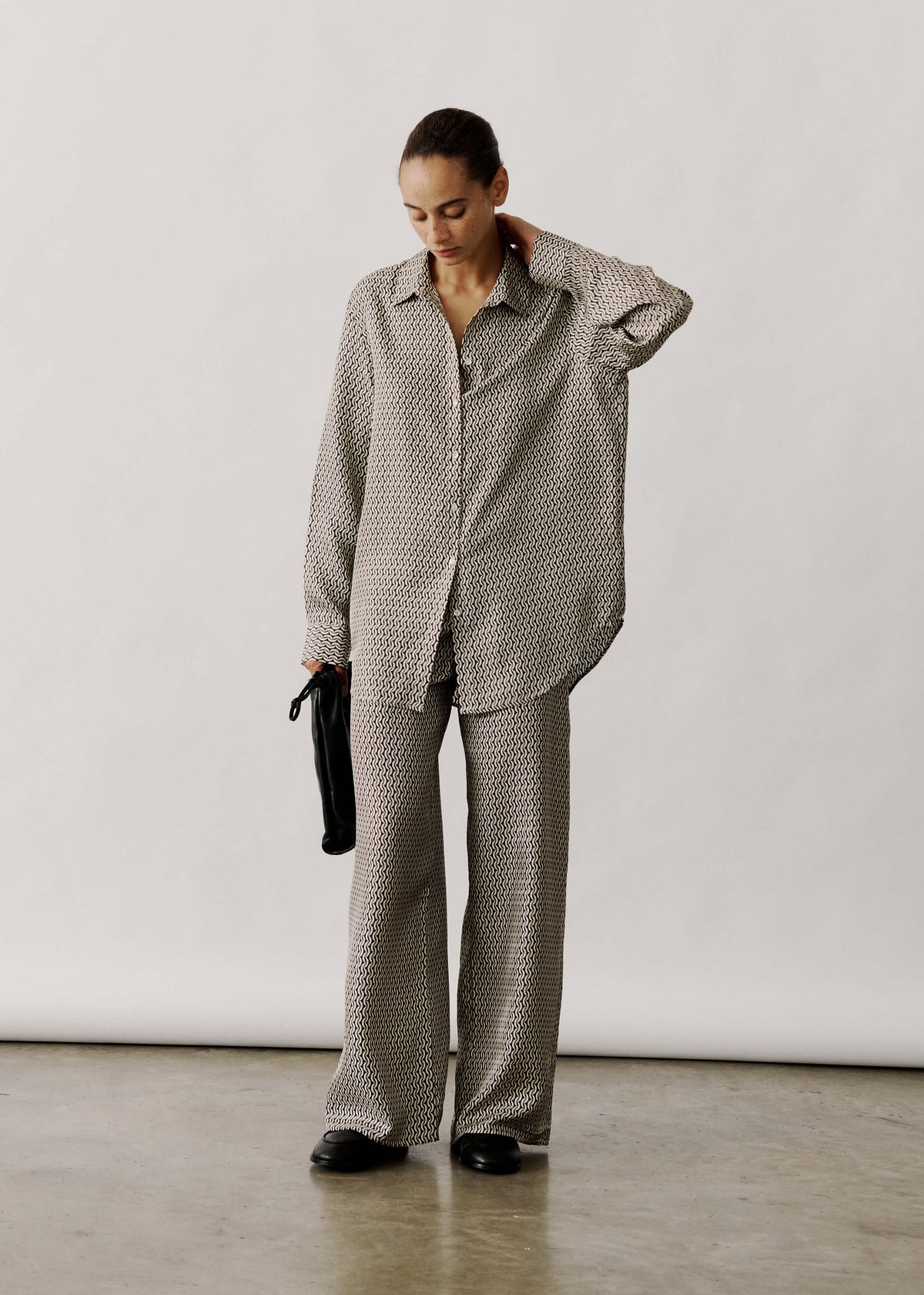
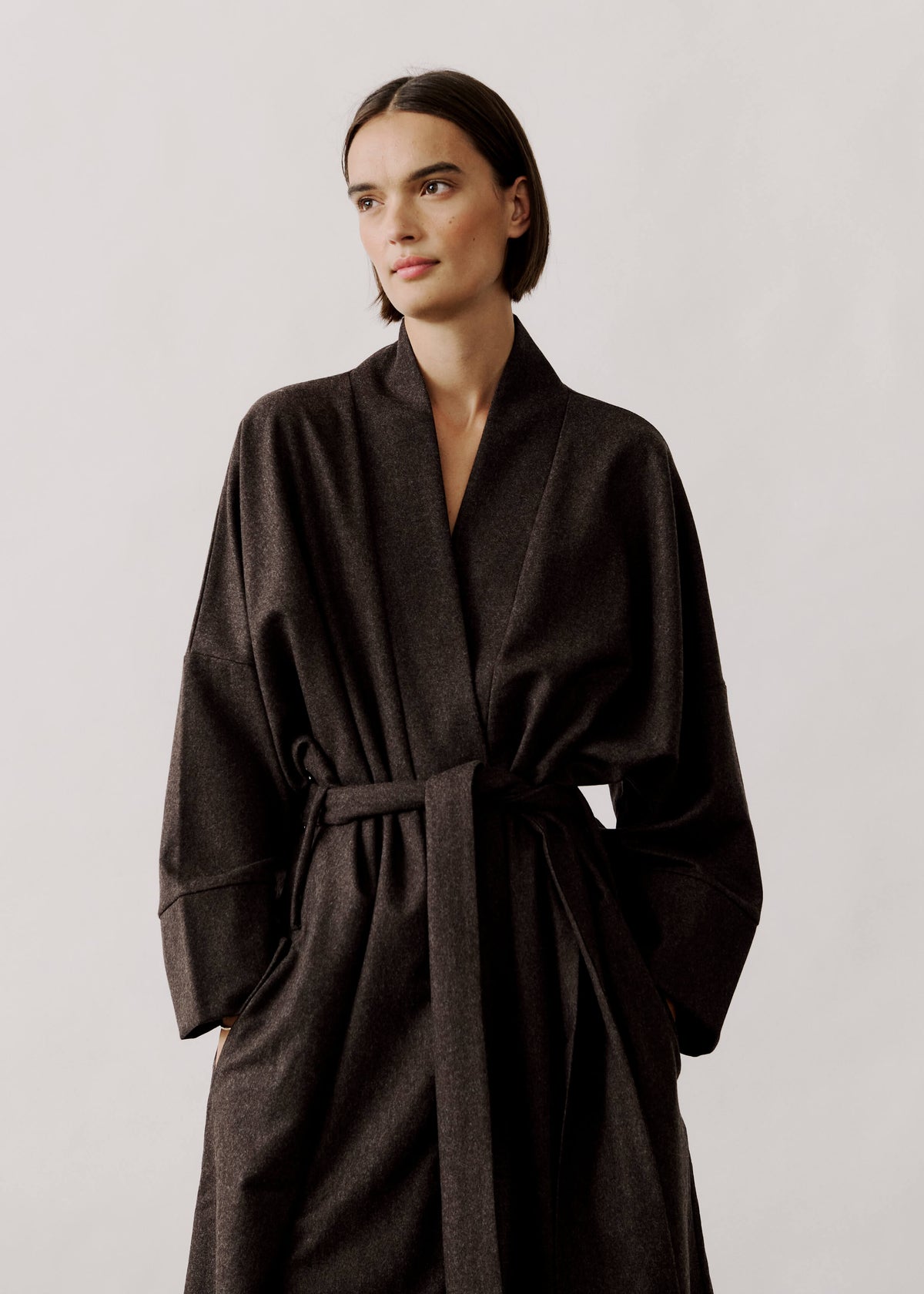
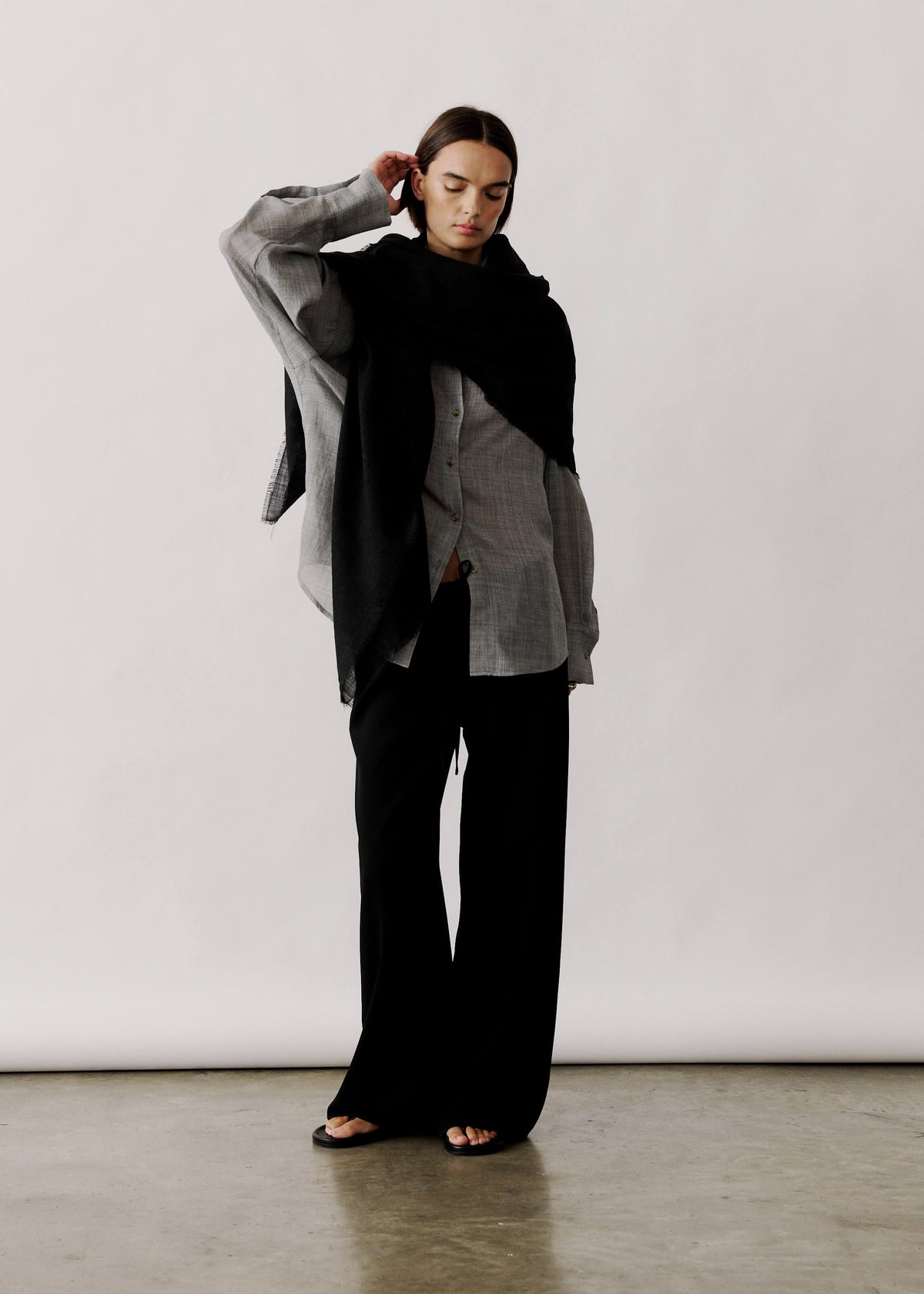
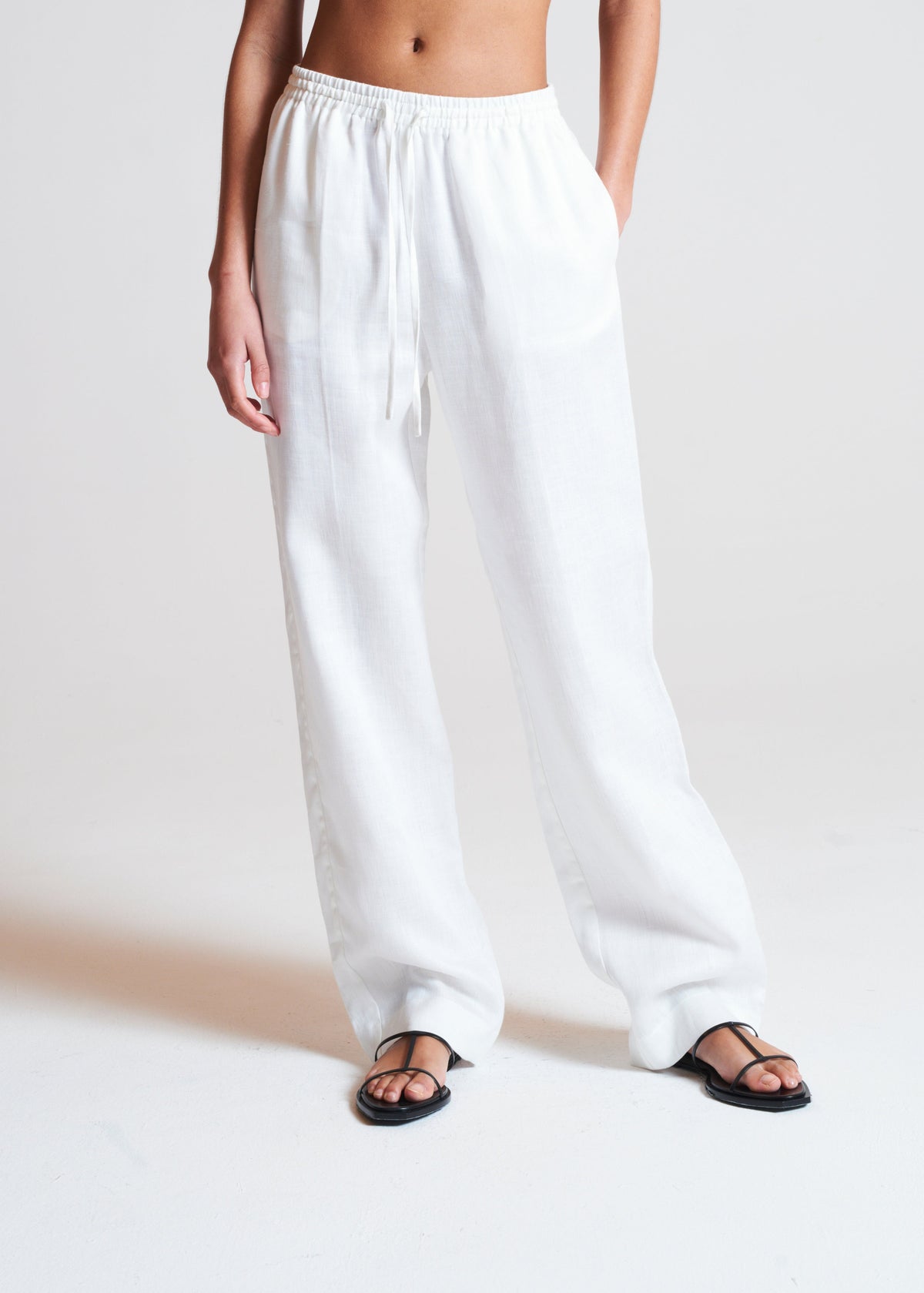
Three fit rules for white linen trousers to achieve an elegant, flattering silhouette
White linen trousers exude effortless elegance, yet they can reveal small fit imperfections. How can you achieve a tailored, flattering silhouette that remains comfortable and true to your proportions?
This post distils fit into three practical rules: perfect the waist, rise, and seat; harmonise leg width and length to create balanced lines; and choose fabric weight alongside meticulous tailoring to control drape. Apply these principles and you will quickly recognise which trousers need altering, which cuts flatter your frame, and how to give linen a refined, structured silhouette rather than a shapeless one.

1. Perfect the waist, rise, and seat to create a seamless silhouette
Check the waistband by placing it at your natural waist and then slightly above the hips, both when you stand and when you sit. The correct placement will visually define the waist without gaping or bulging. To assess the rise, note where the crotch seam falls; diagonal pull lines, front bunching, or excess fabric between the legs indicate the rise needs shortening or lengthening. Finally, evaluate the seat in movement — when you walk, sit, and squat — to reveal strain, horizontal pull lines, or sagging. Those signs will show whether to take in the centre back seam, add back darts, or ease the thigh seams.
Allow modest ease at the waist, rise, and seat to account for linen's behaviour. Linen relaxes and softens with wear, so the fit can change even after gentle movement. Add internal stabilisers, such as a shaped yoke or lightweight waistband interfacing, to prevent distortion and preserve the trousers' fall. Refine the waistband with a contoured or slightly higher back, an internal button, or a waistband stay. Perform the pinch test: if the back waistband gaps by more than two fingers, plan alterations. Together, these measures keep the trousers sitting correctly and preserve a long, clean leg line.

2. Harmonise leg width, length, and proportions for balanced silhouettes
A narrow leg highlights the lower calf and suits narrower hips, while a wide leg creates a vertical column that can lengthen the figure when paired with a higher waist. Length works with shoe choice and leg width: a cropped hem, at or just above the ankle, often shortens the line on wide trousers, whereas a full-length hem that grazes the shoe top produces a lengthening effect. Change one variable at a time, try trousers with the shoes you intend to wear, and observe the fall while standing and walking to see which proportional adjustment most alters your silhouette.
Rise and waistline placement strongly affect perceived leg length. A higher rise visually lengthens the leg and can balance wider hips, while a mid or low rise works better with tapered trousers. Experiment by tucking in a shirt or opting for a cropped top to see whether shifting the waistline makes your legs look longer. Tailoring gives you precise control: shorten the hem to remove excess break, taper slightly through the knee for a smoother fall, or adjust the waistband so it sits at the most flattering point. Fabric and construction matter too: heavier or blended linen maintains a cleaner column on wide legs, while lighter, pure linen drapes and softens. Adding a partial lining, choosing structured pockets, and keeping pleats minimal control volume without sacrificing breathability. Start with small alterations so you can reassess the silhouette before committing to larger changes.

3. Select fabric weight and tailoring for a refined drape
Choose linen by weight. Lightweight cloth (120 to 170 gsm) tends to flutter and cling; midweight linen (180 to 240 gsm) skims the silhouette with a polished fall; heavier linen above 240 gsm holds its shape. For tailored trousers, favour midweight to slightly heavy cloth, and always handle the bolt before cutting. Control movement and transparency with strategic linings and interfacing: add a partial skirt lining at the hip and upper thigh to prevent cling, and use a soft, low-volume interfacing at the waistband to retain shape without stiffness. Avoid heavy facings and visible topstitching, which interrupt the fall and add bulk.
Adjust the pattern to the weight of the cloth. For lightweight linens, add wearing ease (a little extra room for movement), and a slightly wider leg to prevent pulling. For heavier linens, reduce fullness and taper gently through the lower leg to maintain a refined silhouette. Choose construction methods that preserve the fabric's fluidity: French seams or narrow-felled seams on lighter cloth work well. Press seams open, and finish hems with a shallow rolled hem to minimise bulk. Keep decorative topstitching away from the fall line so seams do not stiffen the drape. Test the result on a form or on the body: pin a sample panel, launder and steam it, then wear or drape it until the fabric settles. Tweak hem allowances and the balance at the waist and knee until the fabric hangs in a smooth, elongated line.
A clean, flattering silhouette in white linen trousers rests on three elements: a correctly fitted waist, rise, and seat; leg proportions that harmonise width and length; and a fabric weight matched with precise tailoring to control the drape. Practical checks reveal where to adjust: the pinch test at the back waistband confirms a comfortable fit, diagonal pull lines at the crotch indicate an incorrect rise, and draping fabric samples against the leg show which tweaks will maintain a smooth, uninterrupted silhouette.
Begin by confirming the waist, rise, and seat both standing and sitting; these checks reveal how the trousers will sit and move with your body. Next, test leg width and hem length while wearing the shoes you intend to pair with the trousers, since heel height changes the break and overall silhouette. Finally, handle the bolt or launder a swatch to assess fabric weight and opacity so you can judge drape and modesty. Choose small, targeted alterations, such as a shaped yoke or back darts to define the seat, tapering through the knee to sharpen the leg, or a partial lining to add subtle structure, to refine the fall until the trousers read as tailored rather than shapeless.

Leave a comment
This site is protected by hCaptcha and the hCaptcha Privacy Policy and Terms of Service apply.