



How to Care for Linen to Preserve Softness, Shape, and Ease of Wear
Linen exudes a quiet luxury, yet it can stiffen, lose its shape, and show signs of wear sooner than you might expect. If your shirts, sheets, or trousers crease, shrink, or sag after a few washes, this is a common outcome as natural fibres relax and tighten with laundering.
This post explains how to recognise linen’s fibres and weave, wash and dry garments to preserve softness and shape, and reshape, store, and mend pieces to extend their life. The practical, fabric-led steps that follow clarify linen’s behaviour and show how to keep it comfortable, wearable, and repairable.

How to Identify Linen Fibres, Weave, and Wear Characteristics
Begin by inspecting the fabric. Pure linen displays characteristic slubs, feels cool to the touch, and offers noticeable breathability. Blends, by contrast, have a smoother hand, slight elasticity, and very even yarns, and they will behave differently in the wash and with wear.
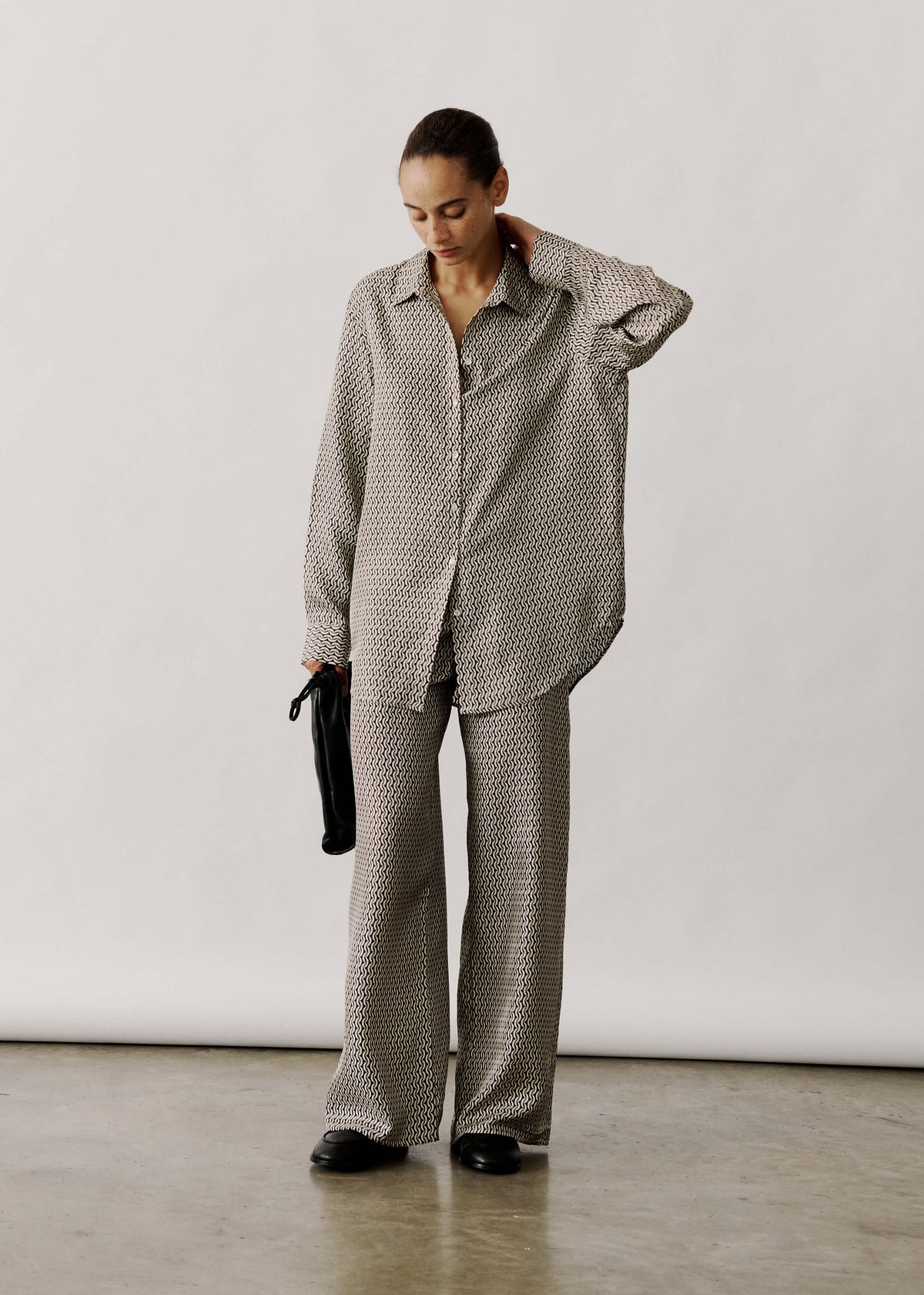
Hold the fabric up to good light. A plain weave forms a regular over-under grid, twill reveals diagonal ribs, and herringbone alternates the diagonal direction. These patterns indicate how the fabric will drape, resist abrasion, and crease.
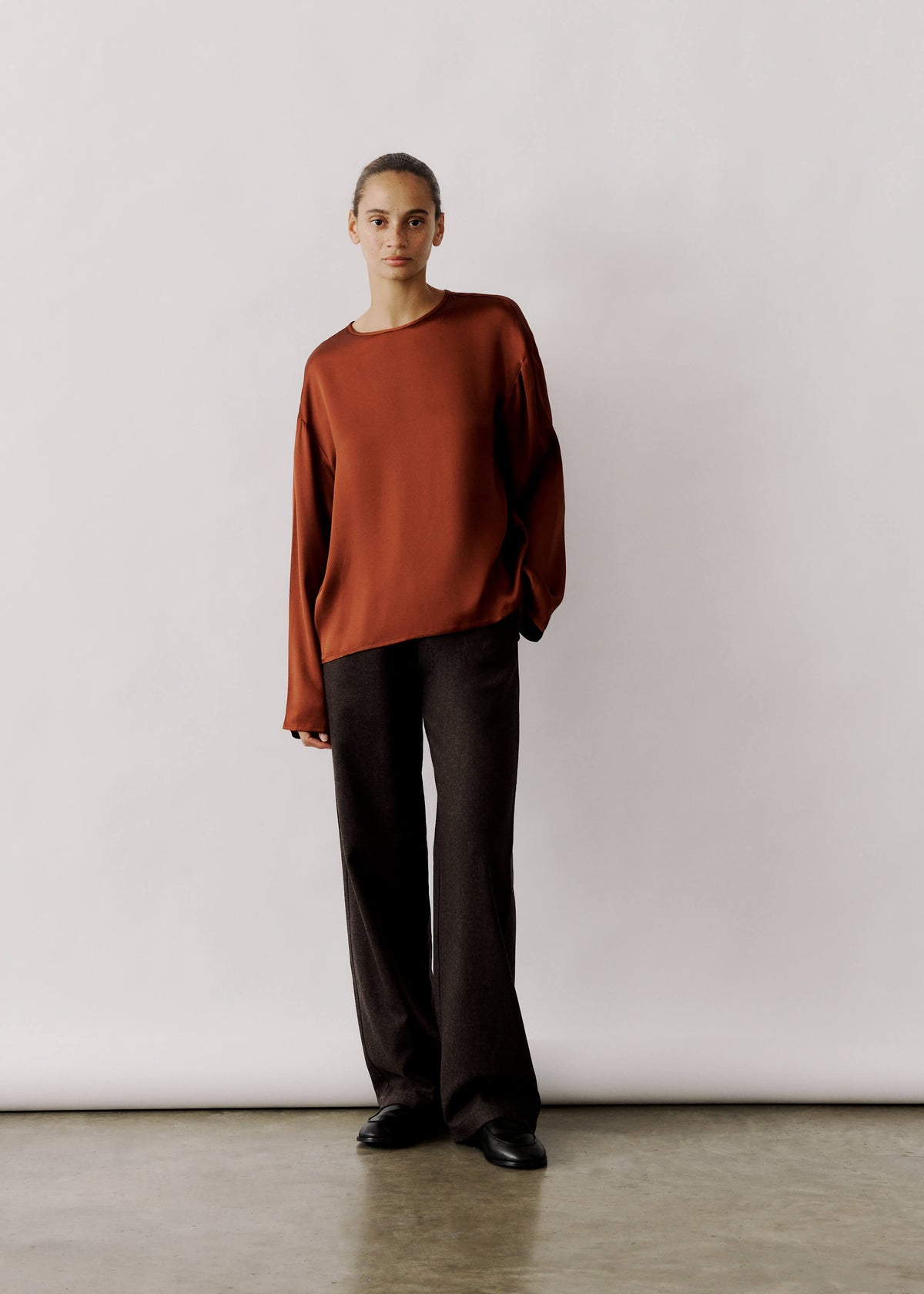
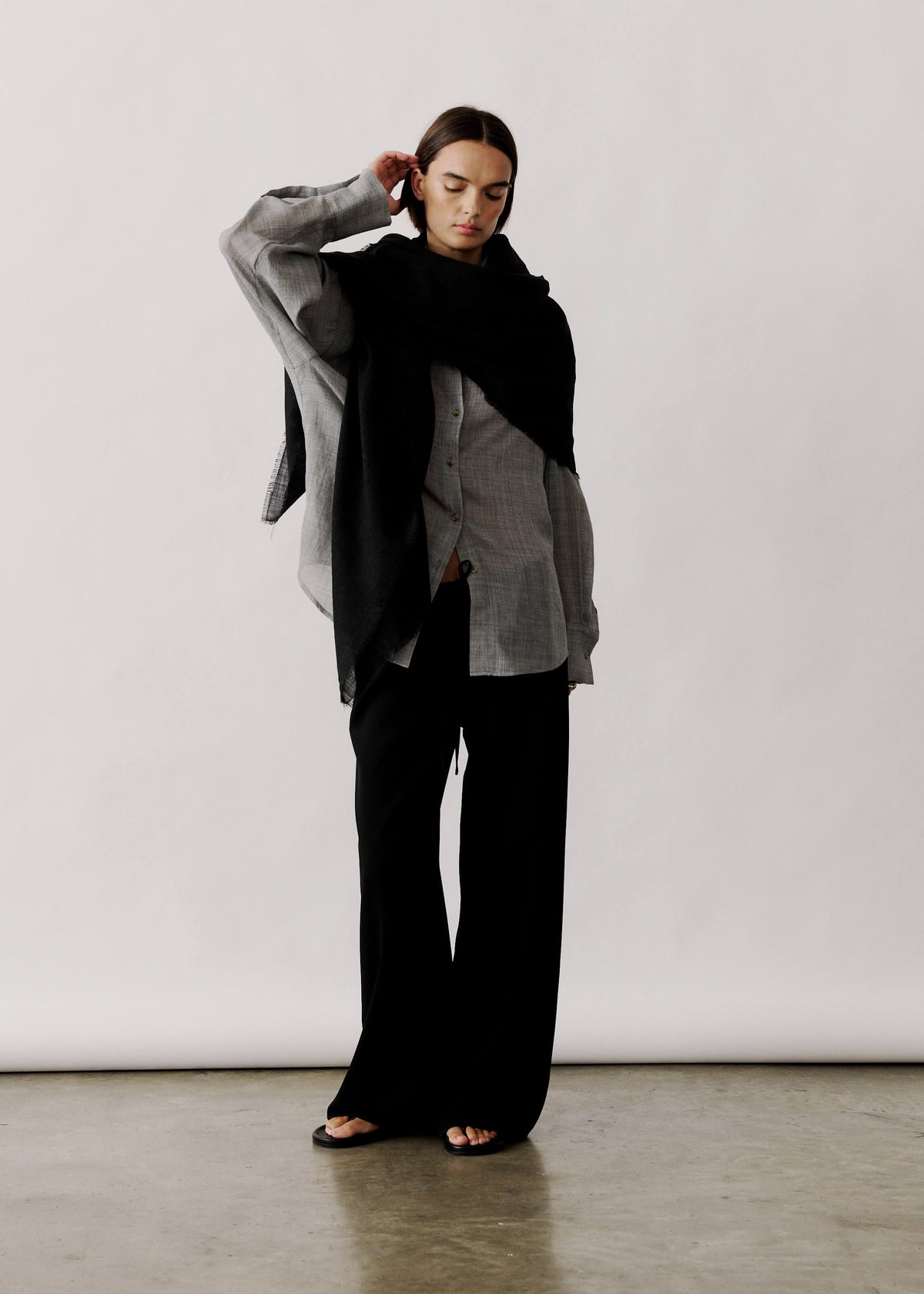
Lift a corner to assess weight and drape. Lightweight, open-weave linen falls in soft folds and creases easily, while heavier, tightly woven linen hangs straighter and retains its shape.
Examine garments for early signs of wear, such as translucent or thinned areas at the elbows and seat, fraying along seams, uneven pile, or fibre loss; these commonly precede holes, seam splits, or permanent thinning if left unaddressed.
Gently stretch a worn or suspect area of the garment; this often reveals weak spots that remain hidden when the fabric lies flat.
Perform a discreet seam allowance test: dampen a small, concealed area to check for colour transfer, shrinkage, and the fabric's recovery after smoothing.
Let these findings guide you: select a gentler wash, minimise mechanical action, and use low heat to preserve softness, shape, and longevity.
Choose heavier linen for lasting shape and structure.

How to wash and dry linen to preserve softness and shape
For best results, wash linen separately from darker colours, fasten buttons and zips, and turn garments inside out. Spot-treat stains with a mild soap, as linen fibres readily absorb detergents and concentrated soils can force harsher washing that damages the weave. Select a gentle, low-residue detergent, and avoid chlorine bleach and fabric softeners, because residues and softener coatings reduce absorbency and leave fibres feeling stiff after repeated washes. Use a gentle or delicate cycle with cool or warm water, do not overload the drum, and limit agitation and heat to reduce friction and shrinkage.
Smooth and reshape linen while it is still damp. Line-dry in the shade, or lay heavier pieces flat to protect their shape. If you use a tumble dryer, select a low-heat, short cycle and remove items while they remain slightly damp; finish drying flat to soften fibres and minimise creasing. Press or steam while the fabric is still slightly damp to set seams and hems, which helps garments retain their intended lines. Store heavier garments folded, not hung, to avoid shoulder stretch, and gently reshape each piece after washing to preserve fit and make linen easier to wear.
Choose lightweight organic linen for breathable, easy-care staples.

How to reshape, store, and mend linen to prolong its life
Restore the shape of garments before they dry completely. Roll each piece in a towel to draw out excess water, then smooth panels, align seams, and gently pull garments back to their original dimensions. Fasten buttons and zips so collars and necklines retain their shape as the fibres dry. Lay heavier pieces flat to prevent shoulder and hem stretch, and hang lighter shirts and dresses on broad, shaped hangers so the silhouette sets. Avoid high tumble dryer heat, which can shrink and weaken fibres, and permanently set unwanted creases.
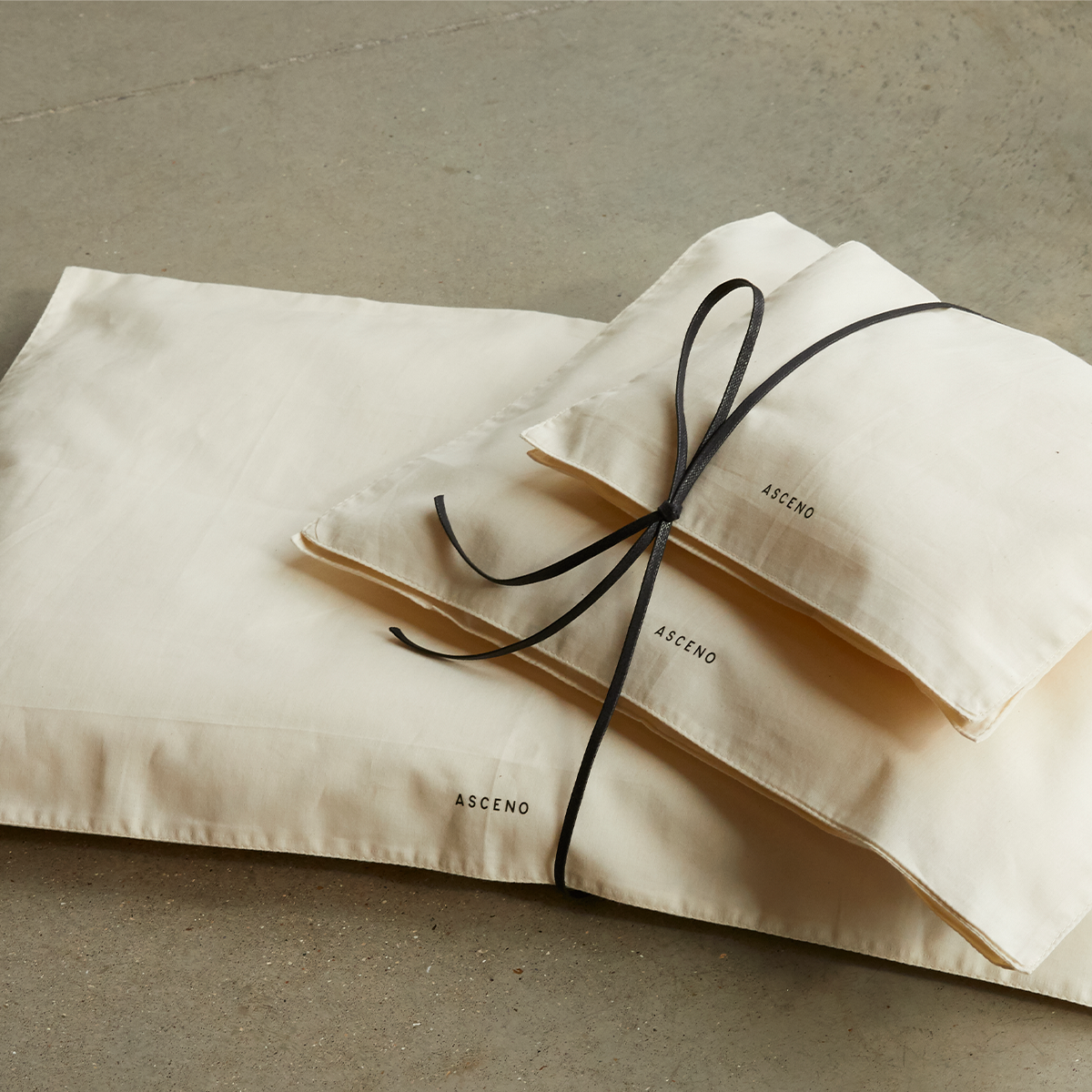
Store heavier linen folded in breathable cotton bags or in drawers. Pad the shoulders of jackets and shirts with tissue, and keep garments away from dampness and direct sunlight to prevent discolouration and fibre breakdown. Air stored pieces periodically to deter odour and moisture build-up. Repair small holes and loose seams promptly, using fine thread and small stitches or an inside patch to stop enlargement, and reinforce high-wear areas such as underarms and crotches. To refresh softness without blocking absorbency, avoid routine use of fabric conditioners; rinse once with white vinegar to remove residue and relax the fibres, then tumble dry briefly with dryer balls or a clean towel to lift the nap. Use gentle wash-and-wear cycles to preserve lasting softness and drape.
In summary, treat linen with care: wash gently, use limited heat, and reshape garments while damp to keep fibres soft, preserve the silhouette, and slow wear. Check the fibre and weave before laundering, select low-agitation cycles, and avoid fabric conditioners, which can contribute to shrinkage, stiffening, and residue build-up.
Before laundering, begin by assessing each garment: gently tug seams to check seam allowance, hold the fabric to judge weight and drape, and carry out a discreet wetting test on an inconspicuous area to reveal colourfastness or potential shrinkage. Use those observations to choose the gentlest effective care method. Follow a simple routine: wash by hand or on a gentle cycle with a mild detergent, dry flat or on a line away from direct sun, reshape while damp, and repair small snags or loose threads promptly. These practical steps preserve comfort, prolong the garment's usable life, and reduce the need for replacements.
What are the quickest ways to tell if a garment is pure linen or a blend?
Look for visible slubs, a cool-to-the-touch feel, and high breathability for pure linen; blends tend to have a smoother hand, slight elasticity, and very even yarns that behave differently in wash and wear.
How should I wash linen to preserve softness and shape?
Use a gentle, low-residue detergent, avoid chlorine bleach and fabric softeners, and wash on a delicate cycle with cool or warm water while avoiding drum overloading to reduce agitation and shrinkage.
How should I dry and reshape linen so it keeps its silhouette?
Smooth and reshape garments while still damp, line-dry in the shade or lay heavier pieces flat, or use a short, low-heat tumble cycle and remove items slightly damp to finish flat, then press or steam while damp to set seams and hems.
When and how should I test a linen item for shrinkage or colour loss?
Perform a discreet seam-allowance test by wetting a small concealed area and checking for colour transfer, shrinkage, and recovery after smoothing to decide on a gentler wash and lower heat for that item.
How can I store and repair linen to extend its life and maintain softness?
Store heavier pieces folded in breathable bags or drawers, pad shoulders for jackets, air stored items periodically, repair small holes and loose seams promptly with fine thread or patches, and refresh softness by rinsing once with white vinegar and fluffing briefly with dryer balls instead of routine fabric conditioner.


Leave a comment
This site is protected by hCaptcha and the hCaptcha Privacy Policy and Terms of Service apply.