


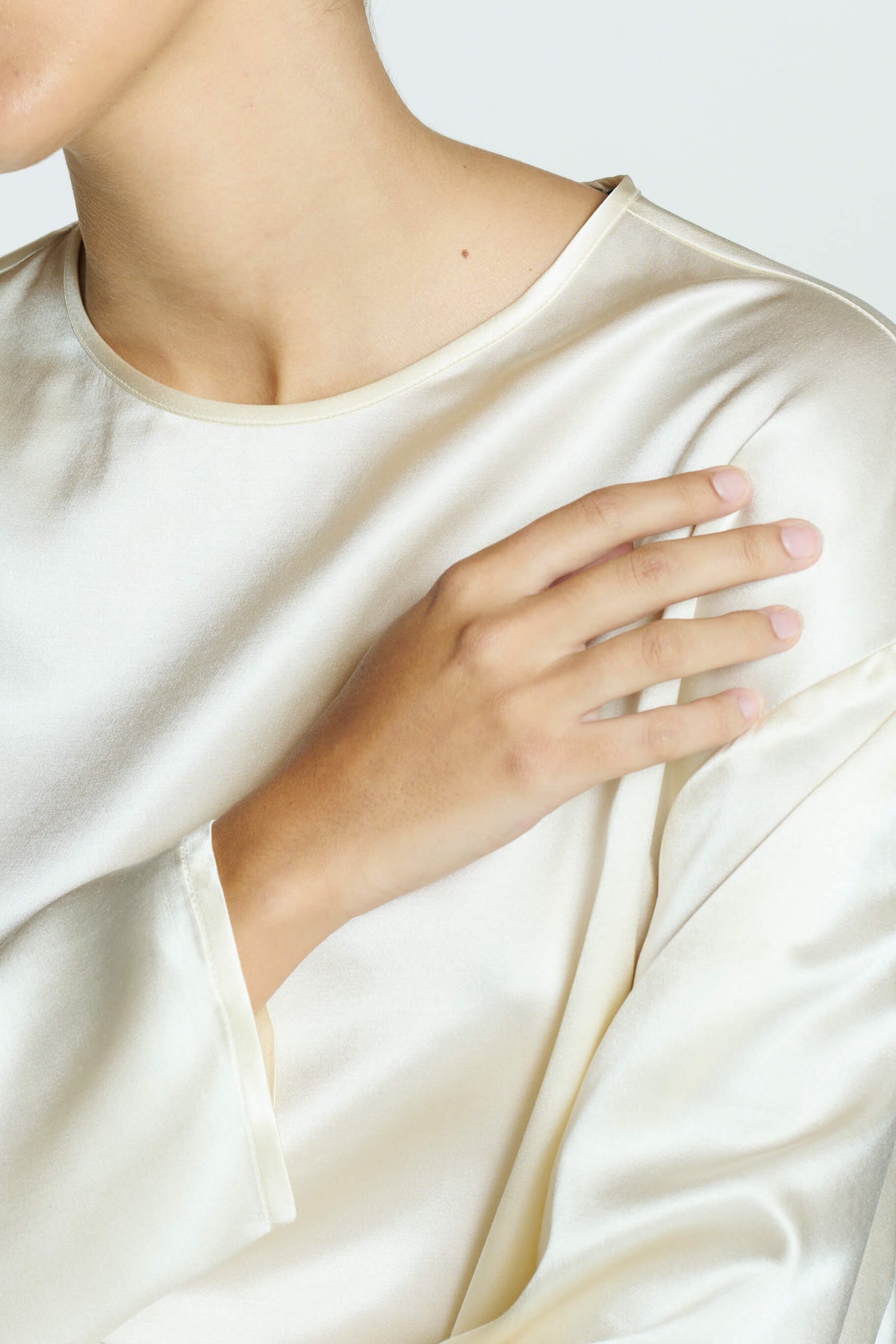
Keep silk garments soft, unshrunk and long-lasting with simple care
Silk feels exquisitely soft to the touch, yet many find garments can shrink, stiffen or lose their shape after cleaning. Simple, dependable care steps will help preserve silk's suppleness, shape and longevity.
This guide explains how to recognise silk fibres, interpret care labels, treat stains and launder garments to prevent shrinkage, as well as how to store, maintain and mend pieces to preserve their softness and shape. Follow these practical steps to avoid common mistakes, extend the life of your garments, and keep silk supple and lustrous.

How to identify silk fibres and interpret care labels
Always begin with the care label. Manufacturers test garments, so the label offers the most reliable guidance on washing, bleaching, ironing and professional cleaning. Familiarise yourself with the pictograms: dots on an iron indicate heat levels, a hand in a basin denotes hand wash, a circled letter signifies professional solvent cleaning, and a crossed symbol prohibits the action. Confirm the fibre both visually and by touch. Natural silk feels cool to the touch and falls with a fluid drape, often showing a subtle sheen on one side and occasional slubs or irregular yarns. Check hems, seams, linings and trims as well, since these may be made from different fibres and will affect the care required.
Before attempting a full clean, carry out two small checks. First, rub a damp white cloth on an inconspicuous seam to test for dye transfer. Second, dampen a tiny, hidden fold to see whether the fabric darkens and absorbs the moisture rather than beading. When care labels are missing or unclear, opt for the gentlest method: unfasten buttons and hooks, turn the garment inside out, choose a mild detergent for delicates, and either hand wash or use the machine delicate cycle inside a breathable laundry bag. Treat silk blends and items with delicate linings according to the most fragile component, and avoid agitation, harsh detergents and heat on prints, metallic threads and beading, which often need specialist cleaning. Finish by ironing on a low setting with a cloth between the iron and the fabric, and store silk in breathable covers away from direct light to prevent colour fade and fibre weakening.
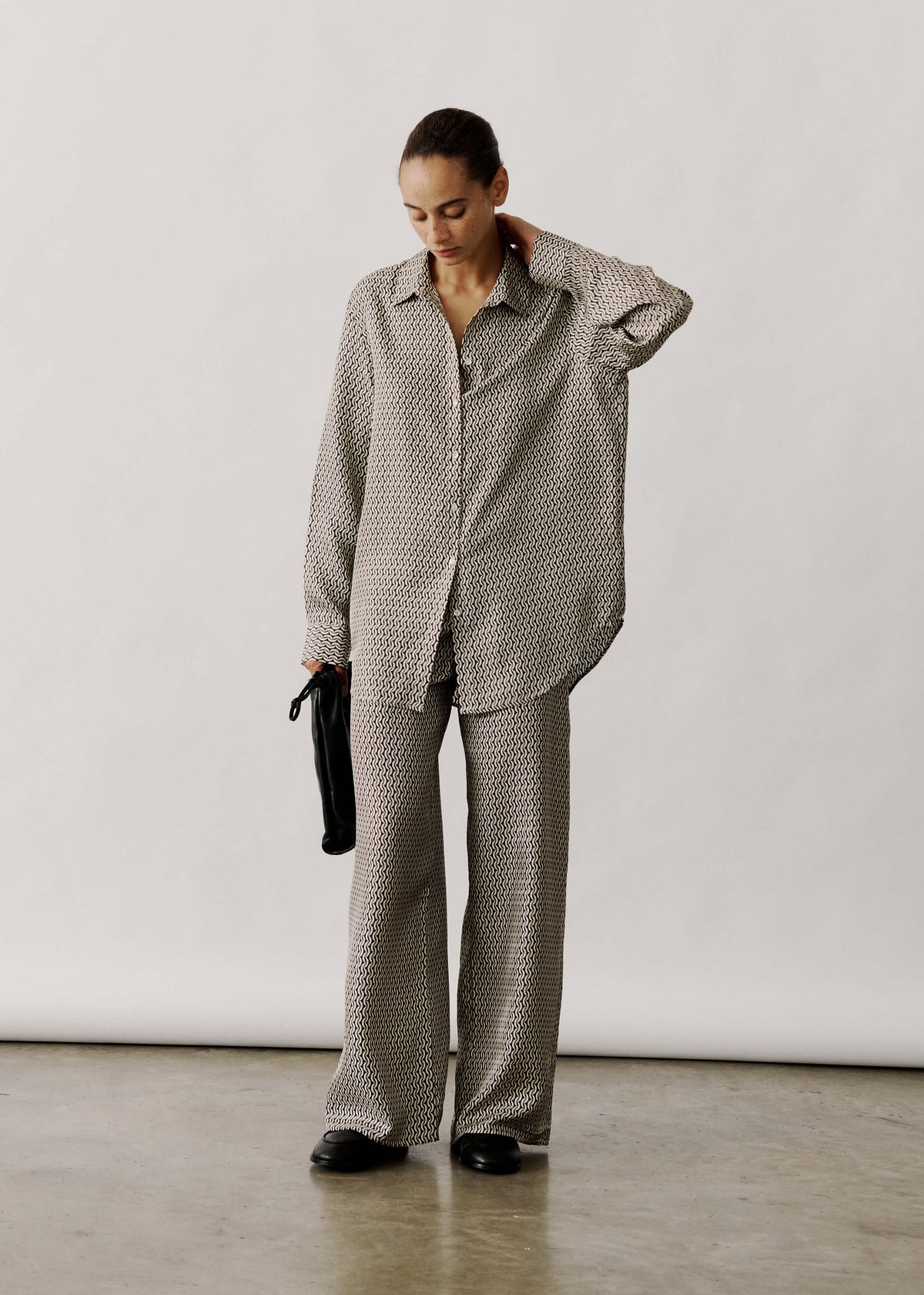
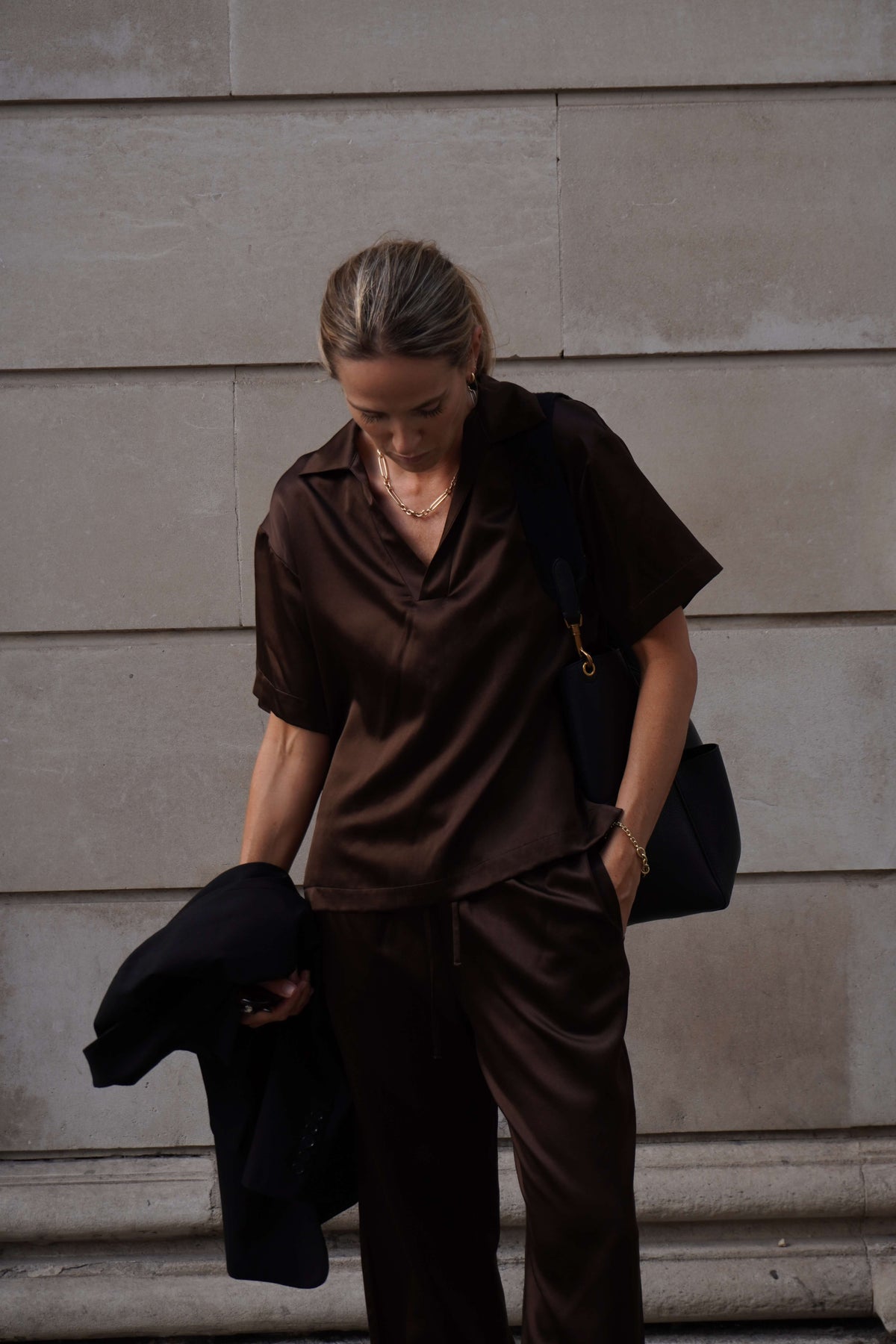
Choose a printed silk shirt made for gentle care

How to wash and treat stains to avoid shrinkage
Hand-wash silk in cool or lukewarm water with a pH-neutral, mild detergent. Gently swish and press the fabric rather than rubbing, to limit agitation and minimise fibre contraction. Test colourfastness on a concealed seam before treating stains, then dab marks with a diluted detergent solution or plain cool water on a clean white cloth, blotting to lift particles rather than rubbing, which can drive them deeper. Avoid heat and heavy mechanical action, as heat can set protein-based stains and mechanical stress may cause fibres to shrink.
To remove excess water, lay the garment flat on a clean cotton towel, roll it to absorb moisture, then unroll and gently reshape to its original dimensions. Dry flat in the shade to avoid stretching or heat distortion. If machine washing is unavoidable, place silk in a fine-mesh wash bag, select the gentlest cycle with a low spin and wash light and dark colours separately. Remove items promptly, reshape and dry flat, as reduced tumbling and slower spin speeds minimise mechanical stress. Smooth creases with a handheld steamer or iron on a low setting through a pressing cloth to relax the fibres without applying direct heat. Store cleaned silk in breathable surroundings away from direct sunlight to protect against moisture damage and yellowing.
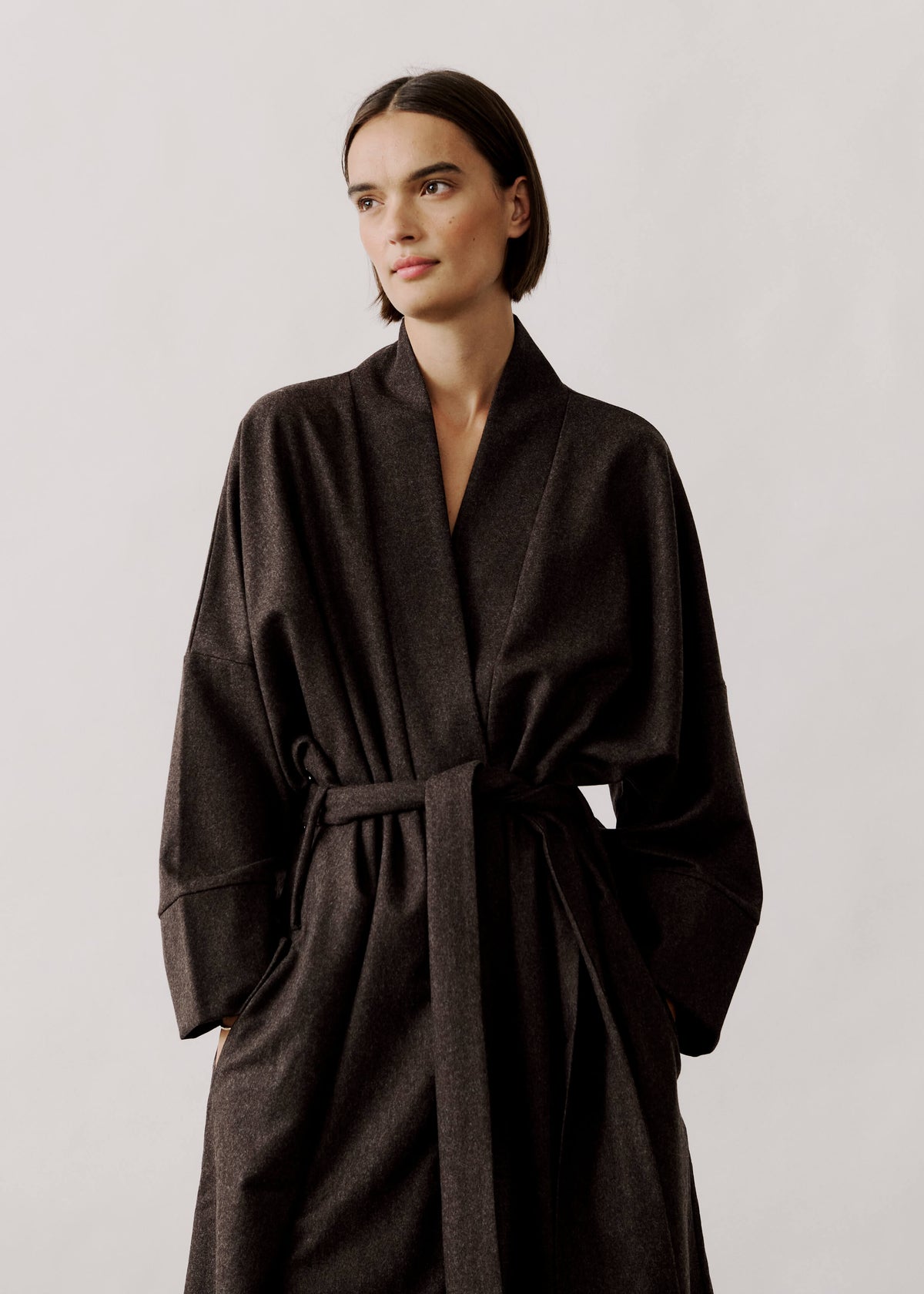
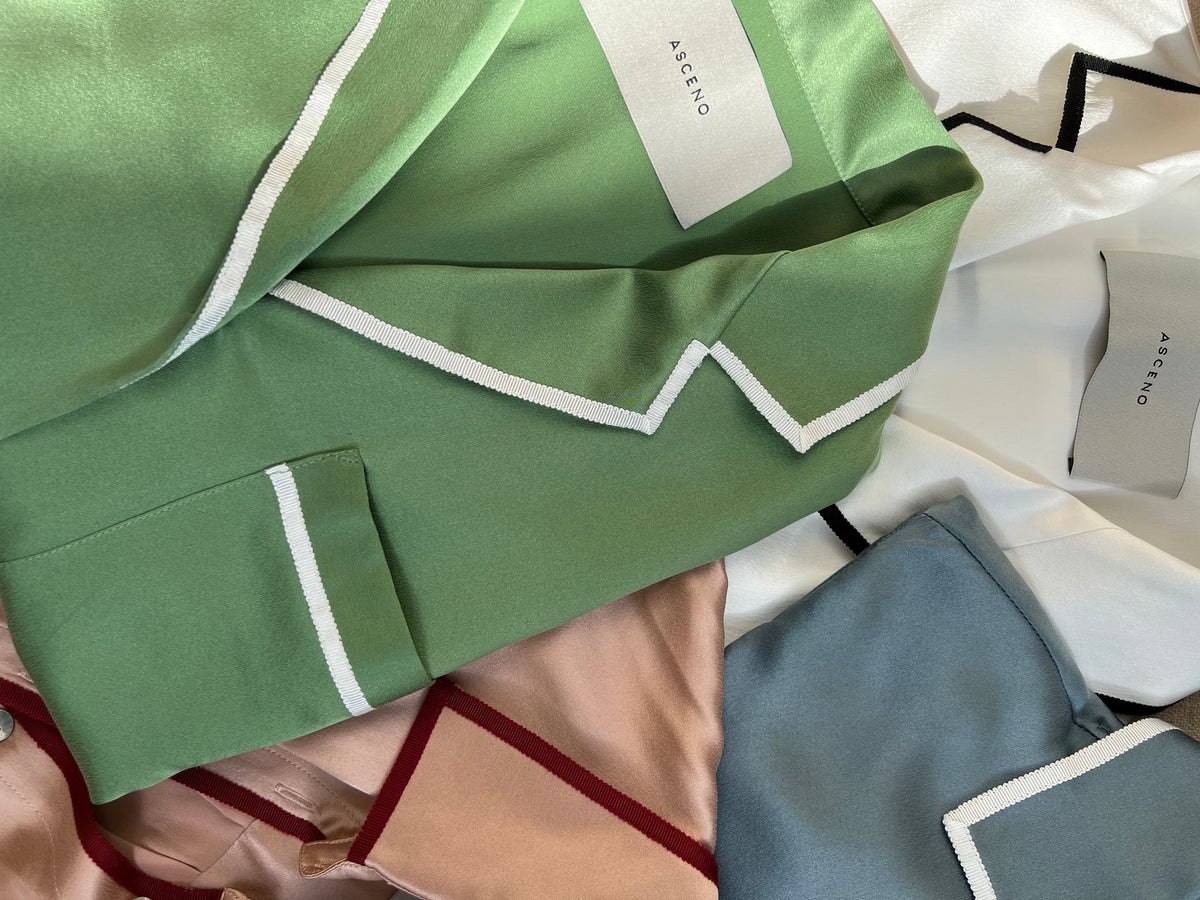
Wear silk tailored for effortless lounging.

Store, care for and mend garments to preserve softness and shape
Store delicate silk flat in breathable cotton bags or wrapped in acid-free tissue paper, and support structured pieces on broad, padded hangers to preserve the shoulder line. Keep items out of direct sunlight and avoid plastic bags, which trap moisture and encourage yellowing and mildew. Use natural repellents such as cedar blocks or lavender sachets to deter moths through aromatic oils rather than chemicals. Before washing, test colourfastness on an inside seam. Hand wash in lukewarm water with a mild, pH-neutral detergent, handling the fabric with minimal agitation. For small stains, blot from the outside towards the centre, rinse thoroughly, and finish with a gentle rinse of a little white vinegar to neutralise soap and restore the silk's sheen.
Avoid wringing silk. Instead, press excess water out by sandwiching the garment between clean towels and rolling gently. Reshape seams, collars and cuffs while the fabric is still damp. For lightweight pieces, dry flat; for blouses and similar items, hang on a padded hanger, keeping garments away from direct heat and sunlight to prevent shrinkage and fibre collapse. When ironing, work on the reverse at a low temperature or place a pressing cloth between iron and fabric to prevent shine. Use steam from a short distance to relax the fibres, then lightly press with the item turned inside out to protect dyes and any embellishment. Rotate wear to reduce repetitive stress on seams and finishes, and keep a simple repair kit with very fine needles, matching silk or fine polyester thread, tiny scissors, and spare buttons or hem tape saved from previous hems.
Hand wash gently in cool water with a mild, pH-neutral detergent and minimal agitation. Press excess water into a towel rather than wringing to limit protein fibre contraction and preserve silk's natural drape and sheen. Test colourfastness on an inconspicuous area before treating stains, and dab gently rather than rubbing. Reshape seams while damp and lay garments flat to dry to reduce shrinkage, distortion and colour loss.
Always follow the care label, treat linings and trims as the most delicate components, and hang garments on padded hangers or keep them in breathable wraps to preserve shape and prevent yellowing. Apply the practical steps under the headings Identify, Wash and Store to prolong each piece’s life while keeping fabrics soft and wearable.
How can I tell if a garment is real silk and what do the care symbols mean?
Check the fibre content label and look for natural silk characteristics such as a cool, fluid drape, a soft sheen on one side, and slight slubs; confirm with a damp white-cloth rub and a tiny damp patch test for dye transfer and absorption. Read care pictograms as the safest baseline: iron dots indicate heat levels, a basin with a hand means hand wash, a circle with a letter means professional solvent cleaning, and crossed symbols prohibit the action.
What is the safest way to wash silk to prevent shrinkage?
Hand-wash in cool or lukewarm water with a pH-neutral, mild detergent, swishing gently and avoiding rubbing or heavy agitation, then press excess water out by rolling the garment in a clean cotton towel, reshape while damp, and dry flat in the shade. If you must use a machine, enclose the item in a fine mesh bag, select the gentlest cycle with a low spin, separate colours, and remove promptly to reshape and dry flat.
How should I treat stains on silk without causing damage?
Test colourfastness on an inside seam, then dab stains with a diluted detergent solution or plain cool water using a clean white cloth, blotting to lift marks rather than rubbing which can drive stains deeper. Avoid heat and strong mechanical action because heat can set protein stains, rinse thoroughly, and consider a final rinse with a little white vinegar to neutralise soap and restore sheen.
How should I store silk garments to preserve softness and shape?
Store flat in breathable cotton bags or wrapped in acid-free tissue for fragile items, and support structured garments on broad, padded hangers to protect shoulders, keeping everything out of direct sunlight and away from plastic that traps moisture. Use natural repellents such as cedar blocks or lavender sachets to deter moths, and rotate wear to reduce repetitive stress on seams and finishes.
Can I iron or steam silk without causing shiny marks or shrinkage?
Use a low iron setting on the reverse side or place a pressing cloth between the iron and fabric, and use steam at a distance to relax fibres before lightly pressing while the item is inside out to protect dyes and embellishments. Avoid direct high heat, press while slightly damp if possible, and take extra care over prints, metallic threads, and beading which may require professional cleaning.

Leave a comment
This site is protected by hCaptcha and the hCaptcha Privacy Policy and Terms of Service apply.