



Keep Silk and Linen Garments Shapely, Soft, and Long-lasting.
Silk and linen can gradually lose their crispness, sagging or taking on a rougher texture after a few wears as friction, moisture and gravity subtly alter the fibres. You may notice a favourite blouse developing softened shoulders or a linen shirt losing its once-sharp silhouette despite careful laundering.
This post explains how fibres change and provides practical, fibre-friendly guidance on supporting and storing garments, gentle cleaning, careful drying and reshaping, and mindful steaming and pressing. Follow these considered, easy-to-follow steps to restore shape and texture, preserve softness, and keep silk and linen looking refined for longer.

Why silk and linen fibres lose shape and how to preserve their form
Silk is a protein fibre whose molecular chains are held together by hydrogen bonds. When wet these bonds relax, so silk can stretch and subtly reconfigure. Linen, by contrast, is cellulose based and formed from relatively stiff microfibrils with low elastic recovery, which is why creases tend to remain. Mechanical stress from wear and laundering, such as repeated abrasion, vigorous agitation or overfilled machine drums, lifts and distorts fibres. Textile testing shows that high-torque tumbling and overfilled drums increase the likelihood of permanent deformation. Water and heat also influence how fibres set: wet fibres lose some tensile structure and then set as they dry, while hot water and alkaline detergents can weaken protein and cellulose bonds, increasing the risk of shrinkage or relaxation. Practical care measures include using gentle wash cycles or handwashing, choosing cool or lukewarm water, avoiding strongly alkaline detergents and limiting mechanical agitation by turning garments inside out and placing them in a fine mesh bag.
To restore a garment's shape, gently rewet or dampen it evenly, then smooth and ease it back to its original dimensions. Lay the item flat on a towel or on a shaped support to dry. Lightweight silk benefits from hanging on a padded hanger so gravity can restore its drape, whereas heavier linen should be dried flat to avoid shoulder bumps and permanent distortion. For long-term preservation, support shoulders with padded hangers, fold heavier pieces, store garments in breathable covers out of direct sunlight, rotate wear to allow the fibres to recover, and check seams and interfacings regularly so you can repair or reinforce them before any loss of shape becomes irreversible.
Choose breathable linen shorts for easy folding and care.

How to support and store garments to maintain their silhouette
Choose hanging or folding according to fabric weight, weave and embellishment. Hang lightweight, loosely woven silk blouses on shaped, padded hangers to support the shoulders; fold heavier linen garments flat along natural seams to avoid sagging and distortion. Use the garment’s internal hanging loops or wide, contoured hangers rather than thin wire. Pad hanger shoulders with rolled cotton or fabric, and stuff sleeves and bodices with acid-free tissue to preserve curved shapes and prevent permanent dents. Protect collars, hems and seams by fastening closures and slipping thin cardboard or tissue where garments meet hangers or folds. Refresh the silhouette with gentle steaming or light pressing, testing an inconspicuous seam first.
Store garments in breathable cotton bags or wrapped in acid-free tissue rather than sealed plastic. Leave space so pieces do not press together, as trapped moisture and friction accelerate fibre stress, yellowing and surface abrasion. Air garments thoroughly and ensure they are completely dry before storage to remove body oils and residual damp. Use moisture absorbers to help maintain a stable relative humidity, and place natural cedar blocks or lightly scented sachets to deter moths. Check stored pieces at intervals for early signs of wear. Thoughtful storage preserves a fabric’s handle and silhouette and reduces the need for later, more aggressive repairs.
Fold long linen flat to preserve its silhouette.

Caring for silk and linen with gentle, fibre-friendly methods
Silk is a protein fibre that weakens in alkaline conditions and with heat, so it fares poorly with strong detergents and hot water. Linen, by contrast, is a cellulose fibre that becomes stronger when wet and tolerates more agitation and warmth. For delicate silk, test an inconspicuous seam first. Hand-wash in cool water with a gentle, pH neutral detergent, fully submerging and moving the fabric with a gentle swirl rather than scrubbing to limit mechanical stress. Rinse until the water runs clear, press excess water out between towels rather than wringing, and reshape the garment while damp to preserve its form.
When using a washing machine, turn garments inside out, fasten any closures and place items in a fine-mesh laundry bag. Choose a gentle cycle with low agitation and a low spin. Wash silk in cool water and linen in cool to lukewarm water, and separate items by colour and fabric weight to prevent abrasion and dye transfer. Treat stains promptly by blotting fresh spills with an absorbent cloth. Avoid hot water on protein stains, as heat can set them, and pre-treat oil-based marks with an absorbent powder. Always spot-test any stain remover on an unseen area to check colourfastness and fibre safety. Rinse thoroughly to remove detergent residue, or use a dilute vinegar rinse to neutralise soap. Dry silk flat away from direct light and hang linen so it can drape naturally. Iron silk inside out on low heat, and iron linen on medium heat while slightly damp. Store garments only when fully dry to prevent mildew and distortion.
Silk and linen: essential care checklist, stain fixes, and dos and don'ts
- Pre-wash checklist and gentle hand-wash routine: test an inconspicuous seam, turn silk inside out if machine-washing, choose hand-wash for delicate silk in cool water with a pH-neutral detergent, submerge and gently swirl rather than scrub, rinse until water runs clear, press water out in a towel and reshape while damp to preserve form.
- Machine and handling shortcuts: fasten closures, place items in a fine mesh laundry bag, select a gentle cycle with low agitation and low spin, wash silk in cool water and linen in cool to lukewarm water, and separate garments by colour and fabric weight to reduce abrasion and dye transfer.
- Targeted stain actions by type: for protein stains and sweat, blot and rinse in cool water because heat sets protein stains; for oil or grease, absorb with a fine powder such as cornstarch, brush off, then follow with a dilute pH-neutral detergent spot-clean; for dye transfer, soak in cool water and avoid alkaline treatments on silk; for water marks, gently re-moisten the surrounding area and dry flat to even the fibre. Always spot-test any pre-treat on an unseen area first.
- Dos and don'ts to prevent damage: do use pH-neutral detergents for silk, do reshape damp garments and dry silk flat away from direct light, do iron silk inside out on low heat and iron linen slightly damp on medium heat; don’t use hot, alkaline detergents on silk, don’t wring silk or tumble-dry delicate pieces, and don’t apply untested stain removers without a patch test to check colourfastness and fibre safety.

Dry and gently reshape garments to revive their original fit
Gently press excess water from the garment by sandwiching it between a clean, absorbent towel rather than wringing. Lay it flat on a breathable surface and, while still damp, use your hands to coax seams, darts and hems back to their original lines, as wet silk and linen fibres elongate and will set where they dry. To relax fibres and restore the garment's contours, hang it and apply gentle steam from a steamer or from an iron held a short distance above the fabric. Shape collars, shoulders and waistlines while the fibre is still pliable so the softened weave holds as it cools. Avoid tumble drying, which can cause uneven shrinkage and stress at the seams, and be mindful of tension while drying to prevent distortion.
Care for linen and silk at different moisture points. For linen, press or iron from the reverse while the fabric is still slightly damp; this reopens the weave and helps remove any bagging. For silk, avoid direct high heat and favour steaming or pressing through a protective cloth to preserve the sheen and protect the fibres. Choose the right drying support to avoid distortion. Dry delicate silks flat to maintain their natural drape. Use padded or shaped hangers for structured pieces to support the shoulder line, and pin hems lightly to a towel when even weight distribution is required. Fasten buttons and zips to preserve necklines and waist positions. Smooth seams and allow garments to cool fully before moving them so the restored fit can set. Store on appropriately sized hangers, or folded with acid-free tissue at pressure points, to lock in shape between wears.
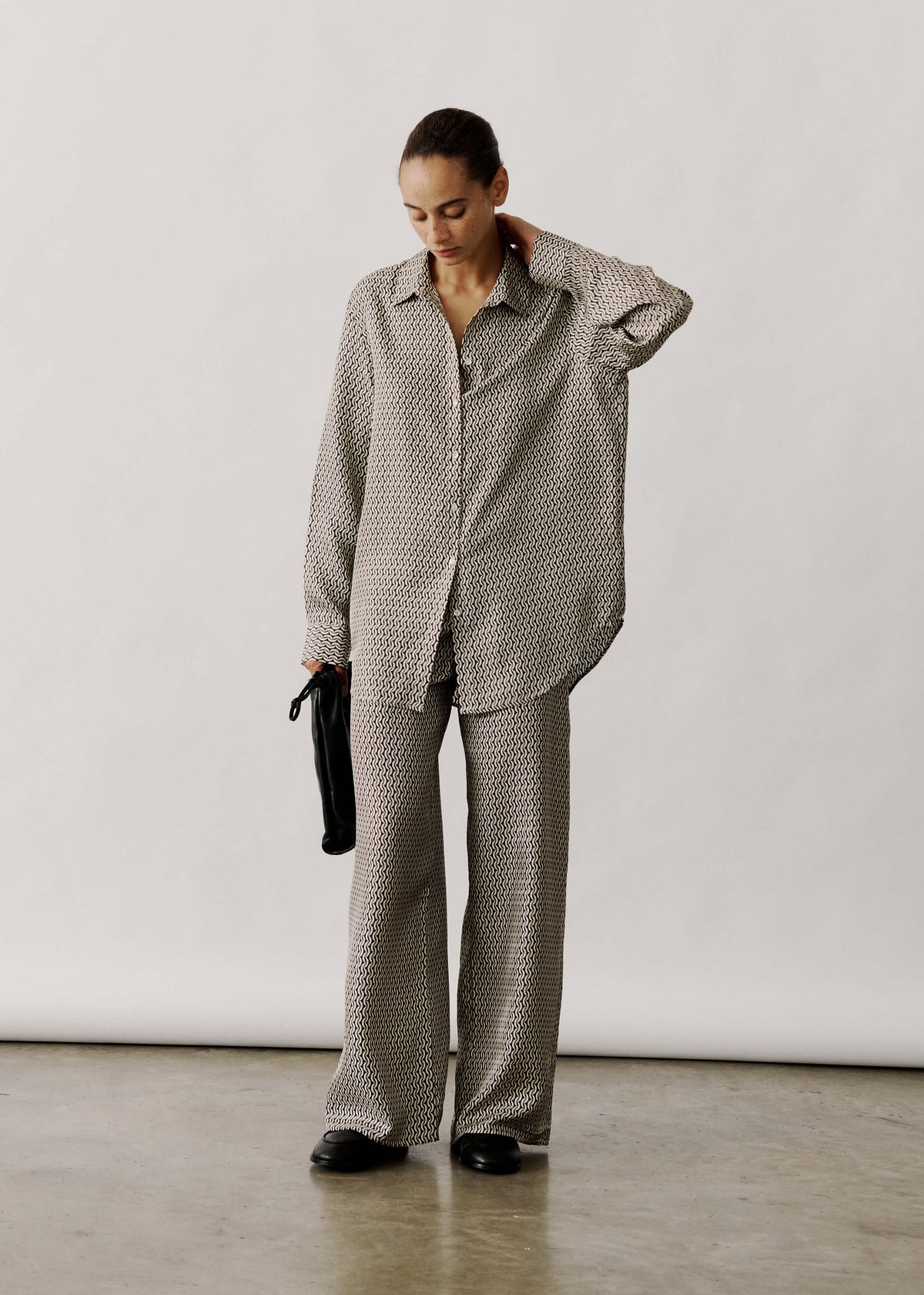
Keep a tailored silk shirt flowing and crease-free.

Steam or iron gently to preserve silhouette and fabric
Begin by reading the care symbols, then test a steam setting or low heat on an unseen seam or hem, watching for watermarks or any change in the fabric's lustre to assess how the fibre will behave. For silk, favour steaming from a short distance, using a steam function or handheld steamer to relax the fibres. While the fabric is warm, gently reshape shoulders, seams and collars with your hands and allow the garment to cool on a hanger. For linen, lightly dampen the cloth and use a hotter iron with a clean cotton or muslin press cloth to set crisp creases and restore structure, applying light, pulsed pressure rather than dragging strokes.
Protect the fabric by placing a plain press cloth between the iron and the garment, avoiding direct contact. Use brief presses to set the shape without over stressing the fibres. Support curved areas with shaped aids such as a sleeve board, a tailor's ham or rolled towels, and stuff collars and hems when steaming so they retain their form as they cool. Allow garments to cool and dry completely before hanging on suitably shaped hangers or folding on tissue paper. Mend strained seams promptly, and rotate wear to avoid repeated creases that can weaken the fibres.
Gentle, fibre-specific care and a few modest routine steps will slow the gradual distortion that causes silk to sag and linen to lose its crisp lines. By reducing friction and rough handling, managing moisture and temperature, and resting garments on shaped supports, you help preserve the integrity of protein and cellulose fibres so each piece settles into its intended silhouette.
Follow guidance on support and storage, gentle cleaning, careful drying and reshaping, and delicate steaming and pressing to restore fit while preserving softness and drape. Small, regular interventions help prevent irreversible damage, extend the life of cherished pieces and reduce the need for aggressive repairs.


Leave a comment
This site is protected by hCaptcha and the hCaptcha Privacy Policy and Terms of Service apply.