




How to Wash Silk and Linen to Preserve Softness and Shape
Silk and linen exude effortless grace, yet both can lose their softness and shape if not cared for correctly. Overlooking fibre identification, skipping a colourfastness check or neglecting stain pre-treatment can lead to irreversible wear.
This guide explains how to inspect fibres, test colourfastness, treat stains before washing, and choose between hand-washing or a gentle machine delicate cycle with a mild detergent. Finish by drying flat, reshaping with care and storing thoughtfully to preserve softness, maintain shape and prolong the life of silk and linen.

How to assess fibres, test colourfastness and pre-treat stains
Begin by identifying the fibre before any treatment: check the care label, examine the weave and handle the cloth. Silk typically shows a smooth sheen and a soft, fluid drape, while linen reads as slubby and feels crisp to the touch. Fibre chemistry determines how a fabric will respond to cleaning: silk is a protein fibre that can weaken with strong alkali and prolonged heat, whereas linen is cellulose and tolerates milder alkali and more mechanical action when wet. To test colourfastness, work on an inconspicuous seam or hem. Dab a white cotton cloth lightly moistened with diluted mild detergent, press and lift, then repeat using plain water. Any dye transfer is a sign to launder the item separately, reduce agitation and avoid aggressive treatments.
Match the treatment to the stain and spot-test on an inconspicuous area first. Gently blot protein stains with cool water before applying an enzyme-based treatment. For oil, lift excess with an inert powder such as talc or cornflour and brush it away before treating with a mild detergent. Tannin stains respond well to water and a gentle detergent, while ink is often eased by dabbing with alcohol on a cotton swab. Always work from the outside of the stain towards the centre to avoid spreading, and avoid vigorous rubbing. Choose cleaners that respect the garment's fibre composition: use a pH-neutral, enzyme-free formula for silk and a mild detergent for linen, and avoid chlorine bleach and strong alkalis on delicate silk. After testing and pretreatment, fasten buttons and turn garments inside out. Protect fine silk in a mesh wash bag, rinse thoroughly, reshape while damp, and air-dry flat or on a shaped hanger to preserve softness and silhouette rather than relying on heat or vigorous tumbling.
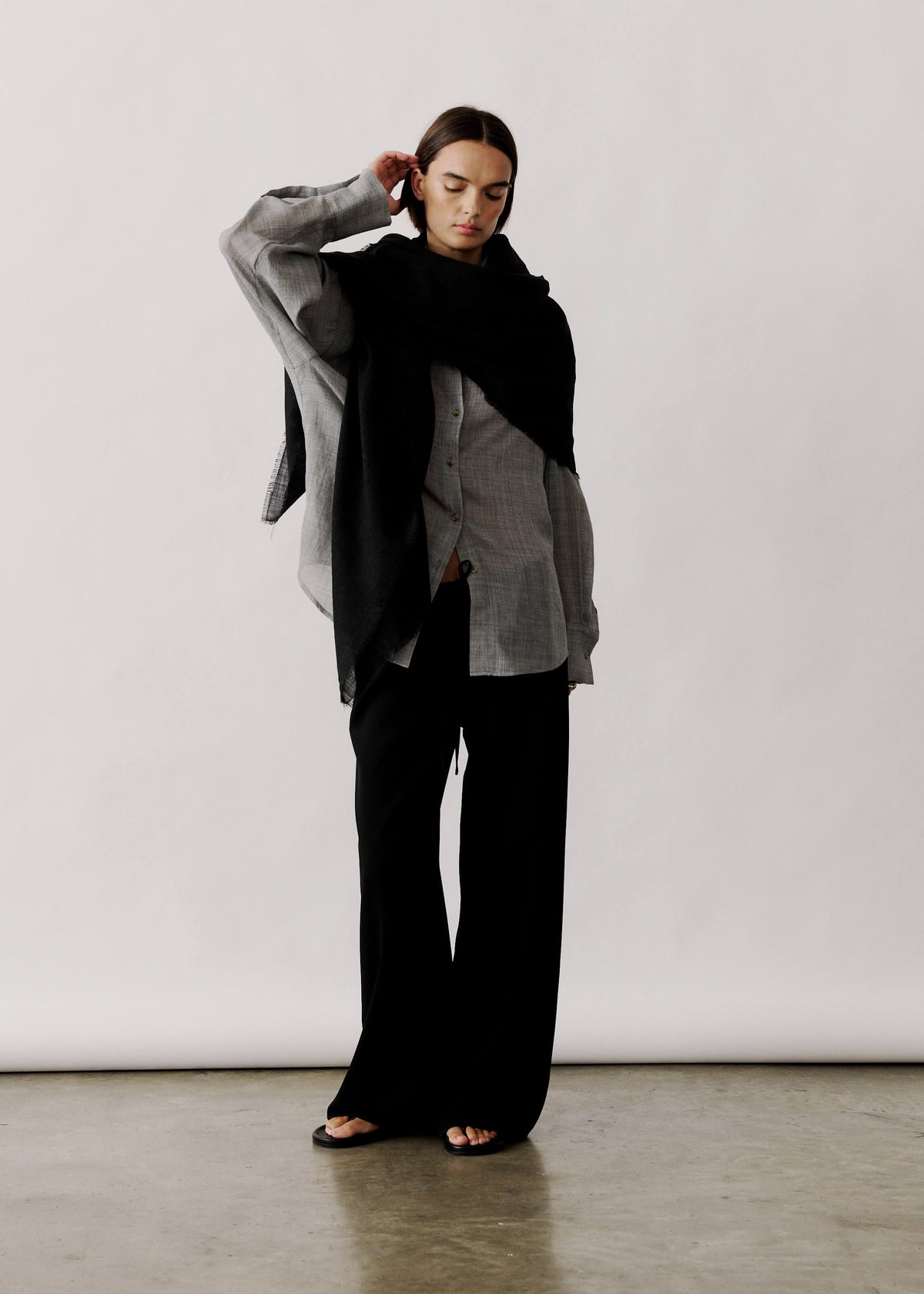
Opt for lightweight linen to simplify warm-weather garment care.

Hand wash or select the delicate cycle using a gentle detergent
To preserve the softness and drape of silk and linen, dissolve a small amount of mild, pH-neutral, enzyme-free detergent in cool or lukewarm water. Immerse garments and swirl them gently without rubbing. Rinse by lifting items between baths, and remove excess water by rolling each piece in a clean towel rather than wringing, which can stretch the fibres. Bear in mind that silk is a protein fibre vulnerable to alkaline or enzyme-rich solutions, while linen tolerates gentler agitation. Avoid bleach to protect the fabric's sheen, strength and colour.
For machine washing, secure buttons and zips, turn garments inside out and place items in a fine-mesh wash bag. Choose a delicate or hand-wash programme with a low spin and launder like colours together to minimise abrasion and dye transfer. After washing, reshape items while damp: lay silk flat or hang on a padded hanger, and smooth linen into shape before leaving to air dry to reduce creasing. If ironing is required, use a warm iron with a pressing cloth for silk and a slightly higher setting for linen, testing on an inside seam first to check colourfastness. Remove any metal accessories before washing, avoid tumble drying, air garments between wears and treat stains promptly to extend the life of the fabric.
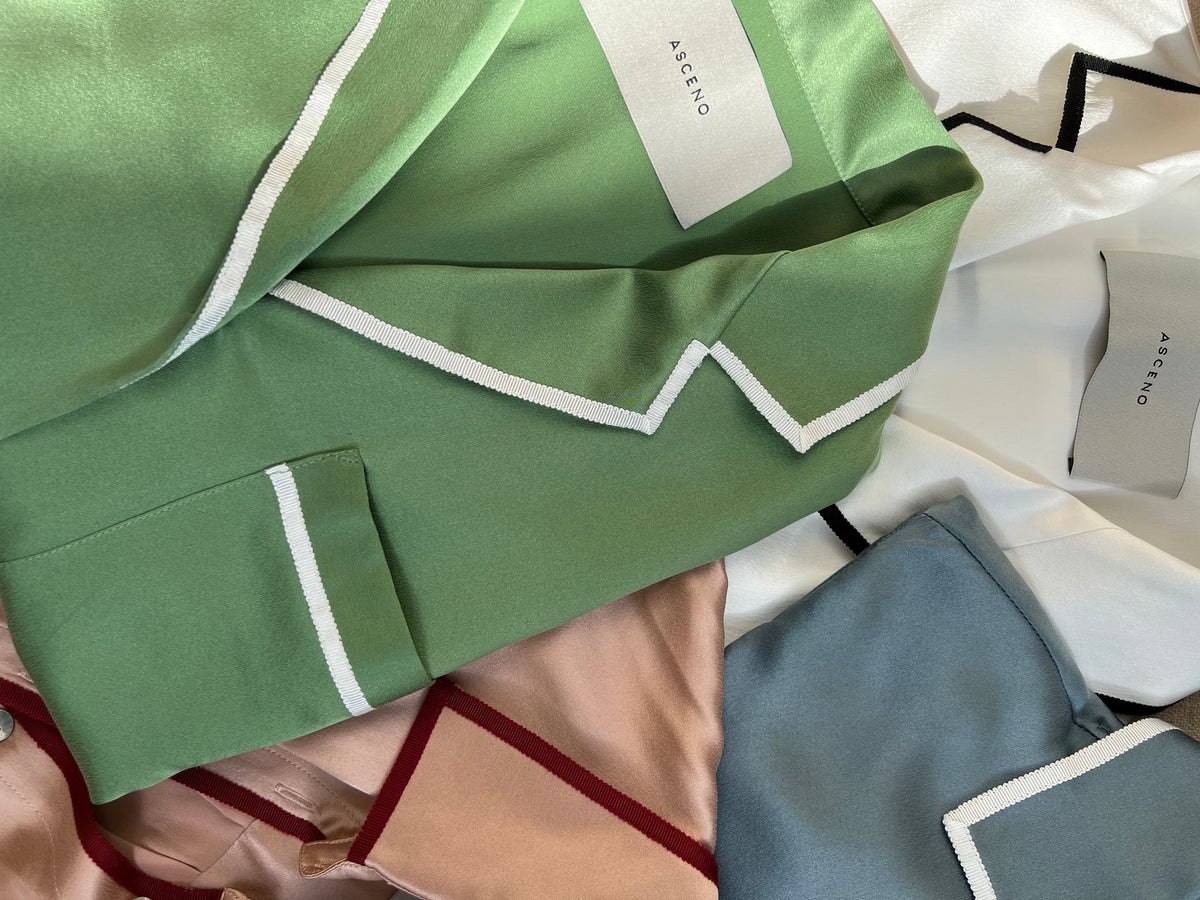
Choose a softly draped silk piece.

Dry flat, reshape and store delicate pieces to preserve their shape
Silk and linen fibres are weakest when wet, so avoid stretching by drying garments flat on a clean towel or a breathable mesh to support shoulders, seams and hems. Gently tuck folded tissue paper into delicate areas to help maintain structure. To remove excess water without wringing, lay the garment flat on a towel, roll it up to draw out moisture, then unroll and reshape. Repeat with a fresh towel until the fabric feels damp rather than wet. Smooth seams and hems by hand and check measurements against a well-fitting garment or a tape measure. Finally, block edges by pinning or placing light weights on a breathable surface while you ease sleeves, collars and pleats back into their original positions.
Fold silk and linen flat where possible and tuck acid-free tissue between folds to prevent creasing. Store garments in breathable cotton or linen bags in a cool, dark, dry place to minimise UV fading and mildew; avoid plastic, which traps moisture and leads to yellowing. Breathable storage encourages gentle air circulation and prevents the humidity that weakens fibres and discolours finishes. For embellished items, dry them flat on a padded surface so embroidery and beading lie evenly, and always test a hidden seam before applying heat to check colourfastness and avoid damage. When finishing, press linen while it is slightly damp, using a pressing cloth for a crisp result, and use a low heat setting or a gentle steamer for delicate silk to lift stubborn creases without overstressing the fibres.
A careful, fibre-aware approach will preserve silk and linen: first assess the fabric and its colourfastness, and pre-treat any stains. Opt for hand-washing or a gentle machine cycle with a mild, pH-neutral detergent, then reshape and lay flat to dry to retain softness and silhouette. These simple measures minimise fibre weakening, dye transfer and distortion, helping garments keep their natural drape, sheen and fit.
From an initial fibre check and spot test, through gentle washing and low-stress rinsing, to careful blocking and breathable storage, each section guides you through a stage designed to preserve the fabric's integrity. A little attention to testing, pre-treatment and considerate drying and storage will keep silk and linen softer, truer to size and longer-lasting.
How can I tell whether a garment is silk or linen?
Check the care label, inspect the weave, and feel the cloth: silk shows a smooth sheen and soft drape, while linen looks slubby and feels crisp; chemically, silk is a protein fibre that weakens with strong alkali and heat, whereas linen is cellulose and tolerates gentler alkali and more mechanical action when wet.
What is the best way to test colourfastness before washing?
Dab an inconspicuous seam or hem with a white cotton cloth moistened with diluted, mild detergent, press and lift, then repeat with plain water; any dye transfer means wash the item separately, reduce agitation, and avoid aggressive treatments.
How should I treat common stains on silk and linen?
Match the treatment to stain chemistry and spot-test first: blot protein stains with cool water before using an enzyme product, absorb oil with an inert powder before a mild surfactant, treat tannin stains with water and detergent, and lift ink with alcohol on a cotton swab, working from the outside toward the centre and avoiding vigorous rubbing.
Should I hand wash or use a machine delicate cycle?
Both work if you respect fibre chemistry: hand wash in cool or lukewarm water with a pH-neutral, enzyme-free detergent and swirl gently, then press out water by rolling in a towel; for machine washing close fastenings, turn items inside out, use a fine mesh bag and a delicate programme with low spin, and wash like colours together.
How do I dry and store silk and linen to keep their shape?
Remove excess water by rolling garments in a towel, then reshape and dry flat on a clean towel or breathable mesh, block edges if needed, tuck acid-free tissue between folds, and store in breathable cotton or linen bags in a cool, dark, dry place while avoiding plastic.



Leave a comment
This site is protected by hCaptcha and the hCaptcha Privacy Policy and Terms of Service apply.