

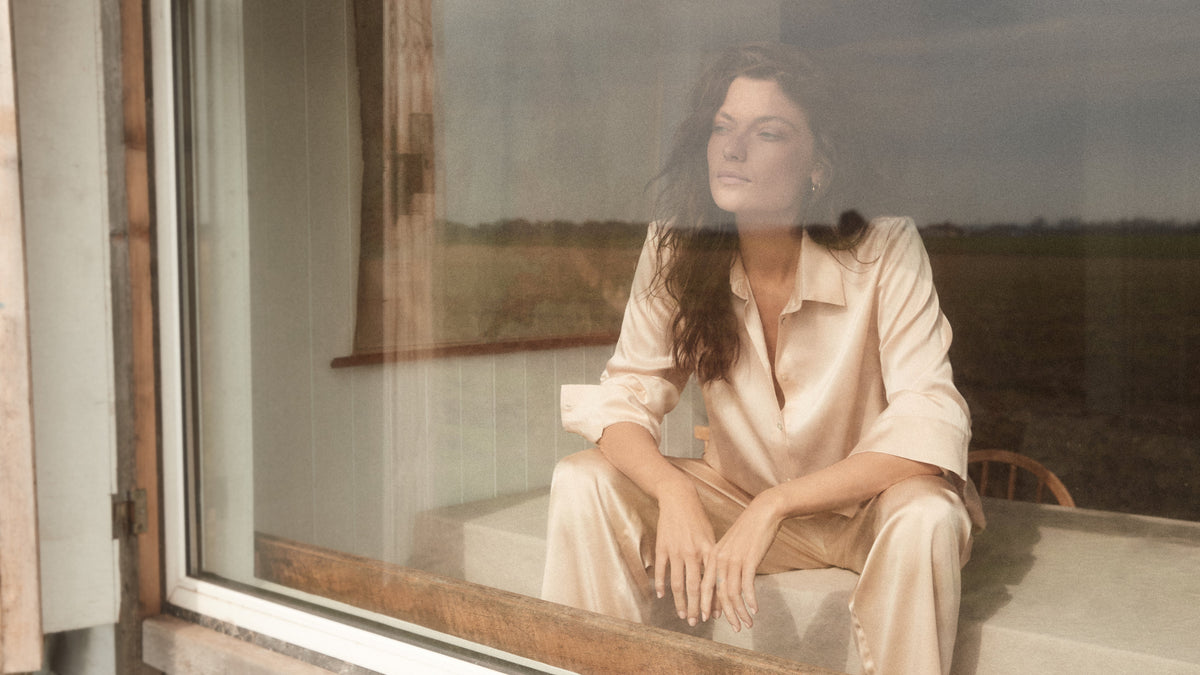
Transform Your Silk Pyjama Top into an Effortless Daytime Ensemble
A silk pyjama top is prized for its drape and comfort, yet wearing it beyond the bedroom can feel uncertain. How do you style it so it reads as an intentional daytime piece rather than sleepwear repurposed for the day?
This post explains how to assess fit and occasion, layer lightweight complementary pieces and balance proportions with thoughtful accessories so a pyjama top reads polished. Follow clear, practical steps and outfit suggestions to transform a cherished pyjama top into a refined daytime look you will reach for again and again.

How to assess the fit and suitability of your silk pyjama top
Begin by assessing the silhouette and fit at key points: sit, raise your arms and walk to reveal any pulling at the shoulder seams, gaping at the bust or riding up at the hem. Hold the silk up to the light and give it a gentle sway to see how it drapes and whether it becomes sheer or clings to underlying layers. If the fabric clings or appears transparent, opt for a discreet camisole or a structured underlayer to maintain a refined daytime silhouette. Whilst you move, inspect seams and fastenings for fragile trims or loose threads that could compromise wearability.
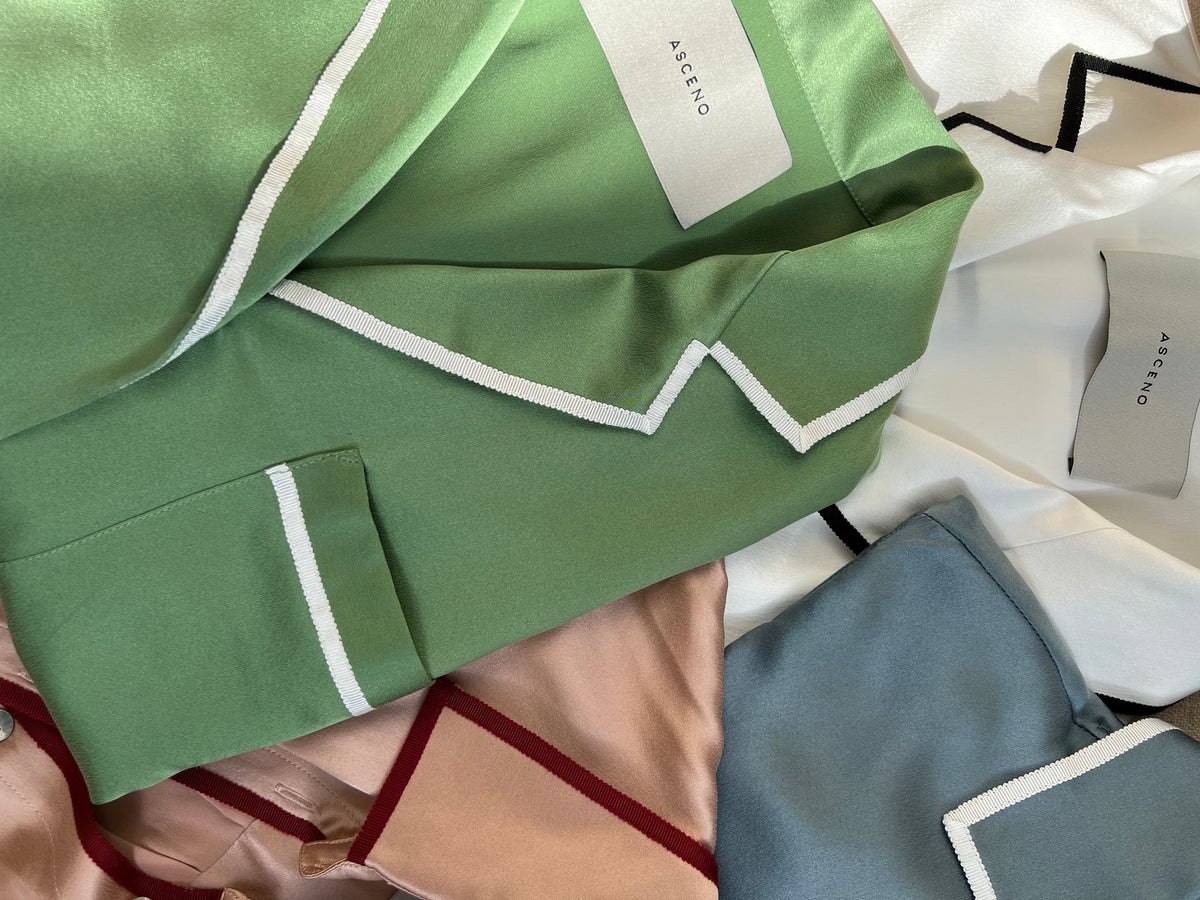
Pair the pyjama top with a blazer or cardigan to assess neckline and sleeve proportions; a modest V or a closed neck tends to sit more gracefully beneath tailored layers. Step back to view the print's scale and colour at conversational distance, then compare it against other pieces in your wardrobe to judge whether it will harmonise or dominate an outfit. Finally, read the care label and note any embellishments or delicate trims, as specialist cleaning or fragile finishes can restrict how often the top is practical for daytime wear.
Choose a heavier linen dress for opaque, tailored layering

Layer lightweight complementary pieces for versatile, refined dressing
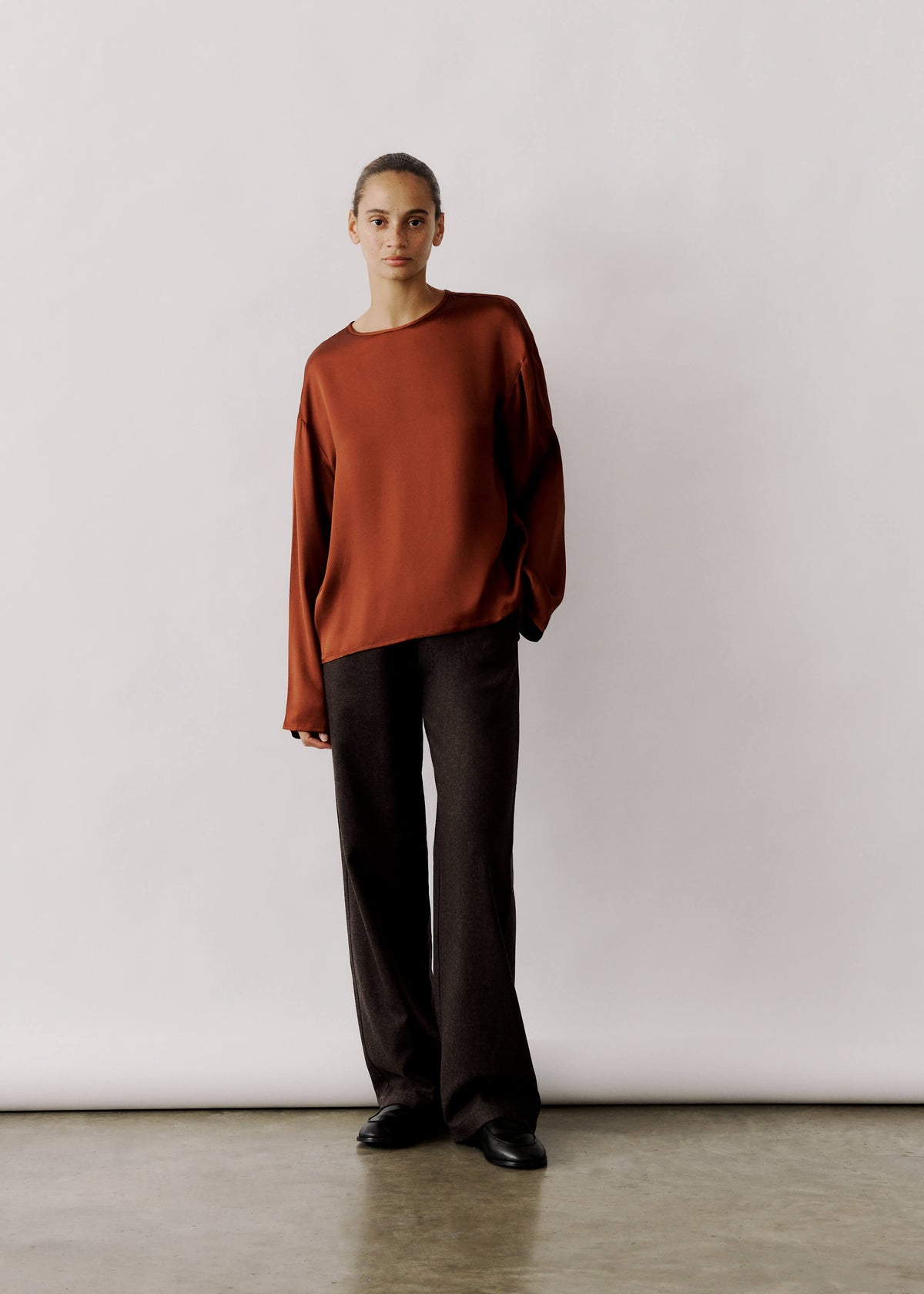
Pair a loose silk pyjama top with a structured, lightweight blazer or a tailored waistcoat; the tailored layer will define the waist and gently counterbalance the silk's natural drape. Temper silk's inherent sheen with matte textures such as a crisp cotton shirt, a brushed wool cardigan or lived-in denim to introduce visual depth and ensure the outfit feels considered rather than glossy. Silk breathes and helps regulate temperature, so wear a thin camisole beneath and choose a lightweight outer layer to add shape without overheating. Avoid coarse fibres that can snag and disturb silk's smooth finish.
Refine proportions with subtle gestures: roll blazer sleeves to reveal silk cuffs, tuck the hem halfway into high-waisted trousers to temper volume, or secure a slim belt over the layers to define the waist. Opt for a restrained palette or a tonal scheme for cohesion; if desired, introduce a single contrasting accessory for quiet interest, and favour small-scale prints so patterns do not compete with the silk. These measures preserve the pyjama top's fluidity while signalling a considered daytime look.
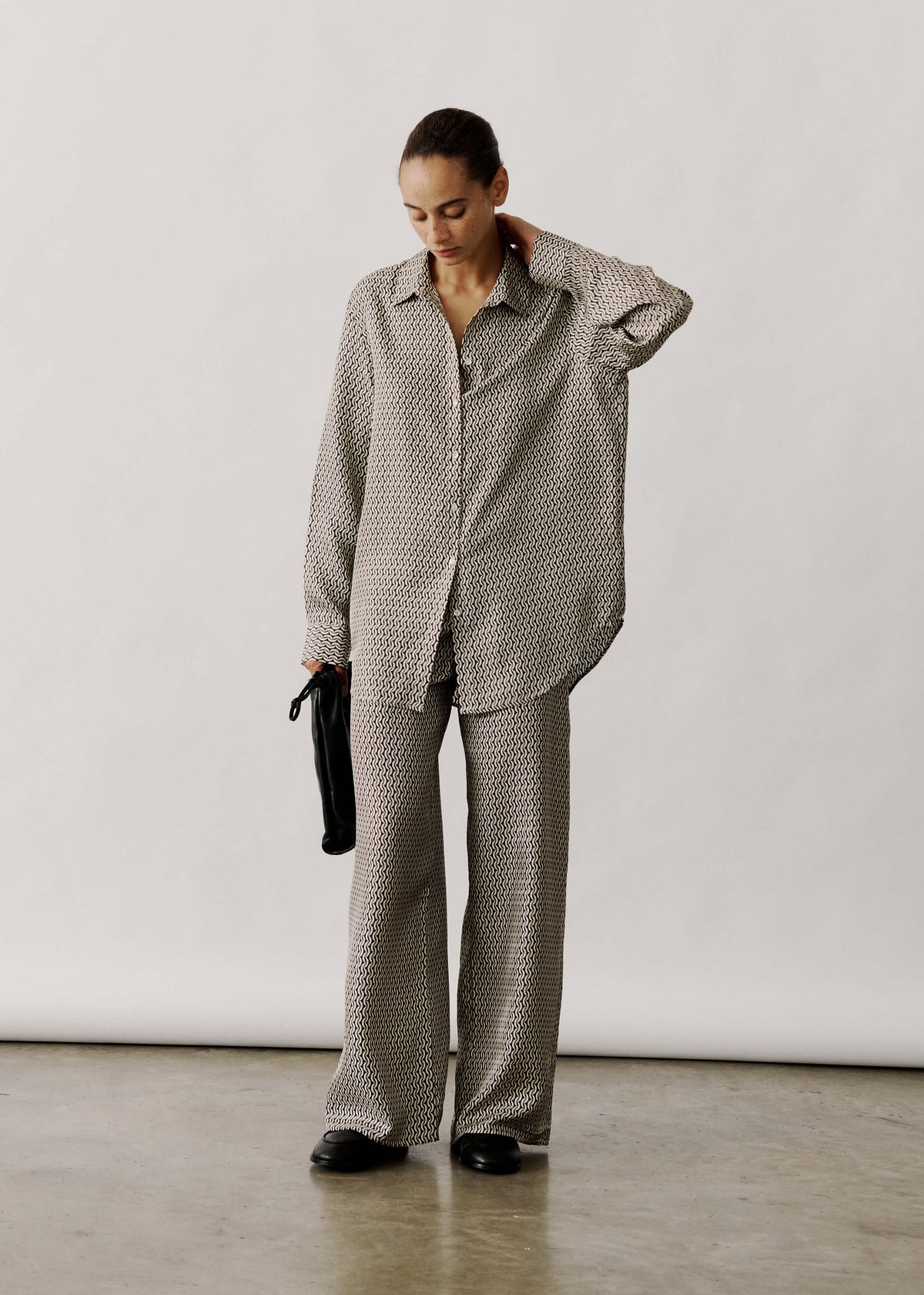
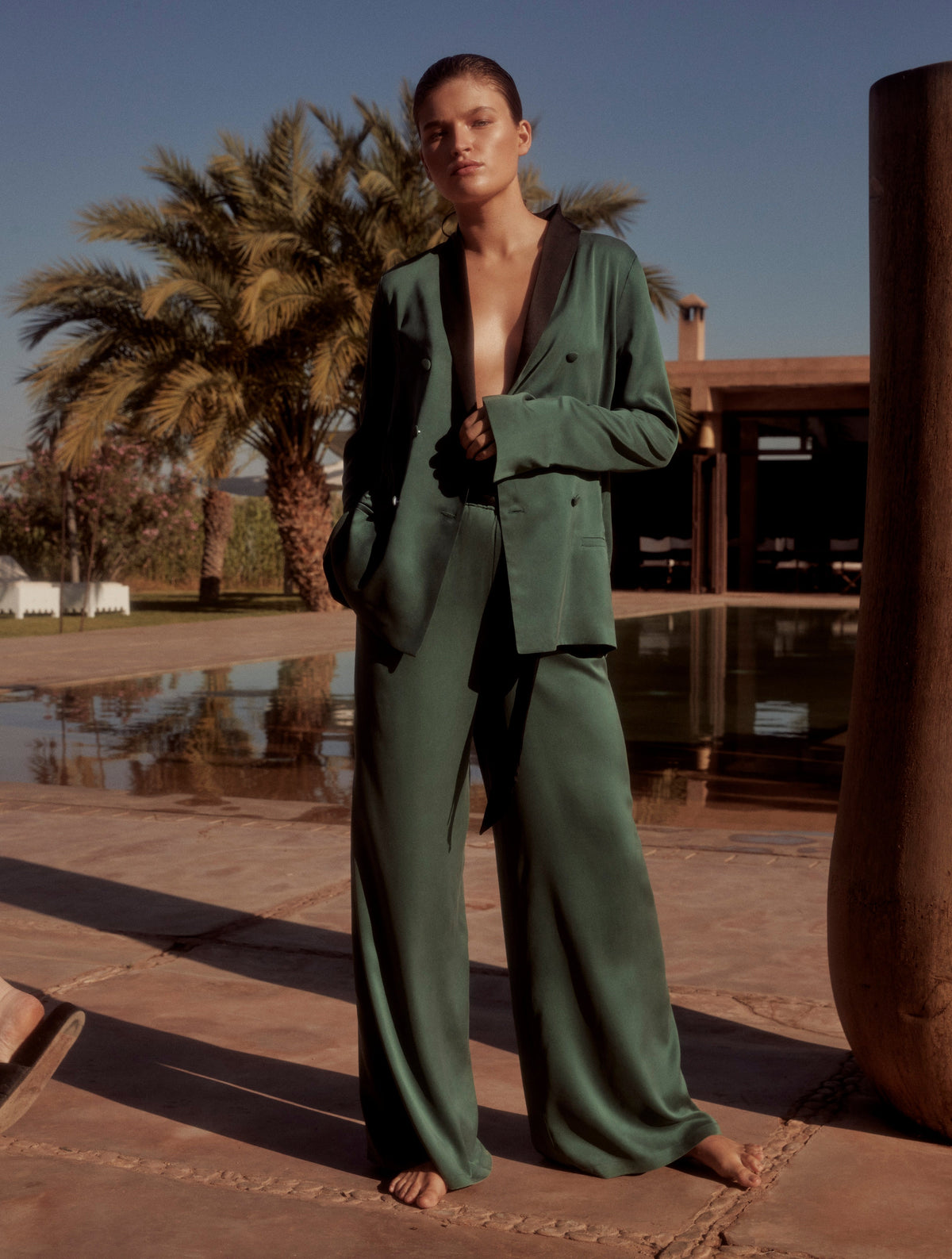
Add matching silk trousers to define your waist

Balance Proportions and Refine Silhouettes with Considered Accessories
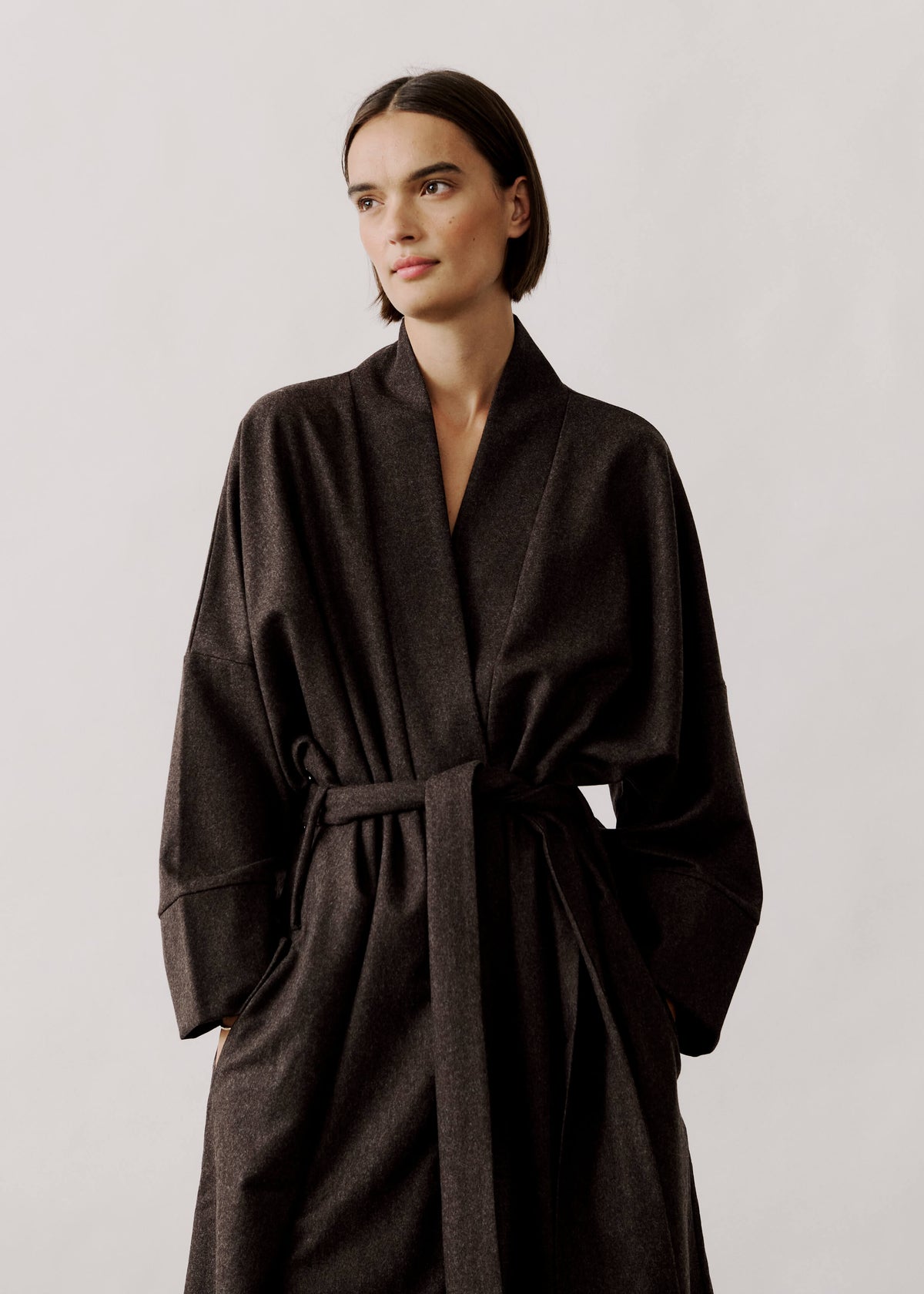
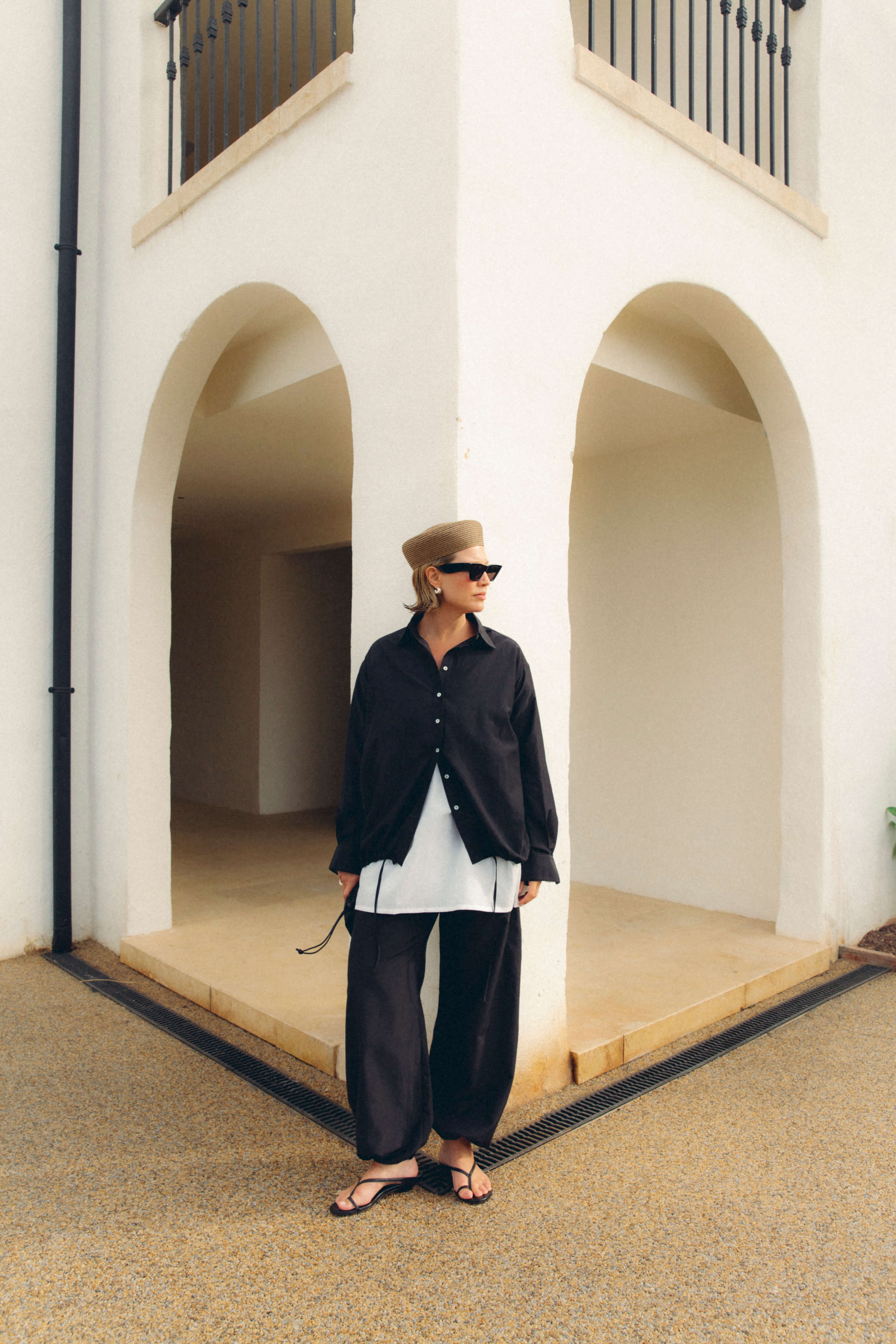
Define the waist by tucking or knotting a silk pyjama top into high-rise trousers or a midi skirt. A half-tuck keeps the silhouette relaxed, a full tuck appears more polished, while a small knot shortens the hem and adds shape. Balance silk's fluid drape with structured outerwear, choosing a well-cut blazer, cropped jacket or longline coat whose shoulder line and sleeve length look intentionally tailored rather than sleepwear. For a lengthening effect, opt for slim bottoms; for added drama, choose wide-leg trousers and adjust proportions to maintain harmonious balance.
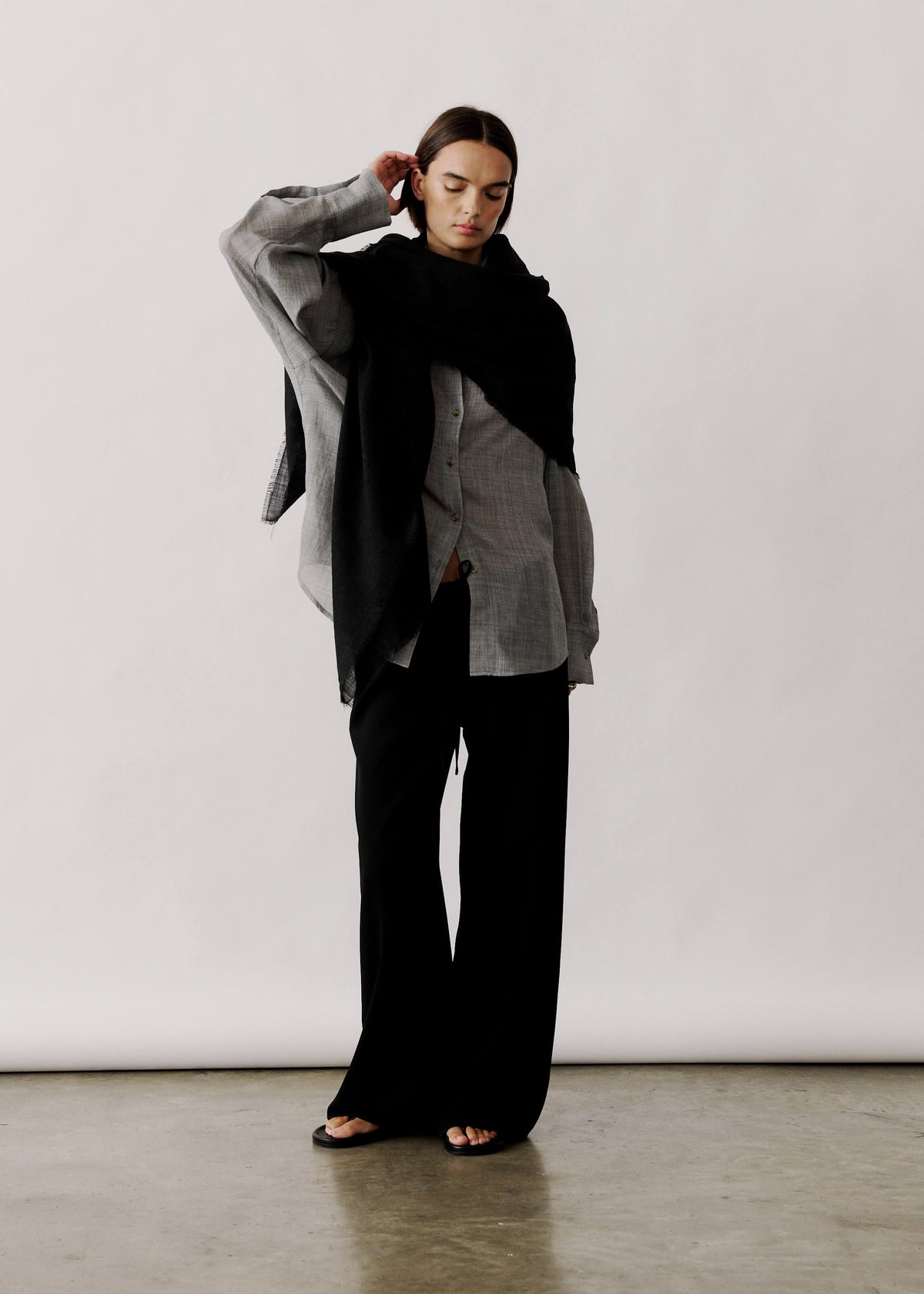
Balance silk's sheen with matte textures such as wool, denim or leather, and choose purposeful footwear such as loafers, ankle boots or pointed flats to anchor the look. Direct attention to the torso with small-scale accessories: a slim belt, a neat scarf tied at the neck, a delicate chain or a compact bag will refine proportions without overpowering silk's fluidity. If a top is sheer, layer a fine camisole or slip, or add a lightweight knit or waistcoat for a tucked, tailored finish. Select colours thoughtfully so layers preserve clean lines and avoid visual clutter, keeping the ensemble visually coherent from a distance.
A silk pyjama top can read as considered daywear when you attend to its fit, address any transparency and offset its fluid drape with structured layers and matte textures. Small adjustments, such as checking ease of movement, adding a fine camisole, half-tucking or cinching at the waist, and favouring tailored outerwear with streamlined accessories, transform a delicate piece into a composed ensemble.
Use the three practical headings as a simple checklist: assess fit and care, layer lightweight complementary pieces, and balance proportions with considered accessories. These deliberate steps will preserve silk's natural drape and sheen while making the top suitable for wear beyond the bedroom. Experiment with a favourite garment to discover how small adjustments broaden your outfit options.
What should I check to see if a silk pyjama top is suitable for daytime wear?
Test the fit by sitting, raising your arms, and walking to reveal pulling, gaping, or ride-up, hold the fabric to the light to check for sheerness, and inspect seams, trims, and the care label to spot fragile finishes or specialist cleaning requirements.
How can I layer a silk pyjama top so it reads intentional rather than like sleepwear?
Pair it with a structured, lightweight blazer or tailored waistcoat, add matte textures such as cotton, brushed wool, or denim, wear a thin camisole underneath if needed, and use half-tucks, rolled sleeves, or a slim belt to control volume and define the waist.
How should I manage transparency and delicate finishes when wearing the top outside?
Use a fine camisole, slip, or lightweight waistcoat to hide transparency, avoid coarse fibres that can snag the silk, and consider the care label and trims because delicate finishes may limit how often you can realistically wear the piece.
What accessories and proportions work best with a silk pyjama top?
Define the waist with a tuck, knot, or slim belt, balance the drape with slim bottoms or wide-leg trousers and structured outerwear, and anchor the look with matte footwear and small-scale accessories like a neat scarf, delicate chain, or compact bag.
When should I consider tailoring the top or not wearing it outside at all?
If it pulls at shoulder seams, gaps at the bust, rides up, or has fragile embellishments or impractical care needs, opt for tailoring or add strategic layering; if these issues cannot be resolved, keep it as loungewear.

Leave a comment
This site is protected by hCaptcha and the hCaptcha Privacy Policy and Terms of Service apply.