
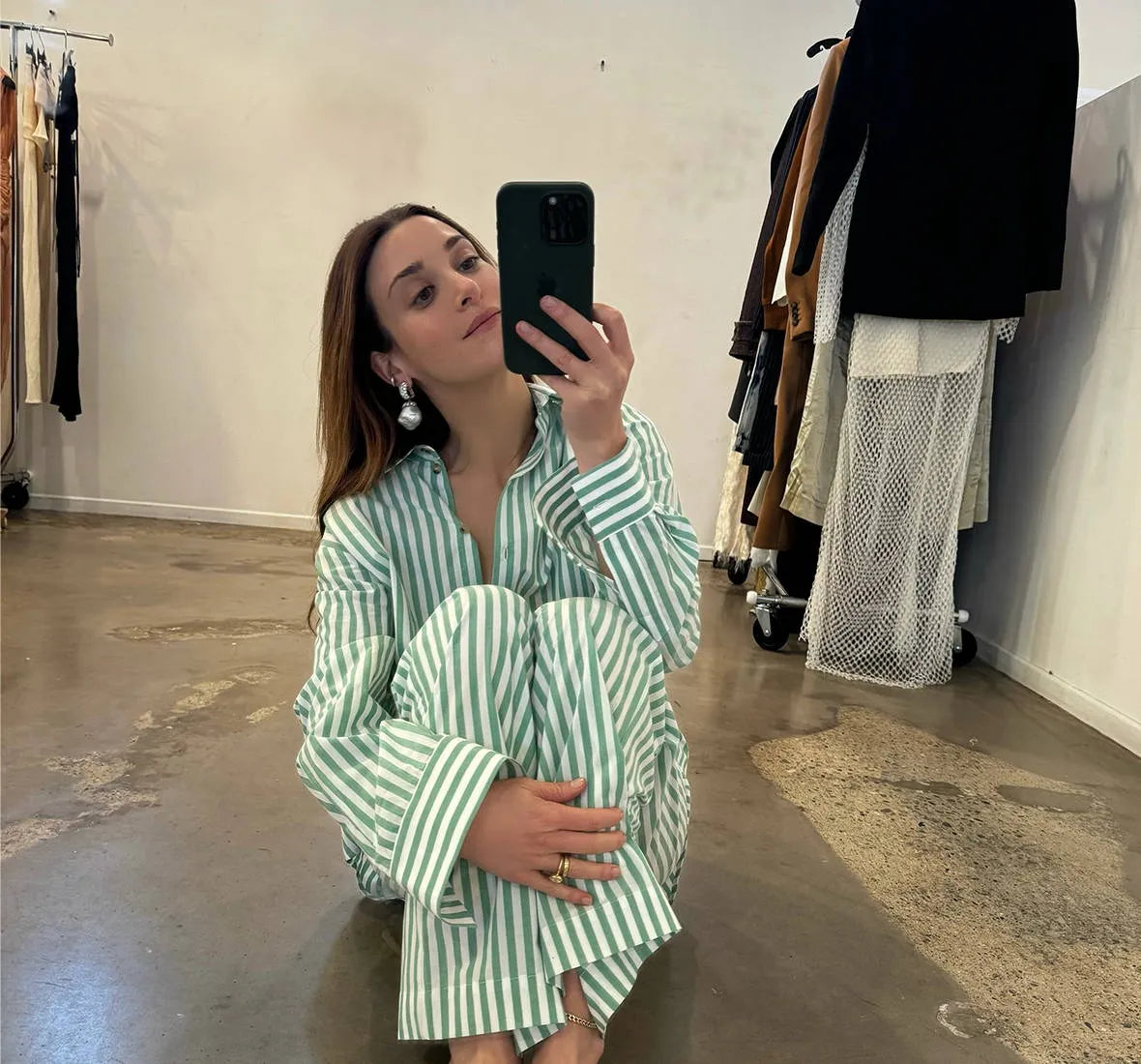
How to Pair Relaxed Pyjama Silhouettes with Tailoring Without Losing Polish
You love the ease of pyjamas and relaxed sleepwear silhouettes in daywear, yet worry they may read as unpolished. How do you preserve that laid-back comfort while appearing composed and intentional?
Begin by assessing silhouette, fabric and drape to determine which pieces can accept structure. Introduce tailored layers to ground the look, then finish with considered footwear and small finishing touches to refine the overall impression, preserving comfort without diminishing polish.

How to assess silhouette, fabric and drape for effortless elegance
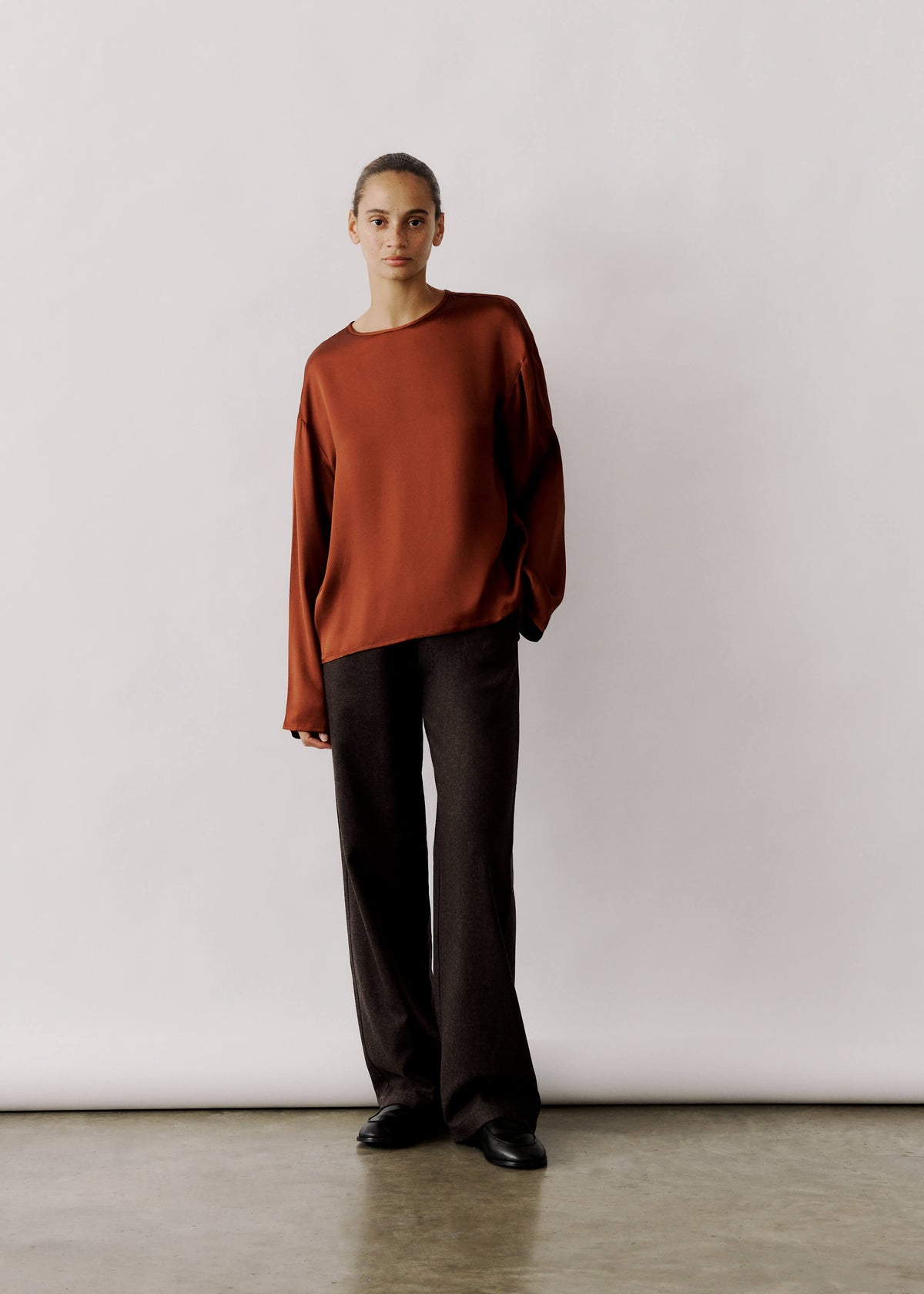
Begin with three simple drape tests. Hang the garment from your shoulder to assess its vertical fall and how readily creases recover. Pinch the fabric to judge how much it relaxes under tension. Finally, move your arms to observe the finished silhouette. If the material retains a soft column rather than ballooning, it will layer neatly beneath a single-breasted jacket. Map volumes deliberately by pairing one relaxed piece with one structured piece, for example a loose pyjama-style top with tailored trousers, or relaxed trousers with a fitted blazer. Define the waist with a tuck, a narrow belt or a cropped jacket to avoid shapelessness and ensure the contrast reads intentional.
Consider texture and finish to judge formality: high-sheen silk or satin catches the light and reads as dressy, while brushed cotton or jersey feels casual unless balanced with structured shoulders, crisp creases or a sharp lapel. Attend to construction cues for polish, such as a jacket with internal canvas and defined shoulders or trousers with a pressed crease and clean hem, and plan only minimal alterations like slight darting, shortening or tapering to harmonise proportions without erasing a relaxed character. Test combinations in motion and on camera — walk, sit and raise your arms, then photograph from the front, side and back to spot pulling, blousing or uneven hems, and refine the silhouette with a half-tuck, considered shoe choice or a belt based on what the tests reveal.
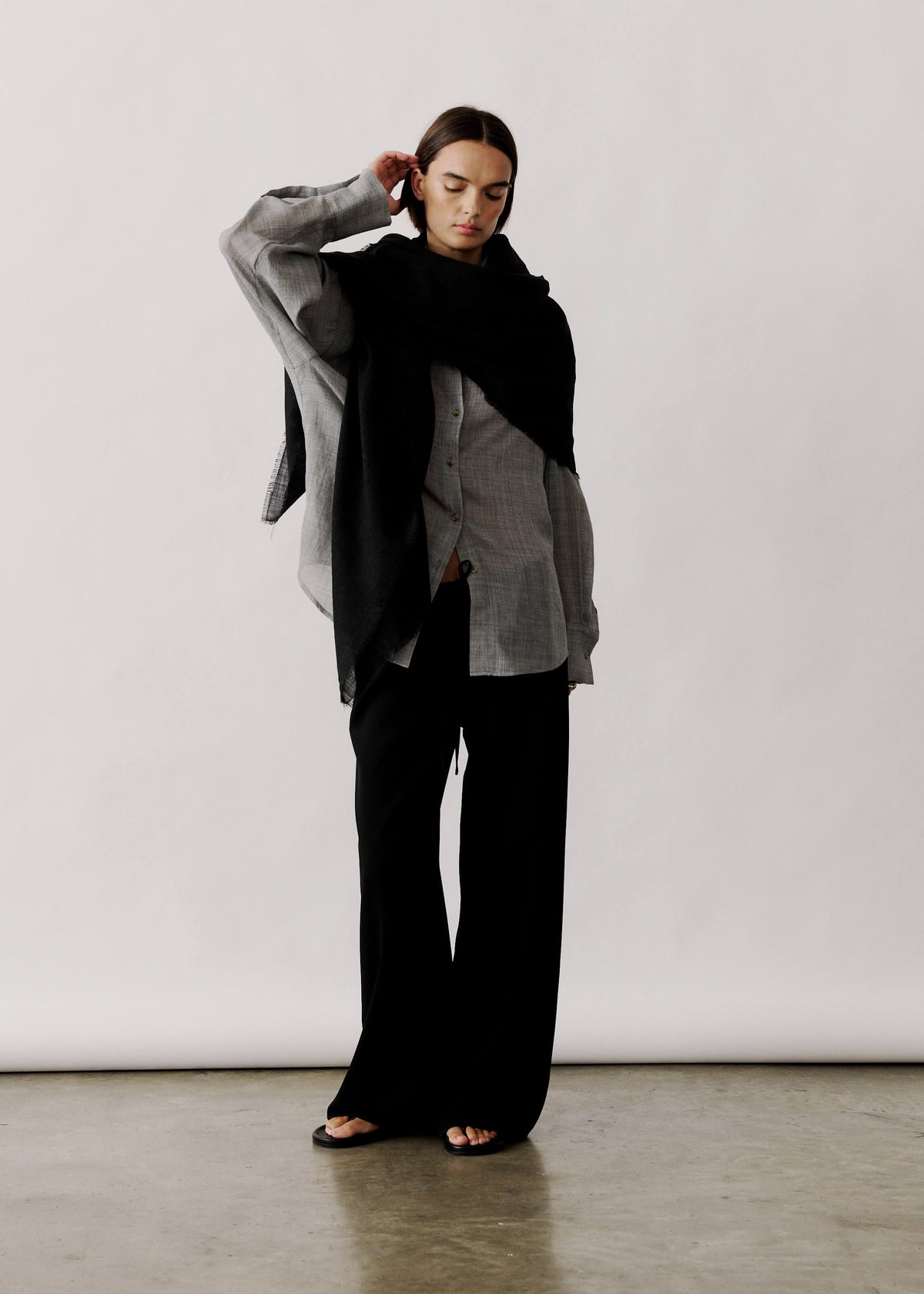
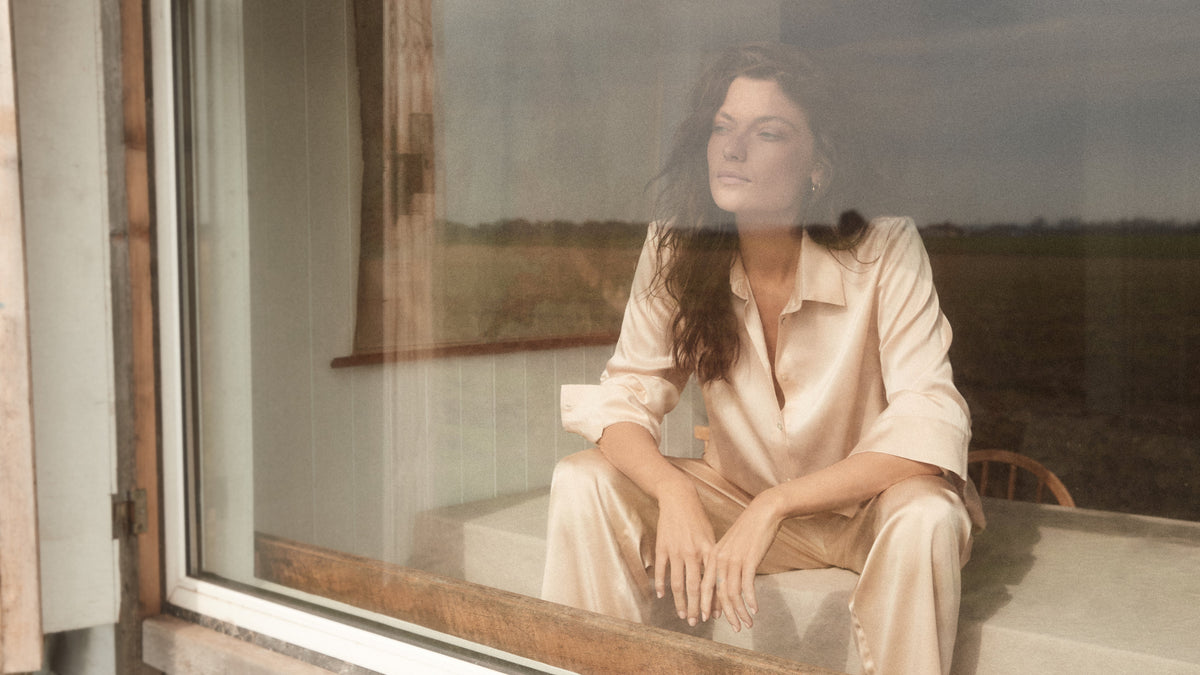
Add a fluid silk shirt to elevate layered looks

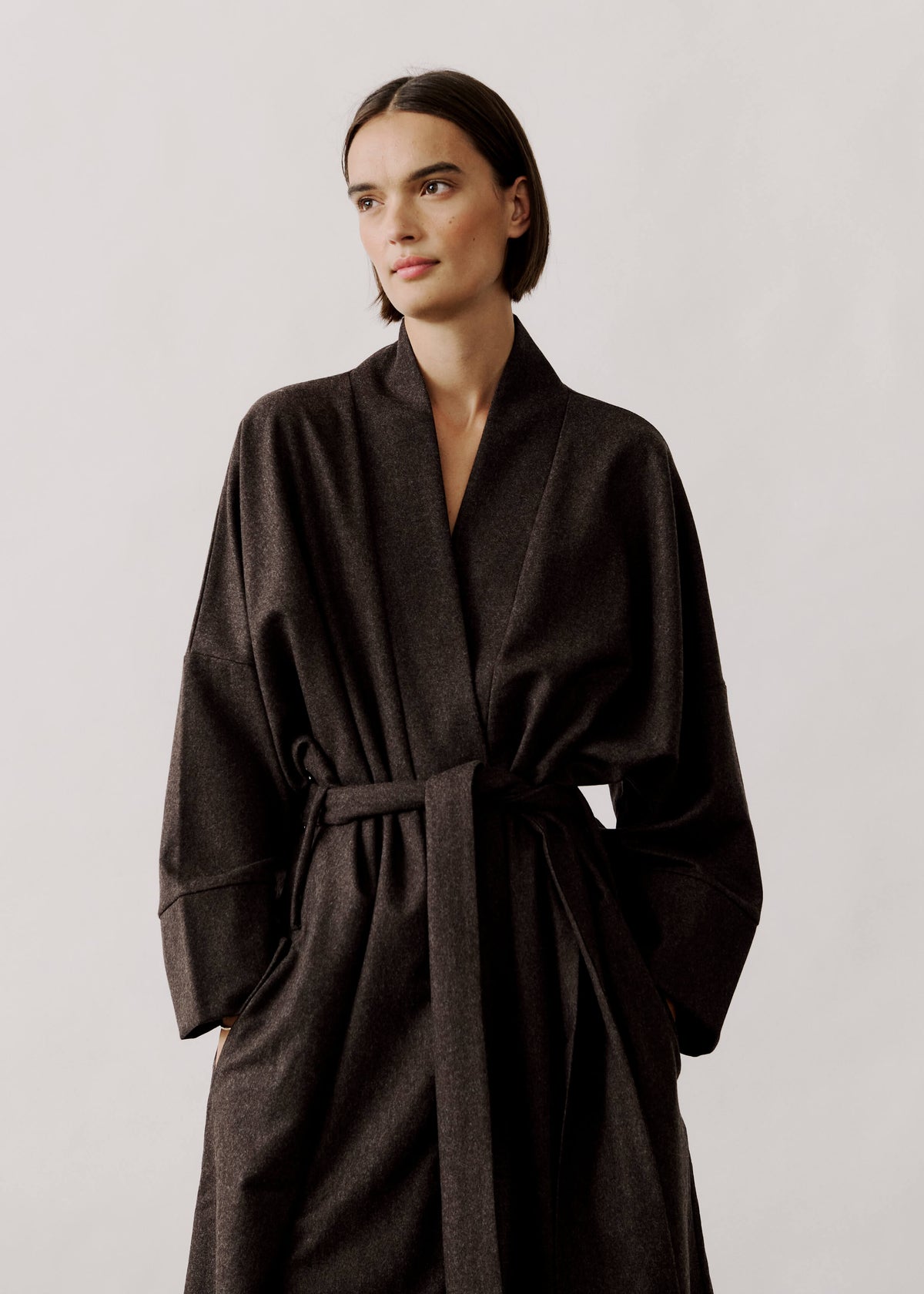
Anchor relaxed silhouettes by layering refined tailoring for effortless elegance
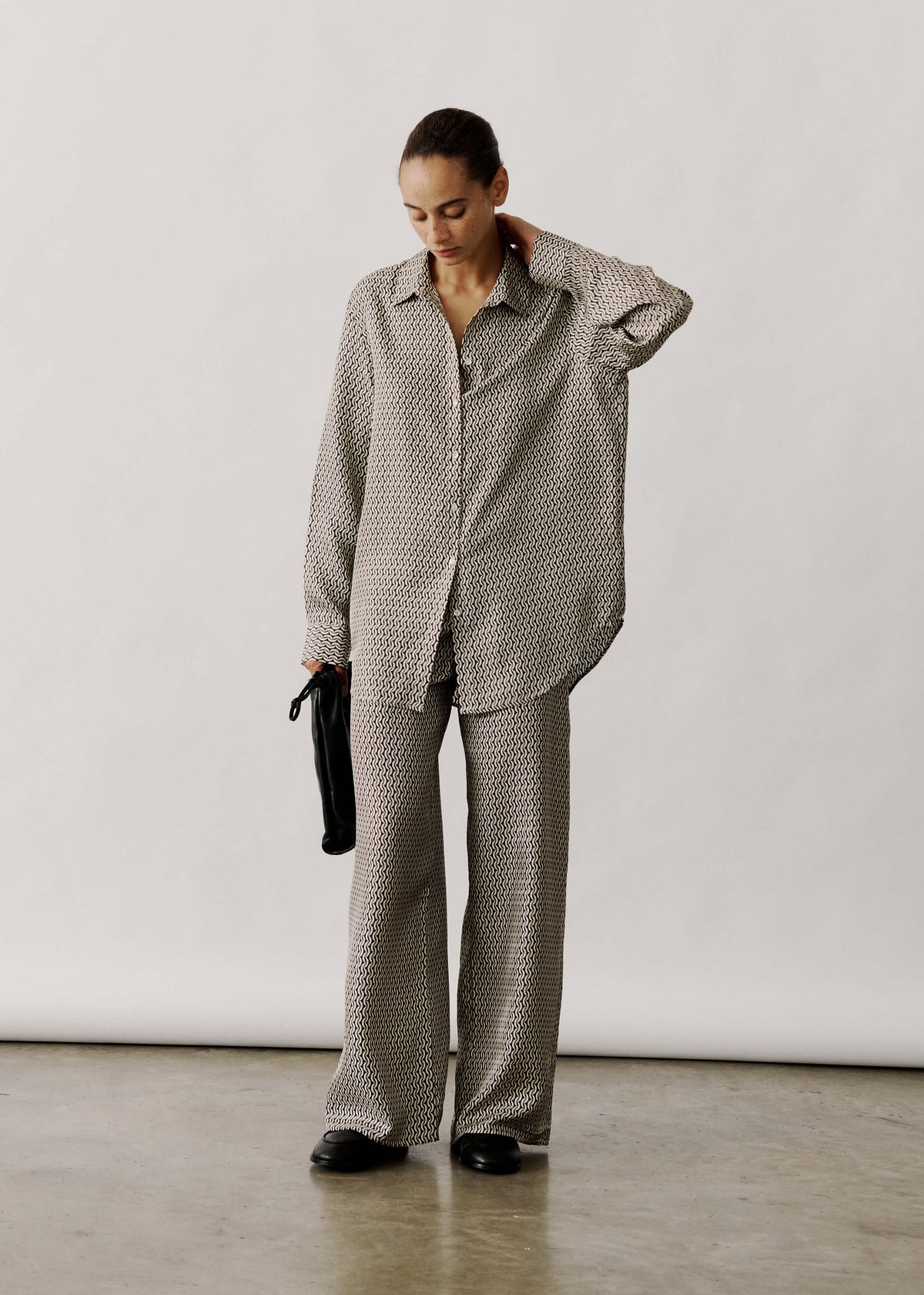
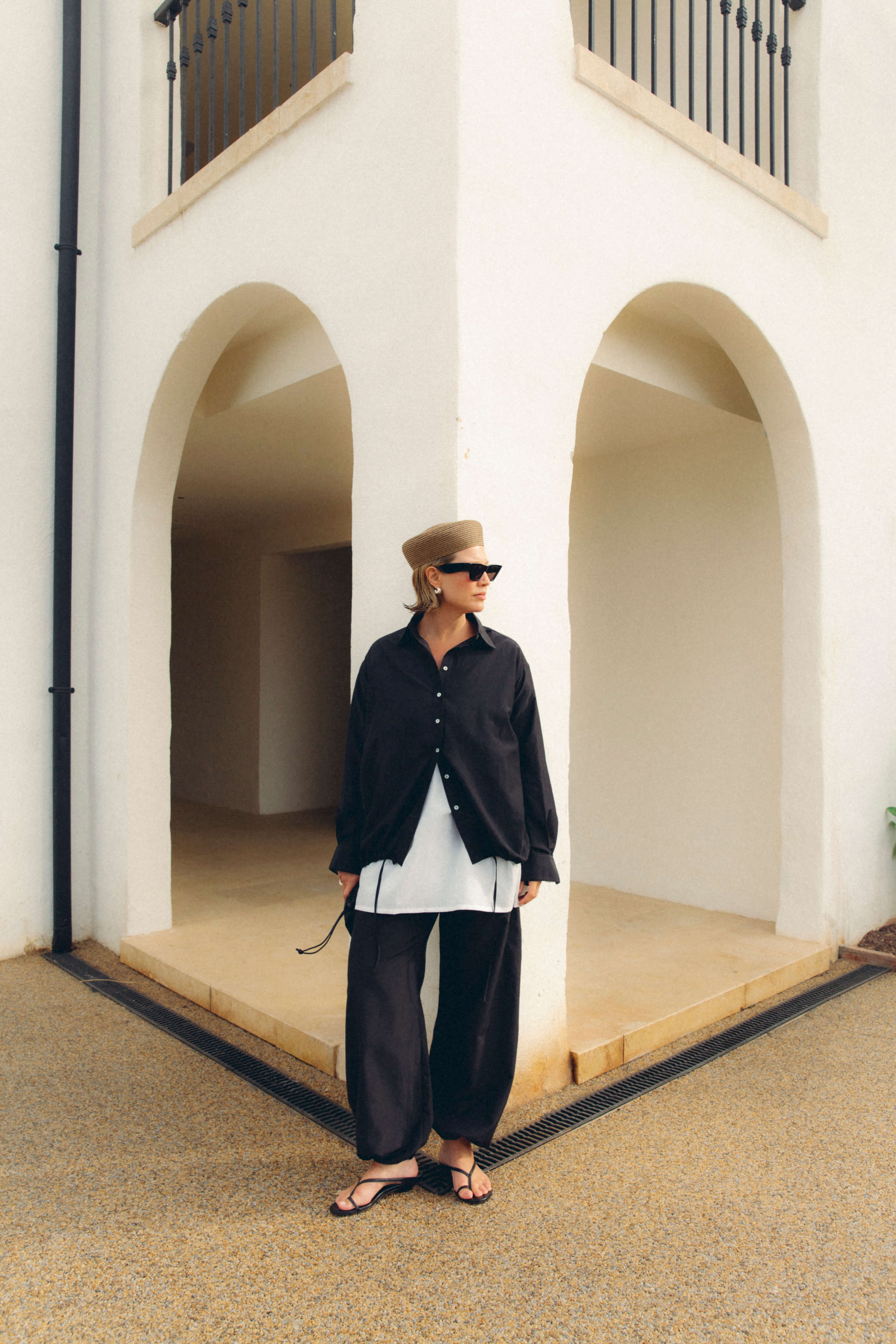
Anchor loose pyjamas with a single tailored layer, such as a single-breasted blazer, longline coat or fitted waistcoat, to introduce defined shoulders, lapels and waist seams. Use proportion to create contrast: pair wide-leg pyjama trousers with a cropped, fitted blazer, or balance a long pyjama top with slim tailored trousers so the silhouette feels intentional rather than sloppy. Choose the tailored piece in a medium-weight suiting, cotton twill or dense knit to hold form, while keeping silk or satin pyjamas for drape and sheen, since the contrast in weight and finish signals purpose. Small tailoring details such as darts, structured collars, single-button closures and subtle shoulder shaping, together with pressed seams and neat hems, create clean edges that guide the eye.
Unify colour, pattern and accessories within a restrained palette, then introduce a single contrasting tonal accent at the hem. Add streamlined shoes and a structured bag to ground the look with a tailored anchor. Keep jewellery to a minimum so the outfit reads cohesive rather than pyjamas masquerading as daywear, and use clean lines to balance flowing silhouettes. Together, these choices allow pyjamas to retain their relaxed drape while tailored layers provide structure, producing an evidently intentional, polished finish.
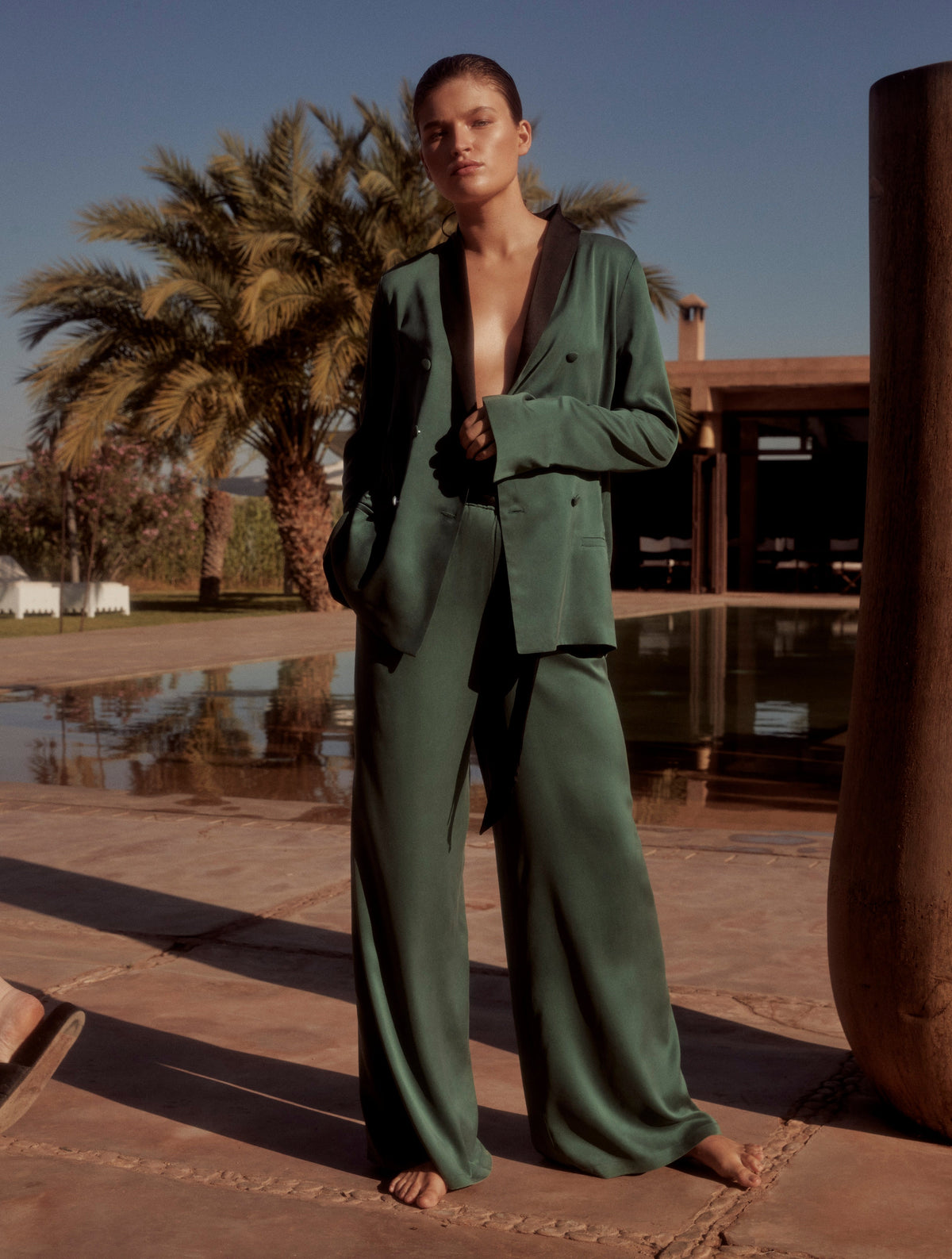
Anchor silk separates with structured wool trousers.

Complete the look with considered footwear and finishing touches
Pair slouchy pyjama trousers or a silk slip with a slim-sole loafer, a neat lace-up shoe or a low-heeled mule to introduce structure and a defined toe line. A crisp sole and minimal detailing read as tailored even when fabrics are soft. Crop or lightly cuff trousers and tuck a camisole into the waistband to reveal a sliver of ankle and create a clean waistline, signalling that the look is deliberate rather than accidental. Visible ankle and considered hems draw the eye to construction points, preventing relaxed pieces from appearing indistinct. These small alterations shift the balance so relaxed silhouettes feel composed rather than laissez-faire.
Choose a single metal tone for belt buckles, watches and bag fittings to create a cohesive finish. Anchor the look with a structured bag or belt with clean lines. Press lapels and creases, smooth seams and remove any pilling to echo the precision of tailoring and signal considered care. Contrast flowing silks or jersey with a sharply cut blazer, a crisp collar or a boxy shoulder, and keep colours restrained and tonal so that one well constructed tailored piece grounds and elevates the more relaxed elements.
Relaxed sleepwear silhouettes, such as pyjamas and slips, read as composed when their soft drape is balanced by a single tailored anchor, considered proportions and refined finishing. Start by assessing fabric and cut, introduce a structured layer, then tidy hems, waist definition and footwear so the look remains comfortable yet unmistakably intentional.
Refer to the three drape tests, considered layering strategies and finishing touches above as a practical checklist when you assess combinations in motion and in front of the camera. These small, deliberate edits preserve the relaxed ease of each piece while creating a crisp, polished silhouette you can reproduce.
What is the simplest way to make pyjamas or a slip look intentional for daywear?
Anchor the relaxed piece with a single tailored layer, such as a single-breasted blazer, longline coat, or fitted waistcoat that provides defined shoulders, a waist seam, and clean edges so the overall silhouette reads deliberate rather than accidental.
How do I choose fabrics so relaxed pieces do not read sloppy?
Read texture and finish: high-sheen silk or satin reads dressy, while brushed cotton or jersey looks casual unless balanced with sharp shoulders, pressed creases, or a crisp lapel; pair soft, drapey fabrics with a medium-weight suiting, cotton twill, or dense knit tailored piece to signal intention.
What small styling edits will sharpen a relaxed silhouette?
Define the waist with a tuck, narrow belt, or short jacket, crop or cuff trousers to reveal a sliver of ankle, choose slim-sole loafers or neat lace-ups, and unify hardware and jewellery so finishing details reinforce the tailored anchor.
Can I mix wide pyjama trousers with a blazer without looking sloppy?
Yes; use proportion to create contrast by pairing wide-leg pyjama trousers with a cropped, fitted blazer and ensure the blazer has structure and pressed seams so the look reads composed rather than loose.
What quick tests should I do before wearing a relaxed-plus-tailored outfit out?
Perform three drape tests—hang the garment from your shoulder, pinch the fabric to see how it relaxes, and move your arms to observe shape—then walk, sit, and photograph from front, side, and back to spot pulling, blousing, or untidy hems and refine with minor alterations, a half-tuck, or different shoes.

Leave a comment
This site is protected by hCaptcha and the hCaptcha Privacy Policy and Terms of Service apply.