
How to choose fabric and weight for a pyjama top that transitions to daywear
A pyjama top's effortless comfort can sometimes reveal its sleepwear origins. Selecting the right fabric, weight and finish will transform how the piece reads, allowing a pyjama top to read as polished daywear.
Crisp cotton poplin and fluid silk crepe sit and move in distinctly different ways. With a refined collar and tidy seams, the same top can read as considered outerwear. Learn how to select fibres and weaves, balance weight, hand and drape for your silhouette and the season, and refine seams, collars and trims so a pyjama top reads as daywear.

Choose fibres and weaves that read as outerwear
To make a pyjama top read as daywear, favour woven shirting fabrics such as poplin, twill, Oxford and chambray over knits. Their inherent structure will support a collar and placket. Test a length of fabric by laying it flat and creasing it; if the crease springs back crisply, the cloth will hold shirt details. Hold the centre and let the hem fall; the piece should form a soft, elegant line rather than wrapping around your hand. Aim for a midweight that balances drape with body so the garment hangs without clinging or collapsing.
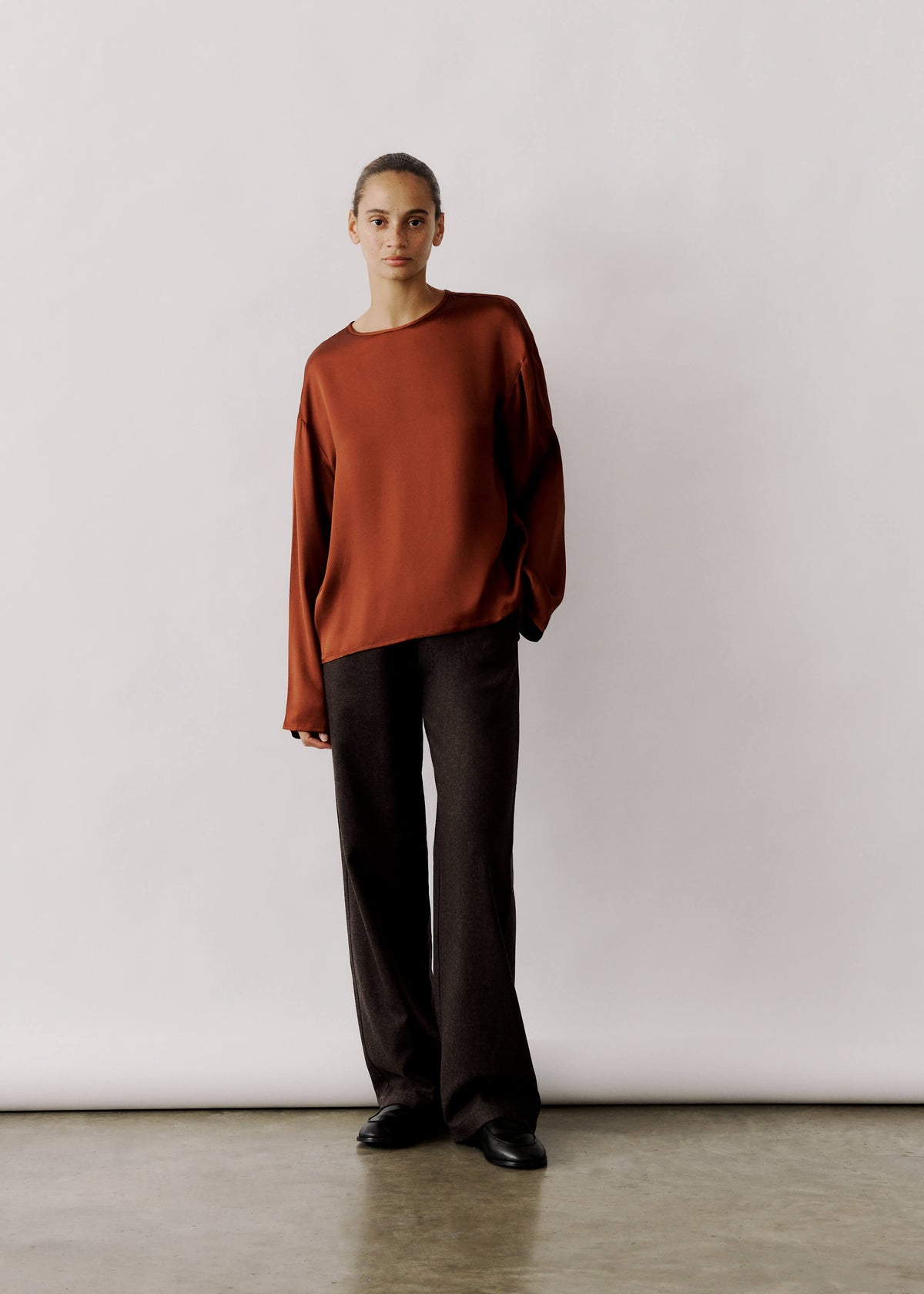
Opt for matte or low-sheen surfaces and tighter weaves, or embrace subtle textures such as crepe, dobby or slub, because shinier finishes reflect light and tend to read as pyjamas. View the fabric from different angles and hold it up to the light to judge shine and opacity. Prioritise natural fibres or considered blends such as cotton, linen blends, silk noil or viscose mixes for breathable structure and reliable recovery. Check the label, or rub a discreet area to see whether the fibre softens with wear rather than developing a plastic sheen. Finally, assess handle and recovery by scrunching, gently stretching and smoothing the cloth; good daywear candidates spring back into shape, resist cling and maintain opacity.
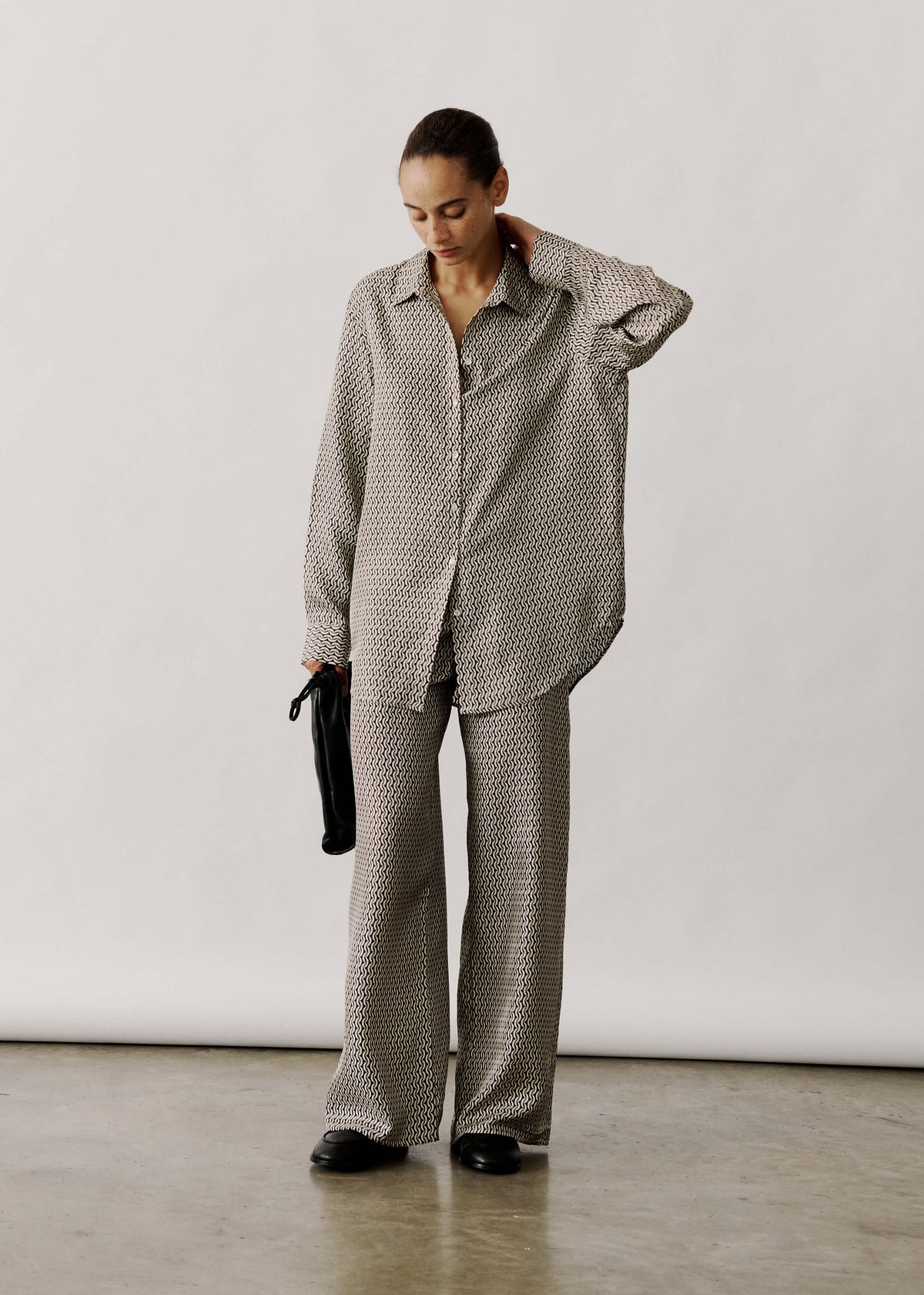
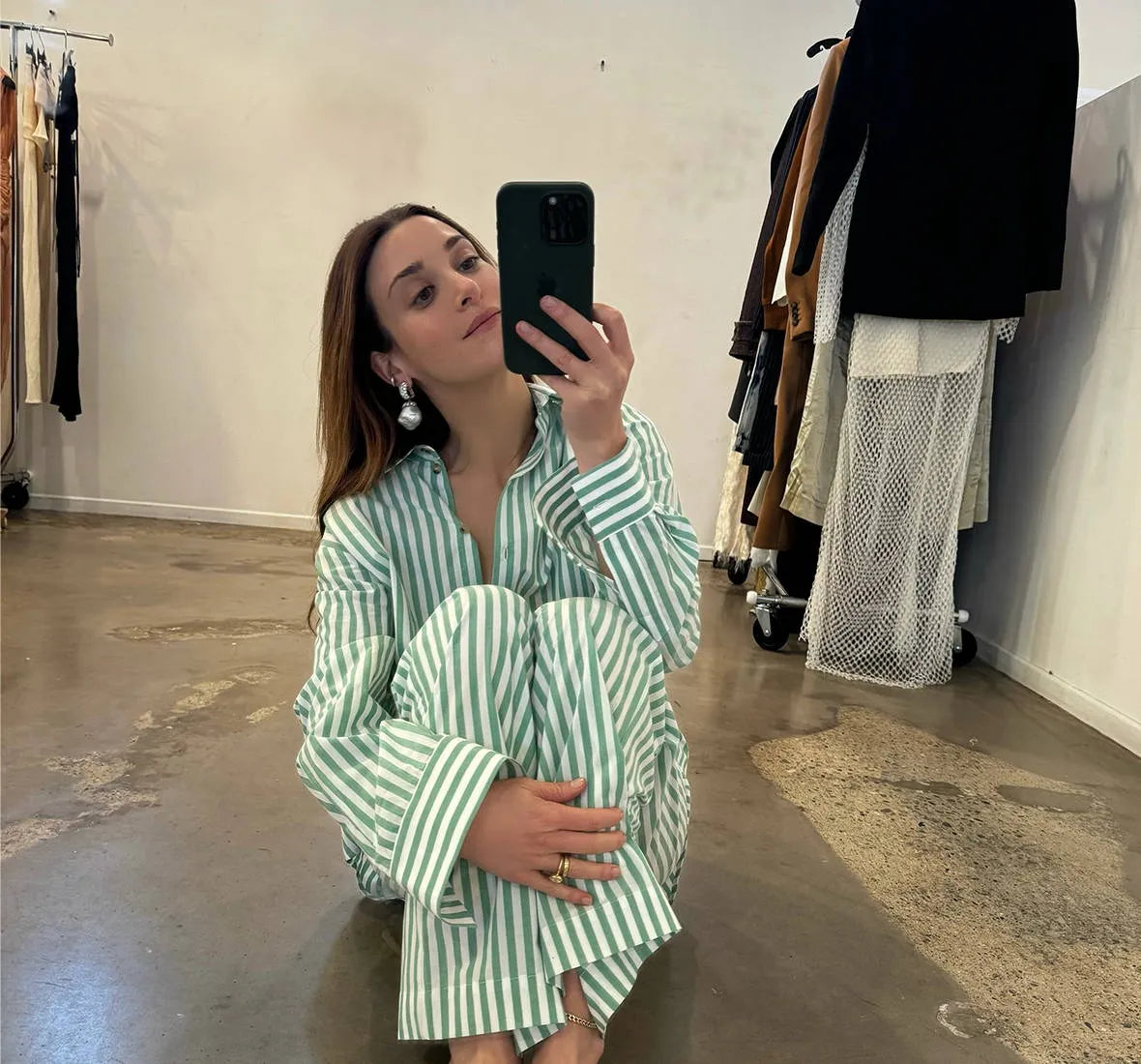
Choose an organic woven cotton check for polished daywear.

Balance fabric weight, hand and drape to flatter silhouette and season
Choose fabric weight by grams per square metre to control how a pyjama top reads. Lightweight cloths, around 40 to 120 grams per square metre, drape and breathe but can be sheer. Midweight fabrics, around 120 to 220 grams per square metre, offer a balance of opacity and movement and are the most versatile for daywear. Heavier fabrics, above 220 grams per square metre, provide structure and a more tailored silhouette. Test opacity by holding the cloth up to the light, and favour the midweight range if you want a one-piece to read as a shirt rather than sleepwear. To assess drape and hand, pinch a corner and let it fall: a swift collapse denotes high drape, a slower fold signals more body. Rub the fabric between thumb and forefinger to judge smoothness, texture and tendency to cling, and drape it over your shoulder to see whether it skims the body or holds an edge.
Match fibres to season and performance. Natural fibres such as cotton and linen wick moisture and breathe in warm weather, while silk, viscose and modal offer a fluid drape and a blouselike finish that reads smarter. Synthetic fibres and blends increase durability and reduce creasing, but they can trap heat, so weigh these trade-offs against how the garment will be worn and its care routine. Weave and finish alter a fabric's appearance without changing the fibre: plain weave poplin creates a crisp, shirtlike surface, twill lends weight and opacity, and satin weave imparts sheen for a more dressed-up feel. Finishes such as mercerisation or calendaring enhance lustre and smoothness. Resolve borderline issues with simple construction or styling solutions: add a lightweight lining or camisole for sheerness, apply light interfacing to collars and plackets that need body, favour smaller-scale prints or tonal stripes for an urban sensibility, and check care labels for guidance on shrinkage and pilling so the finished top keeps its appearance after washing.
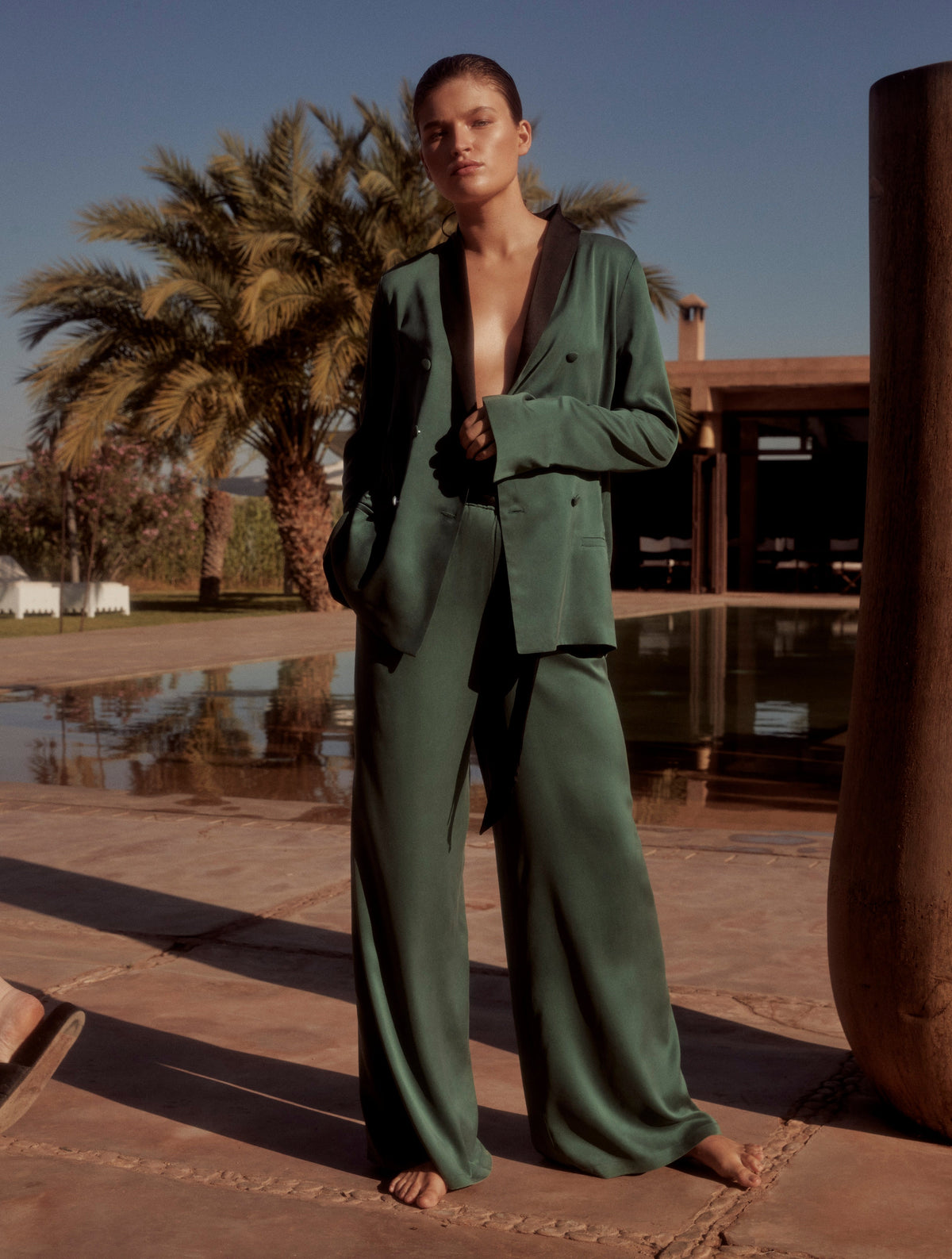
Opt for silk when you want fluid, blouse-like drape

Fine-tune seams, collar and trims to elevate a pyjama top into polished daywear
Match seam finishes to fabric weight to help a pyjama top read as daywear. For lightweight fabrics, opt for French seams: stitch the wrong sides together with a narrow seam allowance, then encase the raw edge in a second seam so the interior is neat. On midweight cloth employ flat-felled seams for a crisp external line and press them flat to maintain that tailored finish. Finish loosely woven fabrics with narrow bias binding or a clean overlock to prevent fraying while keeping edges slim. Choose collars and necklines that frame the face and sit neatly beneath a blazer, comparing notched, convertible and band styles. Add light interfacing or staystitching to prevent gaping, understitch facings and press so edges lie flat and look professional. Signal tailoring with tonal or subtly contrasting piping, narrow topstitching and small, closely spaced buttons or a concealed placket. Select button scale to suit the neckline and secure each button with a thread shank and bartack for longevity.
To balance comfort with polish at hems and cuffs, opt for a narrow turned hem or a shirt-tail curve with small side vents to aid movement. For cuffs consider a single-button tailored cuff, a folded turn-up or a piped edge, and reinforce the cuff corners with bar-tacks and neat understitching. Apply consistent finishing practices: grade and trim seam allowances to reduce bulk, edge-stitch to sharpen lines and use a consistent stitch length so the garment sits and photographs well. Reinforce stress points and buttonholes so the top maintains its shape in wear, and follow a disciplined pressing routine so seams mould to the body and collars sit smoothly beneath outer layers. These considered details subtly change perception: reduced bulk allows collars and lapels to lie flat, crisp edge-stitching reads as tailoring at a glance, and secure fastenings prevent sagging so a pyjama top reads as intentional daywear rather than nightwear.
A pyjama top can read as daywear when fabric, weight and finishes lend structure, a flattering drape and a considered, tailored edge. Choose woven shirting, a midweight cloth with low sheen or subtle texture, and finely finished collars and seams so the piece hangs neatly, resists cling and reads as an intentional shirt rather than loungewear.
Assess fibres and weaves, weight and drape, and seam and trim finishes by hand to judge a fabric's suitability. Make small construction adjustments with lightweight interfacing or discreet linings, and resolve sheerness or unwanted bulk through considered techniques. These practical checks and subtle tailoring refinements yield a pyjama-style top that integrates effortlessly into daywear and endures the demands of wear and care as a considered garment.
What fibres and weaves make a pyjama top read as daywear?
Choose woven shirting weaves such as poplin, twill, Oxford, or chambray with natural fibres or blends like cotton, linen blends, silk noil, or viscose for breathable structure and good recovery; prefer matte, low sheen, or textured finishes like crepe, dobby, or slub to avoid a sleepwear look.
How do I choose the right weight and drape for a shirtlike finish?
Aim for midweight cloth around 120 to 220 grams per square metre for balanced opacity and movement; test drape by pinching a corner to see if it collapses quickly or holds body, and hold the fabric to the light to check opacity.
How can I fix sheerness or cling without changing the fabric?
Add a lightweight lining or camisole for opacity, use light interfacing on collars and plackets to add body, and choose viscose or silk blends for higher drape that resist cling, while checking care labels for shrinkage and pilling.
What seam and trim details make a pyjama top look tailored?
Use French seams on lightweight fabrics and flat-felled seams on midweight cloth, reinforce stress points, understitch facings, add light interfacing to collars, and signal tailoring with narrow topstitching, tonal piping, small buttons or a concealed placket, and neat turned hems with side vents.
Which fabrics suit different seasons and how should I care for the top?
Pick natural fibres like cotton and linen for warm weather because they wick and breathe, and choose silk, viscose, or modal for a blouselike finish in cooler weather; favour blends or synthetics for durability and crease resistance, and follow care labels, press seams regularly, and reinforce buttonholes to maintain shape.

Leave a comment
This site is protected by hCaptcha and the hCaptcha Privacy Policy and Terms of Service apply.