

How to Choose Fabrics That Let a Pyjama Top Transition to Daywear
You love the ease of a pyjama top, yet it can read as nightwear rather than a considered daytime piece. How can you carry that relaxed silhouette through the day while remaining polished and intentional?
This post explains how the right sustainable fibres, from matt crepe and crisp cotton to drapier linens, read as daywear, while glossy satin more readily signals nightwear, and how variations in weight, drape and surface finish create daytime structure. It also offers simple tailoring cues and styling techniques to elevate a pyjama top into a polished, versatile piece suitable for wearing beyond the home.

Choose sustainable fibres that translate into elevated daywear
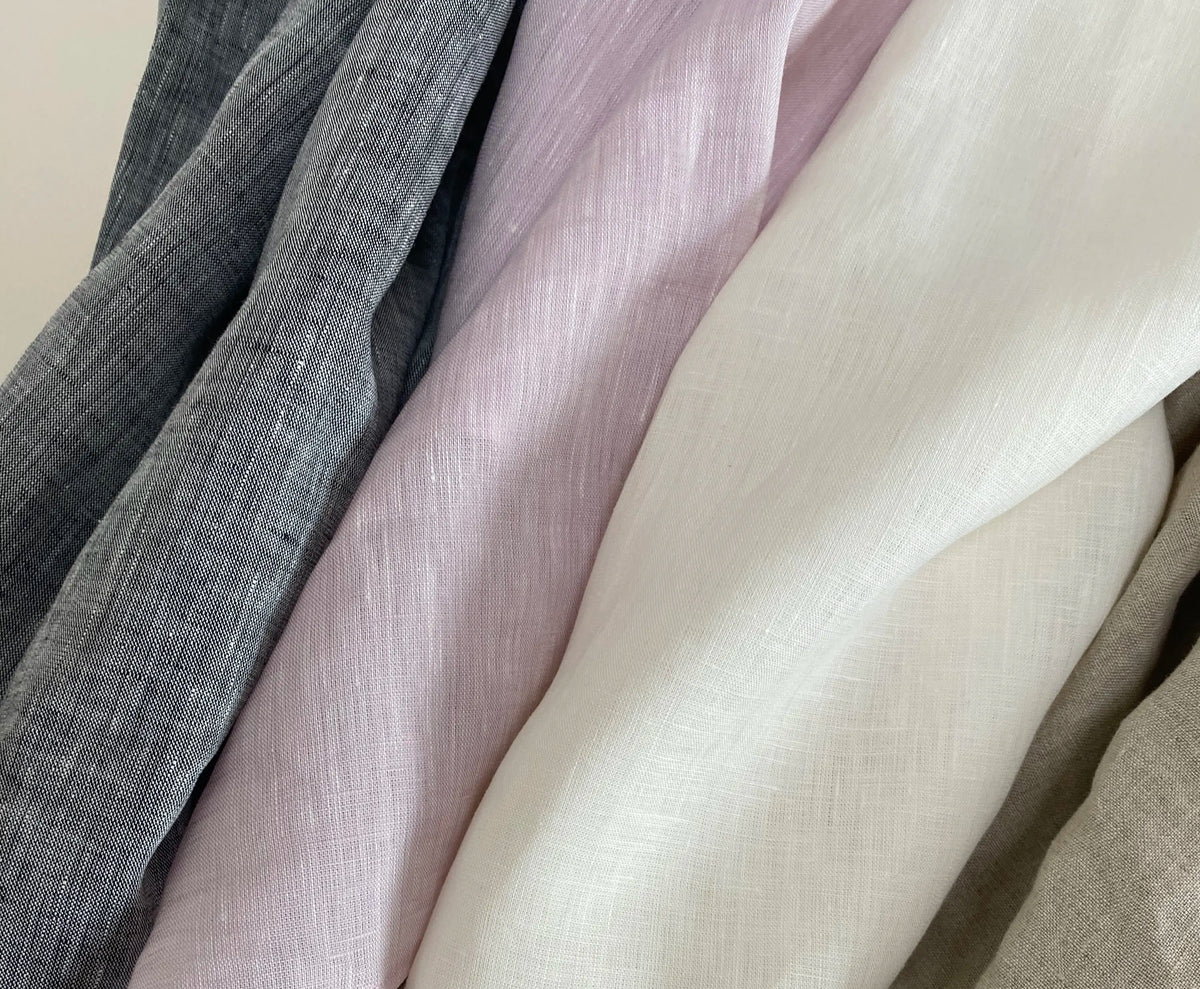
Choose sustainable fibres for their inherent character. Organic cotton and tightly woven linen read crisp and tailored, while hemp and heavier linens offer a relaxed, textural finish. Regenerated cellulosics such as lyocell and modal drape like silk, creating an elevated daywear appearance without animal-derived silk. Favour midweight weaves that hold a collar and seam lines yet still move with the body; seek poplin, twill or shirting weights rather than ultra-light, sheer fabrics that immediately read as pyjamas. Always handle a swatch to judge whether a fabric keeps its shape or collapses into a pyjama-like drape.
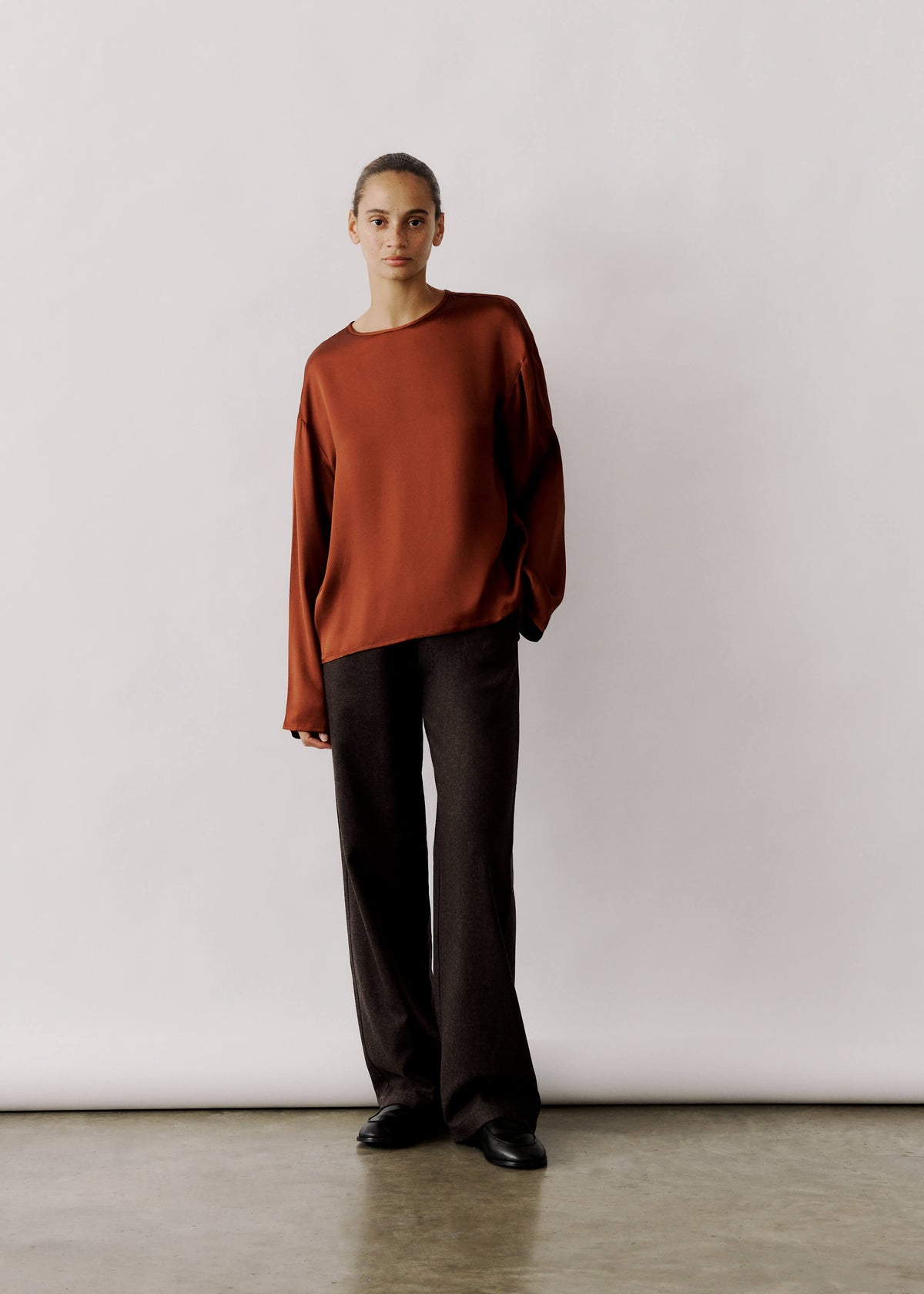
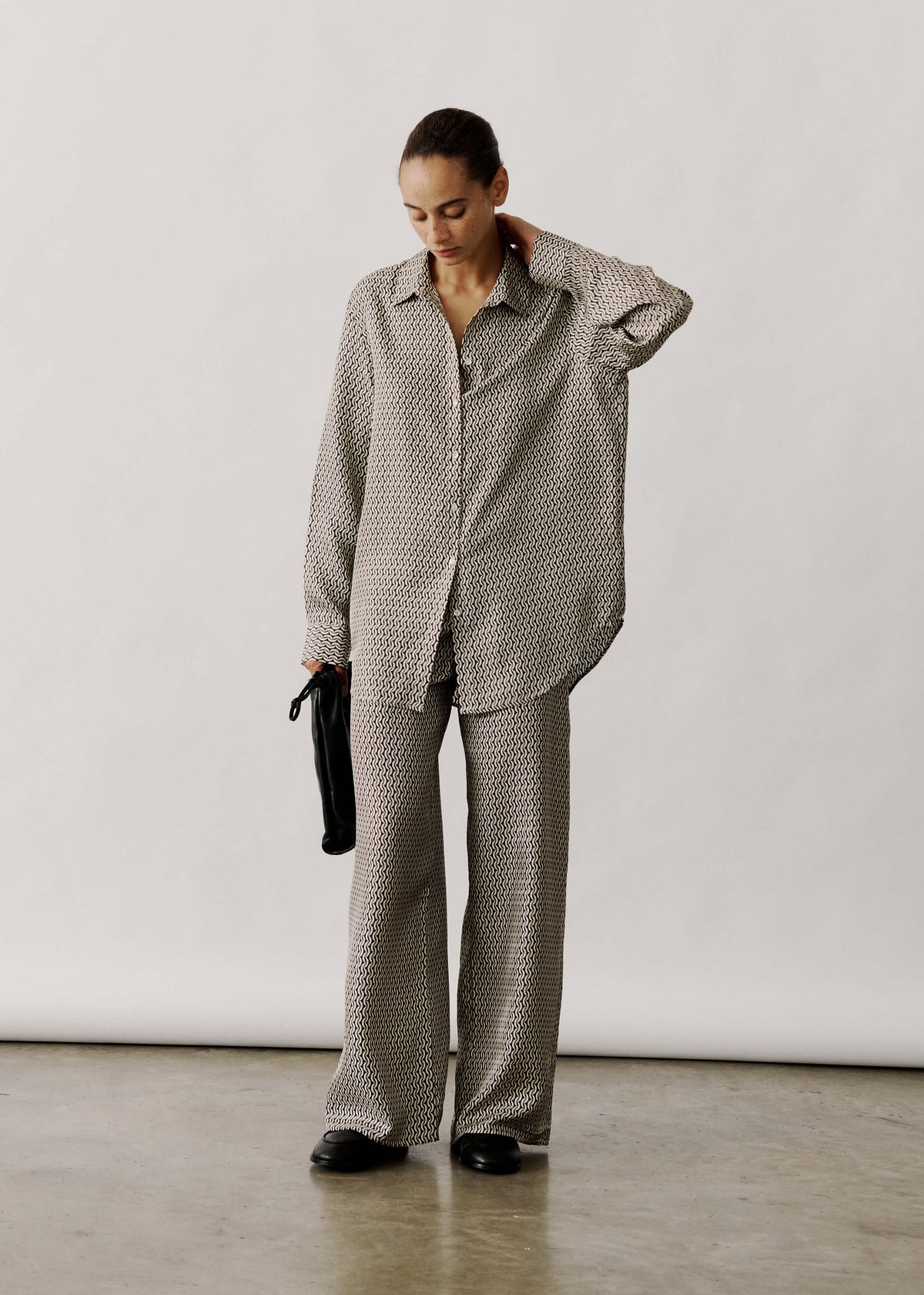
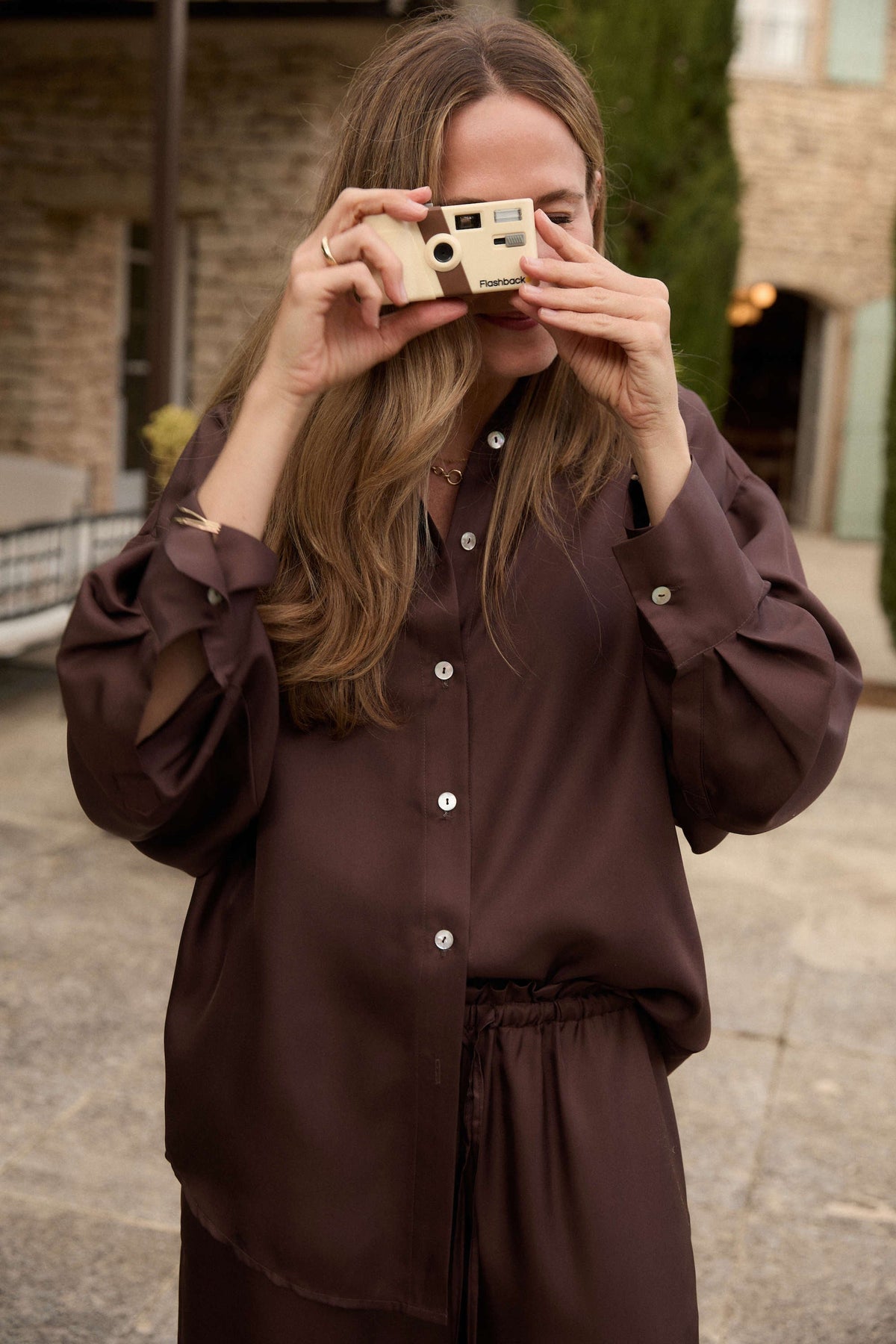
Pay attention to finishes and surface effects. A matte crepe or fine twill will softly diffuse light and read as sophisticated, whereas high-sheen sateen or smooth satin tends to read overtly as nightwear. Subtle textures such as slub, dobby or brushed surfaces help break glare and lend daywear credibility, while tighter woven constructions reduce transparency so you can avoid synthetic linings. For longevity, choose fibres or blends that resist pilling and retain a good hand; for example, pairing a cellulosic with cotton combines elegant drape with strength. Check how fabrics behave after washing, since fibres like linen develop an attractive hand over time. Finally, favour larger-scale or tonal prints, dimensional weaves and understated textures over small novelty motifs, piping or high-contrast trims that read explicitly as pyjamas.
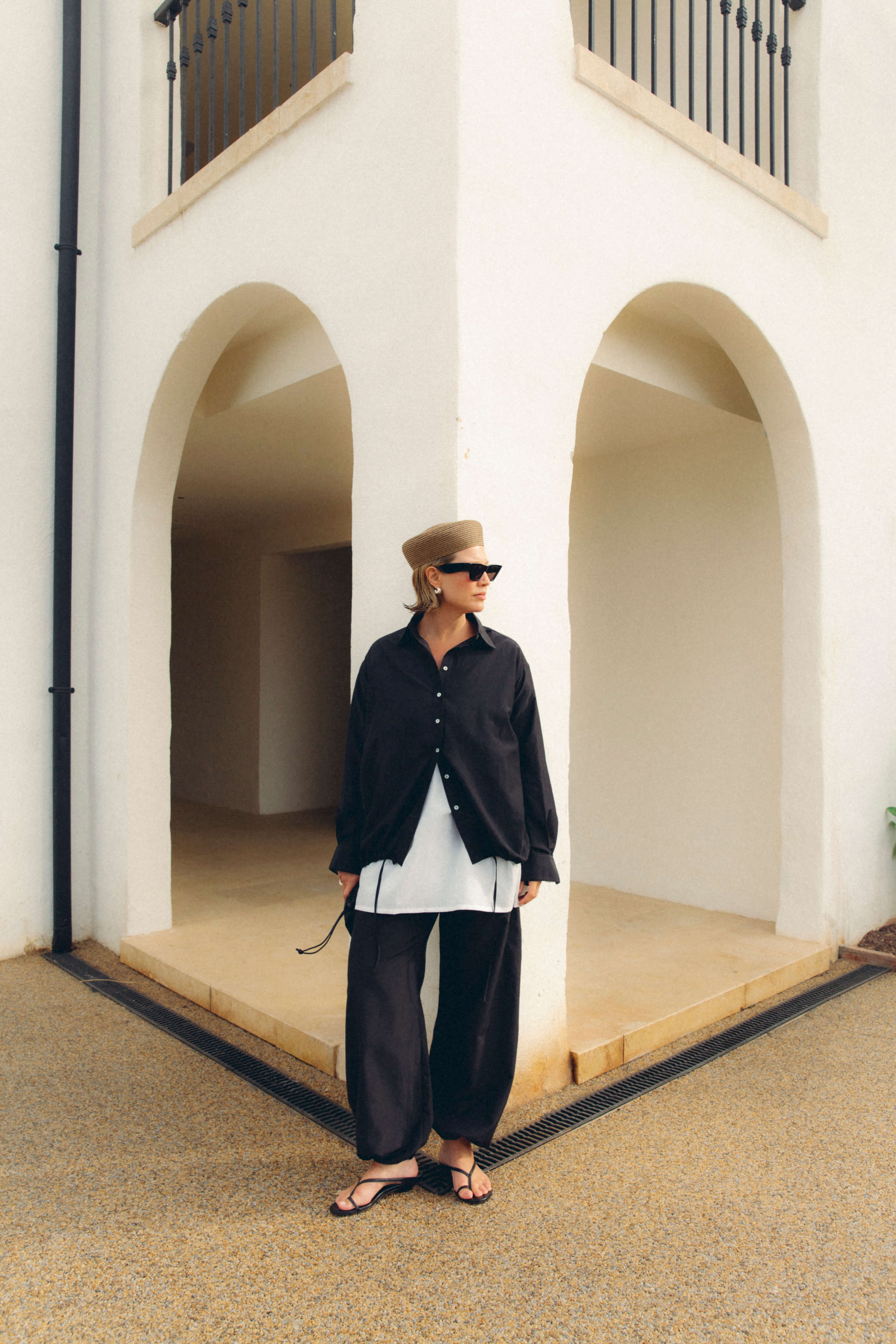
Choose organic cotton trousers for crisp, day-ready tailoring.

Balance fabric weight, drape and finish to shape daytime silhouettes
Begin with a simple drape test: hold a length of fabric at shoulder height, let it fall, then bunch and release. Fabrics that cling or collapse read as pyjamas, while those that skim the body and retain a soft edge read as daywear. Opt for matt or textured finishes rather than high sheen; glossy satins catch highlights and tend to signal sleepwear, whereas crepe, slubbed cotton and brushed finishes scatter light and feel more like everyday garments. Pairing a textured, matt surface with a fabric that skims rather than clings will shift perception towards a daytime top.
Match weave and weight to the intended silhouette. Plain weaves and twills lend body and a crisp finish for a shirt-like shape, while crepe and viscose weaves offer graceful drape for a relaxed, elevated top. Use weight as a practical guide: lightweight, semi-sheer fabrics tend to cling and feel intimate; midweights create a clean silhouette without stiffness; heavier weights support collars, cuffs and hems so a pyjama-inspired top reads as a blouse. Make small construction choices to adjust perception: add a lightweight lining to remove transparency, fuse low-loft interfacing at collars and cuffs for gentle definition, or use neat plackets, careful topstitching and slightly stiffer hems to sharpen edges. These considered fabric and making decisions provide tangible ways to translate a pyjama shape into credible daywear.
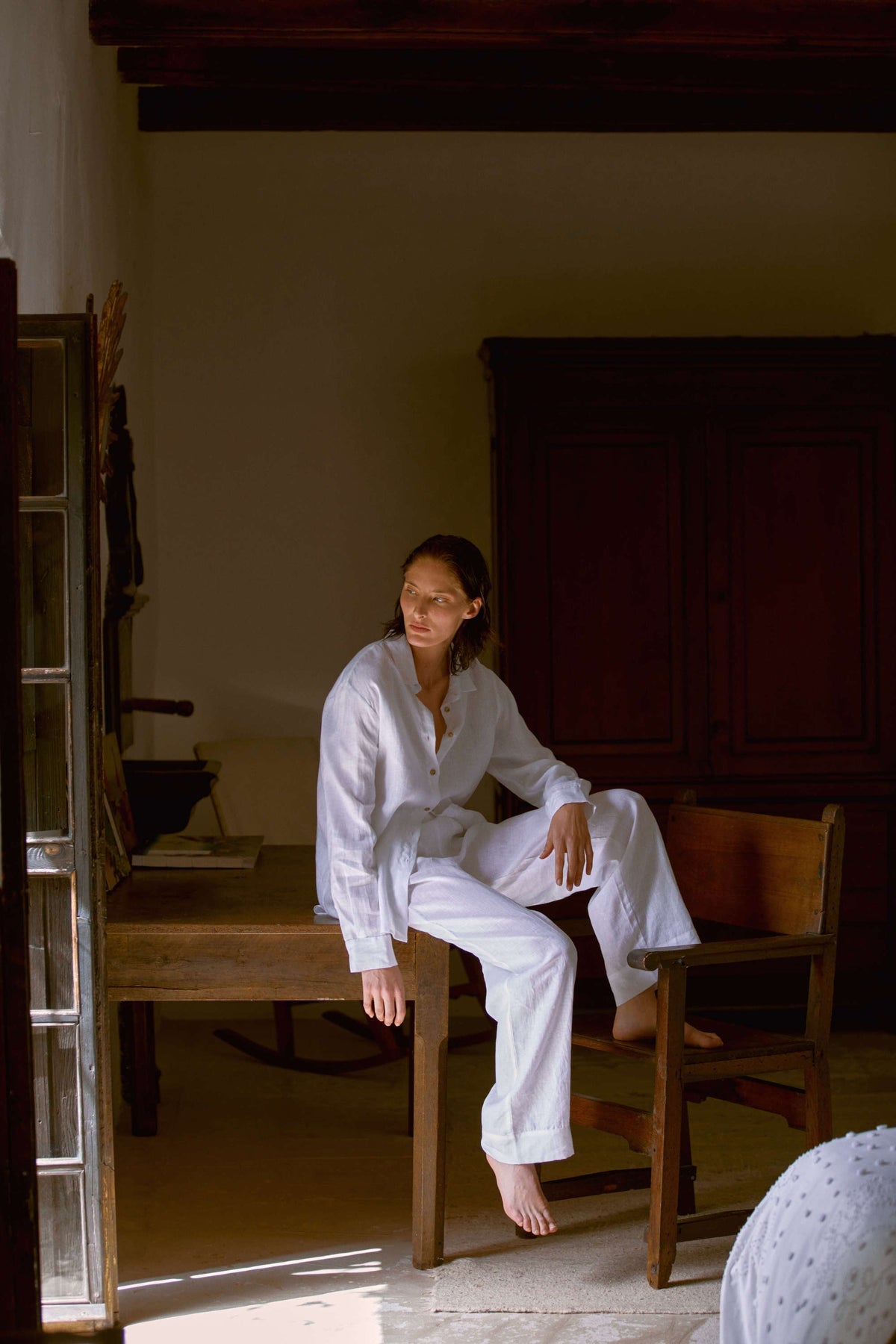
Use lightweight cotton to ground pyjama-inspired looks

Introduce subtle tailoring and considered styling to elevate a pyjama top
Ask a tailor to add darts at the waist, narrow the side seams or reduce the sleeve cap so the pyjama top sits like a blouse; removing excess fabric creates the measured silhouette of daywear. Refine the collar and cuffs by pressing and adding a subtle interlining, replacing oversized loops with small shirt buttons and securing cuffs with neat fastenings, since crisp edges read as intentional tailoring rather than nightwear. Shorten the hem to sit at the waistband, or reshape it into a clean straight line or a gentle curve so the top meets trousers or a skirt at a defined point and reads as a shirt.
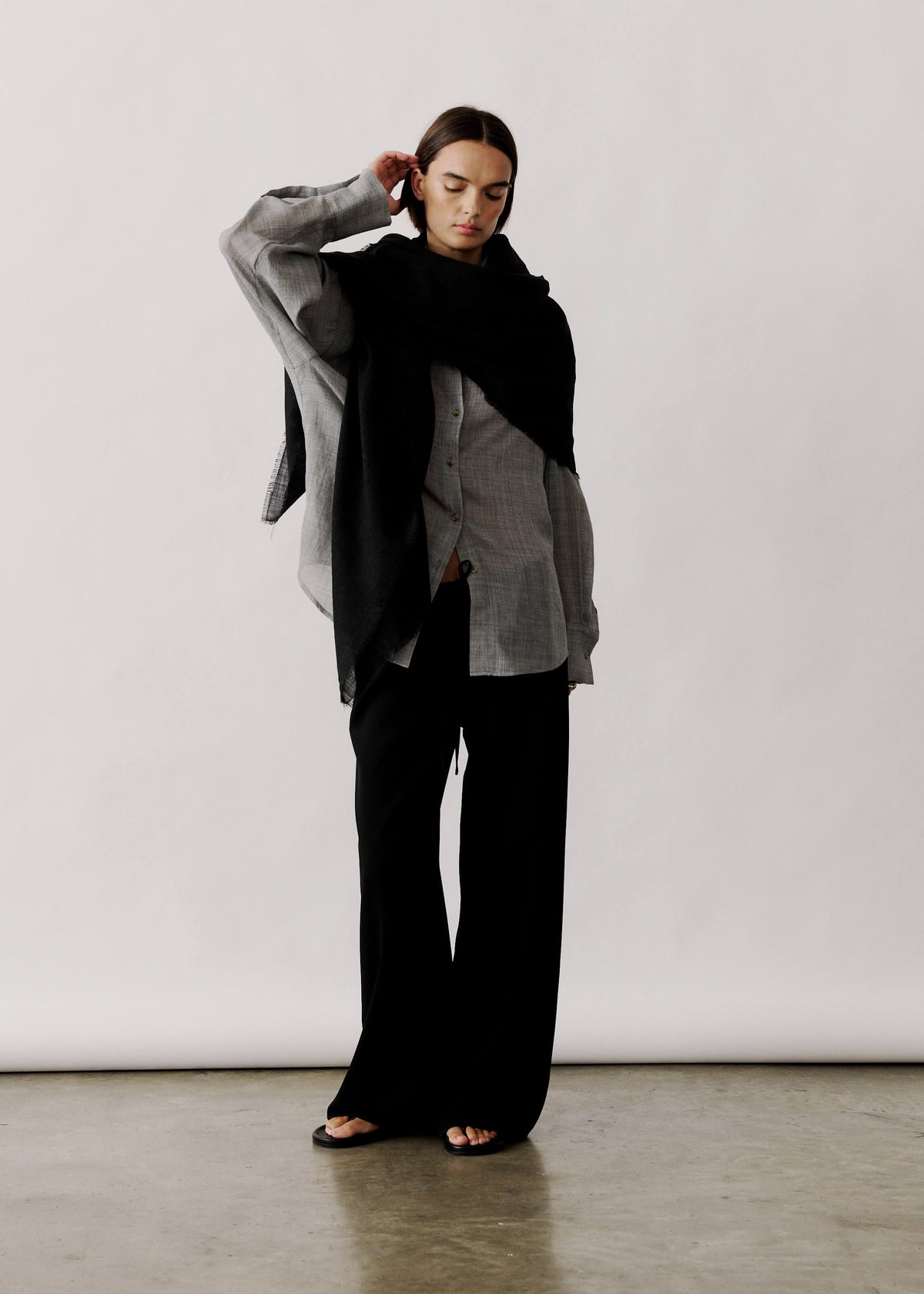
Define the waist with a slender belt, a discreet side tuck or a half-tuck into high-rise trousers to soften a boxy silhouette. Anchor the ensemble with structured layers: pair the pyjama top with a sharp blazer or tailored coat, choose tailored trousers and closed-toe shoes, and finish with minimal, polished accessories. Subtle tailoring and considered styling can transform a relaxed cut into a purposeful blouse while preserving the pyjama top's effortless ease and introducing the proportions the eye reads as daywear.
A pyjama top can read as deliberate daywear when you select fibres, weights and surface finishes that hold their shape and softly scatter light rather than cling or shine. Midweight poplin, crepe and regenerated cellulosics with a silk-like drape offer structure and movement, while matt textures and larger-scale prints mute the intimate cues of nightwear.
Subtle construction choices, from low-loft interfacing at the collar to neat hems, together with considered tailoring and structured layering, create the restrained silhouette of daytime attire. Apply the fabric tests and styling cues above to refine each piece so the pyjama top retains its relaxed ease while reading as purposeful whenever you step outside the home.
What sustainable fibres make a pyjama top read as daywear?
Midweight, natural or regenerated cellulosic fibres such as organic cotton, tightly woven linen, hemp, lyocell, and modal give shirt-like body or silk-like drape; look for poplin, twill, or shirting weights rather than ultra-light, sheer cloths.
How can I test whether a fabric will read as daywear rather than nightwear?
Hold a swatch at shoulder height, let it fall, then bunch and release: fabrics that cling and collapse read like pyjamas, while those that skim and keep a soft edge read as daywear; also favour matt or textured surfaces that scatter light over high-sheen finishes.
What construction or tailoring changes will make a pyjama top look like a blouse?
Introduce darts, narrow side seams, or shortened sleeve heads to reduce excess fabric, stiffen and press the collar and cuffs or add low-loft interfacing, and finish hems and plackets neatly so the shape reads intentional rather than sleepwear.
Which surface finishes and prints should I avoid or favour for daytime wear?
Avoid high-sheen sateen and small novelty motifs, piping, or high-contrast trims that read explicitly as nightwear, and favour matte crepe, slub, dobby, brushed textures, tonal or larger-scale prints, and dimensional weaves.
Should I add lining or interfacing to my pyjama top?
Yes; a lightweight lining removes transparency and low-loft interfacing at collars and cuffs preserves definition, giving daytime structure without losing the relaxed silhouette.

Leave a comment
This site is protected by hCaptcha and the hCaptcha Privacy Policy and Terms of Service apply.