
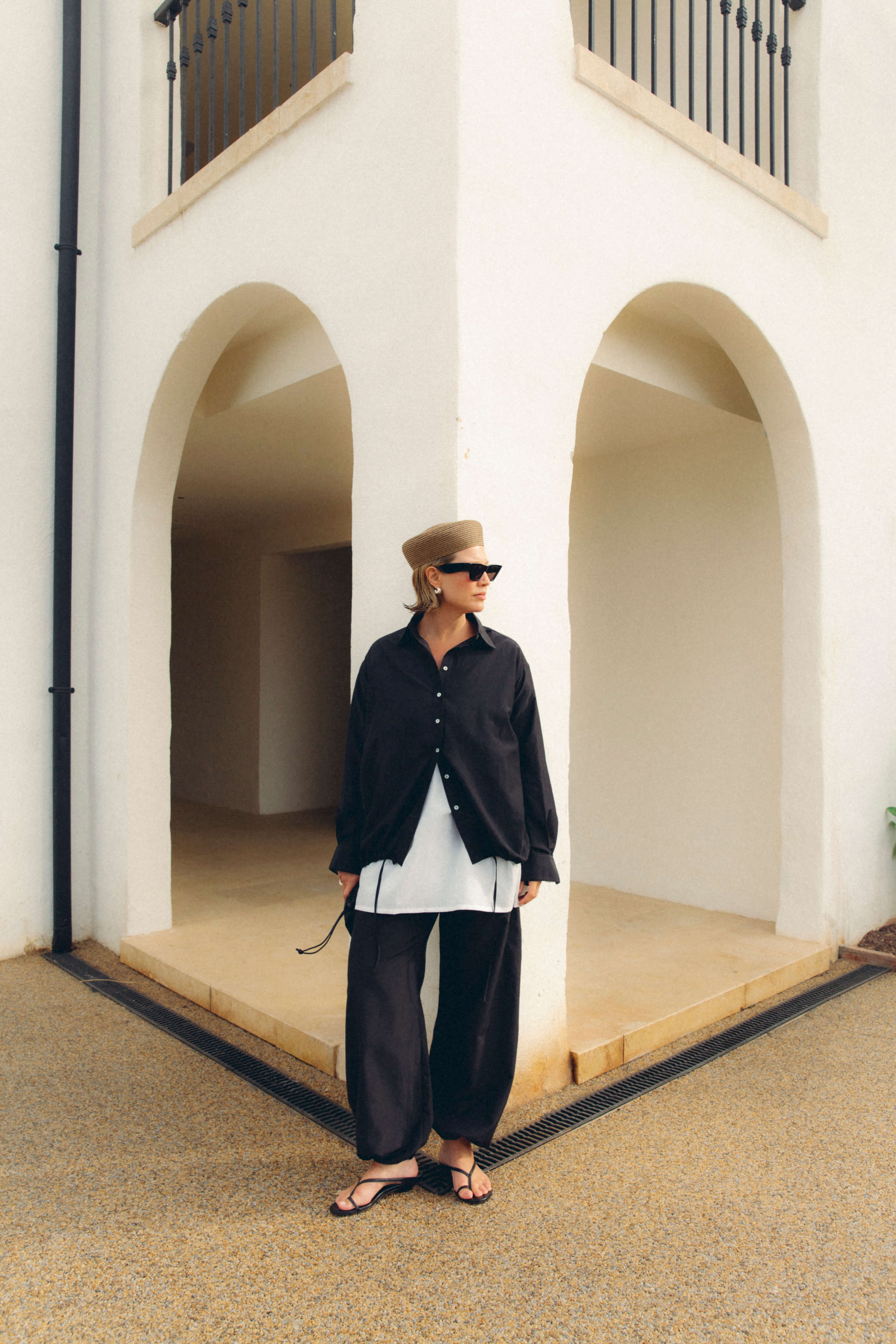


Create a Versatile Capsule Wardrobe with Relaxed Tailoring to Elevate Silk and Linen
Seeking a wardrobe that feels effortless yet refined and moves seamlessly from relaxed weekends to smarter occasions? Combining silk and linen with relaxed tailoring achieves that balance, yet many find it challenging to curate a small, versatile capsule that showcases texture, fit and longevity.
This post deciphers silk and linen, explains how to assemble a capsule wardrobe of adaptable silhouettes, and sets out styling and layering approaches to carry each piece gracefully through the seasons. It also outlines straightforward care routines to preserve fabric and shape, helping garments earn repeated wear and reduce wardrobe waste.

Silk and linen: embracing relaxed tailoring for effortless elegance
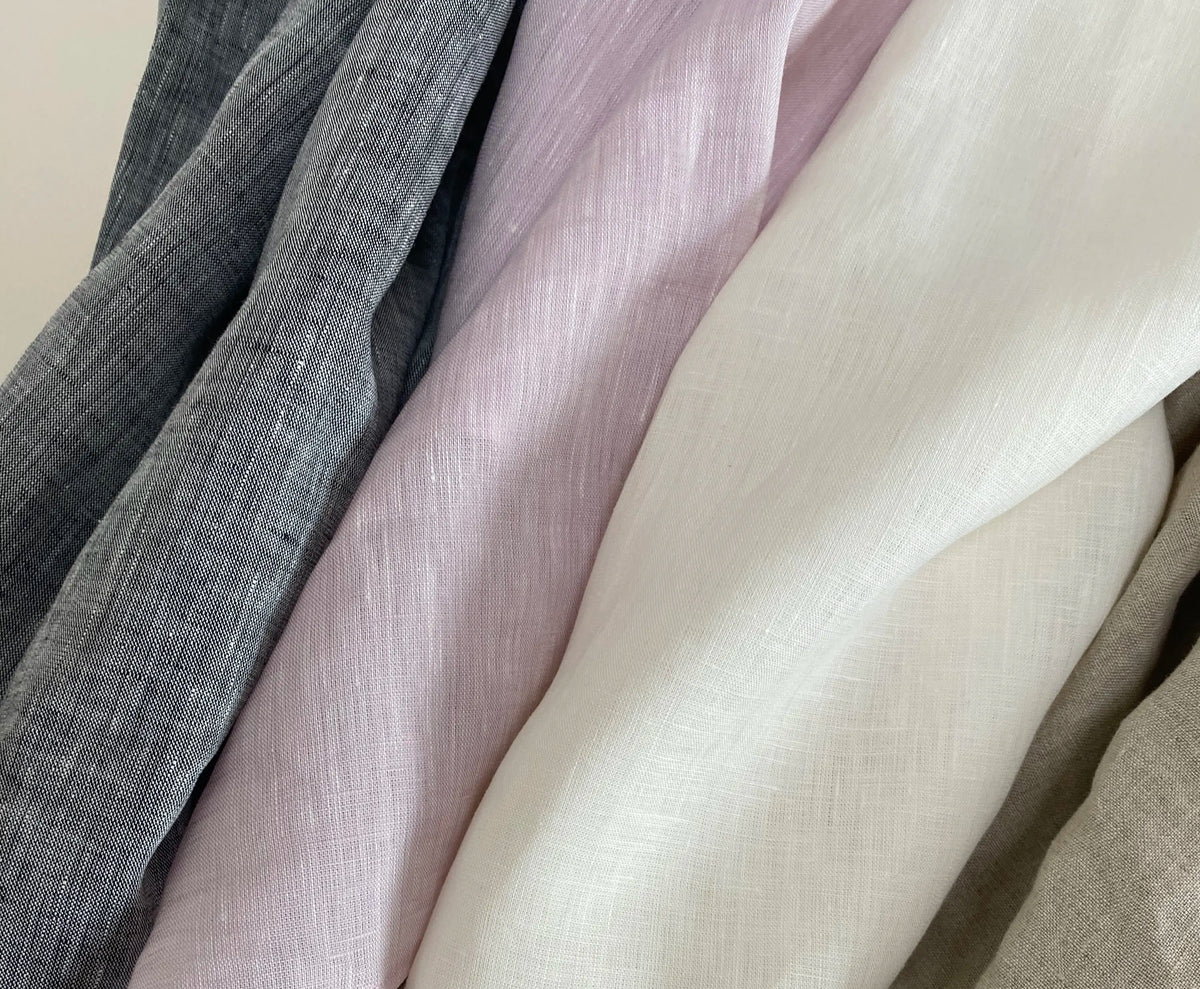
Silk, a continuous filament fibre, offers a natural sheen and excellent moisture management, creating a fluid, light-draping silhouette. Linen, formed from bast fibres, breathes, dries quickly and reveals a characteristic slub that feels relaxed and tactile. Create a relaxed-tailored capsule from five core pieces: a softly structured blazer with a gentle shoulder, wide-leg trousers or culottes, a bias-cut slip or a sleeveless silk shirt, a versatile linen button-through shirt and a silk or linen midi dress. Each item can be dressed up or down with thoughtful accessories and considered footwear. Select silk for pieces that should flow and catch the light, and linen for breathable, day-focused garments. Matching fabric to climate, intended wear and the silhouette you want will ensure both comfort and enduring elegance.
To elevate relaxed tailoring, balance loose silhouettes with a defined waist or a simple belt, and set silk's natural sheen against matte linen or knitted textures. Favour tonal colour and subtle texture mixing over busy prints so a capsule wardrobe feels cohesive and considered. Match fabric weights so layers sit cleanly, and choose small, thoughtful construction details that enhance movement and longevity: half-lining in blazers, eased seams, slightly longer armholes, modest shoulder pads or soft canvassing, and vents or box pleats in linen to preserve a graceful drape. Care and longevity begin at purchase. Hand-wash silk or use a gentle machine cycle with a pH-neutral detergent in cool water; launder linen on a standard cycle and remove while slightly damp for pressing. Store silk on padded hangers and fold heavier linen to avoid distortion, and attend to stains promptly with spot treatment to preserve drape and finish.
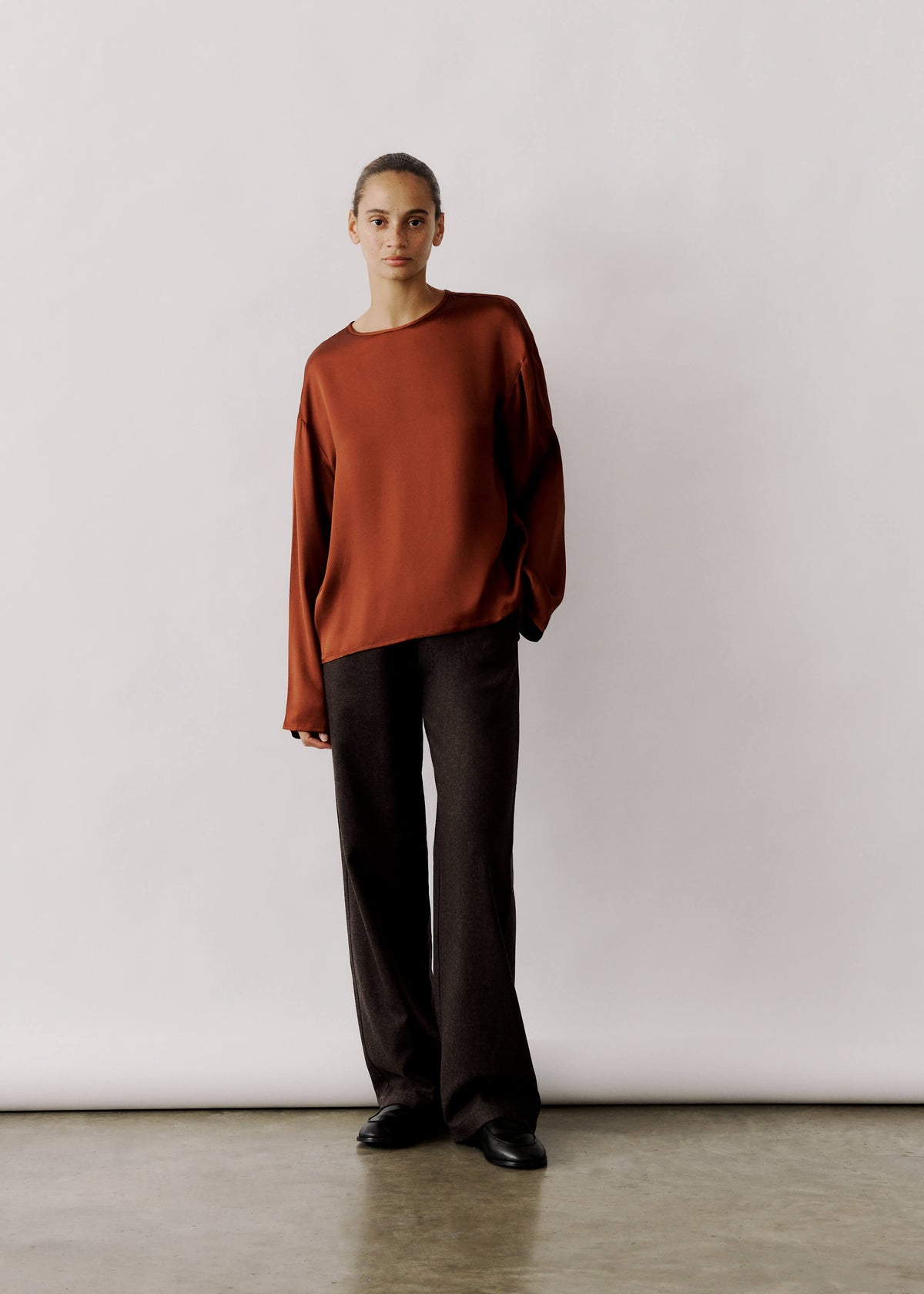
Choose a fluid silk shirt for luminous, relaxed tailoring.

Curate a core capsule of adaptable, timeless silhouettes
Anchor the capsule with five adaptable silhouettes: an unstructured blazer with softly shaped shoulders and a partial lining to sit effortlessly over silk blouses; a relaxed silk shirt cut on the bias for a fluid drape; high-rise trousers with a gentle taper and an optional cropped length; a slip dress designed to layer beneath blazers or knits; and a lightweight knit or cardigan that bridges warm and cool fabrics. Select midweight linen or linen blends for structure without stiffness, and choose silk in a bias cut or charmeuse finish to minimise creasing and enhance movement. Favour partial linings and softer interfacings to preserve a relaxed silhouette. Reinforce seams and staystitch at stress points, and keep shoulder padding minimal so garments drape rather than cling, allowing the capsule to read elevated while remaining relaxed.
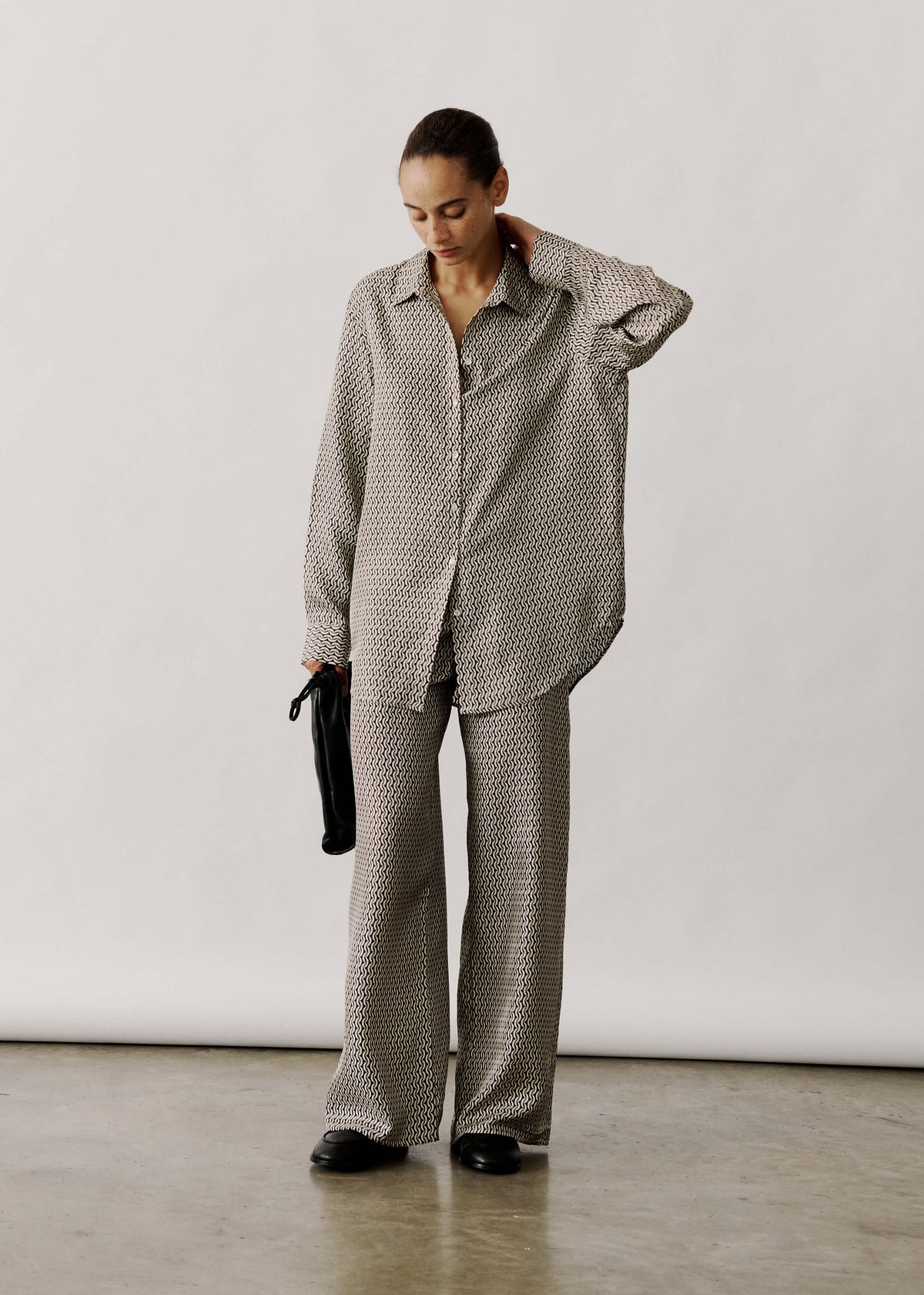
Follow simple proportion rules: if a top is oversized, pair it with tapered or cropped bottoms to avoid overwhelming the silhouette. If trousers are wide, shorten the hem by one to two inches to keep lines clean. Curate a compact palette of three to four neutrals such as ecru, stone, navy and black, and introduce a single accent colour or a patterned silk as a focal point. Layer tonally to create elongating silhouettes while allowing the tactile contrasts between linen, silk and knit to show. Mix and match by tucking a relaxed silk shirt into tapered linen trousers for daytime polish, slipping a bias-cut dress beneath an unstructured blazer for evening, or wearing a lightweight knit over a silk blouse to soften sheen. Choose accessories that echo a fabric tone to unify looks and extend wear across seasons.
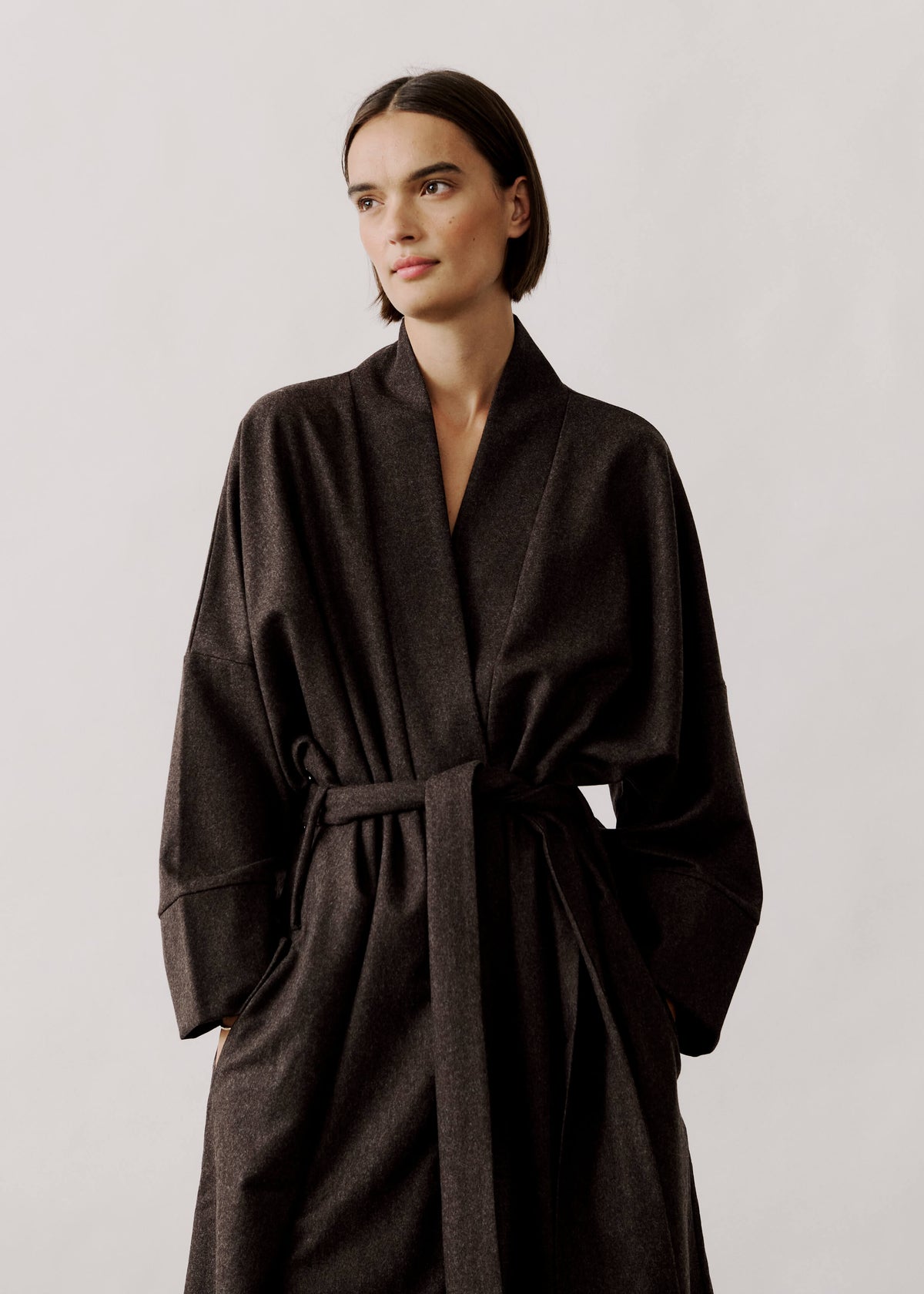
Slip into a bias-cut dress for effortless layered polish.

Style, layer and care for garments to ensure they last
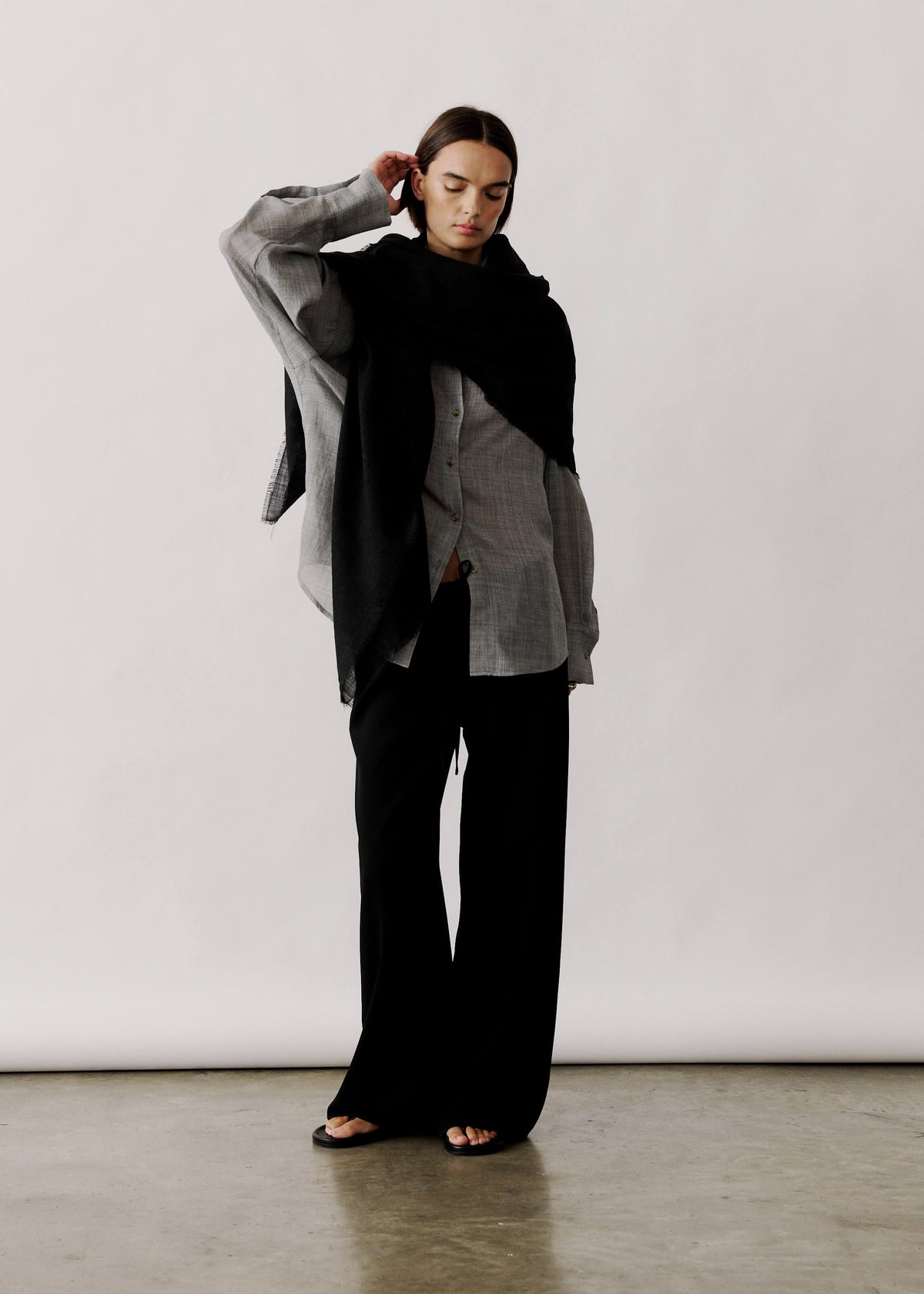
Relaxed tailoring is about measured proportion rather than laxity. Keep shoulders neatly fitted, allow a gently eased body and choose hem lengths with intention so jackets, trousers and shirts sit with quiet purpose. Take key pieces to a tailor to refine the shoulder line, shorten sleeves or taper trouser legs for a cleaner silhouette that still feels relaxed. Elevate looks through textural contrast by pairing matte, slubby linen with lustrous silk, and layer a silk camisole beneath an open linen shirt to reduce friction between fibres.
Choose lightweight linings for relaxed jackets to reduce internal abrasion and prolong the life of both lining and outer fabric. Protect delicate areas from body oils with a silk scarf or slip. Wash silk with a mild, pH-neutral detergent, either by hand or on a gentle machine cycle, and avoid prolonged sun exposure as protein fibres will weaken if left in direct light. Prewash linen to control initial shrinkage, reshape garments while damp, and avoid tumble drying. Rotate pieces to distribute wear evenly, and mend or reinforce buttons and seams at the first sign of strain. Remove creases with low-temperature steam or a press cloth, and store garments in breathable conditions to prevent yellowing and pest damage.
A small capsule built around silk and linen with relaxed tailoring balances effortless ease and considered structure, letting texture, fit, and careful maintenance extend wear and versatility. Using adaptable silhouettes, such as a softly structured blazer, bias-cut silk pieces, high-rise trousers, a slip dress, and a lightweight knit, creates outfits that move between relaxed days and smarter occasions.
Demystify silk and linen by curating a pared-back palette and adaptable silhouettes, and follow straightforward care routines to preserve drape, minimise creasing and limit wardrobe waste. Tailor essential fits, favour midweight linen and bias-cut silk where movement matters, and opt for gentle laundering so garments earn repeated wear and reward considered editing.
What are the key differences between silk and linen, and when should I choose each?
Silk is a continuous filament fibre with natural sheen, strong moisture management, and fluid drape, so choose it for pieces that should flow and catch the light; linen is a bast fibre that breathes, dries quickly, and shows a slubby texture, so choose it for breathable, day-focused garments and more structured shapes.
How do I build a small, versatile capsule using relaxed tailoring?
Anchor the capsule with five adaptable silhouettes — a softly structured blazer, bias-cut silk shirt or slip, high-rise trousers with a gentle taper, a linen button shirt, and a lightweight knit — then keep a compact palette of three to four neutrals with one accent, match fabric weights, and layer tonally to mix texture and maintain cohesion.
How should I care for silk and linen to preserve drape and longevity?
Hand-wash silk or use a gentle machine cycle with a pH-neutral detergent in cool water, avoid prolonged sun exposure, and store silk on padded hangers; launder linen on a standard cycle, remove while slightly damp to press, pre-wash to control shrinkage, fold heavier linen to prevent distortion, spot-treat stains, and mend seams promptly.
What styling and layering strategies make pieces work across casual and smarter occasions?
Balance loose silhouettes with a defined waist or belt, contrast silk sheen with matte linen or knits, and use proportion rules such as pairing oversized tops with tapered or cropped bottoms; tuck a silk shirt into tapered linen trousers, layer a slip dress under a blazer, or wear a lightweight knit over a silk blouse to shift formality.
Should I alter relaxed-tailored pieces, and which adjustments matter most?
Yes; take key pieces to a tailor to adjust shoulder fit, shorten sleeves, or taper trouser legs for a cleaner silhouette while keeping the eased body, and specify subtle construction features like partial linings, small shoulder pads, and reinforced seams to preserve movement and durability.


Leave a comment
This site is protected by hCaptcha and the hCaptcha Privacy Policy and Terms of Service apply.