



Edit Silk and Linen into a Calm, Timeless Wardrobe Capsule
Does your wardrobe feel noisy, full of garments that complicate mornings rather than solve them? A focused edit of silk and linen in a calm palette simplifies decisions, lets quality fabrics perform better, and creates outfits you reach for first.
Start with timeless silk and linen in muted tones, then build a small, interchangeable capsule of versatile silhouettes that layer and mix with ease. Adopt simple care routines, practise selective editing, and refine styling habits to keep garments wearable, minimise waste, and make dressing a calmer, more confident ritual.

Choose timeless silk and linen in muted, soothing tones
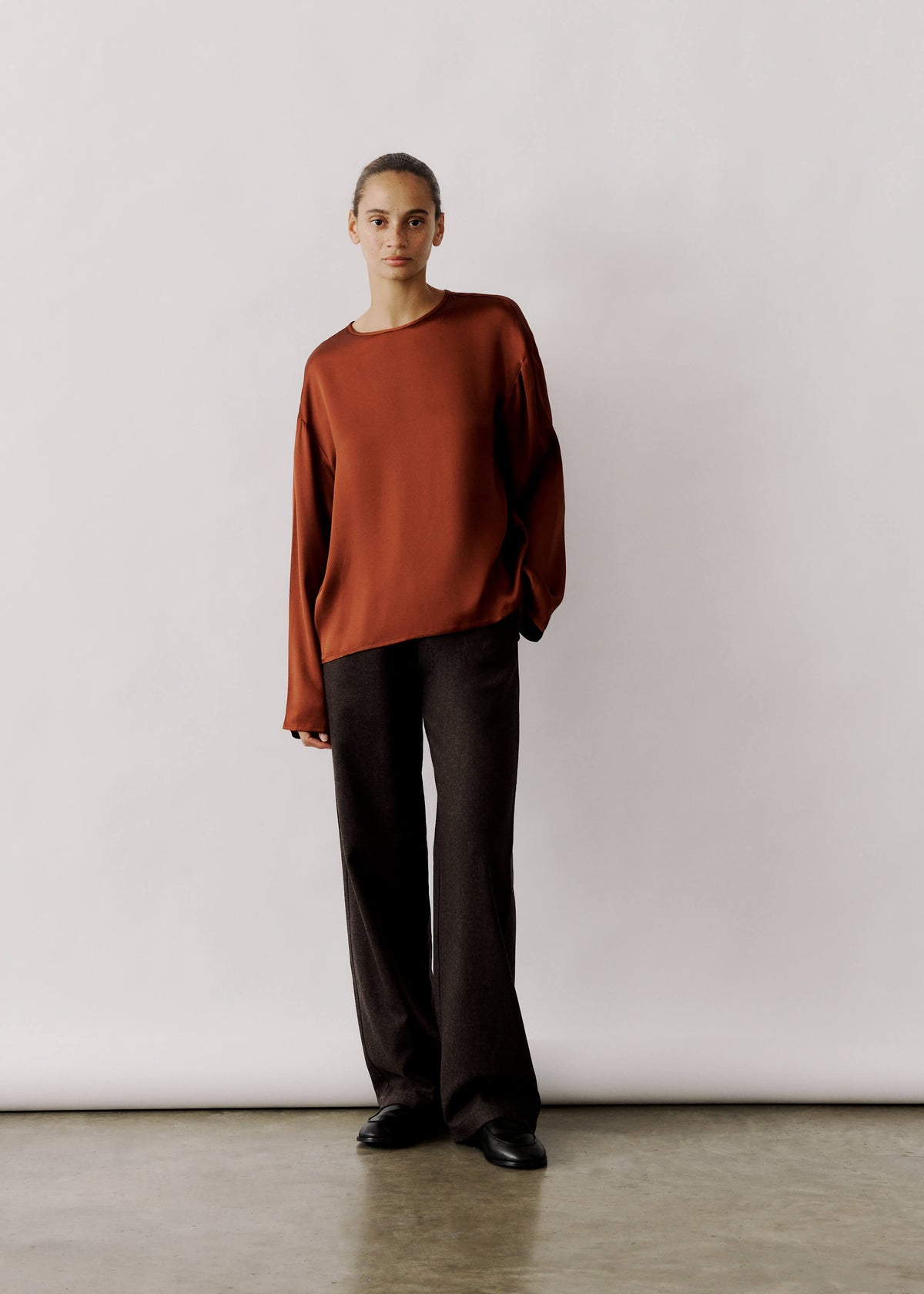
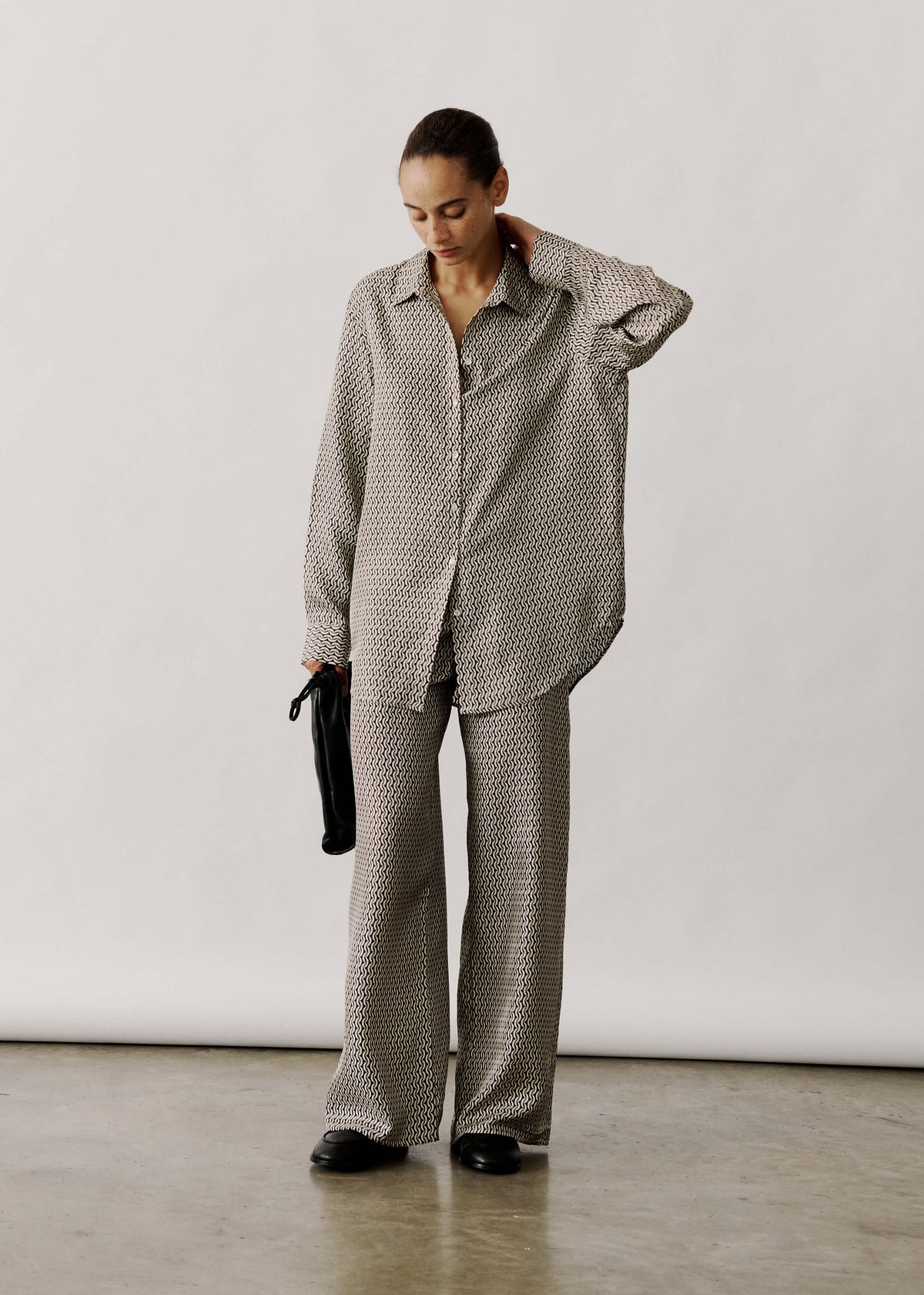
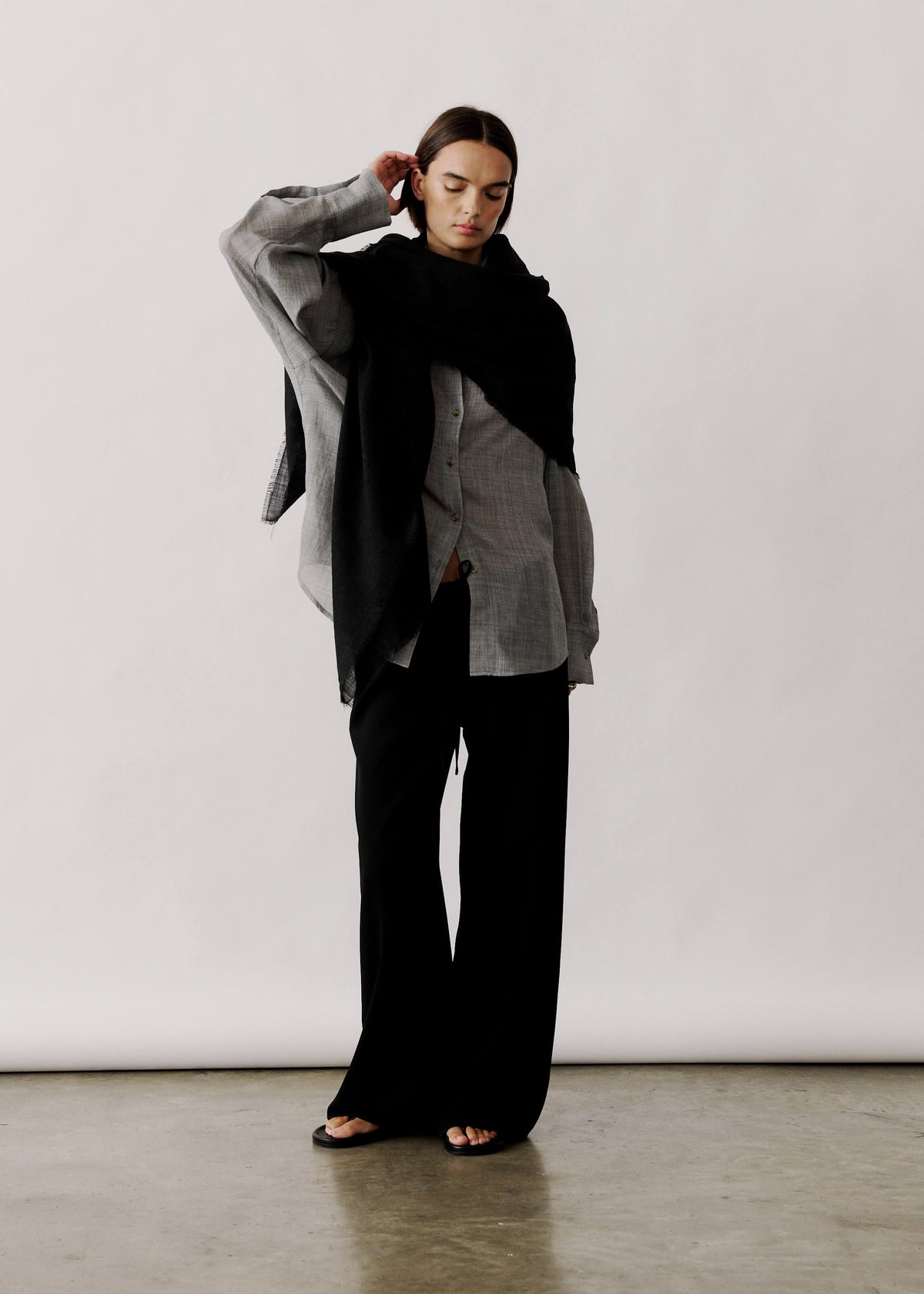
Compose a subtle colour scheme by choosing two neutrals and a soft accent within the same tonal family. Aim for a roughly 60, 30, 10 distribution so each piece pairs effortlessly, and favour subtle variations of the same hue over high contrast. Choose linen or silk according to finish and intended use. Washed or slub linen breathes, softens with wear, and conceals small creases, making it ideal for relaxed, everyday pieces. Different silk weaves alter drape and sheen: crepe holds structure, while charmeuse skims the body. Bear in mind that silk fibres weaken with prolonged UV exposure, so reserve the most delicate weaves for low-sun situations and match the weave to how the garment will move and the level of care you are willing to give. Build a compact wardrobe around five interchangeable silhouettes: a relaxed shirt, tailored trousers, a slip or bias skirt, a lightweight jacket, and a scarf or camisole for layering.
Thoughtful care extends a garment’s life and preserves a calm, considered aesthetic. Spot-test dyes first, use a pH-neutral detergent, then either hand wash or run a delicate machine cycle inside a mesh bag. Reshape pieces while damp and air-dry them out of direct sunlight. Store silk in dark, well-ventilated spaces, and mend small seam failures promptly to prevent larger damage. Introduce interest through texture and finish rather than bold colour: favour slub or washed linen, pair matte silk with a gentle lustre, and choose tonal stitching, fine pintucks, and small, unobtrusive buttons. These subtle details elevate perceived richness, conceal minor wear, and allow each piece to move effortlessly between occasions with minimal styling.
Adds a soft blush layer for effortless tonal dressing

Create a compact capsule of timeless, interchangeable silhouettes
A compact set of six silhouettes anchors a versatile wardrobe: a relaxed linen shirt, a silk blouse, tailored trousers, a midi skirt, a lightweight jacket, and a simple slip dress. These pieces cover casual, work, and dressier looks, with proportions chosen to layer cleanly and minimise visual clutter. Limit neutrals to three tones and introduce a single accent. Balance matte linen with lustrous silk so mixed textures read deliberate rather than busy; the contrast of sheen and matte clarifies layers, with silk offering drape and linen providing structure. A restrained palette maximises every pairing and reduces decision fatigue. Adopt a few reliable outfit formulas to speed dressing. For polished occasions, pair a silk blouse with trousers and a jacket. For relaxed days, wear a linen shirt with a midi skirt and sandals. For evenings, choose a slip dress with a jacket and loafers. Swap one piece, for example a lighter jacket or sandals for loafers, to shift formality or adapt to changing temperatures.
Pre-wash linen to stabilise shrinkage. Hand-wash silk, or launder on a delicate cycle inside a wash bag; steam silk on the reverse, and press linen while damp to restore drape. Rotate garments to even out abrasion, address snags and loose threads promptly, and replace buttons or reinforce stress points before they fail. Make minor alterations to refine the fit so pieces layer without bulk, and treat these small repairs as routine maintenance — small, timely interventions prevent larger damage, extend each item’s useful life, and help maintain a calm, cohesive wardrobe.
Adds an airy silk layer for effortless summer outfits.

Care for, alter, and style garments for lasting wear
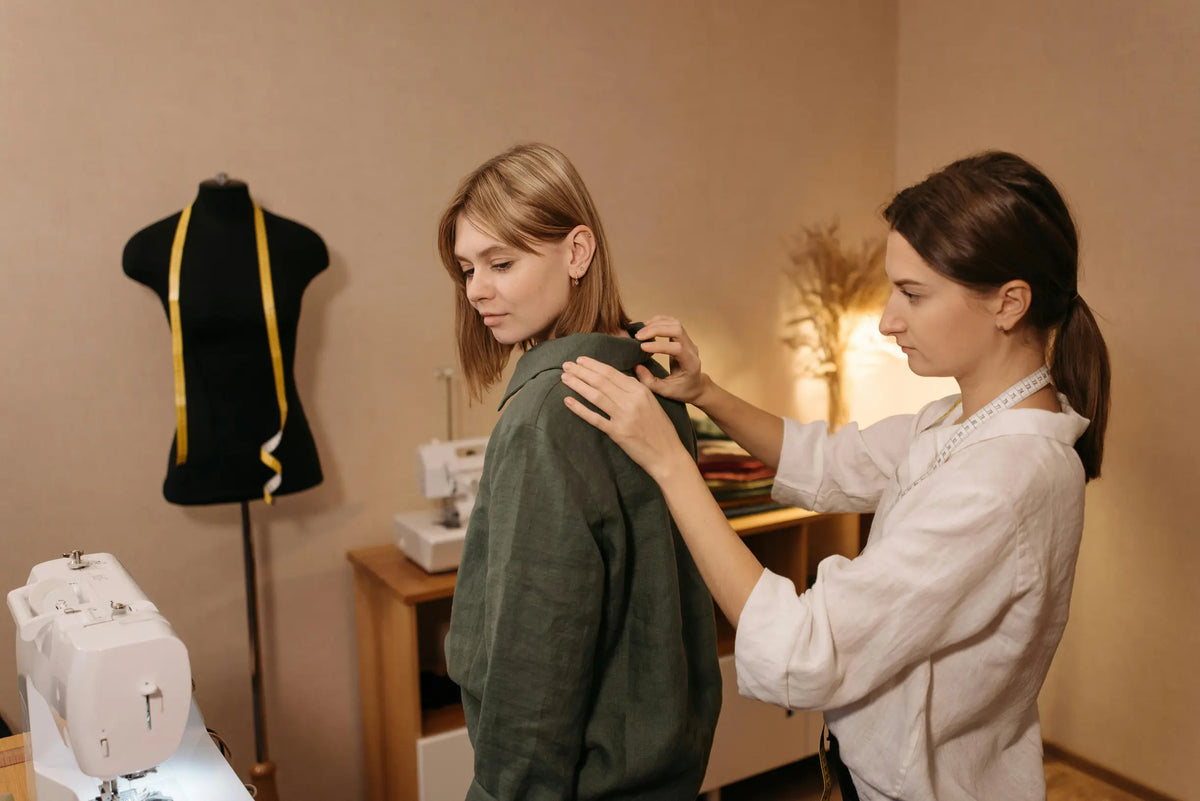
Audit each garment by trying it on and moving through everyday actions to assess fit and mobility. Inspect seams, hems, and high-wear areas for thinning, pulls, or abrasion, and hold the fabric up to the light to reveal uneven wear. Retain pieces that pass these condition and fit checks. Mend minor faults with small stitches or by resecuring loose trimmings, and recycle or sell items that cannot be restored. Use small, targeted alterations—taking in a side seam, shortening a sleeve, or adding a dart—to refine the fit, and consult a professional tailor for structural changes that affect long-term wearability.
Follow fabric-specific care to preserve fibre strength, drape, and appearance. Silk Hand-wash silk in cool water with a mild detergent, and avoid vigorous agitation that can weaken fibres and dull the weave. Press excess water between a towel rather than wringing, then dry flat or on a padded hanger out of direct sunlight to protect colour and sheen. Linen When the label permits, machine-wash linen on a gentle cycle. Reshape garments while damp and iron or press them slightly damp to relax the fibres; this encourages the softening and natural slub that gives linen its character. Storage and small repairs Store silk on padded hangers to preserve shoulder shape, and fold heavier linen to prevent stretch. Keep both fabrics in breathable storage to reduce moisture and odour build-up. Rotate pieces within a small set to distribute wear, and have a basic repair kit and a few tested stain treatments at hand so you can address issues promptly. Building a calm, wearable wardrobe Choose a limited colour palette and three complementary silhouettes, favouring texture contrast between silk and linen. Assemble interchangeable outfit formulas — for example, a fitted top with loose trousers, or a midi dress with a lightweight layer — so individual pieces work together effortlessly. Photograph a handful of go-to combinations to record what works, and use those images as quick reference when dressing.
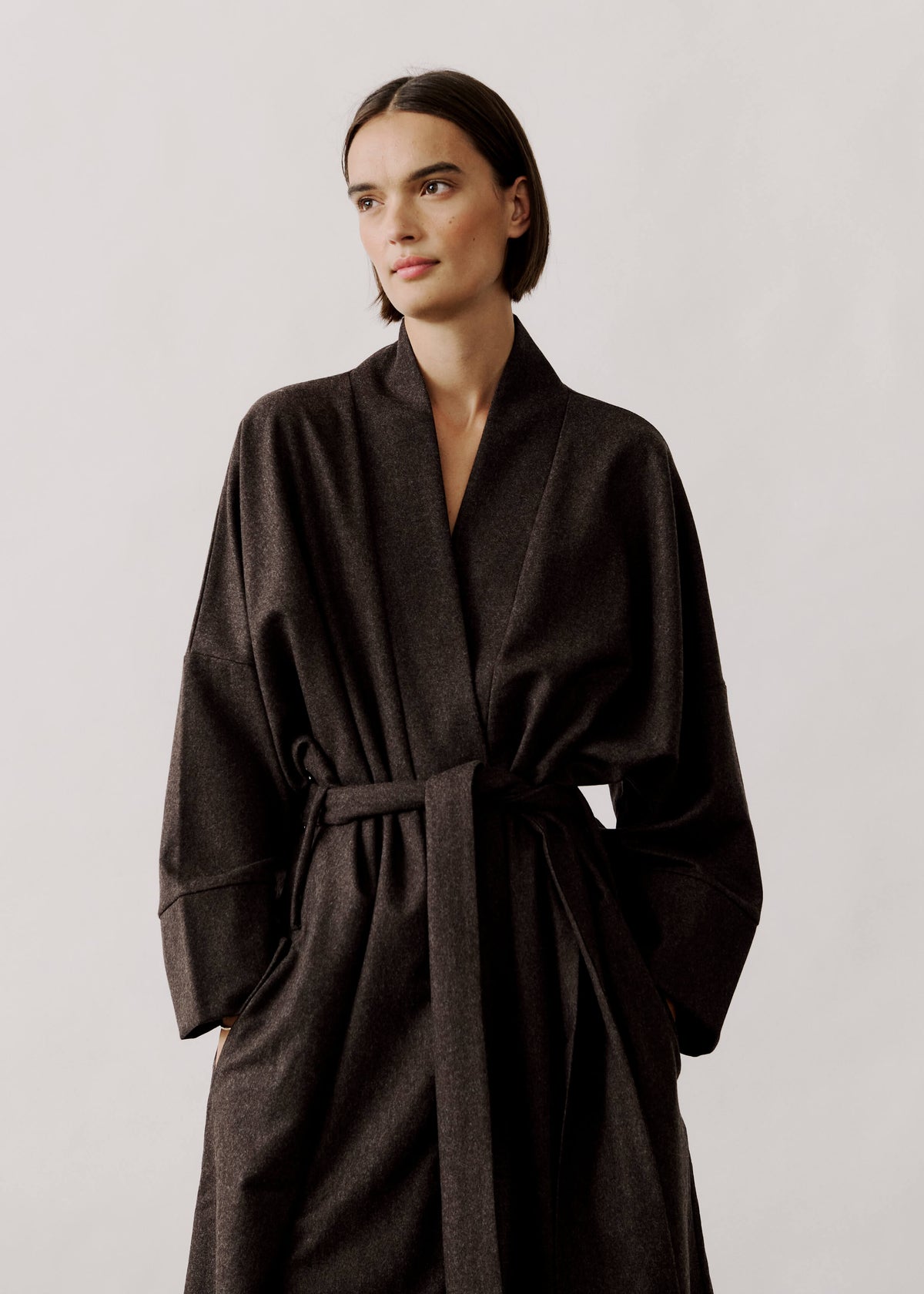
To bring these care and assembly steps together, curate silk and linen into a restrained palette and a small set of interchangeable silhouettes to reduce decision fatigue and make you reach for each piece more often. Select two or three neutrals with a soft accent, and balance matte linen against lustrous silk so texture and proportion create interest without visual clutter.
For quick reference, follow the article headings: Care, Assemble, Edit. Pre-wash and reshape linen, hand-wash silk, mend small faults promptly, and rotate garments to preserve drape and fibre strength. These deliberate habits save time each morning by reducing ironing and last-minute adjustments, prolong a garment's life by preventing stress points and abrasion, and keep a wardrobe cohesive so pieces work together rather than compete for attention.
What colours and proportions create a calm silk and linen capsule?
Choose two neutrals and one soft accent in tonal ranges, favouring variations of the same hue and a roughly 60, 30, 10 distribution so every piece pairs easily.
How should I care for silk and linen to preserve drape and fibre strength?
Hand-wash silk in cool water with a mild, pH-neutral detergent and avoid vigorous agitation, pressing excess water with a towel and drying away from direct sunlight; machine-wash linen on a gentle cycle when permitted, then reshape while damp and press to restore drape.
When should I pre-wash and reshape linen garments?
Pre-wash linen before first wear to stabilise shrinkage, then reshape garments while damp and press or iron slightly damp to relax fibres and encourage the softening that comes with gentle repeated washing.
Why is repairing small faults early important, and how do I maintain pieces routinely?
Fixing snags, loose threads, or failing seams early prevents larger damage and extends useful life; rotate items to even abrasion, replace or reinforce stress points before they fail, and keep a basic repair kit and stain treatments on hand.
What core silhouettes make a compact, interchangeable silk and linen set?
Build around a relaxed shirt, tailored trousers, a slip or bias skirt, a lightweight jacket, and a scarf or camisole so pieces layer and mix effortlessly across casual, work, and dressier looks.


Leave a comment
This site is protected by hCaptcha and the hCaptcha Privacy Policy and Terms of Service apply.