
Balancing volume and flow: outerwear silhouettes for loose silk pyjamas
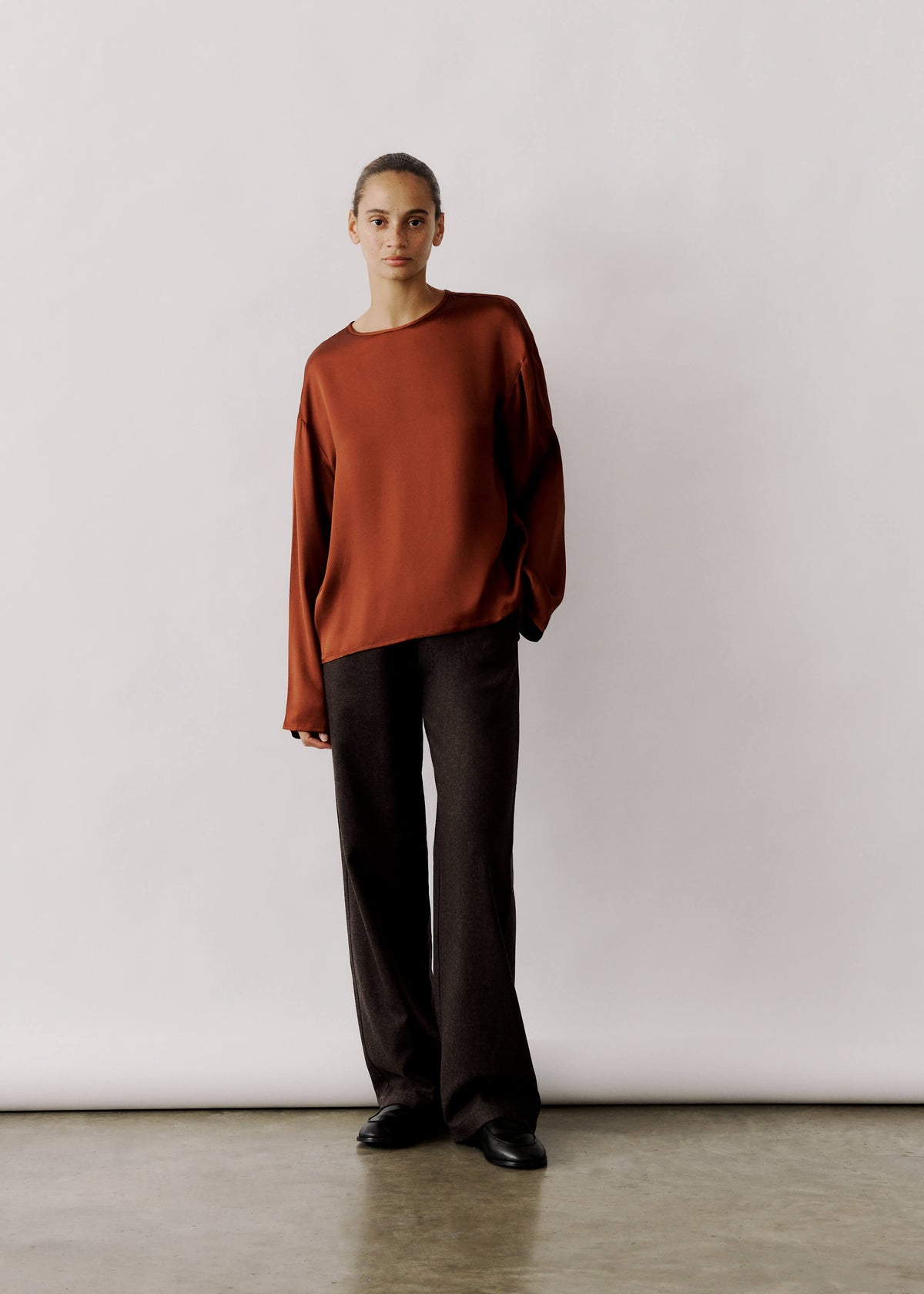
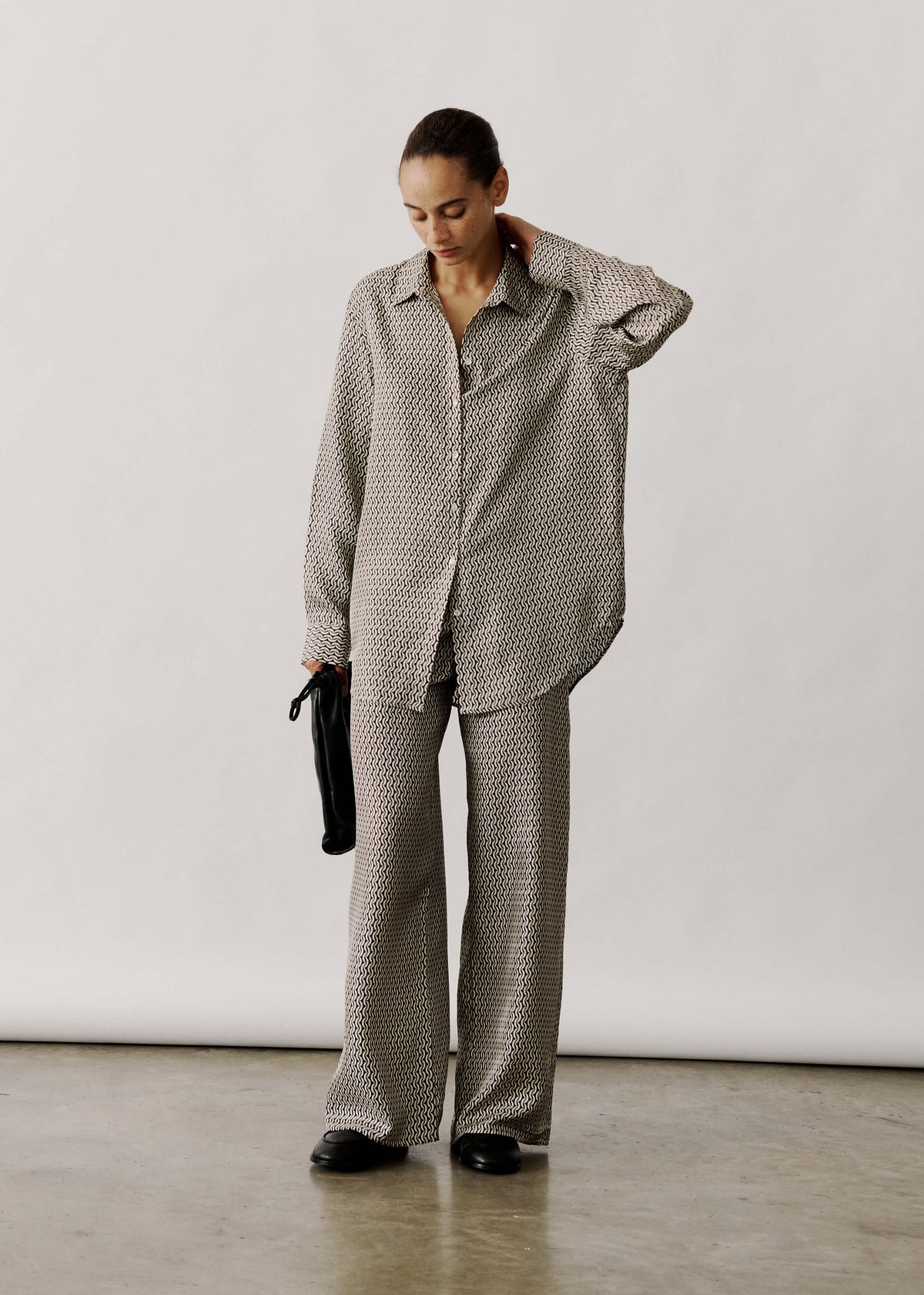
A loose silk pyjama top reads indulgent, but its volume can overwhelm a slight frame or tip an outfit towards casual. Balance proportion with outer silhouettes that add structure without stifling the fabric: cropped or single-breasted blazers that sit at the waist, high-waisted tapered trousers, a belted coat to define the silhouette, or a fitted waistcoat. Preserve the top's silk movement with small styling choices: partially tuck the front to reveal the waistline, shorten a sleeve or hem to show a little skin, choose a streamlined shoe to ground the look, and keep jewellery minimal so the fabric remains the focal point.
This post explains how to assess a pyjama top’s fabric, fit, and drape, recommends complementary outer silhouettes, and sets out how layering, closures, and accessories can restore proportion and define the silhouette. It offers practical checks and simple combinations to try so the pyjama top looks considered and polished rather than sloppy.

How to assess a pyjama top's fabric, fit, and drape
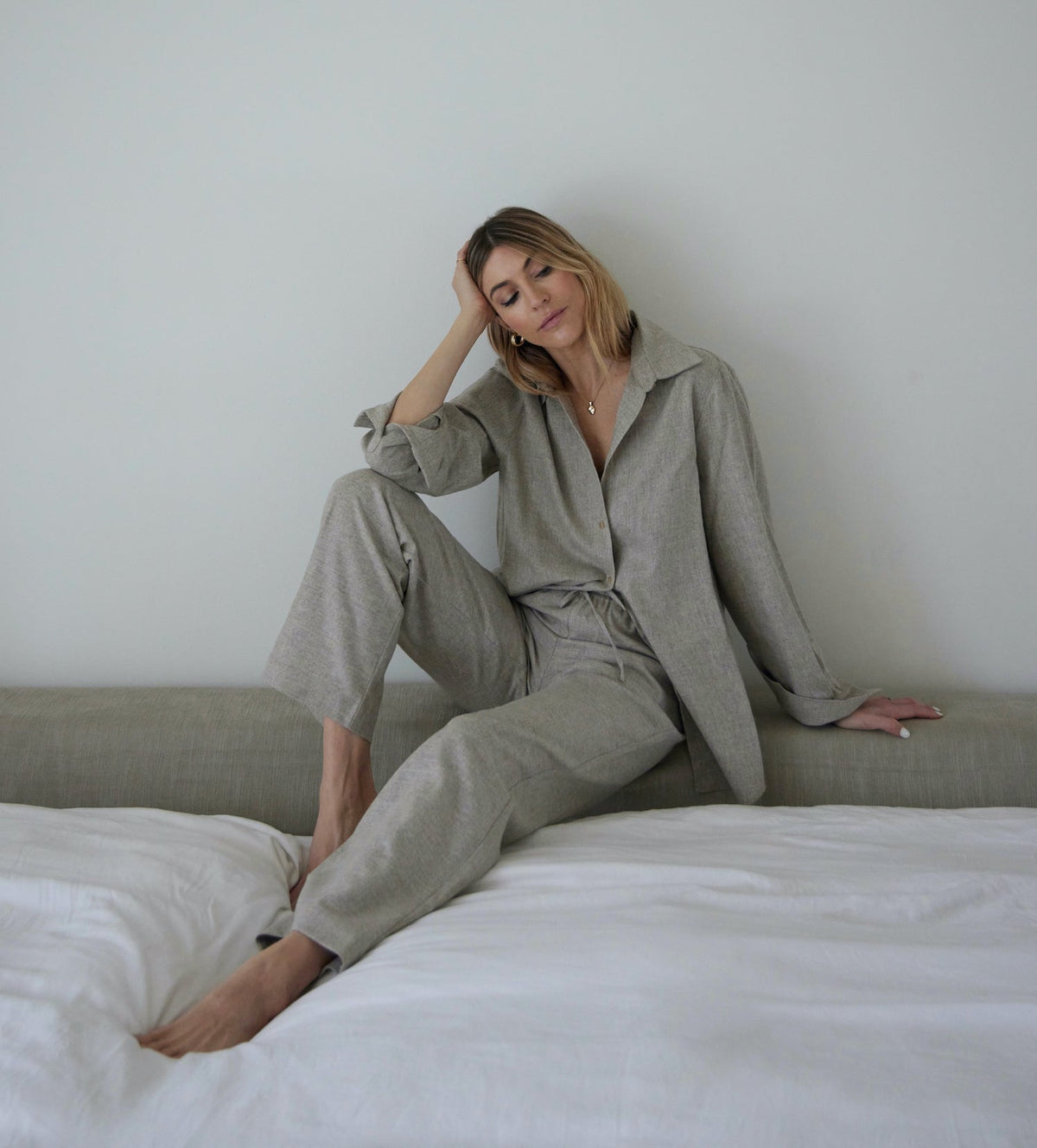
Begin with the fabric weight and weave: read the label for momme or grams per square metre, then hold the pyjama top to the light. Pinch a fingertip between thumb and forefinger to judge the hand and translucency — lighter silks will flutter and give, while heavier silks hang with more substance. Test the drape in motion by raising your arms, reaching forward, and walking; a top that skims the body will move in long vertical folds and smooth lines, which is typical of a fluid bias drape, whereas bulky horizontal creases suggest excess volume. Examine cut and construction for shaping: shoulder seams should sit at your natural points, sleeve-cap fullness and hem finishes reveal where fabric will press or pool, and features such as bias-cut panels, shaped side seams, and reinforced necklines help control volume without adding weight. Lastly, inspect finish and care signals — look for static cling, uneven sheen, and how the fabric recovers after pinching or a brief steam; blends and finishing treatments change softness and weight, and laundering can tighten or relax the weave.
Use simple fitting tweaks to judge balance: try a half-tuck into high-waisted trousers to define the waist, knot a side hem to reduce bulk, or layer the top beneath a structured jacket to set the silk’s fluidity against tailored lines. Observe which adjustments preserve the silk’s drape and which flatten it. If a half-tuck produces smooth bias lines, the fabric responds well to styling; if it bunches or resists smoothing, the piece may need tailoring or a different cut. Test these moves across a few silhouettes, and choose pyjama tops that respond predictably to styling and care.
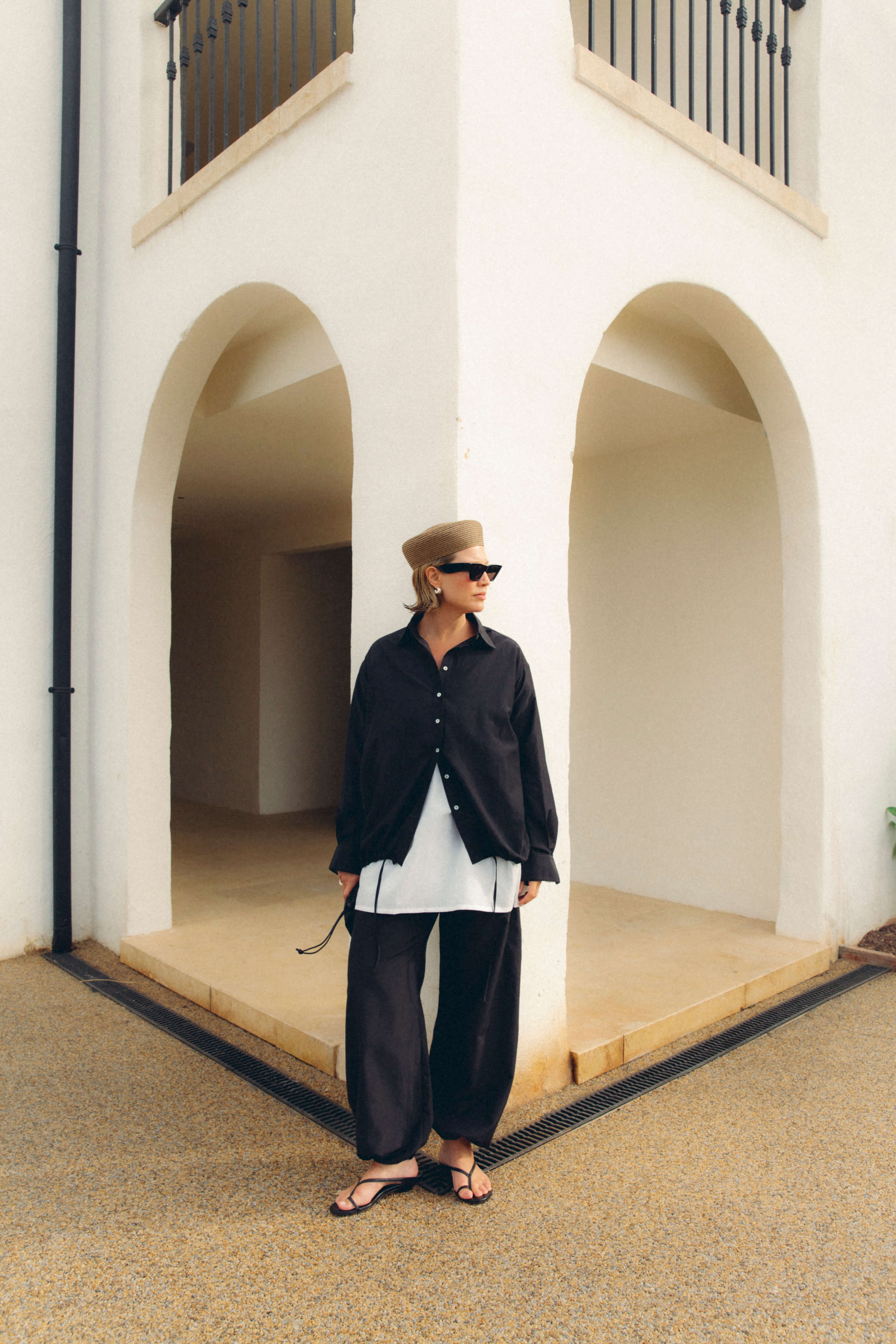
Knot or half-tuck an oversized silk-cotton shirt.

How to pair complementary outer silhouettes for effortless balance
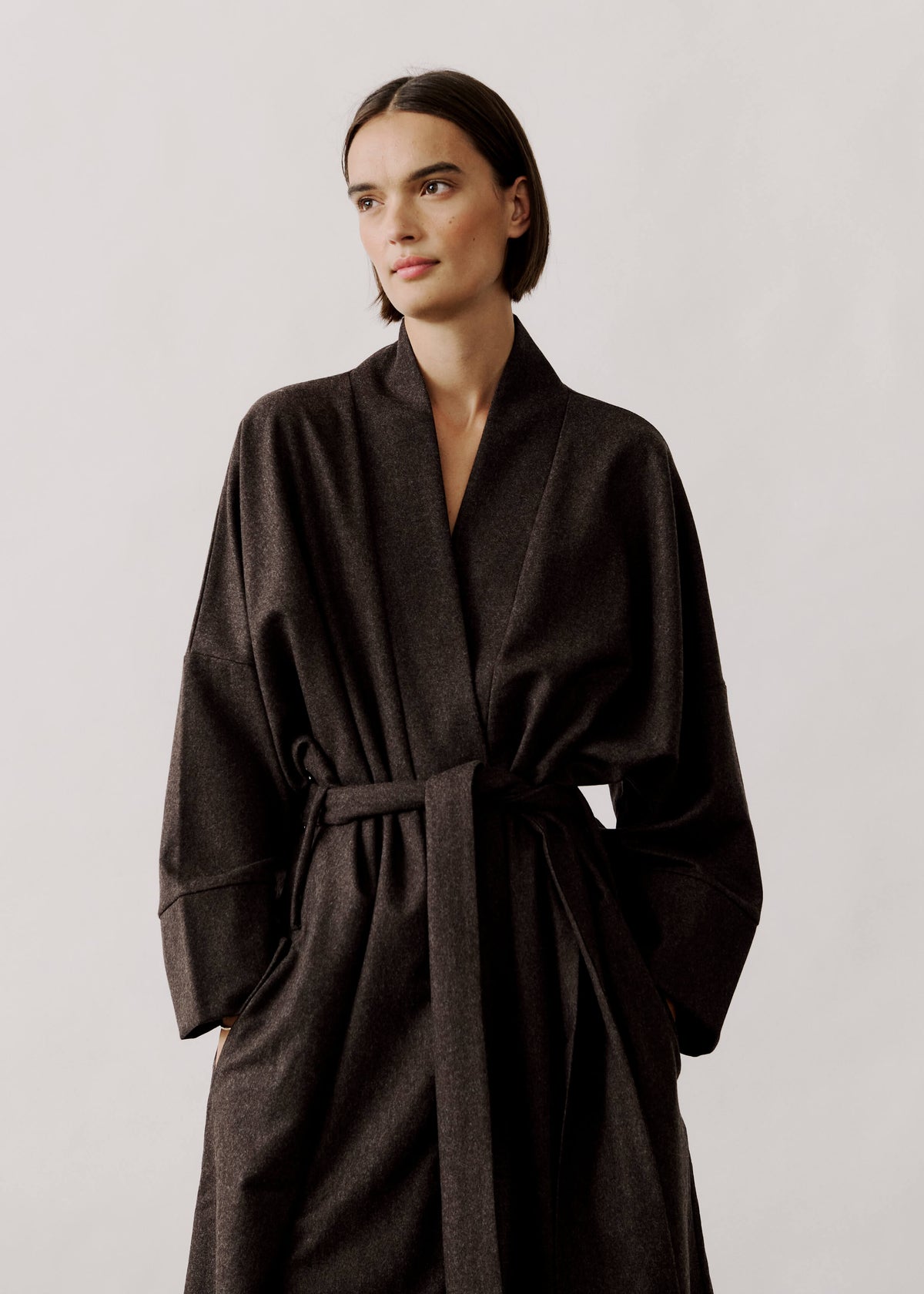
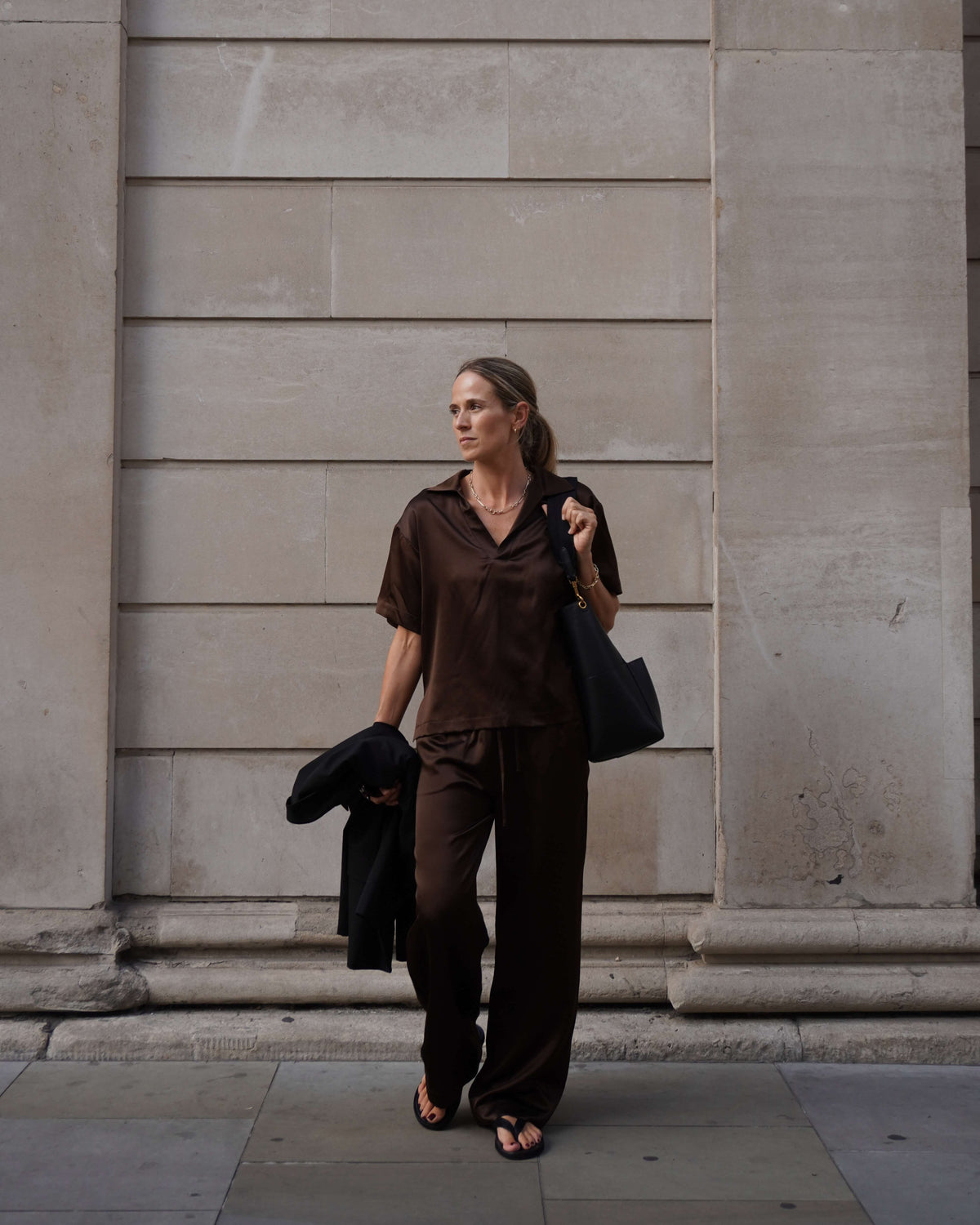
Choose a cropped, tailored jacket that finishes at the natural waist to define the silhouette and provide a crisp counterpoint to a fluid silk pyjama top. A fitted shoulder and a slight nip-in at the waist reduce perceived bulk, so the outfit reads as intentional layering rather than excess fabric. Longline coats or dusters that fall below the pyjama trouser hem lengthen the line and balance volume; wear them open, fasten a single low button, or cinch with a loose belt to avoid added width across the chest. A wrap coat with a built-in tie converts volume into shape, letting you place the visual focus at the natural waist, above the hips, or lower for a relaxed column effect. Each option preserves the silk's drape while introducing considered definition.
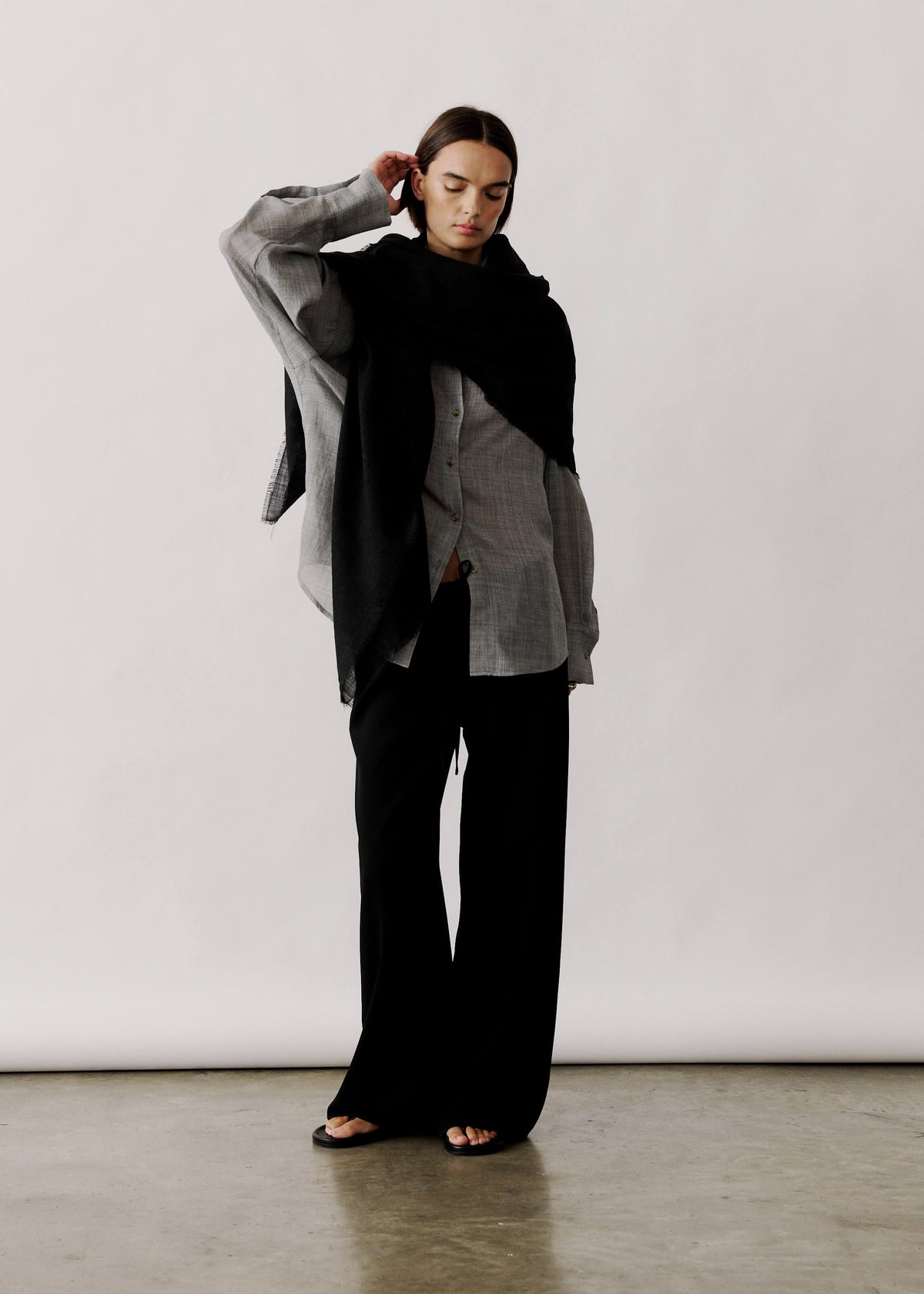
Short silhouettes, such as cropped boxy jackets or bombers that sit above the hip, shorten the line and prevent the appearance of wider hips, particularly when worn with high-waisted pyjama trousers. Choose fabrics with a little structure so the outer layer holds its shape against silk’s natural tendency to slip, or pick a soft, longline cardigan in a contrasting texture to introduce movement and tactile depth. Structured shoulders and straight or slightly tapered sleeves lend upper-body presence and counter excess flow, allowing you to balance volume without obscuring the pyjamas’ graceful drape.
Tie the hem to define your waist.

Balance outfit proportions using layered pieces, considered fastenings, and accessories
To refine the shape of a loose silk pyjama top, introduce structured layers. A cropped blazer, fitted waistcoat, or short leather jacket will create defined shoulders and a clearer waistline; anchor the front with a half-tuck or a narrow belt to mark where trousers or a skirt begin. Use closures and openings to sculpt lines: fasten a lower button on a single-breasted jacket, or leave a longline coat open to create a clean vertical line. Choose a wrap or belted outer to cinch volume into a controlled blouson for a purposeful silhouette. Layer heavier, structured fabrics such as wool or denim over silk, and favour smaller-scale prints or solid panels when you want the ensemble to read slimmer rather than emphasise fullness.
Balance a flowing top with high-waisted, tapered trousers, straight-leg jeans, or a pencil skirt to preserve a continuous vertical line and elongate the silhouette. Reserve wide or voluminous bottoms for when the pyjama top is fully tucked in and the waist is clearly defined, so proportions read as intentional. Refine focal points with accessories: add a narrow belt at the natural waist, wear a long pendant to draw the eye vertically, and choose pointed-toe shoes or a modest heel to extend the leg line. If the silk has a pronounced sheen or a large-scale print, anchor it with matte, textured layers to prevent billowing and keep the silhouette clean.
In summary, a loose silk pyjama top feels indulgent when its fluid drape is preserved and its volume is balanced by considered outer silhouettes and precise styling. Begin by assessing fabric weight, cut, and bias drape, how the fabric skims the body on the diagonal; lighter weights and a pronounced bias yield a softer, more fluid fall, while heavier weights and straighter cuts hold shape. Introduce definition with cropped, tailored jackets, open longline coats, or belted wraps, and refine proportion with a half-tuck, a simple knot at the waist, or a narrow belt so the overall look remains effortless rather than forced.
Apply the post's checks for fabric, silhouette, and layering to judge how a top behaves in motion. Opt for structured shoulders, tapered hems, or matte textures when you need to curb billowing: structure adds shape, tapered lines anchor the garment, and matte surfaces read subtler than glossy finishes. Try a few combinations to discover which adjustments allow a silk pyjama top to hang gracefully and remain proportionate, producing a refined, pulled-together silhouette rather than one overwhelmed by fabric.
What should I check to know if a silk pyjama top will drape well?
Check label indicators such as momme or grams per square metre, hold the fabric to the light to judge translucency, and pinch a fingertip to test hand; lighter silks flutter, heavier silks hang with more substance. Test the top in motion by raising your arms and walking to see whether it skims or balloons, and inspect seams, bias-cut panels, and how the cloth recovers after pinching or steaming for clues about behaviour under styling.
How can I prevent a loose silk top from looking sloppy when layered?
Introduce definition with a cropped, tailored jacket, fitted waistcoat, or belted wrap to create a clear waistline and defined shoulder, and prefer structured or textured outer fabrics to hold shape against the silk. Use a half-tuck, a small knot, or a narrow belt to show where trousers or a skirt begin, and favour matte layers when the silk has strong sheen or a large print.
Which outer silhouettes work best with a flowing pyjama top?
Cropped jackets that finish at the natural waist, open longline coats or dusters, and wrap coats with ties all preserve the silk’s drape while adding definition, and short, structured pieces such as a fitted leather jacket or waistcoat create a crisp contrast. Choose outerwear with some body or a defined shoulder to counter excess flow without smothering the silk.
When should I tuck, knot, or belt a silk pyjama top, and what effect does each have?
Use a half-tuck to create a waistline and encourage smooth bias lines when the fabric responds well, knot a side hem to remove bulk without flattening the drape, and add a narrow belt or a belted outer to convert volume into a controlled blouson. If a half-tuck bunches or resists smoothing, the piece may need alteration or a different cut.
Can I wear wide trousers with a loose silk pyjama top?
Reserve very wide bottoms for when the top is fully tucked and the waist is clearly defined so proportions feel intentional; otherwise pair the silk with high-waisted, tapered trousers, straight-leg jeans, or a pencil skirt to maintain a continuous vertical line and lengthen the leg. Fine-tune the look with pointed-toe shoes or a slight heel and a long pendant to draw the eye vertically.

Leave a comment
This site is protected by hCaptcha and the hCaptcha Privacy Policy and Terms of Service apply.