
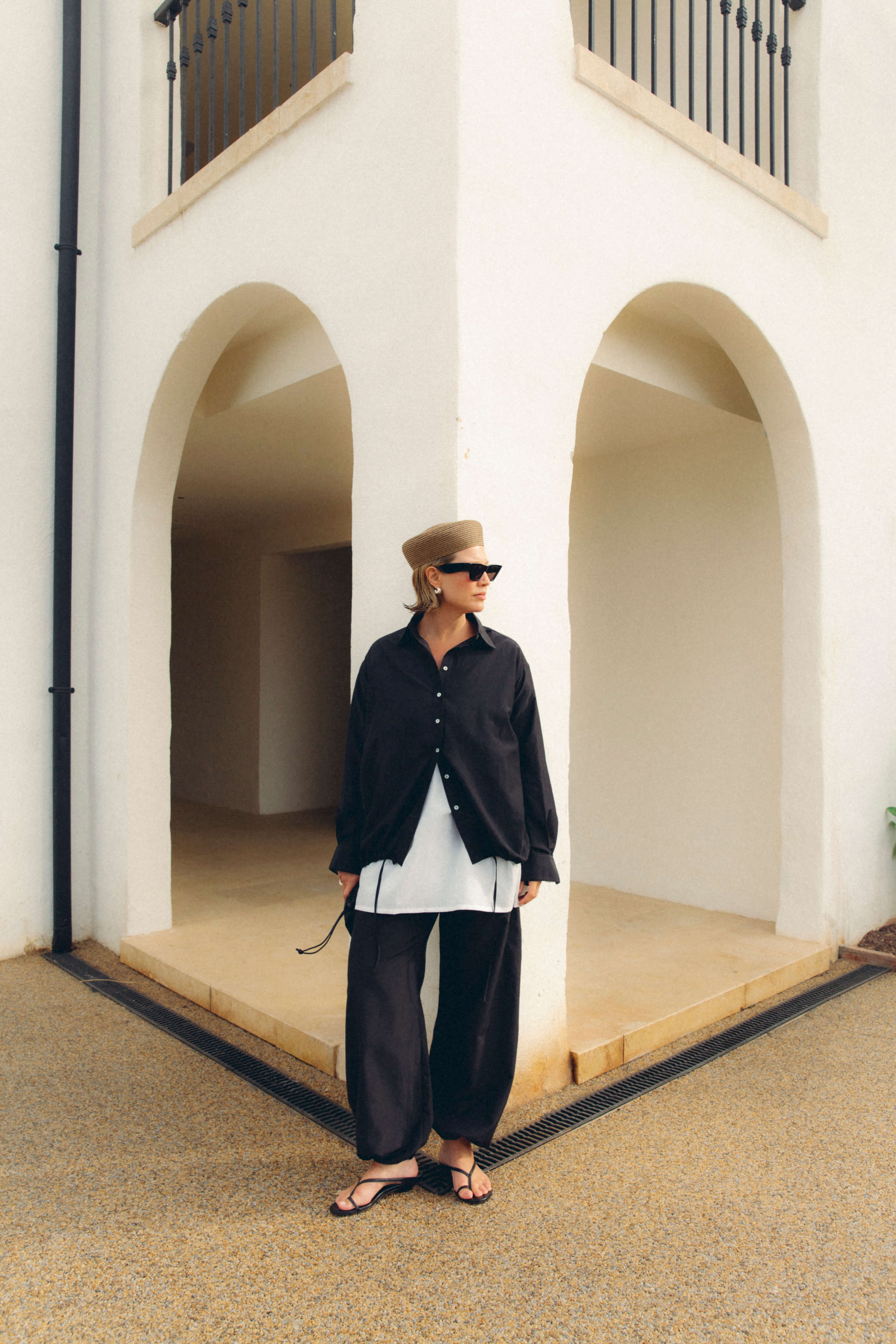


Three Simple Ways to Style a Silk Pyjama Top
A silk pyjama top can appear relaxed or unrefined at a glance, so a few considered adjustments will determine whether it reads as composed or merely loungewear. Want to wear yours beyond the bedroom without losing that effortless ease?
Begin by adjusting the silk pyjama top for an impeccable fit. Introduce a structured layer to add measured shape, then complete the look with tailored tweaks and considered finishing touches. Each step attends to fit, proportion and detail, allowing a relaxed top to be transformed into a versatile ensemble with graceful ease.

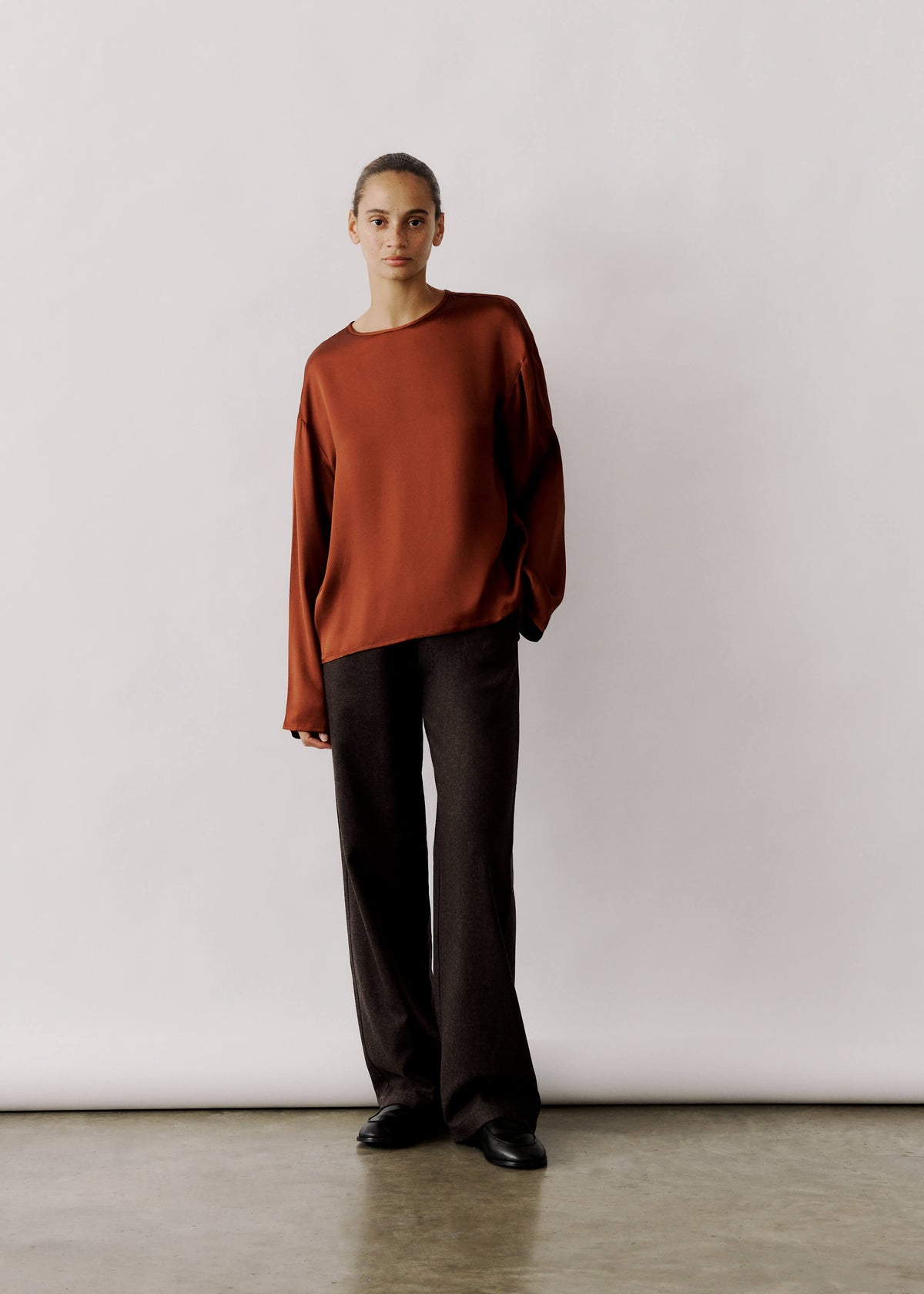
Prepare your silk pyjama top for a flawless, effortless fit
Begin by assessing how the silk pyjama top moves on the body. Wear it with the underwear or camisole you plan to pair, then raise your arms, sit and walk to observe any pulling, gaping or bunching. Mark pressure points with pins or chalk so you can see whether the hem, sleeves, bust or shoulders require adjustment. Check that structural details guide how the silk drapes by aligning the shoulder seams with your natural shoulder, smoothing the collar and placket, and, for blousier styles, considering lightweight shoulder pads or discreet interfacing to add subtle support. Small changes at these anchor points will often refine the silhouette more effectively than broad resizing.
Check transparency by holding the top up to natural light and backlighting it. Layer a neutral slip or camisole, or add discreet buttons to preserve coverage without disturbing the intended drape. Use steam to relax creases so the silk falls naturally, and reshape seams and hems while the fabric is damp. If ironing is necessary, press through a cloth on a low setting to avoid shine or damage. Consider minor alterations or temporary fixes such as adding darts, taking in side seams, shortening sleeves or repositioning buttons, and test each change with removable tacking, safety pins or fashion tape. Reassess the top in motion to ensure the adjustment keeps the piece polished, comfortable and true to its silhouette.
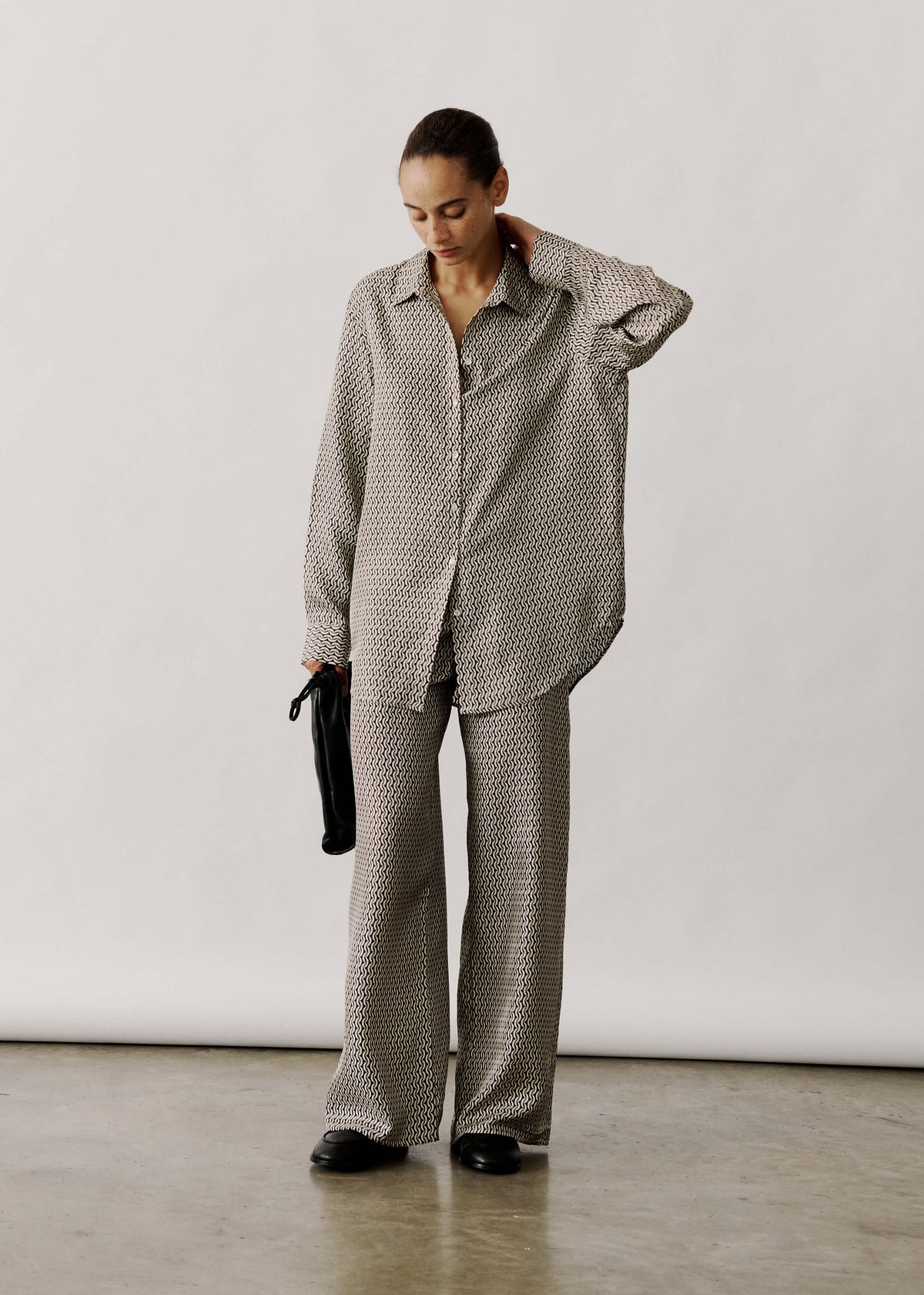
Pair with matching silk shorts for a true-to-fit look

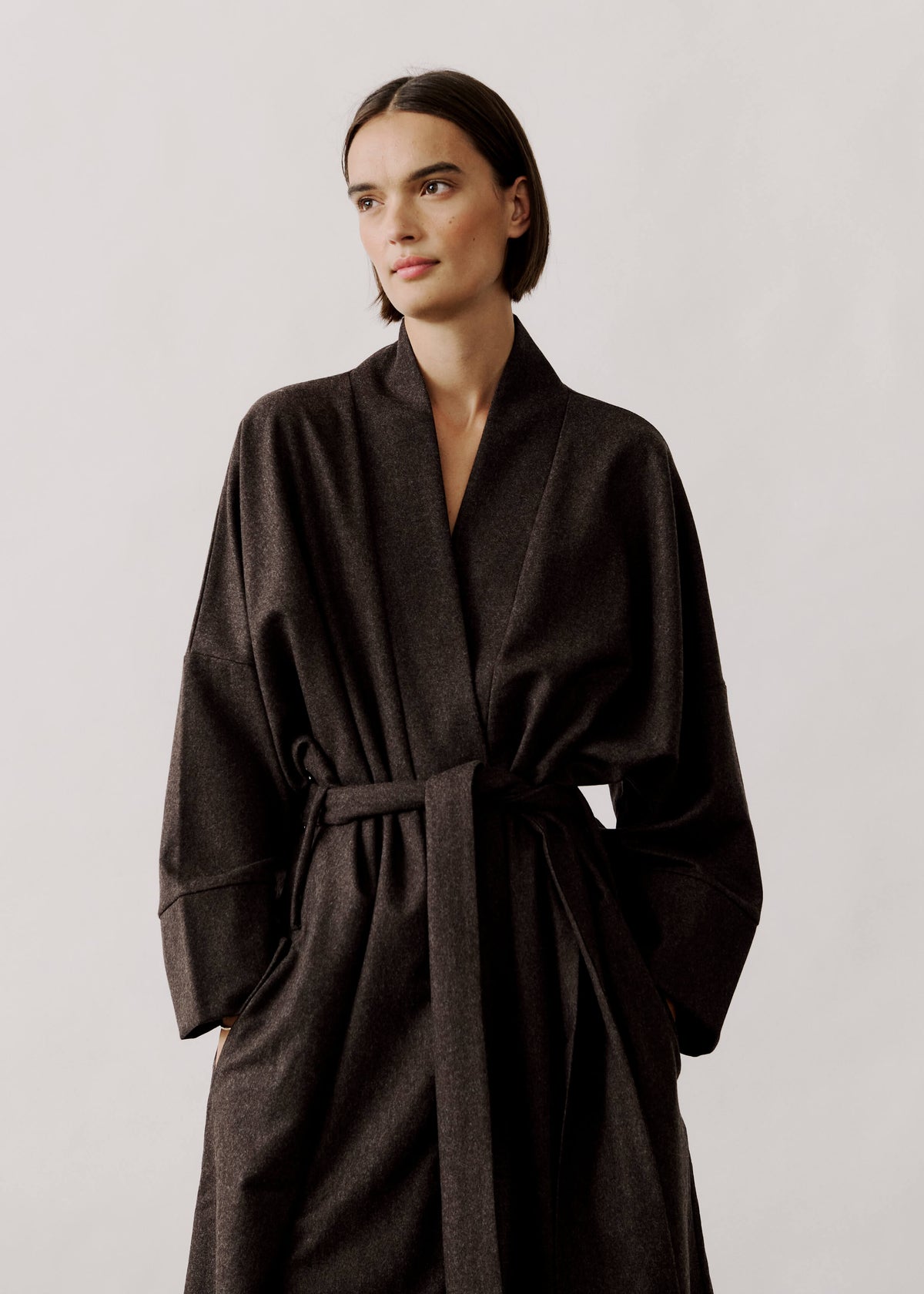
Layer tailored, structured pieces over a pyjama top for effortless elegance
Use the fluidity of a silk pyjama top against a sharply tailored blazer or cropped jacket, and employ a full or partial tuck to define the waist so the look reads intentional rather than sleepy. A defined shoulder or a nipped-in waist restores a clean silhouette, introducing crisp lines and a considered visual hierarchy. Choose one dominant structural detail, such as strong shoulders or a fitted waistcoat, to avoid competing shapes and keep the outfit coherent. Balance jacket length with your proportions: a long, open coat will elongate the line, while a cropped jacket reveals high-waisted trousers or a skirt.
Anchor the sheen of silk by contrasting it with heavier weights and tactile fabrics. Pair a silk top with woollen coats, tailored denim or cotton drill, and wear a lightweight slip or camisole underneath to prevent clinging. Use fastenings and accessories to maintain a polished silhouette: cinch a coat or blazer with a belt, fasten a waistcoat, and choose a structured bag and streamlined shoes to echo the tailoring. These subtle structural touches elevate a relaxed pyjama top into a considered, contemporary ensemble.
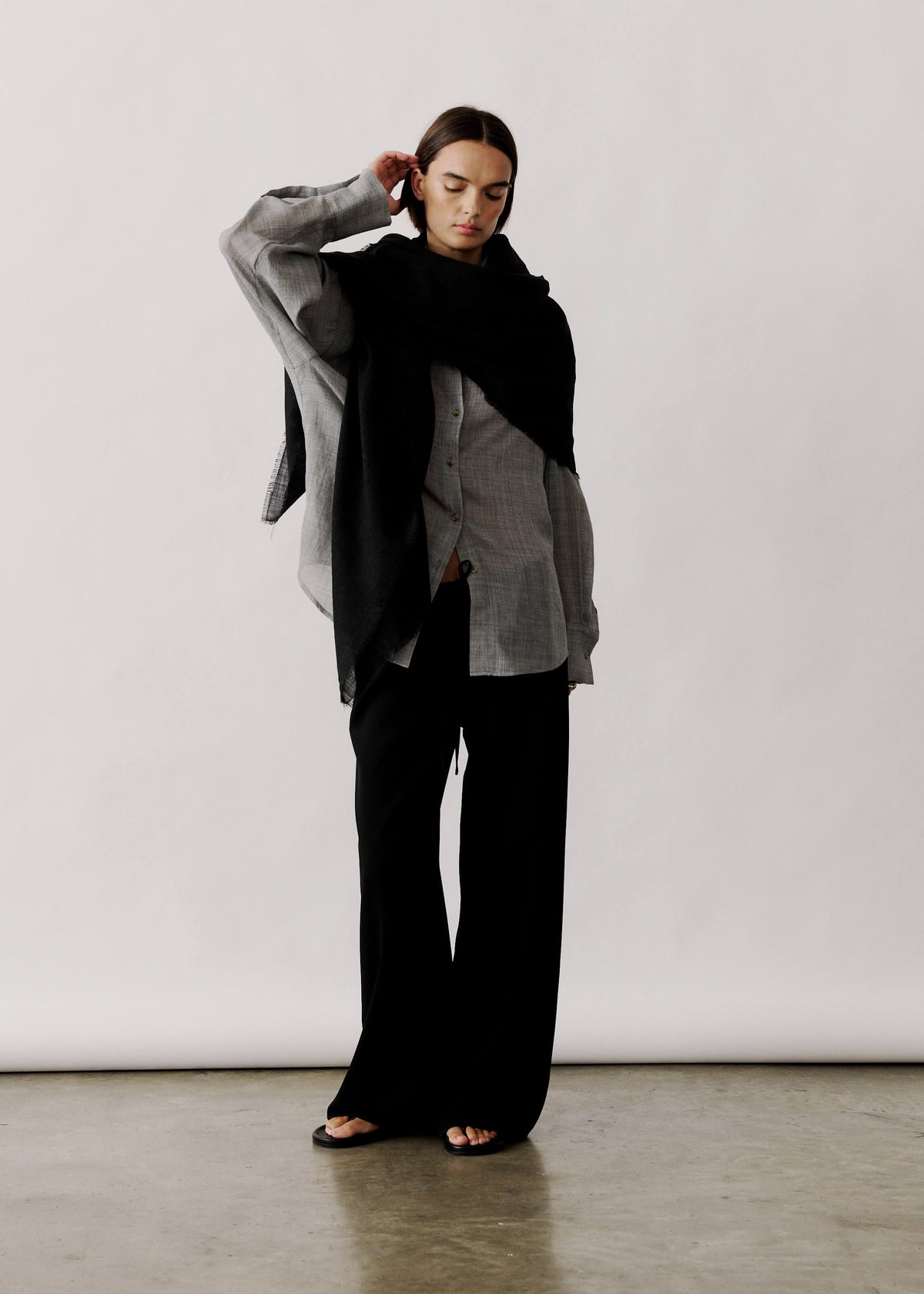
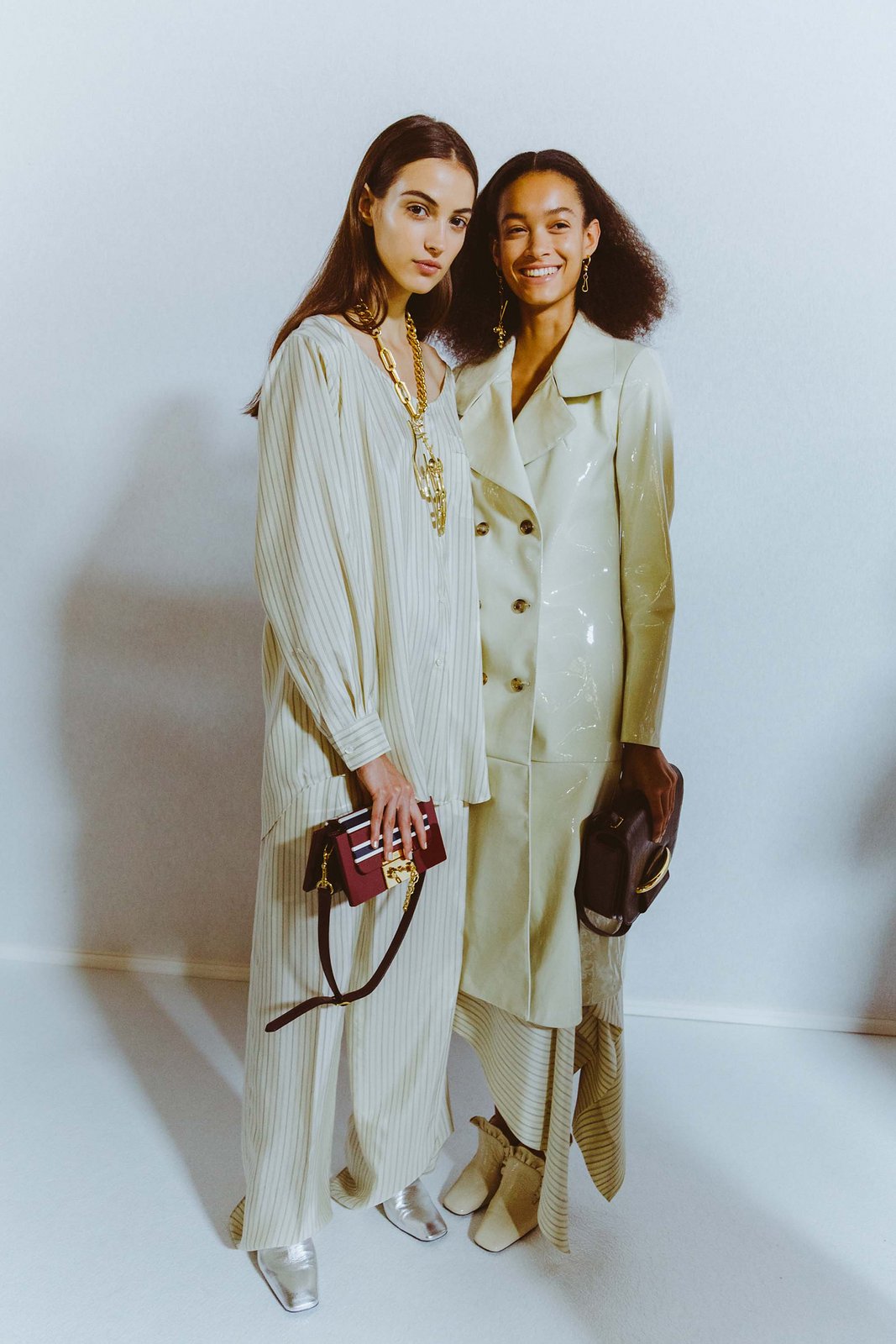
Balance silk with charcoal wool for anchored, tailored contrast.

Tailor the fit with considered finishing touches for timeless polish
Small tailoring adjustments, such as pinning and basting side seams to test taking the top in at the waistline, shortening sleeves at the cuff to reveal the wrist, or raising the hem slightly to sit neatly on the hip, subtly alter how silk skims the body without adding bulk and allow you to trial changes before committing to sewing. At-home styling tricks achieve similar effects without tools: a half tuck that reveals the waistband suggests a waist, a small knot at one side shortens and adds shape, and a neat full tuck into high-waisted trousers creates a cleaner profile. Modest structural fixes, like adding small bust darts to remove gaping, swapping oversized buttons for smaller, flatter ones to reduce pulling, or stitching a discreet hook-and-eye at the front to secure the neckline, preserve silk's fluid drape while improving fit.
Finish by balancing fluid silk with structure: layer a tailored blazer or waistcoat over the pyjama top, or cinch with a thin belt to define the waist and create a sharper silhouette. Care and presentation affect the result: steam the top to restore its drape, press gently through a cloth to protect the sheen, and hang on a shaped hanger to maintain shoulder lines. Well-pressed, well-stored silk sits closer to the body and shows tailoring to best effect, so combine small alterations with diligent care for a polished outcome. Test changes with pins, choose subtle fixes that preserve movement, and you can achieve an effortless, tailored look without compromising the fabric’s softness.
A silk pyjama top is transformed into a polished everyday piece by attending to fit, structure and subtle tailoring. Check ease of movement, align the shoulder seams and refine hems or darts to maintain the fabric's natural drape while sharpening the silhouette.
Begin by preparing the top for an immaculate fit, add a tailored layer to define the silhouette, then finish with subtle alterations and considered presentation to achieve a polished look. These simple, reversible steps preserve the fabric's softness, refine proportions and make the top ready to wear beyond the bedroom.
How should I prepare a silk pyjama top so it fits flawlessly off-duty?
Wear it with the underwear or camisole you plan to use and move—raise your arms, sit, and walk—to spot pulling, gaping, or bunching, then mark pressure points for adjustment; align shoulder seams with your natural shoulder and use steam to relax creases so the silk falls naturally.
What structured layers work best to smarten a silk pyjama top?
Pair the top with one dominant tailored piece, such as a sharp blazer, cropped jacket, or fitted waistcoat, and balance length to your proportions; mix heavier textures like wool or denim, and lock in polish with a belt, structured bag, and streamlined shoes.
How can I address fit issues without committing to permanent alterations?
Use removable tacking, safety pins, or fashion tape to test darts, side-seam takings, sleeve shortenings, or a raised hem, and try styling tricks like a half-tuck or small knot to simulate shaping before sewing.
When should I opt for small tailoring moves rather than just styling?
Choose tailoring when anchor points such as shoulders, bust, or hem consistently disrupt the silhouette—add small bust darts, reposition a button, or shorten sleeves to preserve the drape while correcting fit, testing changes with pins first.
Can I improve coverage and care for silk without spoiling its drape?
Yes; check transparency against natural and backlight and use a neutral slip or camisole or a discreet hook-and-eye to maintain coverage, and care for the fabric by steaming, pressing through a cloth, and hanging on a shaped hanger to keep shoulder lines.


Leave a comment
This site is protected by hCaptcha and the hCaptcha Privacy Policy and Terms of Service apply.