
How to Pair Structured or Relaxed Blazers with a Silk Pyjama Top
A silk pyjama top feels effortlessly luxurious, yet the wrong blazer can flatten its drape and diminish the effect. Choose a structured blazer for polish or a relaxed one for ease, and let fabric, fit, and neckline guide the most flattering pairing.
This post explains how to assess your pyjama top's fabric, fit, and neckline; choose a structured or relaxed silhouette; and balance proportion with considered layering, subtle tailoring, and thoughtful finishing touches. Apply these steps to preserve silk's natural drape, flatter your shape, and ensure the look suits the occasion.

How to assess your pyjama top's fabric, fit, and neckline
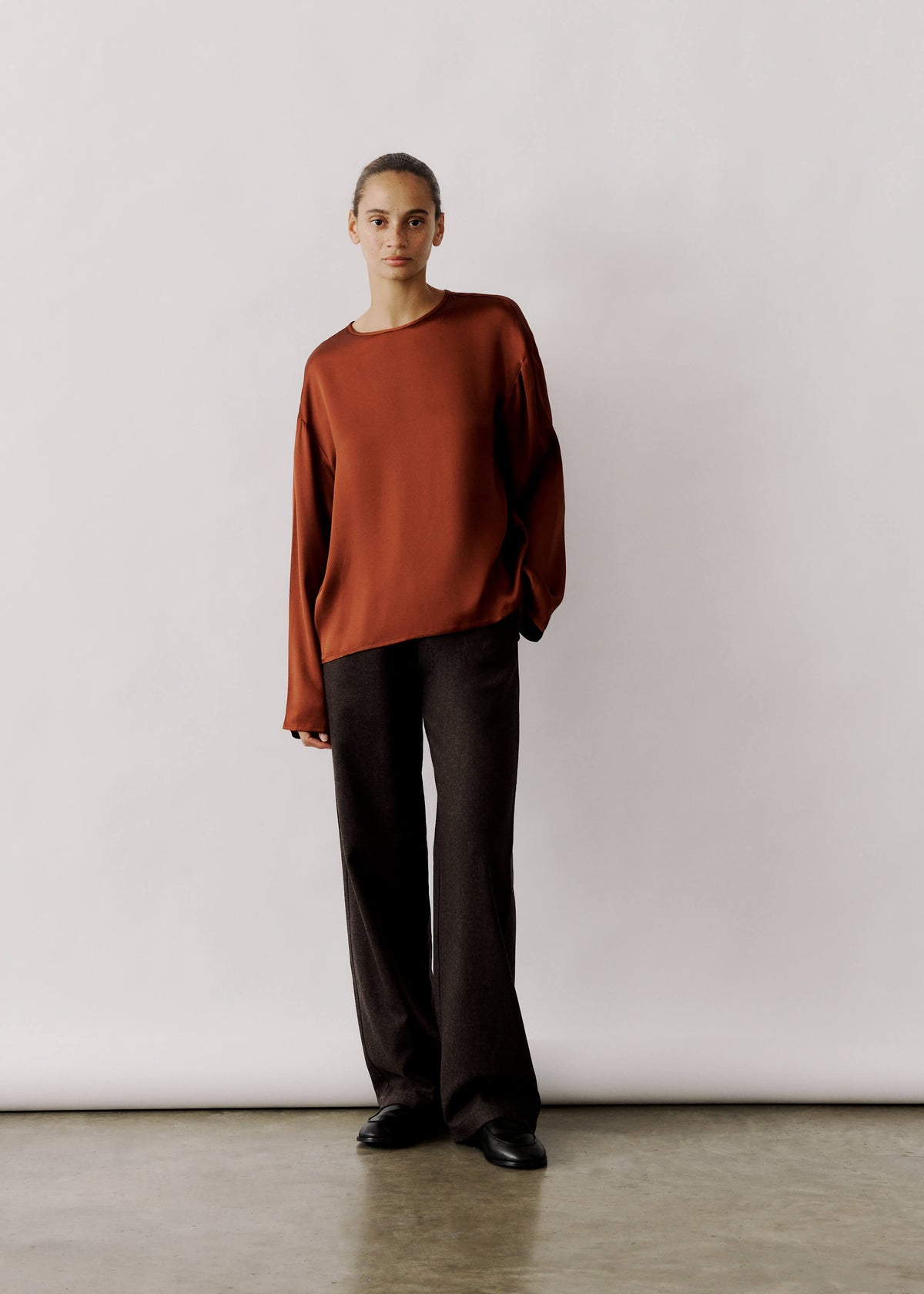
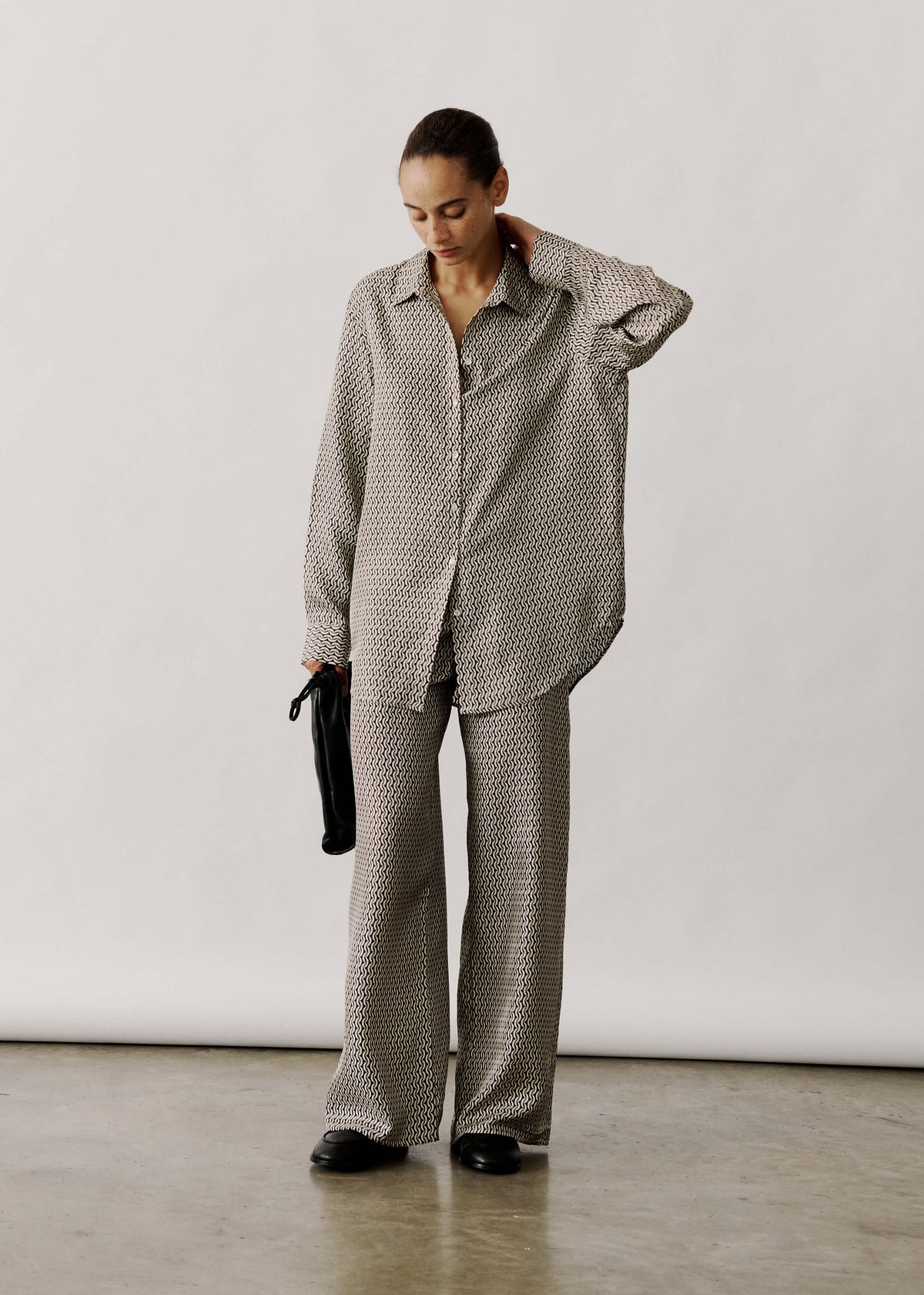
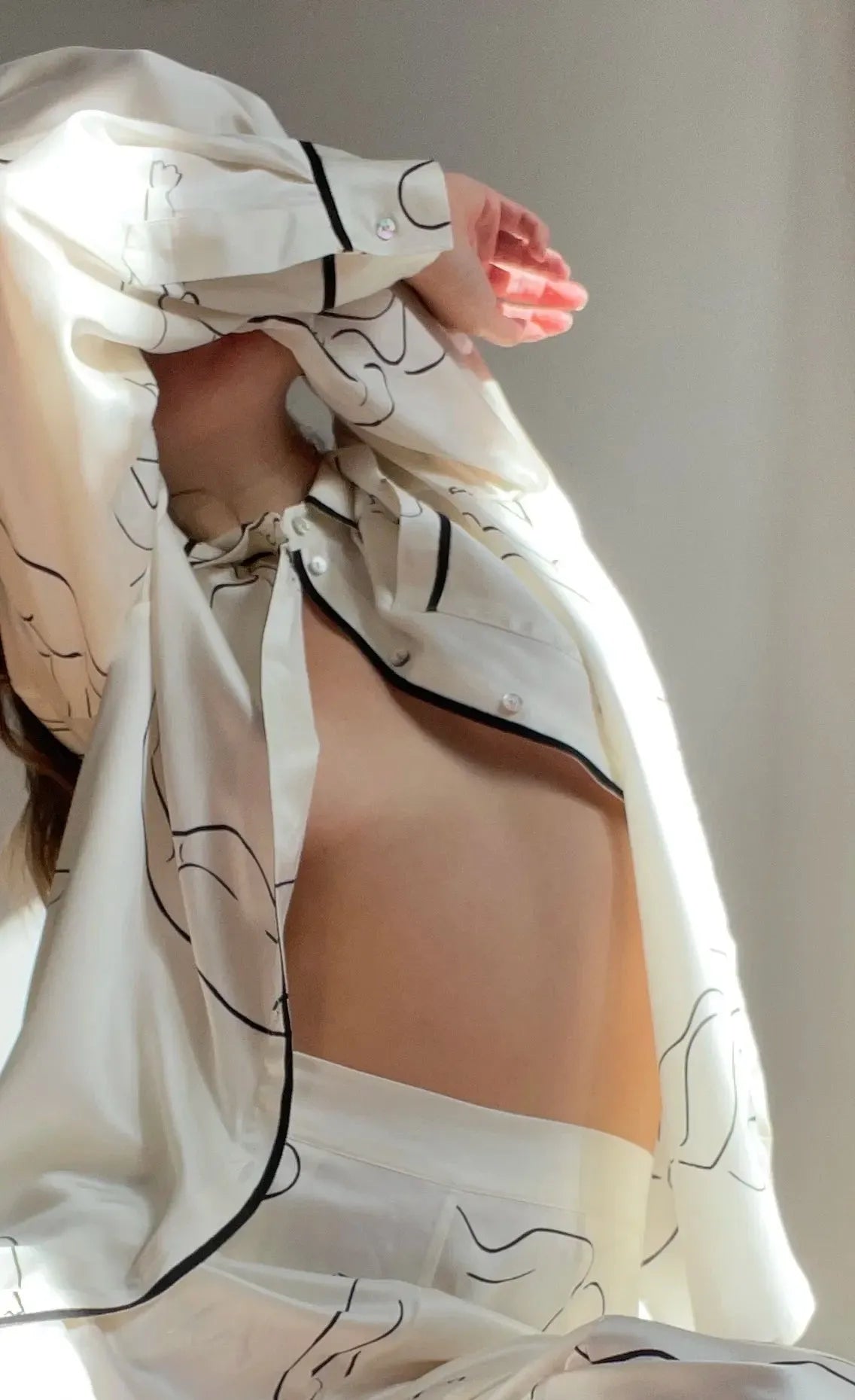
Lift the pyjama top at the shoulder and watch how the fabric falls to judge its weight and drape. If it skims and clings, choose a structured blazer to restore shape. If the silk is heavier and less fluid, a relaxed blazer will sit harmoniously without losing definition. High-gloss silk reflects light and emphasises creases, so a matte, tailored jacket helps to ground the look. By contrast, textured or slightly matte silks pair well with softer blazers that echo their natural drape. Consider length and fit on your body: tucked or waist-fitting tops work with relaxed jackets to create a languid silhouette, while blousy or long tops benefit from a structured jacket and strategic tucking to avoid bulk. Always try the combination in motion: sit, stand, and lift your arms to reveal any gaping or pulling that could spoil the proportions.
Pair the neckline with the jacket’s lapels and closure. Deep V and low necklines sit best with single-button or narrow-lapel jackets that mirror the line. High necklines favour open or collarless styles, while cowl or draped necklines benefit from a roomier, unbuttoned jacket to avoid distortion. Add a thin camisole to reduce cling, and favour a fully lined blazer to prevent static and preserve the silk’s drape. Move in the outfit to check how the layers interact, ensuring closures do not gape and proportions remain balanced.
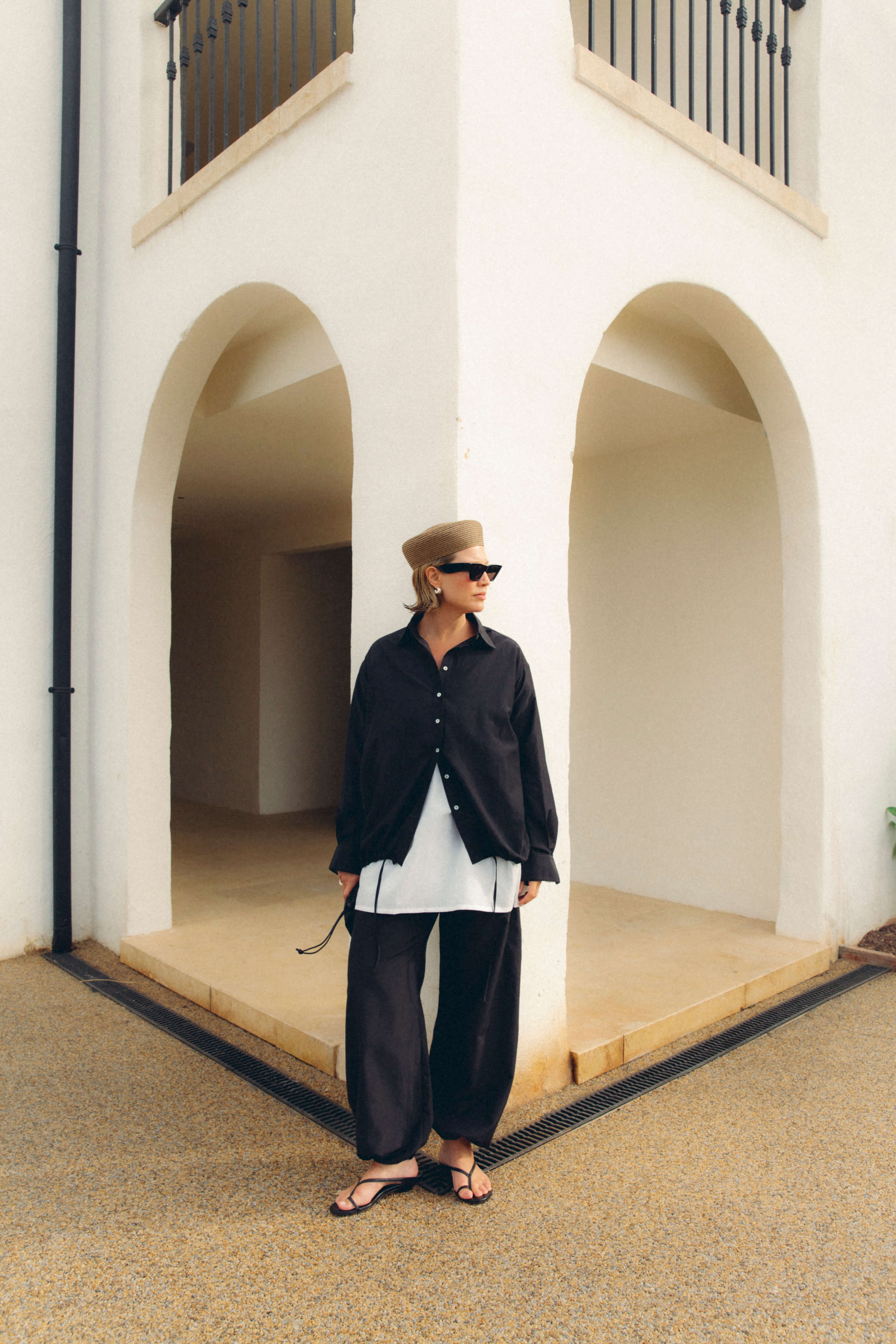
Choose a tailored cropped jacket to balance silk drape.

Choosing between a structured and a relaxed blazer silhouette
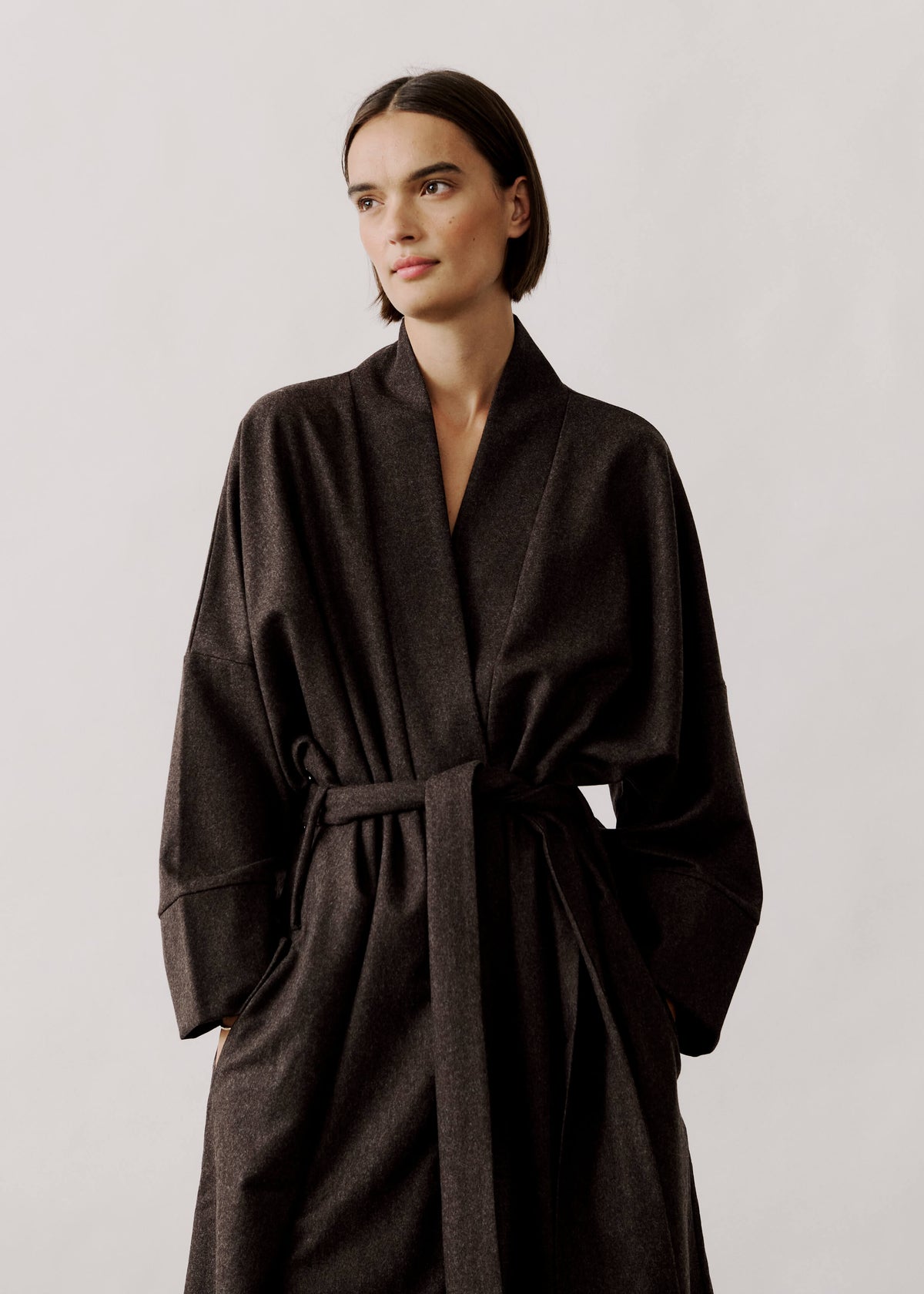
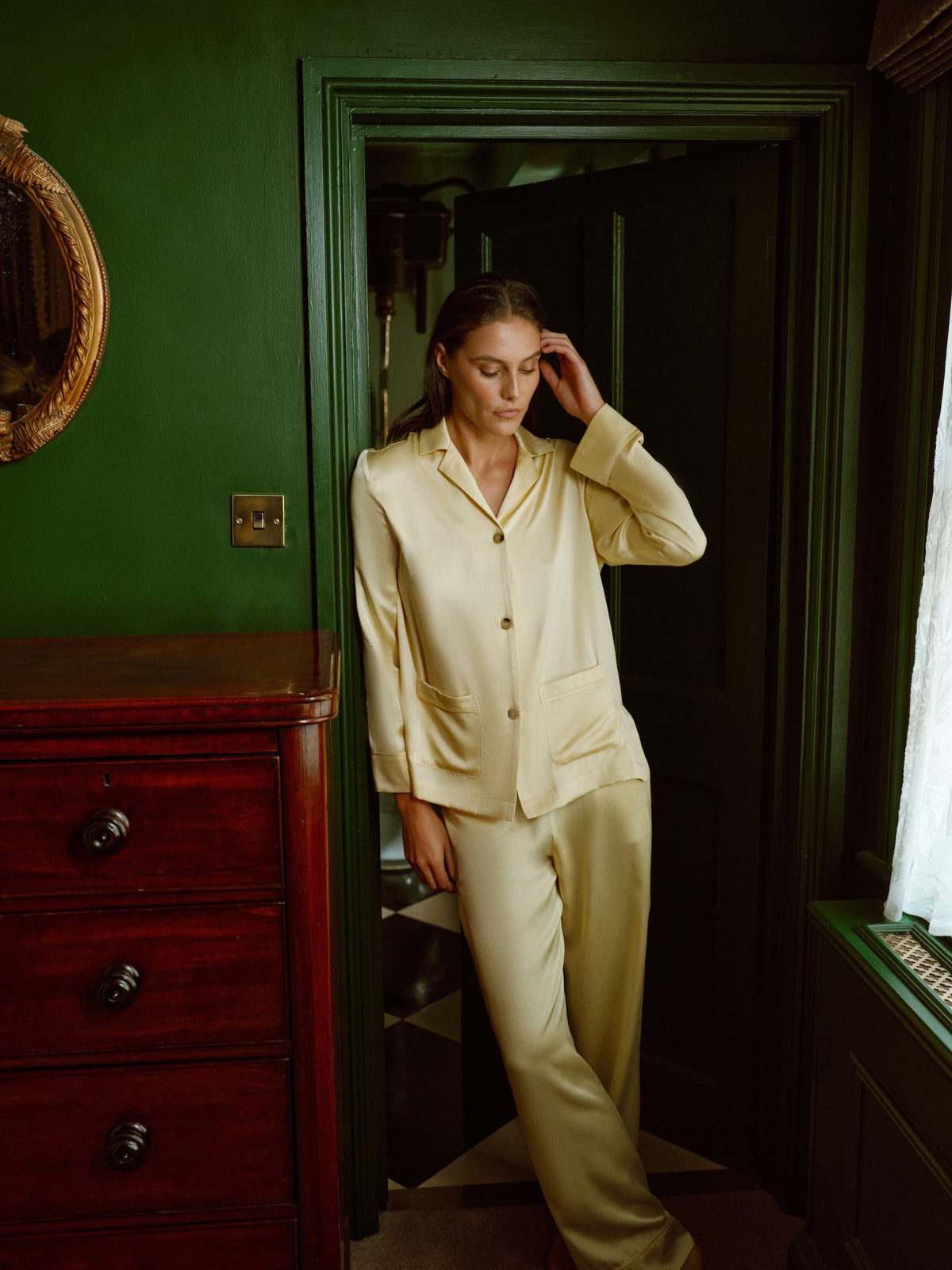
Structured blazers have defined shoulders, nipped waists, and straighter hems that add contrast and definition to a silky pyjama top. Relaxed silhouettes, by contrast, use soft shoulders, looser waists, and slouchier hems to preserve the top’s fluid, sleepwear-inspired drape. To assess fabric compatibility, hold the blazer and pyjama together at the shoulder and hem to spot bulk, cling, or competing drape. Favour lightweight, unlined, or soft-shouldered tailoring to echo the silk’s movement, or choose a firmer, fully lined blazer when you want clearer structure without overwhelming the top. Try each blazer buttoned and unbuttoned to observe how it shapes the waistline and changes the top’s movement.
Use proportion as your guide. Aim for the blazer hem to finish at the narrowest point of your torso to draw attention, or just below the hip for an elongated line, and observe how that interacts with the length of your pyjama top. Cropped, structured blazers emphasise the waist, while longer, relaxed styles smooth the body and lengthen the silhouette. Refine the look with a half-tuck, a belt worn over the blazer, sleeves rolled to reveal a silk cuff, or selective buttoning. Check the fit in motion by lifting and reaching to ensure the shoulders sit correctly and there is no pulling across the chest. Match silhouette to context: choose structured tailoring for sharper occasions, relaxed shapes for travel and informal dress codes. Also consider garment care, lining breathability, and ease of layering so the outfit remains comfortable and practical.
Wear linen trousers to soften and lengthen the silhouette.

Balance proportions and occasion with layering, tailoring, and considered finishing touches
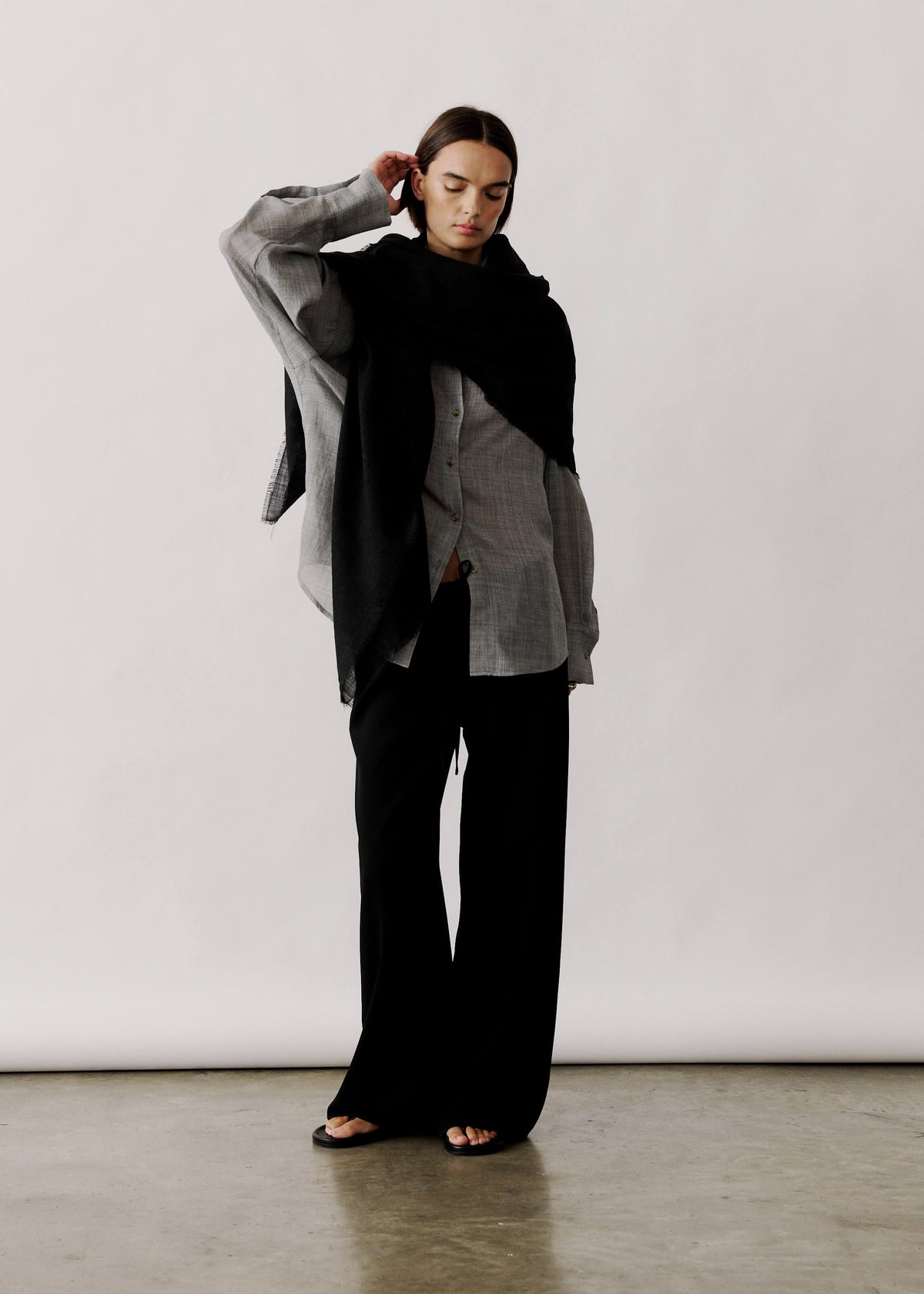
If the pyjama top is loose and long, choose a blazer that finishes at the waistband or mid-hip to keep the silhouette balanced and avoid added bulk. If the top is fitted or tucked, opt for a relaxed, longer blazer to lengthen the torso. These small changes in blazer length alter the overall balance, so try both with your usual trousers or skirt to see which appears more streamlined. Consider how fabrics behave, not just their colour: a lustrous, slippery pyjama top pairs well with a slightly structured, matte blazer to prevent clinging, while a softly draping top benefits from an unlined, relaxed blazer that mirrors its movement. Finally, test the pairing in motion—raise your arms and sit down to check for pulling, bunching, or restriction.
Small tailoring tweaks transform the combination: nip the blazer in at the waist, shorten the sleeves by a couple of centimetres, or soften the shoulder line so a structured jacket sits like a relaxed layer. For smarter occasions, fasten a single-breasted blazer or close one button to create a clean V-shaped line; for informal or evening dressing, leave the blazer open, add a narrow belt, or roll the sleeves. Shift focus and proportion with small gestures: half-tuck the pyjama top, belt the blazer to define the waist, and reveal one to two centimetres of silk at the cuff. Pair these adjustments with considered footwear so the outfit reads intentional, and rely on subtle fit alterations to reshape how the silk falls and how the silhouette reads, rather than replacing the jacket.
To summarise, choosing between a structured and a relaxed blazer comes down to how your silky pyjama top drapes, the neckline it creates, and the proportions you want to achieve. Lift the shoulder and test movement: if the silk lies close to the body, a tailored jacket restores shape, while heavier or textured silks benefit from a softer blazer that preserves fluidity.
Then work through the headings above as a practical checklist: assess fabric and fit, choose lapels and closures that echo the neckline, and balance length and tailoring so the blazer falls where it flatters your torso. Try each combination sitting and standing, make small adjustments such as a half-tuck or shortened sleeve, and choose the silhouette that allows the silk to move while keeping the overall look deliberately composed.
What should I check in a pyjama top's fabric to decide between a structured or relaxed blazer?
Lift the top at the shoulder and watch how it falls to judge weight and drape; if it skims and clings a structured blazer will restore shape, while heavier or textured silks pair better with a relaxed blazer that preserves fluidity. Also note gloss versus matte finishes, since high gloss highlights creases and benefits from a matte, tailored jacket.
How do I match blazer lapels and closures to different necklines?
Match deep V and low necklines with single-button or narrow-lapel jackets, pair high necks with open or collarless styles, and choose roomy, unbuttoned jackets for cowl or draped necklines to avoid distortion. Add a thin camisole and favour a lined blazer to reduce cling and preserve the silk's shape.
When should I choose a structured blazer over a relaxed one?
Choose structured tailoring when the silk skims and clings or you want clearer definition for smarter occasions, and opt for a relaxed blazer when the silk is heavier, textured, or you prefer a languid, informal look. Always try the combination buttoned and unbuttoned to see how each style shapes the waist and changes the top's movement.
How can I balance proportion if my pyjama top is long or fitted?
For loose, long tops pick a blazer that stops at the waistband or mid hip to avoid bulk, and for fitted or tucked tops select a longer, relaxed blazer to elongate the torso. Test each length with your usual trousers or skirt and experiment with half-tucks or a belt to find the most streamlined balance.
Can small tailoring or styling tweaks change how a blazer works with a silk top?
Yes; nip the waist, shorten sleeves by a couple of centimetres, or soften the shoulder line to make a structured jacket sit like a relaxed layer, and use half-tucks, belts over the blazer, or rolled sleeves to alter focus and proportion. Always perform a movement check to ensure there is no pulling, gaping, or bunching.


Leave a comment
This site is protected by hCaptcha and the hCaptcha Privacy Policy and Terms of Service apply.