
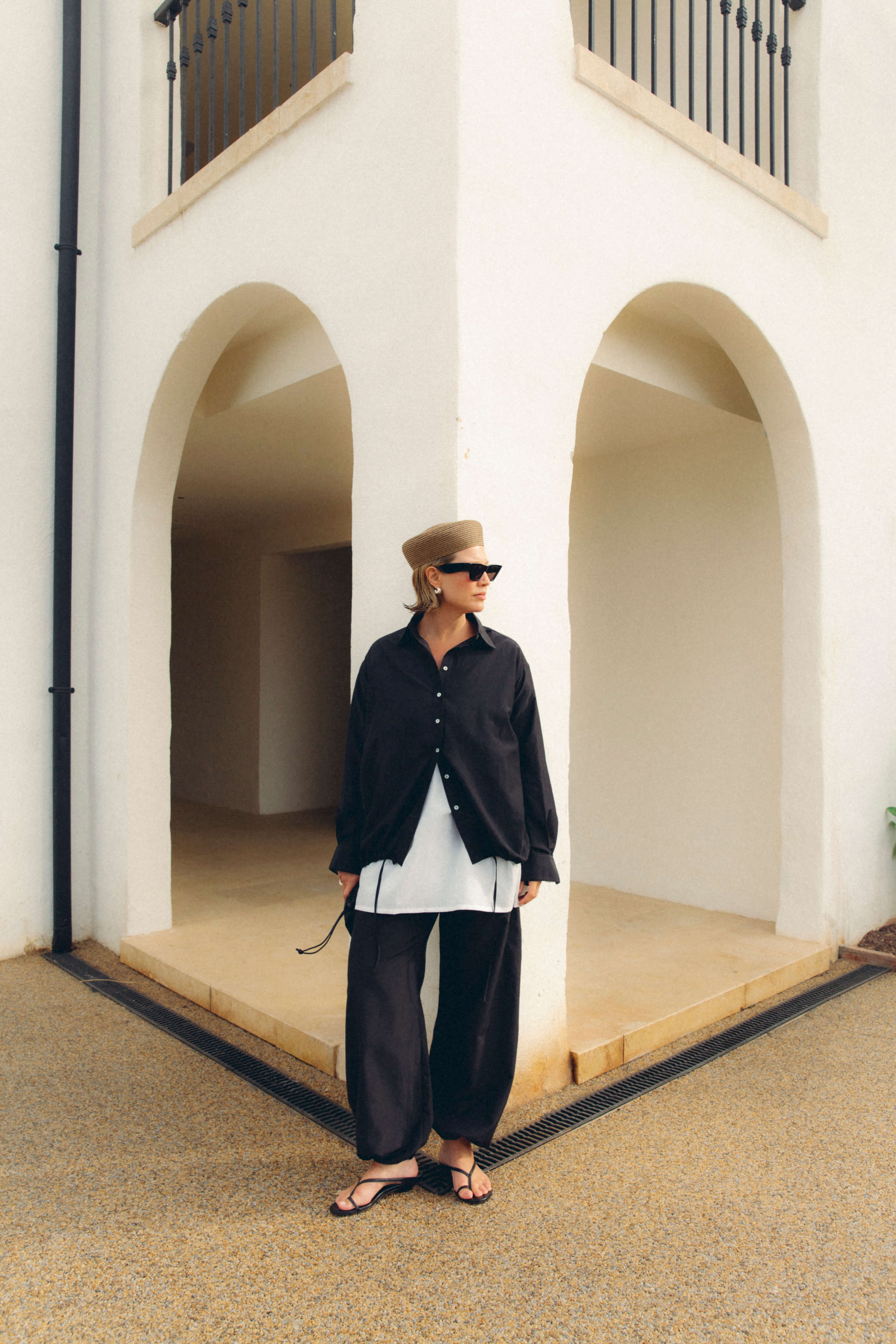

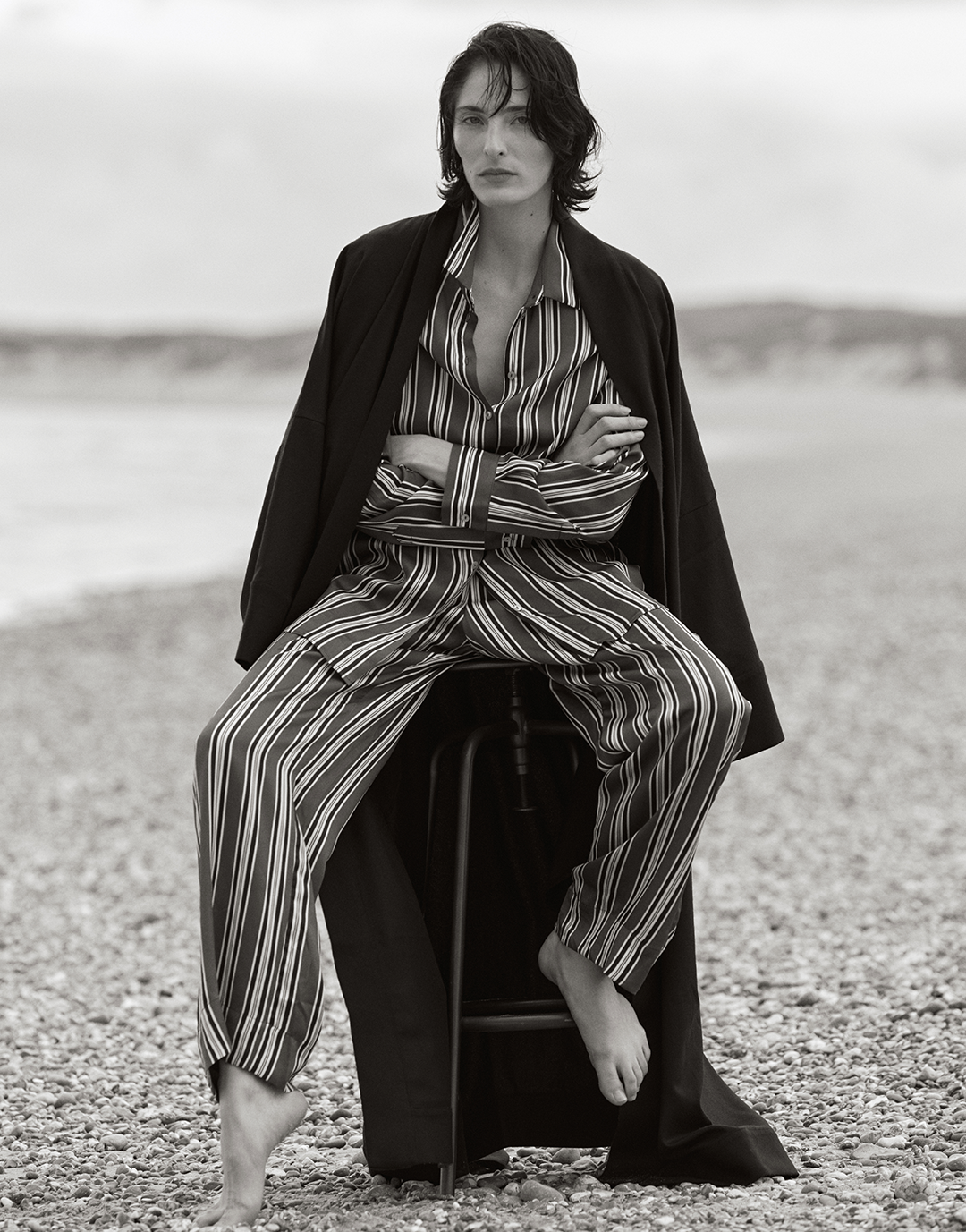
3 Ways to Layer Blazers and Structured Coats Over Silk Pyjama Tops Without Bulk
A silk pyjama top reads effortlessly chic, but a blazer or structured coat can introduce unwanted bulk. How do you preserve silk's fluid luxury while retaining a sharp, streamlined silhouette?
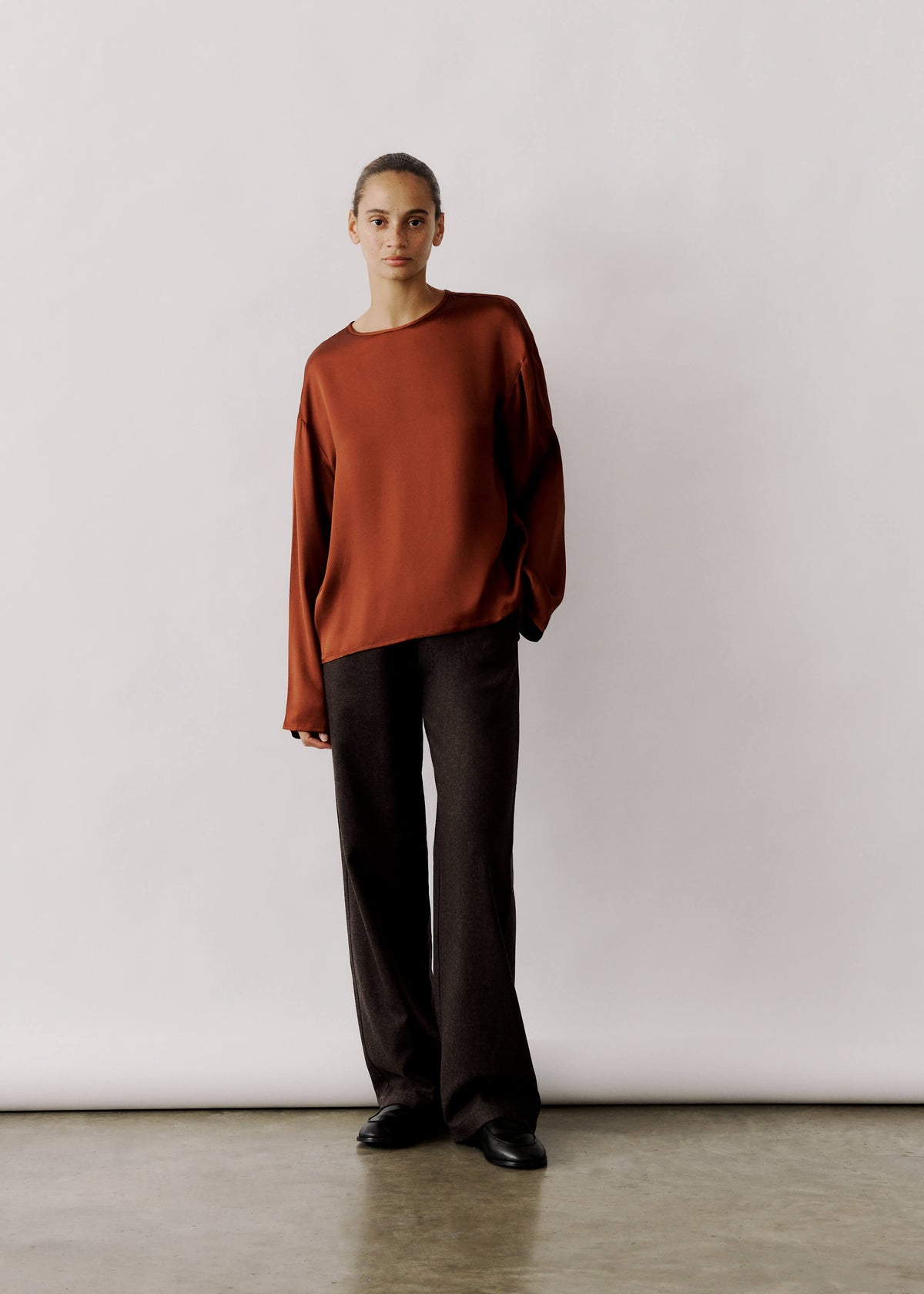
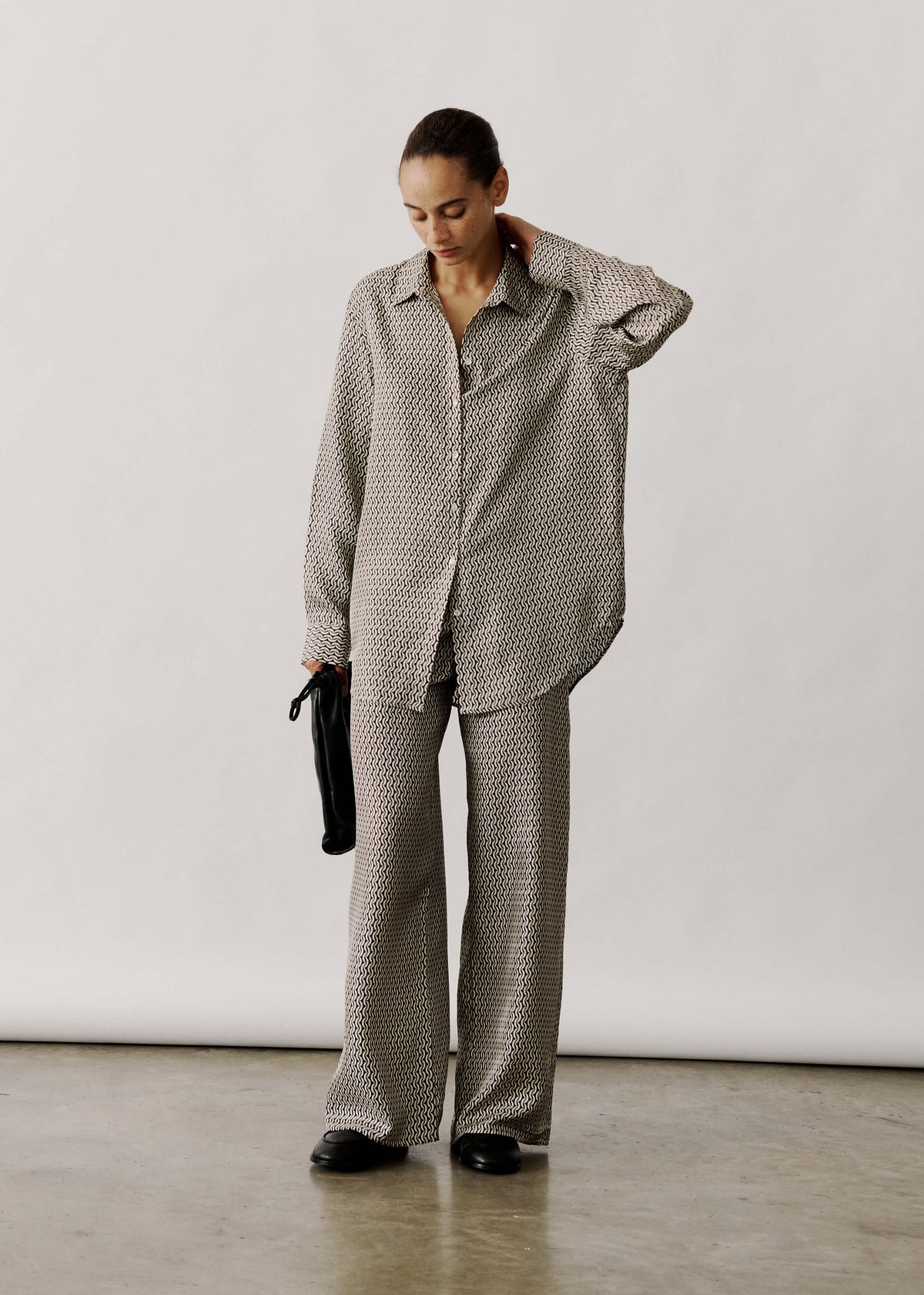
Use three practical layering tricks: choose a slim silk pyjama top with clean finishes, tuck it into high-rise tailored trousers, and anchor the look with a structured blazer or cropped coat to preserve a sleek silhouette. Each step reduces bulk where it matters, at the shoulders, waist, and hem, so the pyjama top retains its relaxed drape without sacrificing a tailored finish.

1. Choose a slender silk sleep shirt with refined finishes
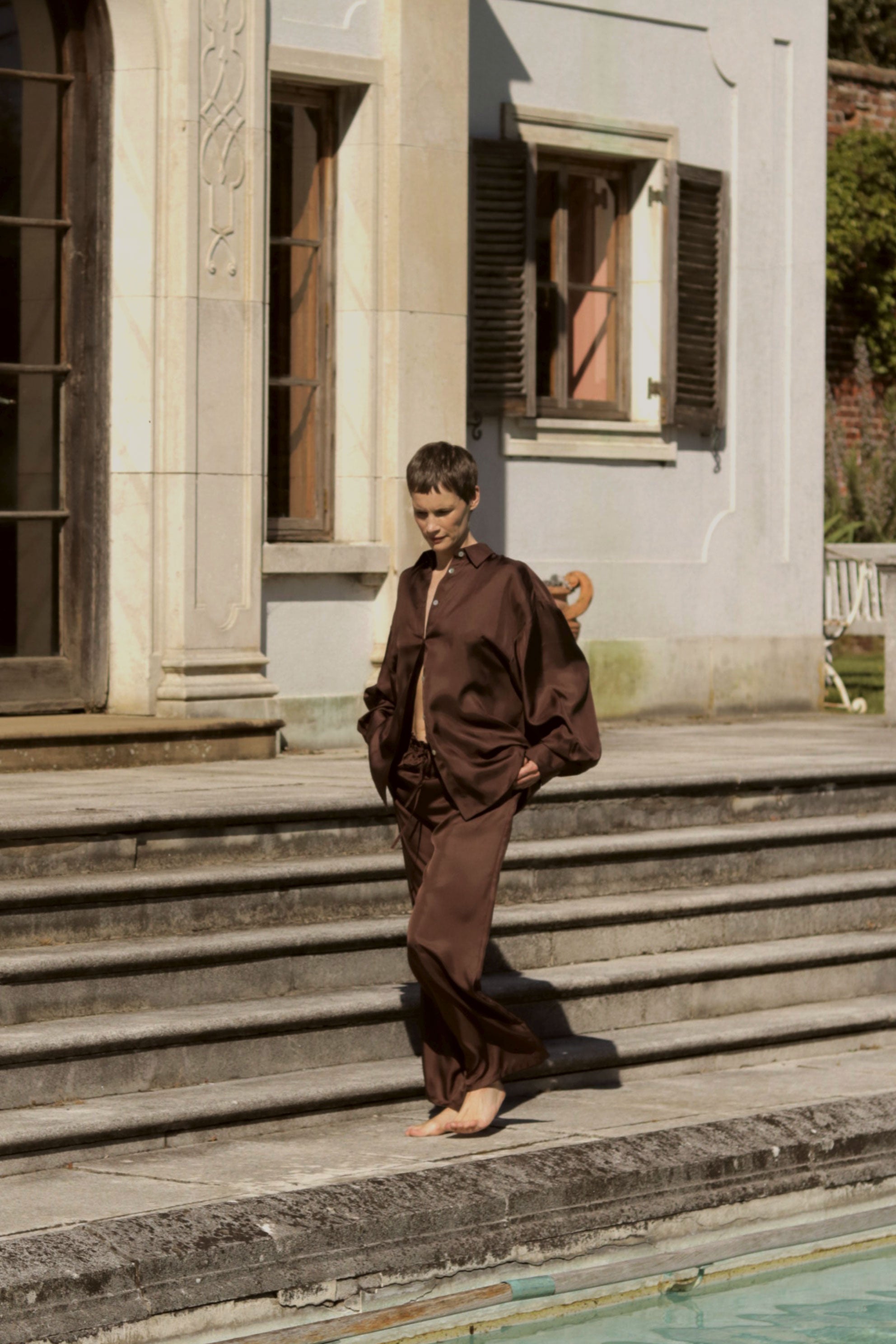
Choose a slim pyjama top that follows your silhouette. The shoulder seam should sit at your natural shoulder, sleeves should taper rather than billow, and the body should follow your torso without excess fabric. Try it on and move: raise your arms, sit, and bring your hands together to check there is no bunching beneath a blazer. Prioritise lightweight silk weaves with single-layer construction. To test the fabric, fold it between two fingers; if it compresses into a thin layer and recovers quickly, it will sit flatter under structured tailoring. Inspect construction details that reduce bulk, such as flat or bound seams, concealed plackets, small or covered buttons, narrow hems, and minimal interfacing. Avoid patch pockets, French seams with excess fabric, and bulky button stands, which create extra layers and push a blazer away from the body.
Choose low-profile necklines and collar finishes, such as a shallow V, crew, or band collar, to keep the pyjama top close to the chest and prevent it from shifting under a blazer. Avoid thick stand-up collars, ribbed finishes, or heavy mandarin collars, which can push against the coat's collar. Test the top with the actual blazer or coat, moving as you would during the day to reveal any rubbing or unwanted bulk. If needed, ask a tailor to reduce sleeve width or trim hems, keep the top unlined, press it before wearing, and consider a small half-tuck to remove excess fabric at the waist without disrupting the silhouette.

2. Tuck your pyjama top into high-rise tailored trousers
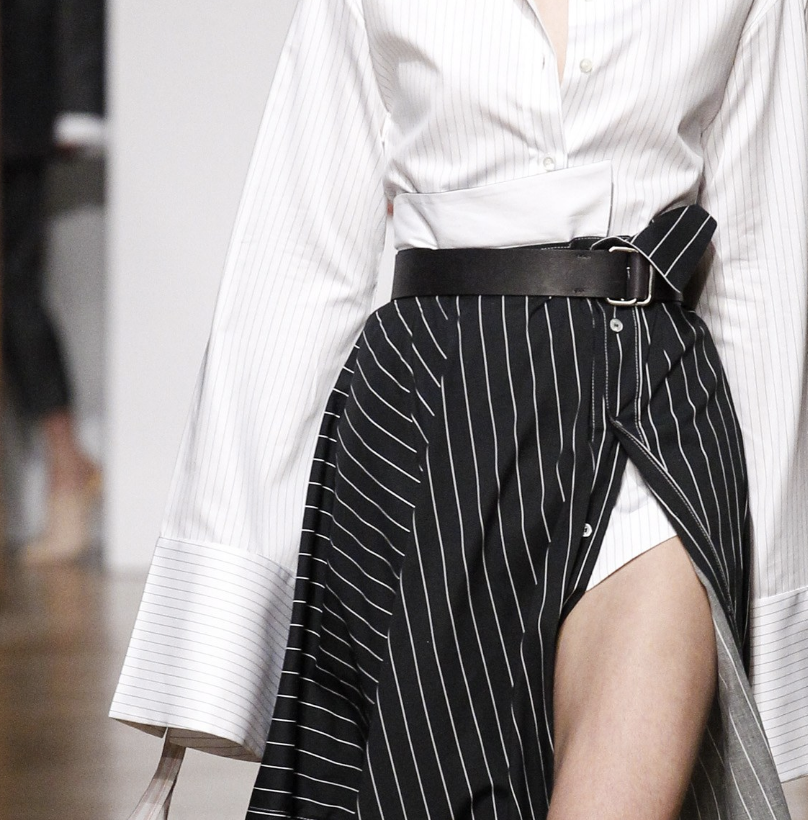
Lift your arms, smooth the silk flat, then tuck the pyjama top evenly into a high-rise waistband. Fasten the trousers, and gently redistribute any small blousing until the silk lies flush. Choose high-rise trousers with a structured, flat waistband and, if needed, add a narrow belt to keep the silk secure and prevent pooling. For discreet hold, anchor the fabric with fashion tape, tiny tacking stitches, or small safety pins placed at the side seams so the silk stays in place as you move.
Minimise competing fabric by choosing flat-front trousers with darts rather than pleats, and avoid heavy front pockets or extra waist linings that add bulk; darts direct fabric toward the waist, reducing fullness across the front. A clean, structured waistband anchors the look and visually lengthens the leg when paired with a straight or slightly tapered silhouette. Keep the blazer’s shoulders and waist neat so the jacket lies flat over tucked-in silk. Gently roll the blazer sleeves to reveal the silk cuff — this slims the sleeve profile and reduces perceived volume under a coat.

3. Finish the outfit with a tailored blazer or cropped coat for a streamlined silhouette
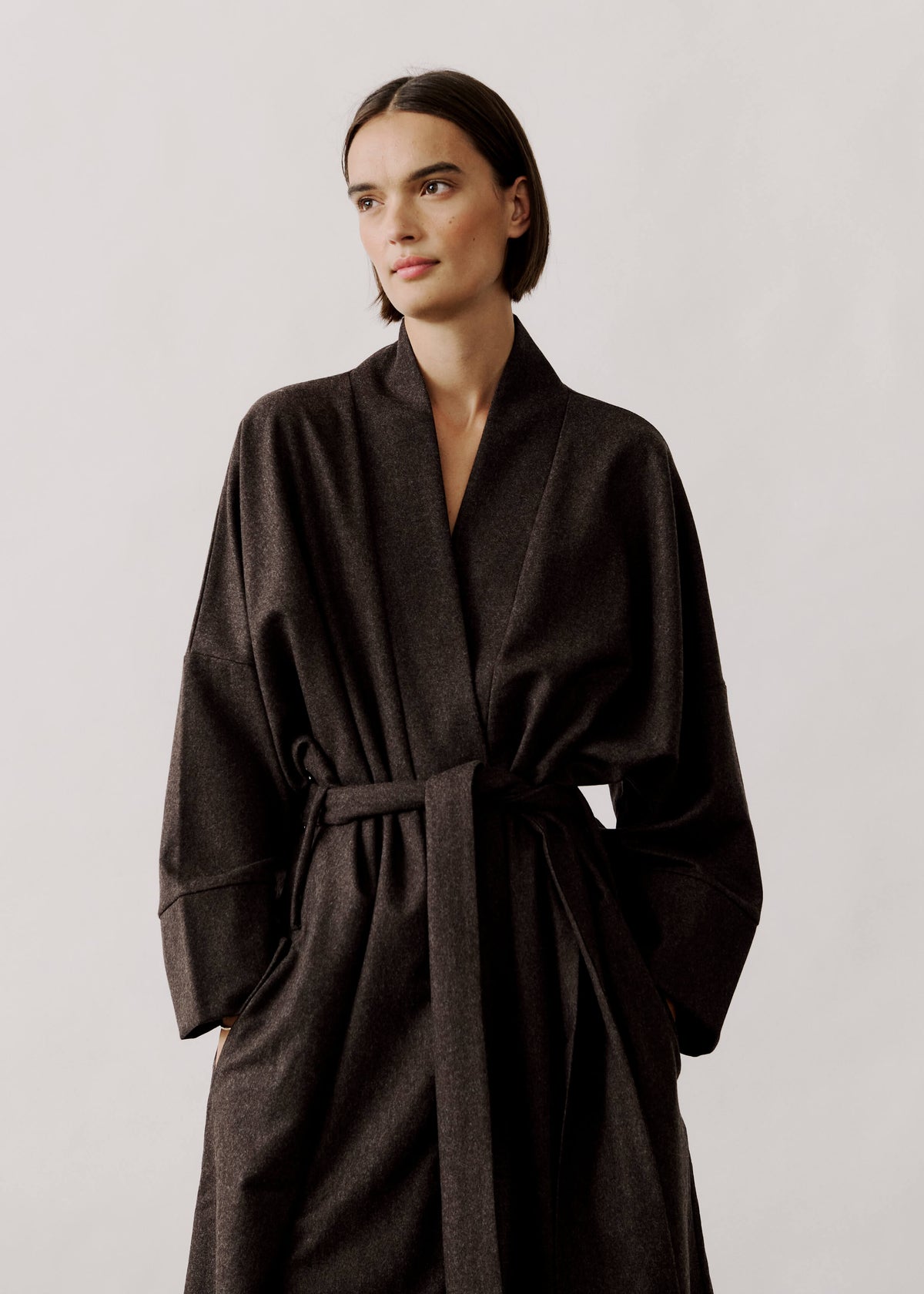
A structured blazer or cropped coat with defined shoulders and a firm fabric that sits on the shoulder seam will counter silk's natural drape and read as tailored rather than bulky. Choose a cropped length, or a jacket that finishes at the natural waist or just above the hip, to prevent the pyjamas hem from pooling and create a cleaner silhouette. Single-breasted styles with a single fastening and a subtle waist nip preserve a vertical line and keep the silk visually prominent.
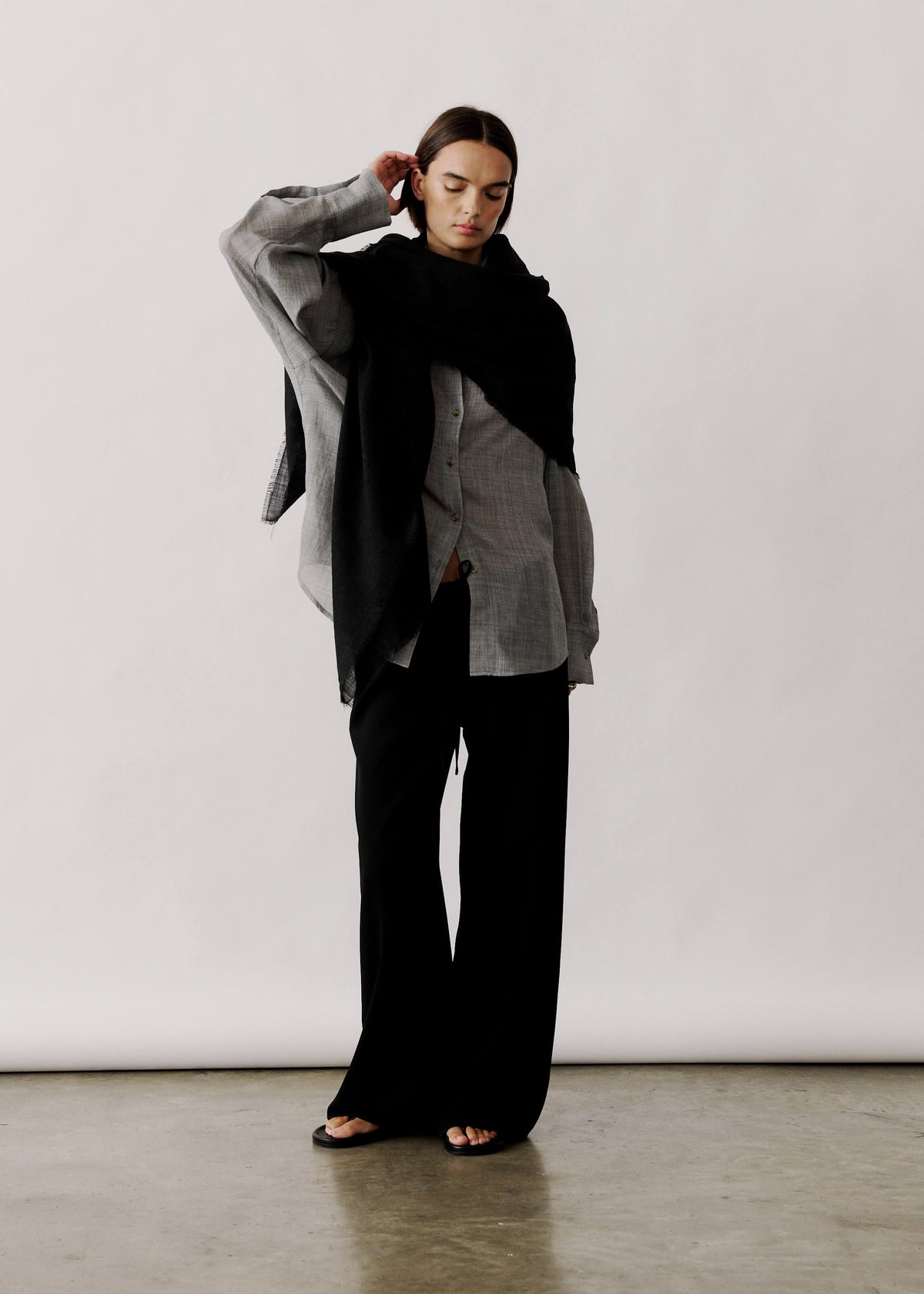
Create a slim, smooth foundation by half-tucking the pyjama top, layering a thin camisole, and smoothing the fabric before fastening the blazer to prevent side and underarm bunching. Small tailoring and refined details provide structure without adding mass: shorten sleeves to expose a silk cuff, remove heavy linings, or introduce a narrow belt or internal fastening to draw the jacket in at the waist. The result is a clean silhouette in which structured outerwear and fluid silk sit in deliberate contrast, so the outfit reads intentional and tailored rather than boxy.
A slim silk pyjama top paired with a high-rise, tailored waistband and a structured blazer or cropped coat preserves silk’s fluid drape while creating a streamlined silhouette. Prioritise low-profile finishes, lightweight weaves, and subtle anchoring techniques, such as a gentle half-tuck, a narrow belt, or discreet tacking, to prevent pooling and minimise excess fabric at key points.
Begin with a slim-fitting pyjama top with flat seams. Tuck it into high-rise, flat-front trousers, then add a single-breasted, nipped-in jacket that sits on the shoulder seam. Move in the outfit: reach, sit, walk, and make small tailoring adjustments so the ensemble feels intentional, polished, and comfortable rather than bulky.

Leave a comment
This site is protected by hCaptcha and the hCaptcha Privacy Policy and Terms of Service apply.