
How to Balance Proportions and Tailoring in Cropped, Wide-Leg, and Relaxed Linen Trousers
Linen trousers promise effortless ease, yet they can overwhelm the silhouette or sit awkwardly at the waist, leaving you unsure which alterations will improve the fit. Have you bought a pair that promised comfort but failed to flatter your proportions?
This guide shows how to balance proportions and where to tailor the waist, hem, and fall to achieve a natural drape. It offers practical styling techniques for cropped, wide-leg, and relaxed linen trousers, with small adjustments that help comfortable silhouettes look deliberately refined.

How to balance proportions to flatter your silhouette
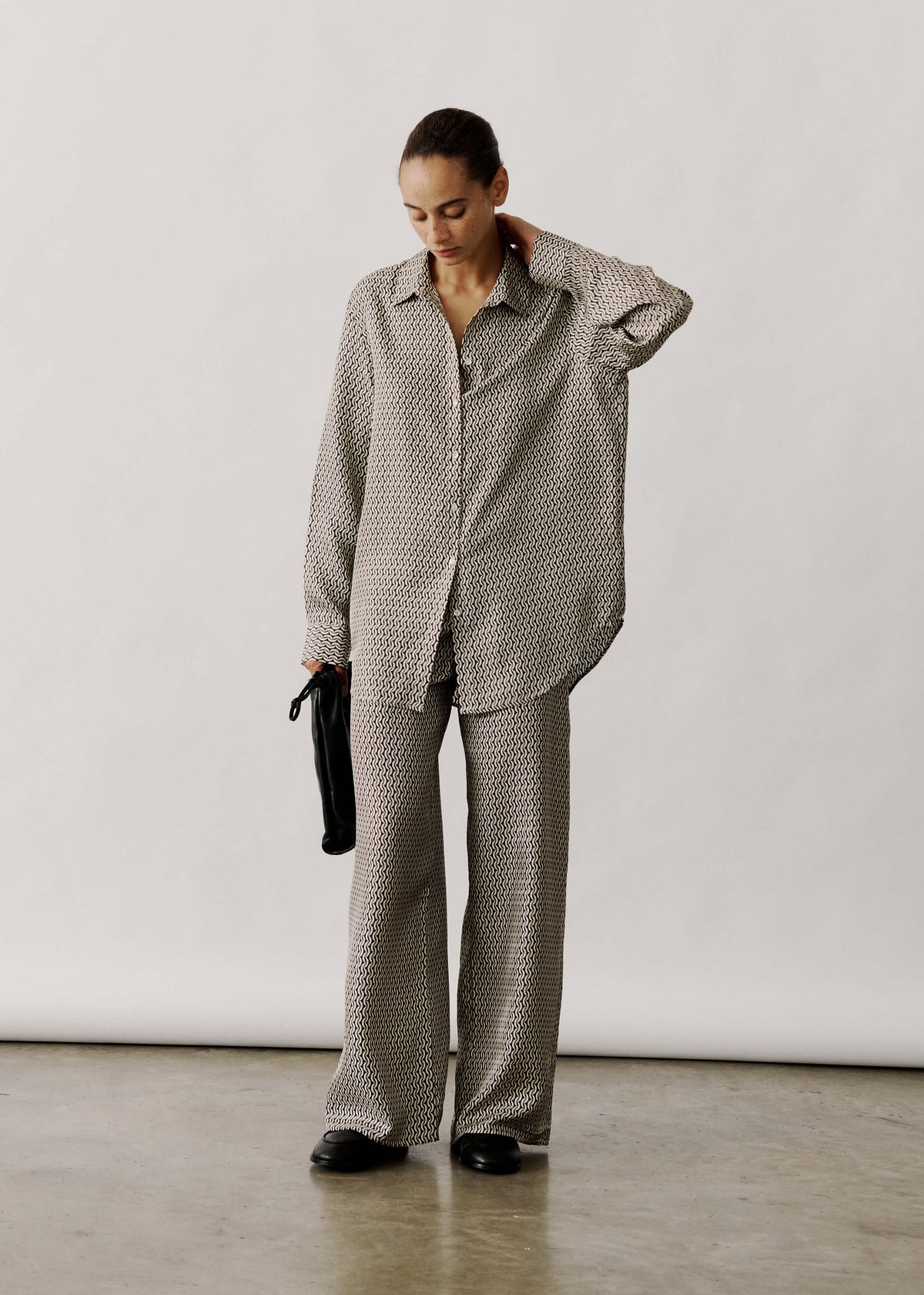
Balance cropped or wide-leg linen trousers with a fitted upper to rebalance volume. Tuck or half-tuck shirts, add a structured jacket, or define the waist to prevent the fabric from overwhelming the frame. Choose a cropped length that sits at the narrowest part of the ankle to visually lengthen the leg, and avoid horizontal breaks at the widest part of the calf, which can shorten the silhouette. Try shoes during fittings so the final hem complements your footwear, and favour narrow tops, which counterbalance the horizontal weight of wide legs and maintain a streamlined profile.
Prioritise the waist and the rise when tailoring: have the tailor take in the waist rather than relying on belts, and adjust the rise so the crotch sits comfortably on your natural centre line. Ask for subtle shape changes, for example tapering below the knee, narrowing the hem from the inside seam, or adding a pressed centre crease to create a vertical line that lengthens and slims the leg while preserving linen's natural drape. Use proportion as a tool: for pear shapes, draw attention to the upper body and accentuate the torso's narrowest point; for straighter silhouettes, introduce curves with a belt or a careful half-tuck; for petites, shorten the rise and avoid deep cuffs. Finally, allow a small margin for final alterations, since linen relaxes and softens with wear.
Choose adjustable-hem wide legs for customizable length.

How to tailor linen trousers for an effortless fit and natural drape
Begin with a basted toile or pin-fit — a loosely stitched mock-up made in the fabric or a similar weight — and wear the shoes you will most often pair with the trousers. Test the fit standing, sitting, and walking to assess the rise, crotch depth, and seat. Make adjustments in small 0.5 to 1 centimetre increments so the linen preserves a natural, unstrained drape. Decide the hem length on the body rather than by eye. For cropped styles, mark the hem 2 to 4 centimetres above the ankle bone while standing. For wide-leg trousers, let the hem skim the top of the shoe to maintain flow. For relaxed trousers, trim any excess that drags when you walk. Alter proportions at the correct points: change side seams and hem width to refine the leg silhouette. Avoid altering the centre front or the crotch unless you rebalance the rise, and always preserve the grainline so the linen falls evenly and does not twist. Use lightweight waistband treatments and minimal interfacing to keep the waist soft. Allow 1 to 2 centimetres of comfortable waist ease, keep generous seam allowances for future adjustments, and favour small internal elastic or tape rather than tightening the whole waistband.
Enhance the fabric's drape by gently steam-pressing the seams. Grade the curved seam allowances—trimming them to different widths—and clip inner curves; this reduces bulk so the seam sits smoothly. Stay-stitch pocket openings and the fly to stabilise the fabric and prevent distortion. After the first wash, reassess the fit and use the generous seam allowances you left to make small trims or let-outs, tailoring to the fabric's true behaviour. Finally, test the finished trousers in the positions you will wear them—sit, walk, and bend—to ensure the leg hangs evenly, the rise remains balanced, and the linen does not twist when you move.
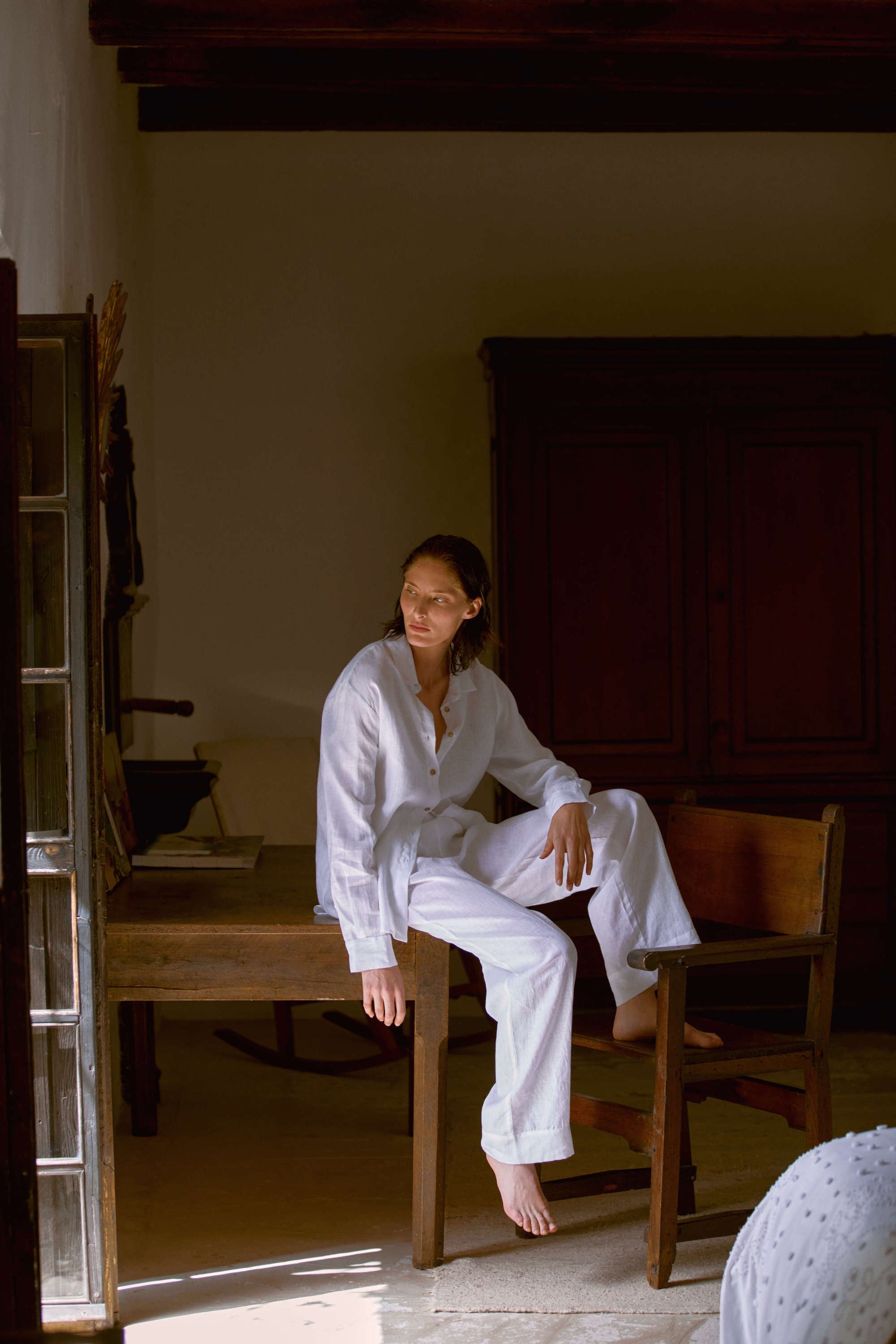
Try a wide-leg linen trouser with a soft waist.

How to style cropped, wide-leg, and relaxed linen trousers
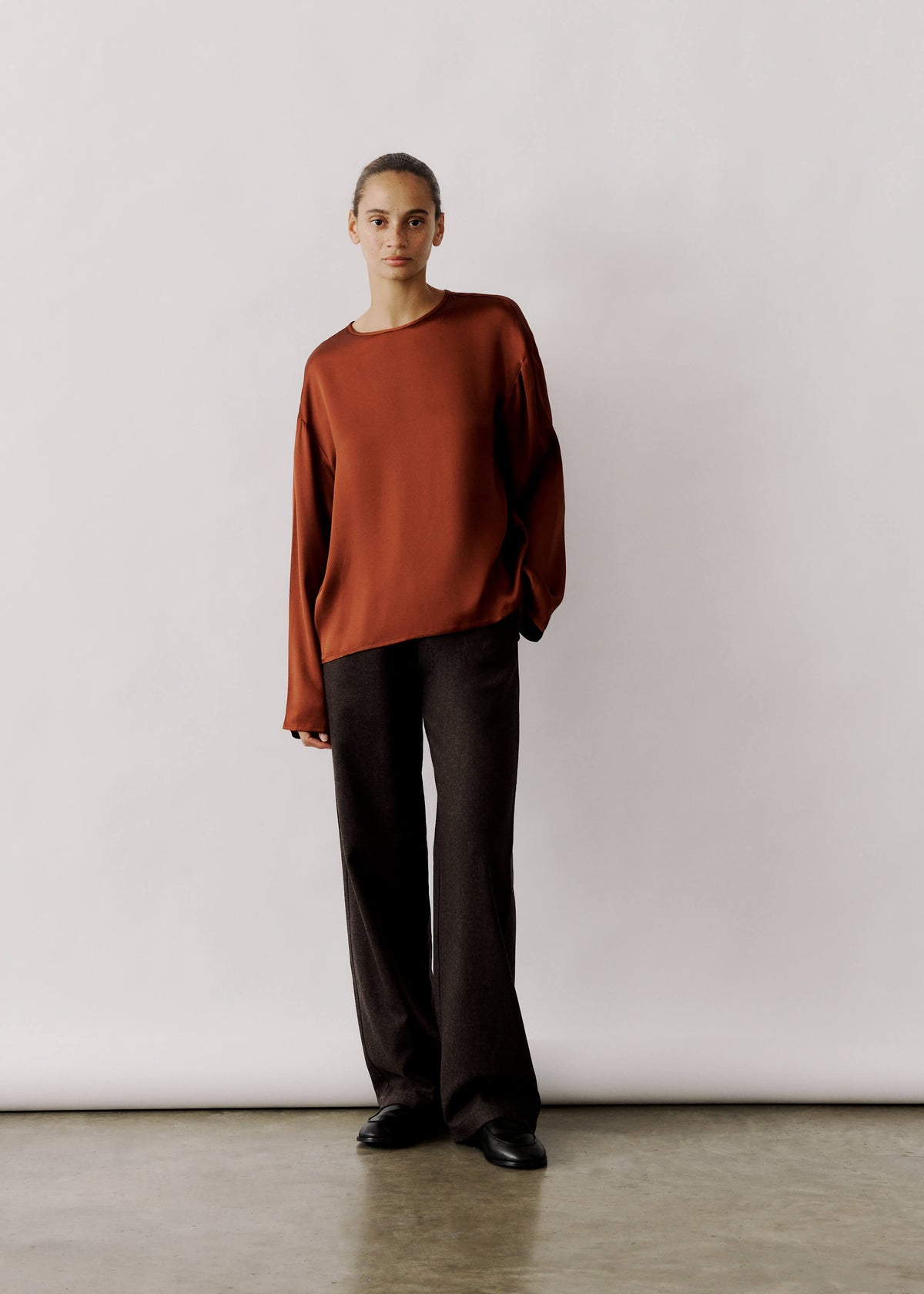
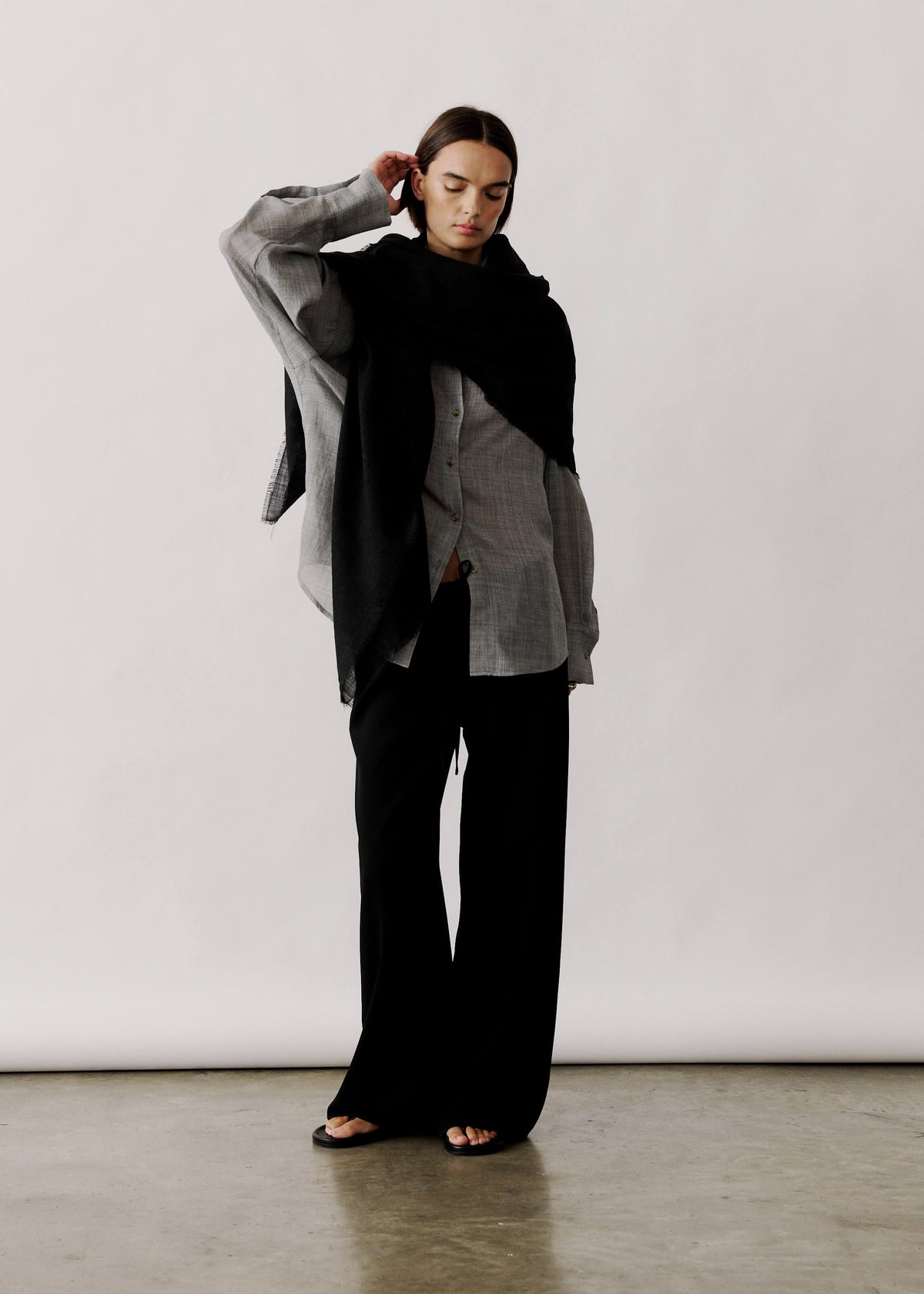
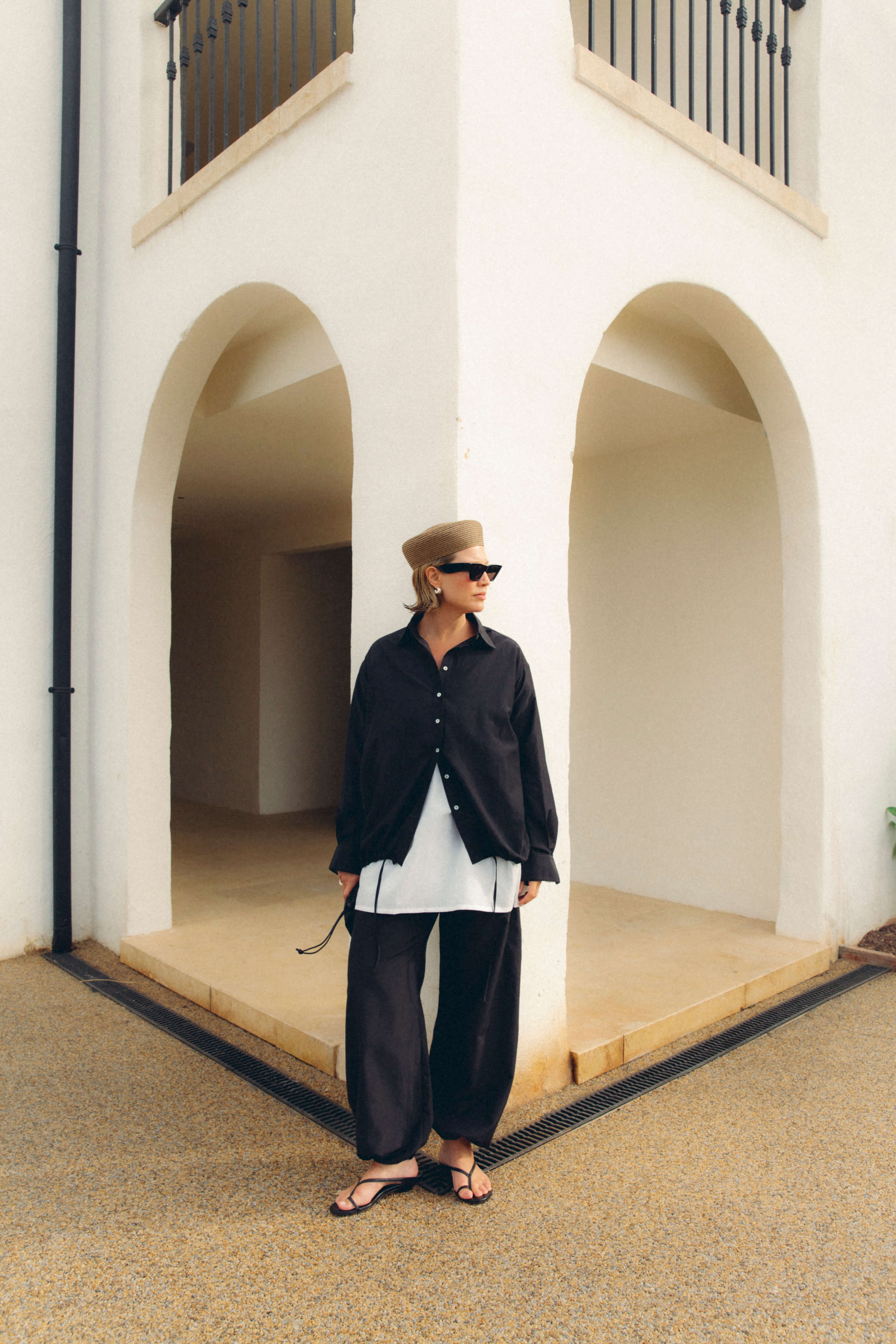
Visible hem length strongly affects perceived leg length. Cropped trousers that end at, or just above, the ankle draw attention to that point, so low-cut shoes, pointed toes, or a modest heel will lengthen the line. Raising or lowering the hem by only a few centimetres noticeably shifts the visual balance. The top you choose governs the silhouette: balance full, wide-leg trousers by wearing a fitted, tucked, or cropped top, or use a belt to cinch the waist and prevent the trousers overwhelming the torso. Pairing relaxed linen trousers with a structured jacket introduces contrast and cleaner lines while preserving the fabric's casual drape.
Alongside these styling choices, when you alter linen trousers prioritise taking in the waist, adjusting the rise, shortening the length, and applying subtle tapering at the hem. Measure waistband ease by allowing the space of one finger between body and fabric so the trousers move with you without gaping. Avoid over-tapering, as removing too much width will erase the relaxed drape that defines these silhouettes. Match the linen weight to the cut: a heavier, loosely woven linen increases volume and movement in wide-leg styles, while a lighter weave gives a softer fall in cropped and relaxed shapes, preserving intended proportions without added construction. For a streamlined finish, favour monochrome or tonal dressing, press centre creases, and use lengthening seams. Relocate the focal point with a belt, a delicate necklace, or a touch of extra heel to fine-tune perceived proportion.
Well-tailored linen trousers balance proportion and drape so comfort reads as considered, not careless. Prioritise the waist and rise, test hems on the shoes you will wear, and make small, reversible adjustments so the fabric falls naturally and flatters your silhouette.
When working with cropped, wide-leg, and relaxed cuts, choose crop points that visually lengthen the leg, favour fitted tops or a defined waist to balance wide silhouettes, and allow generous hem allowances for relaxed styles. Test, tailor, and reassess after the first wash to secure an effortless drape that moves with you, then adopt considered styling that frames comfort as an intentional design choice.

Leave a comment
This site is protected by hCaptcha and the hCaptcha Privacy Policy and Terms of Service apply.