


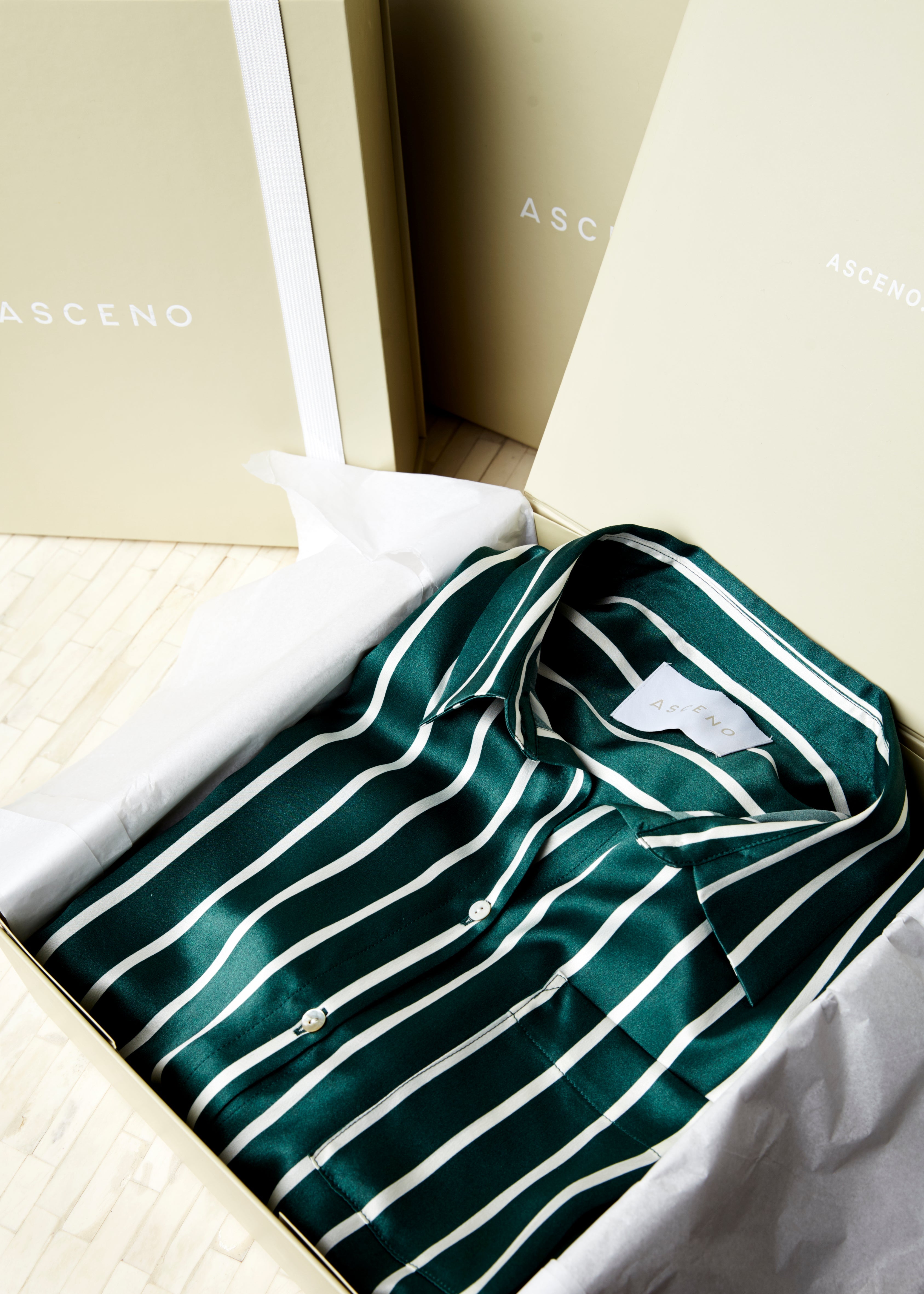
Three packing layers and materials to keep silk wrinkle-free
Have you ever unpacked silk only to find set-in creases that refuse to yield to an iron? Silk fibres crease when compressed or abraded, so packing technique often determines whether a blouse arrives ready to wear or needs careful reviving.
This guide explains how to inspect and ready silk, layer it with soft, breathable protection, and pack garments for transit to reduce pressure and friction. Follow the steps to prepare each piece, select cushioning materials that do not trap moisture, and revive silk promptly on arrival.

How to inspect and prepare silk garments for care and storage
Begin by reading the care label and noting the silk type and weave, for example charmeuse, crepe de chine, or chiffon, as each reacts differently to folding, steaming, and rolling. Check for stains, perfume, and body oils, blotting or spot-cleaning them before you pack, because trapped residues can set, stiffen fibres, and make creases harder to remove. Inspect seams, linings, shoulder pads, and loose threads, and fasten buttons, zips, and hooks to stabilise high-stress points and reduce movement while in transit.
Support a garment's shape by gently stuffing sleeves, bodices, and collars with acid-free tissue or a clean cotton cloth, and fold only along natural seams to avoid concentrated creasing. When appropriate, turn the garment inside out and smooth it flat, or hang it to relax with a light steam or humidity treatment if the care label permits. Relaxing the fibres before packing lowers internal tension, helping silk resist new creases during transit. Taken together, these steps preserve the silhouette, minimise pressure points, and reduce the chance of deep wrinkles forming.

2. Layer silk beneath a soft, breathable base for lasting comfort
Begin with a soft, breathable base layer, such as lightweight cotton muslin or cotton jersey, to cushion the silk and wick moisture. Place acid-free tissue at planned folds and other high-stress points to reduce friction and prevent sharp fold lines. Lay a clean, flat base layer, position the garment with the right side facing up, and interleave tissue where creases might form; then cover with a final breathable layer. For flowing pieces, roll loosely to preserve the drape. For structured items, fold gently with tissue supports at corners and seams. Stuff sleeves and collars with tissue to maintain shape, and slip a scrap of silk or a lightweight scarf between silk surfaces so they move together and minimise surface abrasion.
Match your interleaving to the fabric. Lay unlined dresses and heavier silk garments flat, slipping generous tissue between folds. Add extra layers of tissue or cotton for delicate crepe or charmeuse to prevent pressure lines. Roll pyjamas and blouses inside a cotton pouch to reduce creasing while saving space. Choose breathable containment. Trapped moisture can form water spots and let fibres set into creases, so store silk in cotton drawstring bags or pillowcase layers. In humid conditions, position desiccant packets nearby, not touching the fabric. When packing, place silk on top of heavier items or in its own compartment. Pad hardware and buttons with folded fabric or tissue to avoid pressure points, and lay a soft layer beneath the garment to distribute weight. Do not stack heavy items above silk, as they can compress fibres into permanent creases.

3. Preserve silk in transit and revive its sheen on arrival
Use a three-layer packing method to protect silk: lay the garment on acid-free, uncoloured tissue, surround it with soft padding such as clean cotton or fleece, and enclose the parcel in a rigid, structured outer shell. The tissue redistributes pressure across the weave, the padding absorbs shocks, and the rigid shell prevents compression lines from forming. When folding, follow the garment's natural seams and place a thin sheet of tissue between each fold, and loosely roll sleeves or long panels to avoid repeated crease points that concentrate stress.
Keep silica gel packets in an external pocket to help control humidity, and tuck small pads of soft fabric into stress points such as collars and cuffs to prevent dents. Stable humidity and local cushioning both limit fibre deformation and reduce the risk of mildew. When you first receive the garment, hang it and relax the fibres with gentle steam from a distance, or leave it in a steamy bathroom, then smooth by hand from the inside out to avoid surface marks. If ironing becomes necessary, test an inconspicuous area first and use a low heat setting with a damp press cloth, as direct heat or water can scorch silk or leave watermarks.
Preventing set-in creases in silk begins before you pack. Inspect the care label, then gently relax the fibres with light steam or a soft hand to ease stubborn folds. Fold garments along their natural lines and interleave acid-free tissue at each planned crease to cushion vulnerable areas. Layer pieces with breathable fabrics to reduce friction, and place the folded items inside a padded, structured outer shell to minimise localized pressure, surface abrasion, and moisture during travel.
Specifically, inspect and prepare silk before packing: check seams, secure loose buttons or ties, and smooth folds to prevent snagging. Place a cushioning layer of muslin, unbleached cotton, or acid-free tissue between folds to preserve a garment's silhouette and minimise the need for heat or wet treatments on arrival, which can flatten fibres or leave watermarks. Pack deliberately: lay structured pieces flat, roll softer items, and use strategic padding for shoulders and collars, favouring materials that allow airflow for packing and transit. On arrival, garments should need little more than a gentle steam and careful hand smoothing to be ready to wear.



Leave a comment
This site is protected by hCaptcha and the hCaptcha Privacy Policy and Terms of Service apply.