


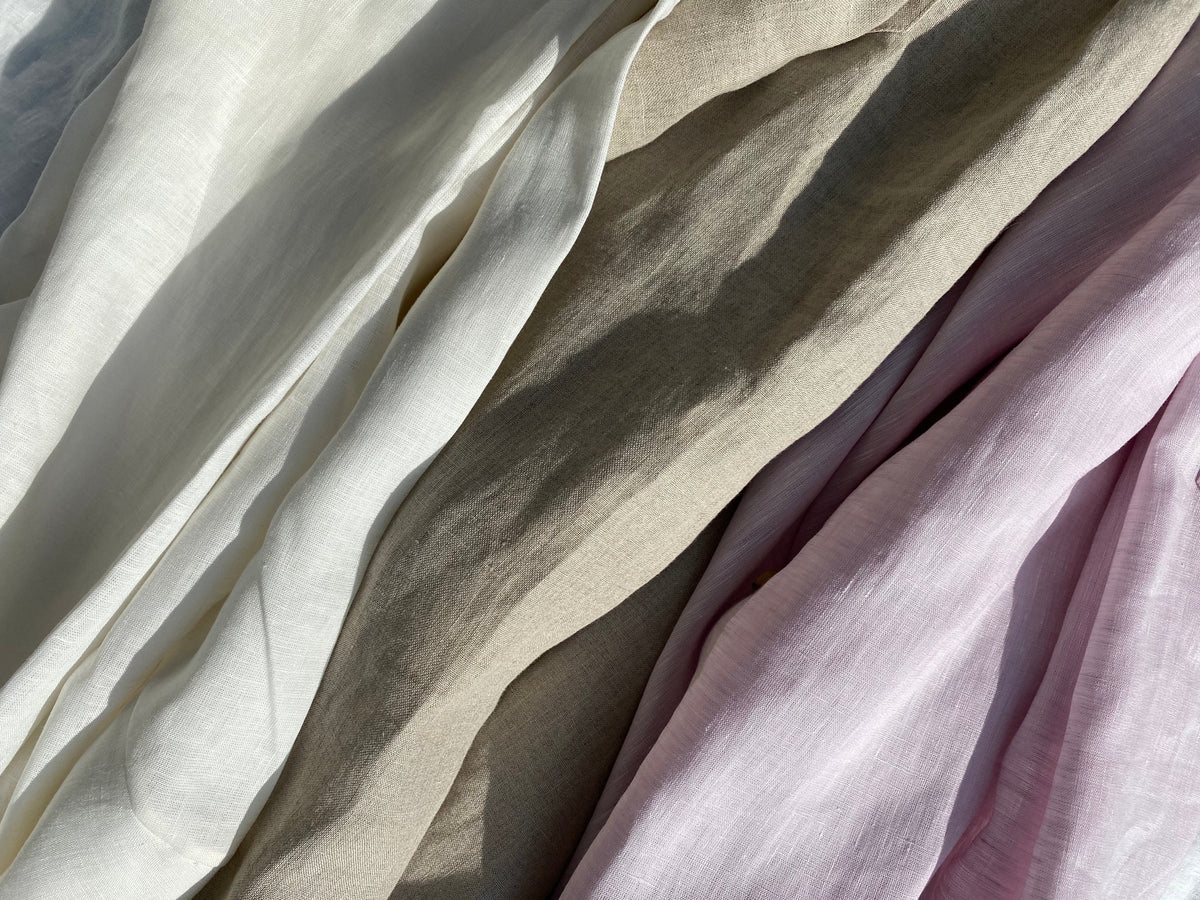
How to Choose and Combine Silk and Linen for a Calm, Wearable Capsule Wardrobe
If your wardrobe feels chaotic or uncomfortable, silk and linen can help. These naturally breathable, softly draping fabrics create a quieter, more wearable core. Choose pieces with the right weave, weight, and fit so layers sit smoothly and move without bulk.
This post outlines how to choose silk and linen according to weave, weight, and fit; how to balance palette, texture, and proportion for calm layering; and how to assemble a versatile capsule wardrobe. It also offers straightforward care guidance to preserve each piece's drape and extend its life, making the capsule both practical and elegant.

Choose silk and linen by fabric structure, heft, and drape
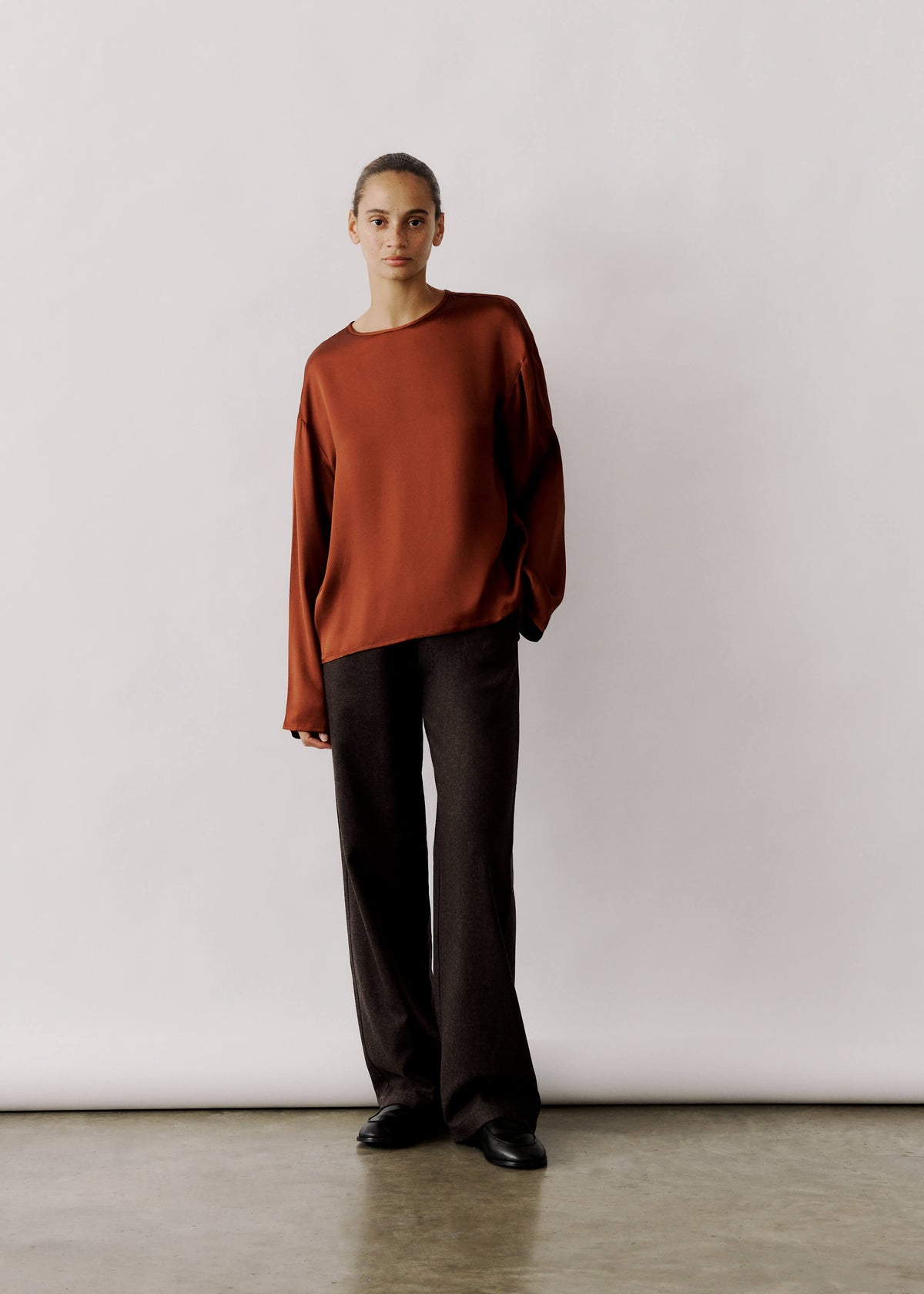
Different weaves alter how silk and linen behave. Plain weaves sit matte and stable; twill reveals diagonal ribs that add opacity and help the fabric resist creasing; satin and charmeuse silks use long floats to produce a luminous sheen and fluid drape, while increasing surface slip and susceptibility to abrasion. Hold a swatch up to the light to reveal floats and ribs, then gently gather a fold to observe how it falls, which helps you match weave to garment purpose, whether tailored trousers or flowing blouses. Consider fit with those behaviours in mind: silk often benefits from closer shaping to avoid excess billow, whereas linen typically requires extra ease to accommodate natural creasing and movement.
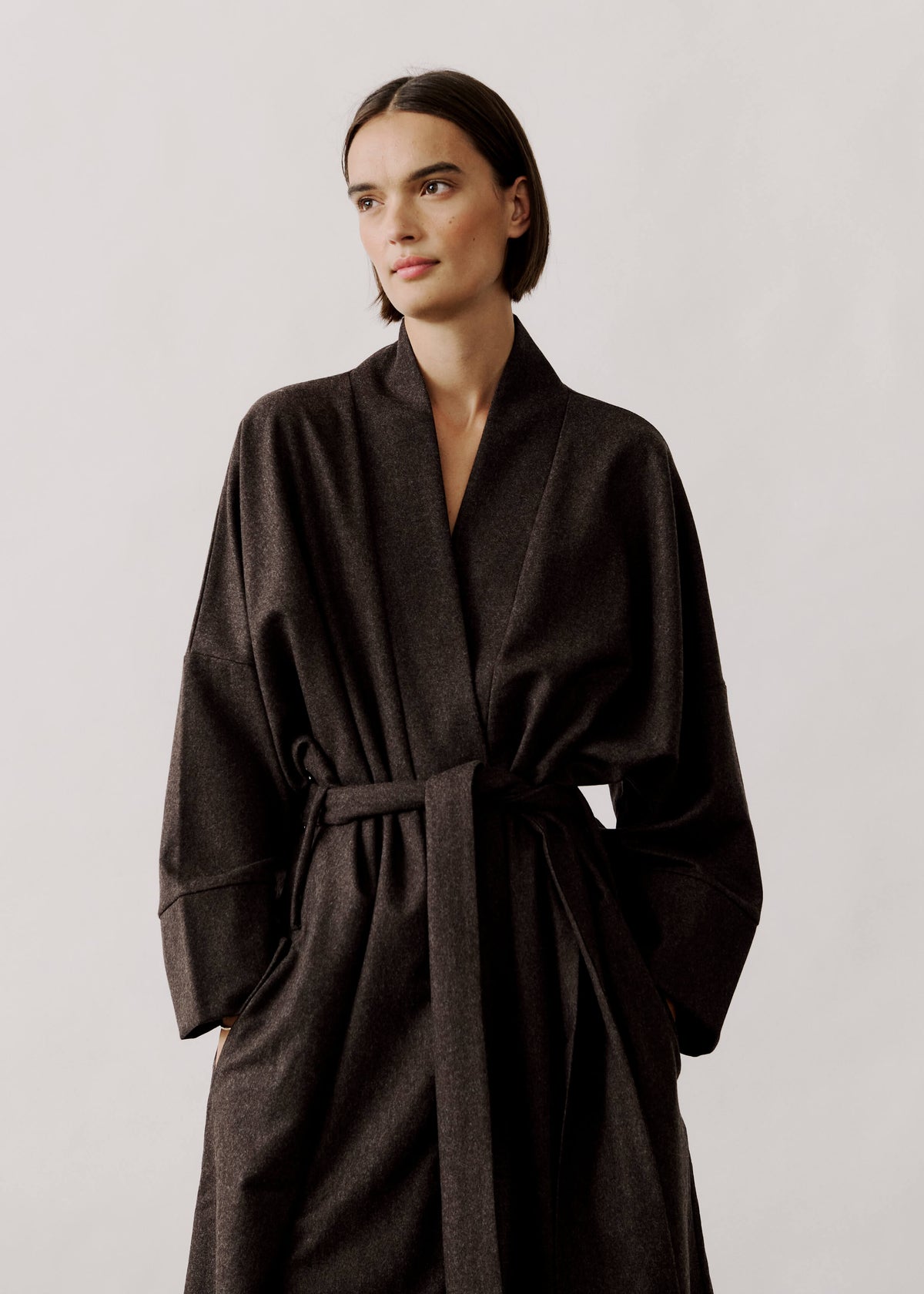
Assign roles within a capsule by weight and hand. Heavier linens hold structure for jackets and tailored trousers, lighter linens breathe and layer, ultralight silks float, and midweight silks or crepe provide opacity and resist cling. To assess weight, scrunch a swatch and let it fall: heavier fabrics hang straighter and resist billowing, while lighter ones will drape around the body. Pair pieces by balancing weight and texture as well as colour, and avoid combining very stiff linen with ultra-sheer silk unless the silk is lined, because contrasting drape becomes obvious in motion. Inspect construction and subtle signals such as lining, seam finishes, and visible slubs. Run your thumb along the grain or examine a hidden seam for fraying to anticipate long-term behaviour, and choose pieces that will layer and age predictably.
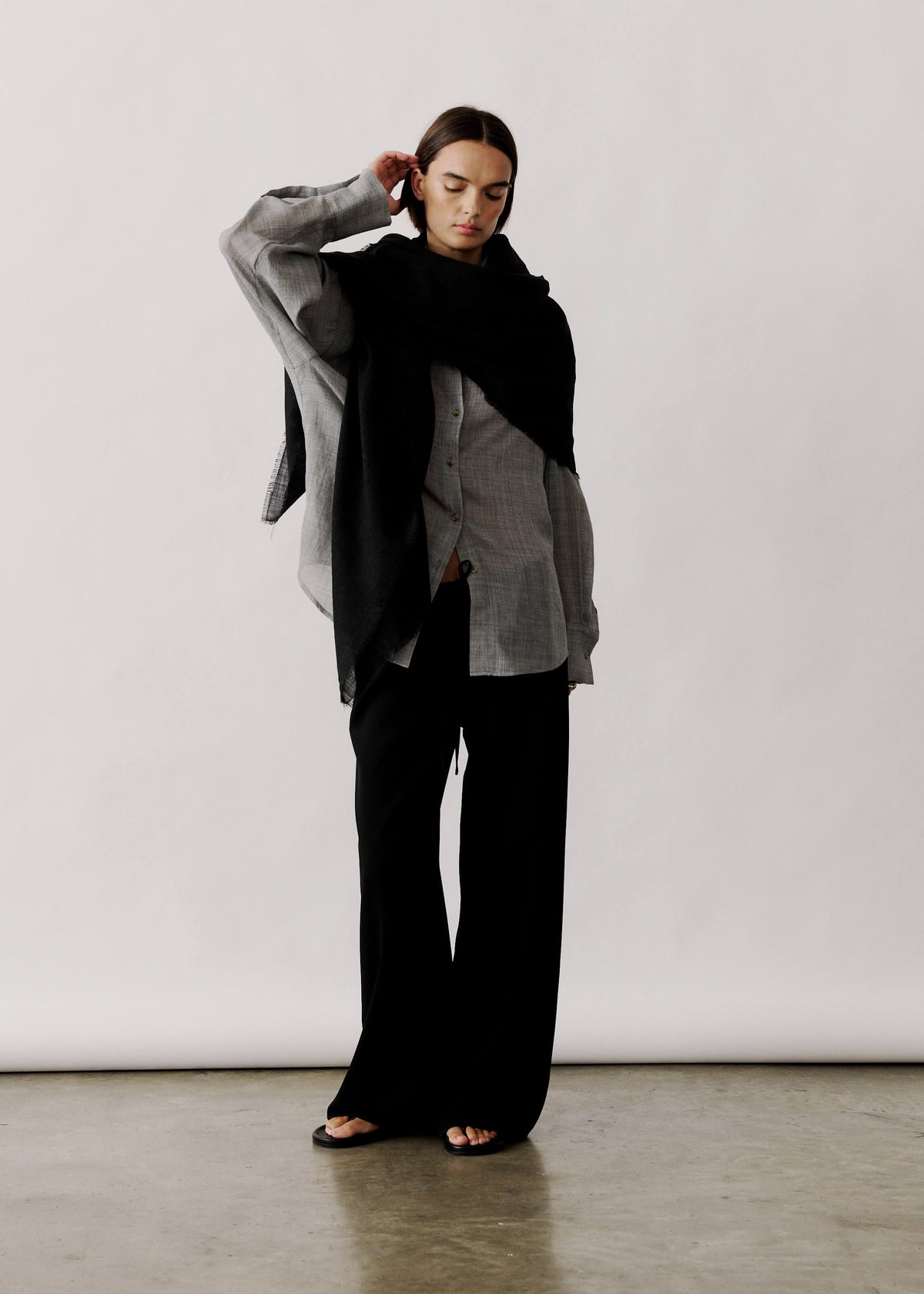
Add a sheer tunic to soften structured linens.

Balance colour, surface detail, and scale for serene layering
Begin with a restrained palette: select three base colours and one accent, and match their undertones so warm sits with warm, cool with cool. Repeat a single colour across silk and linen to tie textures and create visual cohesion; test swatches together before committing to a capsule. This restraint calms combinations and lets layering read as deliberate rather than busy, because the eye follows colour instead of competing hues.
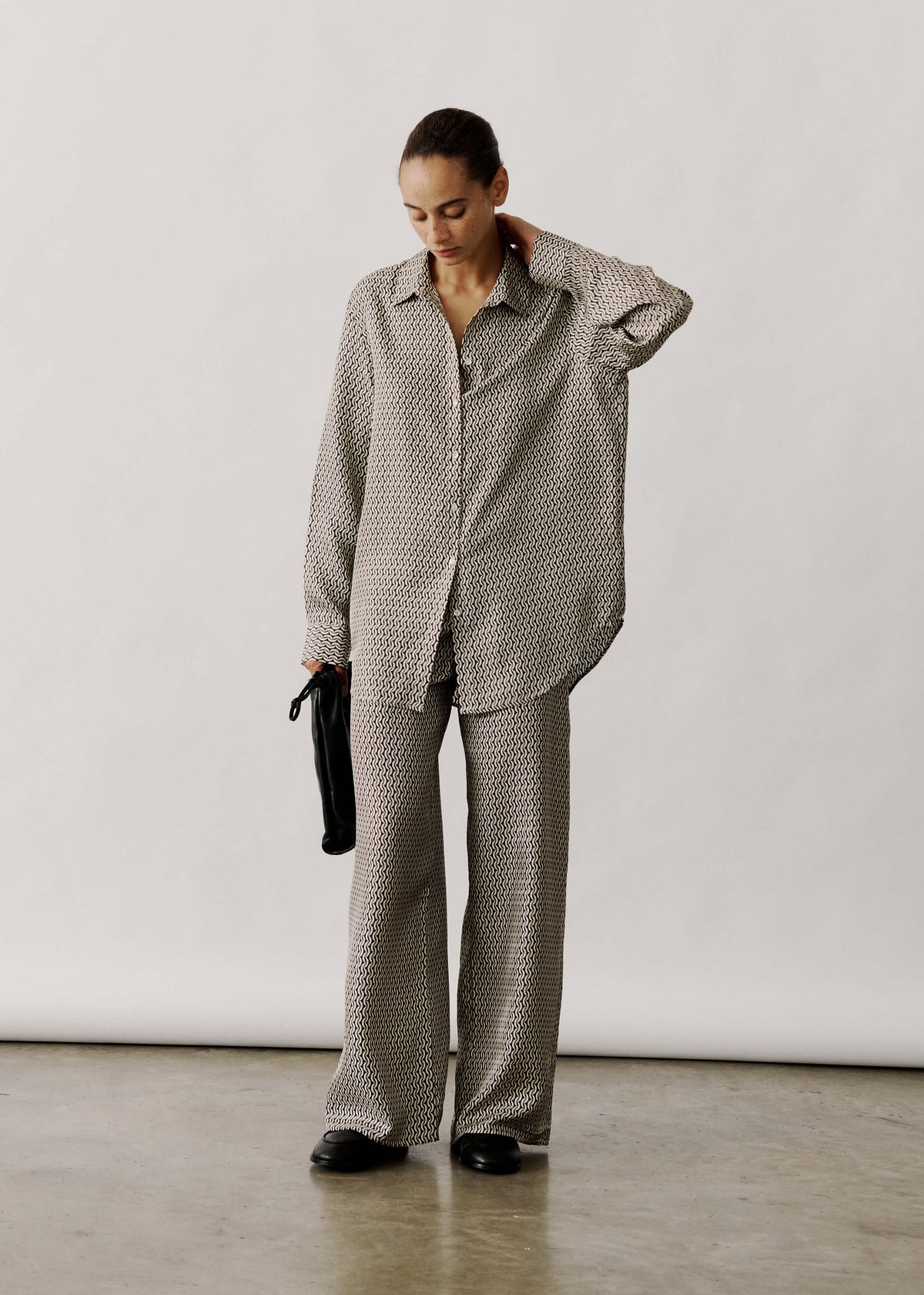
Alongside colour, use texture to create a calm contrast: pair silk's smooth, fluid drape with linen's slubby, structural weave so silk softens edges while linen provides architectural volume. Balance proportion deliberately by pairing a fitted piece with a relaxed one, keeping the thinnest layer next to the skin, and varying hem lengths to lengthen or shorten the silhouette. Practical combinations include a lightweight silk camisole beneath a midweight linen shirt, a slim silk top with wide-leg linen trousers, or a midi silk slip under an oversized linen shirt. Care for both fibres gently: handwash or use a delicate machine cycle with like fabrics, avoid tumble-drying, reshape linen when damp, steam silk to restore its fall, rotate garments to reduce friction, and echo one metal, leather tone, or colour across accessories to anchor the layered look.
Layer a sheer silk-cotton piece over linen for calm

Curate a versatile, timeless capsule wardrobe and care for silk and linen
Assemble a considered core wardrobe of eight to twelve complementary pieces. Aim for two silk tops, a blouse and a camisole, for sheen and drape; three linen pieces, trousers, a shirt, and a blazer, to provide structure and breathability; a silk dress or slip to polish an outfit effortlessly; a lightweight knit or jacket for layering; and one practical bottom, such as tailored trousers or a skirt. Choose a cohesive colour palette: two to three neutral base colours, one or two accents, and limit patterns to a single scale and palette so looks remain calm and easily mixed. Consider fabric finishes to balance colour and impact: silk reflects light and intensifies colour, while linen reads more muted, so pairing a silk accent with neutral linen creates visual calm. Keeping the selection small increases outfit permutations, simplifies laundering, and reduces wear from constant rotation.
Start with five simple outfit formulas: tuck a silk blouse into linen trousers for smart-casual polish, layer a silk camisole under an open linen shirt for relaxed depth, pair a silk slip dress with a linen blazer for understated elegance, knot a linen shirt at the waist over a silk skirt for textural contrast, and wear a pyjamas-style silk shirt with tailored linen shorts for informal, put-together lounging. These combinations make it easy to see how sheen, texture, and silhouette interact. When composing looks, balance matte linen with small touches of silk sheen, and pair loose linen shapes with tailored silk to keep silhouettes intentional. Choose pre-washed or softened linen to limit shrinkage. Tend to small repairs early: mend snags and reinforce stress points, and avoid abrasive jewellery and rough bags that accelerate wear. Care for each fibre on its own terms. Test colourfastness before washing. Wash silk gently by hand or on a delicate cycle in cool water with a mild detergent, and use a mesh bag for extra protection. Reshape linen while damp, then dry flat or on a hanger to reduce creasing. Iron linen at a higher temperature while damp, and press silk on a low setting with a cloth between iron and fabric. Store garments in breathable bags away from direct sunlight. When travelling, fold silk flat to prevent lines, but roll linen to minimise creases.
Taken together, silk and linen create a calm, wearable capsule. Select pieces by weave, weight, and fit, and balance sheen, texture, and proportion so layers sit and move without bulk. Heavier linens add quiet structure, while midweight silks provide opacity and fluidity. Preserve drape and extend the fabrics' life by hand washing or using a delicate machine cycle, reshaping damp linen, and steaming silk.
To put this into practice, follow three practical steps: choose by weave, weight, and fit; balance colour, texture, and proportion; and assemble a compact capsule wardrobe with deliberate care to simplify choices and extend wear. Begin by testing swatches together and build from a restrained colour palette so each outfit feels intentional rather than busy.
What should I check in silk and linen weaves, weight, and fit before buying?
Look for weave cues by holding the fabric to the light to see floats or ribs and pinch a fold to judge drape; plain weaves sit matte, twill adds opacity, and satin or charmeuse give sheen and slip. Choose heavier linen for structured pieces and lighter linen for layering, while silk usually benefits from closer shaping or midweights for opacity to avoid excess billow.
How do I balance colour, texture, and proportion to keep layered looks calm?
Start with three base colours and one accent, match undertones, and repeat a colour across silk and linen for cohesion; pair silk's smooth drape with linen's slubby structure to create gentle contrast. Pair a fitted piece with a relaxed one, keep the thinnest layer next to the skin, and vary hem lengths to control visual proportion.
What core pieces form a versatile silk and linen capsule?
Assemble eight to twelve items such as two silk tops (blouse and camisole), three linen pieces (trousers, shirt, blazer), a silk dress or slip, a lightweight knit or jacket, and one practical bottom like tailored trousers or a skirt. Choose a cohesive palette with limited patterns so pieces mix easily and increase outfit permutations.
How should I care for silk and linen to preserve drape and longevity?
Hand-wash or use a delicate cycle in cool water with a mild detergent, use a mesh bag for silk, reshape linen while damp, and steam silk to restore its fall; avoid tumble drying and abrasive accessories. Store both in breathable bags away from direct sunlight and mend snags or reinforce stress points early to reduce wear.
Can I mix very stiff linen with ultra-sheer silk when layering?
Avoid pairing extremely stiff linen with ultra-sheer silk unless the silk is lined, because mismatched drape becomes obvious in motion. Instead balance layers by matching weight and texture so fabrics move together rather than fight.
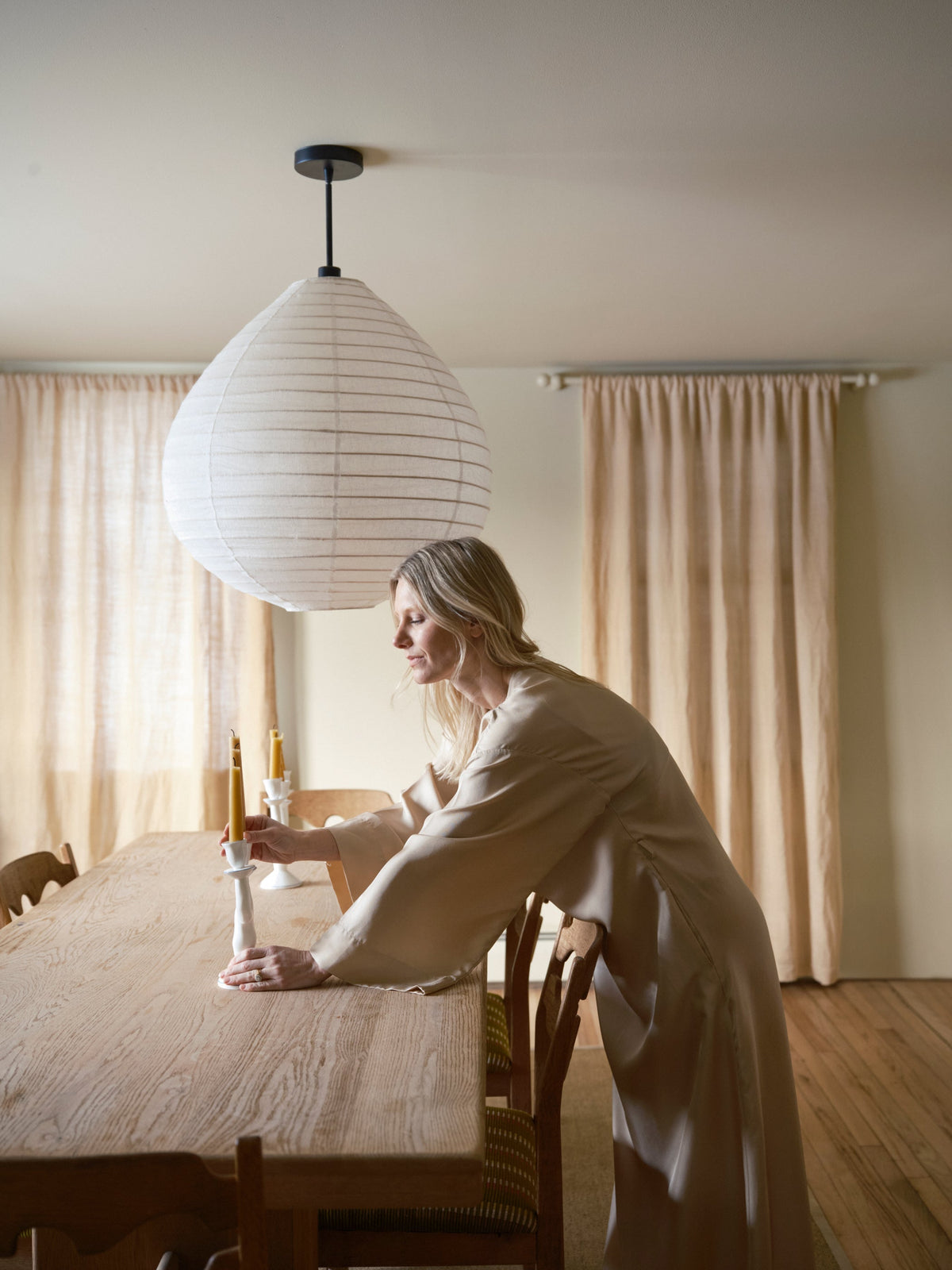


Leave a comment
This site is protected by hCaptcha and the hCaptcha Privacy Policy and Terms of Service apply.