
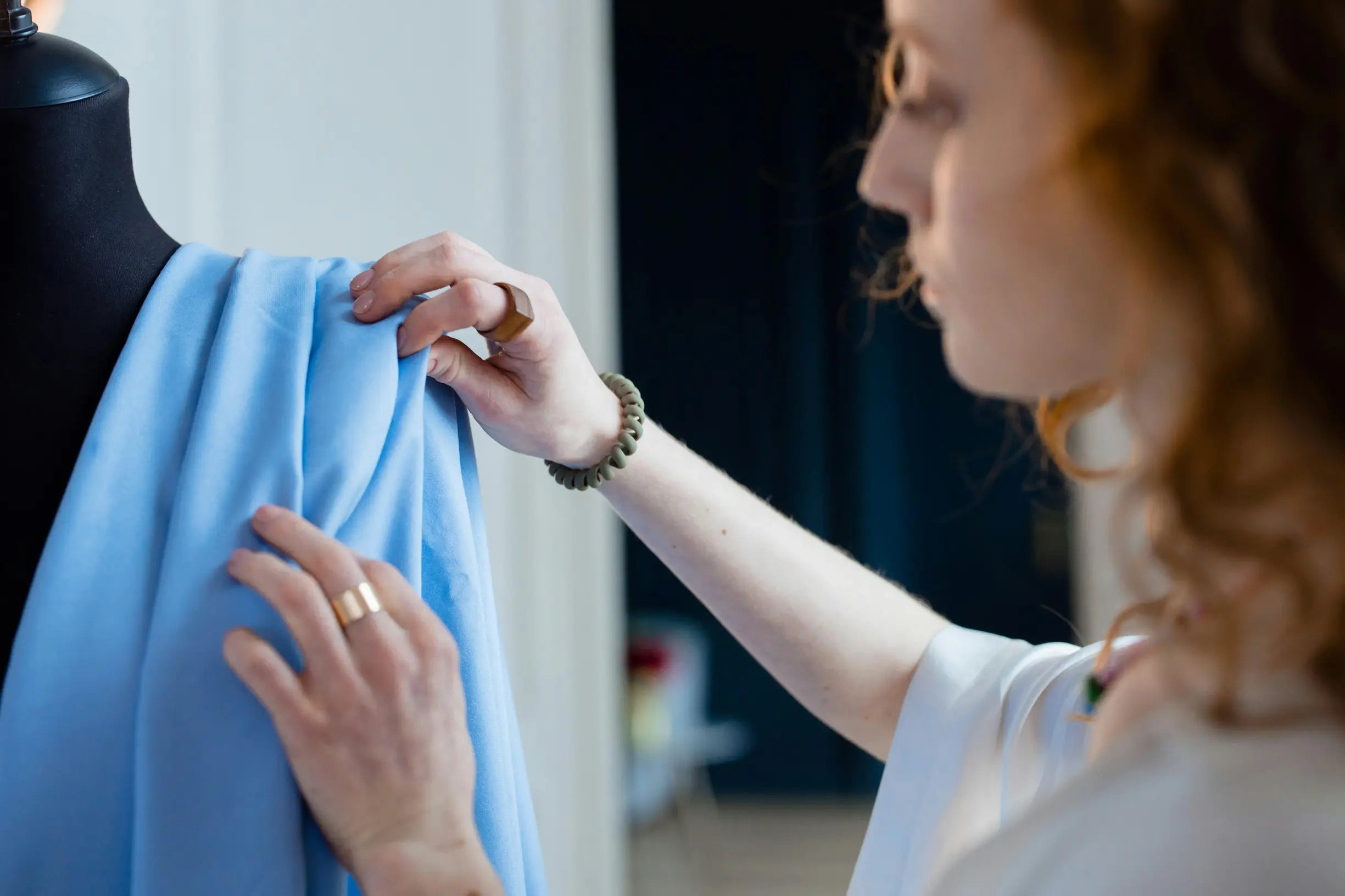
A Designer’s Childhood Shapes Their Silhouettes, Colour Choices, and Narrative
Have you ever recognised a childhood smell or favourite fabric and realised it quietly shapes your design choices? This post examines how early sensory memories, family rituals, and mentors' guidance form the invisible grammar behind a designer's silhouettes, colour palettes, and narratives.
Here are practical ways to harness memory, translate atelier techniques into crafted details, and shape coherent silhouettes that carry narrative weight. Whether you work in fashion, costume, or product design, understanding these connections will help you choose colour, cut, and story with intention, rather than by habit.

How to harness early sensory memories and family rituals
Begin with five vivid childhood scenes, whether a rocky shoreline or a quiet kitchen. For each scene, run a focused sensory inventory: note what you saw, touched, smelled, heard, and felt. From those notes, extract three descriptive words and assign them to silhouette, material, and colour to create direct visual cues. Assemble a micro archive of objects, photographs, textile swatches, recipe notes, and audio snippets, labelling each item with its origin and the emotional trigger. Over time this searchable archive will serve as a practical, inspiration-rich source for mood boards and colour studies.
Translate recurring family rituals into functional details by first identifying the gestures, rhythms, and sequences that shape them. Convert those observations into practical features: closures, pocket placement, layering systems, and repeating motifs. For example, a shawl-wrapping ritual might suggest a generous, wrap-style collar. Rapidly prototype to test authenticity. Isolate a single memory-driven element per prototype, observe how silhouette and colour respond on different bodies and under varied lighting, photograph the results, and iterate based on whether the piece still evokes the original trigger. Respect context to avoid nostalgia traps: verify specific details against archival items, note whose story informs the work, and refine memories into precise, original choices rather than resorting to generic sentiment or cultural shorthand.
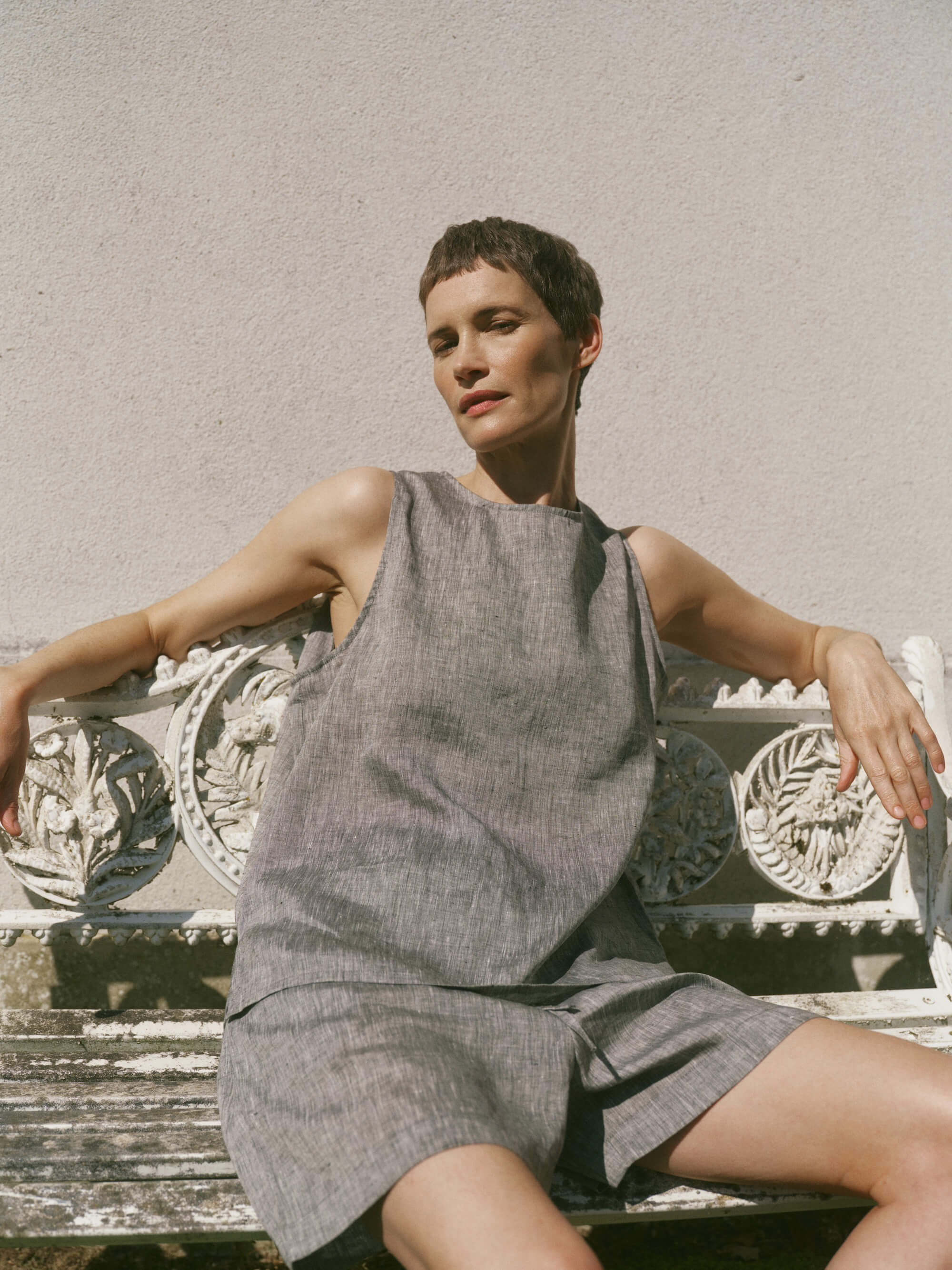
Anchor memory-driven silhouettes in relaxed silk with pockets.

Turn a mentor's teachings and atelier techniques into your craft
To connect a mentor's teachings and atelier techniques to your personal references, begin by mapping your memories. List five childhood objects, places, or garments, then photograph or sketch each; study the images to extract recurring shapes and proportions, and distil three silhouette templates from a basic dress block. Test palette provenance by assembling swatch boards tied to specific memories, viewing them on different fabrics and under varied light, and noting which combinations deepen the emotional connection. Film an atelier technique taught by a mentor, such as hand draping, pleating, or finishing; break the sequence into a step by step checklist, and practise until the gestures become intuitive.
Place childhood sketches, early student work, and mentor exercises side by side. Annotate recurring motifs, such as shoulder line, sleeve volume, or proportion, and map how narrative and craft evolve together. Convert a mentor's atelier ritual into a repeatable studio routine; for example, establish a three-stage loop of drape, refine, record, and apply it consistently during prototyping. Assess each iteration by fit, movement, and wearer feedback, and keep concise notes that link shape decisions to sensory and emotional responses. Use those notes to justify a cohesive colour strategy and to prioritise targeted improvements in silhouette, finish, and construction.
Test prints and palettes on a lightweight silk shirt

Curate silhouettes, colour palettes, and personal narratives from your past
Begin with a memory audit: assemble childhood photographs, garments, toys, and fabric scraps, then catalogue recurring shapes, colours, and textures, noting how often each appears. Choose three items and translate them into silhouettes by tracing two-dimensional outlines at several scales. Simplify each form into a wearable or functional shape, and iterate until the essential character remains without literal copying. This process turns scattered memories into repeatable design motifs, providing concrete evidence to inform silhouette decisions rather than relying on guesswork.
After the memory audit, begin with real material samples: scan or photograph them to capture true colour and tactile detail. Use a colour-extraction tool to identify dominant hues, then organise those hues by temperature and saturation into primary, secondary, and accent roles. Apply the palette to simple mockups to see how memory-linked colours behave in context, and adjust saturation or placement until the balance feels considered and coherent. Complement the visual work with a one-paragraph micro-narrative of a formative memory, then highlight the verbs and adjectives that convey movement, mood, and texture. Use those words as concrete criteria for fabric selection, cut, and finish, favouring natural, tactile materials where they support the association. Finally, prototype quick samples that emphasise either silhouette or colour, show them to people who knew you as a child and to viewers unfamiliar with you, record consistent associations, and use those patterns to refine, amplify, or discard motifs.
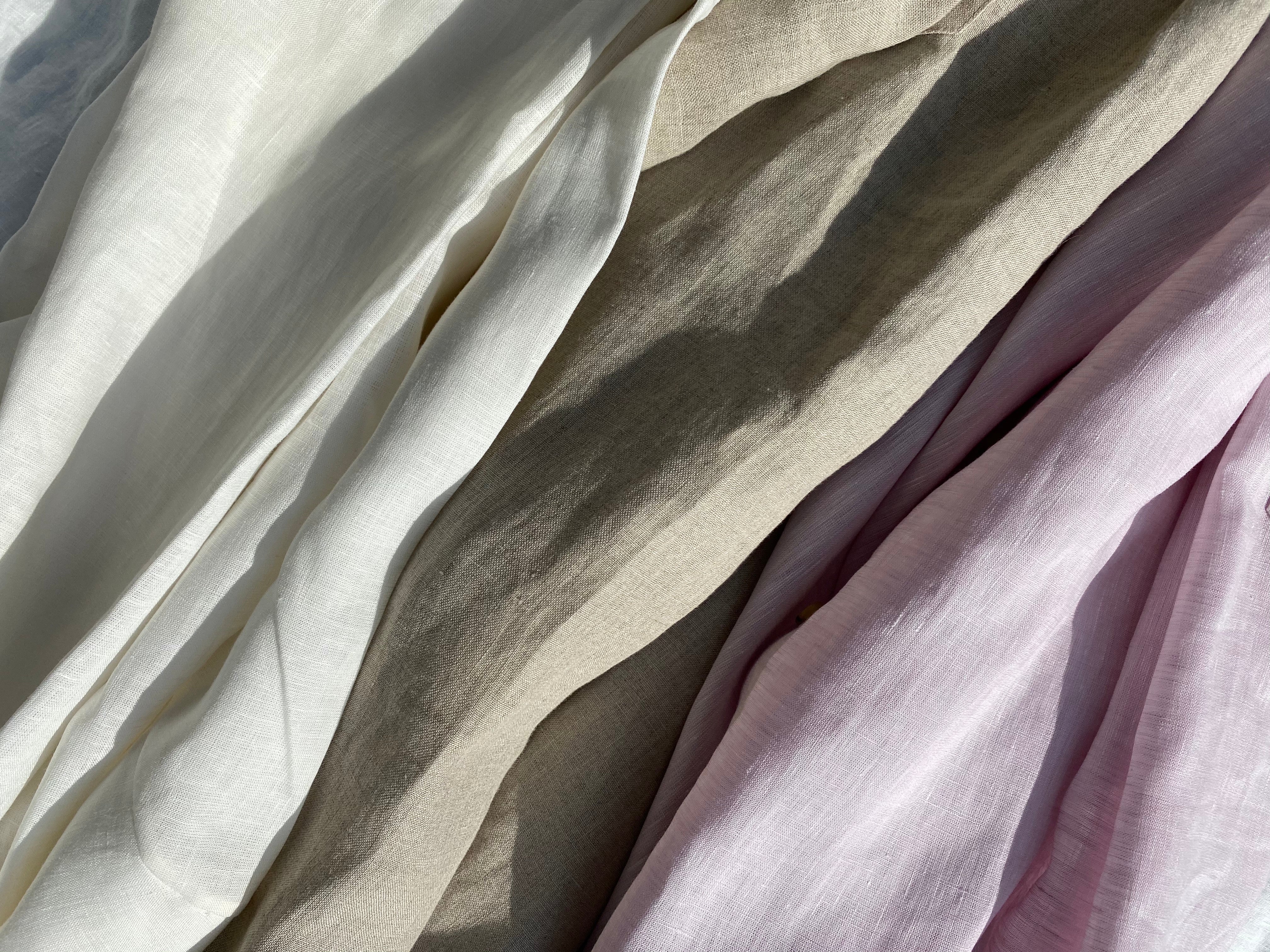
Childhood sensory memories, family rituals, and techniques learnt from mentors form a working design vocabulary that shapes silhouette, colour, and narrative. By translating vivid scenes into sensory inventories, mood archives, and repeatable studio exercises, designers turn private associations into motifs they can test and refine. For example, a childhood spent by the sea may resurface as cool linens, shell-white hues, and relaxed shapes.
To put these ideas into practice, map the memories you want to evoke, then prototype focused, single-memory mock-ups and record wearer feedback. Observe how movement, texture, and colour read across different bodies and in varied light. Those recurring associations reveal which silhouettes to refine, where to prioritise craft, and which intentional choices convey meaning and withstand close scrutiny.
What practical steps can I take to use childhood memories in my design process?
Run a focused sensory inventory of five vivid scenes, extract three descriptive words from each, and map them to silhouette, material, and colour; build a labelled micro-archive of objects, photos, textile scraps, recipe notes, and audio snippets for mood boards and colour studies. Prototype single-memory mock-ups, photograph them under varied lighting, and iterate based on whether the work still evokes the original trigger.
How can I avoid clich e9 or generic nostalgia when translating memories into design?
Verify specific details against items in your archive, state whose story informs the work, and refine memories into precise formal choices rather than broad sentiment or cultural shorthand. Test authenticity by prototyping one memory-driven element at a time and using wearer feedback to confirm emotional truth.
Can mentor teachings and atelier techniques be turned into repeatable craft routines?
Yes; film a mentor drill, break it into a step-by-step checklist, practise until movements become intuitive, and convert the ritual into a studio loop such as drape, refine, record. Use annotated comparisons of childhood sketches, early student work, and mentor exercises to trace recurring motifs and prioritise focused improvements in silhouette and finish.
What is a reliable method for building a memory-driven colour palette?
Scan or photograph real material samples tied to memories, extract dominant hues, then organise them by temperature and saturation into primary, secondary, and accent roles. Apply those roles to mock-ups, adjust saturation or placement as needed, and write a short micro-narrative to highlight verbs and adjectives that set concrete criteria for fabric choice, cut, and finish.
When prototyping, how should I test whether a memory-driven motif works on different bodies and contexts?
Isolate one memory-driven element per mock-up, observe its behaviour on different bodies and under varied lighting, and photograph the results. Show samples to people who knew you as a child and to unfamiliar viewers, record consistent associations, and use that evidence to refine, amplify, or discard motifs.

Leave a comment
This site is protected by hCaptcha and the hCaptcha Privacy Policy and Terms of Service apply.