





Mapping Journeys: How Place, Craft and Ritual Shape Material and Form
When makers move between sites, their work changes in ways they rarely name. How do landscape, the feel of a material, and repeated gestures map themselves onto the objects we make?
This piece traces those mappings through concrete examples: coastal clay that yields a subtly altered rim, timber that parts beneath a rasp, and a potter's routine that steadies the wrist. Expect practical prompts that allow place to inform process, experiments that teach materials through making, and simple rituals that refine gestures and deepen control.

How Place Shapes Design, Form, and Creative Process
Small, site-driven tests measure local conditions and material behaviour. Teams record relative humidity, substrate pH, and salt exposure, then track dimensional change, cracking, and colour shifts to establish tolerances for joinery, finishes, and assembly. Documenting vernacular craft, from hand techniques and tool marks to assembly sequences, yields practical design rules. For instance, floating joints accommodate seasonal wood movement, and simplified hand finishes become reproducible surface treatments. Mapping rituals of use via brief user diaries and photographs pinpoints touch points, cleaning rhythms, and movement routes. Those insights guide where to place reinforcements, which wear-friendly materials to choose, and how to design visible repair strategies that embrace patina as evidence of use.
Trace each material from source to studio with a concise material passport that notes origin, extraction method, processing residues, and storage requirements, so teams can anticipate contamination risks and plan conditioning steps. Stage drying and curing where ambient conditions assist, and carry out sensitive joins and glazing on site to avoid transport shock. Introduce quality checkpoints before fabrication and again prior to final finishing. Run iterative, small-batch trials to calibrate processing windows; record how assemblies respond to settlement and moisture uptake, then refine tolerances and joinery details accordingly. Organise production sequences around place so observed behaviour and tacit craft knowledge translate into reliable outcomes and make long-term performance legible to makers and users alike.
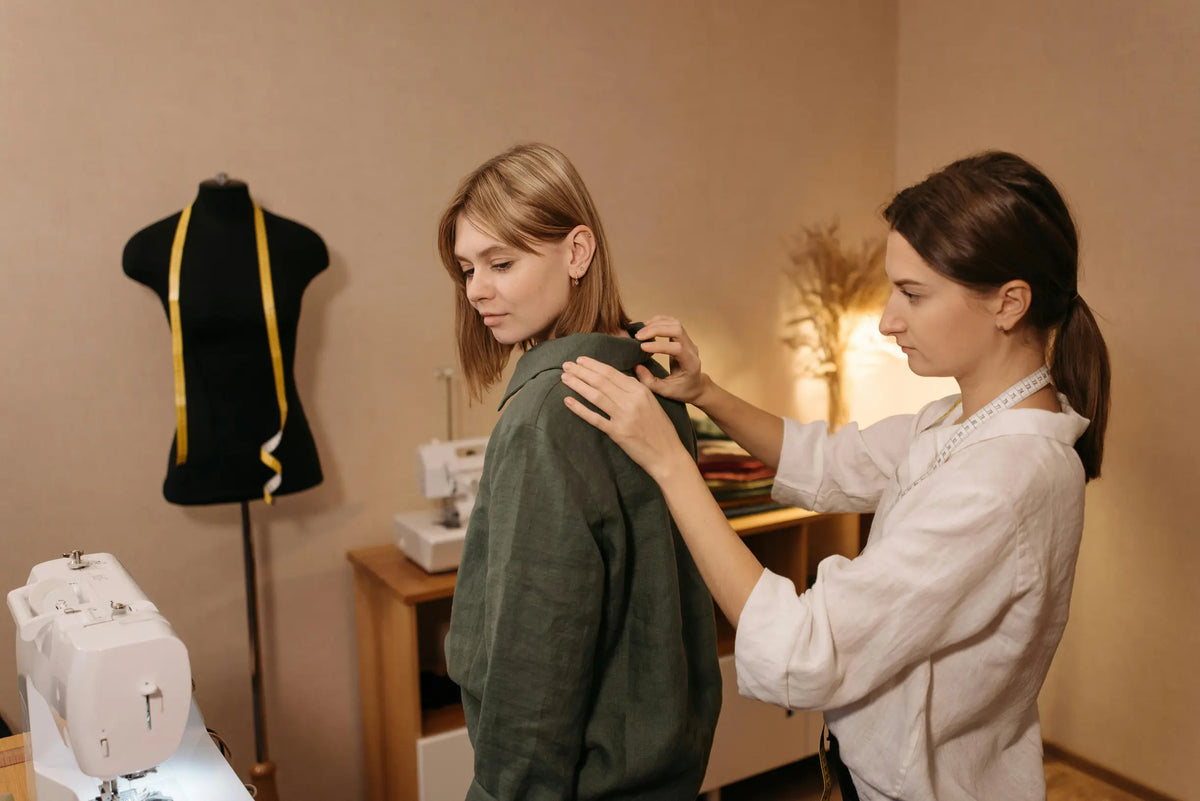
Embrace durable, breathable linen that improves with wear.

Explore fabrics through making: a hands-on guide to natural materials
Start with controlled, single-variable experiments. Choose one material and produce three small samples that differ only in a single parameter, then measure and record dimensional change, bending behaviour, absorption, and failure mode to reveal causal relationships. Concurrently, compile a material atlas: photographed swatches, cross-section sketches, tactile descriptors, and annotated lifecycle notes describing origin, ageing, common repair techniques, and typical failure points for future cross-referencing. Recreate craft techniques as focused prototypes, iterating particular joins, finishes, and forming methods. Document process notes and measurements so tacit skills become explicit design constraints.
Map sensory and environmental influences by collecting material samples from a range of settings. For each sample, catalogue scent, surface texture, thermal response, and visible grain or fibre orientation. Record measurable behaviours — for example, how fibre direction guides tear paths, or how porosity alters patina and maintenance needs. Standardise lighting and photographic settings, and keep a concise log of ambient conditions. Run short, structured handling sessions to gather consistent qualitative feedback, then compare those responses with quantitative measurements to identify which material behaviours most affect use and longevity. Use the accumulated dataset to prioritise experiments that address recurring failures, and iterate design decisions within clear, evidence-based constraints.
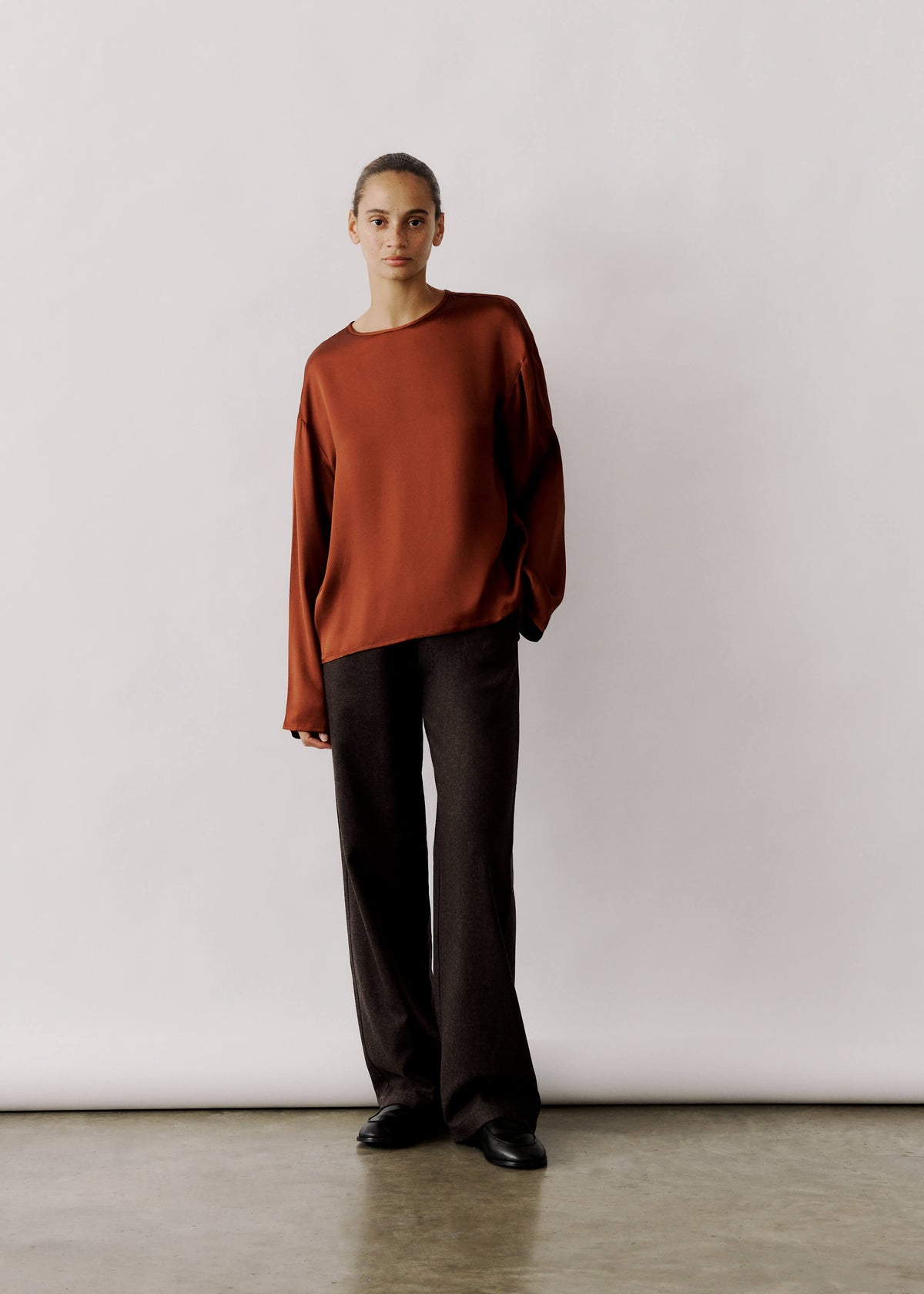
Test silk twill drape with a lightweight resort-ready dress.

How to refine your everyday gestures with a simple ritual
Begin each session with a short ritual to centre attention and calibrate the hands. Warm your hands, then make five controlled reference strokes on scrap material, varying pressure and angle. Select the stroke that best matches your intention and repeat it to build muscle memory and reduce variability in your first marks. Use constraint rituals to focus observation: limit yourself to a single tool, a single material, or a single mark type for the session. The restriction encourages you to notice how small changes in gesture alter line, texture, and tension. Keep a simple maintenance and test routine. Clean, sharpen, or adjust your tool, then run a standard test sequence on scrap and record the result alongside the tool settings. Over time, this log maps which micro-adjustments produce specific formal changes and removes guesswork from gesture refinement.
Start by choosing three gesture speeds or pressures and make ten marks with each. Compare the results, either directly or through photographs, to observe how tempo and force change edges, continuity, and texture. After each session, photograph key studies, note what changed, and write a single-line action using this three-question checklist: what improved, what failed, what I will try next. These short, immediate feedback cycles convert accidental discoveries into repeatable refinements. Over time, tracking outcomes reveals reliable relationships between gesture, tool condition, and form. Used together, short routines before and after work, deliberate constraints, and systematic testing make form more predictable, gestures more intentional, and signature movements clearer.
Materials and form retain the imprint of place, tool, and habit. Noting how coastal clay softens a rim or how timber fibres part beneath a rasp is as important as selecting a design. Small, controlled tests, material passports, and repeated mark-making render those traces measurable, turning tacit craft into practical constraints.
Let place inform construction and finishing, learn a material's behaviour through focused experiments, and adopt small rituals to refine gesture and reduce variability. Use these routines as regular probes that reveal points of weakness, guide durable details, and make your intention legible in every piece.
What practical steps let place inform form and process?
Measure local conditions like relative humidity, substrate pH, and salt exposure, then track dimensional change, cracking, and colour shifts to set tolerances for joinery and finishes. Document vernacular hand techniques and tool marks to translate into design rules, use floating joints or simplified surface treatments where appropriate, and arrange site-based staging and quality checkpoints to reduce transport shock.
How can makers learn a material’s behaviour through making?
Run controlled, one-variable experiments such as three small samples that vary only one parameter, and record dimensional change, bending, absorption, and failure mode. Build a material atlas with photographed swatches, cross-section sketches, tactile descriptors, and lifecycle notes, then compare quantitative tests with short user-handling sessions to prioritise further experiments.
Why keep a material passport and stage work around place?
A concise material passport noting origin, extraction method, residues, and storage needs helps anticipate contamination and plan conditioning steps. Staging drying or curing where ambient conditions assist, performing sensitive joins or glazing on site, and adding checkpoints before fabrication reduce settlement and moisture-related failures.
When and how should ritual be used to refine gesture and consistency?
Begin sessions with a short pre-work ritual—warm hands, make five controlled reference strokes, then select the intended stroke—to build muscle memory and reduce initial variability. Use constraint rituals such as a single tool or material, keep a maintenance and test routine, run structured mark-making sequences, and close sessions with photos and a one-line action to turn discoveries into repeatable refinements.
Can small tests and rituals predict long-term performance?
Yes; iterative small-batch trials, focused tests, and repeated mark-making reveal failure modes, calibrate tolerances, and guide durable joinery and finishing choices, making long-term behaviour legible to makers and users.



Leave a comment
This site is protected by hCaptcha and the hCaptcha Privacy Policy and Terms of Service apply.