



How to Style Linen, Cotton, and Silk from Home to Evening
Linen, cotton, and silk have an undeniable appeal, yet they are often reserved for casual days or special occasions because styling and care can feel uncertain. Simple guidance on choosing, styling, and caring for each fibre lets you wear these fabrics with confidence, whether at home or for an evening out.
Prioritising breathability and responsible sourcing, embracing day-to-night styling, and adopting considered care routines will keep garments comfortable, versatile, and longer-lasting. Read on for fabric-specific fits, pairing suggestions, and practical care steps you can put into practice straight away.

How to prioritise breathability and responsible sourcing when choosing sleepwear
Breathability depends on fibre structure, weave, and weight. To assess a fabric, hold a swatch up to the light to judge openness, drape it over your hand to feel airflow, and note whether a high sheen or tight weave corresponds with trapped heat. Generally, open weaves and lighter weights allow more circulation, while glossy finishes and compact weaves tend to restrict it. Many finishes and chemical treatments reduce porosity. Fabric conditioners can leave a coating that limits airflow, so rinse thoroughly after washing and line dry to preserve loft and natural ventilation. When sourcing, check for a clear country of origin, and detailed fibre content, look for recognised third-party assurances of organic status or chemical safety, and request mill or farm traceability if you need to verify environmental or social claims.
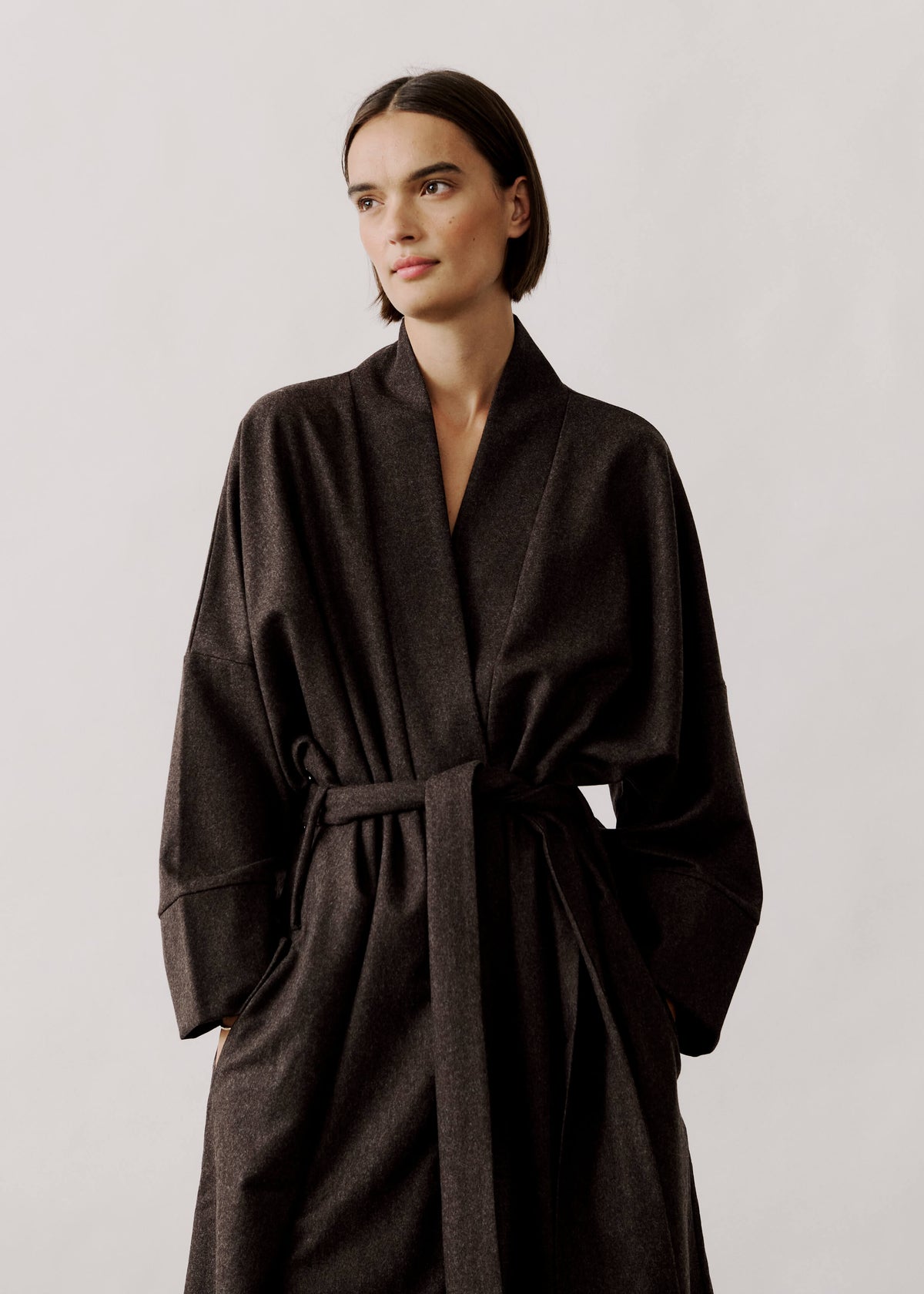
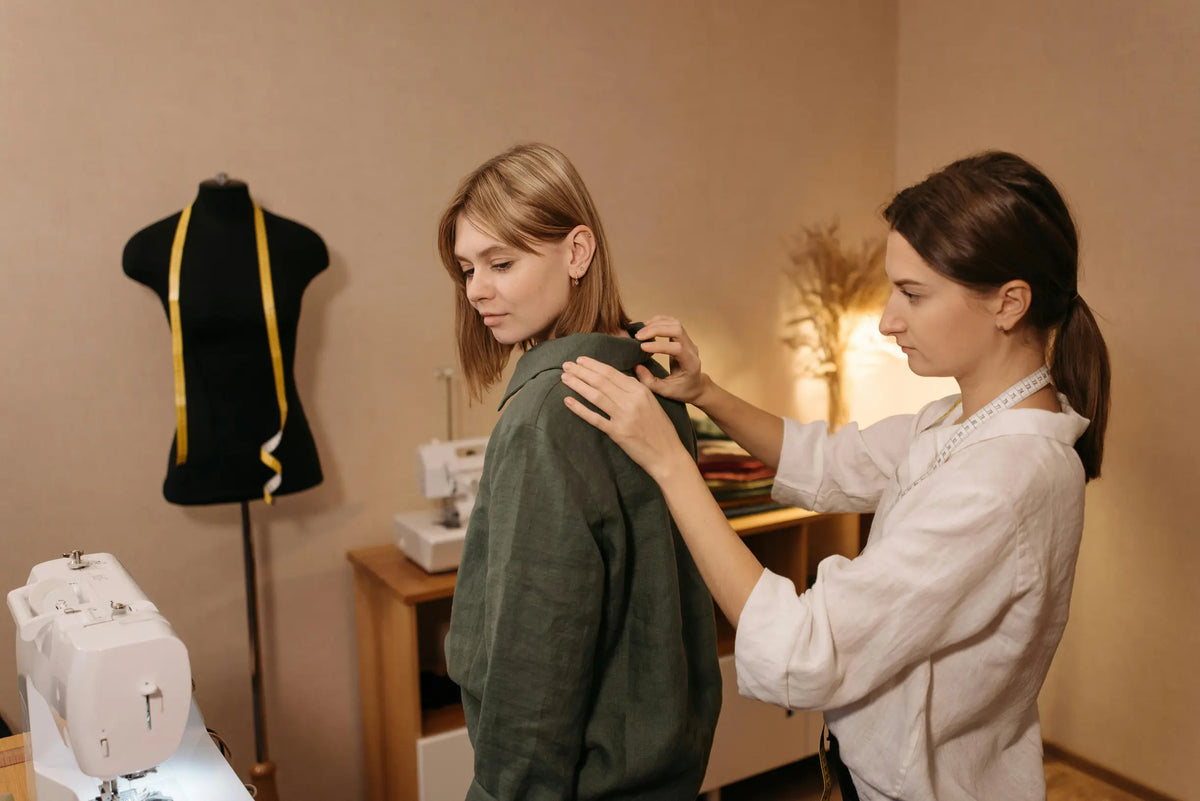
At home, favour relaxed cuts, minimal or removable linings, and open weaves for breathable comfort. Lift the same pieces into evening with a structured jacket, a tailored layer, or refined accessories to change the mood without changing your wardrobe. Choose simple constructions you can mend, reinforce vulnerable seams and hems in good time, and rotate garments so the same fibres and seams do not bear all the wear, preserving colour, drape, and strength. When a favourite item no longer fits or shows wear, consider shortening or altering it rather than replacing it; tailoring extends a garment’s life and makes the most of responsibly sourced linen, cotton, and silk.
Choose airy linen-cotton for breathable, all-day comfort.

Style linen, cotton, and silk for effortless day-to-night elegance
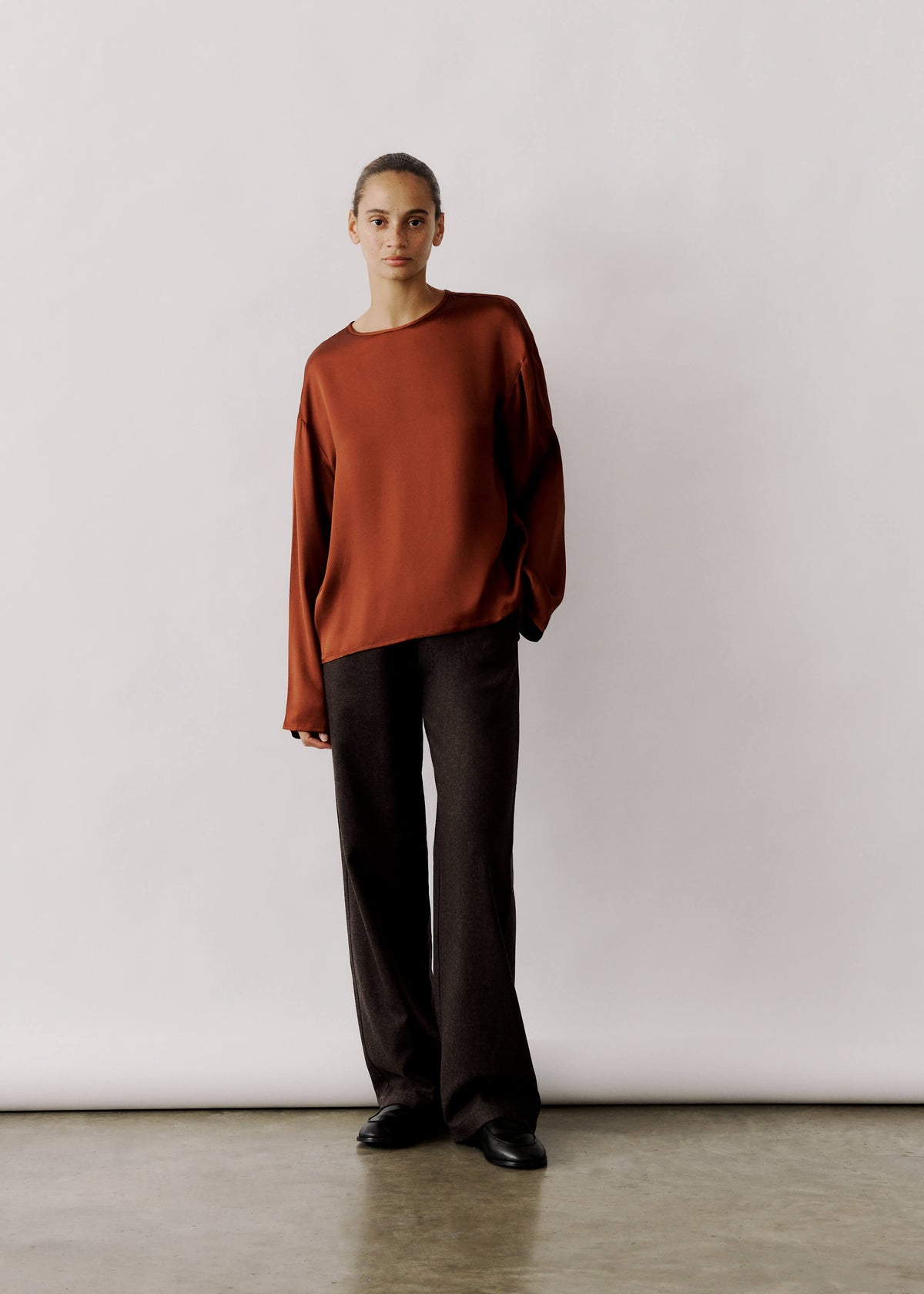
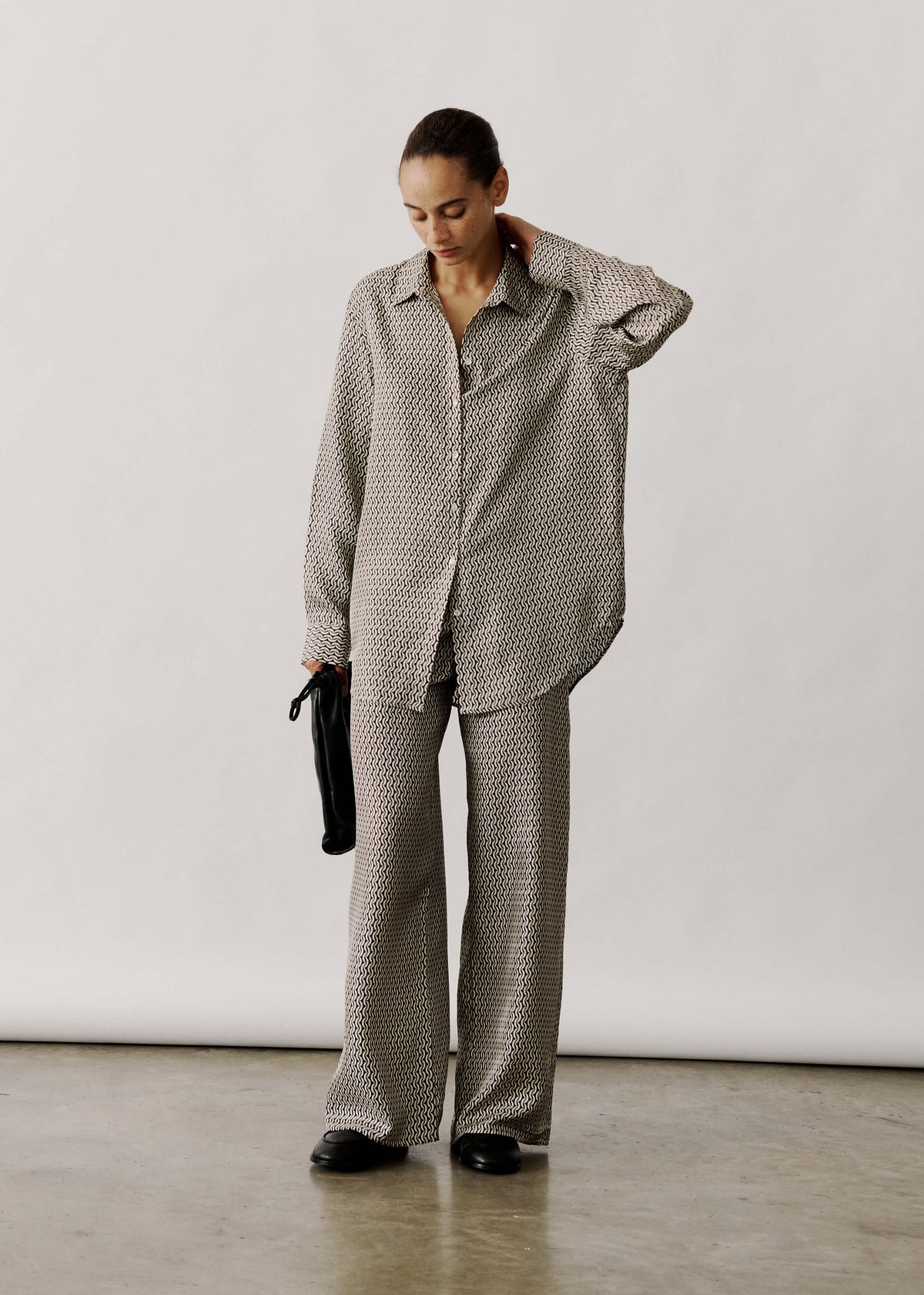
Begin with a fitted base layer, such as a thin camisole or slip, then add one structured element, like a tailored blazer or a waist belt, to shift the silhouette. Tucking a shirt, or giving it a half-tuck, reads more polished than a loose, untucked hem. Pair matte linen with lustrous silk, or crisp cotton with crepe silk; the contrast of finishes signals intention and elevates core pieces without changing them. Introduce a single area of sheen, such as a silk scarf or blouse, to draw the eye and lift the whole look. Embrace linen's natural creasing by choosing purposeful tailoring and linings to reduce transparency, and opt for denser cotton weaves or mercerised cotton for a smoother, dressier hand.
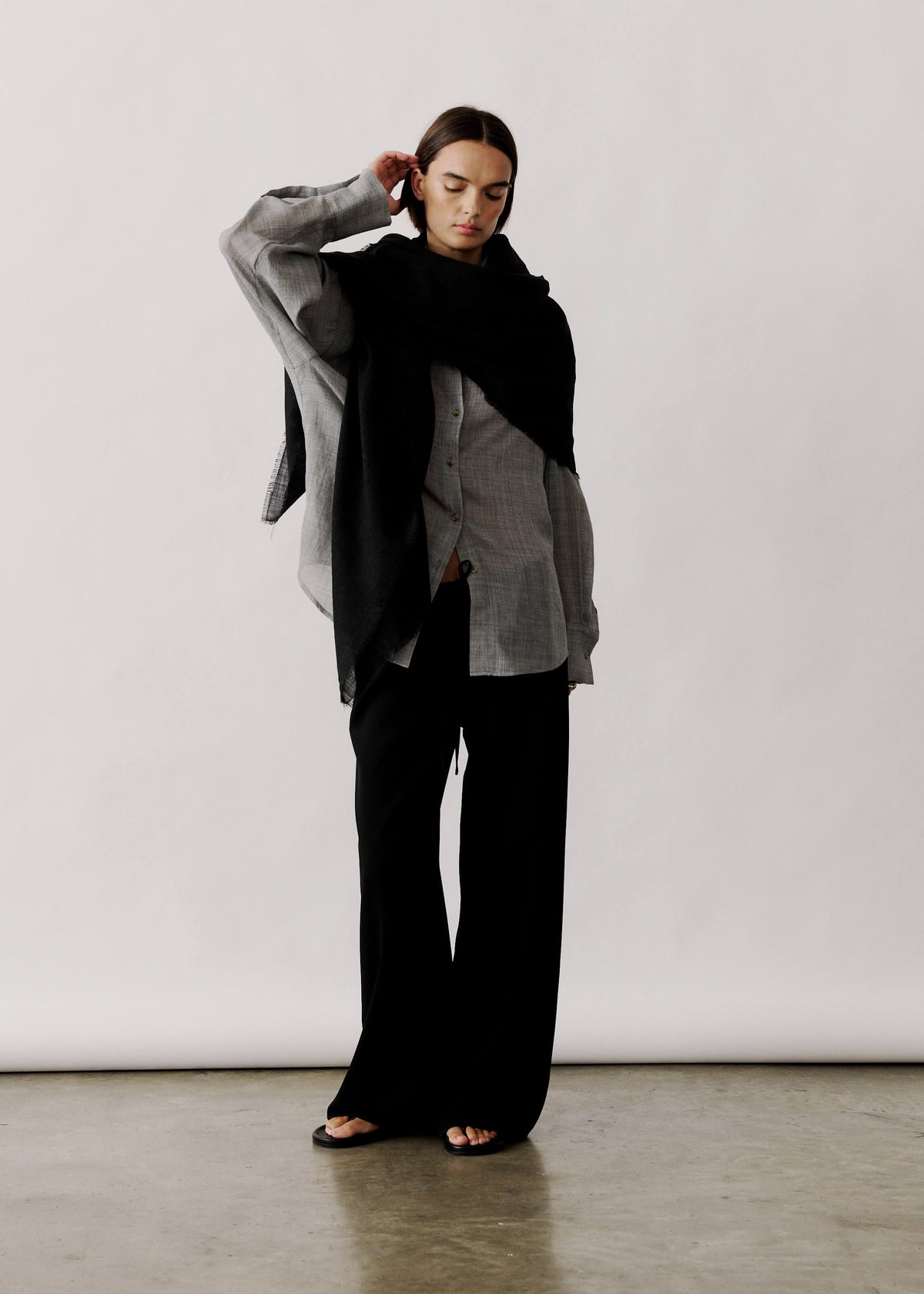
When you need to move from home to evening, swap shoes and bag, add a single statement accessory such as bold earrings, and shift the neckline with a lightweight wrap or the waist with a slim belt. Finish garments for a different effect: steam linen or cotton to lift the fibres and restore structure, hang silk in a steamy bathroom to ease creases, press visible seams and hems for crisp lines, and introduce a thin shoulder pad or an interfaced collar to give a relaxed fabric a sharper silhouette. These small swaps and finishing touches allow the same core pieces to flow from daytime ease to evening polish without overhauling your wardrobe.
Add a pale-blush silk blouse for instant polished sheen.

How to extend fabric life with considered care and versatile pieces
For linen and cotton, turn garments inside out, select a gentle machine cycle, and use a mild detergent. Keep wash and dry temperatures low to limit abrasion and prevent distortion. Wash silk by hand or on a delicate cycle in cool water with a pH‑neutral detergent; launder silk items in a mesh bag and dry them flat, away from direct sunlight, to preserve sheen and fibre strength. Steam linen and silk to relax the fibres and ease creases. When pressing silk, place a pressing cloth between iron and fabric to avoid shine. For a crisper, more polished cotton, apply a light starch and press precisely.
Complementing proper laundering and finishing, choose versatile pieces and small habits that extend wear. Turn a relaxed linen shirt from day to evening by adding a structured jacket, defining the waist with a belt, swapping slippers for smarter shoes, and finishing with a silk scarf or a piece of statement jewellery. Choose oversized cotton shirts that work as both pyjamas and daywear, removable cushion and duvet covers that launder separately, and a plain silk scarf that doubles as a neckerchief, hair tie, or improvised top to reduce single-purpose purchases. Rotate textiles and air garments between wears, store items in breathable bags out of direct light, and keep a small repair kit to reattach buttons and reinforce seams before minor issues become larger problems.
Prioritise linen, cotton, and silk for day-to-evening dressing, focusing on breathability, simple construction, and responsible sourcing. Hold a swatch to the light; open weaves and looser threads reveal which pieces will stay cool and drape well. Begin with a fitted base and add one structured layer, contrast matte and lustrous textures, and change formality with quick swaps such as a blazer, a belt, or a statement scarf rather than replacing garments.
Care for each fabric correctly: turn linen and cotton garments inside out before washing, launder silk gently by hand or on a delicate machine cycle with a silk-friendly detergent, steam to relax fibres and reduce the need for ironing, and store items in breathable bags to preserve strength and sheen. Adopt three guiding principles: prioritise breathability, choose responsibly sourced fabrics, and select pieces that transition from day to night; practise considered care to buy fewer, more versatile items and extend the life of every piece.
How can I tell if a linen, cotton, or silk fabric will be breathable?
Hold a swatch to the light to check openness, drape it over your hand to feel airflow, and note whether a high sheen or tight weave makes the fabric feel hot; many finishes reduce porosity, so avoid fabric conditioners that coat fibres and line dry to preserve natural breathability.
What quick styling tricks make these fabrics work from home to evening?
Start with a fitted base layer and add one structured piece such as a blazer or a belt, contrast matte linen with lustrous silk or crisp cotton with crepe silk, then swap slippers for smarter shoes, change your bag, or add a single statement accessory to change perceived formality.
How should I care for linen, cotton, and silk to extend their life and appearance?
Turn linen and cotton inside out, use a gentle cycle and a mild detergent, and avoid high heat; wash silk by hand or on a delicate cool cycle with a pH neutral detergent in a mesh bag, dry flat away from direct light, and steam or press with a cloth to relax or crisp fibres as needed.
Why does construction and sourcing matter when choosing these fabrics?
Simple constructions, open weaves, minimal or removable linings, and pieces that are easy to mend reduce wear and increase versatility, while clear country of origin, third party assurances, and mill or farm traceability help verify environmental and chemical claims.
Can one garment really serve multiple purposes to reduce purchases?
Yes; choose oversized cotton shirts that double as pyjamas or daywear, use a plain silk scarf as a neckerchief, hair tie, or improvised top, and extend garments by altering, rotating, airing between uses, and keeping a basic repair kit to fix small issues early.


Leave a comment
This site is protected by hCaptcha and the hCaptcha Privacy Policy and Terms of Service apply.