






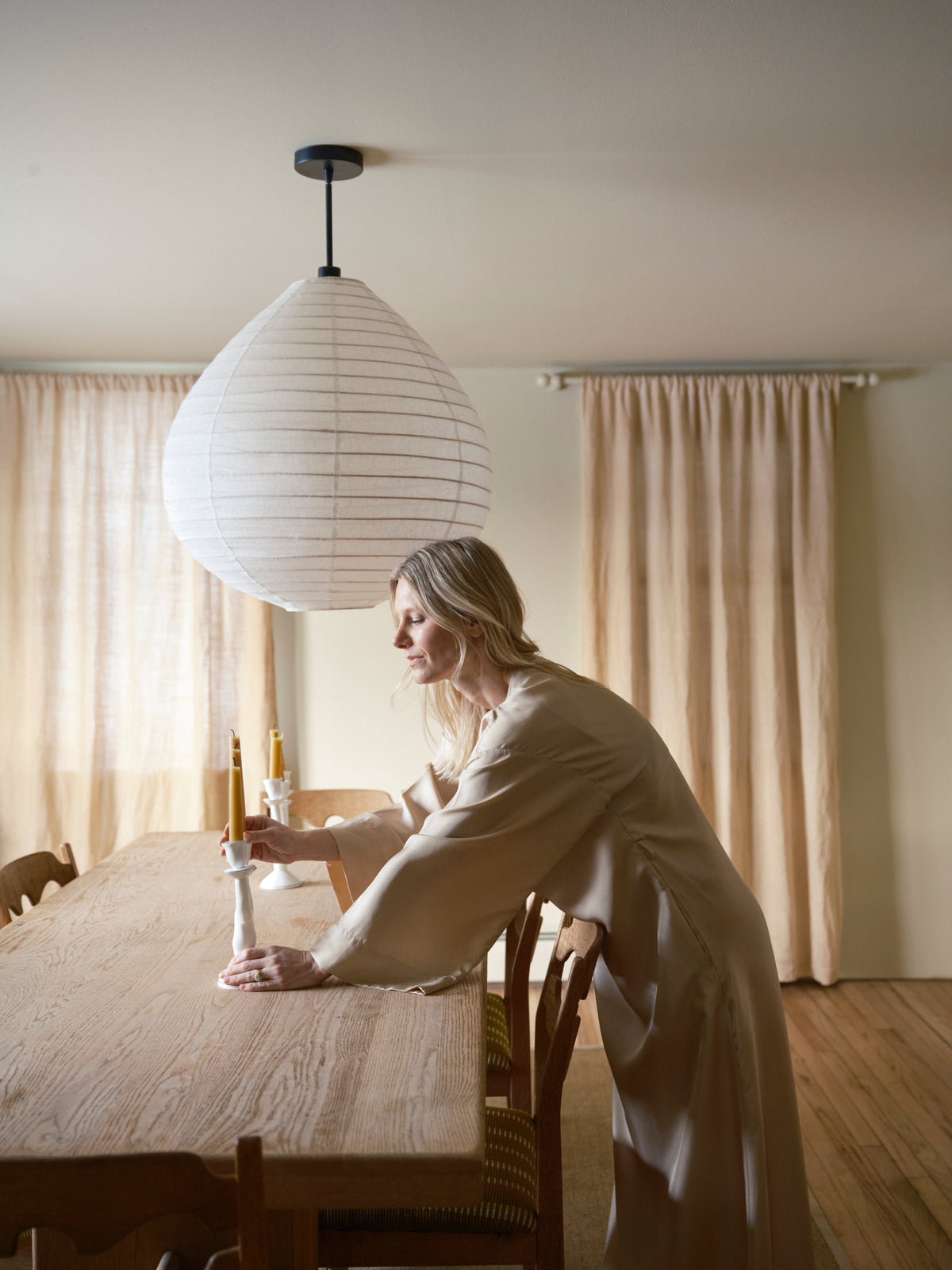
5 Rituals to Make Downtime Feel Restorative, Elegant, and Purposeful
When evenings blur into scrolling and weekends vanish under lists of chores, downtime stops restoring you and starts draining your reserves. How can a few spare hours be curated into moments that feel restorative, elegant, and purposeful?
This post outlines five sensory-led rituals: design a scene; anchor your downtime with scent, sound and touch; weave memory and story into each practice; build simple, repeatable habits; and let rituals evolve so they endure and adapt. Each ritual employs considered cues to centre attention, heighten pleasure and make it easier to return to moments of rest.

1. Design a scene with quiet, considered intention and elegant simplicity
Position a single focal anchor, such as a work of art, a plant or a cherished object, at eye level to reduce visual scanning and allow the mind to settle. Introduce warm, low-contrast lighting and pair it with two tactile elements, for example a wool throw and a polished ceramic mug, so the scene feels softer and easier to process. Add a subtle scent and a short selection of ambient instrumental sounds to engage two non-visual senses. Limiting sensory inputs helps reduce cognitive load and invites restorative states.
Designate a single home for devices, clear surfaces of excess and leave only the essentials on display to reduce visual and digital clutter. With fewer stimuli, decision fatigue is eased and the mental friction that interrupts rest is softened. Create a simple arrival ritual, such as pouring a cup of tea, folding a throw, slipping into pyjamas or lighting a candle, and match it with a brief exit cue to signal the return to activity. Over time, these consistent gestures teach the brain to move more smoothly between restful and active states, making downtime feel purposeful and easier to reach.
Slip into a soft silk top to signal downtime

2. Anchor your downtime with scent, sound, and touch
Select a small, consistent scent palette to reserve for moments of rest. Favour citrus or rosemary for clarity, lavender or dried chamomile for a soothing calm, or citrus peel and brewed herbs for a natural, earthy note. Apply the scent sparingly to a cloth sachet, the corner of a pillow or the wrists. Scent links directly to memory and emotion centres, and consistently pairing a fragrance with a specific ritual creates a reliable cue for the brain to recognise the transition into rest. Complement that palette with two or three restrained soundscapes: a sparse instrumental for deep relaxation, gentle natural ambience for soft focus, and near silence with a low, steady hum for quiet grounding. Keep volume low and dynamics subtle, since tempo and rhythm influence heart rate and perceived arousal.
Curate a tactile basket of objects that consistently read as downtime: a soft shawl or throw for warmth, a cool cotton cloth for refreshment, a smooth stone or worry bead for grounding, and comfortable pyjamas or socks to signal rest to your body. Keep them within easy reach so choosing a texture becomes a deliberate part of the ritual. Create a short, repeatable three-step ritual: lift a lightly scented cloth to your nose and take a few slow breaths, play your chosen audio at a low volume, then settle with a comforting texture and rest your hands together, inviting your nervous system to recognise the shift. Keep these sensory anchors portable and discreet: scent a small fabric sachet and tuck it into your pyjamas drawer, reserve a single favourite cushion or shawl on a chair, or carry a smooth stone in your pocket. That way, both brief interruptions and longer rituals can be gently reclaimed with minimal effort.
Slip into silk to deepen your bedtime ritual.

3. Weave memory and stories into every at-home ritual
Make downtime purposeful by pairing a consistent sensory anchor with a curated keepsake and a short, spoken script. Choose a scent, fabric or sound to cue the mood; select a photograph, ticket or small object and write a single-line note of who, where and why it matters. Then draft two or three sentences that name the people, the place and the intention, and practise speaking them aloud. Together these elements will anchor memory, preserve context and clarify purpose in a calm, repeatable ritual.
Turn everyday tasks into small acts of storytelling by naming a memory tied to an ingredient or movement as you make tea, arrange flowers or light a candle. Emphasise texture, temperature and motion to anchor the recollection. When you handle a keepsake, read its provenance so future encounters remain rich with association rather than slipping into routine. Create a tiny archive each time by noting one sensory detail and one feeling in a pocket notebook or leaving a brief voice note. Over time that archive will reveal patterns and layers of meaning you can revisit and weave into your rituals, making downtime feel deliberately restorative.
Wear silk that calms and anchors your ritual.

4. Establish simple, repeatable routines for effortless elegance and calm
Keep each ritual to a handful of clear, repeatable actions written on a card or note to reduce friction and make completion more likely. For example: boil the water, steep the tea, cradle the cup, articulate a single intention, then sit. Create distinct entry and exit cues and perform them consistently to train the mind to shift into and out of restorative mode, such as unfolding a blanket to begin and folding it away to finish. Pair the practice with a single sensory anchor to deepen the association and minimise decision making, for instance a linen cloth, a short music track or a particular tea aroma. These small constraints make the ritual recognisable across different settings and help to preserve its restorative effect.
Keep a short log that records a single word for your mood before and after each ritual, together with a concise list of the precise steps you took. Record entries on a slip of paper, in a note on your phone or as a brief voice memo. Over time, this tracking will reveal which elements consistently bring calm, clarity or energy, and which are worth refining or omitting. Create three portable formats of the same ritual: a full version, a condensed version and a minimal version, and use the same cues and intention so the practice remains recognisable and effective in any setting.
Choose a soft silk piece as your portable anchor.

5. Evolve rituals so they endure and adapt with ease
Refresh your rituals with a simple audit: list each element, rate it for enjoyment and effectiveness, note how often you actually practise it, and simplify or retire anything that consistently underperforms. Anchor each practice to flexible cues you already encounter, such as arriving home, finishing a task or changing your clothes, so the ritual moves with you as routines shift and when you are on holiday. Create abbreviated, standard and extended versions of the same ritual, and write concise scripts for every variant to remove the need to decide and make the intention achievable in any moment.
When an activity no longer fits your life, swap actions by purpose rather than form. For example, a long walk can be replaced with a short breathing and stretching sequence that restores the same calm. Keep a portable ritual kit, such as a familiar scent, a playlist and a one-page checklist, to reduce the friction of starting. Notice when rituals lapse and introduce gentle safeguards, such as a brief script or a shared invitation, to test adjustments and keep the routine responsive. This combination of small experiments, practical tools and occasional social feedback helps rituals evolve without becoming obligatory, so downtime remains restorative, elegant and purposeful.
Intentional, sensory-led rituals can transform spare moments into genuinely restorative practice by reducing external stimuli, anchoring attention and gently soothing the nervous system through consistent cues. They combine scent, sound, touch, narrative and a considered scene with simple gestures to begin and close the ritual, lowering decision friction and making rest reliably accessible.
Work through the five headings: design a scene, anchor your senses, weave memory, build repeatable practices and evolve rituals to assemble a portable, flexible toolkit that weathers shifting routines. Begin with one small, repeatable step; note its effects and refine what supports you so downtime becomes reliably restorative, elegant and purposeful.


Leave a comment
This site is protected by hCaptcha and the hCaptcha Privacy Policy and Terms of Service apply.