



Complete Guide to Caring for Silk and Linen to Preserve Softness and Shape
If your silk blouses and linen sheets lose their softness or shape after washing, this guide offers gentle, practical techniques to lift stains, protect fibres, and preserve their drape.
Begin by inspecting fibres, existing stains, and the garment's care label. Choose a gentle wash method and a mild, fabric-appropriate detergent; limit agitation, rinse carefully, then lay items flat to dry and reshape them while still damp to prevent shrinkage and distortion. Heat can cause stains to set, agitation weakens delicate threads, and drying garments unsupported can stretch the fabric, so these precautions help preserve fit, texture, and longevity.

How to inspect fibres, stains, and care labels for gentle, lasting garment care
Before introducing water, read the fibre content and inspect the weave. 100 per cent silk reacts differently to water and agitation than silk blends, and tight weaves hold their shape and resist distortion more effectively than loose or slubbed linens. Separate garments by fibre and by weave density to reduce differential shrinkage and abrasion, since like fibres respond more similarly to agitation and moisture. Treat care-label instructions — for example, hand wash, machine wash delicate, do not tumble dry, and dry clean only — as practical limits on mechanical action, water exposure, and heat, using the label as the manufacturer’s guidance to preserve shape and the soft finish of the fabric.
After checking the weave and care label, identify stains and check colourfastness. Blot a dilute cleaning solution on an inside seam and press a white cloth against it to see whether any dye transfers. Classify stains as protein, oil, tannin, or dye transfer, then treat accordingly: blot oil stains to remove excess, use an enzyme-based cleaner for protein stains, and avoid hot water on protein marks, since heat can set them. Examine structural points, such as seams, hems, shoulders, interfacing, and trims, for signs of weak stitching or pulled threads. Support fragile areas during cleaning by fastening buttons, turning garments inside out, or placing items in a net wash bag. Prepare garments to protect their softness by emptying pockets, rolling excess water out in a towel rather than wringing, and reshaping while damp. These small habits reduce friction and help fibres relax back into their intended form.
Reshape damp garments to preserve relaxed, drapey silhouettes.

Select gentle washing methods and suitable detergents for delicate fabrics
Silk is a protein fibre; alkali, heat, and vigorous agitation weaken it and dull its sheen. Linen, by contrast, is cellulose-based and generally more durable, but it creases easily and will stretch when wet. Because of these differences, handle both fabrics gently and choose pH-neutral products. Use a mild, enzyme-free detergent or soap flakes, measure a reduced dose, and dissolve it fully in water before any garment makes contact. Avoid fabric conditioners, as residues and alkaline detergent can stiffen fibres and attract soil. For handwashing, fill a basin with cool to lukewarm water and dissolve the cleanser first. Gently submerge and swirl garments, then lift and press to move water through the weave rather than wringing. Rinse until the water runs clear. Remove excess moisture by rolling items in a towel, and reshape garments before they dry.
If you use a washing machine, place items in a mesh laundry bag and select the delicate or hand wash programme with a low spin. Wash similar weights together, fasten closures, turn garments inside out, and avoid overloading the drum to reduce friction, impact, and distortion. If a colourfastness test passes, neutralise any residual alkalinity with a final white vinegar rinse to prevent stiffness and future soil attraction. Dry flat on a towel or mesh rack, smoothing seams and reforming hems while damp to set the shape. Do not hang heavy wet linen, which can stretch; keep items out of direct sunlight to protect colour and fibre strength. If a spot test shows the fabric tolerates it, finish on the reverse with a low-heat iron or gentle steam to restore softness and crispness without flattening silk’s sheen.
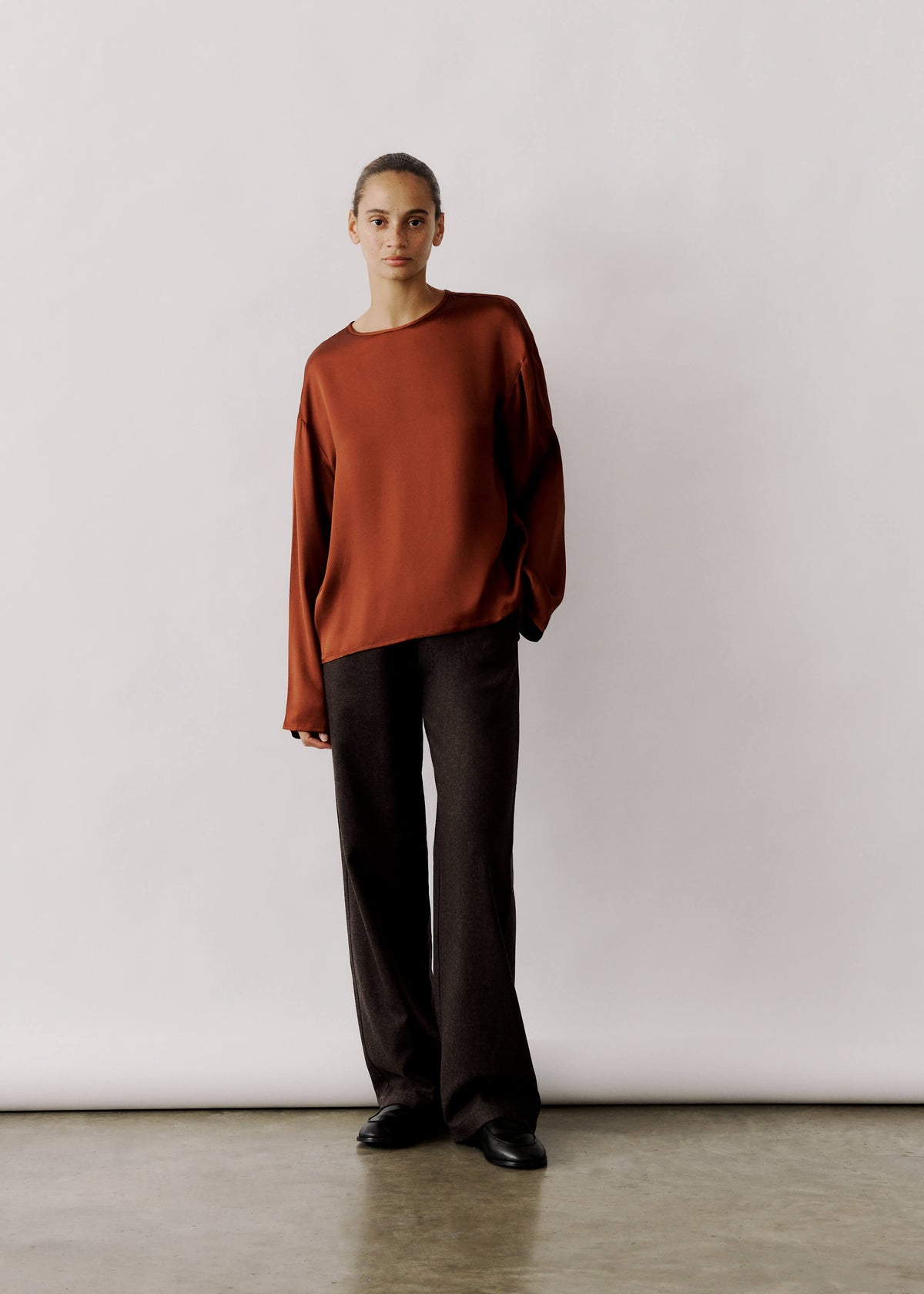
Wear this piece for gentle, breathable silk comfort

How to dry garments flat, reshape while damp, and store them correctly
Silk and linen fibres weaken when wet, so dry garments flat to prevent gravity from stretching the shoulders or distorting the drape. Lay the item on a clean, absorbent towel, roll it up to blot excess water, then unroll and smooth the garment flat to restore its original drape and shape. While the fabric is still damp, gently coax seams, collars, cuffs, and hems back into line with your hands, fasten any buttons or fastenings to keep edges aligned, and secure curved areas with lightweight, non-piercing clips or small weights rather than sharp pins that can snag delicate fibres. Place the garment on a flat mesh rack, or on a thick cotton towel on a level surface, so air can circulate on both sides; where possible, elevate the setup and turn the piece once or twice to ensure even drying. Keep items out of direct sunlight, which can fade colour and further weaken fibres.
After drying, always store garments clean and completely dry. Fold linen along its natural creases to prevent shoulder stretch from hangers, and use padded hangers for structured silk garments. Keep delicate silk folded inside breathable fabric bags or wrapped in acid-free tissue, and avoid plastic, which traps moisture and can cause yellowing and mildew. Choose breathable storage, and air items regularly to maintain softness. To set shape without damage, work while the fabric is still slightly damp: use a handheld steamer or a low-heat iron through a pressing cloth. Iron from the reverse side to reduce shine, and steam or press along seams and edges to lock in shape while preserving the fabric's natural texture.
Caring for silk and linen begins with matching gentle handling to each fibre. Use pH-neutral cleansers, minimise agitation, and dry with care to preserve sheen, drape, and the fabric’s hand (its natural texture and feel). Practical measures reduce damage and prevent stains setting: perform a discreet colourfastness test on an inside seam by dabbing it with a damp white cloth, wash delicates by hand or in a mesh laundry bag on a short, cool cycle, and blot garments with a towel, pressing gently to remove remaining moisture before drying flat or hanging out of direct sunlight.
As a final checklist, inspect fibres and care labels, then choose a detergent suited to the fabric and a low-mechanical wash programme to reduce agitation. After washing, lay garments flat and gently reshape before they fully dry to limit shrinkage and distortion. These small, considered steps minimise heat and mechanical stress, keep the fabric softer, preserve the original silhouette and fit, and extend the garment's longevity.
What should I check before washing silk or linen?
Read the care label and fibre content, inspect the weave and seams for weak points, run a discreet colourfastness test on an inside seam, classify any stains, and prepare garments by fastening closures and turning delicate items inside out or placing them in a mesh bag.
How should I wash silk and linen to preserve softness and shape?
Use a pH-neutral, mild, enzyme-free detergent dissolved before contact; handwash in cool to lukewarm water using gentle submersion and presses, or machine wash only on a delicate programme in a mesh bag with a low spin, avoid fabric conditioners, and limit agitation.
How do I dry and reshape garments to avoid stretching or distortion?
Roll items in a towel to remove excess water, then lay flat on a towel or mesh rack and smooth seams, collars, cuffs, and hems while damp to restore proportions, keep out of direct sun, and avoid hanging heavy wet linen.
How should I treat different types of stains on these fabrics?
Blot oil stains, use enzyme-based cleaners for protein stains but avoid hot water which can set them, treat tannin or dye transfer after a successful colourfastness test, and support fragile areas while treating to prevent further damage.
Can I iron or steam silk and linen without damaging them?
If a spot test shows tolerance, use a low-heat iron or gentle steam on the reverse through a pressing cloth to restore softness and set shape, working from the reverse to reduce shine and avoid flattening silk's sheen.


Leave a comment
This site is protected by hCaptcha and the hCaptcha Privacy Policy and Terms of Service apply.