


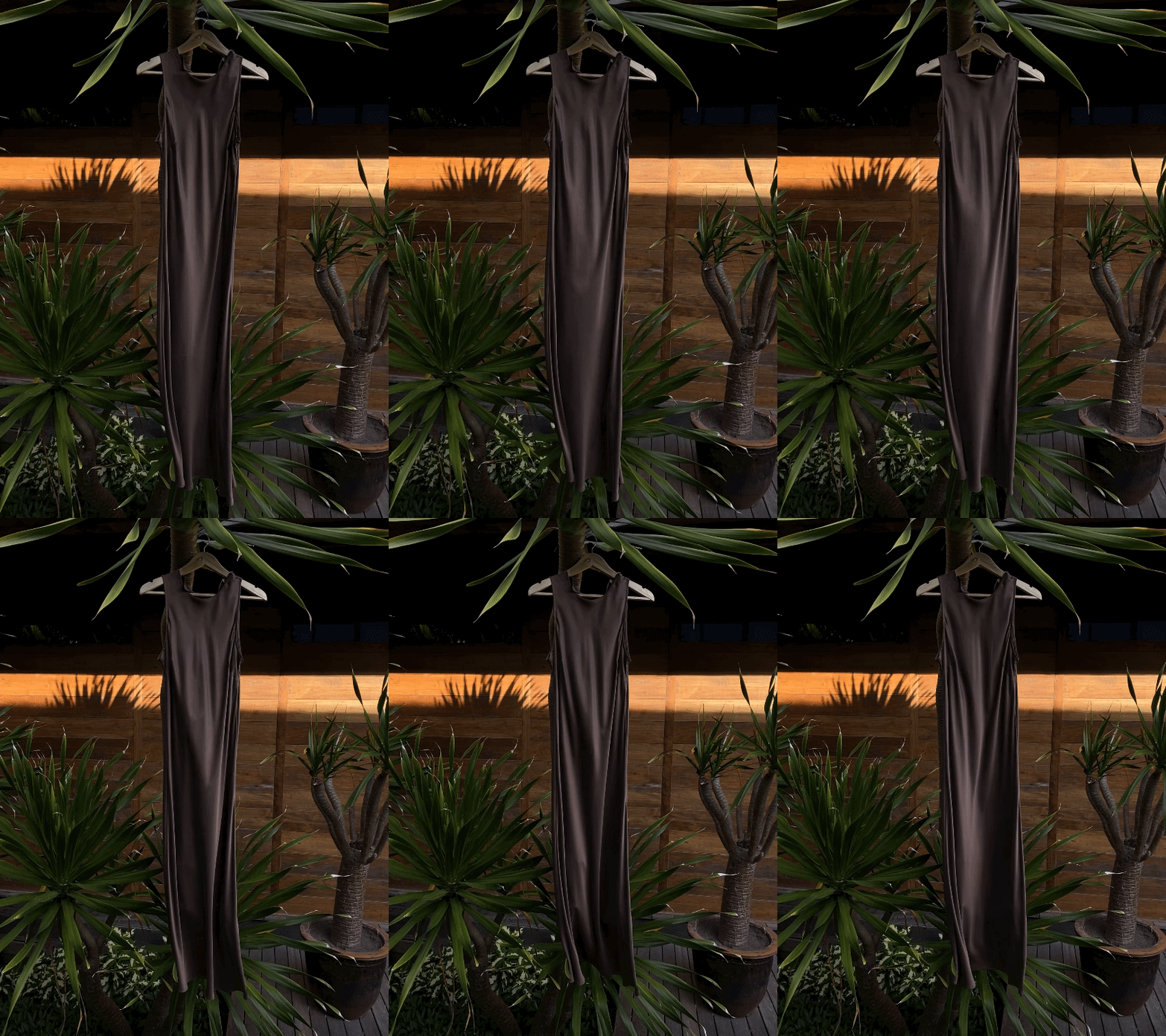
How to Preserve Silk and Linen Softness and Shape
Do your silk shirts and linen dresses lose their softness and shape after only a few washes? Silk and linen are both natural fibres, but silk's protein fibres and linen's cellulose fibres respond differently to heat, water, and agitation; incorrect washing can cause shrinkage, stiffness, and distortion.
This guide explains how to identify fibre vulnerabilities, choose gentle washing and stain treatments, and manage agitation, drying, and storage to preserve texture and fit. Follow these practical, evidence-based steps to minimise damage and keep your garments supple, resilient, and true to size.

How to Assess Fibre Structure and Common Vulnerabilities
Silk is a protein fibre composed of smooth, triangular filaments. It loses tensile strength when wet and stretches under mechanical stress. Linen, by contrast, is a cellulose bast fibre made of long, stiff strands; it retains strength when damp but creases and relaxes into new shapes. Those molecular differences explain why silk tends to distort when agitated, while linen sets creases rather than breaking. Both fibres share common vulnerabilities. Abrasion and pilling occur when fabrics tumble or rub against rough surfaces. Strong, alkaline detergents can cause hydrolysis and fibre weakening. Prolonged exposure to sunlight leads to yellowing and loss of strength. Uneven drying or neglecting to reshape items can produce permanent distortions. You can reduce these risks with a few practical measures. Avoid tumble drying and aggressive wash motions. Use a mild, neutral detergent diluted and rinse thoroughly. Dry garments in the shade, and reshape them while damp to prevent set deformation. Construction matters as much as fibre. Loose weaves, low-twist yarns, and unfinished surfaces increase the likelihood of shrinkage, distortion, and snagging. Check weave density and internal seams before laundering, and support loosely woven pieces with a mesh bag, a padded board, or similar support when wet. Before treating an entire garment, perform a small test on an inside seam. Dampen the area with the detergent solution you plan to use, blot with a white cloth to check for colour transfer, then gently stretch the fabric to observe recovery. Use those observations to choose a full laundering method.
Use observations from a small prewash test to guide how you reshape garments while damp: realign filaments and fibrils to their original geometry. Handle items gently after washing: smooth or pin them into the intended shape while the fibres relax. For heavier silk pieces, lay flat on a padded surface to dry to prevent stretching. Linen usually benefits from gentle tension at the seams or from padded hangers to retain drape without setting creases. Do not tumble dry; heat and mechanical action can cause irreversible shrinkage, abrasion, and loss of tensile strength. If you are unsure, choose a gentle wash, rinse thoroughly, and dry slowly with support, guided by any small prewash test you have performed.
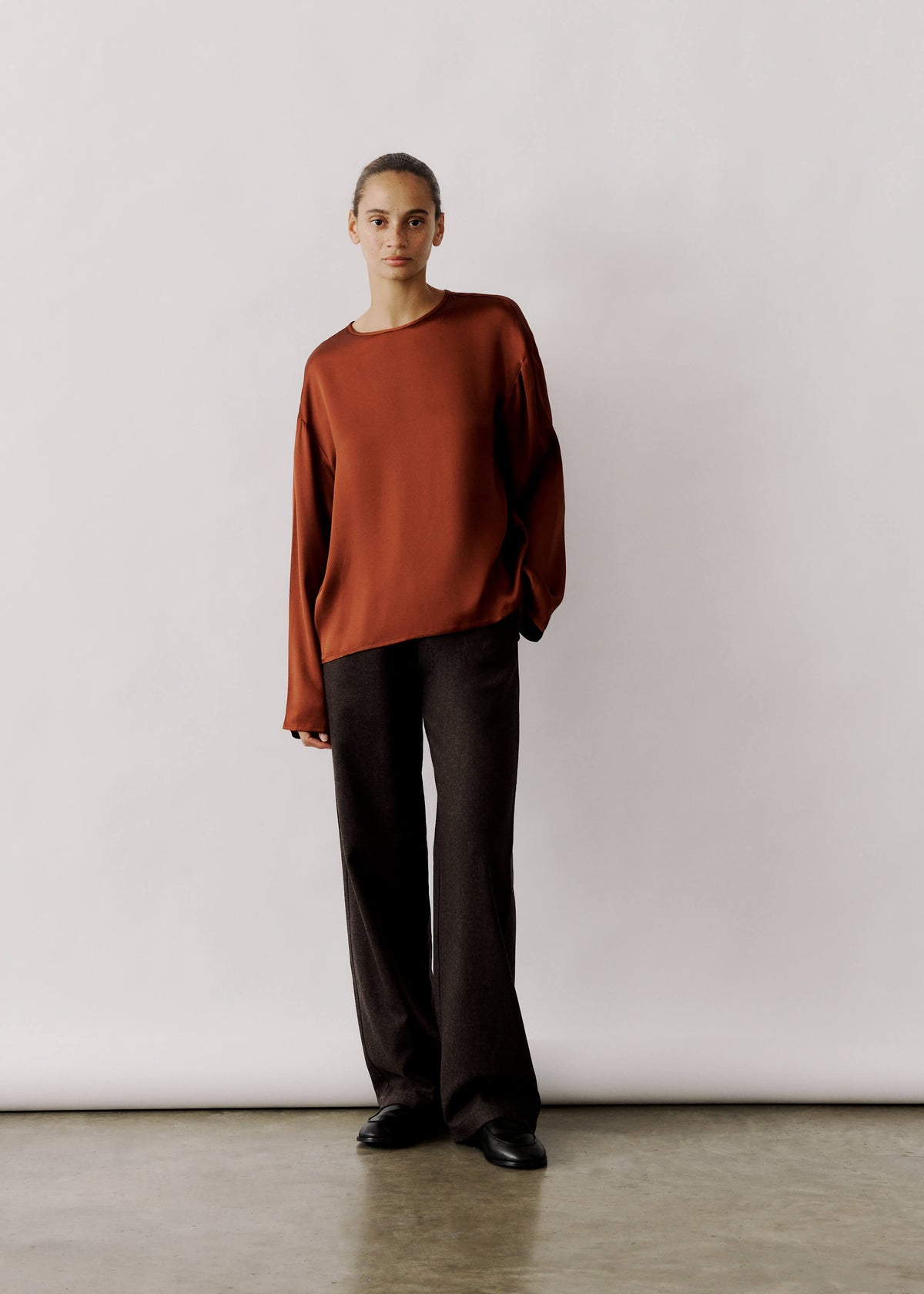
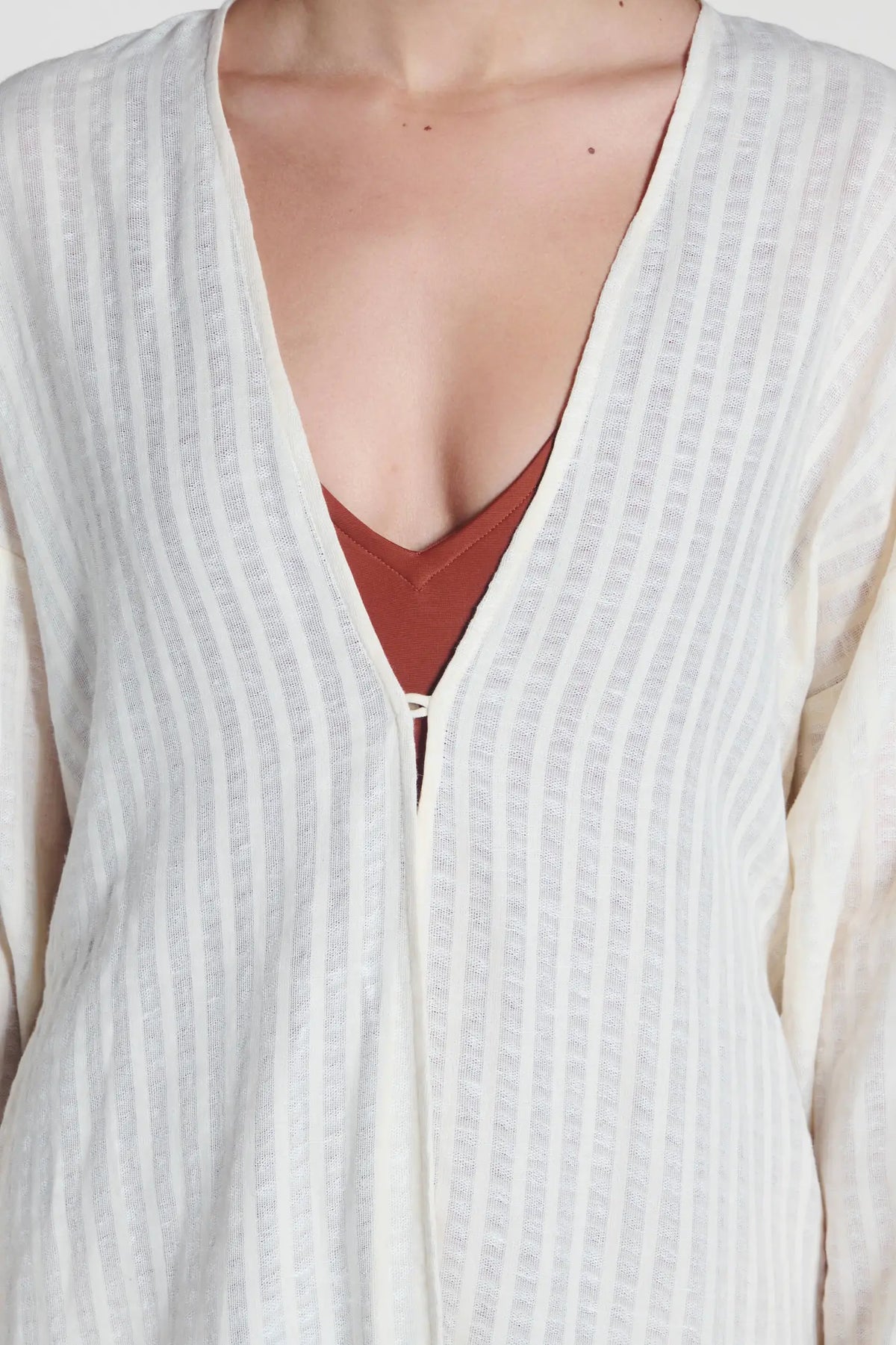
Choose a silk-cotton kaftan to maintain gentle drape.

How to care for delicate fabrics: wash gently, treat stains, minimise agitation
Begin by sorting garments by fabric and colour. To limit agitation, hand-wash silk in cool water using a pH-neutral detergent, or place items in a mesh wash bag and run a delicate cycle with a low spin to minimise rubbing and stretching. Treat stains promptly by blotting fresh marks rather than rubbing, and rinse protein-based stains in cool water because heat will set proteins. Always test any stain remover on an interior seam before applying it to a visible area to avoid unexpected damage.
After washing and any stain treatment, remove excess water by rolling garments in a clean towel. Reshape silk, then lay it flat away from direct sunlight to preserve its sheen and structure. Linen may be hung or laid flat; smooth seams and hems while damp to reduce creasing. Steam silk from a few centimetres away, or iron it inside out on a low setting with a press cloth. For linen, use higher heat and steam when the fabric is slightly damp to restore crispness and lift wrinkles. Avoid enzyme or alkaline cleaners on silk. Wash linen occasionally to relax the fibres and improve the hand. Store silk on padded hangers, fold linen into breathable storage, and rotate wear to distribute stress away from seams and collars.
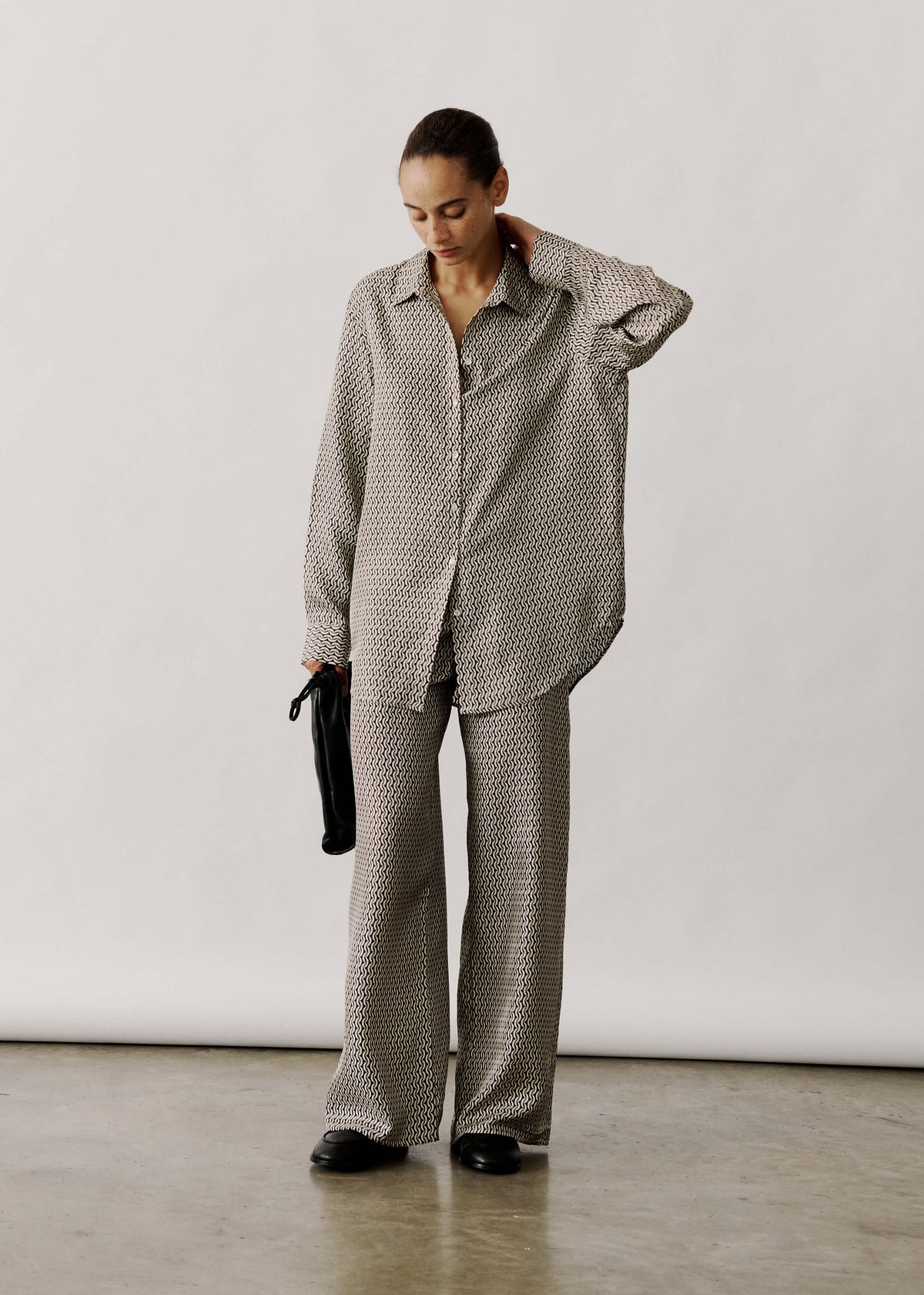
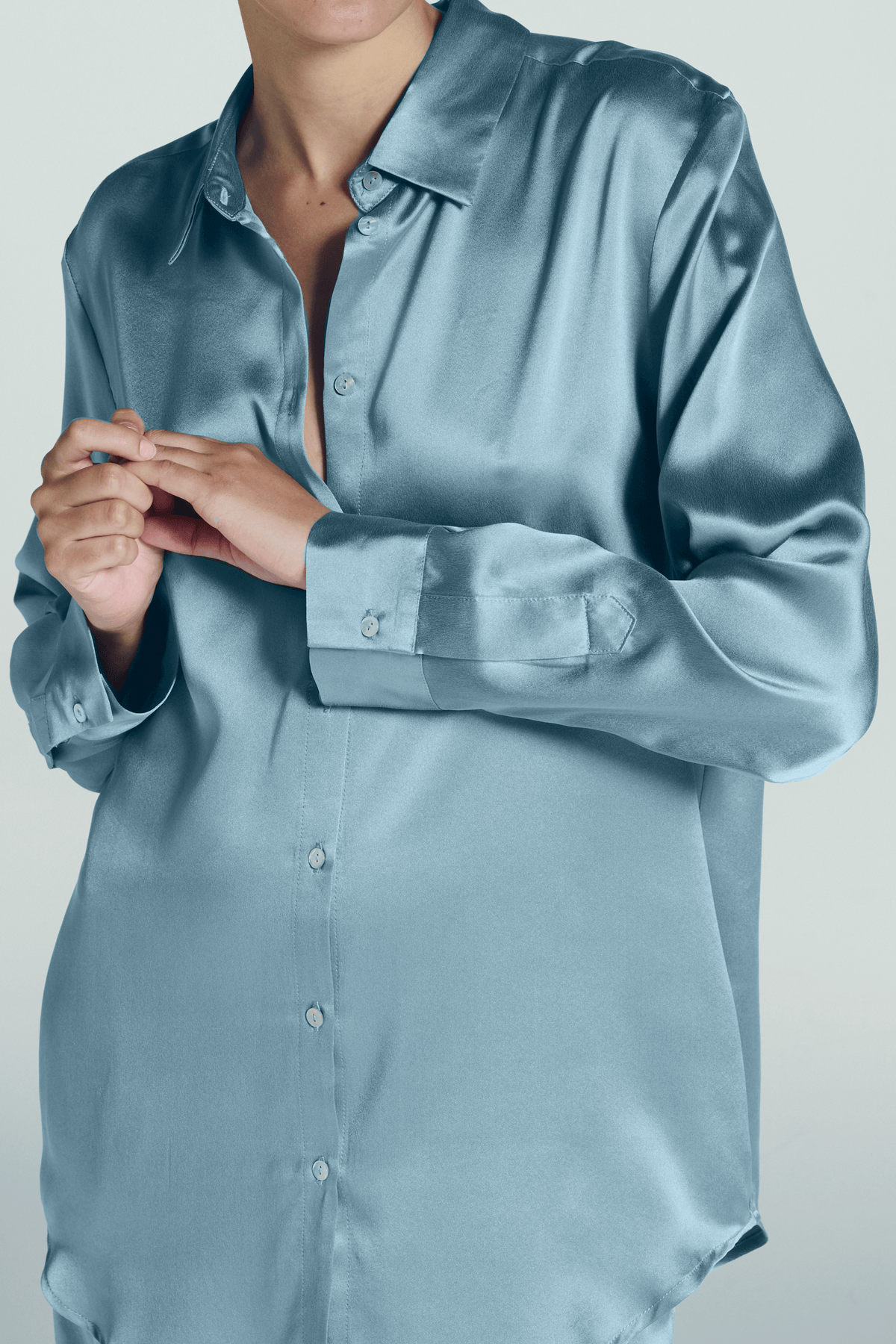
Choose a blush silk shirt for gentle lounging

Dry, store, and handle your garments to protect fabric quality and structure
When drying and handling garments, maintain the same gentle approach used during washing: use a gentle machine cycle or wash by hand in cool water with a pH neutral detergent, rinsing thoroughly. Avoid bleach, which weakens fibres and strips colour. To remove excess water, lay the garment flat on a clean towel, roll to press moisture out, then unroll and reshape while damp to restore drape and realign stitching. Do not wring; twisting stretches fibres and distorts the silhouette. Dry silk in the shade on a padded hanger or flat on a rack, and dry linen flat or on a shaped surface to preserve its structure. Keep garments out of direct sunlight to minimise fading and fibre breakdown.
Fold garments and store them in breathable cotton bags or in drawers; slip acid-free tissue between layers to prevent creases and the chemical breakdown that causes yellowing. Use natural scent blocks or lavender sachets to deter pests, placing them where they will not trap moisture, which can encourage mould. Refresh creases with a gentle steam or a low-temperature iron used through a pressing cloth, working from the reverse where possible to protect the fabric. Treat stains promptly: blot away excess, rinse with cool water, and dab a mild, pH-neutral detergent; avoid vigorous rubbing and frequent full washes, which progressively weaken fibres.
Gentle, considered care preserves the texture and drape of silk and linen garments by shielding their protein and cellulose fibres from heat, abrasion, and harsh chemicals. Simple measures, such as testing for colourfastness, choosing a pH-neutral detergent, limiting agitation, reshaping garments while damp, and avoiding tumble drying, significantly reduce shrinkage, creasing, and fibre weakening.
Use the headings above to guide practical care: identify each fibre’s vulnerabilities, treat stains promptly and gently, choose appropriate washing and drying methods, and support loosely woven items while they are wet. A brief patch test and careful handling not only extend a garment’s life and preserve its appearance, but also reduce waste. Thoughtful care of silk and linen rewards you with pieces that wear longer and retain their original poise.
What causes silk and linen to lose their softness and shape?
Silk's protein filaments lose tensile strength when wet and stretch under mechanical stress, while linen's cellulose fibres crease and relax into new shapes; exposure to heat, strong detergents, abrasion, sunlight, and uneven drying then produces shrinkage, stiffness, and distortion.
How should I wash silk and linen to prevent damage?
Hand wash silk in cool water with a pH-neutral detergent or use a machine delicate cycle with items in a mesh bag and a low spin; wash linen on a gentle cycle or by hand, rinse thoroughly, avoid bleach and alkaline cleaners, and perform a small colourfastness and dimensional test on an inside seam before laundering.
How do I treat stains on silk and linen?
Blot fresh stains rather than rubbing, treat protein stains with cool water because heat will set proteins, and always test any stain remover on an interior seam before applying it to a visible area.
When and how should I reshape and dry these garments to retain softness and shape?
Reshape garments while damp to realign filaments and fibrils; dry silk flat on a padded surface or on a padded hanger out of direct sunlight, and dry linen flat or on a shaped surface with gentle tension to avoid set creases.
Can I tumble dry or iron silk and linen?
Avoid tumble drying because heat and mechanical action can cause irreversible shrinkage and fibre weakening; iron silk inside out on a low setting with a press cloth or steam at a safe distance, and iron linen at higher heat with steam when slightly damp to restore crispness.

Leave a comment
This site is protected by hCaptcha and the hCaptcha Privacy Policy and Terms of Service apply.