





How to Care for Vintage Silk and Other Delicates: A Step-by-Step Guide
A single wrong wash can irreparably damage a vintage silk blouse, and many owners fear they will cause more harm than good. This guide presents a practical, gentle approach to caring for silk and other delicate fabrics.
Identify fibres and assess a garment's condition, then follow a considered step-by-step hand-washing routine: rinse gently, use a mild detergent, and dry flat. Store items thoughtfully to preserve garments for the long term. These straightforward checks and techniques protect colour, texture, and silhouette, keeping treasured pieces wearable.

How to Identify Fibres and Assess Garment Condition
Begin by checking the garment label. Then examine the fabric in strong, diffuse light with a magnifier. Look for natural slubs, an uneven sheen, and a fine, smooth hand, which indicate silk; many manmade fibres display a glassy, uniform shine. Perform a discreet colourfastness test in an inconspicuous area. Dampen a white cotton swab with cold water, press it onto the fabric, and inspect the swab for dye transfer. If no colour appears, repeat the test with a drop of pH‑neutral detergent before attempting any wider wet-cleaning. These simple checks reveal whether dyes will run and whether the textile will tolerate handling, giving objective evidence to guide your next steps. Treat printed, deeply saturated, or unknown fibres as higher risk, and seek professional advice for valuable or historic pieces.
Begin by assessing the garment's structural condition: inspect seams, pleats, buttonholes, and other stress points for thinning, fraying, broken filaments, or signs of insect damage. Gently flex a concealed seam allowance or hem to reveal any loss of strength. Before any wet cleaning, remove loose surface dirt by brushing with a very soft brush or by using a low-suction vacuum through a fine mesh; abrasive particles left on the surface will rub against fibres and cause further damage when wet. Note the type of staining, such as yellowing, rust, sweat, oil, and perfume, since each responds to different treatments. Bear in mind that protein fibres lose strength when wet and react poorly to strong alkalis and heat, so favour cool, pH neutral methods. For valuable or historic pieces, consult a textile conservator.
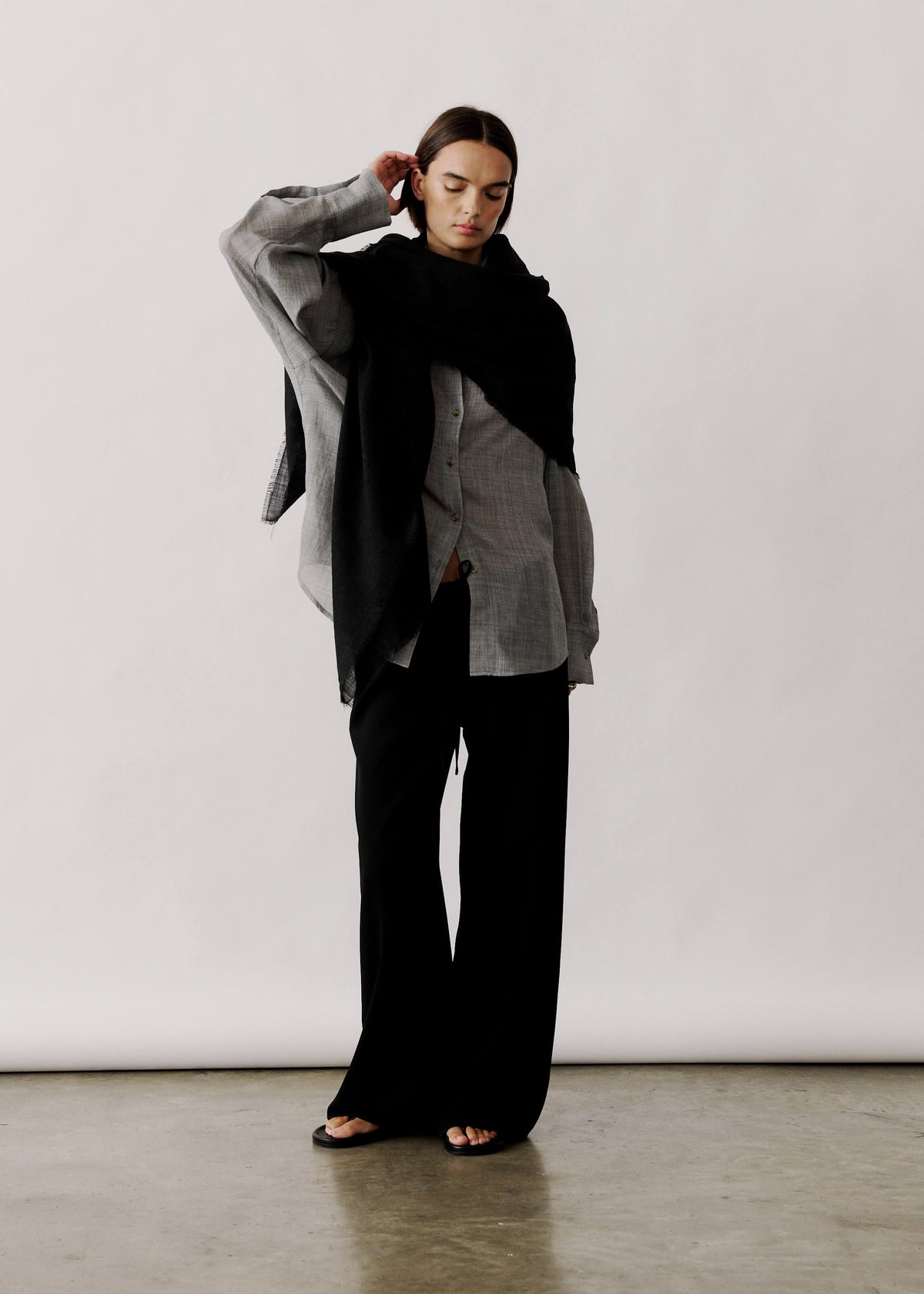
Choose organic cotton for easier, low-risk care.

Hand-washing for delicate fabrics: a gentle step-by-step guide
When you are ready to wash, read the care label and examine seams, trims, and linings. Test colourfastness in an inconspicuous area: dab a small amount of dilute, pH-neutral detergent on a white cloth, press gently, and check for any colour transfer; note any marks for pretreatment. Fill a clean basin with lukewarm water and dissolve a silk-specific or pH-neutral detergent fully before adding the garment so the wash solution stays evenly mixed. Submerge the piece and move it with slow, circular lifts and lowers rather than scrubbing or twisting, handling it as little as possible, since silk and other protein fibres lose strength when wet.
Rinse under cool, clean water until the suds run clear. Gently press the garment between your palms or against the basin to expel water, avoiding wringing. Do not use bleach or enzymatic stain removers on silk. Remove excess moisture by rolling the garment in a clean towel, and reshape collars and seams while damp to preserve the original form. Dry flat, or hang on a padded hanger away from direct sunlight and heat to prevent fading and fibre damage. If ironing is necessary, smooth with a cool iron through a cloth, testing first on an internal seam to ensure no shine or distortion.
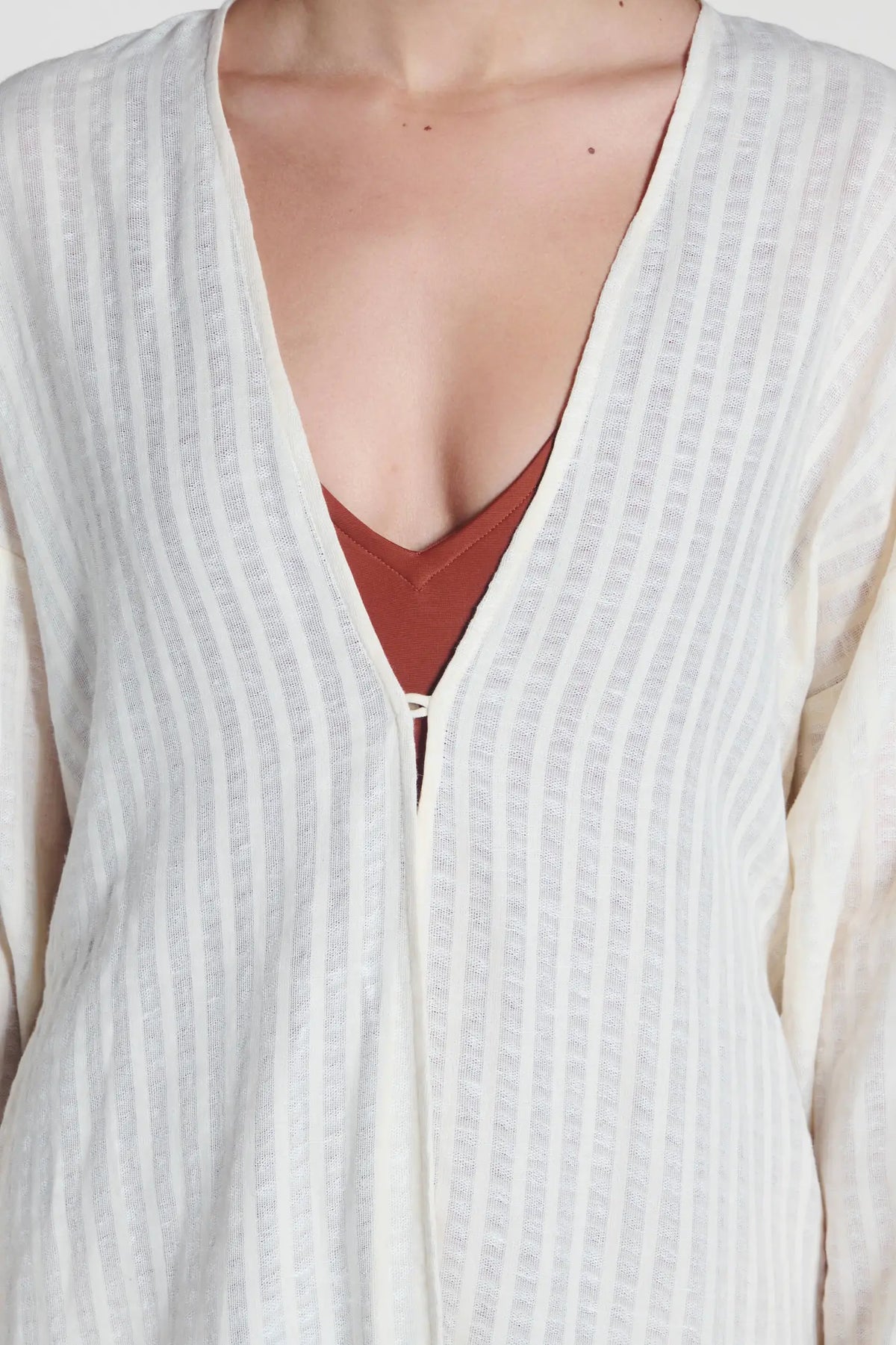
Opt for a silk-blend shirt for effortless, breathable layering.

Garment care: dry flat, store correctly, and preserve for years to come
Place the garment flat on an absorbent towel laid across a mesh rack. While the fabric is still damp, gently reshape seams and darts to preserve the silhouette and the integrity of the weave. Blot away excess moisture rather than wringing, which distorts fibres and can damage delicate finishes. Do not hang wet silk, as gravity stretches the fibres and alters the fit; laying flat preserves the garment's shape.
Ensure every garment is clean and completely dry before storing. Residual body oils, sweat, and detergent can oxidise, attract pests, cause permanent staining, and weaken fibres. Store items in breathable containers such as cotton or muslin bags, or in acid-free boxes with acid-free tissue between layers. Avoid plastic bags and vacuum-packing, which trap moisture and encourage yellowing and crush trims. Protect structure and embellishment by padding shoulders and collars with tissue, laying beaded or embroidered pieces flat between tissue sheets, and rolling soft garments to minimise fold lines, pressure points, and abrasion. Control pests and humidity with non-toxic deterrents, for example cedar or lavender sachets and small desiccant packets. Check stored items occasionally, refolding or airing them to prevent set creases, mould, or fibre embrittlement.
Gentle, evidence-based care helps silk and other delicates retain their colour, texture, and shape. A few simple checks and restrained techniques minimise the risk of dye transfer, distortion, and fibre weakening.
To recap, begin by identifying the fibres and assessing the garment's condition. Hand-wash with a pH-neutral solution, rinse gently, then lay flat to dry. Store items in breathable, acid-free materials to prevent yellowing and deter pests. These measured steps help preserve wearability and the fabric's historical character, and routine inspections catch stains and fibre weakening early, when treatment is most effective.
What is the best way to tell if a garment is silk or a manmade fibre?
Check the care label, then examine the fabric in strong, diffuse light and with a magnifier for natural slubs, an uneven sheen, and a fine, smooth hand; manmade fibres usually show a glassy, uniform shine. Perform a discreet colourfastness test with a cold water dab on a white cotton swab to see if dye transfers before wet-cleaning.
How should I hand-wash a vintage silk garment?
Use a clean basin of lukewarm water with a fully dissolved silk-specific or pH-neutral detergent, submerge the piece, and move it with slow circular lifts and lowers, avoiding scrubbing, twisting, or excessive handling. Rinse until the water runs clear, press out water gently, roll in a towel to remove excess moisture, reshape while damp, and dry away from direct sunlight and heat.
Can I use bleach, enzymatic stain removers, or hot water on silk?
Avoid bleach and enzymatic stain removers, and do not use hot water or strong alkalis, because protein fibres lose strength when wet and react poorly to heat and harsh chemicals. Treat printed, deeply saturated, or unknown fibres as higher risk and seek professional advice for valuable items.
How should I dry and store delicate silk to prevent distortion and yellowing?
Dry flat on an absorbent towel over a mesh rack, reshape seams and darts while damp, and never hang wet to avoid gravity-induced stretching. Store only when completely dry in breathable cotton or muslin bags or acid-free boxes with acid-free tissue between layers, pad shoulders and collars, avoid plastic or vacuum packing, and use non-toxic deterrents like cedar or lavender and small desiccants while checking items occasionally.
When should I consult a textile conservator instead of cleaning the item myself?
Seek professional advice for valuable, historic, or structurally weakened garments, for severe or unknown stains, or when dyes are deeply saturated or the fibre content is uncertain. Conservators can assess long-term preservation needs and perform treatments that minimise irreversible damage.



Leave a comment
This site is protected by hCaptcha and the hCaptcha Privacy Policy and Terms of Service apply.