





How to Keep Silk and Linen Pristine and Ready to Wear After Storage
After a season tucked away, silk blouses and linen shirts can reappear yellowed, brittle, or set with permanent creases. What determines whether a piece returns ready to wear or requires urgent repair?
To keep garments ready to wear, begin by cleaning, mending, and conditioning items to lift stains and restore fibres. Store pieces in breathable, acid-free containers or tissue to prevent acid transfer and deter pests, while allowing air to circulate and avoiding trapped moisture. Periodically air, rotate, and inspect your wardrobe to spot early issues, revive fibres, and keep items ready to wear.

How to clean, mend, and condition delicate sleepwear fabrics
Inspect each item carefully for stains, body oils, and weakened seams. Test colourfastness at an inconspicuous seam to ensure any treatment will not alter the colour. Treat marks before storage; stains and oils attract pests and can set into the fibres. Clean according to the fibre. For silk, use a pH-neutral detergent, minimise mechanical action to protect the protein fibres and natural sheen, and finish with a diluted white vinegar rinse to remove soap residue. For linen, choose a detergent suited to natural fibres and wash with a gentle, yet slightly more vigorous, action to relax and soften the cellulose fibres. Avoid strong alkalis and bleach on either fabric, as they can weaken fibres and fade colours.
Repair small issues promptly: mend tiny tears with fine thread, reinforce stressed seams, and replace loose buttons. Work inside out where possible to prevent small snags from widening during wear or storage. Care for fibres according to their nature. For silk, reshape while damp and dry away from direct sunlight; press through a cloth on low heat, or refresh with gentle steam. For linen, smooth and press when slightly damp to relax the fibres, collapse creases, and restore crispness. Always test heat on an inconspicuous area first. Store only completely dry items, wrapped in acid-free tissue or kept in breathable cotton bags. Pad folds to avoid sharp creases, and keep garments in a cool, dark, dry place. Use natural repellents such as cedar or dried lavender if you wish. Avoid plastic, which traps moisture and can encourage mould, and bear in mind that soiled protein fibres continue to attract moths.
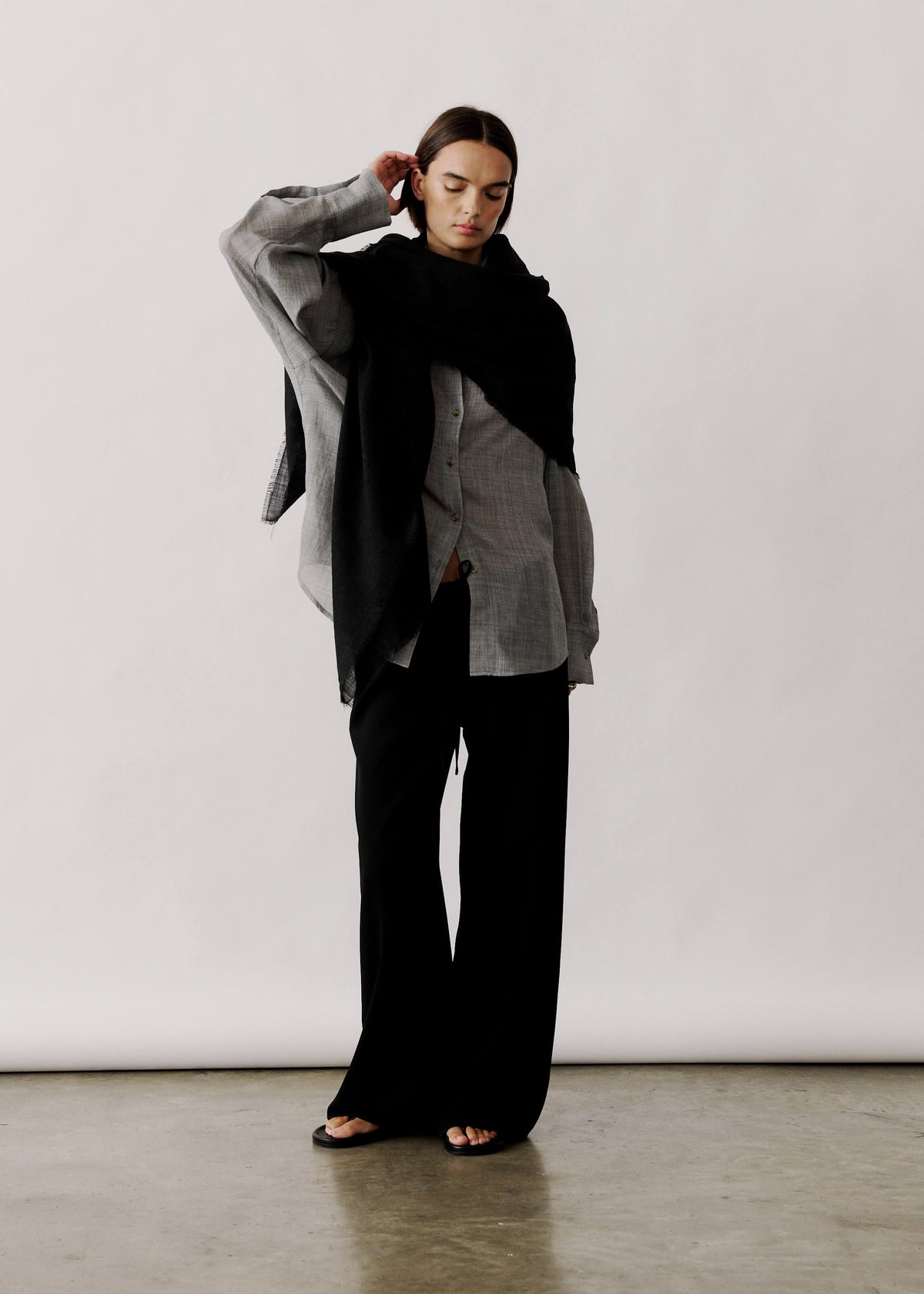
Refresh silk gently, then wear for effortless drape.

Store garments in breathable, acid-free materials
Choose acid-free, breathable materials such as archival-quality tissue and unbleached cotton muslin. These do not emit acids that hydrolyse silk and linen fibres, so they help prevent yellowing, weakening, and colour change over time. To protect garments, smooth them flat and place acid-free tissue between folds. Pad sleeves and collars with tissue or soft cotton to relieve stress points, or roll very delicate pieces around an acid-free tube to avoid sharp creases. Fasten buttons or hooks, pad shapes with tissue to retain form, and make sure each garment rests on an acid-free support rather than being crushed under weight.
Store garments in breathable cotton or muslin bags, or in archival boxes lined with acid‑free tissue. Avoid sealed plastic and standard cardboard, which can trap moisture and off‑gas harmful acids. Add silica gel sachets to limit damp conditions that encourage mould, and place natural pest‑deterrent sachets wrapped in cloth so insects are kept away without direct contact with fabrics. Remove stains and ensure items are completely clean and thoroughly dry before storing, since residues attract pests and can set into fibres. Inspect stored pieces periodically for signs of pests or mould, and replace or rotate humidity absorbers and rewrap garments if packing materials show discolouration.
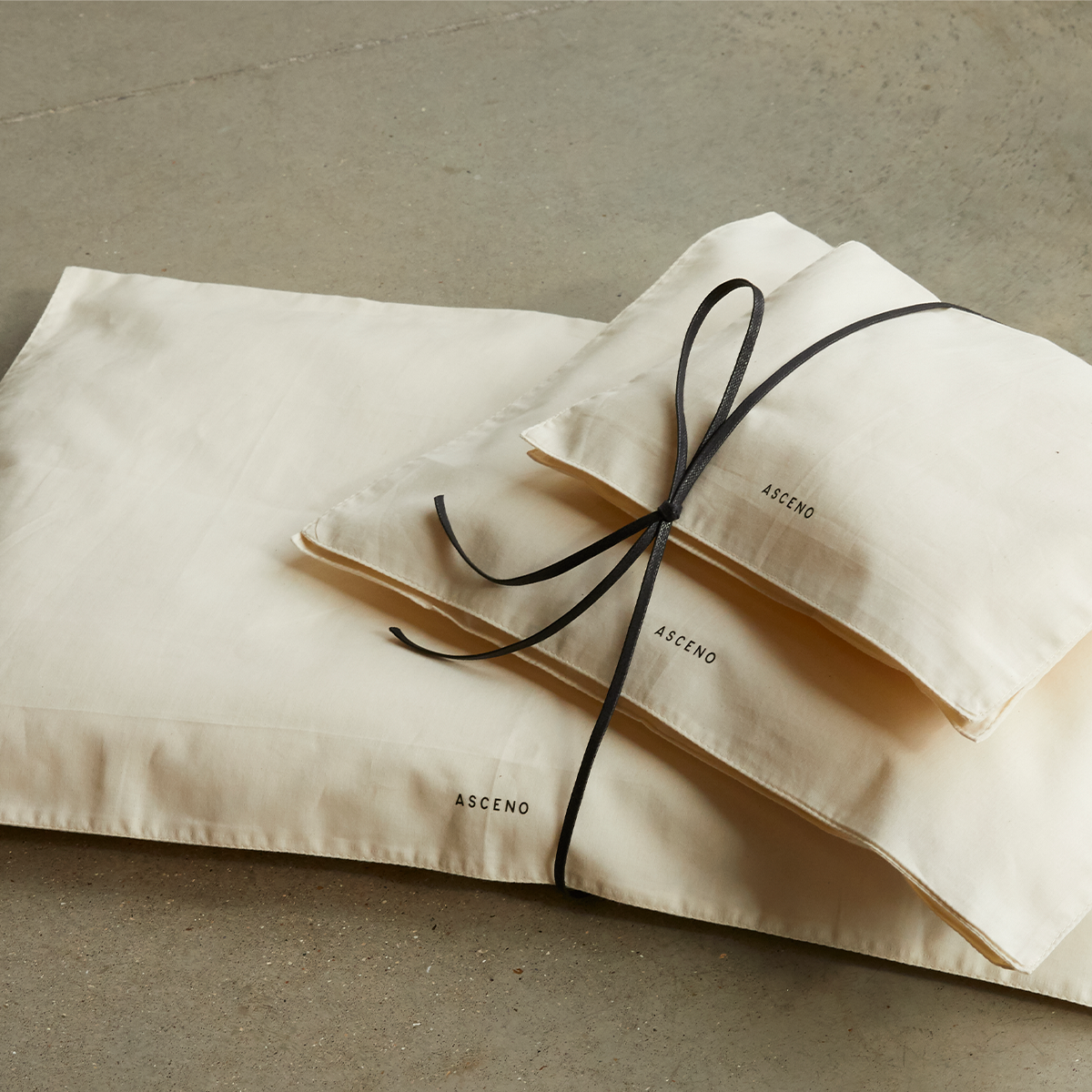
Use breathable organic cotton pouches to protect stored garments.

Ventilate, rotate, and check your garments to extend their lifespan
Remove garments from storage and lay or hang them in a shaded, well ventilated area. Turn each piece inside out and give it a gentle shake to loosen dust; this reduces surface abrasion and helps trapped odours to lift. Leave items to air until any stale smell dissipates, avoiding direct sunlight and stagnant air, as both accelerate colour fade and fibre breakdown. Rotate and redistribute folded and hung pieces to prevent permanent creases and pressure points, refolding along different lines with acid-free tissue to cushion folds and reduce creasing. Avoid heavy stacking, since prolonged compression can weaken silk fibres and reduce tensile strength.
Inspect garments regularly, examining seams, underarms, collars, linings, and button areas. Hold items up to the light to reveal tiny holes, and smell for mustiness or rancid oil to detect moth damage, yellowing, or oil stains early. Treat minor issues promptly and with care. Blot oily spots with a clean white cloth rather than rubbing. Always test any cleaning solution on an inconspicuous seam before using it more widely. Avoid vigorous agitation and high heat on silk, and consult a professional textile cleaner for stubborn stains or structural damage. Store clothing in breathable cotton garment bags or archival-quality boxes rather than airtight plastic. Replace acid-free tissue and natural deterrents, such as cedar blocks or lavender sachets, periodically. Ensure gentle airflow in storage and avoid overcrowding. Keep a brief record of any treatments and recurring problems so you can spot patterns and intervene early.
When preparing silk or linen for storage, launder, repair, and refresh each garment. Wrap pieces in acid-free, breathable tissue or cotton bags to prevent yellowing and protect delicate fibres. Store in a cool, dry place, and routinely air and rotate items to detect stains, pests, or moisture early. This gentle maintenance preserves sheen, hand, and tensile strength, returning garments ready to wear.
Follow the steps under each heading, from cleaning and minor repairs to archival-quality wrapping and routine airing, to remove oils, limit acid transfer and deter insects before damage becomes irreversible. Taken together, these simple measures reduce staining, slow fibre degradation, and help garments retain their shape and finish, delaying the need for repairs.
What should I do before storing silk or linen?
Inspect each garment for stains and weakened seams, test colourfastness at an inconspicuous seam, treat stains and clean according to fibre using pH-neutral detergent and gentle action, carry out small repairs, and make sure items are completely dry before packing.
How should I pack silk and linen for storage?
Wrap garments in acid-free tissue, pad folds, sleeves and collars with tissue or soft cotton, place items in unbleached cotton muslin bags or archival boxes lined with acid-free tissue, and include silica gel packets for humidity control while avoiding sealed plastic and ordinary cardboard.
Why use acid-free, breathable materials?
Acid-free, breathable materials do not emit acids that hydrolyse silk and linen fibres, so they reduce yellowing, weakening, and colour change, and they help prevent moisture trapping that leads to mould and pest damage.
How often should I air, rotate, and inspect stored garments?
Inspect and air garments periodically, especially when a stale odour appears, when humidity absorbers need refreshing, or when changing storage season, and rotate or refold items to avoid permanent creases and pressure points.
Can I use natural repellents like cedar or lavender with stored garments?
Yes, use cedar blocks or lavender sachets wrapped in cloth to deter insects without direct contact, and refresh or replace them when the scent fades or packing materials show discolouration.



Leave a comment
This site is protected by hCaptcha and the hCaptcha Privacy Policy and Terms of Service apply.